

Free Big Woods Travel Guide & Mobile App
Explore Big Woods with free travel guides. Discover regional history, expert tips, proposed trips, and audio guides on web or mobile app.


Explore Minnesota’s Big Woods for hardwood forests, waterfalls, river valleys, historic towns, autumn colour and accessible outdoor excursions.
Read more about Big Woods
Getting to and around Big Woods
How to get there
Transportation
Top city travel guides in Big Woods
The cities of Big Woods, and the easiest places to base yourself.
-

-
-

-

-


Swipe for more cities
Destinations in Big Woods
Resorts, valleys and scenic spots worth a trip of their own.

Swipe for more destinations
Best attractions in Big Woods
Big Woods attractions are primarily landscape-based, combining surviving hardwood forest with river valleys, prairie remnants, farms and small-town heritage. Nerstrand Big Woods State Park is the defining natural destination, offering woodland trails, seasonal wildflowers and the Hidden Falls ravine. Near Chaska, the Minnesota Landscape Arboretum brings together native Minnesota habitats, gardens and educational displays, while Carver Park Reserve near the western edge of the region protects woodland, wetlands and lakes with opportunities for walking, cycling and wildlife observation. The Minnesota River valley adds bluffs, floodplain habitats and broad views where roads and trails follow the changing terrain. Historic centres such as Northfield and Chaska provide architecture, museums, independent shops and places to understand settlement and local industry. Across the countryside, conservation areas and county parks offer birdwatching, photography, cross-country skiing and quiet walking. Conditions vary greatly by season, and the most appealing itineraries usually combine one principal park with a town visit rather than attempting to cover the entire ecological region in a single day.
-
State park
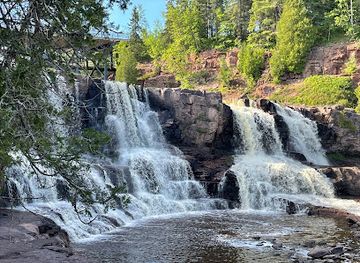
Gooseberry Falls State Park
Explore the breathtaking landscapes and serene waterfalls of Gooseberry Falls State Park, a must-visit destination for every nature enthusiast.
-
State park
Tettegouche State Park
Discover the enchanting landscapes and outdoor adventures awaiting you at Tettegouche State Park, a natural paradise along Lake Superior's North Shore.
-
State park
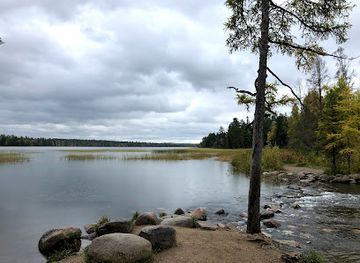
Itasca State Park
Experience the tranquility and beauty of Itasca State Park, where the Mississippi River begins and nature thrives in Minnesota's oldest state park.
-
State park
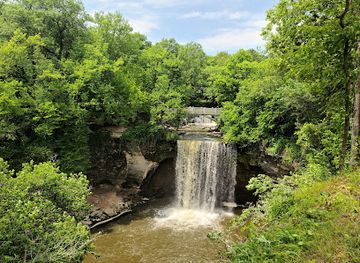
Minneopa State Park
Experience the stunning landscapes, waterfalls, and wildlife of Minneopa State Park, a natural paradise in Mankato, Minnesota.

Best landmarks in Big Woods
The most recognisable natural landmark of the region is the Hidden Falls ravine at Nerstrand Big Woods State Park, where a stream cuts through woodland and drops over a modest limestone ledge. The surviving hardwood forest itself is a landmark of ecological history: mature maple, basswood and oak stands reveal the character of the landscape that preceded widespread agricultural clearance. The Minnesota River valley forms another defining geographic feature, with wooded bluffs, floodplain corridors and open views contrasting with the surrounding farm country. Chaska’s historic core and civic architecture express the town’s long role as a local centre, while Northfield’s older streets and institutional buildings reflect its nineteenth-century growth as a river and agricultural community. The Minnesota Landscape Arboretum near Chaska is also significant for its interpretation of native plant communities and cultivated landscapes. These places matter not because they represent a single monumental building, but because they make visible the relationship between forest, river, settlement and conservation that defines the Big Woods.
-
History museum
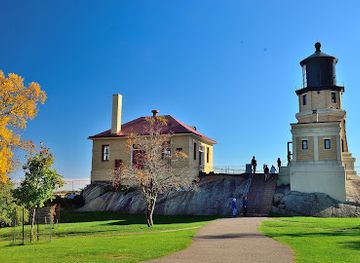
Split Rock Lighthouse
Experience the historic Split Rock Lighthouse on Lake Superior's scenic North Shore, a perfect blend of nature, history, and breathtaking views.
-
State park
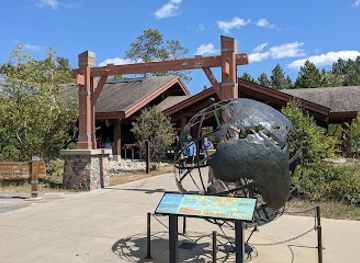
Itasca State Park
Explore the breathtaking Itasca State Park, home to the source of the Mississippi River, endless trails, and rich wildlife in Minnesota's natural paradise.
-
Museum
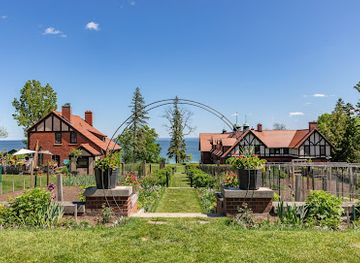
Glensheen Mansion
Uncover the elegance and history of Glensheen Mansion, a remarkable historical estate on the shores of Lake Superior in Duluth, Minnesota.
-
History museum
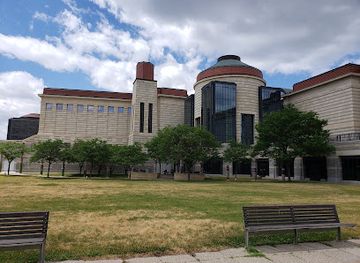
Minnesota History Center
Explore Minnesota's vibrant heritage at the Minnesota History Center—a captivating journey through the state's past and cultural evolution.
Explore Big Woods on the map
Plan your trip on one map. See where the top cities, national parks and sights are, and book hotels and experiences in a few clicks.
Best hotels in Big Woods
Best restaurants in Big Woods
Dining in the Big Woods reflects the agricultural character of central and south-central Minnesota rather than a sharply separate regional cuisine. Restaurants, cafés, bakeries and traditional pubs in towns such as Northfield and Chaska provide familiar Midwestern fare alongside contemporary cooking, vegetarian options and food shaped by the region’s immigrant and agricultural communities. Farm stands and farmers’ markets are useful places to find seasonal vegetables, apples, preserves, baked goods and other locally produced items, while rural eateries often emphasise hearty breakfasts, sandwiches, burgers and daily specialities. Dairy, pork, beef, grains and freshwater fish are common regional ingredients, though menus vary considerably. Around the western metropolitan fringe, visitors will find a broader choice of international food and modern restaurants. In smaller communities, opening days and evening service can be limited, so it is sensible to plan meals around the particular town or park area being visited rather than expecting restaurants beside every trailhead.
-
Steak
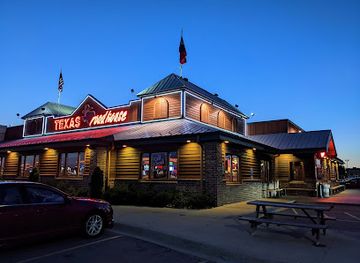
Texas Roadhouse
Discover Texas Roadhouse in Waite Park for an unforgettable steakhouse experience with flavorful dishes and a lively ambiance.
-
American
The Tavern Grill
Discover delicious American cuisine at The Tavern Grill in Woodbury—a top choice for tourists seeking memorable dining experiences.
-
American
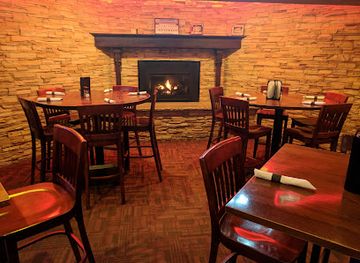
Grizzly's Wood-Fired Grill - Waite Park
Experience delicious wood-fired cuisine at Grizzly's Wood-Fired Grill in Waite Park – where comfort food meets exceptional flavor.
-
Restaurant
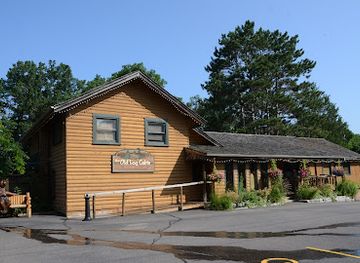
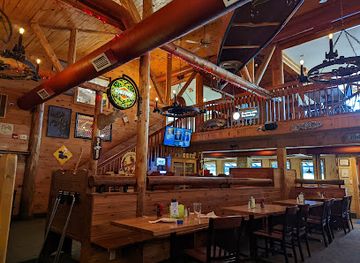
The Old Log Cabin Restaurant
Discover hearty meals and rustic charm at The Old Log Cabin Restaurant in Forest Lake - your perfect dining escape.

Best bars in Big Woods
Evening life in the Big Woods is concentrated in its towns and is generally more relaxed than club-oriented. Northfield has the strongest compact-town evening scene, with pubs, cafés, restaurants and venues associated with its colleges and cultural life, while Chaska and other larger communities offer local bars, breweries or restaurant-based nightlife. In rural districts, historic-style taverns, community events and live music are more typical than nightclubs, and venues may be widely separated. The western edge near the Minneapolis–Saint Paul metropolitan area provides a larger choice of bars and entertainment, but it is outside the core rural experience of the Big Woods. Visitors should check current arrangements directly because smaller venues can change schedules seasonally. Alcohol is only one part of the region’s evening culture; performances, dining, local events and quiet walks through historic town centres offer alternatives.
-
Restaurant
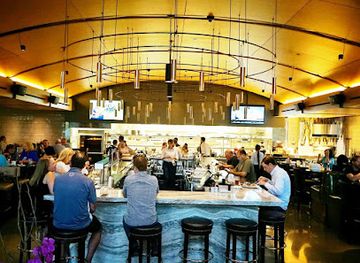
Tom's Watch Bar - Minneapolis
Discover the ultimate sports bar experience at Tom's Watch Bar in Minneapolis, where great food, drinks, and live games create the perfect atmosphere.
-
Pub
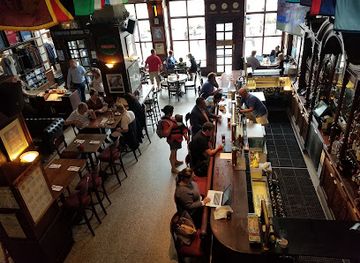
Brit's Pub
Experience the essence of British pub culture at Brit's Pub in Minneapolis, serving classic dishes, craft beers, and a vibrant atmosphere.
-
Bar
Hazelwood Food and Drink
Experience the fusion of flavors at Hazelwood Food and Drink, Bloomington's premier destination for New American cuisine and craft beverages.
-
Grill
Blue Moose Bar & Grill
Experience the vibrant flavors and lively atmosphere at Blue Moose Bar & Grill in East Grand Forks, where great food meets unforgettable moments.

Best nightclubs in Big Woods
Evening life in the Big Woods is concentrated in its towns and is generally more relaxed than club-oriented. Northfield has the strongest compact-town evening scene, with pubs, cafés, restaurants and venues associated with its colleges and cultural life, while Chaska and other larger communities offer local bars, breweries or restaurant-based nightlife. In rural districts, historic-style taverns, community events and live music are more typical than nightclubs, and venues may be widely separated. The western edge near the Minneapolis–Saint Paul metropolitan area provides a larger choice of bars and entertainment, but it is outside the core rural experience of the Big Woods. Visitors should check current arrangements directly because smaller venues can change schedules seasonally. Alcohol is only one part of the region’s evening culture; performances, dining, local events and quiet walks through historic town centres offer alternatives.
-
Gay bar
The Saloon
Experience the exhilarating nightlife at The Saloon, Minneapolis' premier gay bar and nightclub, where fun meets inclusivity in every beat.
-
Bar
Fraternal Order of Eagles #34
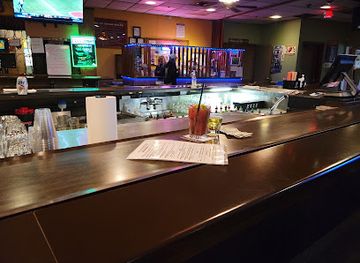
Discover Minneapolis nightlife at Fraternal Order of Eagles #34, a lively bar with karaoke, live music, and a welcoming atmosphere.
-
Bar
331 Club
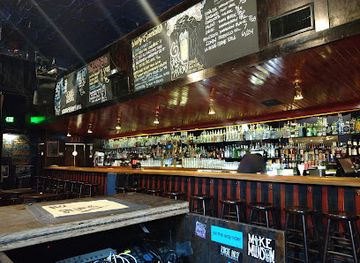
331 Club: A lively bar and night club in Northeast Minneapolis, where unforgettable nights of music and community come alive.
-
Gay bar
Gay 90's Minneapolis
Discover the pulsating heart of Minneapolis' LGBTQ+ nightlife at Gay 90's, a vibrant gay bar and nightclub with electrifying entertainment.

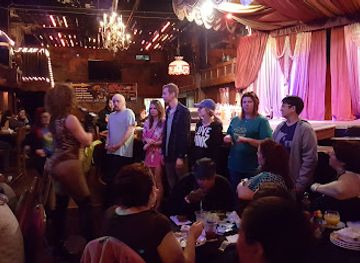
Best shops in Big Woods
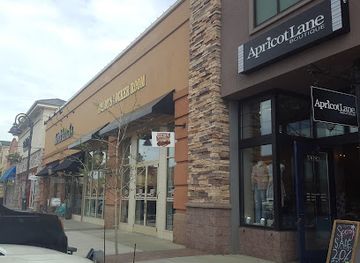
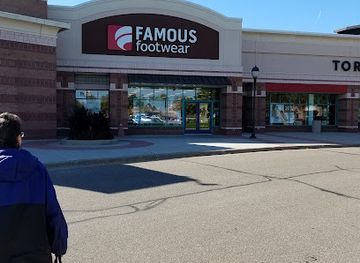
Shopping in the Big Woods is centred on market towns, independent high streets, farm outlets and seasonal producers rather than large luxury districts. Northfield and Chaska offer books, gifts, clothing, galleries, cafés, antiques and locally oriented shops, with distinct historic-town atmospheres. Farmers’ markets and roadside stands are the best places to look for apples, preserves, baked goods, vegetables, honey and other products connected with the surrounding agricultural area, although dates and availability vary through the year. Visitors may also find pottery, artwork, textiles and practical craft goods from regional makers, particularly in town galleries and community retail spaces. Near the metropolitan fringe, larger shopping areas provide national chains and everyday supplies, but they are less representative of the rural landscape. Souvenirs with a genuine regional connection include locally made food, nature-themed artwork and craft products rather than generic items labelled simply Minnesota.
-
Shopping mall
The Shoppes at Arbor Lakes
Discover a vibrant shopping experience at The Shoppes at Arbor Lakes, featuring diverse retail and dining options in a beautifully designed outdoor setting.
-
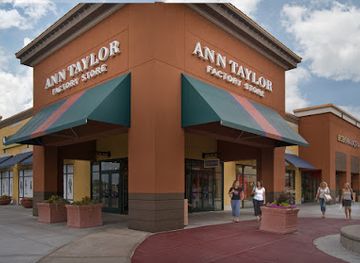
Outlet mall
Albertville Premium Outlets
Experience unbeatable shopping at Albertville Premium Outlets, where top brands meet incredible discounts in a vibrant Minnesota setting.
-
Shopping mall
Tamarack Village
Discover a vibrant mix of shopping, dining, and community events at Tamarack Village in Woodbury, Minnesota - the ultimate shopping destination.
-
Shopping mall
Woodbury Lakes
Experience shopping, dining, and entertainment at Woodbury Lakes, the premier shopping destination in Minnesota's vibrant community.

Get your free copy of our complete guide to Big Woods, delivered straight to you.
Everything on this page, from attractions and restaurants to essentials and local phrases, in one PDF you can read offline, print or share.
Already have an account? Sign in
Your Big Woods guide is ready.
We'll send it to · Not you? Sign out

Getting your guide ready…
We are putting together a fresh copy of the Big Woods guide. This can take up to a minute.
This can take a few moments. If your browser asks, choose Allow so the download can start. You'll find the guide in your Downloads folder.
Nothing happened? Download it again
Sorry, the guide is taking longer than usual. Please try again in a minute, or get it by email instead.
Big Woods essentials
Currency and Payment
Safety
Emergency Situations
Do's and Don'ts
Local Tips
From Eve
Local phrases worth knowing
You don't need to get them perfect. A few words go a long way, and locals appreciate the effort.
Basics
| English | Local | Say it |
|---|---|---|
| Hello | Howdy | [Hau-dee] |
| Goodbye | See ya later | [See yah lay-ter] |
| Yes | Yup | [Yup] |
| No | Nope | [Nope] |
| Please/You're welcome | Sure thing | [Shur thing] |
| Thank you | Thanks a lot | [Thanks a lot] |
| Excuse me/Sorry | Sorry 'bout that | [Sor-ee 'bout that] |
| How are you? | How ya doin'? | [How yah doin'?] |
| Fine. And you? | Good. And you? | [Good. And you?] |
| Do you speak English? | Can ya speak English? | [Can yah speak English?] |
| I don't understand | I ain't gettin' it | [I ain't gettin' it] |
Eating & Drinking
| English | Local | Say it |
|---|---|---|
| I'd like to see the menu, please | Can I see the menu? | [Can I see the menu?] |
| I don't eat meat | I ain't eatin' meat | [I ain't eatin' meat] |
| Cheers! | Cheers! | [Cheers!] |
| I would like to pay, please | Can I pay now? | [Can I pay now?] |
Emergencies
| English | Local | Say it |
|---|---|---|
| Help! | Help! | [Help!] |
| Go away! | Get lost! | [Get lost!] |
| Call the Police! | Call the cops! | [Call the cops!] |
| Call a doctor! | Get a doc! | [Get a doc!] |
| I'm lost | I'm all turned around | [I'm all turned around] |
| I'm ill | I'm not feelin' well | [I'm not feelin' well] |
Shopping
| English | Local | Say it |
|---|---|---|
| I'd like to buy... | I wanna buy... | [I wanna buy...] |
| I'm just looking | Just lookin' | [Just lookin'] |
| How much is it? | What’s the price? | [What’s the price?] |
| That's too expensive | That's too pricey | [That's too pricey] |
| Can you lower the price? | Can ya make it cheaper? | [Can yah make it cheaper?] |
Time & Numbers
| English | Local | Say it |
|---|---|---|
| What time is it? | What time ya got? | [What time yah got?] |
| It's one o'clock | It's one | [It's one] |
| Half past (10) | Half past ten | [Half past ten] |
| Morning | Mornin' | [Mornin'] |
| Afternoon | Afternoon | [Afternoon] |
| Evening | Evenin' | [Evenin'] |
| Yesterday | Yesterday | [Yesterday] |
| Today | Today | [Today] |
| Tomorrow | Tomorrow | [Tomorrow] |
| 1 | One | [One] |
| 2 | Two | [Two] |
| 3 | Three | [Three] |
| 4 | Four | [Four] |
| 5 | Five | [Five] |
| 6 | Six | [Six] |
| 7 | Seven | [Seven] |
| 8 | Eight | [Eight] |
| 9 | Nine | [Nine] |
| 10 | Ten | [Ten] |
Transport & Directions
| English | Local | Say it |
|---|---|---|
| Where's a/the...? | Where's the nearest...? | [Where's the nearest...?] |
| What's the address? | What’s the address? | [What’s the address?] |
| Can you show me (on the map)? | Can ya point it out? | [Can yah point it out?] |
| When's the next (bus)? | When's the next bus? | [When's the next bus?] |
| A ticket (to ....) | One ticket to ... | [One ticket to ...] |
History of Big Woods
Dakota Homelands and the Pre-settlement Forest
For centuries before American settlement, Dakota communities lived in and travelled through the woodland, prairie and river environments now associated with the Big Woods. The forest supplied timber, nuts, berries, game and materials, while nearby rivers and prairie openings supported varied seasonal activities. The region was not an untouched wilderness but a lived-in landscape shaped by knowledge, movement and land management. Dakota place-names and continuing cultural presence remain important to understanding Minnesota’s history, particularly as later treaties and settlement displaced Indigenous communities from much of their homelands.
Glacial Landforms and the Big Woods Ecology
The region’s physical character was established by the last Ice Age, when glacial deposits created rolling moraines, fertile plains, kettle depressions and deeply cut river valleys. These varied soils and drainage patterns helped produce the maple-basswood forest known as the Big Woods, with oak, elm, ironwood and other hardwoods appearing in different habitats. Ravines and south-facing slopes created particularly rich ecological niches. Although the term refers primarily to a natural region rather than a political boundary, its forests influenced settlement patterns and remain visible in protected woodland fragments.
Nineteenth-Century Settlement and River Commerce
During the nineteenth century, American settlement expanded into central and southern Minnesota through treaty-making, land surveys, military protection, river transport and new roads. Communities including Chaska and Northfield grew as local centres for farming, trade, education and administration. The Minnesota River and other waterways were important corridors, although the Big Woods’ rougher ravines and dense forest could make overland travel difficult. Settlement brought profound changes to Dakota communities and land ownership, while town-building introduced the civic buildings, churches and commercial streets that still characterise several regional communities.
Logging and the Conversion to Farmland
The Big Woods was cleared rapidly from the mid-nineteenth century onwards. Timber was needed for houses, barns, fuel and commercial construction, and the region’s comparatively fertile soils made the cleared land valuable for agriculture. Sawmills and local timber cutting accompanied the growth of farms, roads and rail connections. Unlike northern Minnesota, where large-scale pine logging dominated, the Big Woods experienced a more complete transformation from hardwood forest to cultivated countryside. Small woodland remnants survived mainly on steep slopes, wet ground, farm margins and land considered difficult to plough.
Agricultural and Industrial Development
Once cleared, the Big Woods became part of Minnesota’s productive agricultural belt, with grain, dairy, livestock and later diversified farming shaping its economy. Towns developed processing, retail and transport functions, while improved roads connected rural communities with Minneapolis–Saint Paul and other markets. Chaska and nearby communities also developed traditions of craft and manufacturing, including ceramics and brickmaking associated with local clays. Agriculture remains central to the regional landscape, but its coexistence with woodland corridors and restored habitats has become an important part of modern land-use planning.
Conservation and Ecological Restoration
Twentieth-century conservationists increasingly recognised that the remaining Big Woods fragments represented an ecological legacy rather than merely undeveloped land. State parks, county reserves, wildlife areas, arboreta and private conservation projects now protect woodland, wetlands, prairie edges and river bluffs. Nerstrand Big Woods State Park is especially significant because it conserves mature forest and the Hidden Falls ravine. Contemporary restoration also seeks to reconnect isolated habitats, control invasive species and interpret the relationship between Indigenous history, agriculture and the forest that once covered much more of Minnesota.
Big Woods in Photos
Browse through our photo collection highlighting the charm and character of the destination.
Neighbouring regions of Big Woods
The closest regions to Big Woods, if you have time for more than one.
-

-

-

-

-


Swipe for more regions
Explore more

Explore more of Minnesota
Discover Minnesota: From the bustling Twin Cities and cultural landmarks to the serene lakes and expansive wilderness, experience the diverse beauty and welcoming spirit of the North Star State.
Explore Minnesota