

Ha Ha Tonka State Park Travel Guide - Free Web & App
Your ultimate guide to Ha Ha Tonka State Park. Discover top landmarks, proposed trips, and local tips. Free on the web or via the Evendo companion app.


Ha Ha Tonka State Park in Missouri combines Lake of the Ozarks scenery, karst caves, springs, trails and castle ruins with rich local history.
Karst Country beside the Lake
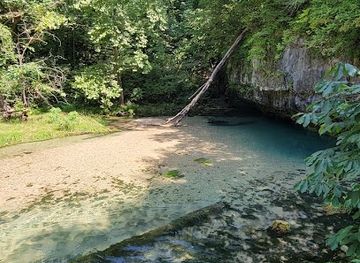
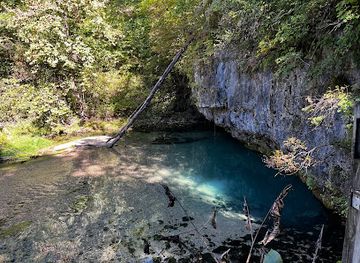
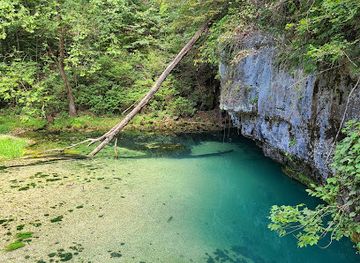
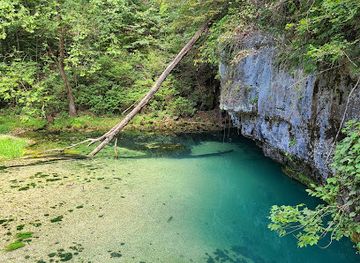
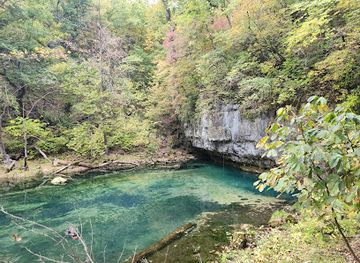
Ha Ha Tonka State Park occupies roughly 3,700 acres on the southern shore of the Lake of the Ozarks in central Missouri. Its landscape is shaped by the Ozarks’ soluble limestone, producing springs, sinkholes, caves, cliffs, natural bridges and wooded ridges above the lake. The park’s best-known natural feature is Ha Ha Tonka Spring, where clear water rises from an underground cave system before flowing towards the lake. Boardwalks, stairways and trails connect several viewpoints and geological features, although terrain can be uneven and some routes are steep.Read more about Ha Ha Tonka State Park
Ruins, Woods and Water
Exploring the Park
When is the best time to visit Ha Ha Tonka State Park?
Best: May, September–October · 19–26°C| Month | High (°C) | Rainfall (mm) |
|---|---|---|
| January | 4 | 45 |
| February | 7 | 50 |
| March | 13 | 65 |
| April | 19 | 85 |
| May (best) | 24 | 105 |
| June | 29 | 100 |
| July | 31 | 85 |
| August | 30 | 90 |
| September (best) | 26 | 85 |
| October (best) | 19 | 75 |
| November | 11 | 65 |
| December | 6 | 55 |
Getting to and around Ha Ha Tonka State Park
How to get there
Transportation
Best attractions in Ha Ha Tonka State Park
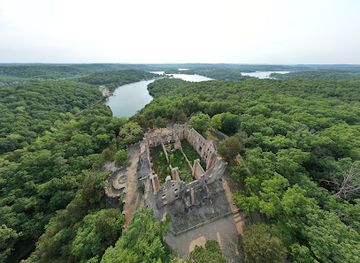
Ha Ha Tonka State Park’s attractions are concentrated in a landscape where limestone geology and local history meet the Lake of the Ozarks. The stone ruins of Ha Ha Tonka Castle occupy a prominent ridge and offer one of the region’s most recognisable sights, while nearby paths and stairways lead towards Ha Ha Tonka Spring, a powerful groundwater outlet emerging from an underground cave system. The park’s karst features include sinkholes, caves, wooded bluffs and a natural bridge, each illustrating the way water has shaped the Ozark bedrock. Trails through forest and along the shoreline provide changing views of the reservoir, although the park’s principal experiences are walking and landscape observation rather than a conventional attraction circuit. The spring area and castle precinct are distinct from the wider lake communities, where visitors will find marinas, restaurants and other recreation. The park’s habitats also offer opportunities for seeing woodland birds and other wildlife without leaving the established routes.
-
Tourist attraction
Bridal Cave & Thunder Mountain Park
Discover the stunning Bridal Cave & Thunder Mountain Park in Missouri, a perfect blend of natural beauty, adventure, and unforgettable experiences.
-
Ruin
Ha Ha Tonka Castle Ruins
Explore the enchanting Ha Ha Tonka Castle Ruins in Missouri, where history meets breathtaking nature in a unique and scenic hiking destination.
-
State park
Ha Ha Tonka Spring
Explore the breathtaking landscapes and rich history of Ha Ha Tonka Spring, a top state park destination in Missouri for outdoor enthusiasts.
-
Park
Ha Ha Tonka Lake Shelter
Explore the natural beauty and historical significance of Ha Ha Tonka Lake Shelter in Missouri, a perfect destination for outdoor adventures and relaxation.

Best landmarks in Ha Ha Tonka State Park
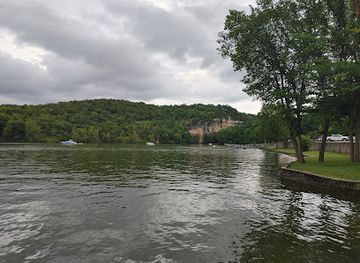
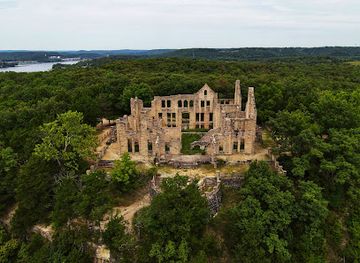
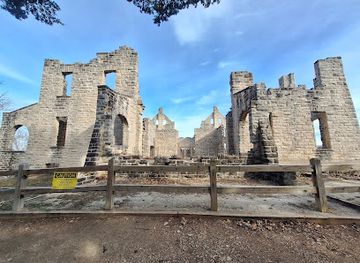
Ha Ha Tonka Castle is the park’s defining historic landmark: the surviving stone walls of a mansion begun in 1905 and later damaged by fire in 1942, set on high ground above the Lake of the Ozarks. Its elevated ruins are closely associated with the identity of the park, but the natural landmarks are equally important. Ha Ha Tonka Spring rises from an underground cave system and gives visible form to the area’s karst geology, while the natural bridge, caves, sinkholes and limestone bluffs reveal the continuing work of groundwater on the Ozark landscape. The reservoir shoreline adds a modern human layer, reflecting the transformation brought by Bagnell Dam and the creation of the Lake of the Ozarks. Together, these features distinguish Ha Ha Tonka from a purely historic site or a conventional lakeside recreation area.
-
Ruin
Ha Ha Tonka Castle Ruins
Discover the majestic ruins of a 20th-century castle amidst the natural beauty of Ha Ha Tonka State Park, offering history and outdoor adventure.
-
Historical landmark
Ha Ha Tonka Water Tower
Explore the historic Ha Ha Tonka Water Tower in Camdenton, Missouri, offering scenic views and a glimpse into the Ozark's rich history.
Explore Ha Ha Tonka State Park on the map
Plan your trip on one map. See where the top attractions, landmarks, restaurants and hotels are, and book hotels and experiences in a few clicks.
Best hotels in Ha Ha Tonka State Park
Best restaurants in Ha Ha Tonka State Park
Ha Ha Tonka State Park itself is primarily a natural day-use destination, so visitors should plan meals and supplies in advance rather than expect a substantial dining scene within the park. Camdenton is the principal nearby service town, and restaurants, cafés, casual eateries and food shops are also distributed through the wider Lake of the Ozarks communities. Regional dining reflects central Missouri’s Midwestern and Ozark character, with familiar American cooking, barbecue, burgers, sandwiches, family-style meals and seasonal produce represented across the lake area. Waterfront communities add a recreational, informal atmosphere, while grocery shops and convenience stores can be useful for picnics before entering the park. Visitors staying in cottages or holiday accommodation may find self-catering practical, particularly when combining a park walk with time on the lake. Exact choices and opening arrangements vary by season, so a car journey into an established settlement is usually necessary for a fuller range of food.
-
State park
Ha Ha Tonka State Park
Explore Ha Ha Tonka State Park: A natural paradise in Missouri with stunning landscapes, historic ruins, and endless outdoor adventures.
-
Ruin
Ha Ha Tonka Castle Ruins
Explore Missouri's stunning Ha Ha Tonka Castle Ruins surrounded by breathtaking nature and rich history.
-
American
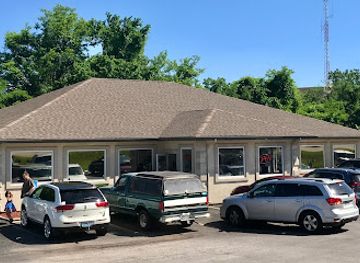
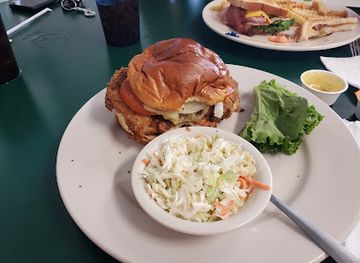
RJ's Family Restaurant
Experience homestyle American dining at RJ's Family Restaurant in Camdenton—where every meal feels like home.
-
American
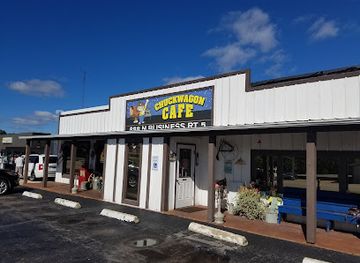
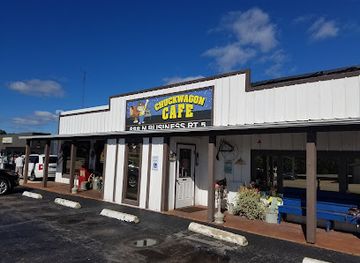
Chuckwagon Cafe
Experience the heart of American breakfast at Chuckwagon Cafe in Camdenton – where every meal feels like home.

Best bars in Ha Ha Tonka State Park
Evening entertainment is limited within Ha Ha Tonka State Park, which closes into a quiet landscape of forest, limestone and lake views rather than functioning as a nightlife venue. After a day outdoors, visitors generally return to Camdenton or to the larger resort and recreational communities around the Lake of the Ozarks, where established restaurants, bars, seasonal entertainment and informal live-music settings may be found. The character is predominantly casual and holiday-oriented, with activity varying according to the season and the individual community. Traditional pub-style hospitality and drinks with dinner are more representative of the area than a concentrated club district. Visitors staying farther from the lake’s busier commercial stretches should expect darker roads, longer driving distances and a quieter evening atmosphere, and should arrange a sober driver or suitable transport before drinking.
-
American
RJ's Family Restaurant
Discover the heart of American cuisine at RJ's Family Restaurant, a cherished spot in Camdenton, MO, known for its breakfast and brunch delights.
-
American
Chuckwagon Cafe
Experience the charm of Chuckwagon Cafe in Camdenton, MO, where delicious American breakfast meets a warm, welcoming atmosphere.
-
Restaurant
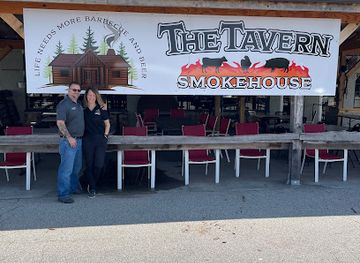
The Tavern Smokehouse
Discover the best barbecue in Camdenton at The Tavern Smokehouse, where smoky flavors and friendly service create a delightful dining experience.
-
Breakfast
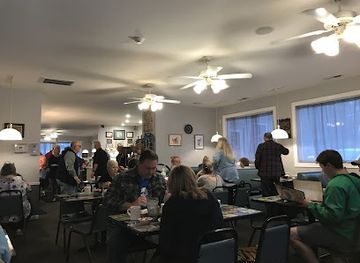
Stewart's Restaurant
Discover the charm of Stewart's Restaurant in Camdenton, where delicious breakfast, brunch, and lunch await in a cozy setting.
Best nightclubs in Ha Ha Tonka State Park
Evening entertainment is limited within Ha Ha Tonka State Park, which closes into a quiet landscape of forest, limestone and lake views rather than functioning as a nightlife venue. After a day outdoors, visitors generally return to Camdenton or to the larger resort and recreational communities around the Lake of the Ozarks, where established restaurants, bars, seasonal entertainment and informal live-music settings may be found. The character is predominantly casual and holiday-oriented, with activity varying according to the season and the individual community. Traditional pub-style hospitality and drinks with dinner are more representative of the area than a concentrated club district. Visitors staying farther from the lake’s busier commercial stretches should expect darker roads, longer driving distances and a quieter evening atmosphere, and should arrange a sober driver or suitable transport before drinking.
-
State park
Ha Ha Tonka State Park
Explore the enchanting landscapes and historical ruins of Ha Ha Tonka State Park in the heart of Missouri's Ozarks.
-
Ruin
Ha Ha Tonka Castle Ruins
Explore the majestic Ha Ha Tonka Castle Ruins, a historic gem surrounded by stunning landscapes and hiking trails in Missouri's beautiful state park.
Best shops in Ha Ha Tonka State Park
Shopping within Ha Ha Tonka State Park is limited and focused on the practical needs of a day visit rather than a dedicated retail district. For groceries, picnic supplies, fuel and outdoor necessities, Camdenton is the most convenient nearby base, while the broader Lake of the Ozarks communities offer additional general retailers, lake-oriented equipment and locally produced goods. Visitors may encounter regional food products, handmade items, artwork and Ozark-themed souvenirs through independent businesses and seasonal commerce around the lake, although selections and opening patterns vary. The area’s strongest retail identity is connected with outdoor recreation and local tourism rather than fashion shopping. Those seeking specialist equipment should obtain it before entering the park, since the protected landscape’s attractions are separated from the commercial centres and do not contain an extensive collection of shops.
-
State park
Ha Ha Tonka State Park
Explore the breathtaking landscapes and rich history of Ha Ha Tonka State Park in Missouri, a haven for outdoor enthusiasts and nature lovers.
-
Tourist attraction
Ha Ha Tonka Castle Ruins
Discover the historic Ha Ha Tonka Castle Ruins in Missouri, a perfect blend of history, hiking, and stunning natural landscapes.
-
Consignment shop
Bear Market Consignment Sales
Explore the charm of Bear Market Consignment Sales in Camdenton, Missouri - a treasure trove of unique finds and sustainable shopping.
-
Gift shop
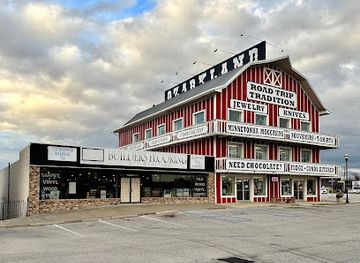
Ozarkland Store
Explore the heart of the Ozarks at Ozarkland Store, your go-to destination for unique gifts and local treasures.

Get your free copy of our complete guide to Ha Ha Tonka State Park, delivered straight to you.
Everything on this page, from attractions and restaurants to essentials and local phrases, in one PDF you can read offline, print or share.
Already have an account? Sign in
Your Ha Ha Tonka State Park guide is ready.
We'll send it to · Not you? Sign out

Getting your guide ready…
We are putting together a fresh copy of the Ha Ha Tonka State Park guide. This can take up to a minute.
This can take a few moments. If your browser asks, choose Allow so the download can start. You'll find the guide in your Downloads folder.
Nothing happened? Download it again
Sorry, the guide is taking longer than usual. Please try again in a minute, or get it by email instead.
Ha Ha Tonka State Park essentials
Currency and Payment
Safety
Emergency Situations
Do's and Don'ts
Local Tips
From Eve
Local phrases worth knowing
You don't need to get them perfect. A few words go a long way, and locals appreciate the effort.
Basics
| English | Local | Say it |
|---|---|---|
| Hello | Howdy | [hao-dee] |
| Goodbye | See ya | [see-yuh] |
| Yes | Yep | [yep] |
| No | Nah | [na] |
| Please/You're welcome | Please | [pleez] |
| Thank you | Thanks | [th-anks] |
| Excuse me/Sorry | Pardon | [pahr-dn] |
| How are you? | Howdy | [hao-dee] |
| Fine. And you? | Doing good. How 'bout you? | [doo-in gud. How-bowt yuh] |
| Do you speak English? | Y'all speak English? | [yawl speek ing-glish] |
| I don't understand | I ain't catchin' on | [I ent ketch-in on] |
Eating & Drinking
| English | Local | Say it |
|---|---|---|
| I'd like to see the menu, please | Mind showin' me the menu? | [m-ahynd show-in me the men-yoo] |
| I don't eat meat | I don't eat critters | [I don't eat krit-ers] |
| Cheers! | Cheers! | [cheers] |
| I would like to pay, please | I'll settle up now, please | [I'll set-l up now, pleez] |
Emergencies
| English | Local | Say it |
|---|---|---|
| Help! | Help! | [help] |
| Go away! | Git! | [git] |
| Call the Police! | Fetch the Sheriff! | [fetch the sh-er-iff] |
| Call a doctor! | Get a medic! | [get a med-ik] |
| I'm lost | I'm turned around | [I'm turned around] |
| I'm ill | I'm feelin' poorly | [I'm feelin' poorly] |
Shopping
| English | Local | Say it |
|---|---|---|
| I'd like to buy... | I'm fixin' to buy... | [I'm fix-in to buy] |
| I'm just looking | I'm just browsin' | [I'm just browz-in] |
| How much is it? | How much fer that? | [How much fer that] |
| That's too expensive | That's a mite pricey | [That's a mite pricey] |
| Can you lower the price? | Kin ya knock it down a bit? | [Kin ya knock it down a bit] |
Time & Numbers
| English | Local | Say it |
|---|---|---|
| What time is it? | What's the time? | [What's the time] |
| It's one o'clock | It's one | [It's one] |
| Half past (10) | Ten thirty | [Ten thirty] |
| Morning | Mornin' | [Mornin'] |
| Afternoon | Afternoon | [afternoon] |
| Evening | Evenin' | [Evenin'] |
| Yesterday | Yest'day | [Yest'day] |
| Today | Today | [today] |
| Tomorrow | Tomorra | [tomorra] |
| 1 | One | [One] |
| 2 | Two | [Two] |
| 3 | Three | [Three] |
| 4 | Four | [Four] |
| 5 | Five | [Five] |
| 6 | Six | [Six] |
| 7 | Seven | [Seven] |
| 8 | Eight | [Eight] |
| 9 | Nine | [Nine] |
| 10 | Ten | [Ten] |
Transport & Directions
| English | Local | Say it |
|---|---|---|
| Where's a/the...? | Where's the... | [Where's the] |
| What's the address? | What's the street? | [What's the street] |
| Can you show me (on the map)? | Can you point it out? | [Can you point it out] |
| When's the next (bus)? | When's the next one? | [When's the next one] |
| A ticket (to ....) | A ticket (to ....) | [A ticket (to ....)] |
History of Ha Ha Tonka State Park
Ozark Limestone and Underground Water
The physical history of Ha Ha Tonka begins with the limestone geology of the Ozarks, a region formed from ancient marine sediments that later became exposed, fractured and dissolved by groundwater. At the park, those processes created the karst landscape of caves, sinkholes, natural bridges and springs. Ha Ha Tonka Spring is the most visible expression of this underground drainage system, issuing from a cave and feeding a stream towards the Lake of the Ozarks. The geological setting explains why the park’s scenery differs from the gentler wooded hills found elsewhere around the reservoir.
Early Human Use of the Ozarks
The wider Lake of the Ozarks region has a long history of Indigenous occupation and later settlement, although the park is principally interpreted today through its geology, landscape and more recent built heritage. European-American communities developed in the surrounding Ozark countryside through farming, timber work and small-scale local commerce. The rugged terrain, abundant springs and wooded slopes shaped movement and settlement, while the area’s natural features gradually attracted visitors interested in scenery and recreation.
The Snyder Estate and Castle
In the early twentieth century, Kansas City businessman Robert McClure Snyder acquired land at Ha Ha Tonka and began developing an imposing stone mansion above the spring and lake. Construction started in 1905, but Snyder died in an automobile accident in 1906. His sons continued the project, and the building was completed in the following years as part of a private estate that included additional structures and landscaped grounds. The mansion’s use as a grand residence was relatively short-lived, but its elevated position and substantial local stone made it a lasting presence in the landscape.
Fire, Public Ownership and a State Park
The mansion was damaged by fire in 1942 and was never rebuilt, leaving the stone walls that visitors now recognise as Ha Ha Tonka Castle. The property subsequently changed hands before Missouri acquired it for public recreation and conservation. Ha Ha Tonka State Park was established in 1978, bringing the castle ruins, spring, natural bridge, caves, sinkholes, woodland and shoreline into a single protected public landscape. State-park management has since balanced public access with the care of fragile karst features and historic remains.
The Lake of the Ozarks Era
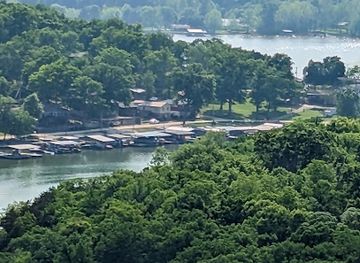
The completion of Bagnell Dam in 1931 created the Lake of the Ozarks and transformed the valleys and shorelines of the region, including the setting around Ha Ha Tonka. The reservoir introduced a major recreational dimension to an area previously defined largely by its hills, springs, farms and forests. Ha Ha Tonka’s combination of lake views, geological features and castle ruins later became one of the region’s most recognisable public attractions, while conservation management continues to protect the park’s natural and cultural resources.
Ha Ha Tonka State Park in Photos
Browse through our photo collection highlighting the charm and character of the destination.
Neighbouring destination travel guides
The closest destinations to Ha Ha Tonka State Park, if you have time for more than one.
-

-
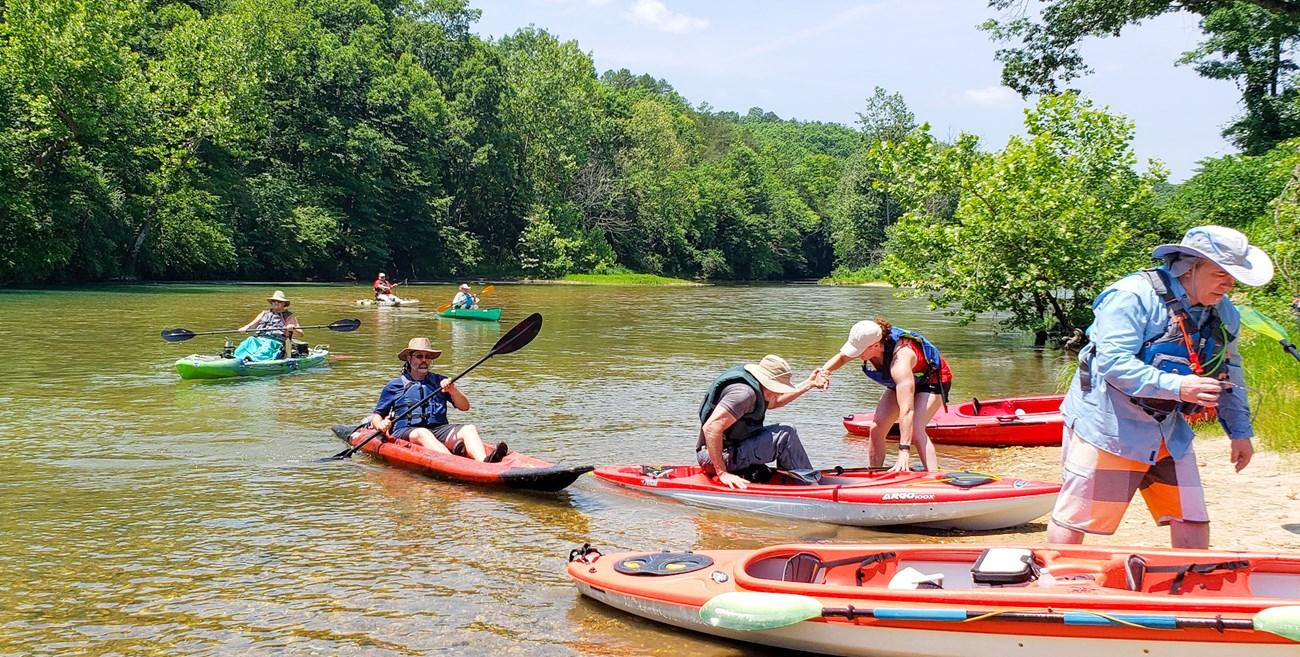 Stockton Lake
, Missouri, offers clear-water boating, sailing, fishing, beaches, forested coves and quiet lakeside recreation in the Ozarks through every season.
Stockton Lake
Stockton Lake, Missouri, offers clear-water boating, sailing, fishing, beaches, forested coves and quiet lakeside recreation in the Ozarks through every season.
-

-

-
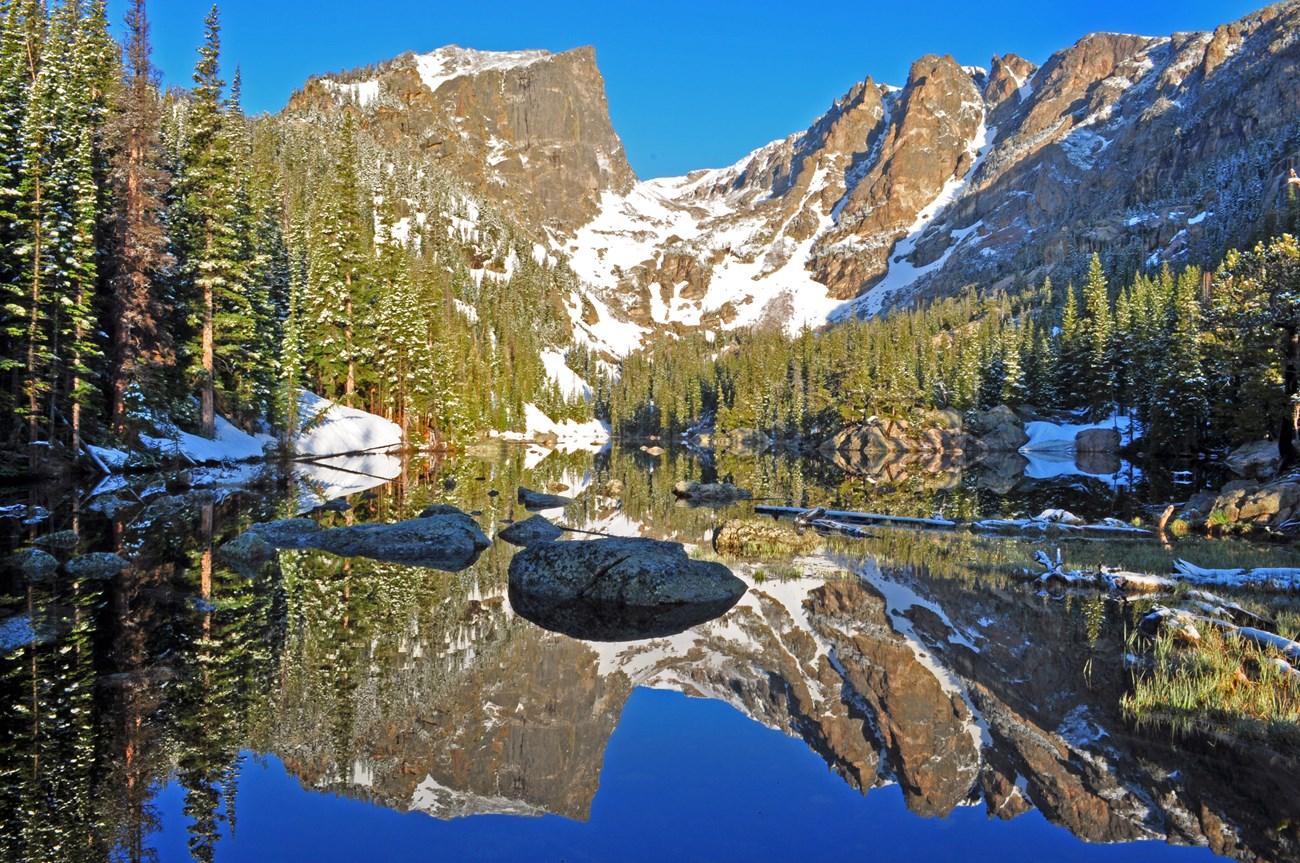 Table Rock Lake
, Missouri, pairs clear water, wooded shores and Ozark scenery with boating, fishing, hiking and lively lakeside towns in the United States.
Table Rock Lake
Table Rock Lake, Missouri, pairs clear water, wooded shores and Ozark scenery with boating, fishing, hiking and lively lakeside towns in the United States.


Swipe for more destinations
Explore more

Explore more of Gasconade River Basin
Explore Missouri's Gasconade River Basin for Ozark paddling, wooded valleys, springs, historic towns and quiet rural landscapes.
Explore Gasconade River Basin
Explore more of Missouri
Experience the diverse landscapes, rich history, and vibrant culture of Missouri, the heart of America, offering everything from bustling cities to serene natural escapes.
Explore Missouri