

Free St. Louis Travel Guide & Mobile App
Plan your St. Louis trip with Evendo. Get free guides to top attractions, restaurants, hotels, and bars. Web access or download the mobile app.


St. Louis blends Gateway Arch views, blues and barbecue, grand museums, historic neighbourhoods and Mississippi River heritage for memorable Missouri city breaks.
River City and Western Gateway
St. Louis stands on the western bank of the Mississippi River, where the waterway, a layered immigrant history and the ambitions of nineteenth-century America have shaped the city’s identity. Its most recognisable symbol, the Gateway Arch, rises beside the riverfront to commemorate the westward expansion associated with the 1803 Louisiana Purchase, while the Old Courthouse and the historic streets of downtown preserve earlier chapters of the city’s civic life. Across the river, Illinois forms a close geographical backdrop, giving the waterfront a broad, open character.Read more about St. Louis
Neighbourhoods with Distinctive Character
Museums, Parks and Local Culture
When is the best time to visit St. Louis?
Best: May, September–October · 22–28°C| Month | High (°C) | Rainfall (mm) |
|---|---|---|
| January | 5 | 53 |
| February | 7 | 58 |
| March | 16 | 85 |
| April | 20 | 97 |
| May (best) | 26 | 117 |
| June | 31 | 112 |
| July | 34 | 102 |
| August | 33 | 102 |
| September (best) | 28 | 91 |
| October (best) | 22 | 81 |
| November | 15 | 81 |
| December | 7 | 58 |
Getting to and around St. Louis
How to get there
Transportation
Best attractions in St. Louis
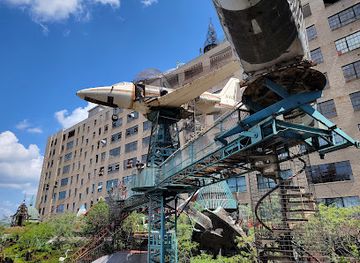
The Gateway Arch National Park anchors sightseeing beside the Mississippi, combining the stainless-steel monument with the Museum at the Gateway Arch, the Old Courthouse and broad riverfront views. Forest Park provides an exceptional concentration of attractions, including the Saint Louis Art Museum, Missouri History Museum, Saint Louis Science Center and Saint Louis Zoo, set among formal landscapes and open lawns. City Museum, housed in a former shoe factory, is an unusual interactive environment of tunnels, sculptures, slides and reclaimed architectural fragments, particularly distinctive among the city’s cultural venues. The Missouri Botanical Garden offers carefully designed horticultural landscapes and historic structures, while the Anheuser-Busch Brewery provides insight into St. Louis’s brewing history. Neighbourhood exploration adds another layer: Soulard’s red-brick streets, Cherokee Street’s murals and businesses, and The Hill’s Italian-American character reveal a city best understood through both headline attractions and local districts.
-
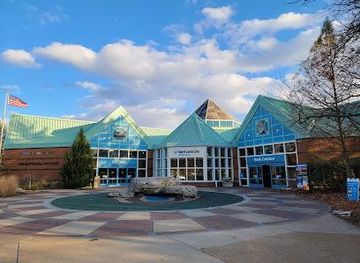
Tourist attraction
Saint Louis Zoo
Discover the amazing wildlife and conservation efforts at the Saint Louis Zoo, a premier family-friendly destination in Missouri.
12 min drive · 4.0 km from city centre
-
Tourist attraction
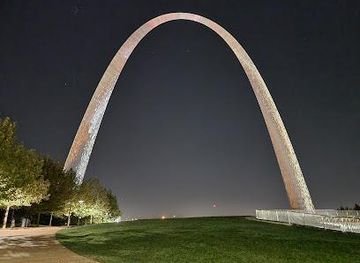
The Gateway Arch
Explore the Gateway Arch, a towering monument in St. Louis that symbolizes America's westward expansion and offers stunning views and rich history.
16 min drive · 5.2 km from city centre
-
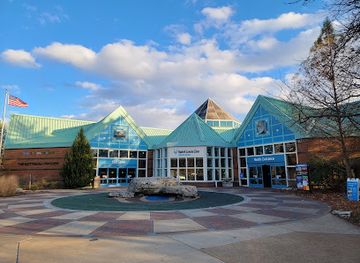
Tourist attraction
Saint Louis Zoo
Explore the wonders of wildlife at the Saint Louis Zoo, a free attraction featuring over 600 species and engaging conservation efforts.
12 min drive · 4.0 km from city centre
-
Tourist attraction
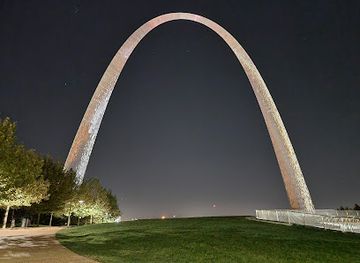
The Gateway Arch
Discover the Gateway Arch in St. Louis, a stunning monument celebrating America's westward expansion, offering breathtaking views and rich history.
16 min drive · 5.2 km from city centre
Best landmarks in St. Louis
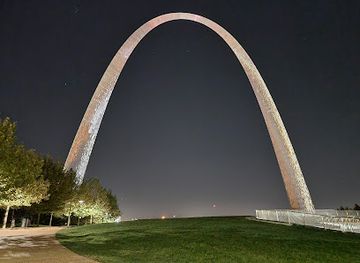
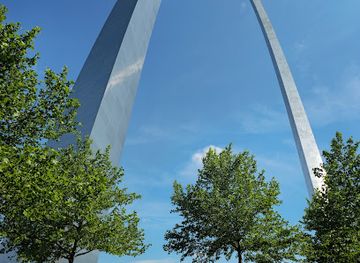
The Gateway Arch is St. Louis’s defining modern monument, a 630-foot stainless-steel structure designed by Eero Saarinen to represent the city’s role in westward American expansion. Beneath and around it, the Jefferson National Expansion Memorial area connects the riverfront with the Old Courthouse, whose history includes the Dred Scott case and nineteenth-century civic development. Union Station, originally opened in 1894, preserves a grand Romanesque Revival railway façade and now forms part of a major entertainment complex. The Cathedral Basilica of Saint Louis is distinguished by its extensive Byzantine-inspired mosaic interior, while the Old Cathedral near the Arch is one of the city’s oldest surviving churches. Lafayette Square’s Victorian houses, Anheuser-Busch’s historic brewery buildings and the red-brick architecture of Soulard reveal the commercial, religious and residential growth of nineteenth-century St. Louis.
-
Monument
The Gateway Arch
Experience the iconic Gateway Arch: ride to the top, explore the museum, and discover the history of westward expansion in St. Louis.
16 min drive · 5.2 km from city centre
-
Museum
City Museum
Explore a world of imagination at St. Louis's City Museum: an architectural playground with tunnels, slides, and repurposed wonders for all ages.
12 min drive · 3.9 km from city centre
-
National park
Gateway Arch National Park
Explore America's westward expansion at the iconic Gateway Arch National Park in St. Louis, offering stunning views and rich history.
16 min drive · 5.3 km from city centre
-
Park
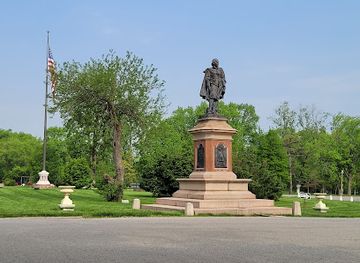
Tower Grove Park
Explore Tower Grove Park in St. Louis: A historic Victorian park with stunning architecture, vibrant events, and beautiful green spaces.
10 min drive · 3.4 km from city centre
Explore St. Louis on the map
Plan your St. Louis trip on one map. See where the top attractions, landmarks, restaurants, bars and hotels are, find what's near where you're staying, and book hotels and experiences in a few clicks.
Neighbourhoods in St. Louis
-

-

-

-

-


Swipe for more neighbourhoods
Best hotels in St. Louis
Best restaurants in St. Louis
St. Louis dining reflects river-city history, immigrant communities and a strong tradition of casual, generous food. Toasted ravioli, usually breaded and fried, is a local speciality, while St. Louis-style pizza is known for its thin, cracker-like base and distinctive square-cut slices. Gooey butter cake is the city’s signature sweet, and barbecue appears in several regional styles rather than one fixed formula. The Hill remains associated with Italian-American restaurants, bakeries and delicatessens; Soulard combines historic surroundings with pubs and casual dining; and Cherokee Street brings Mexican-American food and newer independent venues. Barbecue restaurants, diners, food halls, breweries and farmers’ markets broaden the scene, while locally made beer has a long association with the city through Anheuser-Busch and its independent brewing culture. Menus increasingly reflect the region’s varied communities and contemporary culinary experimentation.
-
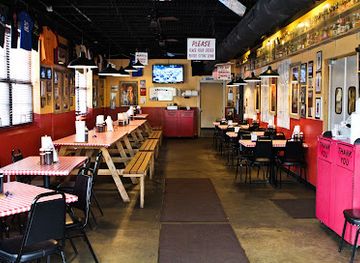
Barbecue
Pappy's Smokehouse
Discover the essence of Memphis-style barbecue at Pappy's Smokehouse in St. Louis—where flavor meets tradition!
6 min drive · 1.8 km from city centre
-
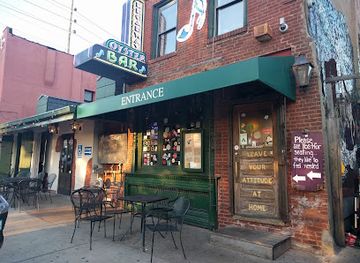
Seafood
Broadway Oyster Bar
Experience the best of Cajun cuisine at Broadway Oyster Bar, where fresh seafood meets live music in downtown St. Louis.
15 min drive · 4.9 km from city centre
-
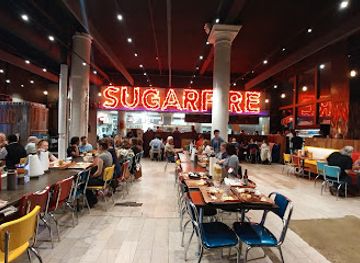
Barbecue
Sugarfire Smoke House
Experience mouthwatering barbecue at Sugarfire Smoke House in St. Louis - where smoky flavors meet vibrant dining.
15 min drive · 4.9 km from city centre
-
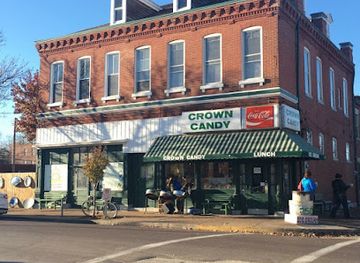
Restaurant
Crown Candy Kitchen
Experience the sweet charm of Crown Candy Kitchen in St. Louis – where nostalgia meets delicious homemade treats!
13 min drive · 4.4 km from city centre
Best bars in St. Louis
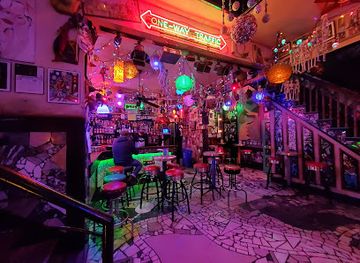
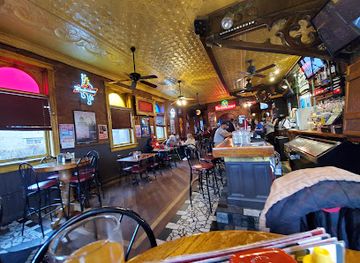
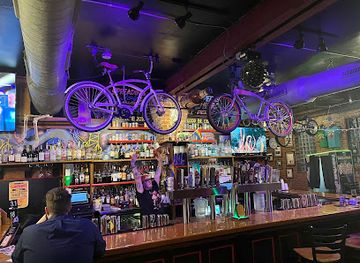
St. Louis evenings range from live blues and jazz to neighbourhood bars, brewery taprooms, sports venues and theatre. Washington Avenue downtown has restaurants and bars near the stadiums and riverfront, while Soulard is associated with historic brick buildings, pubs and a lively weekend scene. The Central West End, Grove and Cherokee Street offer more varied combinations of cocktail bars, music venues and late-night social spaces, although the character changes from block to block. The city’s musical heritage surfaces in blues, jazz and ragtime performances, and larger concerts take place at venues such as the Fabulous Fox Theatre, Enterprise Center and the Pageant in the wider University City area. Cardinals baseball and Blues hockey also shape the evening atmosphere during their seasons. As in other United States cities, alcohol-service rules and venue entry requirements vary, so carry accepted identification.
-
Bar
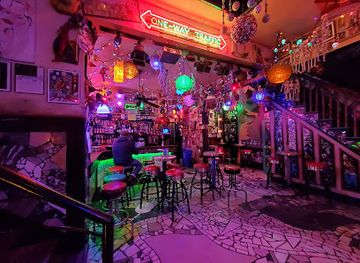
Venice Café
Discover the lively Venice Café in Benton Park, a unique bar and live music venue, perfect for an unforgettable night out in St. Louis.
14 min drive · 4.7 km from city centre
-
American
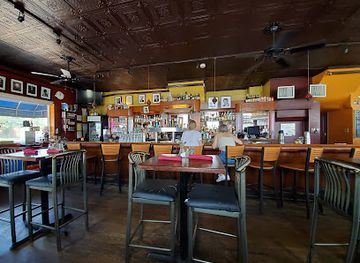
The Royale Food & Spirits
Experience the best of American comfort food and local brews at The Royale Food & Spirits in St. Louis, where every meal is a celebration.
12 min drive · 4.1 km from city centre
-
Gastropub
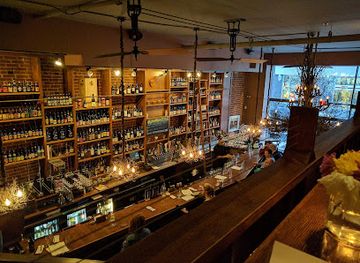
Bridge Tap House & Wine Bar
Experience the best of St. Louis cuisine at Bridge Tap House & Wine Bar, where gourmet dining meets an exceptional wine selection in a vibrant atmosphere.
13 min drive · 4.4 km from city centre
-
Grill
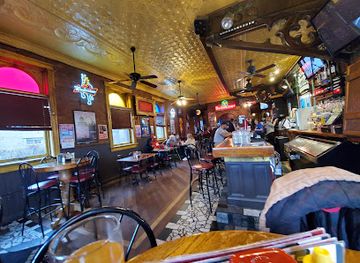
Big Daddy's Bar in Soulard #1 Patio & Party Spot
Experience the vibrant nightlife of Soulard at Big Daddy's Bar, where delicious grill dishes and refreshing drinks meet a lively atmosphere.
15 min drive · 4.9 km from city centre
Best nightclubs in St. Louis
St. Louis evenings range from live blues and jazz to neighbourhood bars, brewery taprooms, sports venues and theatre. Washington Avenue downtown has restaurants and bars near the stadiums and riverfront, while Soulard is associated with historic brick buildings, pubs and a lively weekend scene. The Central West End, Grove and Cherokee Street offer more varied combinations of cocktail bars, music venues and late-night social spaces, although the character changes from block to block. The city’s musical heritage surfaces in blues, jazz and ragtime performances, and larger concerts take place at venues such as the Fabulous Fox Theatre, Enterprise Center and the Pageant in the wider University City area. Cardinals baseball and Blues hockey also shape the evening atmosphere during their seasons. As in other United States cities, alcohol-service rules and venue entry requirements vary, so carry accepted identification.
-
Night club
Venice Café
Discover the lively Venice Café, a vibrant night club and live music venue in St. Louis, perfect for an unforgettable night out.
14 min drive · 4.7 km from city centre
-
Grill
Big Daddy's Bar in Soulard #1 Patio & Party Spot
Experience the vibrant nightlife at Big Daddy's Bar in Soulard, where delicious grill cuisine meets lively entertainment in St. Louis.
15 min drive · 4.9 km from city centre
-
Bar
HandleBar
Discover HandleBar, a lively bar and restaurant in St. Louis, offering delicious food, refreshing drinks, and an energetic dance atmosphere.
13 min walk · 1.0 km from city centre
-
Night club
The Pepper Lounge
Experience the vibrant nightlife at The Pepper Lounge, St. Louis' premier destination for cocktails, dancing, and unforgettable events.
10 min drive · 3.2 km from city centre

Best shops in St. Louis
Shopping in St. Louis is closely tied to neighbourhood identity rather than concentrated in one central retail district. The Delmar Loop, extending into University City west of the city boundary, has independent shops, music-related businesses, cafés and specialist retailers, while Cherokee Street is known for vintage goods, galleries, murals and Mexican-American businesses. The Central West End offers boutiques, design-led shops and bookshops among its historic streets, and Soulard has small retailers set within a nineteenth-century residential district. Local purchases may include Missouri foods, regional sauces, craft beer, art, vintage clothing and products made by area artists. The historic Soulard Farmers Market, one of the city’s longstanding public markets, is associated with produce, prepared food and seasonal shopping. Antique and independent retailers are widely dispersed, so checking current district listings is useful before planning a dedicated shopping day.
-
Farmers' market
Soulard Farmers Market
Explore Soulard Farmers Market, a historic St. Louis hub for fresh produce, local crafts, and delectable street food, perfect for foodies and culture lovers.
14 min drive · 4.7 km from city centre
-
Clothing store
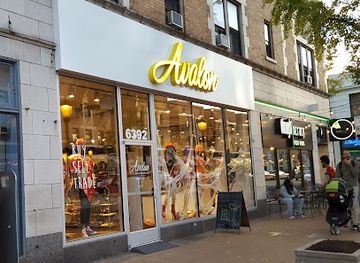
Avalon Exchange
Discover unique second-hand fashion at Avalon Exchange in St. Louis—an eco-friendly shopping destination in the heart of the Delmar Loop.
17 min drive · 5.6 km from city centre
-
Antique store
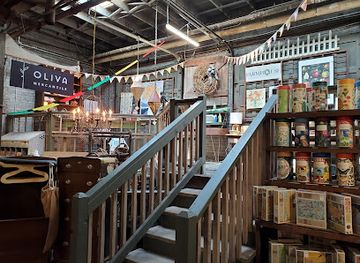
The Hill Antique Market
Unearth unique vintage treasures at The Hill Antique Market, a charming destination in St. Louis for antique lovers and curious tourists alike.
9 min drive · 2.9 km from city centre
-
Grocery store
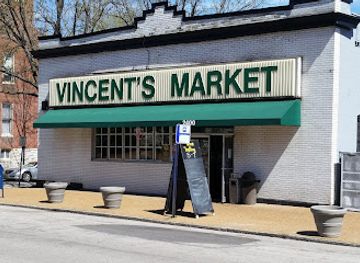
Vincent's 12th Street Market
Discover the essence of St. Louis at Vincent's 12th Street Market, where fresh produce meets local flavors in a vibrant community setting.
14 min drive · 4.6 km from city centre

Get your free copy of our complete guide to St. Louis, delivered straight to you.
Everything on this page, from attractions and restaurants to essentials and local phrases, in one PDF you can read offline, print or share.
Already have an account? Sign in
Your St. Louis guide is ready.
We'll send it to · Not you? Sign out

Getting your guide ready…
We are putting together a fresh copy of the St. Louis guide. This can take up to a minute.
This can take a few moments. If your browser asks, choose Allow so the download can start. You'll find the guide in your Downloads folder.
Nothing happened? Download it again
Sorry, the guide is taking longer than usual. Please try again in a minute, or get it by email instead.
St. Louis essentials
Currency and Payment
Safety
Emergency Situations
Do's and Don'ts
Local Tips
From Eve
Local phrases worth knowing
You don't need to get them perfect. A few words go a long way, and locals appreciate the effort.
Basics
| English | Local | Say it |
|---|---|---|
| Hello | Howdy | [haou-dee] |
| Goodbye | See ya | [see-yuh] |
| Yes | Yeah | [yeh] |
| No | Nah | [nah] |
| Please/You're welcome | Please/No problem | [pleez/no prob-lem] |
| Thank you | Thanks | [thanks] |
| Excuse me/Sorry | Pardon me/My bad | [par-dn me/my bad] |
| How are you? | How you doin'? | [haow yu doin] |
| Fine. And you? | A-OK. You? | [ay-ok yu] |
| Do you speak English? | Ya speak English? | [ya speak english] |
| I don't understand | I don't get it | [i don't get it] |
Eating & Drinking
| English | Local | Say it |
|---|---|---|
| I'd like to see the menu, please | Let me see the menu, please | [let me see the menu, please] |
| I don't eat meat | I don't do meat | [i don't do meat] |
| Cheers! | Cheers! | [cheers] |
| I would like to pay, please | I'll pay, please | [i'll pay, please] |
Emergencies
| English | Local | Say it |
|---|---|---|
| Help! | Help! | [help] |
| Go away! | Get lost! | [get lost] |
| Call the Police! | Call the cops! | [call the cops] |
| Call a doctor! | Get a doc! | [get a doc] |
| I'm lost | I'm turned around | [i'm turned around] |
| I'm ill | I'm sick | [i'm sick] |
Shopping
| English | Local | Say it |
|---|---|---|
| I'd like to buy... | I wanna buy... | [i wanna buy] |
| I'm just looking | Just browsing | [just brows-ing] |
| How much is it? | How much? | [how much] |
| That's too expensive | That's steep | [that's steep] |
| Can you lower the price? | Can you cut the price? | [can you cut the price] |
Time & Numbers
| English | Local | Say it |
|---|---|---|
| What time is it? | What's the time? | [what's the time] |
| It's one o'clock | It's one | [it's one] |
| Half past (10) | Ten-thirty | [ten-thur-tee] |
| Morning | Morning | [morning] |
| Afternoon | Afternoon | [afternoon] |
| Evening | Evening | [evening] |
| Yesterday | Yesterday | [yes-ter-day] |
| Today | Today | [to-day] |
| Tomorrow | Tomorrow | [to-mor-row] |
| 1 | One | [wun] |
| 2 | Two | [too] |
| 3 | Three | [three] |
| 4 | Four | [four] |
| 5 | Five | [five] |
| 6 | Six | [six] |
| 7 | Seven | [seven] |
| 8 | Eight | [eight] |
| 9 | Nine | [nine] |
| 10 | Ten | [ten] |
Transport & Directions
| English | Local | Say it |
|---|---|---|
| Where's a/the...? | Where's the...? | [where's the] |
| What's the address? | What's the address? | [what's the address] |
| Can you show me (on the map)? | Can you point it out? | [can you point it out] |
| When's the next (bus)? | When's the next (bus)? | [when's the next bus] |
| A ticket (to ....) | A ticket (to ....) | [a ticket] |
History of St. Louis
Indigenous Mississippi Confluences
The St. Louis area has long been part of the cultural landscape of Indigenous peoples, including communities connected to the Mississippian tradition whose major centre at nearby Cahokia flourished across the river centuries before European settlement. Cahokia Mounds, in present-day Illinois, remains a significant archaeological site, although it is outside St. Louis itself. The Mississippi and Missouri rivers made the wider region an important corridor for movement, trade and cultural exchange. Later, Osage, Illiniwek and other Indigenous nations maintained connections with the territory, while European exploration and colonisation brought profound disruption, territorial competition and disease.
French Settlement and Colonial Trade
St. Louis was founded in 1764 by Gilbert Antoine de St. Maxent and Pierre Laclède, who established a trading settlement named for Louis IX of France. The site’s position beside the Mississippi helped it develop as a centre for the fur trade and river commerce. Although founded under French influence, the settlement passed to Spanish control after France ceded Louisiana west of the Mississippi in 1762. Spanish administration shaped local government and trade before France briefly regained the territory in 1800. The city’s early history therefore reflects the changing imperial claims of the Mississippi Valley rather than a single national tradition.
The Louisiana Purchase and American Expansion
The United States acquired the Louisiana Territory from France in 1803, and St. Louis became an important American base for exploring and governing the vast lands west of the Mississippi. The transfer was formalised at the city’s Three Flags Day ceremony in 1804, when authority changed from Spanish to American control. Lewis and Clark’s expedition departed near St. Louis that year, and the city increasingly served as a commercial gateway for fur traders, surveyors, migrants and military expeditions. The Old Courthouse, completed in stages during the nineteenth century, reflects the city’s rising civic importance.
River Commerce and Urban Growth
During the nineteenth century, St. Louis expanded through river trade, manufacturing, banking and immigration. Steamboats connected the city with the interior, while German, Irish, Czech, Italian and other communities influenced its churches, businesses, foodways and neighbourhoods. St. Louis hosted the 1849 Missouri Constitutional Convention and became a major regional centre before the Civil War. The city remained in the Union during the conflict, although Missouri itself was deeply divided. The 1876 separation of St. Louis from St. Louis County created the independent City of St. Louis, an unusual political arrangement that still shapes local government and metropolitan geography.
Industry, Exposition and the 1904 World’s Fair
Industrial expansion and civic ambition transformed St. Louis at the turn of the twentieth century. The 1904 Louisiana Purchase Exposition, held in what is now Forest Park, promoted the city as an international centre of commerce, technology and culture. The same year, St. Louis hosted the Olympic Games, which were incorporated into the exposition and remain controversial because of their organisation and context. The fair left a lasting physical legacy in Forest Park and helped inspire institutions and public improvements. Its history also reflects the era’s imperial attitudes and the unequal treatment of Indigenous peoples and other communities displayed or represented at the event.
Migration, Music and Social Change
The twentieth century brought major demographic and cultural changes. African-American migration from the South contributed to St. Louis’s music, churches, businesses and political life, while neighbourhoods such as The Ville became important centres of Black culture and leadership. Jazz, blues and ragtime flourished in the city, associated with figures including Scott Joplin, Miles Davis and Clark Terry. Segregation, housing discrimination and unequal access to employment shaped urban development, and the landmark 1954 Shelley v. Kraemer case, arising from a St. Louis family’s challenge to a restrictive covenant, helped establish that courts could not enforce racial housing restrictions.
Twentieth-Century Renewal and the Contemporary City
After the Second World War, suburbanisation, highway construction, industrial decline and population loss altered St. Louis, while large-scale redevelopment reshaped parts of the riverfront and downtown. The Gateway Arch, completed in 1965 as the centrepiece of the Jefferson National Expansion Memorial, became the city’s defining modern landmark. Later investment in neighbourhood revitalisation, cultural institutions, parks and the riverfront has existed alongside persistent debates about segregation, policing, poverty and regional governance. Today, St. Louis combines surviving nineteenth-century districts and major civic institutions with a strong tradition of community activism, music, food and architectural preservation.
St. Louis in Photos
Browse through our photo collection highlighting the charm and character of the destination.
Cities near St. Louis
The closest cities to St. Louis, if you have time for more than one stop.
-

-

-

-

-


Swipe for more cities
Explore more

Explore more of Missouri
Experience the diverse landscapes, rich history, and vibrant culture of Missouri, the heart of America, offering everything from bustling cities to serene natural escapes.
Explore Missouri