

Free St. Charles Travel Guide & Mobile App
Plan your St. Charles trip with Evendo. Get free guides to top attractions, restaurants, hotels, and bars. Web access or download the mobile app.


St. Charles, Missouri blends French colonial heritage, historic Main Street, riverfront parks, Katy Trail access, museums and lively local dining near St. Louis.
French Roots and Missouri Beginnings
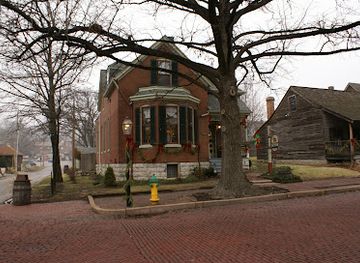
Set beside the Missouri River west of St. Louis, St. Charles combines a preserved nineteenth-century townscape with the easy pace of a modern suburban city. Its origins reach back to 1769, when French settlers established a community known first as Les Petites Côtes. The historic district still reflects that inheritance in its narrow streets, brick buildings, galleries and houses with traditional porches, while the riverfront opens into broad lawns and walking paths.Read more about St. Charles
Main Street and the Riverfront
Trails, Culture and Contemporary Life
When is the best time to visit St. Charles?
Best: May, September–October · 20–26°C| Month | High (°C) | Rainfall (mm) |
|---|---|---|
| January | 3 | 57 |
| February | 6 | 56 |
| March | 14 | 76 |
| April | 19 | 100 |
| May (best) | 24 | 119 |
| June | 29 | 97 |
| July | 32 | 96 |
| August | 30 | 85 |
| September (best) | 26 | 84 |
| October (best) | 20 | 81 |
| November | 12 | 75 |
| December | 6 | 65 |
Getting to and around St. Charles
How to get there
Transportation
Best attractions in St. Charles
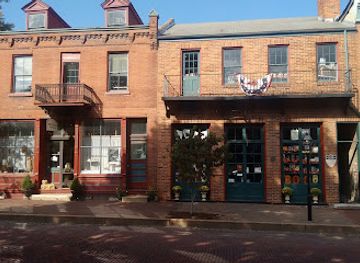
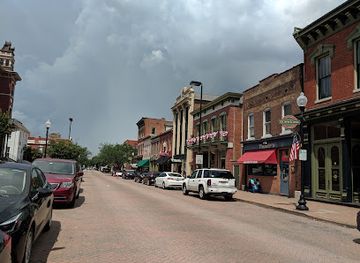
St. Charles's principal attractions are concentrated around historic Main Street and the Missouri River. The First Missouri State Capitol State Historic Site preserves the modest buildings used by Missouri's first legislature and governor, offering an intimate view of the state's early political life. Along Main Street, restored commercial buildings now contain museums, galleries, cafés, restaurants and independent shops, while the streets themselves reveal the town's French and nineteenth-century American layers. Frontier Park extends along the river with lawns, paths, public events and views towards the opposite bank. The nearby Foundry Art Centre occupies a former railroad building and presents changing exhibitions, studios and arts programming. Visitors interested in the area's landscape can reach the eastern portion of Katy Trail State Park, where a former rail corridor follows the Missouri River valley. Seasonal heritage celebrations and riverfront events add a community dimension to the city's established sightseeing circuit.
-
Tourist attraction
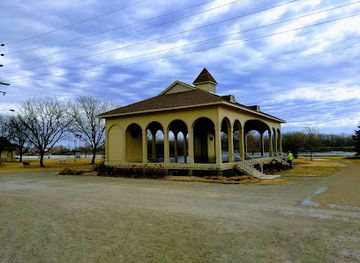
Frontier Park
Experience the natural beauty and vibrant community events at Frontier Park, a must-visit park along the Missouri River in St. Charles.
9 min drive · 3.0 km from city centre
-
Tourist attraction
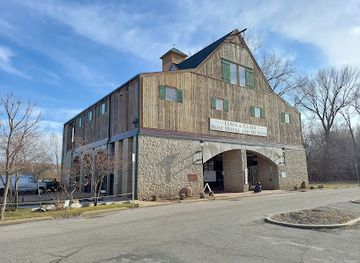
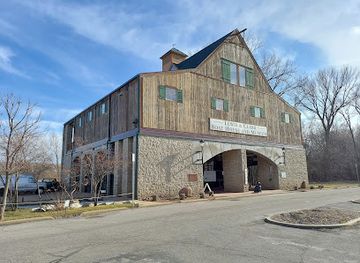
Lewis & Clark Boat House and Museum
Explore the remarkable journey of Lewis and Clark at this unique museum, offering insights into America's exploration history along the stunning Missouri River.
9 min drive · 3.1 km from city centre
-
Tourist attraction
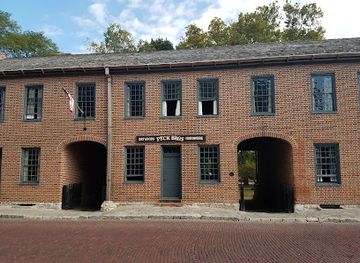
First Missouri State Capitol State Historic Site
Explore the First Missouri State Capitol State Historic Site, a captivating blend of history, architecture, and Missouri's political heritage in St. Charles.
8 min drive · 2.8 km from city centre
-
Children's museum
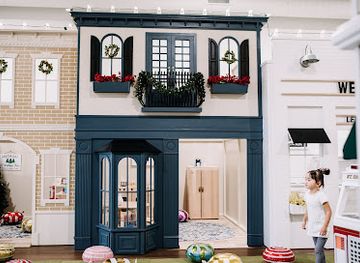
Play Street Museum - St. Louis
Explore creativity and imagination at Play Street Museum in St. Louis, an indoor playground offering endless fun for children and families.
9 min drive · 3.0 km from city centre
Best landmarks in St. Charles
The First Missouri State Capitol State Historic Site is St. Charles's most important civic landmark, preserving the buildings in which Missouri's government operated from 1821 to 1826. Historic Main Street forms a larger architectural landmark in its own right, with a continuous collection of nineteenth-century commercial façades, brick structures, residences and public buildings shaped by French, American and German settlement. The historic Church of Saint Charles Borromeo reflects the community's enduring Catholic heritage and the saint associated with its name. Along the Missouri River, the Katy Depot represents the importance of railway transport to the town's later development, while Frontier Park's riverfront setting recalls the geography that supported early trade. The Foundry Art Centre, housed in a former train station, adds an industrial and cultural layer to the city's built heritage.
-
Museum
Lewis & Clark Boat House and Museum
Explore the Lewis & Clark Expedition at this St. Charles museum with replica boats, interactive exhibits, and riverfront views.
9 min drive · 3.1 km from city centre
-
Historical place
First Missouri State Capitol State Historic Site
Discover Missouri's early history at the First Missouri State Capitol in St. Charles, where the state's first government shaped its future.
8 min drive · 2.8 km from city centre
-
Historical landmark
South Main Historic District
Discover unique shops, diverse dining, and rich history in St. Charles' charming South Main Historic District, Missouri's first and largest of its kind.
8 min drive · 2.8 km from city centre
-
Historical landmark
St. Charles Historic District
Discover the St. Charles Historic District, a beautiful blend of history, culture, and scenic views in Missouri's charming riverside town.
8 min drive · 2.8 km from city centre
Explore St. Charles on the map
Plan your St. Charles trip on one map. See where the top attractions, landmarks, restaurants, bars and hotels are, find what's near where you're staying, and book hotels and experiences in a few clicks.
Best hotels in St. Charles
Best restaurants in St. Charles
Dining in St. Charles centres on historic Main Street, where eateries occupy restored nineteenth-century buildings and range from cafés and bakeries to full-service restaurants. The local food scene reflects the broad culinary influences of the St. Louis region rather than a single highly specialised tradition, with American comfort food, burgers, steaks, sandwiches, Italian cooking, barbecue and contemporary menus all represented. German and French heritage form part of the area's historical story, while nearby Missouri farms and the wider Midwest contribute seasonal produce and locally made products. Coffee shops, dessert counters and casual lunch spots suit visitors exploring the commercial district on foot, and riverfront settings provide a change of atmosphere from the older streets. Independent restaurants and bars often make use of the city's preserved architecture, so the setting is as important to the dining experience as the menu.
-
American
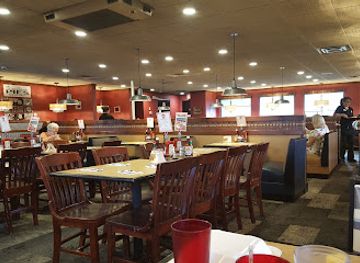
Gingham's Homestyle Restaurant
Discover Gingham's Homestyle Restaurant in St. Charles - A cozy diner serving delicious American comfort food with friendly service.
6 min drive · 2.1 km from city centre
-
Steak
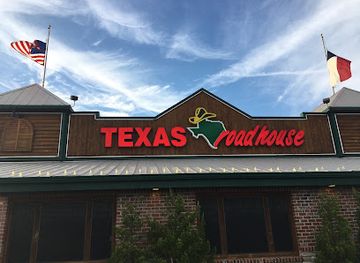
Texas Roadhouse
Discover the vibrant flavors of Texas at Texas Roadhouse in St. Charles—where great food meets warm hospitality.
7 min drive · 2.5 km from city centre
-
Brazilian
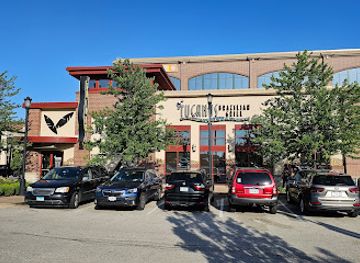
Tucanos Brazilian Grill
Experience authentic Brazilian cuisine at Tucanos Brazilian Grill in St. Charles—where every meal is a celebration of flavor and culture.
9 min drive · 2.9 km from city centre
-
Grill
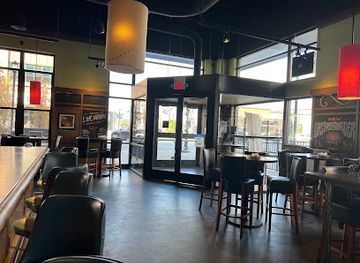
Bar Louie - Streets of St. Charles
Experience flavorful American cuisine and vibrant nightlife at Bar Louie - your go-to grill and bar in the heart of St. Charles.
9 min drive · 3.0 km from city centre
Best bars in St. Charles
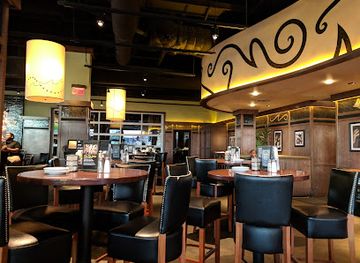
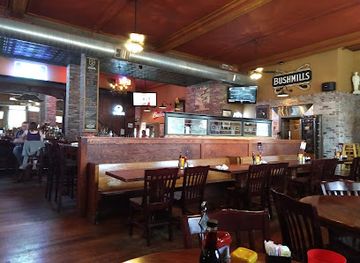
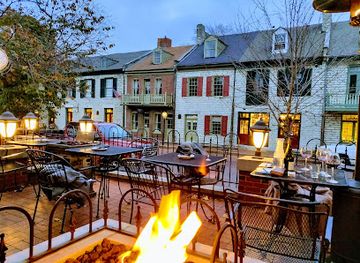
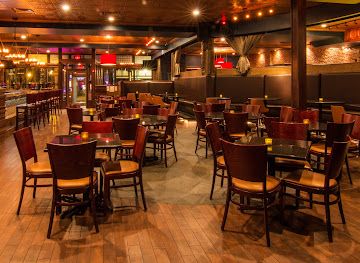
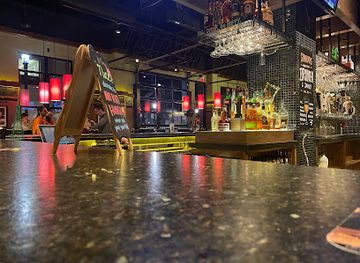
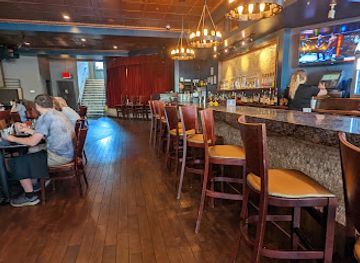
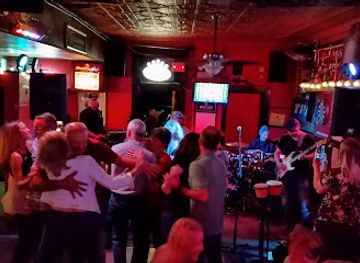
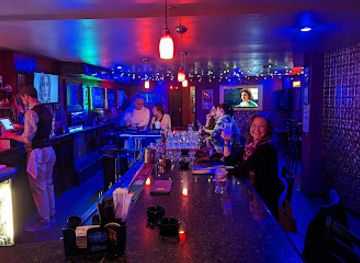
St. Charles has a relaxed evening scene rather than a dense late-night club district. Historic Main Street contains the greatest concentration of bars, pubs, breweries and restaurants with evening service, many set within converted heritage buildings and suited to conversation, cocktails, local beer or live entertainment. Frontier Park and the riverfront host seasonal concerts, festivals and community events that can extend the city's social life outdoors. The presence of the Lindenwood University campus also contributes performances and cultural programming at selected times of year, though schedules vary. Visitors seeking large nightclubs generally look towards the wider St. Louis metropolitan area, while St. Charles itself is better known for a walkable dinner-and-drinks atmosphere, occasional live music and event-led evenings than for high-intensity nightlife.
-
Grill
Bar Louie - Streets of St. Charles
Experience vibrant dining at Bar Louie in the Streets of St. Charles, where American cuisine meets a lively atmosphere and innovative cocktails.
9 min drive · 3.0 km from city centre
-
Irish pub
Llywelyn's Pub
Experience the vibrant atmosphere and authentic flavors of Ireland at Llywelyn's Pub, a beloved St. Charles destination for food and fun.
8 min drive · 2.8 km from city centre
-
Wine bar
Bella Vino Wine Bar
Experience the best of Italian and Spanish cuisine at Bella Vino Wine Bar in St. Charles, where exquisite wines and tapas await.
8 min drive · 2.7 km from city centre
-
Restaurant
Quintessential Dining & Nightlife
Discover Quintessential Dining & Nightlife, where culinary excellence meets vibrant entertainment in the heart of St. Charles, Missouri.
8 min drive · 2.8 km from city centre
Best nightclubs in St. Charles
St. Charles has a relaxed evening scene rather than a dense late-night club district. Historic Main Street contains the greatest concentration of bars, pubs, breweries and restaurants with evening service, many set within converted heritage buildings and suited to conversation, cocktails, local beer or live entertainment. Frontier Park and the riverfront host seasonal concerts, festivals and community events that can extend the city's social life outdoors. The presence of the Lindenwood University campus also contributes performances and cultural programming at selected times of year, though schedules vary. Visitors seeking large nightclubs generally look towards the wider St. Louis metropolitan area, while St. Charles itself is better known for a walkable dinner-and-drinks atmosphere, occasional live music and event-led evenings than for high-intensity nightlife.
-
Grill
Bar Louie - Streets of St. Charles
Experience vibrant dining at Bar Louie in St. Charles, where delicious food meets a lively atmosphere, perfect for tourists seeking fun and flavor.
9 min drive · 3.0 km from city centre
-
Restaurant
Quintessential Dining & Nightlife
Discover the vibrant culinary scene and lively nightlife at Quintessential Dining & Nightlife in St. Charles, where every meal is an experience.
8 min drive · 2.8 km from city centre
-
Night club
Tuners on Main Street
Experience the lively nightlife at Tuners on Main Street, St. Charles' top night club and bar with exciting entertainment and delicious drinks.
8 min drive · 2.8 km from city centre
-
Bar
Kubrick's
Discover the vibrant nightlife at Kubrick's, a lively bar in St. Charles, Missouri, offering an extensive drink menu and a welcoming atmosphere.
8 min drive · 2.8 km from city centre
Best shops in St. Charles
Shopping in St. Charles is concentrated along historic Main Street, where preserved brick buildings house independent boutiques, antique shops, galleries, gift stores and specialist retailers. The district's merchandise ranges from home furnishings and vintage objects to clothing, jewellery, artwork, local souvenirs and Missouri-themed products, making browsing part of the architectural experience. Small galleries and artisan-oriented shops connect retail with the city's cultural identity, while cafés and food businesses provide pauses between stores. Visitors should distinguish locally made goods from general souvenirs and look for regional food products, handmade work and historic or decorative objects when seeking something associated with Missouri. Larger contemporary retail areas exist beyond the historic core, but Main Street remains the city's most distinctive place for leisurely, independent shopping and seasonal events.
-
Shopping mall
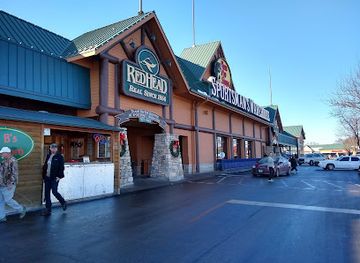
Mark Twain Village
Discover Mark Twain Village: A vibrant shopping mall in St. Charles, Missouri with diverse shops, dining, and entertainment for every tourist.
6 min drive · 2.2 km from city centre
-
Comic book store
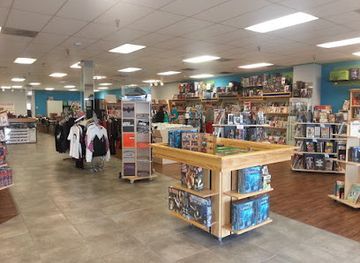
Fantasy Shop St. Charles
Explore a vast collection of comics, collectibles, and gaming supplies at Fantasy Shop St. Charles - a haven for enthusiasts of all ages.
6 min drive · 2.1 km from city centre
-
Antique store
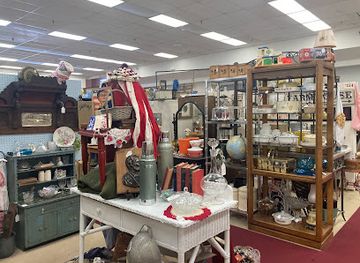
St Charles Antique Mall
Explore the St Charles Antique Mall, where timeless treasures await every antique lover and collector in a delightful shopping experience.
19 min drive · 6.3 km from city centre
-
Metaphysical supply store
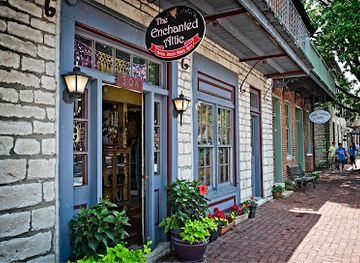
Enchanted Attic
Explore the Enchanted Attic in St. Charles, Missouri, for unique metaphysical supplies, crystals, and a welcoming community for spiritual seekers.
8 min drive · 2.8 km from city centre
Get your free copy of our complete guide to St. Charles, delivered straight to you.
Everything on this page, from attractions and restaurants to essentials and local phrases, in one PDF you can read offline, print or share.
Already have an account? Sign in
Your St. Charles guide is ready.
We'll send it to · Not you? Sign out

Getting your guide ready…
We are putting together a fresh copy of the St. Charles guide. This can take up to a minute.
This can take a few moments. If your browser asks, choose Allow so the download can start. You'll find the guide in your Downloads folder.
Nothing happened? Download it again
Sorry, the guide is taking longer than usual. Please try again in a minute, or get it by email instead.
St. Charles essentials
Currency and Payment
Safety
Emergency Situations
Do's and Don'ts
Local Tips
From Eve
Local phrases worth knowing
You don't need to get them perfect. A few words go a long way, and locals appreciate the effort.
Basics
| English | Local | Say it |
|---|---|---|
| Hello | Howdy | [haw-dee] |
| Goodbye | See ya later | [see yuh lay-tur] |
| Yes | Yep | [yep] |
| No | Nope | [nohp] |
| Please/You're welcome | Please/No problem | [pleez/noh prob-lem] |
| Thank you | Thanks | [thanks] |
| Excuse me/Sorry | Pardon me/My bad | [par-dun me/my bad] |
| How are you? | How's it going? | [hows it go-in] |
| Fine. And you? | Good. How about you? | [good. how-bout yuh] |
| Do you speak English? | Ya speak English? | [yah speak ing-lish] |
| I don't understand | I ain't gettin' it | [I aint get-tin it] |
Eating & Drinking
| English | Local | Say it |
|---|---|---|
| I'd like to see the menu, please | Can I see the menu, please? | [can eye see the menu, please] |
| I don't eat meat | I don't eat meat | [I dont eat meet] |
| Cheers! | Cheers! | [cheers] |
| I would like to pay, please | I'll take the check, please | [ill take the check, please] |
Emergencies
| English | Local | Say it |
|---|---|---|
| Help! | Help! | [help] |
| Go away! | Get lost! | [get lost] |
| Call the Police! | Call the cops! | [call the cops] |
| Call a doctor! | Get a doctor! | [get uh doctor] |
| I'm lost | I'm lost | [im lost] |
| I'm ill | I'm feelin' sick | [im feel-in sick] |
Shopping
| English | Local | Say it |
|---|---|---|
| I'd like to buy... | I'm lookin' to buy... | [Im look-in to buy] |
| I'm just looking | I'm just lookin' | [Im just look-in] |
| How much is it? | How much does it cost? | [how much duz it cost] |
| That's too expensive | That's a bit pricey | [thats uh bit prahy-see] |
| Can you lower the price? | Can ya do any better on the price? | [can yuh do any bet-ter on the price] |
Time & Numbers
| English | Local | Say it |
|---|---|---|
| What time is it? | What's the time? | [whats the time] |
| It's one o'clock | It's one o'clock | [its one uh-clock] |
| Half past (10) | Ten thirty | [ten thur-tee] |
| Morning | Morning | [morn-in] |
| Afternoon | Afternoon | [after-noon] |
| Evening | Evening | [even-ing] |
| Yesterday | Yesterday | [yes-ter-day] |
| Today | Today | [to-day] |
| Tomorrow | Tomorrow | [to-maw-row] |
| 1 | One | [wun] |
| 2 | Two | [too] |
| 3 | Three | [three] |
| 4 | Four | [four] |
| 5 | Five | [five] |
| 6 | Six | [six] |
| 7 | Seven | [seven] |
| 8 | Eight | [eight] |
| 9 | Nine | [nine] |
| 10 | Ten | [ten] |
Transport & Directions
| English | Local | Say it |
|---|---|---|
| Where's a/the...? | Where's the...? | [wheres the] |
| What's the address? | What's the address? | [whats the address] |
| Can you show me (on the map)? | Can you show me (on the map)? | [can yuh show me on the map] |
| When's the next (bus)? | When's the next (bus)? | [whens the next bus] |
| A ticket (to ....) | A ticket (to ....) | [uh ticket to] |
History of St. Charles
A French Settlement on the Missouri
St. Charles began in 1769 when Louis Blanchette, a French Canadian trader, established a settlement on the north bank of the Missouri River. Known as Les Petites Côtes, or the Little Hills, the community developed within the French colonial world of the Mississippi and Missouri river valleys. Its position made it a useful stopping point for traders, farmers and travellers moving through the region. The settlement was later associated with San Carlos Borromeo, the Spanish name for Saint Charles Borromeo, reflecting the political changes that followed the transfer of the territory from France to Spain. The early community depended on river commerce, agriculture and connections with surrounding settlements rather than on a formal urban plan.
Spanish and Early American Rule
During the late eighteenth century, St. Charles remained part of Spanish Upper Louisiana, and Catholic traditions continued to shape community life. The area became part of the United States through the Louisiana Purchase in 1803, bringing new administrative structures and an expanding American population. French-speaking residents, German immigrants and settlers from the eastern United States contributed to a changing social landscape. River transport remained central, while roads and ferries linked the settlement with farms and communities across the region. Buildings and institutions associated with this period established the foundations of the town that would later become an important local centre in Missouri.
Missouri’s First State Capital
When Missouri entered the Union in 1821, St. Charles was selected as the temporary state capital while officials searched for a permanent location. The town housed Missouri's first legislature and executive offices from 1821 until 1826, when the capital moved to Jefferson City. The First Missouri State Capitol State Historic Site preserves the buildings used during this formative period and interprets the practical challenges of governing a new state. Although St. Charles's tenure as capital was brief, it placed the town at the centre of Missouri's early political development and left a significant civic legacy within the historic district.
River Commerce and a Growing Town
Throughout the nineteenth century, St. Charles grew through river commerce, agriculture, craft production and regional trade. German immigration added to the town's population and cultural life, while new transport links helped connect it with St. Louis and settlements farther west. Churches, commercial buildings, homes and public institutions appeared in architectural forms ranging from Federal and Greek Revival to later Victorian styles. The town's location on the Missouri River also exposed it to flooding and changing patterns of transport. As railways and improved roads reduced dependence on river travel, St. Charles retained a substantial historic core even as its economic role evolved.
Preservation and Modern St. Charles
In the twentieth century, St. Charles developed increasingly as part of the wider St. Louis metropolitan area, but its historic centre remained a defining part of local identity. Preservation work on Main Street and surrounding buildings helped sustain a townscape of nineteenth-century commercial structures, houses and civic sites. The riverfront was reshaped for parks and public use, while cultural institutions such as the Foundry Art Centre brought new life to historic industrial and transport buildings. Today, the city balances suburban growth with heritage tourism, community festivals, arts programming and access to the Missouri River landscape and Katy Trail State Park.
St. Charles in Photos
Browse through our photo collection highlighting the charm and character of the destination.
Cities near St. Charles
The closest cities to St. Charles, if you have time for more than one stop.
-

-

-

-

-


Swipe for more cities
Explore more

Explore more of Missouri
Experience the diverse landscapes, rich history, and vibrant culture of Missouri, the heart of America, offering everything from bustling cities to serene natural escapes.
Explore Missouri