Falling Spring Mill, Mark Twain National Forest Travel Guide
Discover a historic mill, natural spring, and pioneer cabin in the tranquil Mark Twain National Forest near Winona, Missouri.
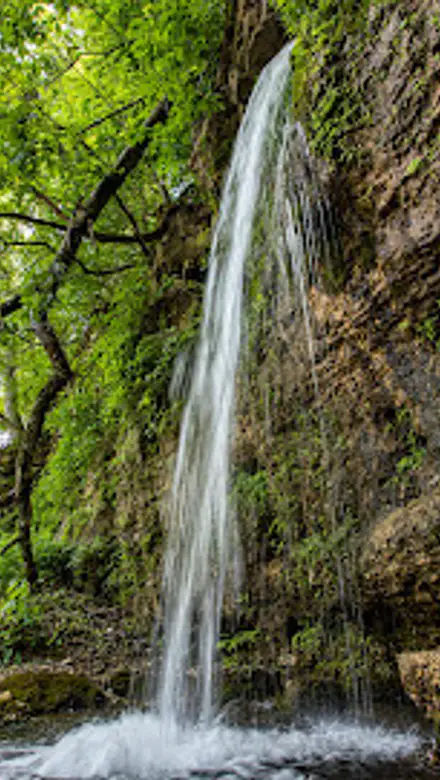
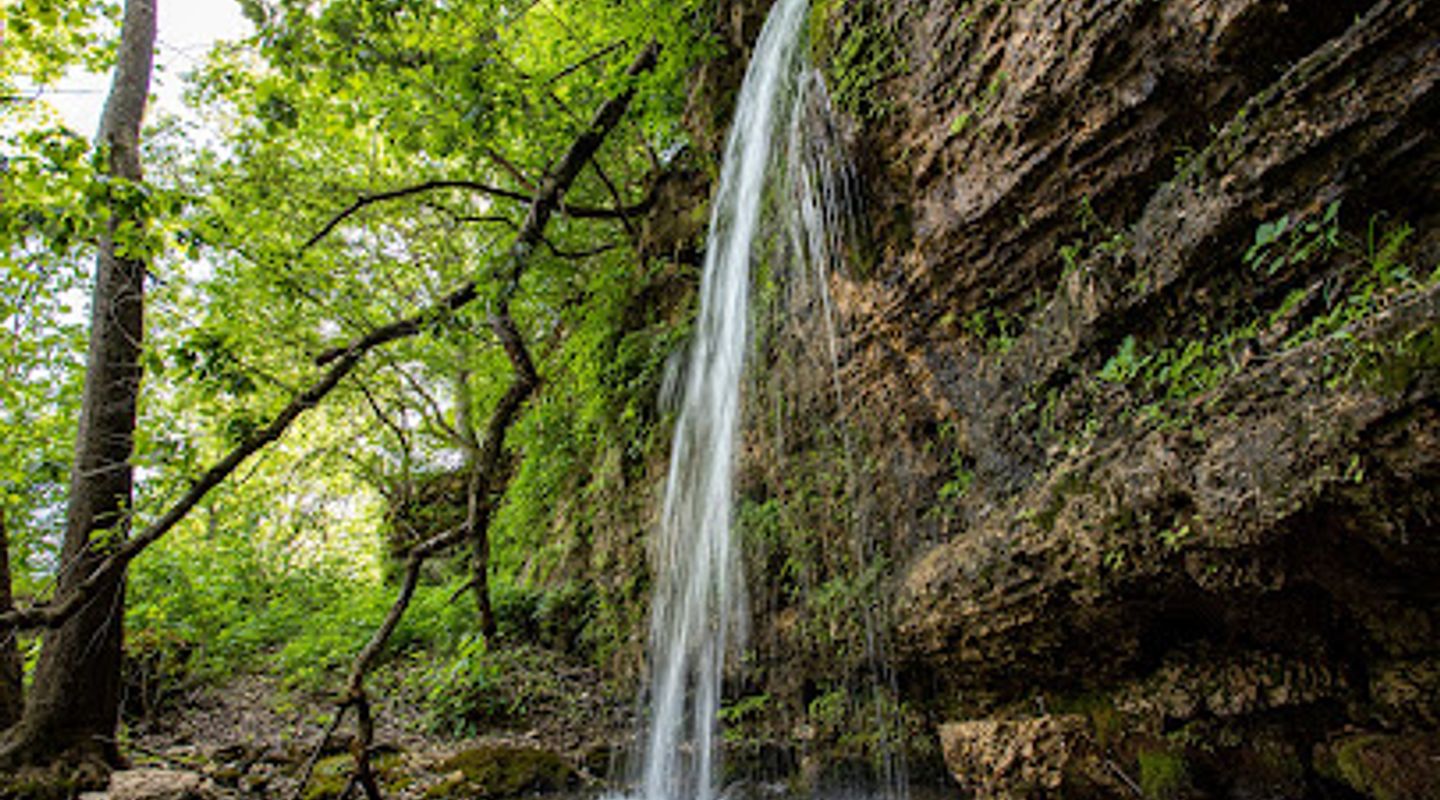
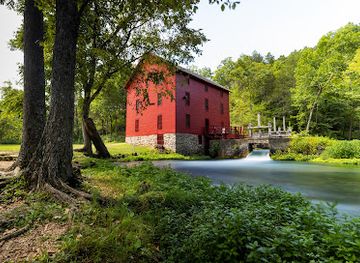
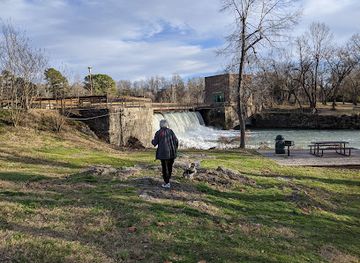
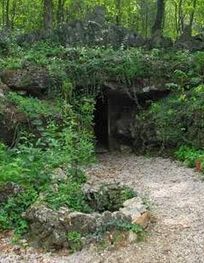
Falling Spring Mill, nestled in Mark Twain National Forest near Winona, Missouri, is a historic site featuring a picturesque mill built in the late 1920s, a natural spring with a small waterfall, and the preserved Thomas Brown cabin dating back to 1851. It's a tranquil spot offering a glimpse into the Ozarks' past.
A brief summary to Falling Spring Mill
- Winona, Missouri, 65588, US
- Click to display

Know before you go
Hi, I'm Eve. Here are a few practical things to know before exploring Falling Spring Mill.
- The road to Falling Spring Mill can be steep and bumpy, so consider using a vehicle with good clearance.
- Bring your own water, as potable water is not available at the site.
- Visit during daylight hours to fully enjoy the scenery and explore the trails.
- Take trash with you to help maintain the cleanliness of this beautiful area.
Do you manage this location?
Take control to get all the benefits, like improved information, better appearance, and stronger visibility across AI-powered discovery. Learn more about listing your business on Evendo
Activate your presenceOther nearby places you may find interesting
The closest places of the same kind, if this one is not quite what you had in mind.
Explore Falling Spring Mill on the Map
A handpicked selection of must-see spots near Falling Spring Mill, mapped for you.
Getting There
-
Driving
Falling Spring Mill is located off Highway 19, south of Winona, Missouri. From Winona, travel south on Highway 19 for approximately 9.6 miles. Turn east (left) onto Forest Road (FR) 3170. The road immediately splits; bear left onto FR 3164. Continue for about 2 miles, keeping right at the next intersection. The parking lot for Falling Spring Mill will be on the right. Note that FR 3164 is a gravel road and can be rough. Parking is limited to about 7 vehicles.
Discover more about Falling Spring Mill













Your all‑in‑one travel companion app
Explore expert travel guides, compare and book tours, experiences, hotels, and more—all from the palm of your hand. Download now for seamless trip planning wherever your wanderlust takes you.


Explore More of Mark Twain National Forest
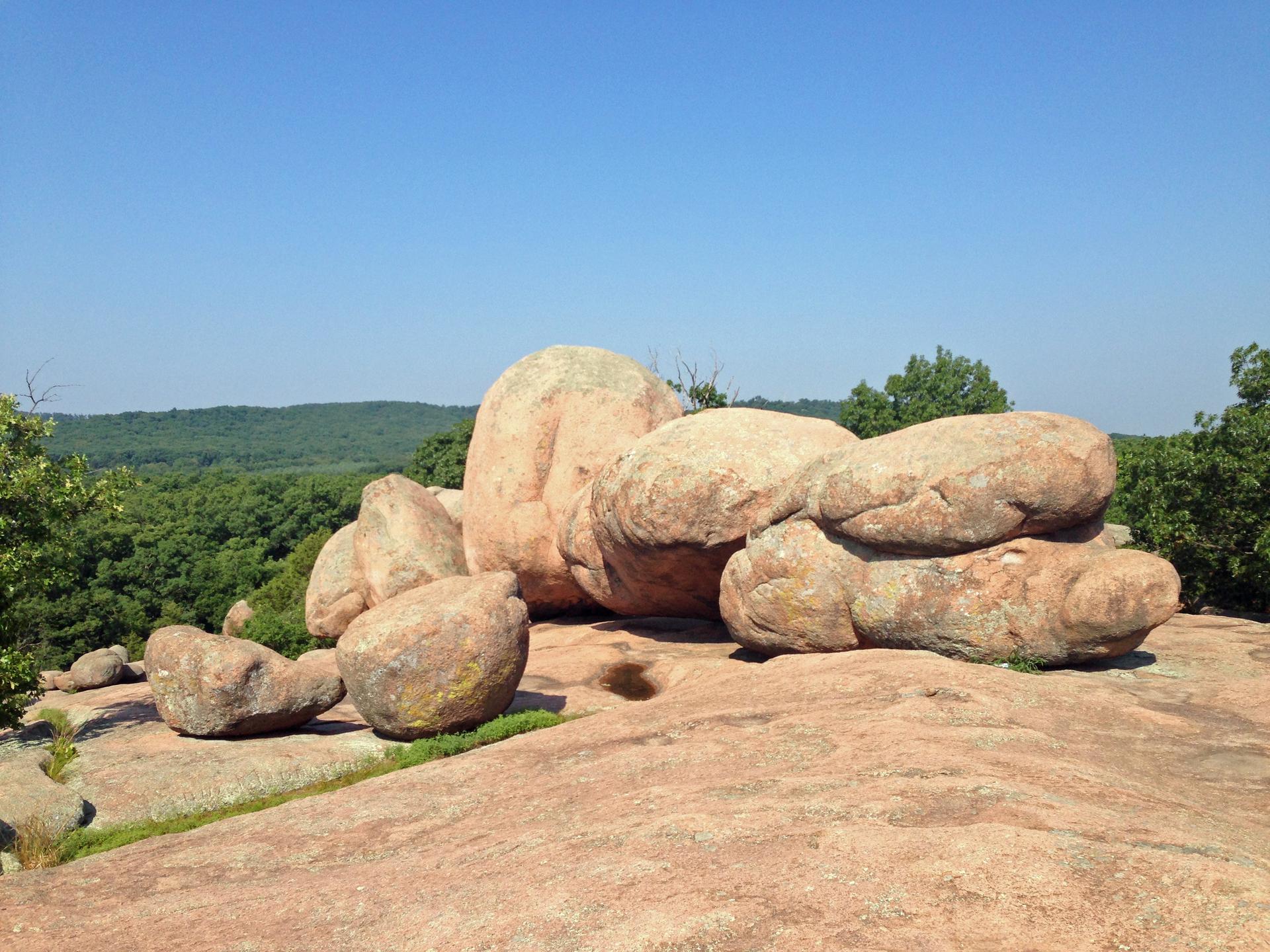
Looking beyond Falling Spring Mill? Discover Mark Twain National Forest for broader travel guides, local hot-spots, and regional highlights.
Explore Mark Twain National Forest
Poplar Bluff's go-to pizza place for delicious, customizable meals, late-night cravings, and convenient delivery and carryout options.
Experience the Australian Outback in the Missouri Ozarks: Kangaroos, caves, and family fun await at Missouri Down Under Adventure Zoo!