

Free Missouri River Valley Travel Guide & Mobile App
Explore Missouri River Valley with free travel guides. Discover regional history, expert tips, proposed trips, and audio guides on web or mobile app.


Explore Missouri River Valley towns, Katy Trail landscapes, frontier history, vineyards and river heritage from St Joseph to St Charles.
Read more about Missouri River Valley
Getting to and around Missouri River Valley
How to get there
Transportation
Top city travel guides in Missouri River Valley
The cities of Missouri River Valley, and the easiest places to base yourself.
-

-

-


Swipe for more cities
Destinations in Missouri River Valley
Resorts, valleys and scenic spots worth a trip of their own.

Swipe for more destinations
Best attractions in Missouri River Valley
The Missouri River Valley's attractions are spread along a historic corridor rather than concentrated in one resort centre. St Joseph offers museums devoted to the Pony Express, local history and the Jesse James Home, while Weston combines a preserved nineteenth-century townscape with wineries and nearby Weston Bend State Park. Central Missouri is defined by the Katy Trail State Park, whose converted railway route passes through landscapes of farmland, woodland and limestone bluffs; Rocheport and Boonville are particularly useful places to connect trail activity with heritage visits. Jefferson City adds the Missouri State Capitol and civic museums to the river itinerary. Farther east, Hermann's historic buildings, wineries and cultural sites reflect German settlement, while Washington provides river-town architecture and access to outdoor recreation. St Charles, near the eastern end of the corridor, is notable for its historic district and early state-capital buildings. Wildlife watching, paddling and birding are possible in suitable parks and wetlands, although access depends on water levels, weather and land ownership.
-
Park
Cliff Cave County Park
Discover the serene beauty and adventure of Cliff Cave County Park in St. Louis, where nature meets tranquility with trails, fishing, and stunning landscapes.
-
State park
St. Francois State Park
Explore St. Francois State Park, a serene retreat in Missouri, ideal for hiking, fishing, and camping amidst stunning natural landscapes.
-
Tourist attraction
Bothwell Lodge State Historic Site
Experience historical charm and natural beauty at Bothwell Lodge State Historic Site, a captivating destination in Missouri for history enthusiasts and nature lovers.


Best landmarks in Missouri River Valley
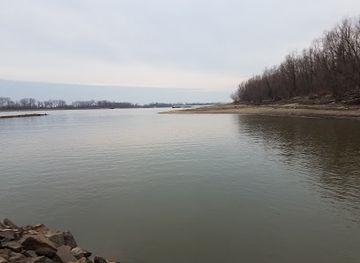
The Missouri River Valley's most recognisable landmarks express its roles in exploration, settlement, transport and government. In St Joseph, the Pony Express National Museum and the nearby Jesse James Home are closely tied to the city's western frontier identity, while the city's historic streets and surviving nineteenth-century architecture show its later prosperity. Weston is distinguished by its compact historic centre and the wooded bluffs of Weston Bend overlooking the river corridor. Boonville's historic structures and the stone bridge associated with the former MKT railway evoke the era when railways replaced steamboats as the principal long-distance carriers. Jefferson City's Missouri State Capitol dominates the river city and symbolises the state's political history. Hermann's German-influenced streets, churches and traditional houses form one of the valley's most distinctive townscapes. At the eastern end, St Charles's First Missouri State Capitol State Historic Site and historic Main Street recall the period when the town served as Missouri's first state capital. These built landmarks are complemented by the broad river, wooded bluffs, floodplain fields and Katy Trail as defining geographical features.
-
Historical place
Bothwell Lodge State Historic Site
Discover early 20th-century living at Bothwell Lodge State Historic Site, a unique architectural treasure built by Sedalia's John Homer Bothwell.

Explore Missouri River Valley on the map
Plan your trip on one map. See where the top cities, national parks and sights are, and book hotels and experiences in a few clicks.
Best hotels in Missouri River Valley
Best restaurants in Missouri River Valley
Food in the Missouri River Valley reflects Missouri's wider Midwestern traditions while drawing on river-town, agricultural and German-influenced history. Barbecue, fried catfish, sandwiches, biscuits, seasonal produce and hearty breakfasts are common across the corridor, with local restaurants ranging from informal cafés and family-run diners to polished dining rooms in larger towns. Hermann and Washington have strong associations with German-style food, bakeries, sausages and locally produced wine, though menus vary considerably between establishments. Vineyards and farm producers contribute tasting rooms, cheeses, preserves and seasonal products rather than a single uniform cuisine. Farmers' markets offer a useful way to sample Missouri fruit, vegetables, baked goods and prepared foods when in season. Historic-town restaurants and rural inns often occupy converted commercial buildings or houses, while St Joseph, Jefferson City and St Charles provide the broadest choice of international and contemporary dining. Reservations are sensible for popular wine-country meals and weekend visits, but current opening arrangements should be checked outside the larger towns.
-
Steak
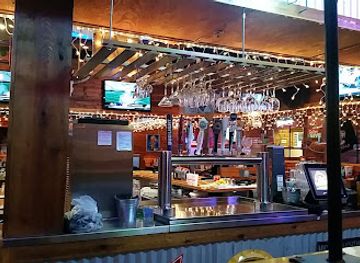
Texas Roadhouse
Experience the best of American dining at Texas Roadhouse in Columbia, MO—where great steaks meet vibrant atmosphere.
-
Restaurant
The Cheesecake Factory
Experience the best of American cuisine and exquisite desserts at The Cheesecake Factory in Kansas City – where every meal is a celebration.
-
Steak
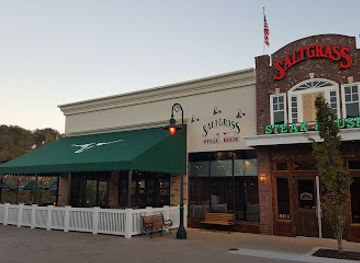
Saltgrass Steak House
Experience delectable steaks and fresh seafood at Saltgrass Steak House in Branson – where every meal comes with stunning river views.
-
American
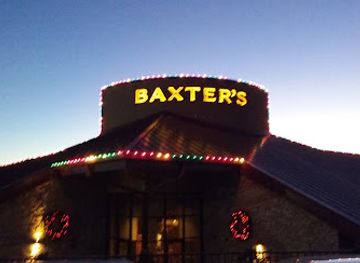
Baxter's Lakeside Grille
Experience exquisite American cuisine at Baxter's Lakeside Grille with stunning lake views and vibrant atmosphere in Lake Ozark.

Best bars in Missouri River Valley
Evening life in the Missouri River Valley is generally based on pubs, restaurants, breweries, wine rooms, live music and small-town social venues rather than a continuous nightclub scene. St Joseph, Jefferson City and St Charles offer the widest choice of bars and late-evening entertainment, including taprooms, cocktail-led venues and occasional live performances. Hermann and Washington focus more on wine tasting, historic inns, restaurants and seasonal events, while Weston has a compact evening scene linked to its historic centre and local producers. In smaller communities, establishments may close earlier and entertainment can be concentrated around weekends or scheduled performances. The region's breweries and wineries are places for tasting and conversation, not solely nightlife venues, and visitors should arrange transport in advance when visiting rural producers. Availability, age requirements and closing times vary, so current local information is more reliable than assuming national city-style nightlife patterns.
-
Grill
Dog Days Bar and Grill
Discover the lively spirit of Osage Beach at Dog Days Bar and Grill, where great food meets vibrant live music in a welcoming atmosphere.
-
Bar
Paradise Tropical Restaurant & Bar
Savor the flavors of American cuisine in a tropical paradise at Paradise Tropical Restaurant & Bar, overlooking the beautiful Sunrise Beach.
-
Pub
O'Malley's Pub
Discover the heart of Irish culture at O'Malley's Pub in Weston, Missouri, where delicious food and lively atmosphere await.
-
Grill
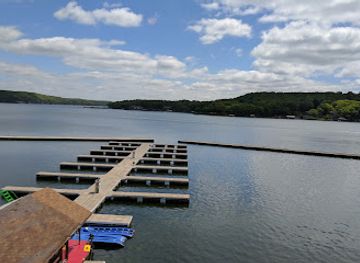
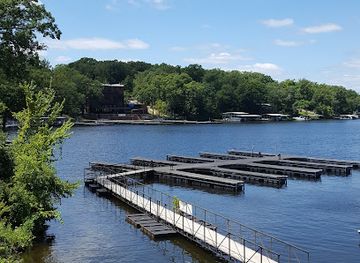
Backwater Jacks
Experience the perfect blend of American cuisine and stunning lakeside views at Backwater Jacks in Osage Beach.


Best nightclubs in Missouri River Valley
Evening life in the Missouri River Valley is generally based on pubs, restaurants, breweries, wine rooms, live music and small-town social venues rather than a continuous nightclub scene. St Joseph, Jefferson City and St Charles offer the widest choice of bars and late-evening entertainment, including taprooms, cocktail-led venues and occasional live performances. Hermann and Washington focus more on wine tasting, historic inns, restaurants and seasonal events, while Weston has a compact evening scene linked to its historic centre and local producers. In smaller communities, establishments may close earlier and entertainment can be concentrated around weekends or scheduled performances. The region's breweries and wineries are places for tasting and conversation, not solely nightlife venues, and visitors should arrange transport in advance when visiting rural producers. Availability, age requirements and closing times vary, so current local information is more reliable than assuming national city-style nightlife patterns.
-
Grill
Bar Louie - Streets of St. Charles
Experience the lively atmosphere at Bar Louie in St. Charles, where American grill meets vibrant nightlife and delicious cocktails.
-
Bar
Howl at the Moon Kansas City
Dive into the electrifying nightlife of Kansas City at Howl at the Moon, where live music and craft cocktails create unforgettable evenings.
-
Night club
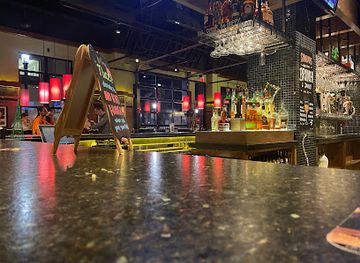
Virtue Night Club
Unleash your inner party spirit at Virtue Night Club in Grandview, where electrifying music and vibrant energy create unforgettable nights.


Best shops in Missouri River Valley
Shopping in the Missouri River Valley is centred on historic main streets, independent retailers, farm goods and locally produced items rather than large-scale destination malls. St Joseph, Jefferson City and St Charles have the broadest selection of bookshops, galleries, antiques, clothing and everyday retail, while Weston, Rocheport, Boonville, Washington and Hermann offer smaller clusters of shops in historic buildings. Wine from the Hermann area is a prominent regional purchase, alongside Missouri-made preserves, honey, baked goods, sauces and other farm products. Galleries and craft shops commonly feature ceramics, paintings, woodwork, textiles and jewellery by regional makers, although stock changes seasonally. Farmers' markets are useful for fresh produce and prepared foods when operating, and antique shopping is particularly associated with older river towns. Visitors should distinguish locally made goods from generic souvenirs, especially in busy historic districts, and allow for limited Sunday or winter opening in smaller communities.
-
Shopping mall
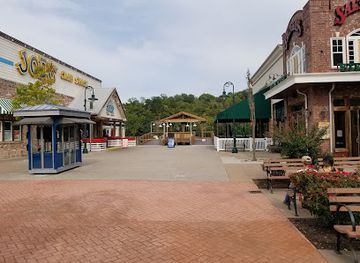
Branson Landing
Explore Branson Landing: A dynamic shopping, dining, and entertainment destination along the beautiful Lake Taneycomo.
-
Outlet mall
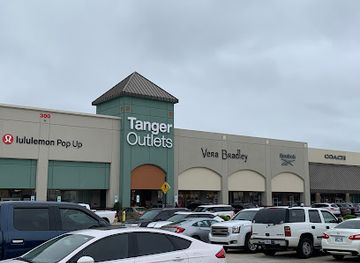
Tanger Outlets Branson
Discover unbeatable deals and a diverse range of brands at Tanger Outlets Branson, your shopping haven in the heart of Missouri.
-
Gift shop
Dick's 5 & 10
Explore the eclectic charm of Dick's 5 & 10 in Branson, Missouri - a nostalgic gift shop offering unique treasures and delightful finds for every visitor.
-
Shopping mall
Grand Village Shops
Explore a charming shopping haven in Branson, featuring unique boutiques, delightful eateries, and festive seasonal markets at Grand Village Shops.


Get your free copy of our complete guide to Missouri River Valley, delivered straight to you.
Everything on this page, from attractions and restaurants to essentials and local phrases, in one PDF you can read offline, print or share.
Already have an account? Sign in
Your Missouri River Valley guide is ready.
We'll send it to · Not you? Sign out

Getting your guide ready…
We are putting together a fresh copy of the Missouri River Valley guide. This can take up to a minute.
This can take a few moments. If your browser asks, choose Allow so the download can start. You'll find the guide in your Downloads folder.
Nothing happened? Download it again
Sorry, the guide is taking longer than usual. Please try again in a minute, or get it by email instead.
Missouri River Valley essentials
Currency and Payment
Safety
Emergency Situations
Do's and Don'ts
Local Tips
From Eve
Local phrases worth knowing
You don't need to get them perfect. A few words go a long way, and locals appreciate the effort.
Basics
| English | Local | Say it |
|---|---|---|
| Hello | Howdy | [hau-dee] |
| Goodbye | See ya | [see yah] |
| Yes | Yep | [yehp] |
| No | Nope | [nohp] |
| Please/You're welcome | Please/No problem | [pleez/no prob-lum] |
| Thank you | Thanks | [thangs] |
| Excuse me/Sorry | Excuse me/Sorry | [ex-kyoos mee/sor-ree] |
| How are you? | How ya doin'? | [hau yah doin'?] |
| Fine. And you? | I'm good. And you? | [I'm good. And you?] |
| Do you speak English? | Do ya speak English? | [doo yah speek ing-glish?] |
| I don't understand | I don't get it | [I don't get it] |
Eating & Drinking
| English | Local | Say it |
|---|---|---|
| I'd like to see the menu, please | Can I see the menu, please? | [kan I see thuh men-yoo, pleez?] |
| I don't eat meat | I ain't eatin' meat | [I ain't eatin' meet] |
| Cheers! | Cheers! | [cheers] |
| I would like to pay, please | Can I get the check, please? | [kan I get thuh chek, pleez?] |
Emergencies
| English | Local | Say it |
|---|---|---|
| Help! | Help! | [help] |
| Go away! | Leave me alone! | [leev mee uh-lone!] |
| Call the Police! | Call the cops! | [call thuh cops!] |
| Call a doctor! | I need a doctor! | [I need a doktor!] |
| I'm lost | I'm lost | [I'm lost] |
| I'm ill | I'm not feelin' good | [I'm not feelin' good] |
Shopping
| English | Local | Say it |
|---|---|---|
| I'd like to buy... | I wanna buy... | [I wanna buy...] |
| I'm just looking | Just lookin' | [just lookin'] |
| How much is it? | What’s the price? | [what's thuh price?] |
| That's too expensive | That's too pricey | [that's too pry-see] |
| Can you lower the price? | Can ya knock down the price? | [kan yah nok down thuh price?] |
Time & Numbers
| English | Local | Say it |
|---|---|---|
| What time is it? | What time ya got? | [what time yah got?] |
| It's one o'clock | It's one | [it's one] |
| Half past (10) | Half past ten | [half past ten] |
| Morning | Mornin' | [mornin'] |
| Afternoon | Afternoon | [afternoon] |
| Evening | Evenin' | [evenin'] |
| Yesterday | Yesterday | [yesterday] |
| Today | Today | [today] |
| Tomorrow | Tomorrow | [tomorrow] |
| 1 | One | [one] |
| 2 | Two | [two] |
| 3 | Three | [three] |
| 4 | Four | [four] |
| 5 | Five | [five] |
| 6 | Six | [six] |
| 7 | Seven | [seven] |
| 8 | Eight | [eight] |
| 9 | Nine | [nine] |
| 10 | Ten | [ten] |
Transport & Directions
| English | Local | Say it |
|---|---|---|
| Where's a/the...? | Where's the...? | [where's thuh...?] |
| What's the address? | What's the address? | [what's thuh ad-dress?] |
| Can you show me (on the map)? | Can ya show me on the map? | [kan yah sho mee on thuh map?] |
| When's the next (bus)? | When's the next bus? | [when's thuh next bus?] |
| A ticket (to ....) | A ticket to ... | [a tiket to ...] |
History of Missouri River Valley
Indigenous River Cultures and Archaeological Landscapes
Long before European settlement, Indigenous peoples lived, travelled and traded along the Missouri River and its tributaries. The river provided transport, fish, fertile floodplain soils and access to the interior of North America, while the surrounding bluffs and prairies supported hunting and gathering. Later communities, including the Osage and other nations connected to the central Missouri region, maintained complex political and economic relationships with European powers and American settlers. Archaeological sites and place names remain evidence of this deep history, although much of the original landscape has been altered by farming, towns, levees and navigation works.
French and Spanish Missouri, Seventeenth to Eighteenth Centuries
The lower and central Missouri River formed part of the wider French and Spanish colonial world centred on the Mississippi and its tributaries. French-speaking settlements developed near the confluence region, and trade networks connected river communities with Indigenous nations across the interior. Spanish administration followed French rule in the late eighteenth century, before the territory passed to the United States through the Louisiana Purchase of 1803. St Charles, established during the French period, preserves some of the clearest architectural and civic reminders of this early colonial history.
American Exploration and the Opening of the West
The Missouri River became a principal launch point for American exploration after the Louisiana Purchase. The Lewis and Clark Expedition departed from the St Charles area in 1804, following the river westward and documenting landscapes and Indigenous communities for the United States government. Trading posts, military installations and overland routes developed along the corridor during the early nineteenth century. Boon's Lick and the settlements around Franklin helped establish the Boonslick country as a major staging area for migrants moving towards the frontier.
Steamboats, Towns and the Early Missouri Economy
Before railways and modern highways, the river was the valley's principal commercial highway. Steamboats carried agricultural goods, passengers and manufactured products, although navigation was difficult because of shifting channels, snags, floods and seasonal water levels. River ports such as Boonville, Glasgow, Hermann, Washington and St Charles expanded through connections to regional farms and wider markets. The survival of nineteenth-century commercial buildings, warehouses, churches and houses in several towns reflects the prosperity and social change associated with river trade.
German Immigration and Missouri Wine Country
Large-scale German immigration transformed the Missouri River Valley during the nineteenth century, particularly around Hermann and Washington. New arrivals brought farming methods, brewing and wine-making knowledge, religious institutions, musical traditions and distinctive architectural forms. Hermann's vineyards and wine cellars became an important regional industry, while German communities also influenced foodways and civic life elsewhere in the valley. The wine tradition declined substantially during Prohibition and later economic changes, but vineyard cultivation and wine tourism have since regained a visible place in the region's identity.
Railways, the Pony Express and National Connections
Railways altered the valley's relationship with the river, reducing dependence on steamboats while linking Missouri towns to national markets. St Joseph became an important western terminus for the Pony Express in 1860–61 and a major departure point for routes across the Great Plains. Rail lines also served agricultural communities and river ports farther south. The later conversion of part of the Missouri–Kansas–Texas Railroad corridor into the Katy Trail created a major recreational route and preserved a tangible reminder of the transport systems that shaped settlement.
Civil War, Statehood and River Engineering
The Missouri River Valley was politically divided during the Civil War, and its towns experienced military occupation, guerrilla activity, disrupted trade and intense arguments over slavery and loyalty. Missouri's strategic position made its river and rail corridors especially important. After the war, levees, bank protection, channel modification and navigation projects increasingly attempted to control flooding and improve commercial use of the river. These works protected farmland and settlements in some places but also changed wetlands, islands and natural river processes, leaving flood management an enduring regional issue.
Missouri River Valley in Photos
Browse through our photo collection highlighting the charm and character of the destination.
Neighbouring regions of Missouri River Valley
The closest regions to Missouri River Valley, if you have time for more than one.
-

-

-

-

-


Swipe for more regions
Explore more

Explore more of Missouri
Experience the diverse landscapes, rich history, and vibrant culture of Missouri, the heart of America, offering everything from bustling cities to serene natural escapes.
Explore Missouri