

Free Central Missouri Travel Guide & Mobile App
Explore Central Missouri with free travel guides. Discover regional history, expert tips, proposed trips, and audio guides on web or mobile app.


Explore Central Missouri for university culture, river towns, state-capital history, Katy Trail cycling, wooded parks and farm-to-table flavours.
Read more about Central Missouri
Getting to and around Central Missouri
How to get there
Transportation
Top city travel guides in Central Missouri
The cities of Central Missouri, and the easiest places to base yourself.
-

-

-

-

-

-


Swipe for more cities
Destinations in Central Missouri
Resorts, valleys and scenic spots worth a trip of their own.
-

-


Swipe for more destinations
Best attractions in Central Missouri
Central Missouri's attractions are spread across several complementary landscapes. Columbia combines university museums, galleries, independent arts venues and the trails and karst scenery of Rock Bridge Memorial State Park, just south of the city. Jefferson City offers the Missouri State Capitol complex, state-history interpretation and river-bluff views. Along the Missouri River, Boonville and Rocheport provide historic streets, heritage buildings and access to the Katy Trail, while nearby Arrow Rock preserves an important nineteenth-century village landscape. Fulton adds the National Churchill Museum at Westminster College and a distinctive connection with twentieth-century international history. The Katy Trail itself is a major regional experience, suited to walking, cycling, wildlife watching and visits to small river communities. Farther south, the Lake of the Ozarks area and Ozark-edge parks provide boating, hiking and woodland recreation, although distances are substantial. Wineries and vineyards are especially associated with the broader Missouri River corridor, while state parks and conservation areas offer quieter encounters with forests, streams and limestone formations. The region's appeal lies in combining civic and university culture with accessible heritage towns and outdoor routes rather than concentrating all sightseeing in one urban centre.
-
Museum
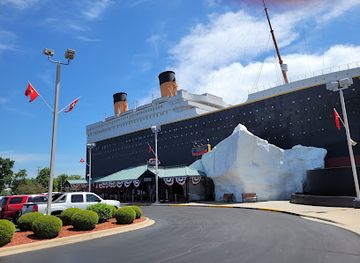
TITANIC Museum Attraction
Discover the Titanic's rich history at the Titanic Museum Attraction in Branson, an unforgettable journey through time and tragedy.
-
State park
Elephant Rocks State Park
Discover the enchanting Elephant Rocks State Park in Missouri, where massive granite boulders and scenic trails await outdoor enthusiasts and nature lovers.
-
Aquarium
SEA LIFE Kansas City
Experience the magic of the ocean at SEA LIFE Kansas City, where adventure meets education in an underwater wonderland.
-
State park
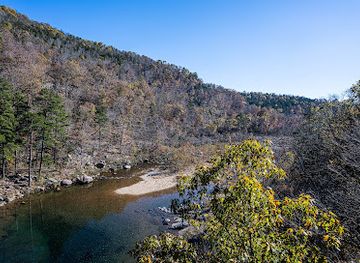
Johnson's Shut-Ins State Park
Discover the stunning landscapes and outdoor adventures at Johnson's Shut-Ins State Park, a must-visit destination in Missouri.

Best landmarks in Central Missouri
The Missouri State Capitol in Jefferson City is Central Missouri's foremost civic landmark, rising above the river and containing large-scale murals, sculpture and public rooms that interpret the state's political history. In Columbia, the columns of the original Academic Hall at the University of Missouri form an emblematic campus view, while the university's historic quadrangle links education with the city's development. Boonville's river-bluff setting, historic Main Street buildings and restored stone and brick structures reflect its role in nineteenth-century commerce. Rocheport's compact historic village and nearby Katy Trail illustrate the relationship between river transport, railways and modern recreation. Arrow Rock, east of Boonville, preserves an unusually coherent historic settlement associated with the Santa Fe Trail and early Missouri commerce. The National Churchill Museum's modern church building in Fulton is another recognisable landmark, notable for its connection with Churchill's 1946 speech and its architectural re-use of an English church. Natural landmarks are equally important: the limestone caves and wooded formations of Rock Bridge Memorial State Park and the broad Missouri River corridor give the region much of its visual and geological character.
-
Historical place
Clark's Hill/Norton State Historic Site
Walk in the footsteps of Lewis and Clark, explore Native American history, and witness the breathtaking views at this Missouri historic site.
-
Park
Vietnam Veterans Memorial
A place of remembrance and honor for Vietnam veterans and those who served in other conflicts, located in Columbia, Missouri.
-
Building
Boone County Courthouse
Visit the historic Boone County Courthouse in Columbia, MO, a landmark of justice and community.


Explore Central Missouri on the map
Plan your trip on one map. See where the top cities, national parks and sights are, and book hotels and experiences in a few clicks.
Best hotels in Central Missouri
Best restaurants in Central Missouri
Central Missouri dining combines Midwestern farm produce, Missouri barbecue traditions and increasingly varied urban food culture. Columbia has the broadest choice of international cooking, cafés, breweries, bakeries and restaurants serving students, residents and visitors, while Jefferson City offers established American dining alongside state-government lunch spots. In smaller river communities, look for traditional diners, family restaurants, cafés and rural inns rather than a dense restaurant scene. Local menus may feature smoked meats, catfish, seasonal vegetables, biscuits and pies, although these foods belong to wider Missouri and American traditions rather than to Central Missouri alone. Farmers' markets in Columbia, Jefferson City and other towns are useful places to find regional produce, preserves and baked goods. The Missouri River corridor also supports vineyards and wineries, with tasting rooms and food pairings especially prominent in the wider wine country. Craft beer and contemporary farm-led cooking are strongest in the larger towns, while roadside barbecue and home-style cooking remain practical choices beyond them.
-
Restaurant
Lambert's Café
Discover Lambert's Café in Sikeston - home to throwed rolls and delicious Southern comfort food in a fun-filled atmosphere.
-
American
Broussard's Cajun Cuisine
Experience authentic Cajun cuisine at Broussard's in Cape Girardeau - where every dish tells a story!
-
Restaurant
Catfish Kettle Restaurant
Savor authentic Southern cuisine at Catfish Kettle Restaurant in Farmington—where every meal feels like home.
-
Steak
Twisted Tree Steakhouse
Experience unparalleled steak and seafood at Twisted Tree Steakhouse in St. Louis – where culinary artistry meets exceptional service.

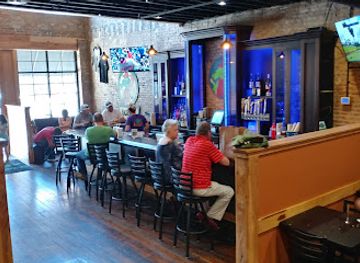
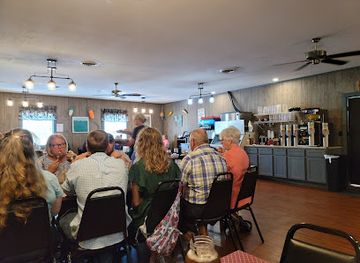
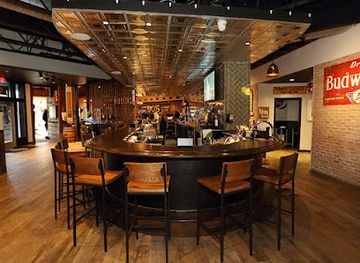
Best bars in Central Missouri
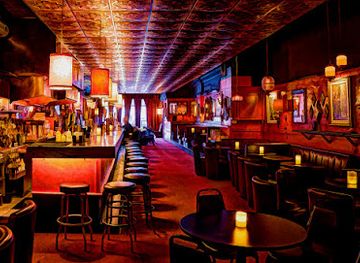
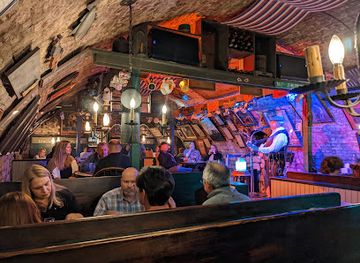
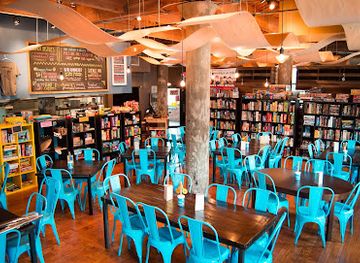
Nightlife in Central Missouri is concentrated in Columbia, where the university population supports live music, pubs, breweries, cocktail bars and late-evening restaurants. The atmosphere varies with the academic calendar, and venues can be quieter outside term time. Jefferson City has a smaller evening scene centred on pubs, restaurants, local music and civic events rather than a large club district. Boonville, Fulton and other historic towns are more likely to offer traditional bars, brewery or winery tasting rooms and relaxed evening dining than purpose-built nightclubs. Along the Lake of the Ozarks, nightlife can become busier in the summer boating season, but establishments are dispersed and seasonal patterns matter. Rural communities generally settle earlier, so check current arrangements and plan transport before a late outing. Drinking is not necessary to experience the region's cultural life; theatres, concerts, museums and evening walks through historic districts provide alternatives.
-
Cocktail bar
Green Lady Lounge
Explore Kansas City's vibrant nightlife at the Green Lady Lounge, a cocktail bar and jazz club offering live music and crafted cocktails.
-
Brewpub
Flat Branch Pub & Brewing
Discover the vibrant atmosphere and craft brews at Flat Branch Pub & Brewing, a top spot for American cuisine in Columbia, Missouri.
-
Pub
O'Malley's Pub
Discover O'Malley's Pub in Weston, MO - a delightful blend of Irish culture, craft drinks, and friendly atmosphere.
-
Bar
Pieces Board Game Bar And Restaurant
Discover a unique dining experience at Pieces Board Game Bar and Restaurant in St. Louis, where great food and gaming come together for endless fun.

Best nightclubs in Central Missouri
Nightlife in Central Missouri is concentrated in Columbia, where the university population supports live music, pubs, breweries, cocktail bars and late-evening restaurants. The atmosphere varies with the academic calendar, and venues can be quieter outside term time. Jefferson City has a smaller evening scene centred on pubs, restaurants, local music and civic events rather than a large club district. Boonville, Fulton and other historic towns are more likely to offer traditional bars, brewery or winery tasting rooms and relaxed evening dining than purpose-built nightclubs. Along the Lake of the Ozarks, nightlife can become busier in the summer boating season, but establishments are dispersed and seasonal patterns matter. Rural communities generally settle earlier, so check current arrangements and plan transport before a late outing. Drinking is not necessary to experience the region's cultural life; theatres, concerts, museums and evening walks through historic districts provide alternatives.
-
Bar
The Crack Fox
Experience the vibrant nightlife of St. Louis at The Crack Fox, your ultimate destination for live music, karaoke, and unforgettable memories.
-
Night club
Aura
Discover the exhilarating nightlife at Aura, Kansas City's hottest nightclub featuring top DJs and an electrifying atmosphere for an unforgettable experience.
-
Bar
Tuners on Main Street
Experience the vibrant nightlife at Tuners on Main Street, where great drinks and live entertainment await in St. Charles, Missouri.
-
Night club
Martha's Vineyard
Experience the vibrant nightlife of Martha's Vineyard, where cocktail bars and lively interactions come together for an unforgettable evening.


Best shops in Central Missouri
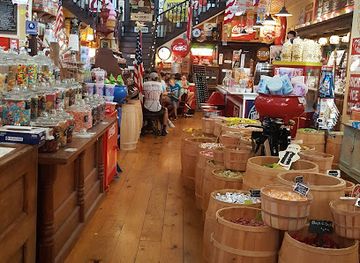
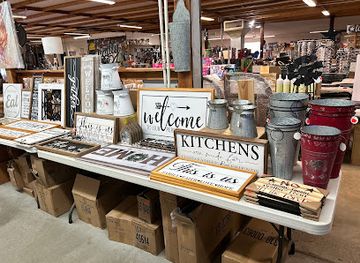
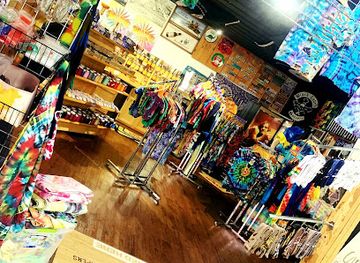
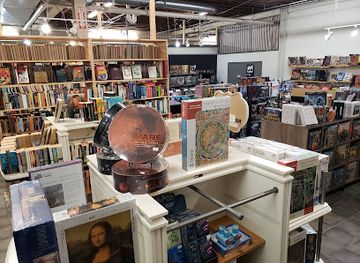
Shopping in Central Missouri is led by practical town centres, university-oriented independents, antiques and locally produced food rather than a concentrated luxury retail scene. Columbia has the widest range, including independent bookshops, clothing and design shops, galleries, specialist food retailers and regular farmers' markets. Jefferson City's central districts offer local services, gifts, antiques and state-themed products, while Boonville, Fulton, Rocheport and other historic communities have small collections of galleries, craft shops and antique dealers in or near older commercial streets. Farmers' markets are useful for seasonal fruit and vegetables, preserves, baked goods and locally made items, though schedules vary through the year. Along the Missouri River and in the wider wine country, bottles from regional wineries make a popular purchase where transport and customs rules permit. Other suitable souvenirs include Missouri-made food products, ceramics, artwork, books about local history and trail-related maps. Retail choice becomes thinner in rural areas, so combine shopping with market days or visits to larger towns rather than relying on every historic village for extensive opening hours.
-
Ice Cream
Old Village Mercantile
Experience the charm of Old Village Mercantile in Caledonia, MO, where delicious ice cream, candies, and coffee create sweet memories.
-
Discount store
Green's Flea Market
Explore Green's Flea Market in Fredericktown, Missouri, a vibrant discount store filled with unique finds and unbeatable deals for every shopper.
-
Gift shop
Sweet Leaf Emporium
Explore Sweet Leaf Emporium in Farmington, MO - your go-to gift shop for unique jewelry, glass art, and local souvenirs.
-
Used book store
Aesop's Treasury Books and Games
Explore Aesop's Treasury in Farmington: A unique blend of used books and games for every enthusiast.
Get your free copy of our complete guide to Central Missouri, delivered straight to you.
Everything on this page, from attractions and restaurants to essentials and local phrases, in one PDF you can read offline, print or share.
Already have an account? Sign in
Your Central Missouri guide is ready.
We'll send it to · Not you? Sign out

Getting your guide ready…
We are putting together a fresh copy of the Central Missouri guide. This can take up to a minute.
This can take a few moments. If your browser asks, choose Allow so the download can start. You'll find the guide in your Downloads folder.
Nothing happened? Download it again
Sorry, the guide is taking longer than usual. Please try again in a minute, or get it by email instead.
Central Missouri essentials
Currency and Payment
Safety
Emergency Situations
Do's and Don'ts
Local Tips
From Eve
Local phrases worth knowing
You don't need to get them perfect. A few words go a long way, and locals appreciate the effort.
Basics
| English | Local | Say it |
|---|---|---|
| Hello | Howdy | [hau-dee] |
| Goodbye | See ya | [see yah] |
| Yes | Yep | [yehp] |
| No | Nope | [noh-p] |
| Please/You're welcome | Please/No problem | [pleez/no prob-lum] |
| Thank you | Thanks | [thangs] |
| Excuse me/Sorry | Excuse me/Sorry | [ex-kyoos mee/sor-ee] |
| How are you? | How ya doin'? | [hau yah doin'?] |
| Fine. And you? | I'm good. And you? | [I'm good. And yah?] |
| Do you speak English? | You speakin' English? | [Yah speakin' Ing-lish?] |
| I don't understand | I ain't followin' | [I aynt fol-oh-in'] |
Eating & Drinking
| English | Local | Say it |
|---|---|---|
| I'd like to see the menu, please | Can I see the menu, please? | [Can I see tha menu, pleez?] |
| I don't eat meat | I don't eat meat | [I don't eet meet] |
| Cheers! | Cheers! | [cheers!] |
| I would like to pay, please | I'd like to settle up, please | [I'd like to set-l up, pleez] |
Emergencies
| English | Local | Say it |
|---|---|---|
| Help! | Help! | [help!] |
| Go away! | Get outta here! | [Get outta here!] |
| Call the Police! | Call the cops! | [Call the cops!] |
| Call a doctor! | Get a doctor! | [Get a doc-tor!] |
| I'm lost | I'm lost | [I'm lost] |
| I'm ill | I'm not feelin' well | [I'm not feel-in' well] |
Shopping
| English | Local | Say it |
|---|---|---|
| I'd like to buy... | I wanna buy... | [I wanna buy...] |
| I'm just looking | Just lookin' | [Just look-in'] |
| How much is it? | How much's this? | [How much's this?] |
| That's too expensive | That's way too pricey | [That's way too pry-see] |
| Can you lower the price? | Can ya bring down the price? | [Can yah bring down tha pryce?] |
Time & Numbers
| English | Local | Say it |
|---|---|---|
| What time is it? | What time is it? | [What time is it?] |
| It's one o'clock | It's one o'clock | [It's one o'clock] |
| Half past (10) | Half past ten | [Half past ten] |
| Morning | Mornin' | [Mornin'] |
| Afternoon | Afternoon | [Afternoon] |
| Evening | Evenin' | [Evenin'] |
| Yesterday | Yesterday | [Yes-ter-day] |
| Today | Today | [To-day] |
| Tomorrow | Tomorrow | [To-morrow] |
| 1 | One | [wun] |
| 2 | Two | [too] |
| 3 | Three | [three] |
| 4 | Four | [for] |
| 5 | Five | [five] |
| 6 | Six | [six] |
| 7 | Seven | [sev-en] |
| 8 | Eight | [ate] |
| 9 | Nine | [nine] |
| 10 | Ten | [ten] |
Transport & Directions
| English | Local | Say it |
|---|---|---|
| Where's a/the...? | Where's a ...? | [Where's a ...?] |
| What's the address? | What's the address? | [What's tha ad-dress?] |
| Can you show me (on the map)? | Can ya show me on the map? | [Can yah show me on tha map?] |
| When's the next (bus)? | When's the next bus? | [When's tha next bus?] |
| A ticket (to ....) | A ticket to ... | [A ticket to ...] |
History of Central Missouri
Indigenous river and prairie landscapes
Long before European-American settlement, Indigenous peoples travelled, traded and lived along the Missouri River, its tributaries and the central prairie margins. The river provided transport, fish and fertile floodplain soils, while upland areas supported hunting and seasonal movement. Later settlement transformed these landscapes, but the region's geography still explains the location of many towns, roads and farms. Archaeological evidence across Missouri records a much older human history than the surviving nineteenth-century buildings that dominate most visitor itineraries.
French and Spanish Missouri
Central Missouri formed part of the wider colonial world of the Mississippi and Missouri valleys, first under French influence and later Spanish administration before the territory became part of the United States. Although the strongest early French settlements were farther east, river routes connected central Missouri to St Louis and the wider interior. Place names, patterns of land use and the importance of river transport reflect this earlier period, which preceded the large-scale American settlement of the nineteenth century.
American settlement and the Missouri River economy
After the Louisiana Purchase and the admission of Missouri as a state in 1821, American settlement expanded rapidly through the river valleys. Boonville, Rocheport, Jefferson City and other communities developed as trading, transport or administrative centres. Farms supplied grain, livestock and other products to river markets, while ferries and steamboats connected inland settlements with St Louis and the expanding national economy. Enslaved labour was part of this agricultural system, and the region's later history cannot be separated from the divisions created by slavery and its abolition.
Statehood and Jefferson City
Jefferson City was selected as Missouri's capital in the early nineteenth century because of its position near the state's geographic centre and the Missouri River. Government buildings, churches, homes and commercial premises gradually formed a civic landscape on the river bluffs. The Missouri State Capitol, completed in the early twentieth century, remains the most visible expression of the capital's political role. State administration continues to distinguish Jefferson City from the more commercially and educationally oriented communities elsewhere in Central Missouri.
German immigration and the Missouri wine country
During the nineteenth century, German immigrants helped shape communities, farming practices and cultural life along the Missouri River, particularly east and west of the central corridor. They brought winemaking knowledge that contributed to the development of vineyards and wine production on the river bluffs. Hermann, although east of the region's central core, is a notable nearby example of this legacy. The wider wine country remains visible through vineyards, historic German-influenced settlements, seasonal festivals and food traditions.
Railways, the Katy route and industrial change
Railway construction altered Central Missouri's transport geography by linking river towns and agricultural districts to markets beyond the state. The Missouri-Kansas-Texas Railroad, commonly called the Katy, was particularly important along the Missouri River corridor. After the railway ceased operating, much of its former route became the Katy Trail, a long-distance recreational path. The conversion illustrates a broader regional change from transport infrastructure based on riverboats and rail freight to tourism, cycling, conservation and heritage interpretation.
Universities, civil rights and modern cultural life
The University of Missouri in Columbia has influenced Central Missouri's education, economy, research and cultural life since the nineteenth century. Nearby Fulton is associated with Winston Churchill's 1946 'Sinews of Peace' speech at Westminster College, an event often regarded as an important early public statement about the emerging Cold War. Together, the university and museum landscapes show how Central Missouri's modern identity extends beyond agriculture and government to include international education, public debate and the arts.
Central Missouri in Photos
Browse through our photo collection highlighting the charm and character of the destination.
Neighbouring regions of Central Missouri
The closest regions to Central Missouri, if you have time for more than one.
-

-

-

-

-


Swipe for more regions
Explore more

Explore more of Missouri
Experience the diverse landscapes, rich history, and vibrant culture of Missouri, the heart of America, offering everything from bustling cities to serene natural escapes.
Explore Missouri