

Ciocana (Chișinău) Travel Guide - Free
Explore Ciocana in Chișinău with Evendo's free guide. Find the best shops, historic streets, restaurants, and gems on web or mobile.


Ciocana, Chișinău: explore Soviet-era boulevards, local markets, Orthodox churches, parks and contemporary Moldovan dining in the capital’s eastern sector.
A Residential District with Room to Breathe
Ciocana occupies the eastern side of Chișinău, beyond the city centre’s historic streets and grand administrative buildings. It is one of the capital’s large residential sectors, shaped less by monumental tourism than by everyday urban life: apartment blocks, broad avenues, schools, shops, churches, cafés and busy public transport corridors. The neighbourhood’s recognisable spine is formed by routes including Mircea cel Bătrân Boulevard and Alecu Russo Street, while the Dniester-facing edge gives parts of the sector a more open, peripheral character.Read more about Ciocana
From Village Land to Planned City
Local Life and Contemporary Chișinău
Best attractions in Ciocana
Ciocana’s attractions are modest in scale but revealing of contemporary Chișinău. The Church of the Holy Apostles Peter and Paul provides a focal point for the neighbourhood’s religious life, while the Ginta Latină cultural centre offers a more formal cultural setting than the surrounding apartment estates. Along Mircea cel Bătrân Boulevard, Alecu Russo Street and Mihai Sadoveanu Street, visitors can observe the district’s planned urban composition: broad carriageways, mature trees, set-back blocks, local shops and landscaped spaces between buildings. The Ciocana market area gives a direct glimpse of ordinary shopping, with seasonal produce and household goods rather than a curated tourist market. Port Mall represents the newer commercial face of the sector, combining retail and leisure uses in a contemporary complex. Ciocana is most rewarding when approached as a living residential district, where courtyards, churches, public transport and local commerce explain more than a concentration of headline sights.
-
Tourist attraction
Rose Valley Park
Experience the beauty and tranquility of Rose Valley Park in Chișinău, a perfect destination for nature lovers and families.
14 min drive · 4.8 km from neighbourhood centre
-
Tourist attraction
Zoo of Chisinau
Discover the diverse animal kingdom at the Zoo of Chisinau, a family-friendly attraction in the heart of Moldova's capital city.
22 min drive · 7.2 km from neighbourhood centre
-
Tourist attraction
Alexandru Ciubotaru National Botanical Garden
Explore the lush landscapes and diverse flora of the Alexandru Ciubotaru National Botanical Garden in Chișinău, Moldova's tranquil botanical escape.
20 min drive · 6.7 km from neighbourhood centre
-
 Tourist attraction
The Triumphal Arch
Discover the Triumphal Arch in Chișinău, a stunning monument celebrating Moldova's history amidst vibrant city life.
14 min drive · 4.5 km from neighbourhood centre


Best landmarks in Ciocana
Ciocana’s most meaningful landmarks are tied to community life and planned urban development rather than to a preserved historic centre. The Church of the Holy Apostles Peter and Paul on Nicolae Milescu-Spătaru Street is a visible religious reference point within the modern housing landscape, contrasting with the repetitive forms of surrounding apartment blocks. The Ginta Latină cultural centre represents the sector’s institutional and cultural infrastructure, while the long perspectives of Mircea cel Bătrân Boulevard and Alecu Russo Street embody the logic of late twentieth-century urban planning. Large residential ensembles, mature trees and open spaces between buildings are themselves characteristic features of the neighbourhood, showing how Chișinău expanded beyond its older low-rise core. Port Mall on Mihai Sadoveanu Street marks a newer phase of construction, introducing a large contemporary commercial structure into an area once dominated by housing, schools and everyday services.
-
Monument
The Triumphal Arch
Discover Chișinău's Triumphal Arch: A symbol of history and resilience in the heart of Moldova's capital.
14 min drive · 4.5 km from neighbourhood centre
-
Memorial park
Eternity Memorial Complex
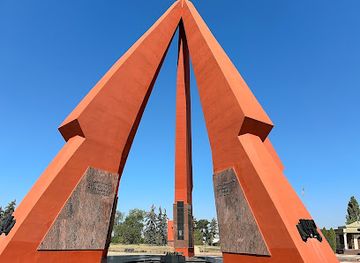
A solemn memorial in Chișinău honoring the heroes of World War II, featuring an eternal flame and striking monuments dedicated to peace and remembrance.
16 min drive · 5.3 km from neighbourhood centre
-
Monument
Stephen the Great Monument
A tribute to Moldova's national hero, Stephen the Great, in the heart of Chișinău.
14 min drive · 4.7 km from neighbourhood centre
-
Park
Râșcani Forest-Park
Escape to nature in the heart of Chișinău at Râșcani Forest-Park: trails, wildlife, and serene landscapes await!
5 min drive · 1.7 km from neighbourhood centre



Explore Ciocana on the map
A handpicked selection of must-see spots in Ciocana, mapped for you.
Best hotels in Ciocana
Best restaurants in Ciocana
Ciocana’s dining scene follows the needs of a large residential district rather than a compact tourist quarter. Along Mircea cel Bătrân Boulevard, Alecu Russo Street and the surrounding shopping corridors, visitors will find cafés, bakeries, casual restaurants and takeaway counters serving familiar Moldovan and broadly regional food. Local meals may include soups, grilled meats, placinte and other pastry-based dishes, while contemporary venues increasingly combine Moldovan ingredients with international formats. The market area is useful for seeing the produce that underpins home cooking, although it is not primarily arranged as a street-food destination. Port Mall adds a more standardised selection of cafés and restaurants within a modern retail environment. For a more traditional dining atmosphere, visitors should look for independently run establishments and ask staff about daily dishes rather than expect a concentrated restaurant street. Ciocana is better suited to practical, neighbourhood eating than to destination dining.
-
European
Pegas Terrace & Restaurant
Experience exquisite European dining at Pegas Terrace & Restaurant in Chișinău, where stunning views meet culinary excellence.
9 min drive · 3.1 km from neighbourhood centre
-
Romanian
La Plăcinte
Discover authentic Moldovan flavors at La Plăcinte in Chișinău - a cozy haven for traditional Romanian dishes.
12 min walk · 0.9 km from neighbourhood centre
-
Restaurant
Trattoria Della Nonna
Experience authentic Moldovan cuisine at Trattoria Della Nonna in Chișinău – where tradition meets taste in every dish.
3 min walk · 0.3 km from neighbourhood centre
-
Italian
Corso Pizza
Experience the best of Italian cuisine at Corso Pizza in Chișinău – where every meal is crafted with passion and flavor.
14 min walk · 1.1 km from neighbourhood centre


Best bars in Ciocana
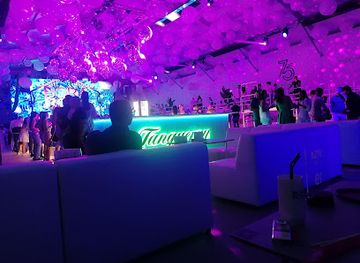
Ciocana is not one of Chișinău’s main late-night clubbing districts, and its evening character is largely residential. After work, cafés, casual restaurants and places within or near the larger shopping complexes provide the most visible social life, while smaller bars tend to serve local residents rather than a visiting nightlife crowd. The broad avenues remain active with traffic, but many side streets and apartment courtyards become quiet later in the evening. Occasional cultural programmes at the Ginta Latină centre may provide a more local alternative to bar-hopping, depending on the current schedule. Visitors seeking a dense concentration of cocktail bars, live music venues or nightclubs will generally find more choice in central Chișinău, which is outside Ciocana. In the neighbourhood itself, keep voices low near residential buildings and plan the return journey before public transport becomes less frequent.
-
Pub
Draft
Discover the lively atmosphere of Draft, Chișinău's go-to pub for drinks, snacks, and unforgettable nights out in Moldova's capital.
12 min walk · 1.0 km from neighbourhood centre
-
Pub
Rugby House Pub
Experience Chișinău's lively pub culture at Rugby House Pub, where great drinks, delicious food, and a friendly atmosphere await.
5 min drive · 1.7 km from neighbourhood centre
-
Pub
Craft Baza
Experience the lively atmosphere and diverse craft beer selection at Craft Baza, Chișinău's top pub for locals and tourists alike.
6 min drive · 2.1 km from neighbourhood centre
-
Pub
Double Beer Pub
Discover the vibrant atmosphere of Double Beer Pub in Chișinău, where craft beers and delicious pub food create a perfect night out.
5 min drive · 1.6 km from neighbourhood centre


Best nightclubs in Ciocana
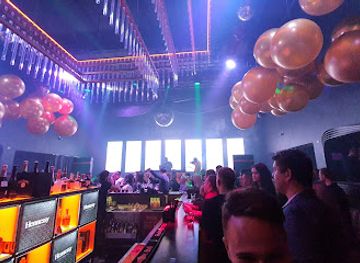
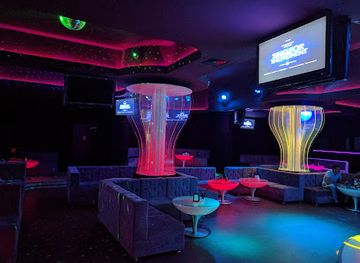
Ciocana is not one of Chișinău’s main late-night clubbing districts, and its evening character is largely residential. After work, cafés, casual restaurants and places within or near the larger shopping complexes provide the most visible social life, while smaller bars tend to serve local residents rather than a visiting nightlife crowd. The broad avenues remain active with traffic, but many side streets and apartment courtyards become quiet later in the evening. Occasional cultural programmes at the Ginta Latină centre may provide a more local alternative to bar-hopping, depending on the current schedule. Visitors seeking a dense concentration of cocktail bars, live music venues or nightclubs will generally find more choice in central Chișinău, which is outside Ciocana. In the neighbourhood itself, keep voices low near residential buildings and plan the return journey before public transport becomes less frequent.
-
Night club
Edgo Night Club
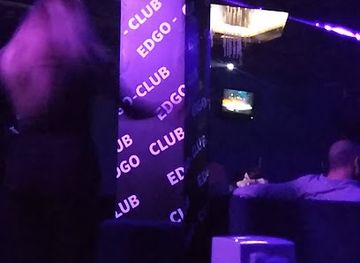
Experience the vibrant nightlife of Chișinău at Edgo Night Club, where unforgettable music and dancing await every night.
11 min drive · 3.5 km from neighbourhood centre
-
Night club
Hype
Discover Chișinău's nightlife at Hype Night Club, a premier destination for unforgettable music and vibrant dance experiences.
10 min drive · 3.5 km from neighbourhood centre
-
Night club
Flamingo Night Club
Dive into the vibrant nightlife at Flamingo Night Club, where energetic music and a festive atmosphere guarantee a night to remember in Chișinău.
9 min drive · 3.0 km from neighbourhood centre
-
Night club
Bora Bora Night Club
Bora Bora Night Club: Dive into Chișinău's electrifying nightlife with exceptional music, vibrant crowds, and unforgettable experiences.
12 min drive · 4.0 km from neighbourhood centre
Best shops in Ciocana
Shopping in Ciocana is practical, local and increasingly suburban in scale. The Ciocana market area serves everyday needs with seasonal produce, groceries, household goods and small retail stalls, offering a less polished but more grounded view of commercial life than a shopping centre. Independent shops, pharmacies, bakeries and convenience stores line the main residential corridors, particularly around Alecu Russo Street and Mircea cel Bătrân Boulevard. Port Mall on Mihai Sadoveanu Street provides the neighbourhood’s contemporary retail focus, with chain stores, leisure facilities and food outlets in a modern complex. Visitors should not expect a concentrated district of antiques, design boutiques or souvenir shops; Ciocana’s retail identity comes from the contrast between open market commerce, ground-floor services and newer indoor shopping. Local treats and packaged Moldovan products are easier to find in supermarkets and food shops than in specialist tourist stores.
-
Shopping mall
Numina
Discover the vibrant shopping scene at Numina, Chișinău's top mall for fashion, food, and fun, showcasing local culture and international brands.
16 min walk · 1.3 km from neighbourhood centre
-
Stationery store
Crafti
Discover Crafti in Chișinău: A vibrant stationery and art supply store offering unique products for artists, children, and hobbyists.
5 min walk · 0.4 km from neighbourhood centre
-
Store
Promstore
Experience the best of Chișinău shopping at Promstore, where local culture meets contemporary retail in a vibrant atmosphere.
8 min walk · 0.7 km from neighbourhood centre
-
Store
Ambera
Discover Ambera, Chișinău's top shopping destination, offering a blend of local craftsmanship and international styles in a warm, inviting atmosphere.
16 min walk · 1.3 km from neighbourhood centre


Ciocana essentials
Getting There
Getting Around
Safety
Emergency Situations
Do's and Don'ts
Local Tips

From Eve
Local phrases worth knowing
You don't need to get them perfect. A few words go a long way, and locals appreciate the effort.
Basics
| English | Local | Say it |
|---|---|---|
| Hello | Salut | [sah-lut] |
| Goodbye | La revedere | [lah reh-veh-deh-reh] |
| Yes | Da | [dah] |
| No | Nu | [noo] |
| Please/You're welcome | Te rog | [teh rohg] |
| Thank you | Mulțumesc | [mool-tsoo-mesk] |
| Excuse me/Sorry | Scuzați-mă | [skoo-zahts mah] |
| How are you? | Ce faci? | [cheh fahch?] |
| Fine. And you? | Bine. Și tu? | [bee-neh. shee too?] |
| Do you speak English? | Vorbiți engleză? | [vor-beetz en-glez-uh?] |
| I don't understand | Nu înțeleg | [noo in-tseh-leg] |
Eating & Drinking
| English | Local | Say it |
|---|---|---|
| I'd like to see the menu, please | Aș dori să văd meniul, vă rog | [ush doh-ree suh vud meh-nyool, vuh rohg] |
| I don't eat meat | Nu mănânc carne | [noo muh-nuhnk kahr-neh] |
| Cheers! | Noroc! | [noh-rohk] |
| I would like to pay, please | Aș dori să plătesc, vă rog | [ush doh-ree suh pluh-tesk, vuh rohg] |
Emergencies
| English | Local | Say it |
|---|---|---|
| Help! | Ajutor! | [ah-yoo-tohr] |
| Go away! | Du-te! | [doo-teh] |
| Call the Police! | Sună la Poliție! | [soo-nuh lah po-leet-see-eh] |
| Call a doctor! | Sună un doctor! | [soo-nuh oon dohk-tohr] |
| I'm lost | M-am pierdut | [mahm pyehr-doohrt] |
| I'm ill | Sunt bolnav | [soont bohl-nav] |
Shopping
| English | Local | Say it |
|---|---|---|
| I'd like to buy... | Aș dori să cumpăr... | [ush doh-ree suh koom-puhr] |
| I'm just looking | Doar mă uit | [doh-ahr muh ooyt] |
| How much is it? | Cât costă? | [kaht kohs-tuh?] |
| That's too expensive | Este prea scump | [yehs-teh preh-ah skoomp] |
| Can you lower the price? | Puteți reduce prețul? | [poo-tehts reh-oo-cheh prehts-ool] |
Time & Numbers
| English | Local | Say it |
|---|---|---|
| What time is it? | Cât e ceasul? | [kaht eh cheh-ah-sool] |
| It's one o'clock | Este ora unu | [yehs-teh oh-rah oon-oo] |
| Half past (10) | O jumătate (10) | [oh joo-muh-ta-teh (doh-zehsht)] |
| Morning | Dimineață | [dee-mee-neh-tsuh] |
| Afternoon | După-amiază | [doo-puh ah-myah-zuh] |
| Evening | Seara | [seh-ah-rah] |
| Yesterday | Ieri | [yehr] |
| Today | Astăzi | [ah-stuhz] |
| Tomorrow | Mâine | [muh-yeh-neh] |
| 1 | Unu | [oo-noo] |
| 2 | Doi | [doy] |
| 3 | Trei | [treh-ee] |
| 4 | Patru | [paht-roo] |
| 5 | Cinci | [cheen-chee] |
| 6 | Șase | [shah-seh] |
| 7 | Șapte | [shahp-teh] |
| 8 | Opt | [ohpt] |
| 9 | Nouă | [noo-wuh] |
| 10 | Zece | [zeh-che] |
Transport & Directions
| English | Local | Say it |
|---|---|---|
| Where's a/the...? | Unde este... | [oon-deh yehs-teh] |
| What's the address? | Care este adresa? | [kah-reh yehs-teh ah-dreh-sah] |
| Can you show me (on the map)? | Puteți să-mi arătați (pe hartă)? | [poo-tehts suh-mee ah-rah-tah-tsi (peh hahr-tah)] |
| When's the next (bus)? | Când este următorul (autobuz)? | [kahnd yehs-teh oor-muh-toh-rool (ow-toh-booz)] |
| A ticket (to ....) | Un bilet (spre ....) | [oon bee-let (spreh)] |
History of Ciocana
The Older Ciocana Settlement
Ciocana’s name is connected with Ciocana Veche, an older settlement on the eastern side of Chișinău. The area was historically associated with village land, gardens and agricultural plots rather than with the dense urban fabric now visible along its main boulevards. As Chișinău expanded, the distinction between the older settlement and the growing capital gradually weakened. The survival of the name reflects the way former villages and peripheral lands were incorporated into the city’s wider urban geography, even though much of the present neighbourhood has a substantially later appearance.
Post-War Urban Expansion
The most decisive transformation came during the Soviet period, particularly from the 1960s onwards, when Chișinău’s population and industrial economy expanded. Large housing estates were planned in the eastern part of the city to accommodate workers and families, replacing much of the earlier low-density landscape with multi-storey apartment buildings, schools, shops and landscaped communal spaces. Ciocana’s broad roads, repeated residential forms and separated blocks belong largely to this phase of planned growth. The district was conceived as a functioning urban sector rather than a historic quarter, with daily services distributed among the new housing areas.
A Distinct Administrative Sector
As the eastern housing estates grew, Ciocana developed an increasingly distinct identity within Chișinău’s municipal structure. Streets and boulevards were extended, public transport linked the sector with the centre and local institutions became part of residents’ daily lives. The neighbourhood’s architecture remained predominantly late-modernist and utilitarian, although churches, cultural facilities and commercial developments later added different scales and uses. Since Moldova’s independence, private businesses, renovated apartment buildings and new retail complexes have gradually altered the appearance of the district without erasing its planned residential framework.
Ciocana in Contemporary Chișinău
Today Ciocana is best understood as an established residential sector rather than a concentrated historic destination. Its mature trees, apartment courtyards, local markets and transport corridors provide continuity with the late twentieth-century city, while new retail and cultural facilities reflect changing patterns of consumption and recreation. The opening of newer commercial developments, including Port Mall on Mihai Sadoveanu Street, has added a contemporary urban focus. At the same time, the neighbourhood retains a strong everyday character: residents use its schools, shops, churches and public transport more than visitors do, making Ciocana a useful place to understand the ordinary scale of modern Chișinău.
Ciocana in Photos
Browse through our photo collection highlighting the charm and character of the destination.
Neighbourhoods near Ciocana
The closest neighbourhoods to Ciocana, if you have time for more than one stop.
-

-


Swipe for more neighbourhoods
Explore more

Explore more of Chișinău
Chișinău, Moldova’s leafy capital, blends Soviet avenues, wine culture, Orthodox heritage, museums and relaxed cafés with memorable local sightseeing.
Explore Chișinău