

Centru (Chișinău) Travel Guide - Free
Explore Centru in Chișinău with Evendo's free guide. Find the best shops, historic streets, restaurants, and gems on web or mobile.


Explore Centru, Chișinău for Moldova’s historic museums, Orthodox landmarks, leafy boulevards, wine bars, cafés and lively central streets.
Central Streets and Public Spaces
Centru is Chișinău’s central sector, where the city’s principal civic spaces, cultural institutions and older commercial streets gather around the intersection of Bulevardul Ștefan cel Mare și Sfânt and Strada 31 August 1989. The area is not a single preserved old town: it is a layered urban centre, with tree-lined boulevards, nineteenth-century villas, Orthodox churches, interwar traces, Soviet-era government buildings and lively cafés occupying the same broad cityscape. Much of the central experience is comfortably walkable, although busy roads and large intersections divide the district into distinct pockets.Read more about Centru
Architecture, Memory and Culture
Everyday Chișinău
Best attractions in Centru
Centru’s main attractions are concentrated around a walkable sequence of parks, museums and civic spaces. Catedrala Nașterea Domnului and its bell tower form the spiritual and visual centre of the district, while the nearby Arcul de Triumf frames the approach to Piața Marii Adunări Naționale. Grădina Publică „Ștefan cel Mare” offers shaded paths, monuments and a pause from the traffic of the main boulevard, including the alley associated with Moldova’s national poet, Mihai Eminescu. The National History Museum of Moldova and the National Art Museum of Moldova provide the strongest indoor introductions to the country’s past and visual culture. The National Opera and Ballet Theatre and the Mihai Eminescu National Theatre add performing arts to the sightseeing circuit. Smaller pleasures include the pedestrian Strada Eugen Doga, central streets lined with older façades and the changing views created by Chișinău’s mixture of monumental avenues and modest side roads.
-
Tourist attraction
Cathedral Park
Explore the beauty of Cathedral Park, a serene urban oasis in Chișinău, surrounded by lush greenery and rich cultural heritage.
5 min walk · 0.4 km from neighbourhood centre
-
Tourist attraction
Stephen the Great Monument
Explore the grandeur of the Stephen the Great Monument, a historical landmark in Chișinău that celebrates Moldova's rich cultural heritage amidst stunning park scenery.
2 min walk · 0.2 km from neighbourhood centre
-
Tourist attraction
National Museum of Ethnography and Natural History
Explore Moldova's rich cultural heritage and natural wonders at the National Museum of Ethnography and Natural History in Chișinău.
8 min walk · 0.6 km from neighbourhood centre
-
Tourist attraction
Alexander Pushkin House-Museum
Explore the life and legacy of Alexander Pushkin at the House-Museum in Chișinău, a cultural gem showcasing the poet's impact on literature.
13 min walk · 1.0 km from neighbourhood centre


Best landmarks in Centru
The landmark ensemble of Centru reflects Chișinău’s layered political and religious history. Catedrala Nașterea Domnului, with its separate bell tower and surrounding garden, is one of the city’s most recognisable Orthodox complexes, while the Arcul de Triumf stands beside the Cathedral across from the main civic square. Piața Marii Adunări Naționale is the city’s principal ceremonial and public gathering space, bordered by major state buildings and the long axis of Bulevardul Ștefan cel Mare și Sfânt. Grădina Publică „Ștefan cel Mare” preserves a mature green setting in the centre and contains monuments connected with national literary and political memory. The National History Museum and National Art Museum are significant not only for their collections but also for the cultural institutions they represent, while the theatre buildings and surviving older villas reveal the centre’s architectural mixture.
-
City park
Cathedral Park
Discover Chișinău's serene oasis: Cathedral Park, a blend of history, culture, and natural beauty in the heart of the city.
5 min walk · 0.4 km from neighbourhood centre
-
Monument
The Triumphal Arch
A historical landmark in Chișinău, commemorating victory and showcasing neoclassical architecture in the heart of the city.
4 min walk · 0.3 km from neighbourhood centre
-
Memorial park
Eternity Memorial Complex
A solemn memorial in Chișinău honoring WWII soldiers, featuring an eternal flame and symbolic sculptures. Open year-round for reflection.
5 min drive · 1.8 km from neighbourhood centre
-
Monument
Stephen the Great Monument
A tribute to Moldova's greatest hero, Prince Stephen the Great, standing proudly in Chișinău's central park, a symbol of national pride and resilience.
2 min walk · 0.2 km from neighbourhood centre


Explore Centru on the map
A handpicked selection of must-see spots in Centru, mapped for you.
Best hotels in Centru
Best restaurants in Centru
Centru has Chișinău’s broadest concentration of places to eat, although its dining scene is mixed rather than confined to one culinary quarter. Restaurants around the Cathedral, the main boulevard, Strada București and the streets towards the central market serve Moldovan dishes alongside Romanian, Ukrainian, Russian, Georgian, Italian and contemporary international cooking. Visitors can look for local staples such as plăcinte, zeamă and mămăligă, as well as menus built around Moldova’s wine culture; recipes and presentation vary from traditional dining rooms to modern wine-led restaurants. Cafés and bakeries occupy many ground-floor spaces, making the centre convenient for breakfast or a mid-walk pause. The market area is more useful for observing everyday food commerce than for assuming a formal street-food tradition, while evening dining tends to spread through small side streets and courtyards near the principal cultural venues.
-
Modern European
Black Rabbit Gastro-Burrow
Experience exquisite modern European cuisine at Black Rabbit Gastro-Burrow in Chișinău - where flavor meets style.
6 min walk · 0.4 km from neighbourhood centre
-
Romanian
Fuior
Experience authentic Romanian cuisine at Fuior in Chișinău - where tradition meets modern dining in an elegant setting.
8 min walk · 0.6 km from neighbourhood centre
-
Steak
Grill House
Experience the best steaks in Chișinău at Grill House - where culinary excellence meets a warm atmosphere.
13 min walk · 1.0 km from neighbourhood centre
-
Restaurant
Sisters
Discover exquisite Moldovan flavors and international cuisine at Sisters Restaurant in Chișinău - where culinary excellence meets elegance.
9 min walk · 0.7 km from neighbourhood centre


Best bars in Centru
Evenings in Centru are shaped more by restaurants, wine bars, cafés and theatres than by a single concentrated club district. The streets around the Cathedral, Strada București and the central boulevard offer places to sample Moldovan wines, meet for cocktails or continue a meal, while cultural venues provide a more structured night out through opera, ballet, theatre and concerts. The National Opera and Ballet Theatre and the Mihai Eminescu National Theatre are particularly important to the district’s evening identity, subject to their published programmes. Some central bars stay active later than the surrounding offices, but the atmosphere changes quickly from lively main streets to quiet residential lanes. Visitors should check current event information rather than assume a venue’s schedule, and should be considerate of residents when leaving late-night establishments.
-
Pub
Budweiser Grill & Pub
Experience the heart of Moldovan hospitality with delicious grilled cuisine and a wide selection of brews at Budweiser Grill & Pub in Chișinău.
17 min walk · 1.4 km from neighbourhood centre
-
Pub
Brother's Pub
Discover the vibrant atmosphere of Brother's Pub in Chișinău, where local flavors meet global brews for an unforgettable experience.
9 min walk · 0.7 km from neighbourhood centre
-
Bar
Kira's Club
Discover the vibrant nightlife at Kira's Club in Chișinău, where a diverse drink menu meets an energetic atmosphere perfect for social gatherings.
10 min walk · 0.8 km from neighbourhood centre
-
Bar
Taproom 27 - A Hoppy Place
Explore the vibrant craft beer scene at Taproom 27 in Chișinău - a must-visit bar for every beer enthusiast and social butterfly.
11 min walk · 0.9 km from neighbourhood centre


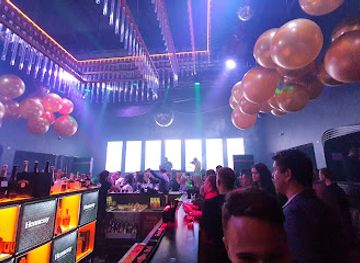
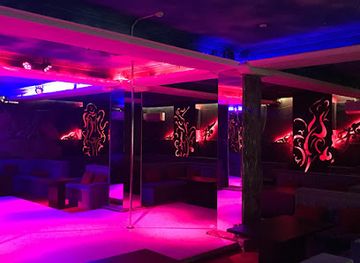
Best nightclubs in Centru
Evenings in Centru are shaped more by restaurants, wine bars, cafés and theatres than by a single concentrated club district. The streets around the Cathedral, Strada București and the central boulevard offer places to sample Moldovan wines, meet for cocktails or continue a meal, while cultural venues provide a more structured night out through opera, ballet, theatre and concerts. The National Opera and Ballet Theatre and the Mihai Eminescu National Theatre are particularly important to the district’s evening identity, subject to their published programmes. Some central bars stay active later than the surrounding offices, but the atmosphere changes quickly from lively main streets to quiet residential lanes. Visitors should check current event information rather than assume a venue’s schedule, and should be considerate of residents when leaving late-night establishments.
-
Night club
Edgo Night Club
Discover the electrifying vibe of Edgo Night Club in Chișinău, where unforgettable nightlife and diverse music come together for an extraordinary experience.
7 min drive · 2.3 km from neighbourhood centre
-
Night club
Hype
Experience Chișinău's vibrant nightlife at Hype, the premier night club featuring top DJs, electrifying music, and an unforgettable atmosphere.
7 min drive · 2.3 km from neighbourhood centre
-
Disco club
Ovico Night Club
Discover Chișinău's vibrant nightlife at Ovico Night Club, where electrifying music and an energetic atmosphere create unforgettable memories.
5 min drive · 1.8 km from neighbourhood centre
-
Night club
Up & Down Club
Dive into Chișinău's vibrant nightlife at Up & Down Club, where great music and an electrifying atmosphere await you.
8 min walk · 0.7 km from neighbourhood centre


Best shops in Centru
Shopping in Centru ranges from everyday retail near the Central Market to small independent businesses scattered through the central streets. The market is the district’s clearest place to observe local commerce, with stalls and shops associated with produce, household goods and regional food rather than a polished visitor-oriented bazaar. Around the main boulevard, Strada București and the side streets towards the Cathedral, visitors find cafés, bakeries, pharmacies, bookshops, clothing retailers, florists and specialist stores mixed into ordinary city life. Moldova’s wine culture is represented by dedicated shops and wine-focused venues, but bottles should be chosen with attention to producer, provenance and transport arrangements. The centre is not primarily a large designer-shopping precinct; its appeal lies in the contrast between practical local retail, small businesses and occasional contemporary boutiques occupying historic or Soviet-era streetscapes.
-
Store
Istanbul Bazaar
Explore the Istanbul Bazaar in Chișinău, where vibrant culture meets unique shopping experiences, perfect for every traveler seeking local treasures.
18 min walk · 1.4 km from neighbourhood centre
-
Women's clothing store
Vernisaj
Explore Vernisaj in Chișinău for a unique selection of women's fashion that blends modern trends with local charm, perfect for every occasion.
15 min walk · 1.2 km from neighbourhood centre
-
Fashion accessories store
Pashmina Shop
Discover the elegance of pashmina shawls and unique accessories at Pashmina Shop, a fashion gem in Chișinău, Moldova.
12 min walk · 1.0 km from neighbourhood centre
-
Gift shop
ABC
Explore ABC Gift Shop in Chișinău for unique Moldovan souvenirs, handcrafted treasures, and a delightful shopping experience reflecting local culture.
9 min walk · 0.7 km from neighbourhood centre


Centru essentials
Getting There
Getting Around
Safety
Emergency Situations
Do's and Don'ts
Local Tips

From Eve
Local phrases worth knowing
You don't need to get them perfect. A few words go a long way, and locals appreciate the effort.
Basics
| English | Local | Say it |
|---|---|---|
| Hello | Bună ziua | [boo-nuh zee-wah] |
| Goodbye | La revedere | [lah reh-veh-deh-reh] |
| Yes | Da | [dah] |
| No | Nu | [noo] |
| Please/You're welcome | Te rog | [teh rohg] |
| Thank you | Mulțumesc | [mool-tsoo-mesk] |
| Excuse me/Sorry | Scuzați-mă | [skoo-zah-tzuh muh] |
| How are you? | Ce faci? | [cheh fahch] |
| Fine. And you? | Bine. Și tu? | [bee-neh. shee too] |
| Do you speak English? | Vorbiți engleză? | [vor-beetz een-gleh-zuh] |
| I don't understand | Nu înțeleg | [noo oohn-tseh-leg] |
Eating & Drinking
| English | Local | Say it |
|---|---|---|
| I'd like to see the menu, please | Aș dori să văd meniul, vă rog | [ush doh-ree suh ved meh-nyool, vuh rohg] |
| I don't eat meat | Nu mănânc carne | [noo muh-nuhnk kahr-neh] |
| Cheers! | Noroc! | [noh-rohk] |
| I would like to pay, please | Aș dori să plătesc, vă rog | [ush doh-ree suh pluh-tesk, vuh rohg] |
Emergencies
| English | Local | Say it |
|---|---|---|
| Help! | Ajutor! | [ah-yoo-tor] |
| Go away! | Du-te! | [doo-teh] |
| Call the Police! | Sunați poliția! | [soo-nahts poh-lee-tsee-ah] |
| Call a doctor! | Sunați un doctor! | [soo-nahts oon dok-tohr] |
| I'm lost | M-am pierdut | [mahm pyehr-dooot] |
| I'm ill | Sunt bolnav | [soont bohl-nahv] |
Shopping
| English | Local | Say it |
|---|---|---|
| I'd like to buy... | Aș dori să cumpăr... | [ush doh-ree suh koom-puhr] |
| I'm just looking | Doar mă uit | [doh-ahr muh oweet] |
| How much is it? | Cât costă? | [kaht kohs-tuh] |
| That's too expensive | Este prea scump | [eh-steh preh-ah skoomp] |
| Can you lower the price? | Puteți să scădeți prețul? | [poo-tehts suh skuh-dehts preh-tsool] |
Time & Numbers
| English | Local | Say it |
|---|---|---|
| What time is it? | Cât este ceasul? | [kaht yehs-teh chah-sool] |
| It's one o'clock | Este ora unu | [eh-steh oh-rah oon-oo] |
| Half past (10) | Jumătate (zece) | [zhoo-muh-tahteh (zeh-cheh)] |
| Morning | Dimineața | [dee-mee-neh-tsa] |
| Afternoon | După-amiază | [doo-puh ah-mee-ah-zuh] |
| Evening | Seara | [seh-ah-rah] |
| Yesterday | Ieri | [yeh-ree] |
| Today | Astăzi | [ah-stuhz] |
| Tomorrow | Mâine | [muh-yeh-neh] |
| 1 | Unu | [oo-noo] |
| 2 | Doi | [doy] |
| 3 | Trei | [treh-ee] |
| 4 | Patru | [paht-roo] |
| 5 | Cinci | [cheen-chee] |
| 6 | Șase | [shah-seh] |
| 7 | Șapte | [shahp-teh] |
| 8 | Opt | [opt] |
| 9 | Nouă | [noo-wuh] |
| 10 | Zece | [zeh-cheh] |
Transport & Directions
| English | Local | Say it |
|---|---|---|
| Where's a/the...? | Unde este unul/o... | [oon-deh yehs-teh oon-ool/oh...] |
| What's the address? | Care este adresa? | [cah-reh yehs-teh ah-dreh-sah] |
| Can you show me (on the map)? | Puteți să-mi arătați (pe hartă)? | [poo-tehts suh-mee ah-ruh-tahts peh hahr-tuh] |
| When's the next (bus)? | Când vine următorul (autobuz)? | [kuhnd vee-neh oor-muh-toh-rool (ow-toh-booz)] |
| A ticket (to ....) | Un bilet (spre ....) | [oon bee-let spre] |
History of Centru
From Village to Urban Centre
The central part of modern Chișinău developed around the older settlement on the Bîc River, whose name is first recorded in medieval sources. For centuries the area remained a modest market settlement rather than a monumental capital. Its position on routes across the region gave it commercial importance, but the present urban form belongs largely to later periods. The central streets and public spaces gradually expanded as Chișinău grew beyond its early core, with religious buildings, markets and administrative premises establishing the foundations of the district visitors see today.
Imperial Urban Expansion
After the Russian Empire annexed Bessarabia in 1812, Chișinău became the administrative centre of the governorate and received more formal urban planning. The central area gained broader streets, public institutions, churches and representative buildings, while a growing population supported trade and crafts. The nineteenth century left a scattered architectural inheritance rather than a continuous old town: villas, civic buildings and religious structures survive among later construction. This period also helped establish the central district as the city’s administrative and cultural focus.
A Capital Between Two Wars
When Bessarabia became part of Romania in 1918, Chișinău served as the regional capital, and its central institutions continued to develop. Interwar administrative, educational and cultural life added another layer to the streets around the present centre, alongside changes in commerce and transport. The period ended with the upheavals of the Second World War, when the city suffered severe damage and displacement. Several of the buildings and street views associated with the pre-war centre were consequently lost or altered.
Reconstruction and Soviet Modernism
Post-war reconstruction reshaped central Chișinău on a much larger scale. Soviet planners widened and formalised major avenues, created monumental civic spaces and inserted substantial administrative, cultural and residential buildings alongside surviving historic structures. Bulevardul Ștefan cel Mare și Sfânt became the principal ceremonial axis, while the area around today’s Piața Marii Adunări Naționale assumed a prominent public role. The resulting centre combines imperial and interwar remnants with Soviet urban planning, a contrast that remains one of its defining visual characteristics.
Independence and Civic Memory
Moldova’s independence in 1991 gave central Chișinău new civic significance. National ceremonies, public demonstrations and commemorations have frequently focused on the central boulevard and main square, while museums and theatres have continued to interpret the country’s complex cultural history. Commercial activity has also diversified, bringing cafés, restaurants, private galleries and wine venues into streets once dominated by state institutions. Renovation and redevelopment remain uneven, so polished public spaces, ageing residential buildings and historic façades often stand close together within the same central walks.
Centru in Photos
Browse through our photo collection highlighting the charm and character of the destination.
Neighbourhoods near Centru
The closest neighbourhoods to Centru, if you have time for more than one stop.
-

-


Swipe for more neighbourhoods
Explore more

Explore more of Chișinău
Chișinău, Moldova’s leafy capital, blends Soviet avenues, wine culture, Orthodox heritage, museums and relaxed cafés with memorable local sightseeing.
Explore Chișinău