Tighina Fortress: A Sentinel of Moldovan History
Explore Tighina Fortress: a Moldovan landmark with centuries of history, battles, and cultural influences on the banks of the Dniester River.
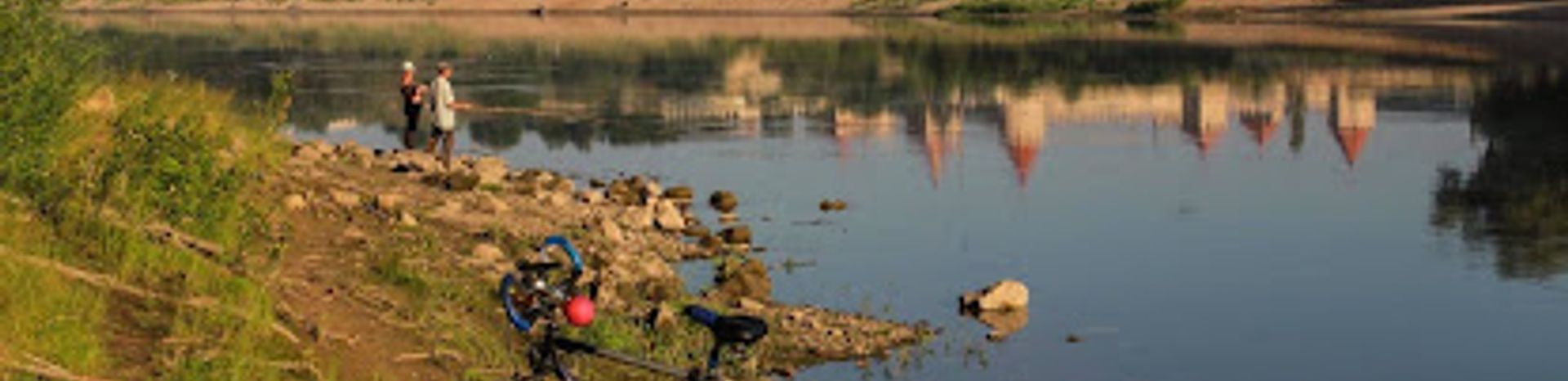
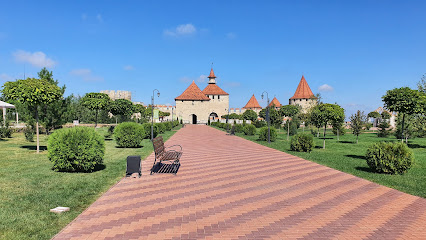
Tighina Fortress, also known as Bender Fortress, is a 15th-century stronghold on the Dniester River in Bender, Moldova. Originally built of earth and wood, it was rebuilt in stone by the Ottomans in the 16th century. Today, it stands as a testament to the region's turbulent past, offering visitors a glimpse into its Moldovan, Ottoman, and Russian influences.
A brief summary to Tighina Fortress
- Bender, MD
- +37377908728
- Visit website
Local tips
- Visit early in the morning or late afternoon to avoid crowds and enjoy the best lighting for photography.
- Wear comfortable shoes, as exploring the fortress involves a lot of walking and climbing on uneven surfaces.
- Bring a camera to capture the stunning views from the fortress walls overlooking the Dniester River.
- Check the opening hours before your visit, as they may vary, especially during holidays.

Getting There
-
Public Transport
From Chișinău, the most economical way to reach Tighina Fortress is by bus. Buses depart from Chișinău to Bender every 30 minutes, with a journey time of approximately 1 hour and 25 minutes. The bus fare ranges from $2 to $5. Upon arrival in Bender, Tighina Fortress is a short local bus or taxi ride away. Bus number 19/19A goes near the fortress from Victory Park.
-
Taxi
Taxis are available from Chișinău to Tighina Fortress, with an estimated travel time of 1 hour and 4 minutes. The taxi fare is approximately $17-$21. A taxi directly from Tiraspol to Tighina Fortress will cost approximately $4-$6.
Discover more about Tighina Fortress
Iconic landmarks you can’t miss

Monument to Russian Glory
0.5 km
A prominent landmark in Bender, Moldova, commemorating Russian military achievements and the shared history between Moldova and Russia.
Alexandr Lebed Monument
0.9 km
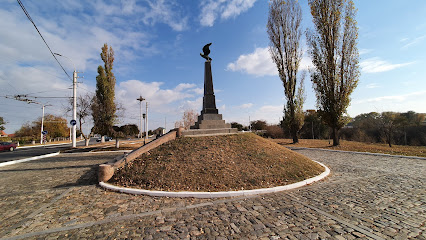
A monument in Bender, Moldova, honoring General Alexandr Lebed, a key figure in the Transnistrian conflict.
For the Fighters of Soviet Power
1.5 km
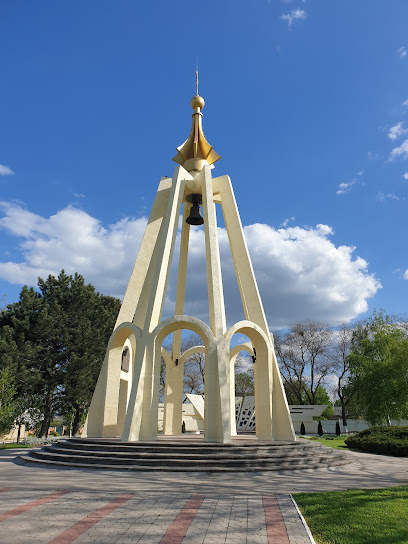
A Soviet-era monument in Bender, Moldova, commemorating the 1919 Bender Uprising and the fighters for Soviet power.
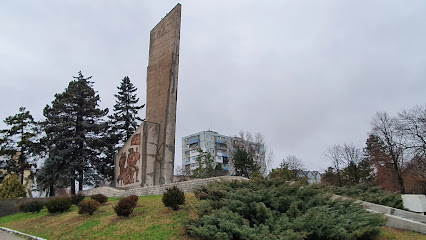
Military Cemetery
1.6 km
Explore the serene Military Cemetery in Bender, Moldova, a poignant tribute to soldiers with rich historical significance and tranquil surroundings.

Bender-1
1.7 km
Discover the charm of Bender-1 Train Station, a historic gateway to the cultural treasures of Bender, Moldova, and the perfect start to your journey.
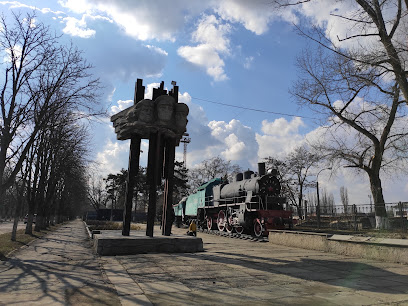
Pavel Tkachenko Statue
1.8 km
Discover the Pavel Tkachenko Statue in Bender, Moldova, a historical landmark honoring a key revolutionary figure and the region's rich heritage.
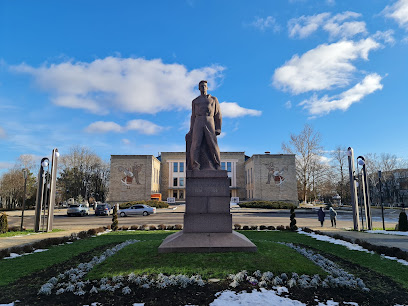
Peace Keepers Monument
1.9 km
A solemn landmark in Bender, Moldova, commemorating peacekeepers and promoting harmony in a region with a complex history.
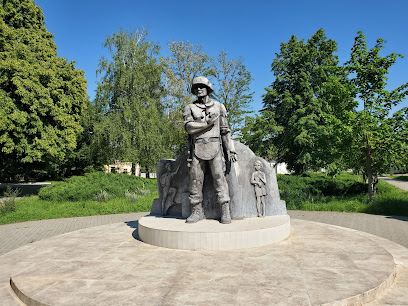
Memorialul victimelor conflictului de pe Nistru (1992)
2.7 km
A place for reflection and remembrance, this memorial in Varnița commemorates the victims of the 1992 Nistru conflict.
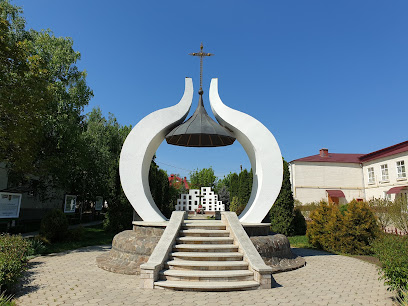
Мемориал воинской славы
3.1 km
Explore the Memorial of Military Glory in Bender, Moldova, a historical landmark honoring the sacrifices of soldiers and reflecting the nation's rich heritage.
Памятник бендерским жертвам 1992 года
3.8 km
A place of remembrance honoring the victims of the 1992 conflict in Bender, Moldova.
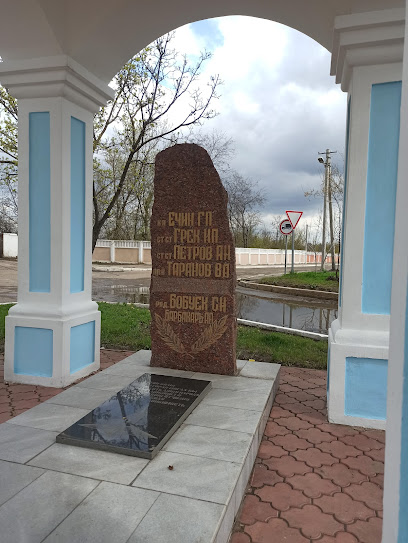
The Monument to the Liberators of the City
7.9 km
A solemn landmark in Tiraspol, Moldova, commemorating the sacrifices made for the city's liberation and a key historical monument.
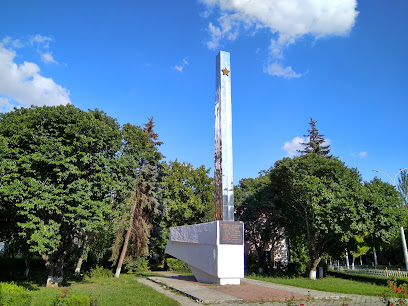
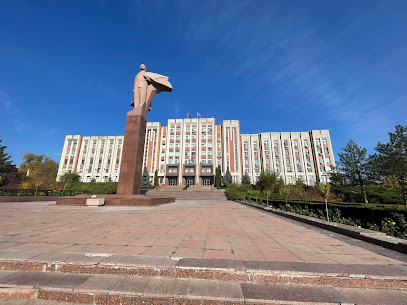
Lenin Monument
9.1 km
A towering monument in Tiraspol, Moldova, reflecting Soviet history and Transnistria's unique identity, perfect for history buffs and photographers.
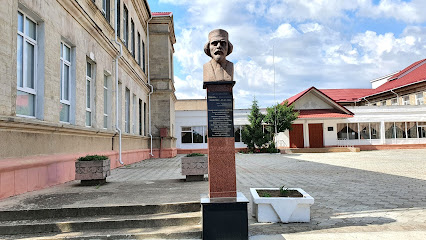
Zelinsky Monument
9.2 km
Discover the Zelinsky Monument in Tiraspol, Moldova: a landmark honoring a scientific legacy and the region's cultural heritage.
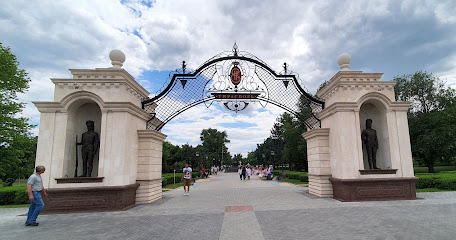
Catherine the Great Monument
9.4 km
A majestic monument in Tiraspol honoring Catherine the Great, founder of the city and a key figure in its history.
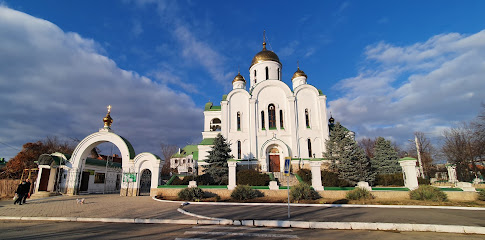
The Christmas/Nativity Cathedral
9.7 km
Discover the spiritual beauty of Tiraspol's Christmas/Nativity Cathedral, a stunning example of Russian Orthodox architecture and a center of local life.
Unmissable attractions to see

Muzeul Cetății
0.1 km
Explore the rich history of Moldova at Muzeul Cetății, where the captivating tales of the Ottoman Empire come to life.
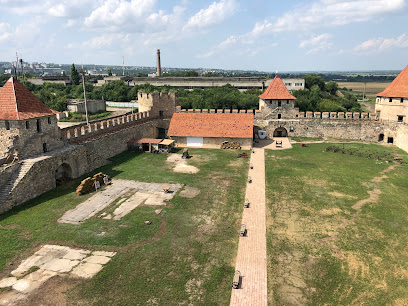
Museum of Torture
0.1 km
Explore the darker chapters of history at the Museum of Torture in Bender, where stories of pain and resilience intertwine.
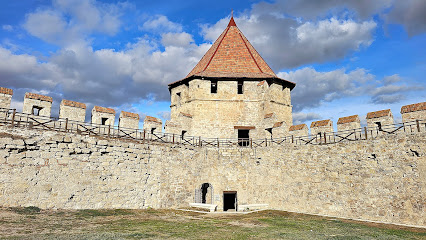
Alexander Nevski Park
0.2 km
Experience the tranquility of Alexander Nevski Park in Bender, Moldova, a lush oasis perfect for relaxation and cultural exploration amidst nature.
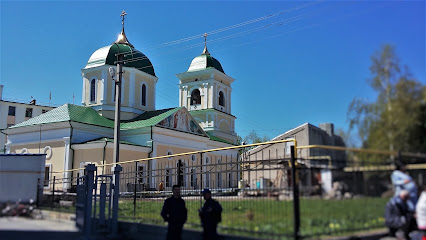
Transfiguration Cathedral, Bender
1.6 km
Discover the Transfiguration Cathedral in Bender, a stunning Russian Orthodox church showcasing exquisite architecture and deep spiritual significance.
Osvobozhdeniya Square
1.7 km
Discover the charm of Osvobozhdeniya Square in Bender, Moldova, where culture, history, and community come together in a vibrant town square.
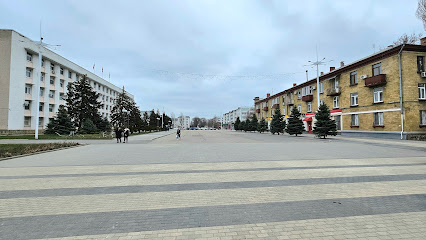
Liberation Square
1.7 km
Experience the cultural essence of Bender at Liberation Square, a vibrant hub of history and community in Moldova's charming landscape.
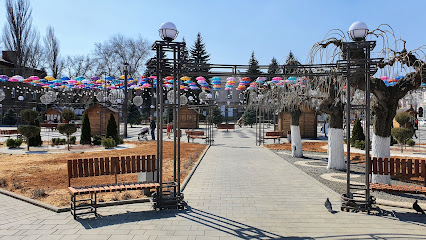
Open-Air Museum
1.7 km
Explore Moldova's rich heritage at the Open-Air Museum in Bender, where history comes alive through engaging exhibits and cultural experiences.
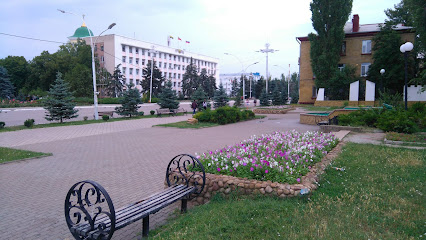
Historical Museum
1.8 km
Discover the rich history and culture of Bender, Moldova at the captivating Historical Museum, a must-visit for every traveler.
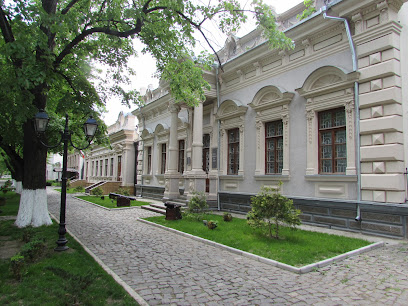
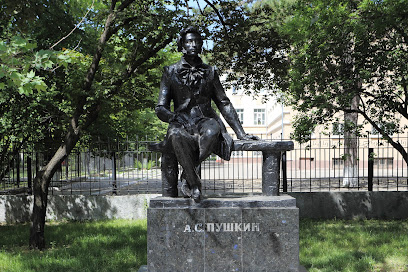
Pushkin Monument
2.1 km
Discover the Pushkin Monument in Bender, Moldova – a beautifully preserved tribute to the iconic poet, surrounded by serene parkland.
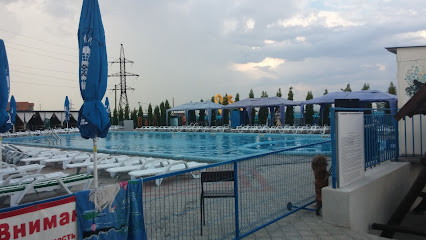
Oasis Park
2.7 km
Explore Oasis Park in Varnița, Moldova — a thrilling water park with exciting slides, relaxing pools, and a beautiful resort atmosphere for all ages.
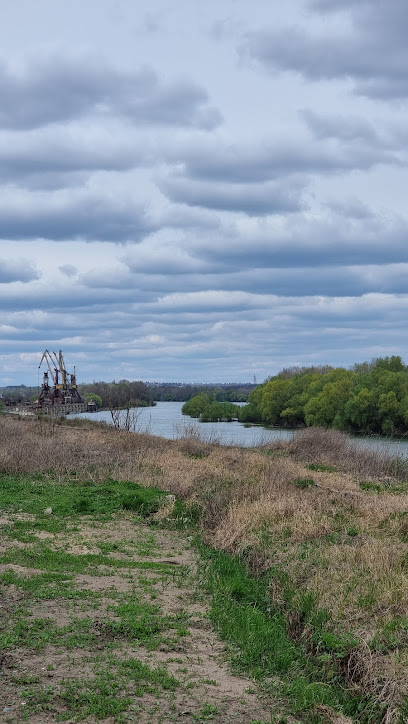
Varnița,râul Nistru
2.8 km
Explore Varnița, a serene village in Moldova known for its stunning landscapes and rich cultural heritage along the Nistru River.
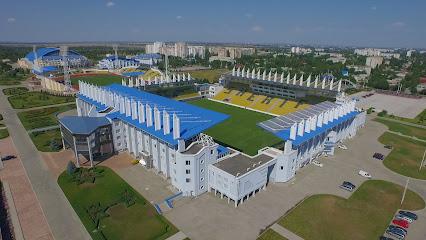
Sheriff Sports Complex
5.4 km
Discover Tiraspol's vibrant sports culture at Sheriff Sports Complex, where thrilling matches and delicious local cuisine await every visitor.
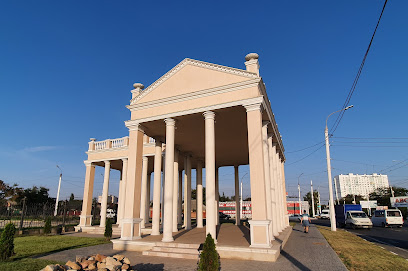
City Gates of Tiraspol
5.6 km
Discover the City Gates of Tiraspol, a historical landmark blending architectural beauty and local culture in the heart of Transnistria.
Aquatir
5.9 km
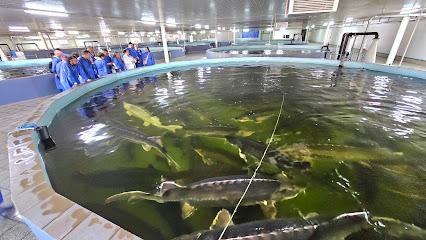
Discover the wonders of sustainable aquaculture at Aquatir, Tiraspol's premier destination for fish farming and nature exploration.
Ruinele Cetății de Tiraspol
8.0 km
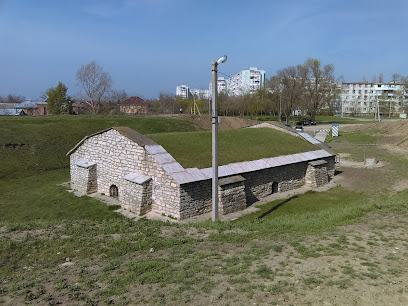
Discover the historical charm of Ruinele Cetăției de Tiraspol, a captivating landmark in Moldova showcasing centuries of history and stunning views.
Essential places to dine

Кафе «Трактир»
1.0 km
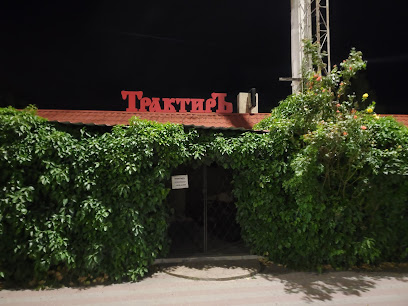
Discover authentic Moldovan flavors at Café Traktir in Bender - where tradition meets taste in a cozy setting.
HotDogShop13
1.3 km
Discover the best hot dogs in Bender at HotDogShop13 - where flavor meets convenience in a lively atmosphere.

Старинный погребок
1.5 km
Experience authentic Russian flavors at Старинный погребок in Bender - a culinary gem offering delightful dishes in a cozy atmosphere.
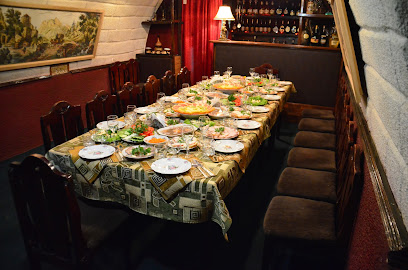
Ешька
1.5 km
Experience the best of Moldovan cuisine at Eshka Buffet Restaurant in Bender - where flavor meets hospitality.
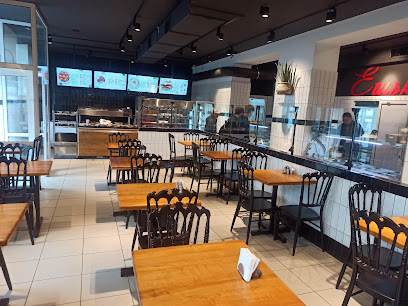
НАПОЛИ / KST / KASTA
1.6 km
Savor the best of Moldovan cuisine at KSTA in Bender - where tradition meets modern culinary art.
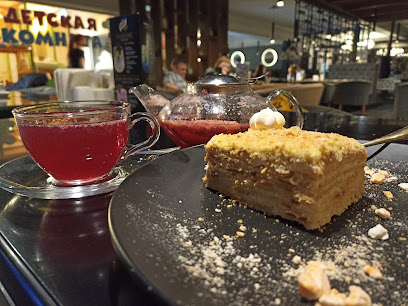
Сан-марино
1.6 km
Savor authentic Moldovan cuisine at San Marino - a hidden gem in Bender offering delightful dishes and cozy ambiance.
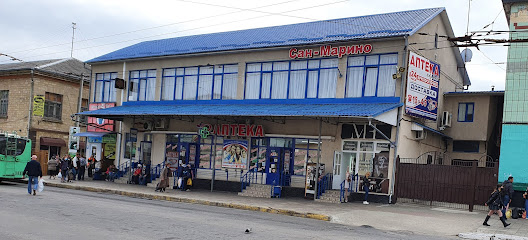
La Vida
1.7 km
Discover La Vida in Bender: A charming restaurant serving authentic Moldovan cuisine in an inviting atmosphere perfect for tourists.
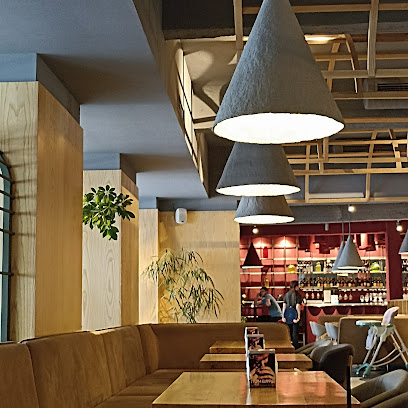
BRO shawerma
1.7 km
Discover authentic shawarma delights at BRO Shawerma in Bender - a must-visit culinary gem for every food lover!
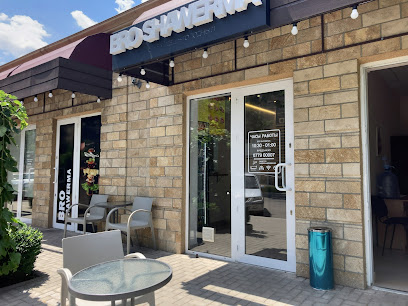
Бон Аппетит
1.7 km
Experience authentic Moldovan cuisine at Бон Аппетит Bistro in Bender – where tradition meets taste in every dish.
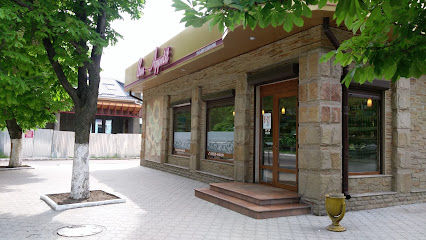
Гастропаб “CRAFT”
1.7 km
Discover Craft Pub in Bender - A perfect blend of local flavors and craft beers for an unforgettable dining experience.
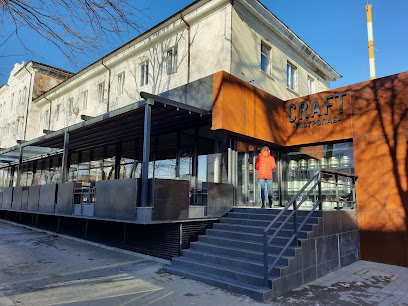
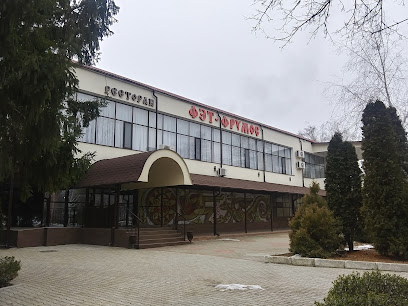
Фэт-Фрумос
1.7 km
Experience authentic Moldovan cuisine at Фэт-Фрумос in Bender - where tradition meets taste in a delightful dining atmosphere.
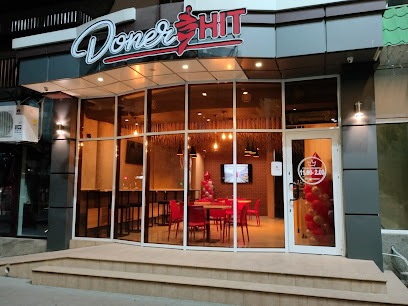
Doner hit
1.7 km
Discover authentic doner kebabs in Bender at Doner Hit - where every bite is a flavorful journey into local cuisine.
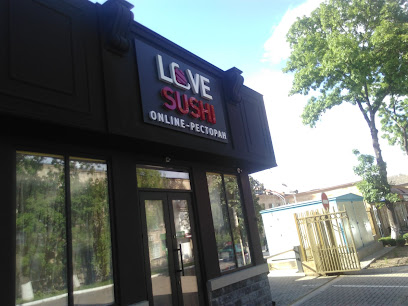
Love Sushi
1.7 km
Discover authentic Japanese flavors at Love Sushi - the premier sushi takeaway in Bender, Moldova.
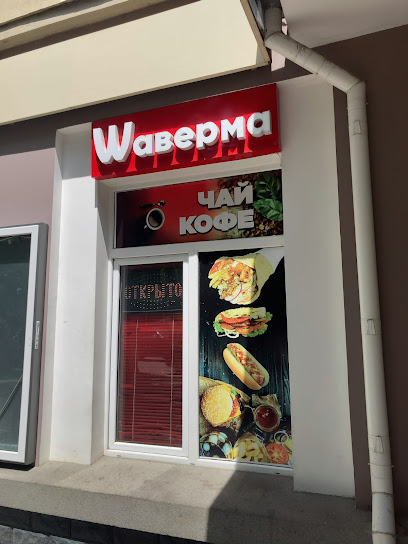
Waverma
1.7 km
Discover the authentic taste of shawarma at Waverma in Bender, Moldova – where every bite tells a story of flavor and tradition.
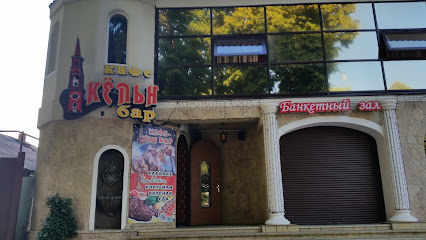
Кёльн
1.7 km
Discover Köln: A dynamic restaurant and nightlife venue in Bender offering delicious cuisine, karaoke fun, and vibrant clubbing experiences.
Markets, malls and hidden boutiques

Крепостная Лавка
0.4 km
Explore Крепостная Лавка in Bender, Moldova - a charming store showcasing local crafts and cultural treasures.
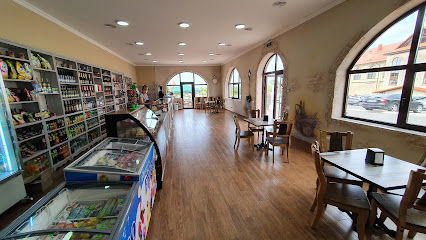
Авоська
1.1 km
Experience local shopping in Bender, Moldova at Авоська, where quality meets culture in a friendly atmosphere.
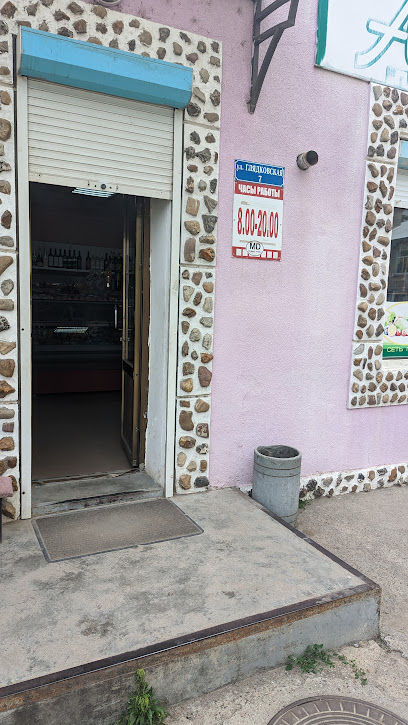
Стиляги Бендеры
1.1 km
Discover a unique shopping experience at Стиляги Бендеры, a lively mall in Bender, Moldova, showcasing local and international fashion.
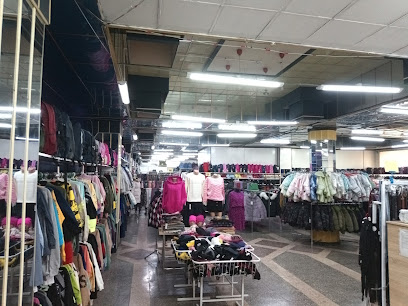
Salon Nadejda
1.1 km
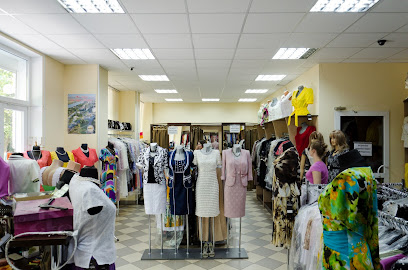
Explore unique fashion at Salon Nadejda, a charming clothing store in Bender, Moldova, known for its stylish apparel and friendly service.
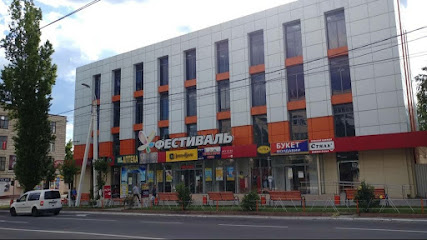
Festival
1.3 km
Explore Bender's premier shopping mall for a unique blend of local culture, modern shopping, and delightful dining experiences.
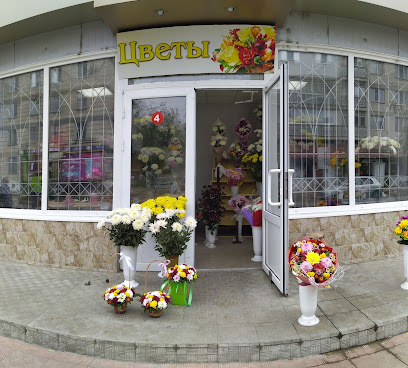
Цветы Бендеры
1.5 km
Discover the beauty of fresh blooms and exquisite arrangements at Цветы Бендеры, the premier florist in Bender, Moldova.
beauti_line
1.5 km
Explore Bender's vibrant cosmetics store, your destination for beauty products that enhance your travel experience in Moldova.
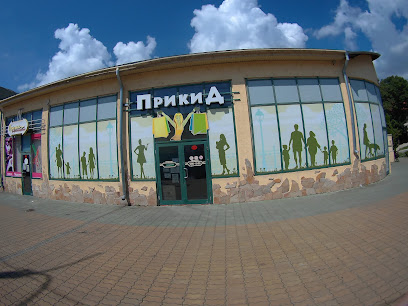
Прикид, Магазин одежды и обуви
1.6 km
Explore unique fashion finds at Прикид Clothing Store in Bender, Moldova, where style meets local charm and variety.
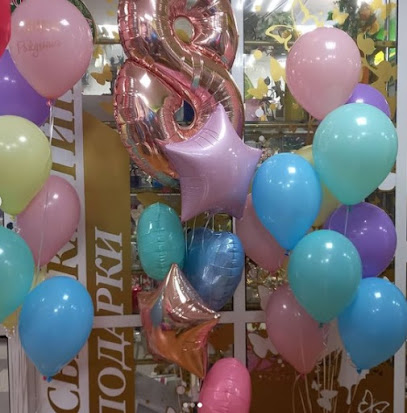
Шары на заказ
1.6 km
Discover unique gifts and custom balloons at Шары на заказ, a charming gift shop in Bender, Moldova, perfect for memorable souvenirs.
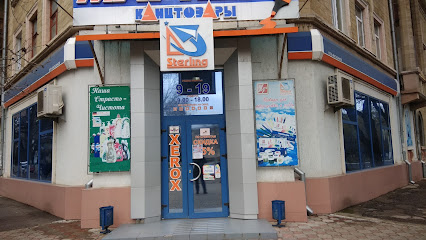
Marker
1.7 km
Explore Bender's vibrant stationery store, offering unique writing supplies and creative gifts that capture the essence of your travels.
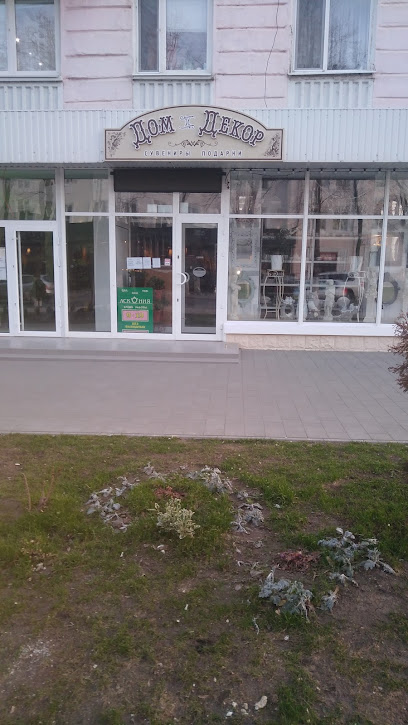
Дом Декор
1.7 km
Explore unique home decor and local crafts at Дом Декор in Bender, Moldova, and take home a piece of Moldovan artistry.
MANERA
1.8 km
Explore MANERA: Bender's stylish clothing store offering a unique blend of modern fashion and local flair for all visitors.
BARAKUDA
1.8 km
Discover the beauty of flowers at BARAKUDA, Bender's premier florist known for stunning arrangements and exceptional delivery services.
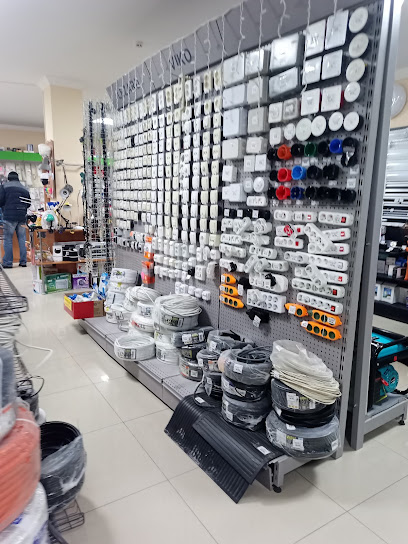
Лучший
2.0 km
Explore Bender's best hardware store, where quality tools meet local craftsmanship in the heart of Moldova's vibrant city.
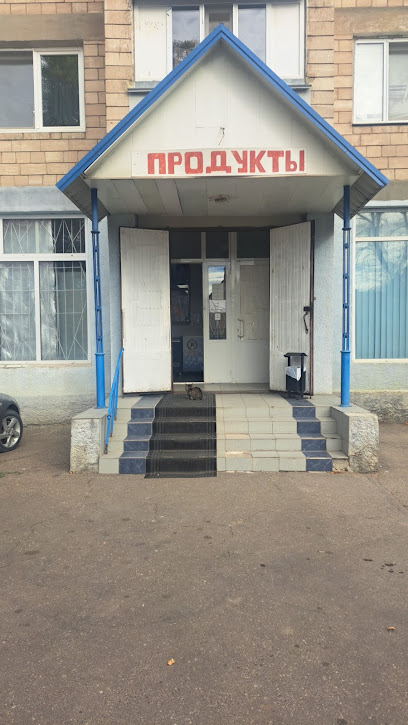
Продукты
2.1 km
Uncover the essence of Moldovan cuisine at Продукты, your go-to grocery store in Bender for local delicacies and fresh produce.
Essential bars & hidden hideouts

Lidja
1.0 km
Discover Lidja in Bender, Moldova: a welcoming bar featuring local drinks, traditional snacks, and a vibrant atmosphere perfect for unwinding.
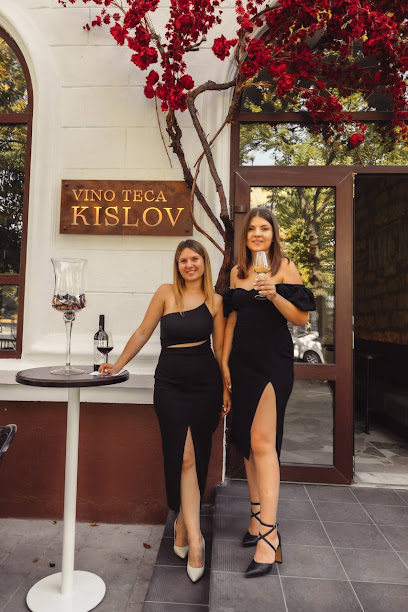
Винотека Кислов - Vinoteca Kislov
1.7 km
Experience the finest selection of Moldovan and international wines at Vinoteca Kislov, a must-visit wine bar for all wine lovers in Moldova.
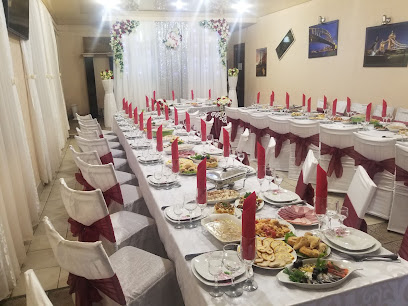
Бар Водник
1.9 km
Experience the vibrant atmosphere of Бар Водник in Bender, Moldova, where local flavors and great company come together.
La Mihai
2.1 km
Experience the vibrant atmosphere of La Mihai, Varniţa's favorite bar, where local flavors and warm hospitality come together.
San Marko
2.5 km
Discover the charm of San Marko in Varniţa, a cozy bar offering a delightful selection of drinks in a warm and inviting atmosphere.
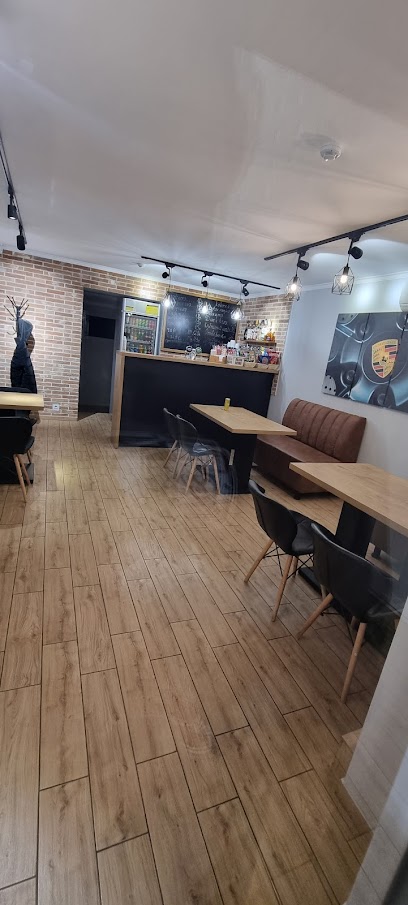
Trifan
2.8 km
Experience the vibrant atmosphere and local flavors at Trifan, the must-visit bar in Varniţa, Moldova, perfect for socializing and unwinding.
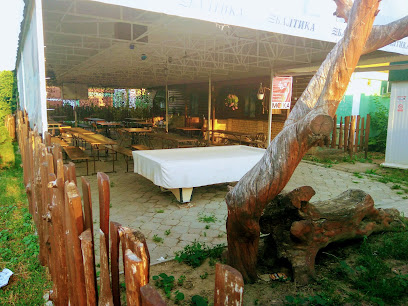
SHORTFLICKS
3.7 km
Discover the lively bar scene at SHORTFLICKS in Bender, where local culture meets a vibrant atmosphere and delightful drinks.
Sunrise_Varnița_MD
4.3 km
Experience the tranquil beauty of Sunrise Varnița, where delightful drinks meet breathtaking views in the heart of Moldova.
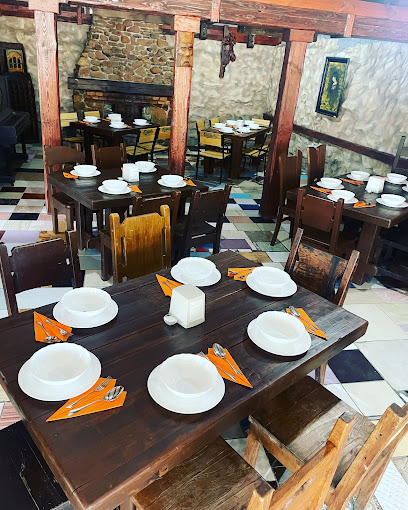
Lendiana bar
5.2 km
Experience the charming ambiance of Lendiana Bar in Severyn, where delightful beverages and a cozy atmosphere await travelers.
Бар Стронг
5.8 km
Discover the vibrant nightlife at Bar Strong in Tîrnauca, where locals and tourists unite for unforgettable evenings of fun and socializing.
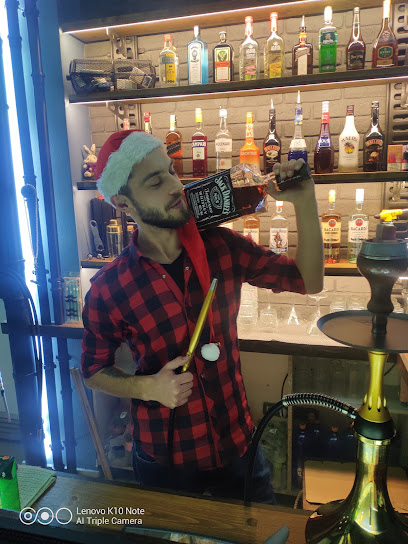
Старый
6.5 km
Discover the vibrant ambiance of Старый, Tiraspol's bar that offers a taste of authentic Moldovan culture and local flavors.
Кафе «ЭКОС»
7.5 km
Discover the cozy ambiance and delightful drinks at Kafe 'EKOS', a charming bar in Tiraspol, Moldova, perfect for relaxation and socializing.
БЫЛО ДЕЛО
7.6 km
Experience the vibrant culture of Tiraspol at БЫЛО ДЕЛО, a delightful bar offering local drinks and a warm, inviting atmosphere.
Гастроном Бородинский
7.6 km
Discover Гастроном Бородинский in Tiraspol: A delightful gastropub offering a unique blend of Moldovan and international cuisine in a cozy atmosphere.
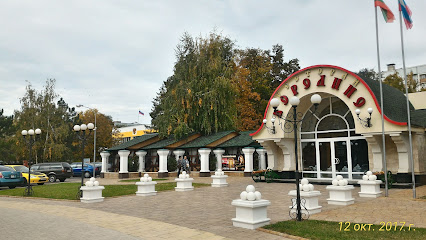
Skorpion
8.3 km
Discover Tiraspol's vibrant sports culture at Skorpion Sports Bar, where delicious food, drinks, and lively ambiance await.
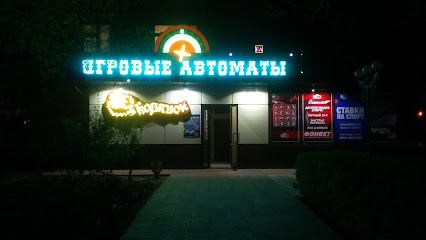
Nightclubs & after hour spots

Prietenie
2.8 km
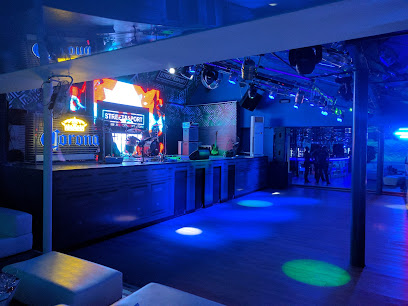
Dive into Bender's nightlife at Prietenie Night Club, where electric music and vibrant energy create unforgettable experiences.
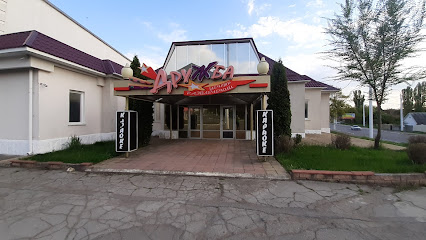
draft.frg
10.0 km
Discover the electrifying nightlife at Draft.frg, Fîrlădeni's premier night club, where unforgettable memories and vibrant music await.
Sherri
11.5 km
Discover Tiraspol's dynamic nightlife at Sherri Night Club, where vibrant music and an electrifying atmosphere await you every night.
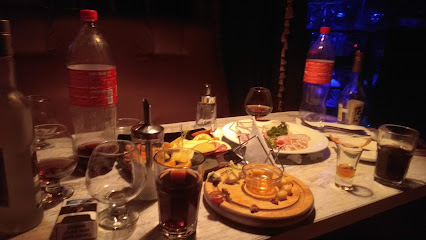
Шаляпин karaoke club&bar
13.2 km
Discover the lively Shalyapin Karaoke Club & Bar in Tiraspol, where locals and tourists unite for unforgettable nights of music and fun.
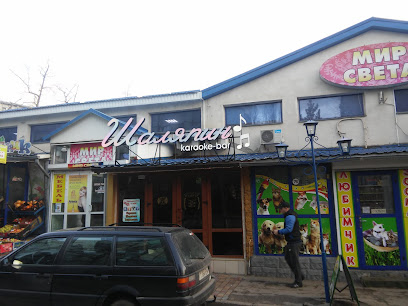
Club Terra Vadul Lui Voda
42.3 km
Discover the electrifying nightlife at Club Terra Vadul Lui Voda, where vibrant beats and unforgettable experiences await in Moldova.
Andrei Ceban Constructions
43.7 km
Unleash your energy at Andrei Ceban Constructions, the ultimate night club in Coşniţa, where music and dance come alive all night long.
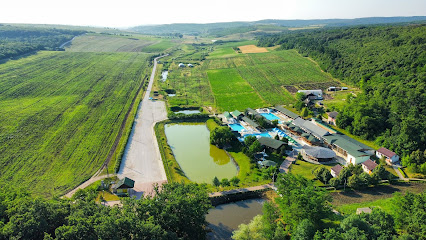
FOREST CLUB — Odihnă și Agrement in Republica Moldova
45.7 km
Experience the best of outdoor fun at Forest Club in Moldova, featuring a stunning swimming pool, amusement park, and delightful dining options.
Stollizza
48.8 km
Discover Stollizza: A vibrant night club in Chișinău, offering an electrifying atmosphere, great music, and an unforgettable nightlife experience.
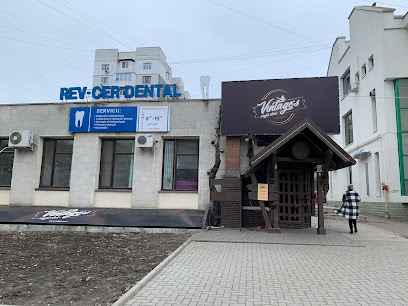
Vintage's Night Club
50.6 km
Discover the pulse of Chișinău's nightlife at Vintage's Night Club, where music, dance, and excitement come together in a stylish setting.
Amnesia Night Club
51.0 km
Experience the vibrant energy of Amnesia Night Club, where Chișinău's nightlife comes alive with music, dance, and unforgettable moments.
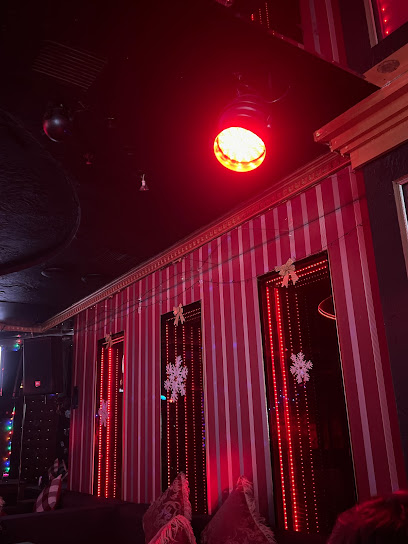
Agresiv zabiv ciocana
51.0 km
Discover the energy of Chișinău's nightlife at Agresiv Zabiv Ciocana, a vibrant night club offering unforgettable music and atmosphere.
Chocolate Karaoke Club
51.0 km
Experience the nightlife of Chișinău at Chocolate Karaoke Club, where every night promises unforgettable karaoke fun and vibrant energy.
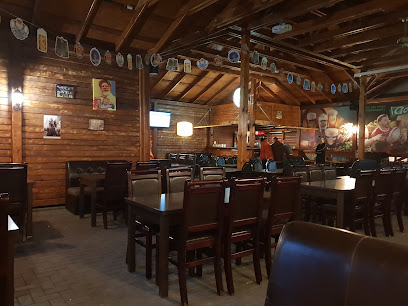
Rugby House Pub
51.2 km
Discover Chișinău's vibrant nightlife at Rugby House Pub, where local charm meets lively entertainment in a welcoming atmosphere.
Ivan
51.2 km
Discover the heart of Chișinău's nightlife at Ivan Night Club, where vibrant music and electrifying energy await every visitor.
Flamingo Night Club
51.4 km
Flamingo Night Club: Dive into Chișinău's vibrant nightlife with electrifying music, dance, and unforgettable memories in a stylish setting.