

Free La Condamine Travel Guide & Mobile App
Plan your La Condamine trip with Evendo. Get free guides to top attractions, restaurants, hotels, and bars. Web access or download the mobile app.


La Condamine, Monaco’s lively harbour district, pairs Port Hercule, market traditions, Monegasque history and easy access to the principality’s landmarks.
A District Shaped by the Harbour
La Condamine occupies the valley between Monaco’s Rock and the hills rising towards Monte-Carlo, forming one of the principality’s most recognisable urban quarters. Its name is associated with cultivated land, a reminder that this densely built district developed from agricultural ground outside the old fortified settlement. Today, the neighbourhood centres on Port Hercule, where superyachts, local craft and waterfront promenades create a very different atmosphere from the narrow medieval lanes of Monaco-Ville.Read more about La Condamine
Markets, Streets and Monegasque Life
Heritage Between Rock and Water
When is the best time to visit La Condamine?
Best: June, September–October · 23–29°C| Month | High (°C) | Rainfall (mm) |
|---|---|---|
| January | 12 | 80 |
| February | 12 | 70 |
| March | 13 | 60 |
| April | 17 | 50 |
| May | 21 | 40 |
| June (best) | 25 | 30 |
| July | 30 | 20 |
| August | 30 | 20 |
| September (best) | 29 | 30 |
| October (best) | 23 | 50 |
| November | 18 | 60 |
| December | 13 | 70 |
Getting to and around La Condamine
How to get there
Transportation
Best attractions in La Condamine
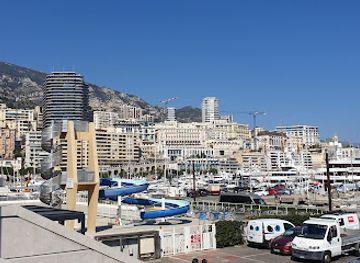
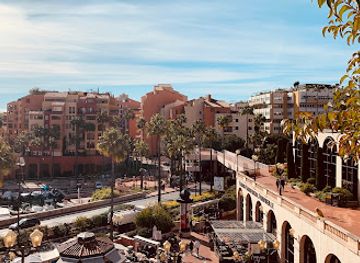
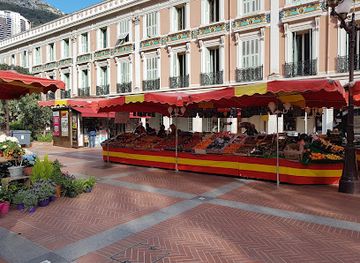
La Condamine’s attractions unfold between the market quarter and the water. Port Hercule is the district’s visual centre, with a deep harbour framed by the Rock, high-rise slopes and the waterfront road; its promenades are particularly effective for understanding Monaco’s compact geography. At Place d’Armes, the Marché de la Condamine offers a glimpse of everyday life through produce stalls, regional foods and local specialities. Rue Princesse Caroline provides a pedestrian route lined with cafés and small businesses, while Sainte-Dévote Chapel introduces one of Monaco’s most enduring religious traditions. From the harbour, lifts and steep passages lead towards Monaco-Ville, the Prince’s Palace and the Oceanographic Museum, all outside La Condamine but within easy walking reach. The district also becomes a major spectator setting during the Monaco Grand Prix, when its ordinary streets are incorporated into the famous circuit.
-
Museum
Musée océanographique de Monaco
Explore marine wonders at the Musée Océanographique de Monaco, a breathtaking marine museum with stunning views and captivating exhibits.
7 min walk · 0.5 km from city centre
-
Castle
Prince's Palace of Monaco
Discover the rich history and stunning architecture of the Prince's Palace in Monaco, a cultural landmark steeped in royal traditions and breathtaking views.
5 min walk · 0.4 km from city centre
-
Technology museum
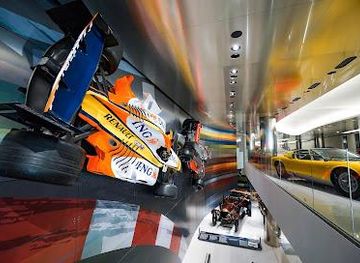
Private Cars Collection of HSH Prince of Monaco
Explore the luxurious world of automobiles at the Private Cars Collection of HSH Prince of Monaco, a stunning showcase of automotive history and royal heritage.
1 min walk · 0.1 km from city centre
-
Cathedral
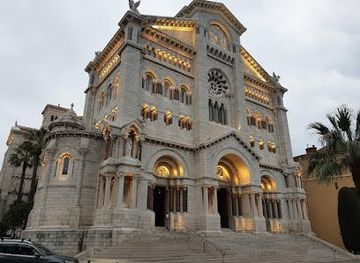
Cathédrale de Monaco
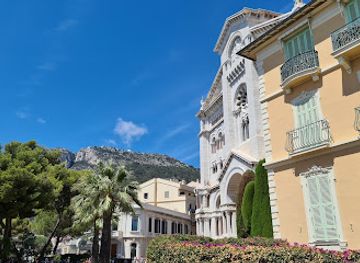
Experience the beauty and history of the Cathédrale de Monaco, a stunning architectural gem and a symbol of the city's rich cultural heritage.
6 min walk · 0.5 km from city centre


Best landmarks in La Condamine
Port Hercule is La Condamine’s defining civic and maritime landmark, an engineered harbour that expresses Monaco’s long relationship with the sea and now accommodates a prominent marina. Sainte-Dévote Chapel, set beneath the Rock, is dedicated to Monaco’s patron saint and is closely associated with the principality’s religious identity and annual traditions. Place d’Armes and the Marché de la Condamine represent the district’s commercial heritage, preserving a public market tradition amid dense modern development. The nearby railway station is an important piece of Monaco’s nineteenth-century transformation, linking the principality to the wider Riviera. Above the district, the Prince’s Palace on the Rock remains the seat of the Grimaldi dynasty and the most powerful symbol of Monaco’s statehood, while the Oceanographic Museum adds a monumental cultural presence to the skyline. Together these sites show how harbour, faith, commerce and sovereign power occupy the same tightly compressed landscape.
-
Cultural landmark
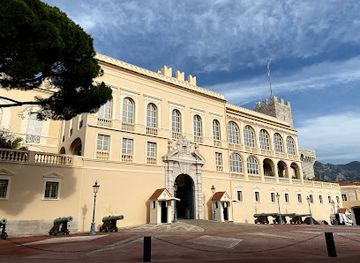
Prince's Palace of Monaco
Explore the grandeur of the Prince's Palace of Monaco, a cultural landmark offering rich history, stunning architecture, and breathtaking views of the Mediterranean.
5 min walk · 0.4 km from city centre
-
Catholic church
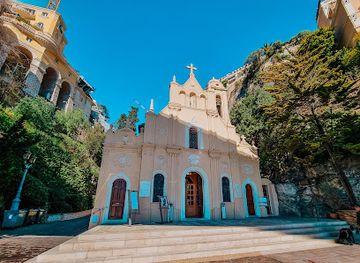
Église de Sainte-Dévote
Discover the rich history and spiritual significance of Église de Sainte-Dévote, a serene Catholic church in the heart of Monaco’s vibrant cultural landscape.
4 min walk · 0.3 km from city centre
-
City park
Jardins Saint-Martin
Experience the serene beauty of Jardins Saint-Martin, a tranquil city park in Monaco, featuring exotic plants, stunning views, and peaceful pathways.
7 min walk · 0.6 km from city centre
-
Restaurant
Huit & Demi
Experience the exquisite blend of French and Italian cuisine at Huit & Demi, a culinary gem in the heart of Monaco, perfect for food lovers.
3 min walk · 0.2 km from city centre
Explore La Condamine on the map
Plan your La Condamine trip on one map. See where the top attractions, landmarks, restaurants, bars and hotels are, find what's near where you're staying, and book hotels and experiences in a few clicks.
Best hotels in La Condamine
Best restaurants in La Condamine
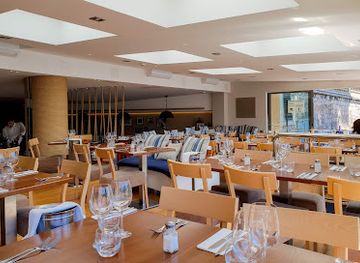
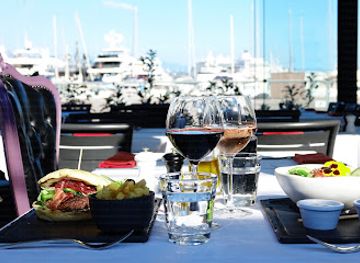
La Condamine’s dining scene reflects Monaco’s position between the French and Italian Rivieras, with menus shaped by Ligurian, Provençal and Mediterranean traditions. Around Place d’Armes and the streets leading towards Port Hercule, cafés, bakeries, casual restaurants and more polished waterfront establishments sit close together. Local specialities include barbagiuàn, a fried pastry filled with vegetables and ricotta or other savoury ingredients, while fougasse-style breads, olive oil, seafood and seasonal produce point to the wider coastal region. The Marché de la Condamine is useful for encountering ingredients and snacks associated with Monegasque food culture, including dishes related to neighbouring Nice and Liguria. Restaurants near the harbour tend to emphasise setting and maritime atmosphere, while the market quarter feels more informal and connected with daily neighbourhood life. Menus can change seasonally, and French and Italian influences commonly appear side by side.
-
Brewpub
Monaco Brewery
Discover Monaco Brewery: A vibrant brewpub offering exquisite craft beers and delicious cuisine in the heart of Monaco's lively atmosphere.
1 min walk · 0.1 km from city centre
-
Italian
Bella Vita
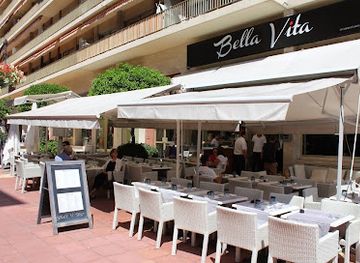
Discover Bella Vita in Monaco - where authentic Italian cuisine meets stunning ambiance for an unforgettable dining experience.
1 min walk · 0.1 km from city centre
-
Restaurant
Caffè Milano
Experience authentic Italian cuisine at Caffè Milano in Monaco, where exquisite flavors meet stunning waterfront views.
3 min walk · 0.2 km from city centre
-
Restaurant
Jack Monaco
Discover Jack Monaco - A vibrant restaurant and bar offering exquisite small plates and crafted cocktails in a chic Mediterranean setting.
2 min walk · 0.1 km from city centre
Best bars in La Condamine
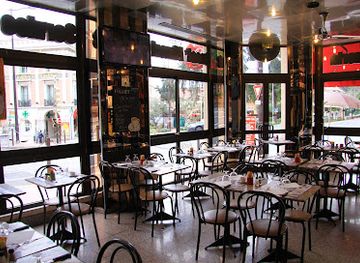
Evenings in La Condamine are centred more on waterfront dining, terraces and relaxed socialising than on a dense club scene. Port Hercule takes on a different character after sunset, with illuminated yachts, harbour views and restaurants attracting visitors before or after events at the Grimaldi Forum or elsewhere in Monaco. Around the market and pedestrian streets, cafés and bars provide comparatively informal places for an aperitif, while the principality’s more elaborate cocktail and late-night venues are concentrated towards Monte-Carlo rather than within La Condamine itself. During the Monaco Grand Prix, the district becomes exceptionally busy and evening activity expands around the harbour, although access and noise levels are shaped by the temporary circuit. Cultural performances, concerts and casino-area entertainment provide further options a short walk or bus ride away.
-
Brewpub
Monaco Brewery
Discover the perfect blend of craft beer and vibrant nightlife at Monaco Brewery, a must-visit brewpub in the heart of Monaco.
1 min walk · 0.1 km from city centre
-
Bar
La Rascasse
Discover La Rascasse in Monaco: A stunning bar and restaurant that combines exquisite dining with an energetic nightlife experience by the harbor.
3 min walk · 0.3 km from city centre
-
Cocktail bar
Équivoque Exclusive Rooftop Bar - Principauté de Monaco
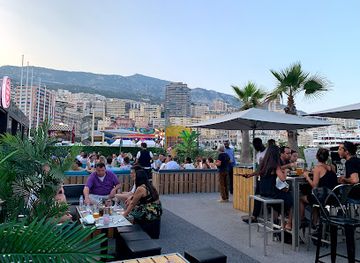
Discover Équivoque Exclusive Rooftop Bar in Monaco – a stylish cocktail bar with breathtaking views and an unforgettable atmosphere.
4 min walk · 0.3 km from city centre
-
Brasserie
Monte Carlo Bar
Discover the charm of Monte Carlo Bar, a vibrant brasserie in Monaco offering exquisite cuisine and a lively atmosphere for unforgettable moments.
4 min walk · 0.3 km from city centre


Best nightclubs in La Condamine
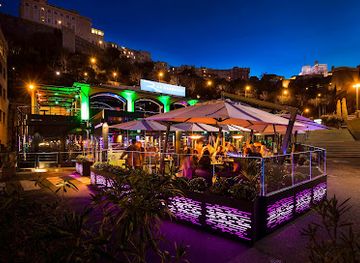
Evenings in La Condamine are centred more on waterfront dining, terraces and relaxed socialising than on a dense club scene. Port Hercule takes on a different character after sunset, with illuminated yachts, harbour views and restaurants attracting visitors before or after events at the Grimaldi Forum or elsewhere in Monaco. Around the market and pedestrian streets, cafés and bars provide comparatively informal places for an aperitif, while the principality’s more elaborate cocktail and late-night venues are concentrated towards Monte-Carlo rather than within La Condamine itself. During the Monaco Grand Prix, the district becomes exceptionally busy and evening activity expands around the harbour, although access and noise levels are shaped by the temporary circuit. Cultural performances, concerts and casino-area entertainment provide further options a short walk or bus ride away.
-
Bar
La Rascasse
Experience the vibrant nightlife and exquisite Mediterranean cuisine at La Rascasse, a must-visit destination in Monaco.
3 min walk · 0.3 km from city centre
-
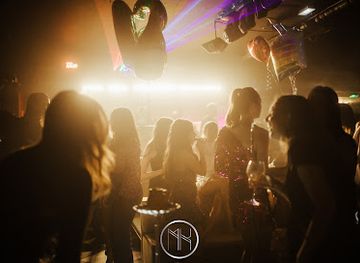
Disco club
MK Club Monaco
Discover the ultimate nightlife experience at MK Club Monaco, where dazzling lights and vibrant beats create unforgettable memories.
2 min walk · 0.2 km from city centre
-
Night club
Giulia Oancea
Giulia Oancea: Monaco's premier night club for an unforgettable nightlife experience filled with music, elegance, and excitement.
1 min walk · 0.1 km from city centre
-
Night club
MAMARIMBING ISLAND
Discover the electrifying nightlife at Mamarimbing Island, Monaco's premier night club offering unforgettable experiences and stunning coastal views.
4 min walk · 0.3 km from city centre

Best shops in La Condamine
Shopping in La Condamine is more local and practical than the luxury-focused retail associated with Monte-Carlo. The Marché de la Condamine is the district’s central shopping experience, with stalls selling fruit, vegetables, flowers and regional food products, alongside places where visitors can sample prepared specialities. The streets around Place d’Armes and rue Princesse Caroline contain cafés, bakeries, convenience shops and independent businesses, while the harbour area offers maritime-themed goods and visitor-oriented retail. Monegasque souvenirs commonly include postcards, small decorative objects, food products and items referencing the Grimaldi family, the principality’s vehicles or the Grand Prix. Visitors interested in more specialised luxury fashion, jewellery and designer labels will find a greater concentration of shops in Monte-Carlo. As in any market, browse carefully, respect stallholders’ working space and distinguish locally made products from generic Riviera merchandise.
-
Gift shop
Centre commercial de Fontvieille
Explore the Centre Commercial de Fontvieille: Monaco's vibrant shopping hub featuring luxury boutiques, diverse dining options, and unique gifts.
7 min walk · 0.6 km from city centre
-
Soccer store
Boutique Officielle AS Monaco x Kappa
Explore the heart of Monaco's soccer culture at the official AS Monaco x Kappa store, where passion meets premium merchandise.
5 min walk · 0.4 km from city centre
-
Market
Le Marché de la Condamine
Experience the essence of Monaco at Le Marché de la Condamine, a bustling market filled with fresh produce, local delicacies, and vibrant culture.
3 min walk · 0.3 km from city centre
-
Bakery
Costa
Discover the delectable offerings of Costa Bakery in Monaco, where every bite is a taste of culinary excellence in a charming market setting.
3 min walk · 0.3 km from city centre
Get your free copy of our complete guide to La Condamine, delivered straight to you.
Everything on this page, from attractions and restaurants to essentials and local phrases, in one PDF you can read offline, print or share.
Already have an account? Sign in
Your La Condamine guide is ready.
We'll send it to · Not you? Sign out

Getting your guide ready…
We are putting together a fresh copy of the La Condamine guide. This can take up to a minute.
This can take a few moments. If your browser asks, choose Allow so the download can start. You'll find the guide in your Downloads folder.
Nothing happened? Download it again
Sorry, the guide is taking longer than usual. Please try again in a minute, or get it by email instead.
La Condamine essentials
Currency and Payment
Safety
Emergency Situations
Do's and Don'ts
Local Tips
From Eve
Local phrases worth knowing
You don't need to get them perfect. A few words go a long way, and locals appreciate the effort.
Basics
| English | Local | Say it |
|---|---|---|
| Hello | Bonjour | [bon-zhoor] |
| Goodbye | Au revoir | [oh reh-vwahr] |
| Yes | Oui | [wee] |
| No | Non | [nohn] |
| Please/You're welcome | S'il vous plaît/De rien | [seel voo pleh / duh ryen] |
| Thank you | Merci | [mehr-see] |
| Excuse me/Sorry | Excusez-moi/Désolé | [ex-cooz-ay mwah / day-zoh-lay] |
| How are you? | Comment ça va? | [koh-mohn sah vah?] |
| Fine. And you? | Bien. Et vous? | [byen. ay voo?] |
| Do you speak English? | Parlez-vous anglais? | [par-lay voo ahn-glay?] |
| I don't understand | Je ne comprends pas | [zhuh nuh kohm-prahn pah] |
Eating & Drinking
| English | Local | Say it |
|---|---|---|
| I'd like to see the menu, please | Je voudrais voir la carte, s'il vous plaît | [zhuh voo-dray vwahr lah kart, seel voo pleh] |
| I don't eat meat | Je ne mange pas de viande | [zhuh nuh mahnj pah duh vyand] |
| Cheers! | Santé! | [sahn-tay] |
| I would like to pay, please | Je voudrais payer, s'il vous plaît | [zhuh voo-dray pay-ay, seel voo pleh] |
Emergencies
| English | Local | Say it |
|---|---|---|
| Help! | À l'aide! | [ah layd!] |
| Go away! | Allez-vous en! | [ah-lay vooz ahn!] |
| Call the Police! | Appelez la police! | [ah-peh-lay lah poh-lees!] |
| Call a doctor! | Appelez un médecin! | [ah-peh-lay uh may-deh-sahn!] |
| I'm lost | Je suis perdu | [zhuh swee pehr-doo] |
| I'm ill | Je suis malade | [zhuh swee mah-lahd] |
Shopping
| English | Local | Say it |
|---|---|---|
| I'd like to buy... | Je voudrais acheter... | [zhuh voo-dray zah-shay...] |
| I'm just looking | Je regarde juste | [zhuh ruh-gard zhew-st] |
| How much is it? | Combien ça coûte? | [kohm-byen sah koot?] |
| That's too expensive | C'est trop cher | [say troh shay] |
| Can you lower the price? | Pouvez-vous baisser le prix? | [poo-veh voo bay-say luh pree?] |
Time & Numbers
| English | Local | Say it |
|---|---|---|
| What time is it? | Quelle heure est-il? | [kell uhr ay-teel?] |
| It's one o'clock | Il est une heure | [eel ay oo-nuhr] |
| Half past (10) | Dix heures et demie | [dees uhr ay duh-mee] |
| Morning | Matin | [mah-tahn] |
| Afternoon | Après-midi | [ah-pray mee-dee] |
| Evening | Soir | [swahr] |
| Yesterday | Hier | [ee-ehr] |
| Today | Aujourd'hui | [oh-zhoor dewee] |
| Tomorrow | Demain | [duh-mahn] |
| 1 | Un | [uhn] |
| 2 | Deux | [duh] |
| 3 | Trois | [twah] |
| 4 | Quatre | [kah-truh] |
| 5 | Cinq | [sank] |
| 6 | Six | [sees] |
| 7 | Sept | [sept] |
| 8 | Huit | [weet] |
| 9 | Neuf | [nuf] |
| 10 | Dix | [dees] |
Transport & Directions
| English | Local | Say it |
|---|---|---|
| Where's a/the...? | Où est...? | [oo eh...?] |
| What's the address? | Quelle est l'adresse? | [kell eh la-dress?] |
| Can you show me (on the map)? | Pouvez-vous me montrer (sur la carte)? | [poo-veh voo muh mohn-tray (soor lah kart)?] |
| When's the next (bus)? | Quand est le prochain (bus)? | [kahn eh luh proh-shahn (boos)?] |
| A ticket (to ....) | Un billet (pour ....) | [uhn bee-yay (poor ....)] |
History of La Condamine
From Ancient Coast to Grimaldi Rule
The coast around Monaco was inhabited long before the modern principality emerged, with evidence of prehistoric settlement and later Greek and Roman activity in the wider region. Monaco’s medieval history was shaped by the fortified Rock, whose strategic position dominated the coast. In 1297, François Grimaldi seized the fortress in an episode traditionally remembered as the beginning of Grimaldi rule. The settlement on the Rock remained the political centre, while the lower ground around the present La Condamine developed more gradually outside the fortress. Its position between the Rock, inland slopes and the sea later made it valuable for cultivation, transport and harbour activity.
The Agricultural Condamine
The word condamine referred historically to an area of cultivated or seigneurial land, and the district that now bears the name was once markedly rural in character. Olive groves, gardens and smallholdings occupied the valley below the Rock, supplying the settlement and connecting it with the surrounding countryside. The coast was also used for fishing and small-scale maritime activity. As Grimaldi power became established and Monaco’s population grew, paths and roads gradually linked the lower land with the fortified town. Sainte-Dévote Chapel, associated with the principality’s patron saint, became an important spiritual landmark in this landscape and remains one of the district’s oldest surviving features.
Harbour Development and Urban Growth
La Condamine changed substantially as Monaco expanded during the nineteenth century. Improved roads, maritime infrastructure and building activity transformed the former agricultural valley into an urban district. Port Hercule became increasingly important as a sheltered harbour, while homes, workshops, shops and public buildings filled the area between the Rock and the rising ground inland. The opening of the railway connection to Monaco in 1868 strengthened links with the French Riviera and encouraged commerce and travel. This period also saw the principality’s population and economy become more closely connected with Riviera tourism, although La Condamine retained a practical, local identity distinct from the casino district of Monte-Carlo.
Modern Monaco Takes Shape
The late nineteenth and early twentieth centuries brought dense construction, improved public services and a more formal urban structure to La Condamine. Markets and commercial streets developed around the lower town, while the harbour became a defining element of Monaco’s public image. The district’s position beneath the Rock also made it part of the route between the palace, port and railway. Monaco’s constitutional and administrative development continued from the palace area, but La Condamine represented the principality’s everyday commercial life. Its churches, market buildings, terraces and harbour edges preserve traces of this transformation from cultivated valley to compact Mediterranean town.
The Port and the Contemporary Principality
In the twentieth and twenty-first centuries, engineering projects, road improvements and harbour works allowed Monaco to accommodate a larger population and an increasingly international economy despite its limited territory. Port Hercule evolved into a major marina and a venue for prominent maritime and motor-racing events, while La Condamine’s traditional market and pedestrian streets continued to serve residents. The Monaco Grand Prix has repeatedly placed the district and its harbour roads at the centre of global attention, though the circuit operates within a living neighbourhood rather than a purpose-built racing complex. Contemporary La Condamine therefore combines transport links, local commerce, historic religious sites and a highly developed waterfront.
La Condamine in Photos
Browse through our photo collection highlighting the charm and character of the destination.
Cities near La Condamine
The closest cities to La Condamine, if you have time for more than one stop.
-

-

-

-

-


Swipe for more cities
Explore more

Explore more of Monaco
Explore Monaco: A glamorous principality on the French Riviera, known for its luxury casinos, stunning Mediterranean views, cultural landmarks, and vibrant nightlife.
Explore Monaco