
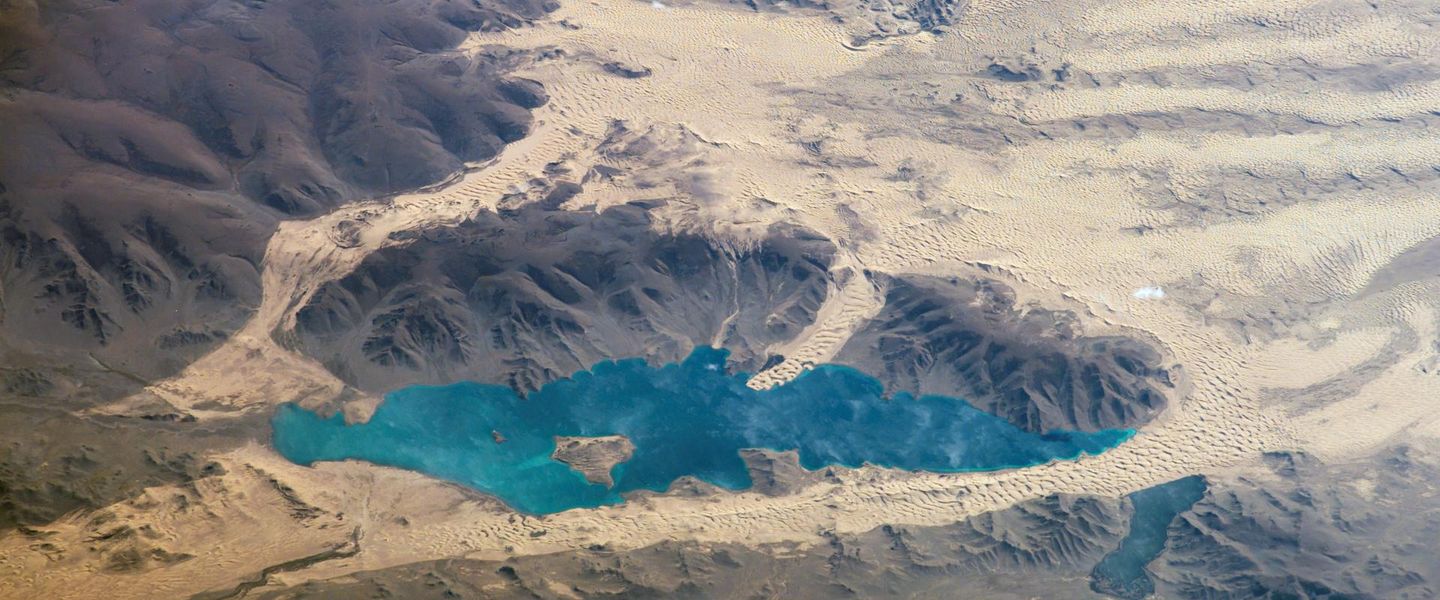
Khar Nuur, Mongolia Travel Guide
Discover Khar Nuur in Mongolia, an unspoiled oasis of crystal-clear waters, rugged landscapes, and traditional nomadic culture, nestled in the heart of Zavkhan Province.
Khar Nuur, also known as Black Lake, is a hidden treasure in Mongolia’s Zavkhan Province. Surrounded by the majestic Khangai Mountains, this pristine lake offers breathtaking views and a serene atmosphere. The crystal-clear waters of Khar Nuur are perfect for swimming, fishing, and kayaking. Nature lovers will appreciate the diverse flora and fauna that thrive around the lake. Khar Nuur is also a wonderful spot for camping. The clear night skies provide an excellent opportunity for stargazing. The surrounding area is ideal for hiking and exploring the untouched beauty of Mongolia. Visitors can experience the traditional nomadic lifestyle by staying in nearby ger camps. The tranquility of Khar Nuur makes it a great escape from the hustle and bustle of city life. The lack of commercial development ensures that the natural beauty remains unspoiled. Whether you are seeking adventure or relaxation, Khar Nuur is a must-visit destination in Mongolia.

Know before you go
Hi, I'm Eve. Here are a few practical things to know before exploring Khar Nuur.
- Bring insect repellent, especially during the summer months, as mosquitoes can be prevalent.
- Pack warm clothing even in summer, as temperatures can drop significantly at night.
- Consider hiring a local guide to enhance your experience and learn more about the area.
- Respect the local customs and traditions when interacting with nomadic families.
- Ensure you have enough supplies, as there are limited shops in the area.
Explore Khar Nuur: Things to Do, Places to Eat, Hotels & More
Handpicked recommendations for top attractions, local dining, accommodations, and more

Best attractions in Khar Nuur
Top-rated picks
Best Attractions

Kharakhorum Museum
Explore Mongolia's rich history at Kharakhorum Museum, home to breathtaking artifacts from the ancient capital, offering a unique cultural journey.

Khar Zurkhnii Khukh Nuur Lake
Explore the tranquil beauty of Khar Zurkhnii Khukh Nuur Lake in the heart of Khentii, Mongolia, where nature and serenity meet.

Ulaagchiin Khar Lake
Discover the serene beauty of Ulaagchiin Khar Lake in Zavkhan, Mongolia, a perfect escape for nature lovers and adventurers alike.

Lake Khar
Experience the breathtaking beauty of Lake Khar in Töv, Mongolia, a serene escape perfect for nature lovers and outdoor enthusiasts.

Best landmarks in Khar Nuur
Top-rated picks
Best Landmarks

Chinggis Khaan Statue Complex
Experience the grandeur of the Chinggis Khaan Statue Complex, where history and culture converge in a breathtaking tribute to Mongolia's legendary leader.

Gandantegchinlen Monastery
Explore Gandantegchinlen Monastery, a serene Buddhist temple in Ulaanbaatar, showcasing Mongolia's rich spiritual heritage and stunning architecture.

Gorkhi Terelj National Park
Explore the breathtaking landscapes and rich culture of Gorkhi Terelj National Park, a national treasure just outside Ulaanbaatar.

Zaisan Monument
Discover the majestic Zaisan Monument in Ulaanbaatar, a tribute to Soviet-Mongolian friendship with breathtaking views and rich history.

Best restaurants in Khar Nuur
Top-rated picks
Best Restaurants

Grand Khaan Irish Pub
Experience the lively atmosphere at Grand Khaan Irish Pub in Ulaanbaatar—where Irish charm meets Mongolian hospitality.

Rosewood Kitchen + Enoteca
Experience the best of Italian cuisine at Rosewood Kitchen + Enoteca in Ulaanbaatar—where tradition meets modern culinary artistry.

Novotel Ulaanbaatar
Discover luxury at Novotel Ulaanbaatar: where modern comforts meet Mongolian hospitality in the heart of the city.

Choijin Temple Restaurant
Experience exquisite Mediterranean cuisine at Choijin Temple Restaurant in Ulaanbaatar - where culinary artistry meets warm Mongolian hospitality.

Best bars in Khar Nuur
Top-rated picks
Best Bars

Shangri-La Ulaanbaatar
Discover unparalleled luxury and Mongolian hospitality at Shangri-La Ulaanbaatar, your gateway to an unforgettable travel experience.
The Blue Sky Hotel and Tower
Discover luxury and comfort at The Blue Sky Hotel and Tower in Ulaanbaatar, offering breathtaking views, diverse dining, and top-tier amenities.

Grand Khaan Irish Pub
Discover the lively atmosphere of Grand Khaan Irish Pub, the perfect blend of Irish charm and Mongolian hospitality in the heart of Ulaanbaatar.

Rosewood Kitchen + Enoteca
Experience the best of Italian cuisine in the heart of Ulaanbaatar at Rosewood Kitchen + Enoteca, where local flavors meet culinary artistry.

Best nightclubs in Khar Nuur
Top-rated picks
Best Nightclubs

CHOCO CLUB ULAANBAATAR
Discover the electrifying energy of Choco Club Ulaanbaatar, where nightlife meets culture in a stunning setting.

River Sounds Live Music Club
Discover the heartbeat of Ulaanbaatar's nightlife at River Sounds Live Music Club, where live music and delicious cuisine come together.

MINT Club
Discover the electrifying nightlife at MINT Club, a premier night club and lounge in Ulaanbaatar, offering great music and unique cocktails.

ZU CLUB
Discover the electrifying nightlife of Ulaanbaatar at ZU CLUB, a premier destination for dancing and entertainment in the heart of the city.

Best shops in Khar Nuur
Top-rated picks
Best Shops

State Department Store
Experience the best of Ulaanbaatar shopping at the State Department Store, where culture meets convenience and local charm.

Chinggis Khaan Statue Complex
Experience the grandeur of the Chinggis Khaan Statue Complex, a historical monument celebrating Mongolia's legendary leader amidst stunning scenery.

Narantuul Market
Explore Narantuul Market, Ulaanbaatar's vibrant hub for local crafts, delicious street food, and an authentic Mongolian cultural experience.

Gorkhi Terelj National Park
Explore the breathtaking landscapes and rich biodiversity of Gorkhi Terelj National Park, a natural wonder just outside Ulaanbaatar.

Explore Khar Nuur on the Map
A handpicked selection of must-see spots in Khar Nuur, mapped for you.
Khar Nuur Essentials
-
Khar Nuur is located in the Zavkhan Province in western Mongolia. The nearest major city is Uliastai, which is approximately 100 kilometers away. The nearest airport is Donoi Airport in Uliastai, which has domestic flights from Ulaanbaatar. From Uliastai, you can hire a taxi or a local driver to take you to Khar Nuur. The journey by car typically takes around 3 to 4 hours, depending on road conditions.
-
Transportation in the Khar Nuur area is limited, and most travelers rely on private vehicles. Renting a 4x4 vehicle or hiring a local driver is recommended due to the rugged terrain. There are no public transport options directly to Khar Nuur, so planning ahead is essential. Once at Khar Nuur, you can explore the area on foot or by horse, which is a popular local mode of transportation.
-
The official currency in Mongolia is the Mongolian Tögrög (MNT). Credit cards are rarely accepted in rural areas like Khar Nuur, so it is advisable to carry enough cash for your entire trip. ATMs are available in Uliastai, but not in the immediate vicinity of Khar Nuur. It is wise to withdraw sufficient cash in Ulaanbaatar or Uliastai before heading to the lake.
-
Khar Nuur is generally a safe destination for tourists. However, it is always best to take standard precautions. Avoid leaving valuables unattended and be cautious when exploring remote areas. There are no known high-crime areas targeting tourists, but it is always sensible to stay vigilant and aware of your surroundings, especially when camping or trekking in isolated areas.
-
In case of emergency, the local emergency number is 103 for medical emergencies and 102 for police assistance. The nearest medical facilities are in Uliastai, so it is crucial to have a well-stocked first aid kit. It is also highly recommended to have travel insurance that covers medical emergencies and evacuation. Local guides can assist in contacting emergency services if needed.
-
Fashion: Do dress in layers as temperatures can vary significantly. Avoid wearing flashy or revealing clothing. Religion: Do respect local customs and traditions. When visiting any religious sites, dress modestly and remove your hat. Public Transport: Do be respectful and patient as public transport is limited. Don't expect punctual schedules. Greetings: Do greet people with a handshake and a smile. A slight bow of the head is also a sign of respect. Eating & Drinking: Do try local dishes and accept food offerings graciously. Don't waste food, as it is considered disrespectful.
-
To experience Khar Nuur like a local, consider staying in a ger (traditional Mongolian yurt) with a nomadic family. Participate in local activities such as horseback riding and fishing. Visit the local markets in Uliastai to buy fresh produce and traditional goods. Engage with the locals, who are often welcoming and eager to share their culture and history. Don't miss the opportunity to witness the stunning sunsets over Khar Nuur, which are a highlight of the area.
When is the best time to visit Khar Nuur?
Useful Local Phrases for Khar Nuur
You don't need to speak the language perfectly. Even learning a few simple words can make conversations warmer—and locals usually appreciate the effort.
— Eve

Here are the phrases I use most often in Khar Nuur. Try a few—you'll be surprised how far they go! 😊
❤️
-
- HelloСайн уу
[Sain uu] - GoodbyeБаяртай
[Bayartai] - YesТийм
[Tiim] - NoҮгүй
[Ugui] - Please/You're welcomeБаярлалаа
[Bayarlalaa] - Thank youБаярлалаа
[Bayarlalaa] - Excuse me/SorryУучлаарай
[Uuchlaarai] - How are you?Та яаж байна уу?
[Ta yaaj baina uu?] - Fine. And you?Сайхан. Чамтай юу?
[Saikhan. Chamtai yuu?] - Do you speak English?Та англиар ярьдаг вэ?
[Ta angliar yardag ve?] - I don't understandБи ойлгомжгүй байна
[Bi oilgomjgui baina]
- HelloСайн уу
-
- I'd like to see the menu, pleaseМенюг харахыг хүсч байна
[Menyug kharkhig khüsch baina] - I don't eat meatГахайн орон мөсөнгүй
[Gakhain oron mösöngui] - Cheers!Төрөөдөл!
[Töröödöl!] - I would like to pay, pleaseТөлбөрөө хийхийг хүсч байна
[Tölböröö khikhii khüsch baina]
- I'd like to see the menu, pleaseМенюг харахыг хүсч байна
-
- Help!Туслаач!
[Tuslaach!] - Go away!Яваарай!
[Yavaarai!] - Call the Police!Полиц хаана байгаа вэ?
[Polit khaana baigaa ve?] - Call a doctor!Доктор хаана байгаа вэ?
[Doktor khaana baigaa ve?] - I'm lostБи амьдарч байна
[Bi am'darch baina] - I'm illБи эмчилгээгүй байна
[Bi emchilgeegui baina]
- Help!Туслаач!
-
- I'd like to buy...Худлаа харахыг хүсч байна
[Khudlaa kharkhig khüsch baina] - I'm just lookingЗөвхөн харж байна
[Zövhön kharkh baina] - How much is it?Үнэ нэмэх боломжтой уу?
[Üne nemekh bolomzhtoi uu?] - That's too expensiveЭнэ хэт их үнэтэй
[Ene khet ikh ünetei] - Can you lower the price?Үнийг буурах боломжтой уу?
[Üniig buurakh bolomzhtoi uu?]
- I'd like to buy...Худлаа харахыг хүсч байна
-
- What time is it?Цаг хэд вэ?
[Tsag khed ve?] - It's one o'clockНэг цагт
[Neg tsagt] - Half past (10)Арван арванцагт
[Arvan arvantstag] - MorningӨглөө
[Öglöö] - AfternoonОрой
[Oroi] - EveningОрой
[Oroi] - YesterdayӨчигдөр
[Öchigdör] - TodayӨнөөдөр
[Önöödör] - TomorrowМаргааш
[Margash] - 1Нэг
[Neg] - 2Хоёр
[Khoyor] - 3Гурван
[Gurvan] - 4Дөрөв
[Döröv] - 5Тав
[Tav] - 6Зургаа
[Zurgaa] - 7Долоо
[Doloo] - 8Найм
[Naim] - 9Ес
[Yes] - 10Арван
[Arvan]
- What time is it?Цаг хэд вэ?
-
- Where's a/the...?...
[...] - What's the address?Хаяг хэн байгаа вэ?
[Khayag khen baigaa ve?] - Can you show me (on the map)?(Зурган дээр) надад харуулж болно уу?
[(Zurgan deer) nadad kharuulj bolno uu?] - When's the next (bus)?Дараагийн (автобус) хэзээ байна вэ?
[Daraagiin (avtobus) khezee baigaa ve?] - A ticket (to ....)Тасалбар (....-руу)
[Tasalbar (....-ruu)]
- Where's a/the...?...
History of Khar Nuur
-
Khar Nuur, a stunning lake nestled in the Zavkhan province of Mongolia, has long been a critical location for the nomadic tribes of the region. Its fertile surroundings and abundant wildlife made it an ideal spot for pastoral nomadism, a lifestyle that has been central to Mongolian culture for centuries. Archaeological findings suggest that nomadic herders have been inhabiting the area around Khar Nuur since the Bronze Age, making it a site rich in ancient history.
-
During the 13th century, Khar Nuur became part of the vast Mongol Empire under the leadership of Genghis Khan. The region served as a strategic location for the Mongol military expeditions due to its relative proximity to the empire's heartlands. The waterways and surrounding landscapes provided essential resources for the armies and their horses, making it a crucial logistical base during numerous campaigns.
-
In the 16th and 17th centuries, Buddhism spread across Mongolia, deeply influencing the culture and daily life of its people. Khar Nuur and its surrounding areas were no exception. Buddhist monasteries and temples were established nearby, becoming centers for religious practice and learning. The lake itself was considered a sacred site, often visited by pilgrims seeking spiritual solace and blessings.
-
In the 20th century, Mongolia fell under Soviet influence, leading to significant changes in the region surrounding Khar Nuur. The Soviet administration implemented various modernization projects, including infrastructure development and agricultural reforms. While the traditional nomadic lifestyle faced challenges during this period, the area saw the introduction of new technologies and educational opportunities that reshaped the local culture and economy.
-
In recent decades, Khar Nuur has become a focal point for environmental conservation efforts. Recognizing the lake's ecological significance and cultural heritage, both local and international organizations have worked to preserve its natural beauty and biodiversity. Initiatives have been launched to protect the lake's pristine waters, promote sustainable tourism, and maintain the traditional practices of the nomadic herders who call the area home.
Neighbouring destination travel guides
Browse our curated selection of top destinations, scenic points, and must-visit spots in the area.


Your all‑in‑one travel companion app
Explore expert travel guides, compare and book tours, experiences, hotels, and more—all from the palm of your hand. Download now for seamless trip planning wherever your wanderlust takes you.


Explore More of Zavkhan River Valley
Looking beyond Khar Nuur? Discover Zavkhan River Valley for broader travel guides, local hot-spots, and regional highlights.
Explore Zavkhan River ValleyExplore More of Mongolia

Looking beyond Khar Nuur? Discover Mongolia for broader travel guides, local hot-spots, and regional highlights.
Explore MongoliaKhar Nuur in Photos
Browse through our photo collection highlighting the charm and character of the destination.


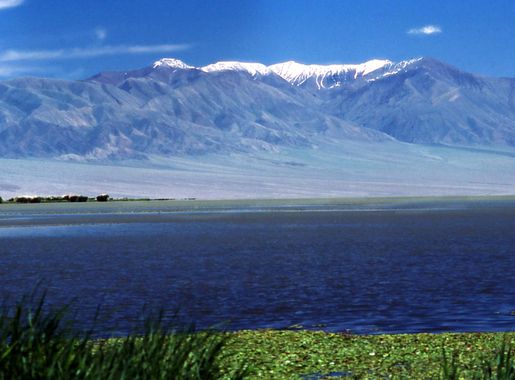


Khar Nuur: Mongolia’s Pristine Blue Gem
Khar Nuur, also known as Black Lake, is a hidden treasure in Mongolia’s Zavkhan Province. Surrounded by the majestic Khangai Mountains, this pristine lake offers breathtaking views and a serene atmosphere. The crystal-clear waters of Khar Nuur are perfect for swimming, fishing, and kayaking. Nature lovers will appreciate the diverse flora and fauna that thrive around the lake. Khar Nuur is also a wonderful spot for camping. The clear night skies provide an excellent opportunity for stargazing. The surrounding area is ideal for hiking and exploring the untouched beauty of Mongolia. Visitors can experience the traditional nomadic lifestyle by staying in nearby ger camps. The tranquility of Khar Nuur makes it a great escape from the hustle and bustle of city life. The lack of commercial development ensures that the natural beauty remains unspoiled. Whether you are seeking adventure or relaxation, Khar Nuur is a must-visit destination in Mongolia.