

Free Khovd River Basin Travel Guide & Mobile App
Explore Khovd River Basin with free travel guides. Discover regional history, expert tips, proposed trips, and audio guides on web or mobile app.


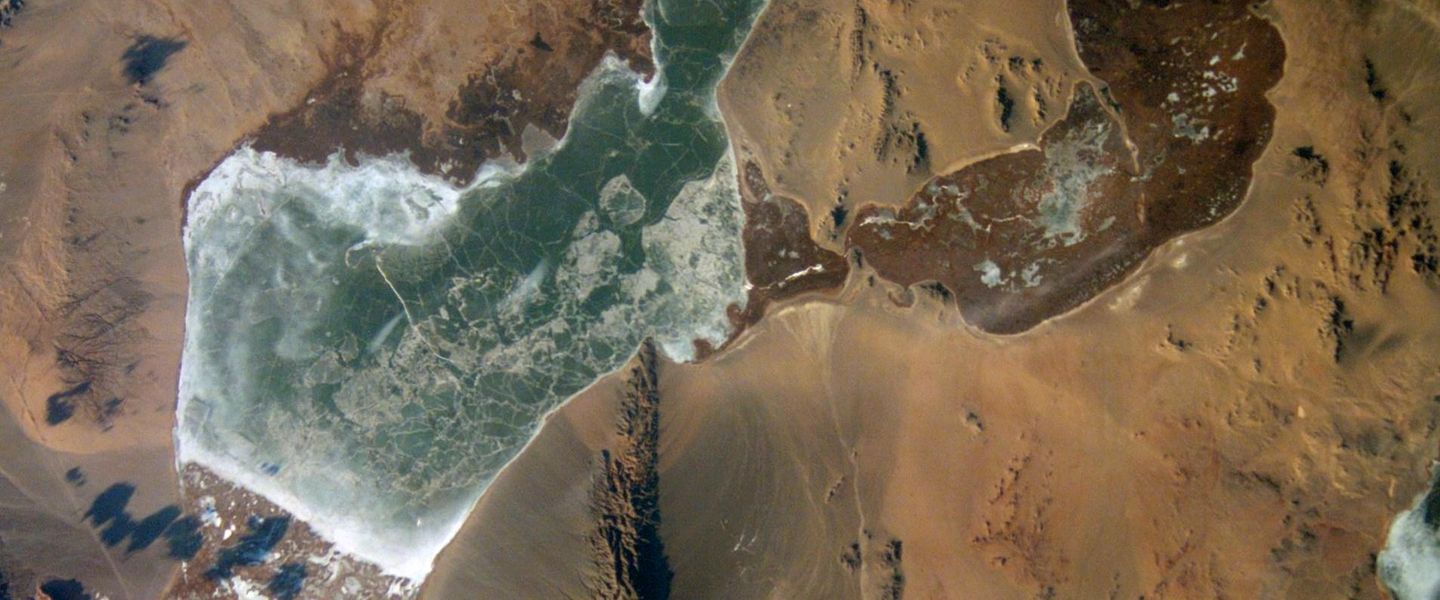


Explore Mongolia's Khovd River Basin for Altai valleys, Khar-Us Lake wetlands, open steppe and the layered cultures of western Mongolia.
Read more about Khovd River Basin
When is the best time to visit Khovd River Basin?
Best: June–August · 21–24°C| Month | High (°C) | Rainfall (mm) |
|---|---|---|
| January | -10 | 2 |
| February | -7 | 2 |
| March | 3 | 3 |
| April | 11 | 5 |
| May | 16 | 8 |
| June (best) | 21 | 15 |
| July (best) | 24 | 20 |
| August (best) | 22 | 18 |
| September | 16 | 12 |
| October | 8 | 6 |
| November | 0 | 3 |
| December | -7 | 2 |
Getting to and around Khovd River Basin
How to get there
Transportation
Destinations in Khovd River Basin
Resorts, valleys and scenic spots worth a trip of their own.

Swipe for more destinations
Best attractions in Khovd River Basin
The Khovd River Basin's attractions are primarily landscapes and cultural places spread across a large, lightly serviced area. Khar-Us Lake and its surrounding wetlands are important for birdwatching, photography and understanding the basin's water system, while the Khovd River and its tributary valleys reveal the contrast between irrigated green corridors and dry steppe. Around Khovd city, visitors can explore local museums, markets and traces of the town's frontier history before travelling into the countryside. The Jargalant Khairkhan range provides a mountainous backdrop and opportunities for short walks or scenic drives, though routes should be arranged locally. Pastoral camps offer respectful glimpses of seasonal herding life when approached by invitation, and the wider province contains rock art and archaeological remains that require specialist guidance. The area is not a developed circuit of ticketed attractions: road conditions, weather and local access determine what can realistically be visited. Travellers interested in nature should allow time for unhurried observation, especially around lake margins and river channels, while those interested in culture will gain more from local interpretation than from rushed sightseeing.
-
Tourist attraction
Zaisan Monument
Discover Zaisan Monument, a historical tribute in Ulaanbaatar offering stunning views and rich cultural insights into Mongolia's past.
-
Tourist attraction
Amarbayasgalant Monastery
Explore the serene beauty and rich heritage of Amarbayasgalant Monastery, a spiritual haven in Mongolia's Selenge region.
-
Lake
Khar-Us Lake
Discover the pristine beauty of Khar-Us Lake, a serene destination in Khovd, Mongolia, rich in biodiversity and perfect for nature lovers.
-
Fortress
Fortress of Hovd
Discover the historical significance and breathtaking views at the Fortress of Hovd, a must-see destination in Mongolia's Khovd region.
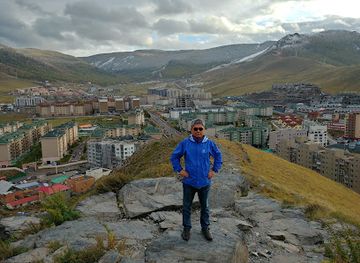
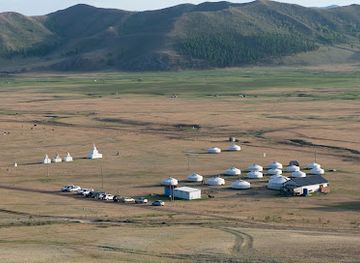

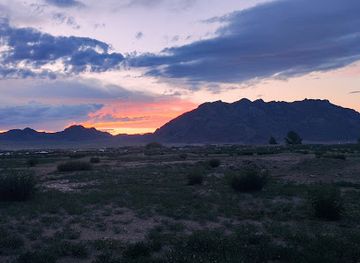
Best landmarks in Khovd River Basin
The Khovd River itself is the basin's defining natural landmark, linking the high Mongolian Altai with the broad waters of Khar-Us Lake. Its importance is geographical as well as practical: the river creates a chain of greener corridors through an otherwise arid region and supports settlements, grazing and wetlands. Khar-Us Lake is the basin's most recognisable open landscape, with wide horizons, reed-fringed margins and seasonal birdlife. Around Khovd city, Jargalant Khairkhan forms a prominent mountain backdrop whose slopes and changing light give the city its distinctive setting. The historic identity of Khovd is another landmark in a less monumental sense; its position as a former Qing frontier centre and later provincial capital is reflected in the city's museums, administrative fabric and local historical memory. Across the countryside, ovoos, old route corridors and scattered archaeological remains mark the spiritual and human use of the Altai valleys. These places are often visually modest and poorly signposted, so their significance is best understood with local guidance rather than treated as isolated photo stops.
-
Tourist attraction
Chinggis Khaan Statue Complex
Explore the Chinggis Khaan Statue Complex, a stunning tribute to Mongolia's heritage and a gateway to the history of Genghis Khan.
-
National park
Gorkhi Terelj National Park
Explore Gorkhi Terelj National Park, a breathtaking national park near Ulaanbaatar, featuring stunning landscapes, unique rock formations, and rich nomadic culture.
-
Monument
Zaisan Monument
Discover the Zaisan Monument in Ulaanbaatar, a stunning tribute to Soviet-Mongolian friendship with breathtaking city views and rich cultural history.
-
History museum
Bogd Khaan Palace Museum
Uncover the royal legacy of Mongolia at the Bogd Khaan Palace Museum, a captivating historical site in Ulaanbaatar showcasing rich cultural heritage.
Explore Khovd River Basin on the map
Plan your trip on one map. See where the top cities, national parks and sights are, and book hotels and experiences in a few clicks.
Best hotels in Khovd River Basin
Best restaurants in Khovd River Basin
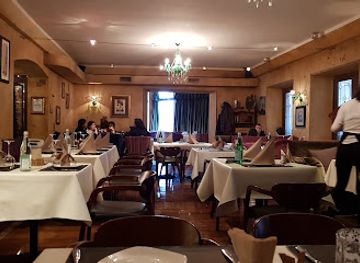
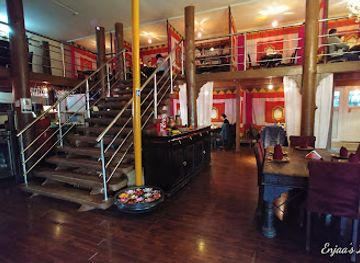
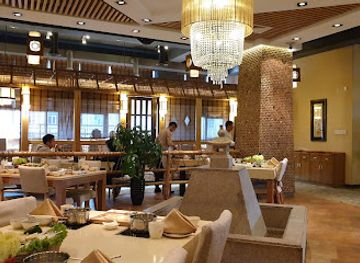
Dining in the basin centres on Khovd city, where simple Mongolian restaurants, cafés, canteens and shops provide the greatest variety. Meals commonly draw on the wider western Mongolian diet: mutton, beef, flour-based dumplings and noodles, rice, dairy products and warming soups. Buuz and khuushuur are familiar national dishes, while regional pastoral cooking may include dried curds, milk tea and other preserved dairy foods. Outside the city, meals are more likely to be arranged through accommodation, a ger camp or a herding household, with menus shaped by available supplies rather than formal restaurant choice. Local food markets are useful for observing the importance of meat, flour and dairy in everyday life, although produce selection varies by season and transport. Visitors with dietary restrictions should explain their needs clearly and carry backup provisions before entering remote country. Alcohol is available in urban shops and some establishments, but it is sensible to plan supplies and consumption carefully when travelling far from services.
-
 Italian
DeQuattro by Rosewood
Discover authentic Italian flavors at DeQuattro by Rosewood, where every dish tells a story and every meal is an experience.
-
Restaurant
Veranda
Discover culinary excellence at Veranda in Ulaanbaatar - where exquisite flavors meet an elegant atmosphere.
-
Indian
Hazara Indian Restaurant
Discover authentic Indian cuisine at Hazara Indian Restaurant in Ulaanbaatar – a culinary journey filled with rich flavors and delightful aromas.
-
Restaurant
The Bull Hot Pot Restaurant
Discover the best hot pot experience in Ulaanbaatar at The Bull Hot Pot Restaurant – where fresh ingredients meet Mongolian flavors.
Best bars in Khovd River Basin
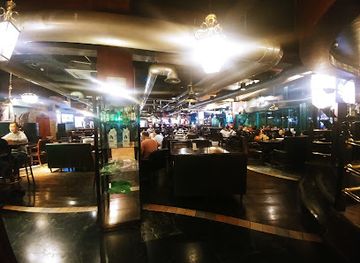
Khovd city has the basin's most developed evening scene, consisting mainly of small cafés, restaurants, hotel lounges and modest bars rather than a large club district. Evening activity is often social and local, with conversation, music and meals more prominent than late-night tourism. In smaller settlements and rural areas, nightlife is limited, and evenings at a ger camp or guesthouse usually revolve around food, conversation and the quiet landscape. Occasional cultural performances or community events may provide music and dancing, but schedules are changeable and should be confirmed locally. Visitors should not expect reliable late opening hours, extensive international drinks lists or transport after dark. Remote roads are hazardous at night, so drinking and driving should never be combined, and evening plans should be made around the availability of a safe vehicle and accommodation.
-
Restaurant
Grand Khaan Irish Pub
Discover the unique blend of Irish and Mongolian culture at Ulaanbaatar's Grand Khaan Irish Pub, a vibrant spot for food and fun.
-
Indian
Hazara Indian Restaurant
Experience the authentic taste of India at Hazara Indian Restaurant, a culinary gem in Ulaanbaatar offering delightful flavors and warm hospitality.
-
Hotel
Best Western Premier Tuushin Hotel
Discover the perfect blend of luxury and Mongolian hospitality at Best Western Premier Tuushin Hotel in Ulaanbaatar.
-
Restaurant
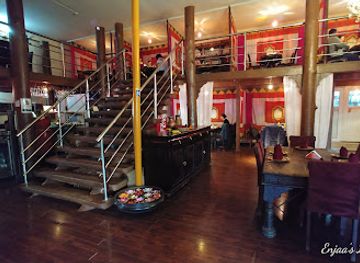
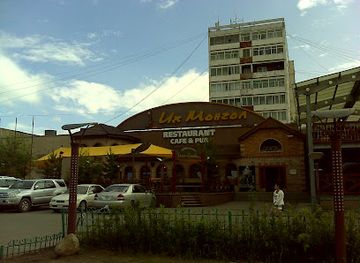
Great Mongol Restaurant & Pub
Discover the rich flavors of Mongolia at Great Mongol Restaurant & Pub, where traditional dishes meet a lively pub atmosphere in Ulaanbaatar.
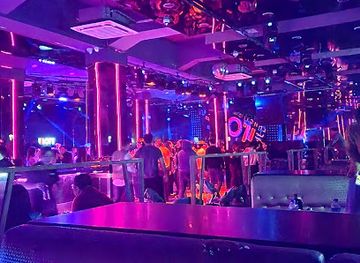
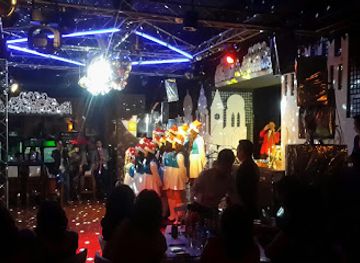
Best nightclubs in Khovd River Basin
Khovd city has the basin's most developed evening scene, consisting mainly of small cafés, restaurants, hotel lounges and modest bars rather than a large club district. Evening activity is often social and local, with conversation, music and meals more prominent than late-night tourism. In smaller settlements and rural areas, nightlife is limited, and evenings at a ger camp or guesthouse usually revolve around food, conversation and the quiet landscape. Occasional cultural performances or community events may provide music and dancing, but schedules are changeable and should be confirmed locally. Visitors should not expect reliable late opening hours, extensive international drinks lists or transport after dark. Remote roads are hazardous at night, so drinking and driving should never be combined, and evening plans should be made around the availability of a safe vehicle and accommodation.
-
Restaurant
LAVA Club & Lounge
Discover the energy and elegance of LAVA Club & Lounge, Ulaanbaatar's premier destination for dining and nightlife with breathtaking views.
-
Night club
CHOCO CLUB ULAANBAATAR
Unleash your nightlife adventure at CHOCO CLUB ULAANBAATAR, the ultimate destination for dancing and socializing in Mongolia's vibrant capital.
-
Disco club
The ILoft Function House
Dive into Ulaanbaatar's nightlife at The ILoft Function House, a vibrant disco club offering an unforgettable party experience.
-
Night club
River Sounds Live Music Club
Immerse yourself in the lively atmosphere of River Sounds Live Music Club, featuring live music, delicious food, and a vibrant nightlife experience in Ulaanbaatar.

Best shops in Khovd River Basin
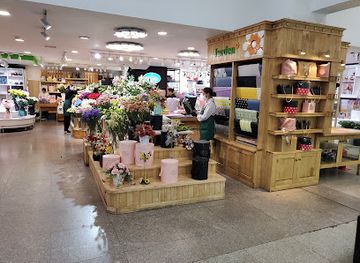
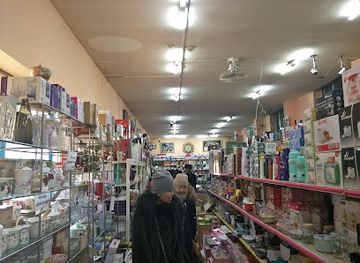
Shopping is concentrated in Khovd city, where markets, small supermarkets, general shops and local stalls serve residents as well as travellers. Useful purchases include bottled water, dried dairy products, biscuits, noodles, warm clothing and practical supplies for overland journeys. Local market stalls may offer felt goods, leather items, woollen clothing and other products associated with pastoral life, although stock and quality vary and bargaining should remain courteous. Regional foods such as dried curds and other dairy products make more meaningful souvenirs than generic imported goods, provided they can be transported safely. Outside Khovd, retail options are sparse and village shops may carry only basic necessities. Visitors interested in crafts should ask accommodation providers or local guides about reputable makers rather than assuming that every market item was produced locally. Pack fragile purchases carefully, and remember that remote communities have limited capacity for card payments, packaging and international shipping.
-
Department store
State Department Store
Discover the State Department Store in Ulaanbaatar, where local culture meets modern shopping in a vibrant atmosphere filled with unique treasures.
-
Market
Narantuul Market
Explore Narantuul Market, Ulaanbaatar's largest market, where vibrant culture, local cuisine, and unique crafts await every traveler.
-
Shopping mall
Ulaanbaatar Department Store
Discover Ulaanbaatar Department Store, a vibrant shopping hub offering local and international brands, perfect for unique finds and cultural souvenirs.
-
Shopping mall
Hunnu Mall
Explore Hunnu Mall, Ulaanbaatar's premier shopping destination for local culture, international brands, and diverse dining experiences.


Get your free copy of our complete guide to Khovd River Basin, delivered straight to you.
Everything on this page, from attractions and restaurants to essentials and local phrases, in one PDF you can read offline, print or share.
Already have an account? Sign in
Your Khovd River Basin guide is ready.
We'll send it to · Not you? Sign out

Getting your guide ready…
We are putting together a fresh copy of the Khovd River Basin guide. This can take up to a minute.
This can take a few moments. If your browser asks, choose Allow so the download can start. You'll find the guide in your Downloads folder.
Nothing happened? Download it again
Sorry, the guide is taking longer than usual. Please try again in a minute, or get it by email instead.
Khovd River Basin essentials
Currency and Payment
Safety
Emergency Situations
Do's and Don'ts
Local Tips
From Eve
Local phrases worth knowing
You don't need to get them perfect. A few words go a long way, and locals appreciate the effort.
Basics
| English | Local | Say it |
|---|---|---|
| Hello | Сайн уу | [Sain uu] |
| Goodbye | Баяртай | [Bayartai] |
| Yes | Тийм | [Tiim] |
| No | Үгүй | [Ügüi] |
| Please/You’re welcome | Гуйя/Зүгээр | [Guiya/Zügere] |
| Thank you | Баярлалаа | [Bayarlalaa] |
| Excuse me/Sorry | Уучлаарай | [Uuchlaraa] |
| How are you? | Та яаж байна? | [Ta yaja baina?] |
| Fine. And you? | Сайн. Та яаж байна? | [Sain. Ta yaja baina?] |
| Do you speak English? | Та англиар ярьдаг уу? | [Ta angliar yarydg uu?] |
| I don't understand | Би ойлгохгүй байна | [Bi oilgohgui baina] |
Eating & Drinking
| English | Local | Say it |
|---|---|---|
| I’d like to see the menu, please | Би цэсийг харахыг хүсч байна | [Bi tsetsig kharakhig khüsch baina] |
| I don’t eat meat | Би мах иддэггүй | [Bi makh iddeggui] |
| Cheers! | Тамхи татъя! | [Tamkhi tatya!] |
| I would like to pay, please | Би төлбөрийг төлмөөр байна | [Bi tölböriig tölmöör baina] |
Emergencies
| English | Local | Say it |
|---|---|---|
| Help! | Туслаач! | [Tuslaach!] |
| Go away! | Зугт! | [Zugt!] |
| Call the Police! | Цагдаа дууд! | [Tsagdaa duud!] |
| Call a doctor! | Эмч дууд! | [Emch duud!] |
| I’m lost | Би алга болсон | [Bi alga bolson] |
| I’m ill | Би өвчтэй | [Bi övtstei] |
Shopping
| English | Local | Say it |
|---|---|---|
| I’d like to buy... | Би ... худалдаж авахыг хүсч байна | [Bi ... khudaldaj avakhig khüsch baina] |
| I’m just looking | Би зүгээр хараад байна | [Bi zügere kharaad baina] |
| How much is it? | Энэ хэдэн төгрөг вэ? | [Ene kheden tögrög ve?] |
| That’s too expensive | Энэ хэт өндөр үнэтэй | [Ene khet öndör ünttei] |
| Can you lower the price? | Та үнийг бууруулах боломжтой юу? | [Ta üning buuruulakh bolomjtoi uu?] |
Time & Numbers
| English | Local | Say it |
|---|---|---|
| What time is it? | Одоо хэдэн цаг вэ? | [Odoo kheden tsag ve?] |
| It’s one o'clock | Нэг цаг боллоо | [Neg tsag bolloo] |
| Half past (10) | Хагас (10) цаг | [Khagas (10) tsag] |
| Morning | Өглөө | [Öglöö] |
| Afternoon | Үд | [Üd] |
| Evening | Орой | [Oroy] |
| Yesterday | Өчигдөр | [Öchigdör] |
| Today | Өнөөдөр | [Önöödör] |
| Tomorrow | Маргааш | [Margaash] |
| 1 | Нэг | [Neg] |
| 2 | Хоёр | [Khoir] |
| 3 | Гурван | [Gurvan] |
| 4 | Дөрвөн | [Dörvön] |
| 5 | Тав | [Tav] |
| 6 | Зургаа | [Zurgaa] |
| 7 | Долоо | [Doloo] |
| 8 | Найм | [Naim] |
| 9 | Ес | [Yes] |
| 10 | Арав | [Arav] |
Transport & Directions
| English | Local | Say it |
|---|---|---|
| Where's a/the...? | .... хаана байна вэ? | [.... khanaa baina ve?] |
| What’s the address? | Хаяг юу вэ? | [Khayag yuu ve?] |
| Can you show me (on the map)? | Намайг (газрын зураг дээр) харуулах уу? | [Namaig (gazryn zurag deer) kharuulakh uu?] |
| When's the next (bus)? | Дараагийн (автобус) хэзээ вэ? | [Daraagiin (avtobus) khezee ve?] |
| A ticket (to ....) | .... руу билет | [.... ruu bilet] |
History of Khovd River Basin
Ancient Altai and Lake-Country Archaeology
The mountains and valleys of western Mongolia have been used by mobile communities for thousands of years. Rock art, burial places, standing stones and other archaeological remains across the wider Khovd area record changing pastoral, hunting and ritual traditions. River corridors and lake margins were especially important because they provided water, grazing and routes through otherwise dry country. Much of this heritage is dispersed rather than presented in large museums, and its exact interpretation varies by site. Visitors should rely on local guides and avoid touching, climbing or removing material from archaeological landscapes.
Oirat Power in Western Mongolia
The Khovd River Basin formed part of the western Mongolian world associated with Oirat peoples and political confederations. From the late medieval period, Oirat rulers controlled or influenced extensive territories across the Altai and Inner Asian frontier. Their history remains visible in the identities of communities living in and around Khovd Province, including Zakhchin and Torguud groups. The period was marked by both pastoral mobility and competition over trade routes, grazing, river valleys and political authority, linking the basin to wider developments across Dzungaria and Mongolia.
Qing Expansion and the Frontier Town of Khovd
The Qing conquest of the Dzungar Khanate in the eighteenth century reshaped western Mongolia. Qing authorities established administration and military control in the Khovd area, and the settlement that developed as Khovd became an important frontier centre. It connected caravan routes, pastoral districts and the wider Qing imperial system. The town's role was not simply military: officials, traders, religious figures and local communities interacted there, creating a more settled urban presence in a region otherwise dominated by seasonal movement.
The End of Qing Rule, 1911–1912
The collapse of Qing authority in 1911 created a major political turning point for Mongolia. In western Mongolia, resistance to the remaining Qing garrison at Khovd culminated in the town's capture by forces supporting the newly declared Mongolian state in 1912. The event strengthened Mongolian control over the west and became part of the region's modern patriotic narrative. Khovd's later development as an administrative centre reflects this transition from imperial frontier outpost to provincial city within independent Mongolia.
Revolutionary Administration and Socialist Transformation
During the twentieth century, the Mongolian People's Republic reorganised the Khovd area through new administrative institutions, state education, transport links, health services and collectivised pastoral production. Irrigation and agriculture expanded in suitable river valleys, while town life became more closely connected to national systems centred on Ulaanbaatar. Religious institutions and practices were heavily restricted during the socialist period, although elements of Buddhist and local cultural heritage survived in memory and community life. The period also established much of the modern infrastructure that visitors encounter in Khovd city.
Pastoralism, Ethnic Diversity and Contemporary Khovd
Since Mongolia's democratic transition in the 1990s, herding has remained central to life across the basin, alongside public administration, trade, transport and small-scale agriculture. Several ethnic communities continue to contribute distinct cultural traditions, while migration and improved communications have linked remote settlements more closely to Khovd city and national markets. The basin also faces contemporary pressures, including water management, harsh winters, desertification risks and the challenge of balancing wetland conservation with grazing and livelihoods. Its present identity is therefore both pastoral and increasingly connected to regional tourism.
Khovd River Basin in Photos
Browse through our photo collection highlighting the charm and character of the destination.
Neighbouring regions of Khovd River Basin
The closest regions to Khovd River Basin, if you have time for more than one.
-

-

-

-

-


Swipe for more regions
Explore more

Explore more of Mongolia
Discover Mongolia: From the vast steppes and towering mountains to the rich nomadic culture and ancient traditions, experience the land of eternal blue sky.
Explore Mongolia