

Zhetysu Region, Kazakhstan Travel Guide
Discover the Zhetysu Region in Kazakhstan: A captivating blend of stunning landscapes, historical treasures, and unique cultural experiences.
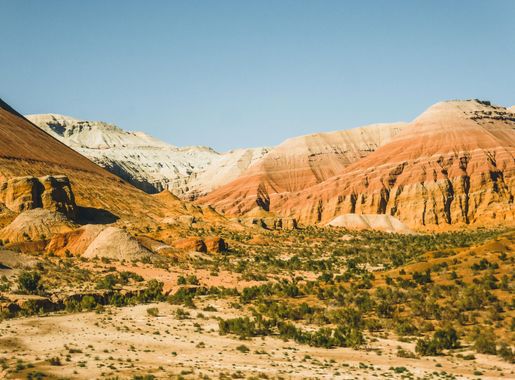
Nestled in southeastern Kazakhstan, the Zhetysu Region is a treasure trove of natural and cultural wonders waiting to be explored. The region, often referred to as the 'Land of Seven Rivers,' boasts a diverse landscape ranging from lush valleys to towering mountain peaks. This makes it an ideal destination for nature lovers and adventure seekers alike. The region is home to the stunning Lake Alakol, a large saline lake that offers pristine beaches and therapeutic mineral waters. Nearby, the Altyn-Emel National Park showcases unique geological formations like the Singing Dunes and colorful Aktau Mountains, making it a must-visit for photographers and hikers. Cultural enthusiasts will find Zhetysu equally captivating. The region is steeped in history, with ancient petroglyphs at Tamgaly Tas and the ruins of medieval cities like Talgar and Koylyk. These sites offer a glimpse into the rich tapestry of civilizations that have thrived here over the centuries. Whether you're interested in exploring its natural beauty, delving into its historical sites, or simply soaking in the serene atmosphere, Zhetysu Region promises an unforgettable experience.

Know before you go
Hi, I'm Eve. Here are a few practical things to know before exploring Zhetysu Region.
- Best time to visit is from May to September for pleasant weather and optimal sightseeing conditions.
- Bring comfortable hiking shoes for exploring national parks and mountainous areas.
- Don't miss the Singing Dunes at Altyn-Emel National Park for a unique auditory experience.
- Consider hiring a local guide to enrich your visit with historical and cultural insights.
- Try local Kazakh cuisine at regional markets and eateries for an authentic culinary experience.
Explore Zhetysu Region: Things to Do, Places to Eat, Hotels & More
Handpicked recommendations for top attractions, local dining, accommodations, and more

Best attractions in Zhetysu Region
Top-rated picks
Best Attractions

Literaturnyy Muzey Imeni I. Zhansugurova
Explore the I. Zhansugurov Literary Museum in Taldykorgan, where Kazakhstan's rich literary heritage comes to life through captivating exhibits and artifacts.

Zhongar-Alatau National Park
Discover the breathtaking landscapes and rich biodiversity of Zhongar-Alatau National Park, Kazakhstan's natural gem for outdoor adventures.

Zhamanty gorge
Explore the breathtaking Zhamanty Gorge in Kazakhstan, a natural wonder with stunning cliffs and vibrant landscapes perfect for adventure and tranquility.

Zatoplennaya Barzha
Explore the captivating Zatoplennaya Barzha in Iliysk, where natural beauty meets rich history and an authentic cultural experience awaits.

Best landmarks in Zhetysu Region
Top-rated picks
Best Landmarks

Altyn Emel National Park
Explore Altyn Emel National Park, a breathtaking natural wonder in Kazakhstan, home to unique landscapes, rich biodiversity, and ancient cultural heritage.

Tamgaly-Tas
Explore the enchanting Tamgaly-Tas, a UNESCO World Heritage site filled with ancient petroglyphs and breathtaking landscapes in Kazakhstan.

Auliye Agash, 700 Letneye Derevo
Discover the serene beauty of Auliye Agash, a hidden tourist attraction in Auliyeagash, Kazakhstan, perfect for nature lovers and tranquility seekers.

Literaturnyy Muzey Imeni I. Zhansugurova
Explore the literary heart of Kazakhstan at Literaturnyy Muzey Imeni I. Zhansugurova, a captivating museum in Taldykorgan showcasing the nation's rich cultural heritage.

Best restaurants in Zhetysu Region
Top-rated picks
Best Restaurants

Status
Discover the exquisite flavors of Kazakhstan at Status Restaurant in Taldykorgan - where tradition meets modern culinary artistry.

Kus Zholy
Discover Kus Zholy in Taldykorgan: A culinary haven offering authentic Kazakh dishes in a warm and welcoming atmosphere.

Ұлытау
Savor authentic Kazakh cuisine at Ұлытау in Usharal – where tradition meets taste in an elegant setting.

Beloye Solntse Pustyni
Discover the rich flavors of Kazakhstan at Beloye Solntse Pustyni – where tradition meets taste in Taldykorgan.

Best bars in Zhetysu Region
Top-rated picks
Best Bars

Status
Discover the culinary excellence of Status Restaurant in Taldykorgan, where local flavors meet international cuisine in an elegant setting.
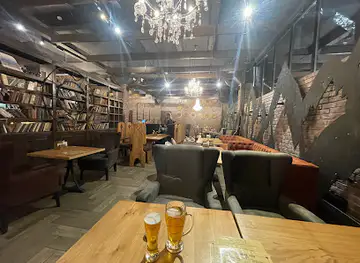
Hessen Pub
Discover the vibrant atmosphere and exquisite craft beers at Hessen Pub, Taldykorgan's premier brewpub offering delicious food and local flavors.

ПИНТА Bar&Grill
Discover the lively ПИНТА Bar&Grill in Taldykorgan, where vibrant dining meets a diverse drink selection for an unforgettable experience.

Beloye Solntse Pustyni
Discover the culinary delights of Taldykorgan at Beloye Solntse Pustyni, where authentic Kazakh cuisine meets modern dining in a welcoming atmosphere.

Best nightclubs in Zhetysu Region
Top-rated picks
Best Nightclubs

Kosmos
Discover the electric nightlife of Taldykorgan at Kosmos, where music, dance, and vibrant energy come together for an unforgettable experience.

Dzhotaro Tokiyskiy
Discover the exhilarating nightlife at Dzhotaro Tokiyskiy, where unforgettable music and vibrant energy await in the heart of Baiterek.
Nochnoy Klub Akhmadiya
Discover the electrifying atmosphere and vibrant nightlife at Nochnoy Klub Akhmadiya, the premier night club in Balpyk Bi, Kazakhstan.
Arkhor Ga Pyrt Pyrt Zhasagan Zher
Discover the ultimate nightlife experience at Arkhor Ga Pyrt Pyrt Zhasagan Zher, where vibrant music and lively atmosphere await every party enthusiast.

Best shops in Zhetysu Region
Top-rated picks
Best Shops

MEGA Alma-Ata
Discover MEGA Alma-Ata, the ultimate shopping mall in Almaty, where fashion, entertainment, and culinary delights come together for an unforgettable experience.

Dostyk Plaza
Discover diverse shopping, delectable dining, and delightful entertainment at Almaty's premier shopping mall, Dostyk Plaza.

Esentai Mall
Discover Esentai Mall in Almaty - a luxurious shopping and dining destination featuring international brands, exquisite cuisine, and vibrant entertainment options.

Zhetysu
Discover the vibrant Zhetysu Produce Market in Almaty, where fresh flavors and local culture come together in an unforgettable shopping experience.

Explore Zhetysu Region on the Map
A handpicked selection of must-see spots in Zhetysu Region, mapped for you.
Zhetysu Region Essentials
-
The Zhetysu Region is accessible via Almaty International Airport, which is the nearest major airport. From the airport, you can take a domestic flight to Taldykorgan, the administrative center of the region. Alternatively, you can take a bus or hire a private taxi from Almaty to Taldykorgan, which takes approximately 4-5 hours by road. Train services are also available, offering a scenic and comfortable journey through Kazakhstan's diverse landscapes.
-
Within the Zhetysu Region, transportation options include local buses, minibuses (marshrutkas), and taxis. Public transport is affordable and connects major towns and attractions. For more flexibility, consider renting a car, which allows you to explore remote areas at your own pace. Bicycles are also a popular option for short distances, especially in more rural areas.
-
The official currency in Kazakhstan is the Kazakhstani Tenge (KZT). Credit cards are widely accepted in larger towns like Taldykorgan, but it is advisable to carry cash, especially when traveling to rural areas. ATMs are available in major towns, but it's wise to withdraw sufficient cash before venturing into more remote parts of the region.
-
Zhetysu Region is generally safe for tourists, but standard precautions should always be taken. Avoid walking alone at night in unfamiliar areas and keep an eye on your belongings in crowded places. While there are no specific high-crime areas targeting tourists, it's always prudent to stay aware of your surroundings.
-
In case of emergency, dial 112 for immediate assistance. The local police and medical facilities in Taldykorgan are equipped to deal with emergencies. It is highly recommended to have travel insurance that covers medical emergencies. Pharmacies are available in towns, where you can purchase over-the-counter medications for minor health issues.
-
Fashion: Do dress modestly, especially when visiting religious sites or rural areas. Avoid overly revealing clothing. Religion: Do respect local customs and traditions. When visiting mosques, dress conservatively and remove your shoes before entering. Public Transport: Do be respectful and offer your seat to elderly passengers. Don't eat or drink on public transport. Greetings: Do greet people with a handshake. A slight bow of the head is also a sign of respect. Eating & Drinking: Do try local delicacies and accept food offerings graciously. Don't refuse hospitality, as it is considered impolite.
-
To experience the Zhetysu Region like a local, visit local bazaars and markets where you can buy fresh produce and traditional Kazakh goods. Engage with locals, who are often friendly and willing to share stories about the region's history and culture. Don't miss visiting the Altyn-Emel National Park for its stunning landscapes and wildlife, and the historic Tamgaly-Tas petroglyphs for a glimpse into ancient Kazakh history. For a unique experience, consider staying in a yurt camp to immerse yourself in the nomadic lifestyle.
When is the best time to visit Zhetysu Region?
Useful Local Phrases for Zhetysu Region
You don't need to speak the language perfectly. Even learning a few simple words can make conversations warmer—and locals usually appreciate the effort.
— Eve

Here are the phrases I use most often in Zhetysu Region. Try a few—you'll be surprised how far they go! 😊
❤️
-
- HelloСәлем
[Salem] - GoodbyeҚош келдіңіз
[Qoş keldiniz] - YesИя
[Iya] - NoЖоқ
[Joq] - Please/You're welcomeӨтінемін
[Ötinemin] - Thank youРахмет сізге
[Rahmet sizge] - Excuse me/SorryКешіріңіз
[Keşiriñiz] - How are you?Қалайсыз?
[Qalaisız?] - Fine. And you?Жақсы. Сізден қалай?
[Jaqsı. Sizden qalai?] - Do you speak English?Сіз ағылшынша сөйлейсіз пе?
[Siz ağılşınşa söyleisiz pe?] - I don't understandМен түсінбедім
[Men tüsinbedim]
- HelloСәлем
-
- I'd like to see the menu, pleaseМенюді көрсем келеді ма?
[Menyudı körsem keledi ma?] - I don't eat meatМен қасым тамақ ішпеймін
[Men qasım tamaq işpeymin] - Cheers!Қуаныштымыз!
[Quanyştymyz!] - I would like to pay, pleaseТөлеуге болады ма?
[Töleuge bolady ma?]
- I'd like to see the menu, pleaseМенюді көрсем келеді ма?
-
- Help!Қолыңыздамаңыз!
[Qolıñyzdamañyz!] - Go away!Жұмысырмайсыз!
[Jumısırmaısız!] - Call the Police!Полицияға қоңырау шақырыңыз!
[Politsiyağa qoñırau şaqıryñız!] - Call a doctor!Дәрігерге қоңырау шақырыңыз!
[Därıgerge qoñırau şaqıryñız!] - I'm lostМен алыстанып жатамын
[Men alıstanyb jatamın] - I'm illМен ауырмын
[Men awırmin]
- Help!Қолыңыздамаңыз!
-
- I'd like to buy...Мен сатып алғым келеді...
[Men satıp alğım keledi...] - I'm just lookingМен тек көріп жатамын
[Men tek körip jatamın] - How much is it?Ол қанша бе?
[Ol qanşa be?] - That's too expensiveОл тым де арзан
[Ol tım de arzan] - Can you lower the price?Бағаны төмендете аласыз пе?
[Bağanı tömendete alasız pe?]
- I'd like to buy...Мен сатып алғым келеді...
-
- What time is it?Қанша уақыт?
[Qanşa waqıt?] - It's one o'clockБірде
[Birde] - Half past (10)Он бірде жарым
[On birde jarım] - MorningТаң
[Tañ] - AfternoonКеш
[Keş] - EveningКешкі
[Keşki] - YesterdayКеше
[Keşe] - TodayБүгін
[Bügin] - TomorrowЕртең
[Erteñ] - 1Бір
[Bir] - 2Екі
[Eki] - 3Үш
[Üsh] - 4Төрт
[Tört] - 5Бес
[Bes] - 6Алты
[Altı] - 7Жеті
[Jeti] - 8Сегіз
[Segiz] - 9Тоғыз
[Toğız] - 10Он
[On]
- What time is it?Қанша уақыт?
-
- Where's a/the...?...қайда?
[...qayda?] - What's the address?Мекенжай неге?
[Mekenjay nege?] - Can you show me (on the map)?Меніңге көрсетуіңіз болар ма?
[Meniñge körsetuiñiz bolar ma?] - When's the next (bus)?Келесі қашан?
[Kelesi qaşan?] - A ticket (to ....)Билет (....ға)
[Bilet (....ğa)]
- Where's a/the...?...қайда?
History of Zhetysu Region
-
Zhetysu, also known as the 'Land of Seven Rivers,' was a critical hub on the ancient Silk Road. This region served as a major trade route linking the East and the West, facilitating the exchange of goods, culture, and ideas. Merchants traveling through Zhetysu brought with them silk, spices, precious metals, and other valuable commodities, leaving behind a rich tapestry of cultural and historical artifacts.
-
The Zhetysu region was once inhabited by the Saka people, a nomadic group known for their horsemanship and warrior skills. The Saka left behind numerous kurgans or burial mounds, which have provided valuable insights into their way of life. Artifacts such as golden jewelry, weapons, and horse harnesses discovered in these kurgans highlight their craftsmanship and the high status of their leaders.
-
In the 6th century, the Zhetysu region became part of the Turkic Khaganate, a vast empire that stretched from Mongolia to the Black Sea. The Turks brought significant cultural and political changes to the region, establishing it as a key center of their empire. The influence of the Turkic Khaganate is still evident in the local culture, language, and traditions.
-
The 13th century saw the arrival of the Mongol hordes led by Genghis Khan. The Mongol invasion had a profound impact on Zhetysu, leading to the destruction of many cities and settlements. However, it also led to the eventual integration of the region into the vast Mongol Empire, which facilitated further cultural exchanges and the spread of ideas.
-
In the 15th century, the Kazakh Khanate was established in the Zhetysu region, marking a new era in the region's history. The Khanate played a crucial role in unifying the Kazakh tribes and defending the territory against external threats. This period saw the development of Kazakh identity, culture, and traditions that continue to influence the region today.
-
In the 19th century, Zhetysu became part of the Russian Empire, which brought about significant changes in the region's administrative and social structure. The construction of railways and the influx of Russian settlers during this period led to economic development but also resulted in cultural shifts. During the Soviet era, Zhetysu underwent further transformation with the establishment of collective farms and industrialization, leaving a lasting impact on its landscape and society.
-
Following the dissolution of the Soviet Union in 1991, Kazakhstan gained independence, and Zhetysu became part of the newly-formed Republic of Kazakhstan. The region has since experienced a resurgence in cultural pride and economic development. Efforts have been made to preserve and promote the rich history and heritage of Zhetysu, making it a fascinating destination for travelers interested in exploring Kazakhstan's past and present.
Neighbouring destination travel guides
Browse our curated selection of top destinations, scenic points, and must-visit spots in the area.


Your all‑in‑one travel companion app
Explore expert travel guides, compare and book tours, experiences, hotels, and more—all from the palm of your hand. Download now for seamless trip planning wherever your wanderlust takes you.


Explore More of Semirechye (Seven Rivers)

Looking beyond Zhetysu Region? Discover Semirechye (Seven Rivers) for broader travel guides, local hot-spots, and regional highlights.
Explore Semirechye (Seven Rivers)Explore More of Kazakhstan

Looking beyond Zhetysu Region? Discover Kazakhstan for broader travel guides, local hot-spots, and regional highlights.
Explore KazakhstanZhetysu Region in Photos
Browse through our photo collection highlighting the charm and character of the destination.





Zhetysu Region: Kazakhstan's Hidden Gem
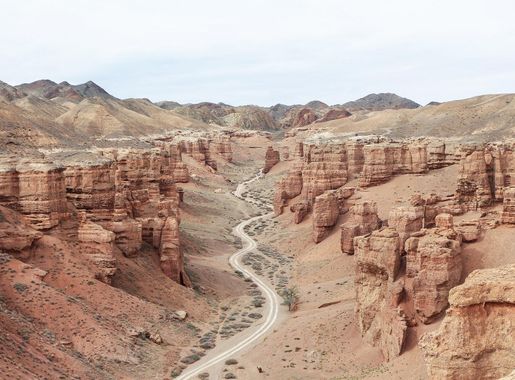
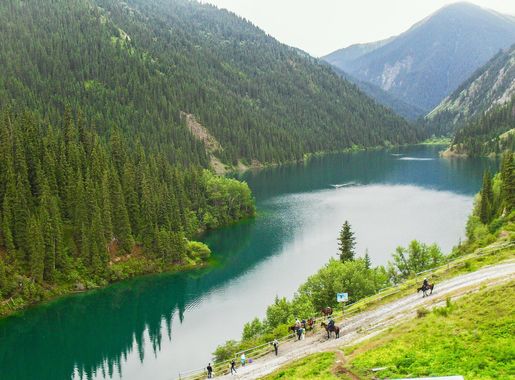
Nestled in southeastern Kazakhstan, the Zhetysu Region is a treasure trove of natural and cultural wonders waiting to be explored. The region, often referred to as the 'Land of Seven Rivers,' boasts a diverse landscape ranging from lush valleys to towering mountain peaks. This makes it an ideal destination for nature lovers and adventure seekers alike. The region is home to the stunning Lake Alakol, a large saline lake that offers pristine beaches and therapeutic mineral waters. Nearby, the Altyn-Emel National Park showcases unique geological formations like the Singing Dunes and colorful Aktau Mountains, making it a must-visit for photographers and hikers. Cultural enthusiasts will find Zhetysu equally captivating. The region is steeped in history, with ancient petroglyphs at Tamgaly Tas and the ruins of medieval cities like Talgar and Koylyk. These sites offer a glimpse into the rich tapestry of civilizations that have thrived here over the centuries. Whether you're interested in exploring its natural beauty, delving into its historical sites, or simply soaking in the serene atmosphere, Zhetysu Region promises an unforgettable experience.