

Free Zuunmod Travel Guide & Mobile App
Plan your Zuunmod trip with Evendo. Get free guides to top attractions, restaurants, hotels, and bars. Web access or download the mobile app.


Zuunmod, Mongolia, pairs Töv Province heritage with Manzushir Monastery, Bogd Khan mountain scenery, open steppe and easy access to Ulaanbaatar.
A Provincial Capital Beside the Steppe
Zuunmod is the administrative centre of Töv Province, lying south of Ulaanbaatar on the northern edge of the Bogd Khan Uul mountain range. Its name means “a hundred trees”, an apt reminder that this small city occupies a greener, more sheltered setting than the surrounding grassland. Zuunmod is not a conventional sightseeing capital: its appeal lies in its role as a provincial centre, its proximity to Mongolia’s oldest protected mountain landscape, and the wide horizons that begin almost immediately beyond its streets.Read more about Zuunmod
Mountain Heritage and Monastic Ruins
Life in Töv Province
When is the best time to visit Zuunmod?
Best: June–August · 25–29°C| Month | High (°C) | Rainfall (mm) |
|---|---|---|
| January | -11 | 0 |
| February | -6 | 0 |
| March | 4 | 1 |
| April | 13 | 2 |
| May | 20 | 4 |
| June (best) | 25 | 8 |
| July (best) | 29 | 9 |
| August (best) | 26 | 6 |
| September | 17 | 2 |
| October | 7 | 1 |
| November | -1 | 1 |
| December | -7 | 0 |
Getting to and around Zuunmod
How to get there
Transportation
Best landmarks in Zuunmod
The most meaningful landmark associated with Zuunmod is Manzushir Khiid, whose surviving ruins and restored temple museum commemorate an important Buddhist centre founded in 1733. Its stone remains sit beneath the forested slopes of Bogd Khan Uul, linking religious history with a protected natural setting. Bogd Khan Uul itself is a cultural landscape as much as a mountain landmark: sacred summits, ovoos and long-protected woodland reflect centuries of spiritual and environmental traditions. In the city, the Töv Province administrative centre and public buildings represent Zuunmod’s twentieth-century role as an aimag capital, established in its modern form in 1942. The Töv Province Museum adds an institutional landmark of regional memory, presenting the area’s historical, cultural and natural identity. Together, these places trace a movement from sacred mountain and monastery to planned provincial town without implying that the city possesses the monumental urban architecture of Ulaanbaatar.
-
Supermarket
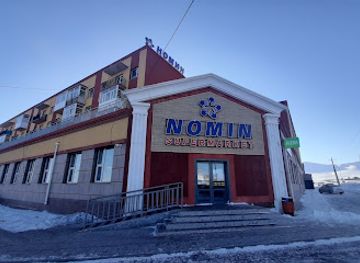
Nomin Supermarket
Explore the vibrant Nomin Supermarket in Zuunmod, a treasure trove of local delicacies and everyday essentials for tourists.
7 min walk · 0.6 km from city centre
-
 Hiking area
Зуун мод
Explore Zuunmod, Mongolia: a breathtaking hiking area offering stunning landscapes and a perfect escape into nature's tranquility.
11 min walk · 0.9 km from city centre
-
Town square
Talbai
Experience the vibrant culture and everyday life at Talbai Town Square in Zuunmod, a must-visit destination for every traveler in Mongolia.
1 min walk · 0.1 km from city centre
Explore Zuunmod on the map
Plan your Zuunmod trip on one map. See where the top attractions, landmarks, restaurants, bars and hotels are, find what's near where you're staying, and book hotels and experiences in a few clicks.
Best hotels in Zuunmod
Best restaurants in Zuunmod
Dining in Zuunmod reflects the practical food culture of central Mongolia, with filling meals built around mutton, beef, flour, rice and dairy products. Buuz, steamed meat dumplings, khuushuur, fried meat pastries, and noodle dishes such as tsuivan are common choices in local canteens and restaurants. Suutei tsai, salty milk tea, is a familiar accompaniment, while aaruul and other dried curds represent the importance of dairy in Mongolian cuisine. Eating options are concentrated around the town centre and main commercial streets, with simple restaurants, cafés, bakeries and shops supplying provisions for journeys into the mountains. The city does not have the breadth of international dining found in Ulaanbaatar, but that limited scale makes it a useful place to encounter ordinary provincial meals. Visitors heading to Manzushir Khiid should carry water and snacks rather than expect a substantial range of food services at the site.
-
Restaurant
K-8
Experience authentic Mongolian flavors at K-8 in Zuunmod—where tradition meets culinary excellence.
7 min walk · 0.5 km from city centre
-
Restaurant
K-1
Experience the rich flavors of Mongolia at K-1 Restaurant in Zuunmod - where tradition meets culinary excellence.
6 min walk · 0.5 km from city centre
-
Fast Food
Ekhlel Bakery
Discover Ekhlel Bakery in Zuunmod – where local fast food meets delightful flavors in an inviting atmosphere.
2 min walk · 0.2 km from city centre
-
Restaurant
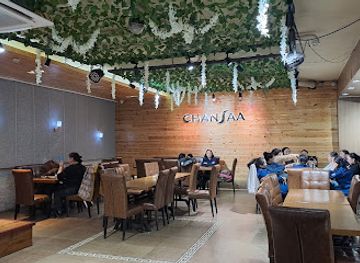
Чансаа
Experience authentic Mongolian cuisine at Chansaa in Zuunmod – where tradition meets taste.
2 min walk · 0.2 km from city centre
Best bars in Zuunmod
Zuunmod has a restrained evening scene suited more to local socialising than to destination nightlife. Small cafés, restaurants and modest bars provide places for an informal drink or meal, while the main streets become quiet earlier than those of Ulaanbaatar. There is little reason to expect a concentration of nightclubs, international cocktail bars or late-night entertainment, and choices may vary with the season and day of the week. Evenings are better suited to a relaxed meal, a walk through the central area or conversation with local residents. Visitors staying near the mountain should also remember that rural accommodation and monastery surroundings are peaceful spaces where noise is inappropriate. For theatre, live music and a broader choice of organised evening entertainment, Ulaanbaatar remains the nearest major centre.
-
Lounge
Food
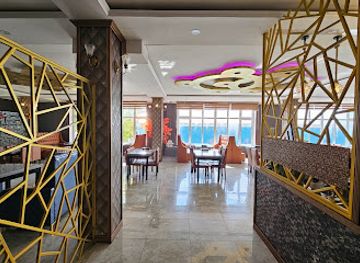
Discover the essence of Mongolian hospitality at Сэрүүн дэнж Lounge in Zuunmod, Töv—your cozy retreat for relaxation and refreshment.
11 min walk · 0.9 km from city centre
Best nightclubs in Zuunmod
Zuunmod has a restrained evening scene suited more to local socialising than to destination nightlife. Small cafés, restaurants and modest bars provide places for an informal drink or meal, while the main streets become quiet earlier than those of Ulaanbaatar. There is little reason to expect a concentration of nightclubs, international cocktail bars or late-night entertainment, and choices may vary with the season and day of the week. Evenings are better suited to a relaxed meal, a walk through the central area or conversation with local residents. Visitors staying near the mountain should also remember that rural accommodation and monastery surroundings are peaceful spaces where noise is inappropriate. For theatre, live music and a broader choice of organised evening entertainment, Ulaanbaatar remains the nearest major centre.
-
Lounge
Food
Experience the essence of Mongolian hospitality at this cozy lounge in Zuunmod, perfect for relaxation and local culinary delights.
11 min walk · 0.9 km from city centre
Best shops in Zuunmod
Shopping in Zuunmod is concentrated around practical local commerce rather than a dedicated tourist retail quarter. Small shops, markets and food businesses serve residents with everyday goods, clothing, household supplies and provisions for travel. Visitors may find Mongolian staples such as dried curds, packaged dairy products, sweets and locally produced foods, although selection and packaging vary. Souvenirs are less extensive than in Ulaanbaatar, while distinctive Mongolian items such as felt goods, cashmere, leather products and traditional clothing are more reliably available in the capital or larger regional markets. A visit to the town’s commercial centre can nevertheless be useful for observing provincial daily life and buying snacks before heading towards Bogd Khan Uul. Bargaining should not be assumed in ordinary shops, and cash in Mongolian tögrög remains useful for smaller purchases.
-
Supermarket
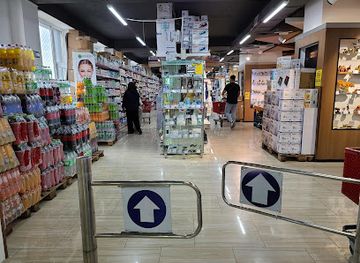
Nomin Supermarket
Discover authentic Mongolian flavors and products at Nomin Supermarket, the vibrant shopping hub in Zuunmod.
7 min walk · 0.6 km from city centre
-
Supermarket
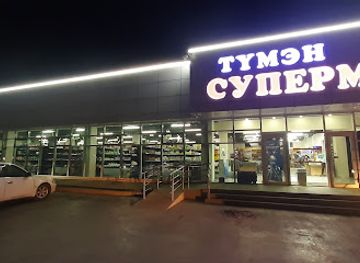
Tumen super market Түмэн супер маркэт
Explore the vibrant Tumen Supermarket in Zuunmod for a true taste of Mongolian culture and local flavors.
6 min drive · 2.1 km from city centre
-
Coffee shop
Enji's bubble shop
Discover the cozy charm of Enji's Bubble Shop in Zuunmod, Töv, where fresh coffee and delicious bubble tea await every visitor.
2 min walk · 0.2 km from city centre
-
Grocery store
Undram supermarket
Discover local flavors and essentials at Undram Supermarket, the perfect shopping destination in Zuunmod, Töv for tourists seeking convenience and variety.
6 min walk · 0.5 km from city centre


Get your free copy of our complete guide to Zuunmod, delivered straight to you.
Everything on this page, from attractions and restaurants to essentials and local phrases, in one PDF you can read offline, print or share.
Already have an account? Sign in
Your Zuunmod guide is ready.
We'll send it to · Not you? Sign out

Getting your guide ready…
We are putting together a fresh copy of the Zuunmod guide. This can take up to a minute.
This can take a few moments. If your browser asks, choose Allow so the download can start. You'll find the guide in your Downloads folder.
Nothing happened? Download it again
Sorry, the guide is taking longer than usual. Please try again in a minute, or get it by email instead.
Zuunmod essentials
Currency and Payment
Safety
Emergency Situations
Do's and Don'ts
Local Tips
From Eve
Local phrases worth knowing
You don't need to get them perfect. A few words go a long way, and locals appreciate the effort.
Basics
| English | Local | Say it |
|---|---|---|
| Hello | Сайн уу | [Sain uu] |
| Goodbye | Баяртай | [Bayartai] |
| Yes | Тийм | [Tiim] |
| No | Үгүй | [Ugui] |
| Please/You're welcome | Гүйцэтгэх | [Güĭtsetgekh] |
| Thank you | Баярлалаа | [Bayarlalaa] |
| Excuse me/Sorry | Уучлаарай | [Uuchlaarai] |
| How are you? | Чамайг яаж үү? | [Chamaig yaaj uu?] |
| Fine. And you? | Сайхан. Та надад чиний хүн байна уу? | [Saikhan. Ta nadad chini khün baina uu?] |
| Do you speak English? | Та англиар ярьдаг вэ? | [Ta angliar yaridag ve?] |
| I don't understand | Би ойлгож чадаагүй | [Bi oilgozh chadaagüi] |
Eating & Drinking
| English | Local | Say it |
|---|---|---|
| I'd like to see the menu, please | Менюг харж болно | [Menyug kharj bolno] |
| I don't eat meat | Би мах хоолоод гэмтэй | [Bi makh kholood gemtei] |
| Cheers! | Төгсгөл | [Tögsgöl] |
| I would like to pay, please | Тэгэхийг хүсч байна | [Tegexiig khüsch baina] |
Emergencies
| English | Local | Say it |
|---|---|---|
| Help! | Туслаач! | [Tuslaach!] |
| Go away! | Алга! | [Alga!] |
| Call the Police! | Полицыг дууда | [Politsyg duuda] |
| Call a doctor! | Эмнэлэг дууда | [Emneleg duuda] |
| I'm lost | Би алсан | [Bi alsan] |
| I'm ill | Би өвчтэй | [Bi övchtei] |
Shopping
| English | Local | Say it |
|---|---|---|
| I'd like to buy... | Би худалдан авахыг хүсч байна | [Bi khudaldan avakhüg khüsch baina] |
| I'm just looking | Би зөвхөн хараад байна | [Bi zövkhn kharaad baina] |
| How much is it? | Энэ хэдэн үнэтэй вэ? | [Ene kheden ünetei ve?] |
| That's too expensive | Энэ хэт их үнэтэй байна | [Ene khet ikh ünetei baina] |
| Can you lower the price? | Та үнээ хасах боломжтой вэ? | [Ta ünee khasakh bolomjtai ve?] |
Time & Numbers
| English | Local | Say it |
|---|---|---|
| What time is it? | Цаг хэдэн байна вэ? | [Tsag kheden baina ve?] |
| It's one o'clock | Нэг цаг байна | [Neg tsag baina] |
| Half past (10) | Арван оны цагийн дунд | [Arvan oni tsagiin dund] |
| Morning | Өглөө | [Öglöö] |
| Afternoon | Орой | [Oroi] |
| Evening | Орой | [Oroi] |
| Yesterday | Өчигдөр | [Öchigdör] |
| Today | Өнөөдөр | [Önöödör] |
| Tomorrow | Маргааш | [Margaash] |
| 1 | Нэг | [Neg] |
| 2 | Хоёр | [Khoyor] |
| 3 | Гурван | [Gurvan] |
| 4 | Дөрөв | [Döröv] |
| 5 | Таван | [Tavan] |
| 6 | Зургаа | [Zurgaa] |
| 7 | Долоо | [Doloo] |
| 8 | Найм | [Naim] |
| 9 | Ес | [Es] |
| 10 | Арван | [Arvan] |
Transport & Directions
| English | Local | Say it |
|---|---|---|
| Where's a/the...? | ...хаана байна вэ? | [...khaana baina ve?] |
| What's the address? | Хаяг хаягдаа вэ? | [Khayag khayagdaa ve?] |
| Can you show me (on the map)? | (Газрын зураг дээр) нэмж харагдуулж болох уу? | [(Gazrin zurag deer) nemj kharagduulj bolokh uu?] |
| When's the next (bus)? | Дараа хэдэн цаг болох вэ? | [Daraa kheden tsag bolokh ve?] |
| A ticket (to ....) | Тасалбар (....-руу) | [Tasalbar (....-ruu)] |
History of Zuunmod
Sacred Origins of Bogd Khan Uul
The mountain south of present-day Zuunmod has long held spiritual importance in the Mongolian landscape. In 1778, under the Qing administration, Bogd Khan Uul received formal protection following a petition associated with the Mongolian nobles and religious establishment of Khüree, the settlement that became Ulaanbaatar. This status is often regarded as one of the earliest examples of legally protected mountain territory anywhere in the world. Sacred peaks, woodland valleys and ovoos, or cairns used in ritual offerings, connected the mountain to Mongolian Buddhist and pastoral traditions, giving the area an identity older than the modern city itself.
The Foundation of Manzushir Khiid
Manzushir Khiid was founded in 1733 in a valley on the southern side of Bogd Khan Uul, becoming an important centre of the Gelug school of Tibetan Buddhism in Mongolia. The monastery complex expanded over time and supported religious study, ritual practice and a substantial monastic community. Its setting near forested slopes and clear mountain streams made it both a spiritual destination and a landmark within the wider Khüree region. The surviving ruins and restored buildings offer a tangible link with the religious networks that shaped Mongolian society before the twentieth-century revolution.
Revolution and a New Political Order
The 1921 Mongolian Revolution ended Chinese rule and began the construction of a Soviet-aligned Mongolian state. Religious institutions were increasingly brought under state pressure as the new government pursued centralisation and socialist reform. The area around Khüree remained politically important, while surrounding monasteries and aristocratic estates lost influence. These changes affected the economy, social hierarchy and cultural life of the region, replacing many older institutions with state administration, secular education and collective forms of organisation.
Religious Destruction in the 1930s
Mongolia’s political purges and anti-religious campaign of the late 1930s brought the destruction or closure of monasteries across the country. Manzushir Khiid was largely ruined, and its monks were dispersed, imprisoned or killed during the repression. Religious buildings were dismantled or repurposed, leaving the stone foundations and fragments visible today. The destruction severed the monastery’s institutional life, but not its significance in local memory. Later restoration work and the museum established on the site preserve part of its history without recreating the original complex in full.
Zuunmod as Töv’s Administrative Centre
Zuunmod developed as the centre of Töv Province in the socialist period and was formally established as the aimag’s administrative capital in 1942. Its growth reflected the state’s effort to organise Mongolia through provincial institutions, schools, health services and planned urban settlements rather than monastery-based authority. Apartment blocks, government offices and broad public spaces came to define the town’s built environment. Since Mongolia’s democratic transition in 1990, Zuunmod has continued as a provincial centre, while the revival of Buddhist practice and improved access to Bogd Khan Uul have renewed attention to the area’s older heritage.
Zuunmod in Photos
Browse through our photo collection highlighting the charm and character of the destination.
Cities near Zuunmod
The closest cities to Zuunmod, if you have time for more than one stop.

Swipe for more cities
Explore more

Explore more of Mongolia
Discover Mongolia: From the vast steppes and towering mountains to the rich nomadic culture and ancient traditions, experience the land of eternal blue sky.
Explore Mongolia