

Free Pavlodar Travel Guide & Mobile App
Plan your Pavlodar trip with Evendo. Get free guides to top attractions, restaurants, hotels, and bars. Web access or download the mobile app.


Pavlodar, Kazakhstan: explore Irtysh riverfronts, museums, mosques, Orthodox heritage, Soviet-era avenues and steppe landscapes near Bayanaul.
Riverfront Setting
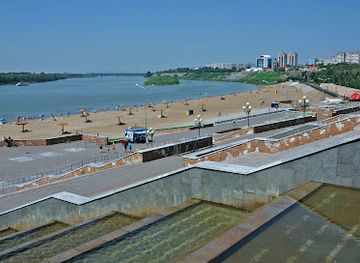
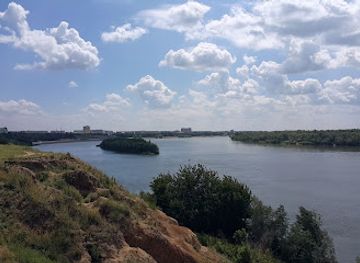
Pavlodar stands on the broad western bank of the Irtysh River in north-eastern Kazakhstan, where long avenues and open steppe horizons give the city a spacious, measured character. The riverfront is its most atmospheric public space: paths, lawns and viewpoints follow the water, while bridges and distant wooded banks add definition to an otherwise expansive landscape. Summer brings outdoor activity along the embankment, while winter exposes the severe beauty of the region's continental climate.Read more about Pavlodar
Layers of the City
Culture and Everyday Life
Beyond the Urban Edge
When is the best time to visit Pavlodar?
Best: May, August–September · 20–31°C| Month | High (°C) | Rainfall (mm) |
|---|---|---|
| January | -6 | 15 |
| February | -3 | 13 |
| March | 3 | 11 |
| April | 14 | 8 |
| May (best) | 25 | 9 |
| June | 32 | 11 |
| July | 35 | 15 |
| August (best) | 31 | 17 |
| September (best) | 20 | 15 |
| October | 8 | 10 |
| November | 2 | 11 |
| December | -3 | 16 |
Getting to and around Pavlodar
How to get there
Transportation
Best attractions in Pavlodar
Pavlodar's principal sightseeing area follows the Irtysh waterfront, where promenades, open views and public spaces provide a sense of the river that shaped the city's development. The Potanin Regional Museum introduces the archaeology, landscapes and communities of Pavlodar Region, while the Anton Chekhov Drama Theatre represents the city's continuing stage tradition. The Mashkhur Jusup Central Mosque and Annunciation Cathedral offer contrasting cultural and architectural experiences within the central urban area. Parks and broad avenues invite unhurried walks, particularly around the civic centre, and the House of Friendship provides a window onto Kazakhstan's multi-ethnic social fabric. Visitors interested in industrial history can read the city's planned districts and infrastructure as part of the attraction: Pavlodar is not a preserved old town but a living regional and manufacturing centre. The Irtysh is especially atmospheric in changing light, with its wide waterway and distant banks giving the city a more open landscape than its built-up streets suggest.
-
Tourist attraction
Naberezhnaya (Embankment)
Experience the beauty and tranquility of Naberezhnaya Embankment in Pavlodar, a scenic park perfect for relaxation and stunning views of the Ertis River.
7 min drive · 2.4 km from city centre
-
Tourist attraction
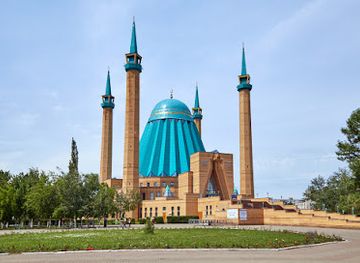
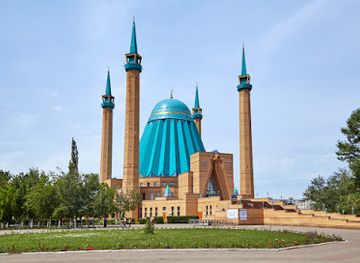
Mashkhur Zhusup Mosque
Experience the beauty and serenity of the Mashkhur Zhusup Mosque, a symbol of cultural heritage in Pavlodar, Kazakhstan.
15 min walk · 1.2 km from city centre
-
Tourist attraction
Goose Flight natural landmark
Explore Goose Flight natural landmark in Pavlodar, a stunning geological wonder that captivates with its breathtaking landscapes and unique rock formations.
11 min drive · 3.8 km from city centre
-
Tourist attraction
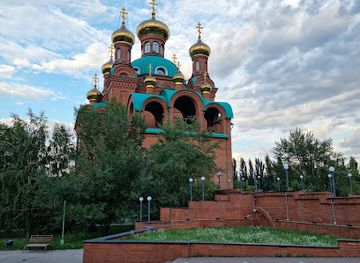
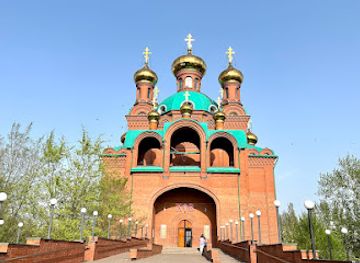
Cathedral of the Annunciation
Explore the architectural beauty and spiritual significance of the Cathedral of the Annunciation in Pavlodar, a must-visit landmark in Kazakhstan.
11 min drive · 3.5 km from city centre
Best landmarks in Pavlodar
The Mashkhur Jusup Central Mosque is one of Pavlodar's most recognisable modern landmarks, distinguished by its large dome and minarets and named after the Kazakh poet and religious scholar Mashkhur Jusup Kopeyev. The Annunciation Cathedral provides a contrasting Orthodox presence, with its domes and religious role reflecting the city's Russian and wider Christian heritage. The Anton Chekhov Drama Theatre is an important civic and cultural building, connecting Pavlodar with the long tradition of Russian-language theatre in the region. The Potanin Regional Museum is significant not only as a museum but also as a repository of the city's historical memory. Alongside these buildings, the Irtysh embankment functions as a civic landmark: it expresses Pavlodar's dependence on the river and offers one of the clearest views of the city's relationship with the surrounding steppe landscape. Broad Soviet-planned avenues and public buildings complete this layered urban character.
-
Shopping mall
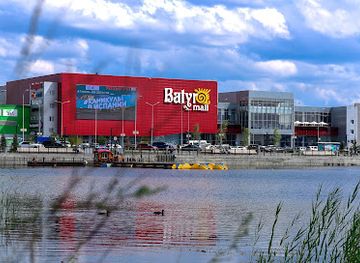
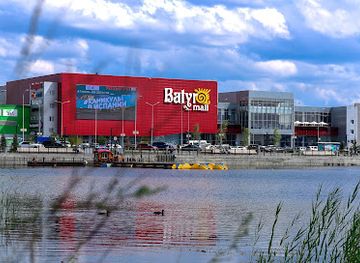
Batyr Mall
Discover the ultimate shopping, dining, and entertainment experience at Batyr Mall in Pavlodar, a vibrant hub for tourists and locals alike.
18 min walk · 1.4 km from city centre
-
Mosque
Mashkhur Zhusup Mosque
Explore the stunning Mashkhur Zhusup Mosque in Pavlodar, a symbol of spiritual heritage and architectural brilliance, perfect for cultural enrichment.
15 min walk · 1.2 km from city centre
-
Sports club
Zelenaya Roshcha
Discover Zelenaya Roshcha, a vibrant sports club in Pavlodar, where adventure meets nature in an unparalleled athletic experience.
20 min drive · 6.6 km from city centre
-
Cathedral
Cathedral of the Annunciation
Explore the Cathedral of the Annunciation in Pavlodar, a stunning architectural gem blending spirituality and cultural heritage in Kazakhstan.
11 min drive · 3.5 km from city centre
Explore Pavlodar on the map
Plan your Pavlodar trip on one map. See where the top attractions, landmarks, restaurants, bars and hotels are, find what's near where you're staying, and book hotels and experiences in a few clicks.
Best hotels in Pavlodar
Best restaurants in Pavlodar
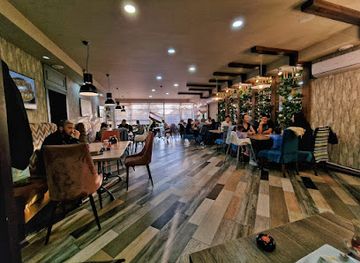
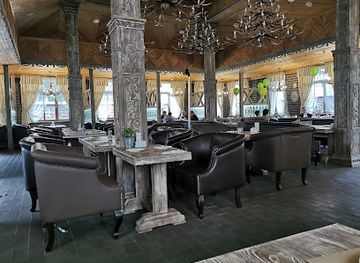
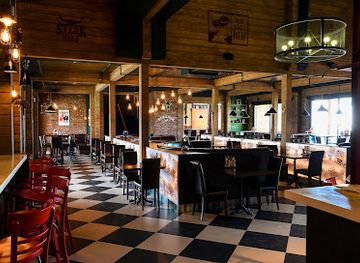
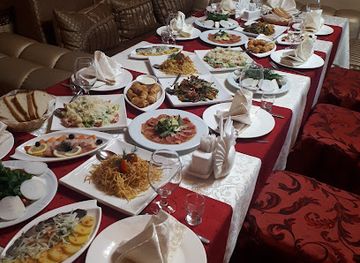
Pavlodar's dining scene reflects northern Kazakhstan's mixed cultural inheritance, with Kazakh dishes appearing alongside Russian, Central Asian and broader Eurasian cooking. Visitors may encounter beshbarmak, made traditionally with boiled meat and noodles, as well as manty, plov, lagman, baursaks and hearty soups suited to the region's cold winters. Cafés and casual restaurants in the centre provide familiar international food as well as local specialities, while tea remains an important part of everyday hospitality. Bakeries, canteens and markets offer practical ways to sample pastries, dairy products and sweets without a formal meal. The city's proximity to the Irtysh contributes to local food culture, although Pavlodar is better understood as a regional crossroads than as a narrowly defined river-fish destination. Dining is generally concentrated around central streets and shopping areas, with a quieter, family-oriented atmosphere than in Kazakhstan's largest cities.
-
Turkish
Izmir Doner & Steak House
Experience authentic Turkish cuisine at Izmir Doner & Steak House in Pavlodar - where flavor meets tradition in every dish.
6 min drive · 1.9 km from city centre
-
Brewpub
Alpenhof
Savor authentic German flavors at Alpenhof Brewpub in Pavlodar - where great food meets local brews.
6 min drive · 1.9 km from city centre
-
Grill
VERANDA
Experience exquisite grilled cuisine at Veranda in Pavlodar - where taste meets elegance in every dish.
16 min walk · 1.3 km from city centre
-
Restaurant
BOSSFOR
Experience the best of Kazakh cuisine at BOSSFOR in Pavlodar - where tradition meets modern dining.
17 min walk · 1.4 km from city centre
Best bars in Pavlodar
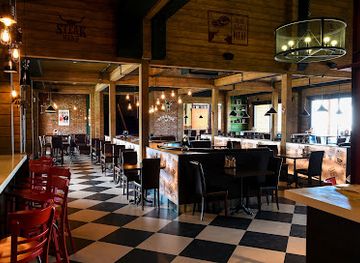
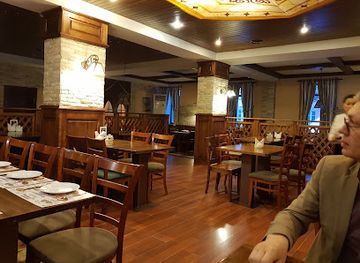
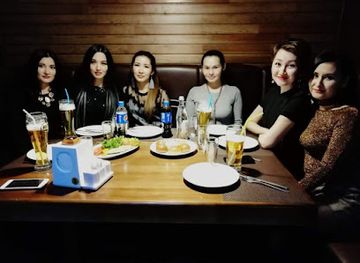
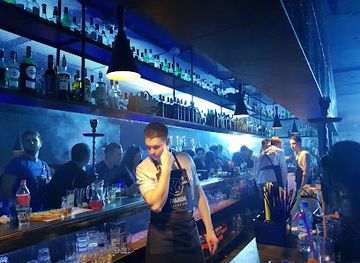
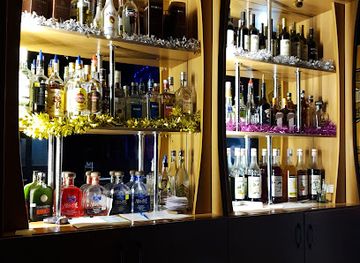
Pavlodar's evening scene is modest but varied, centred on cafés, pubs, karaoke venues and bars in the central districts rather than a single concentrated nightlife quarter. Theatres and cultural institutions provide a more established evening option, with drama and concert performances adding substance to the city's after-dark life. Restaurants and cafés often become social meeting places, while younger residents may favour contemporary bars and clubs around central commercial areas. The atmosphere is generally relaxed and local, and schedules, venues and opening arrangements can change, so current information is best checked locally. Alcohol is not the sole focus of evening activities: a walk along the Irtysh embankment, a theatre performance or a late café visit may suit travellers seeking a quieter experience. Respect ordinary local etiquette, particularly around religious buildings and residential streets, and arrange transport back to accommodation in advance if travelling late.
-
Grill
VERANDA
Experience the rich flavors of expertly grilled dishes and vibrant cocktails at Veranda, Pavlodar's premier dining destination.
16 min walk · 1.3 km from city centre
-
Bar
Birkhana
Explore the lively atmosphere of Birkhana, Pavlodar's go-to bar for a fantastic drink selection and unforgettable social moments.
6 min drive · 1.9 km from city centre
-
Bar
River Pub
Discover the vibrant atmosphere of River Pub, a riverside bar in Pavlodar offering refreshing drinks, tasty snacks, and stunning views.
18 min walk · 1.4 km from city centre
-
Bar
Chechil-pab
Discover the vibrant atmosphere of Chechil-pab, a must-visit bar in Pavlodar offering extensive drinks and local entertainment.
9 min drive · 3.2 km from city centre
Best nightclubs in Pavlodar
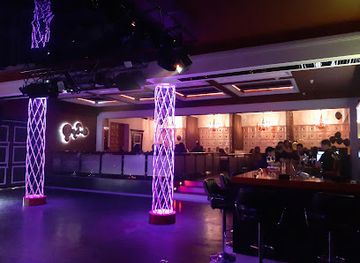
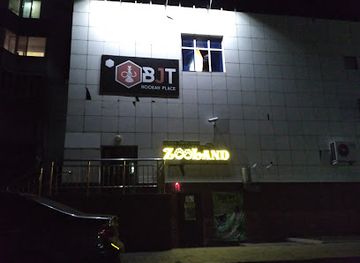
Pavlodar's evening scene is modest but varied, centred on cafés, pubs, karaoke venues and bars in the central districts rather than a single concentrated nightlife quarter. Theatres and cultural institutions provide a more established evening option, with drama and concert performances adding substance to the city's after-dark life. Restaurants and cafés often become social meeting places, while younger residents may favour contemporary bars and clubs around central commercial areas. The atmosphere is generally relaxed and local, and schedules, venues and opening arrangements can change, so current information is best checked locally. Alcohol is not the sole focus of evening activities: a walk along the Irtysh embankment, a theatre performance or a late café visit may suit travellers seeking a quieter experience. Respect ordinary local etiquette, particularly around religious buildings and residential streets, and arrange transport back to accommodation in advance if travelling late.
-
Karaoke bar
Pepper
Experience the vibrant nightlife of Pavlodar at Pepper, a karaoke bar where every night is a celebration of music and fun.
5 min drive · 1.6 km from city centre
-
Night club
4 Komnaty
Discover the vibrant nightlife of Pavlodar at 4 Komnaty Night Club, where music, dancing, and unforgettable memories await you.
10 min walk · 0.8 km from city centre
-
Night club
B'yuti Klub Neshatayeva Aleksandra
Discover the electrifying nightlife of Pavlodar at B'yuti Klub Neshatayeva Aleksandra, where music and dance unite for an unforgettable experience.
11 min drive · 3.7 km from city centre
-
Night club
Ночной Клуб Mojo
Experience the vibrant nightlife of Pavlodar at Mojo Night Club, where music, dance, and a lively atmosphere create unforgettable memories.
9 min drive · 3.1 km from city centre
Best shops in Pavlodar
Shopping in Pavlodar is oriented towards everyday life rather than souvenir tourism, with central shopping streets, indoor retail centres, neighbourhood shops and traditional markets serving local residents. Markets are useful for seeing the region's food culture through displays of seasonal produce, dairy goods, dried foods, bread and sweets, while ordinary shops provide practical examples of contemporary Kazakh consumer life. Visitors looking for gifts can consider packaged regional foods, tea, confectionery, felt goods or small items inspired by Kazakh ornament, taking care to distinguish locally made products from mass-produced imports. Modern shopping centres offer clothing, electronics, cafés and services, whereas smaller retailers and market stalls provide a more direct sense of the city's commercial rhythms. Bargaining is not automatically expected in fixed-price shops, though polite negotiation may be possible at some market stalls. Pavlodar's retail landscape is best approached as a window onto a regional city rather than as a specialised craft-shopping destination.
-
Shopping mall
Batyr Mall
Explore Batyr Mall in Pavlodar for a unique shopping experience and a wide array of entertainment options, perfect for families and friends alike.
18 min walk · 1.4 km from city centre
-
Shopping mall
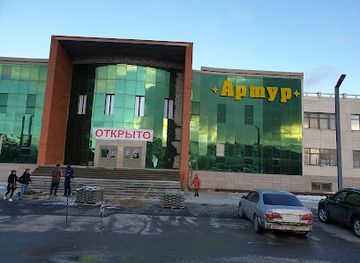
Shopping Mall Artur
Discover Shopping Mall Artur in Pavlodar, a vibrant shopping destination with a mix of local and international brands, dining, and entertainment options.
13 min walk · 1.1 km from city centre
-
Shopping mall
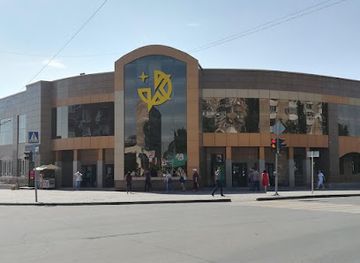
Quasar
Experience the vibrant shopping, dining, and entertainment scene at Quasar, Pavlodar's premier shopping mall.
10 min walk · 0.8 km from city centre
-
Shopping mall
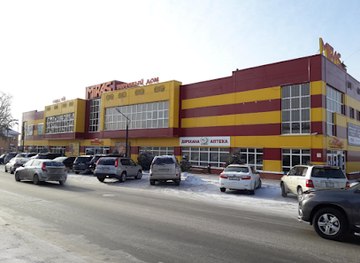
Miras
Discover the ultimate shopping experience at Miras Shopping Mall in Pavlodar, where retail, dining, and entertainment converge for a memorable day out.
13 min walk · 1.1 km from city centre
Get your free copy of our complete guide to Pavlodar, delivered straight to you.
Everything on this page, from attractions and restaurants to essentials and local phrases, in one PDF you can read offline, print or share.
Already have an account? Sign in
Your Pavlodar guide is ready.
We'll send it to · Not you? Sign out

Getting your guide ready…
We are putting together a fresh copy of the Pavlodar guide. This can take up to a minute.
This can take a few moments. If your browser asks, choose Allow so the download can start. You'll find the guide in your Downloads folder.
Nothing happened? Download it again
Sorry, the guide is taking longer than usual. Please try again in a minute, or get it by email instead.
Pavlodar essentials
Currency and Payment
Safety
Emergency Situations
Do's and Don'ts
Local Tips
From Eve
Local phrases worth knowing
You don't need to get them perfect. A few words go a long way, and locals appreciate the effort.
Basics
| English | Local | Say it |
|---|---|---|
| Hello | Сәлем | [Salem] |
| Goodbye | Қош келдіңіз | [Qoş keldiniz] |
| Yes | Ия | [Iya] |
| No | Жоқ | [Joq] |
| Please/You're welcome | Рахмет/Қош келдіңіз | [Rahmet/Qoş keldiniz] |
| Thank you | Рахмет | [Rahmet] |
| Excuse me/Sorry | Кешіріңіз | [Keshiriniz] |
| How are you? | Қалайсыңыз? | [Qalaisiniz?] |
| Fine. And you? | Жақсым. Сіздің жақсылығыңыз? | [Jaqsım. Sizdin jaqsılığıñız?] |
| Do you speak English? | Сіз ағылшынша сөйлейсіз бе? | [Siz ağılşınşa söylesiz be?] |
| I don't understand | Мен түсінбеймін | [Men tüsinbeymin] |
Eating & Drinking
| English | Local | Say it |
|---|---|---|
| I'd like to see the menu, please | Менюмен танысуға болады маған, рахмет | [Menyumen tanısuga bolady magan, rahmet] |
| I don't eat meat | Мен мясо тамағымаймын | [Men myaso tamagımamın] |
| Cheers! | Бейбітшілік! | [Beybitsilık!] |
| I would like to pay, please | Төлеуге болады маған, рахмет | [Töleuge bolady magan, rahmet] |
Emergencies
| English | Local | Say it |
|---|---|---|
| Help! | Көмек! | [Kömek!] |
| Go away! | Ауыр! | [Awr!] |
| Call the Police! | Полицияға қоңырау шақырыңыз! | [Politsiyağa qoshyraw shaqıryńız!] |
| Call a doctor! | Докторды шақырыңыз! | [Doktordı shaqıryńız!] |
| I'm lost | Мен алысқанмын | [Men alysqanmın] |
| I'm ill | Мен ауырмын | [Men awırmın] |
Shopping
| English | Local | Say it |
|---|---|---|
| I'd like to buy... | Сатып алғым келеді... | [Satıp algım keledi...] |
| I'm just looking | Тек көріп жатамын | [Tek körip zhatamın] |
| How much is it? | Ол каншаға болады? | [Ol kanshaga bolady?] |
| That's too expensive | Ол тым де арзан | [Ol tım de arzan] |
| Can you lower the price? | Бағаны төменге алатын бола ма? | [Baganı tömenge alatın bıla ma?] |
Time & Numbers
| English | Local | Say it |
|---|---|---|
| What time is it? | Қандай уақыт? | [Qanday waqıt?] |
| It's one o'clock | Бір уақыт | [Bir waqıt] |
| Half past (10) | Оннан кейін | [Onnan keyın] |
| Morning | Таң | [Tan] |
| Afternoon | Кеш | [Keş] |
| Evening | Кеш | [Keş] |
| Yesterday | Кеше | [Keşe] |
| Today | Бүгін | [Bugın] |
| Tomorrow | Ертең | [Erteñ] |
| 1 | бір | [bir] |
| 2 | екі | [eki] |
| 3 | үш | [üş] |
| 4 | төрт | [tört] |
| 5 | бес | [bes] |
| 6 | алты | [altı] |
| 7 | жеті | [jeti] |
| 8 | сегіз | [segiz] |
| 9 | тоғыз | [toğız] |
| 10 | он | [on] |
Transport & Directions
| English | Local | Say it |
|---|---|---|
| Where's a/the...? | ... қайда? | [... qayda?] |
| What's the address? | Мекен-жайы қандай? | [Meken-jayı qanday?] |
| Can you show me (on the map)? | Картада көрсетесіз бе? | [Kartada körsesiz be?] |
| When's the next (bus)? | Келесі (автобус) не уақытта? | [Kelesi (avtobus) ne waqıtta?] |
| A ticket (to ....) | Билет (....ға) | [Bilet (....ğa)] |
History of Pavlodar
The Koryakovsky Fort
Pavlodar's recorded urban history began with the establishment of the Koryakovsky military fort on the Irtysh in 1720. It formed part of the Russian Empire's network of frontier posts and supported movement, administration and trade along the river. The surrounding area was already connected with the seasonal movement and economic life of Kazakh communities, so the settlement developed within an established steppe environment rather than an empty landscape. Its river position gave the fort strategic and commercial importance, linking it to routes across the north-eastern steppe and towards Siberia.
From Fort to Trading Settlement
During the eighteenth and nineteenth centuries, the settlement grew beyond its military origins as river transport, trade and administration became increasingly important. Agricultural production and exchange with surrounding steppe communities supported a more permanent town, while the Irtysh remained its principal geographical asset. This period established the urban framework from which modern Pavlodar emerged: a settlement oriented towards the river, connected to wider regional markets and shaped by the interaction of Russian imperial institutions with the Kazakh steppe.
The Name Pavlodar
In 1861, the settlement was renamed Pavlodar, a name generally understood to refer to Pavel Alexandrovich, a son of Emperor Alexander II. The change reflected the administrative and political setting of the Russian Empire, while the town continued to develop as a local commercial centre. Merchants, officials, craftspeople and agricultural producers contributed to its growth, and the river port strengthened connections with other settlements along the Irtysh. The nineteenth-century town laid foundations for the later civic and commercial centre, although much of the visible city was built during subsequent periods.
Soviet Industrial Transformation
The Soviet period altered Pavlodar's scale and economic purpose. State planning expanded industry, transport infrastructure, housing and public institutions, and the city became closely associated with energy, machinery, aluminium production and other heavy industries. Broad streets, standardised residential districts and civic buildings reshaped the earlier trading settlement. Industrial development also tied Pavlodar to the coal resources of nearby Ekibastuz and to the wider energy system of Kazakhstan. The resulting urban landscape, with its planned avenues and large working districts, remains one of the clearest expressions of twentieth-century Pavlodar.
Independent Kazakhstan
Since Kazakhstan became independent in 1991, Pavlodar has remained a major regional centre and the administrative capital of Pavlodar Region. Industrial production continues to influence employment and identity, while the city has also invested in public spaces, cultural institutions and religious architecture. The Irtysh embankment, museums, theatre and prominent mosque and cathedral provide civic settings beyond the industrial sphere. Contemporary Pavlodar reflects several historical inheritances at once: a Russian imperial river settlement, a Soviet planned industrial city and a modern Kazakh regional capital with strong connections to the northern steppe.
Pavlodar in Photos
Browse through our photo collection highlighting the charm and character of the destination.
Cities near Pavlodar
The closest cities to Pavlodar, if you have time for more than one stop.
-

-
-

-

-


Swipe for more cities
Explore more

Explore more of Kazakhstan
Explore Kazakhstan's rich culture, modern cities, and stunning natural landscapes. From the Caspian Sea to the Altai Mountains, find adventure and beauty in Central Asia.
Explore Kazakhstan