

Semey, Kazakhstan Travel Guide
Explore Semey, Kazakhstan: A blend of rich history, cultural landmarks, and natural beauty, perfect for any traveler seeking an off-the-beaten-path adventure.
Nestled along the banks of the Irtysh River, Semey is a city steeped in history and culture. Known formerly as Semipalatinsk, this city offers a unique blend of ancient and modern attractions. From the remnants of its Soviet past to the booming local arts scene, Semey has something to offer every traveler. One of the city's most prominent landmarks is the Abai Museum, dedicated to the renowned Kazakh poet and philosopher, Abai Kunanbayev. The museum provides an in-depth look at his life and works, making it a must-visit for those interested in Kazakh literature and culture. Another must-see is the Dostoevsky House Museum, where the famous Russian author once lived in exile. Here, you can explore the personal artifacts and manuscripts of Fyodor Dostoevsky, offering a glimpse into his life and times. Nature lovers will be enchanted by the city's parks and the nearby Altai Mountains. The Semey Ormany Nature Reserve is a sanctuary for various species of flora and fauna and offers a perfect escape from the hustle and bustle of city life. For those interested in history, the former Semipalatinsk Test Site, now a poignant reminder of the Cold War era, provides a sobering yet fascinating insight into the city's past. Semey's vibrant markets and diverse cuisine provide a feast for the senses. The Central Market is a bustling hub where you can find everything from fresh produce to traditional Kazakh crafts. Don't miss the opportunity to try local dishes such as beshbarmak and baursaks, which give you a taste of authentic Kazakh cuisine.

Know before you go
Hi, I'm Eve. Here are a few practical things to know before exploring Semey.
- Visit the Abai Museum early in the day to avoid crowds and have a more immersive experience.
- Dress in layers; the weather can be unpredictable, especially if you plan to visit the Altai Mountains.
- Bring cash as many local markets and smaller establishments do not accept credit cards.
- Learn a few basic phrases in Kazakh or Russian to enhance your interactions with locals.
- Try to visit the Central Market in the morning when the produce is freshest and the market is most lively.
Explore Semey: Things to Do, Places to Eat, Hotels & More
Handpicked recommendations for top attractions, local dining, accommodations, and more

Best attractions in Semey
Top-rated picks
Best Attractions

Central Plaza
Experience the lively atmosphere of Central Plaza in Semey, a vibrant fairground filled with entertainment, food, and local culture.

Victory Park
Explore Victory Park in Semey, a beautiful blend of nature and history, perfect for relaxation and cultural appreciation.

Biological Center
Experience the captivating world of wildlife at the Biological Center, Semey's premier zoo, where education meets adventure in a natural setting.

Abai Plaza
Explore Abai Plaza in Semey, a tranquil park adorned with vibrant flowers and lush greenery, perfect for relaxation and cultural experiences.

Best landmarks in Semey
Top-rated picks
Best Landmarks

Central Plaza
Experience the charm of Central Plaza in Semey, a vibrant fairground filled with entertainment, culture, and local flavors that every tourist should explore.

Victory Park
Discover the serene beauty of Victory Park in Semey, a tribute to resilience and a perfect spot for relaxation amidst nature.

Biological Center
Explore Semey's Biological Center, a captivating zoo blending wildlife experiences with conservation education for all ages.

Abai Plaza
Experience the serene beauty and cultural richness of Abai Plaza in Semey, a perfect escape for tourists seeking tranquility in nature.

Best restaurants in Semey
Top-rated picks
Best Restaurants

ISTANBUL-PICNIK
Experience authentic Kazakh cuisine at Istanbul-Picnic in Semey – where every meal is a celebration of flavor.

Restoran Taykazan
Experience exquisite dining at Restoran Taykazan in Semey - where traditional Kazakh flavors meet modern culinary artistry.

Gril' Khaus
Experience the rich flavors of Kazakhstan at Gril' Khaus in Semey - where tradition meets taste.

Altyn Orda
Experience authentic Kazakh cuisine at Altyn Orda in Semey – where tradition meets taste in every dish.

Best bars in Semey
Top-rated picks
Best Bars

RIBEYE
Experience the vibrant nightlife at RIBEYE, Semey's premier bar offering a delightful selection of drinks and a lively atmosphere.

Big Ben (Биг Бен)
Discover the vibrant nightlife of Semey at Big Ben, a lively bar offering cocktails, local brews, and unforgettable entertainment.

БульBar
Discover the vibrant pub culture of Semey at БульBar, where local flavors and friendly vibes meet for an unforgettable night out.

Pivnoff Gril' Bar
Discover the vibrant Pivnoff Gril' Bar in Semey, where delicious food, refreshing drinks, and a lively atmosphere await tourists.

Best nightclubs in Semey
Top-rated picks
Best Nightclubs

RIBEYE
Discover the lively atmosphere of RIBEYE, a premier bar in Semey, offering a vibrant nightlife experience with great drinks and entertainment.

Registan
Discover the lively nightlife at Registan Karaoke Bar in Semey, where every night is a musical adventure waiting for you.

London Pub
Discover the vibrant nightlife at London Pub in Semey, where delicious drinks, karaoke fun, and a welcoming atmosphere await.

Broadway
Experience the ultimate nightlife at Broadway in Semey, where vibrant entertainment meets delicious dining and relaxing amenities.

Best shops in Semey
Top-rated picks
Best Shops

Super Market April
Explore Super Market April in Semey - a vibrant shopping mall offering local goods, fresh produce, and a lively atmosphere for an unforgettable experience.

Көктем
Explore Көктем in Semey: A vibrant shopping mall offering diverse retail, dining, and entertainment experiences for every traveler.

Kambar
Explore Kambar in Semey for a vibrant shopping experience combining local and international brands in a modern setting.

LC Waikiki
Shop the latest trends and timeless fashion at LC Waikiki in Semey, a must-visit clothing store for stylish souvenirs.

Explore Semey on the Map
A handpicked selection of must-see spots in Semey, mapped for you.
Semey Essentials
-
Semey is located in the northeastern part of Kazakhstan. The nearest major airport is Semey International Airport (SZI), which has domestic flights from major cities like Almaty and Nur-Sultan. Alternatively, you can take a train from Almaty or Nur-Sultan to Semey Railway Station. The train journey offers scenic views of the Kazakh steppe and takes approximately 18-20 hours. Buses and shared taxis are also available from other cities, although the journey can be long and less comfortable.
-
Within Semey, public transportation options include buses and minibuses (marshrutkas), which are frequent and inexpensive. Taxis are readily available, and ride-hailing apps like Yandex.Taxi can be used for convenience. Renting a car is also an option, but be aware that driving standards may differ from what you are accustomed to. Bicycles and walking are good choices for exploring the city center.
-
The official currency in Kazakhstan is the Kazakhstani Tenge (KZT). Credit cards are accepted in most hotels, restaurants, and shops in Semey, but it is advisable to carry some cash for smaller establishments and markets. ATMs are widely available throughout the city, and currency exchange offices can be found in major shopping areas and hotels.
-
Semey is generally a safe city for tourists. However, it is wise to take standard precautions such as avoiding poorly lit areas at night and keeping an eye on your belongings in crowded places. Areas to be particularly cautious in include the outskirts of the city and isolated neighborhoods at night. Petty crime like pickpocketing can occur, so stay vigilant.
-
In case of emergency, dial 102 for police, 103 for an ambulance, and 101 for fire services. The main hospital in Semey is the Semey Medical University Hospital, which offers emergency medical services. It is advisable to have travel insurance that covers medical emergencies. For minor health issues, pharmacies (аптека) are available throughout the city.
-
Fashion: Do dress modestly, particularly when visiting religious sites. Avoid wearing overly revealing clothing. Religion: Do respect local customs and traditions. When visiting mosques or churches, dress modestly and follow any specific guidelines such as removing shoes or covering your head. Public Transport: Do be considerate and offer your seat to elderly passengers. Don't eat or drink on public transport. Greetings: Do greet people with a handshake. A slight nod or bow is also respectful. Eating & Drinking: Do try local cuisine and accept food and drink offerings graciously. Don't refuse hospitality, as it can be seen as impolite.
-
To experience Semey like a local, visit the Semey Central Market where you can buy fresh produce and traditional Kazakh goods. Engage with locals, as they are often friendly and eager to share stories about the city's history and culture. Don’t miss visiting the Abai Museum and the Dostoevsky Museum to gain insights into the local literary heritage. For a unique experience, take a walk along the Irtysh River and enjoy the picturesque views.
When is the best time to visit Semey?
Useful Local Phrases for Semey
You don't need to speak the language perfectly. Even learning a few simple words can make conversations warmer—and locals usually appreciate the effort.
— Eve

Here are the phrases I use most often in Semey. Try a few—you'll be surprised how far they go! 😊
❤️
-
- HelloСәлем
[Salem] - GoodbyeҚош келдіңіз
[Qoş keldiniz] - YesИә
[Iä] - NoЖоқ
[Joq] - Please/You're welcomeРахмет
[Rahmet] - Thank youРахмет сізге
[Rahmet sizge] - Excuse me/SorryКешіріңіз
[Keşiriniz] - How are you?Кандайсыздар?
[Qandaisyzdar?] - Fine. And you?Жақсым. Сіздердің жағыңызды?
[Jaqsım. Sizderdiñ jağıñızdy?] - Do you speak English?Сіз ағылшынша сөйлейсіз бе?
[Siz ağılşıñşa söylesiz be?] - I don't understandМен түсінбеймін
[Men tüsinbeymin]
- HelloСәлем
-
- I'd like to see the menu, pleaseМенюмен танысу керек
[Menyumen tanısý kerek] - I don't eat meatМен мақта жеміс ішмеймін
[Men maqta jemis işmeymin] - Cheers!Бас саулық!
[Bas saulıq!] - I would like to pay, pleaseТөлем керек
[Tölem kerek]
- I'd like to see the menu, pleaseМенюмен танысу керек
-
- Help!Көмек!
[Kömek!] - Go away!Ауыр!
[Awır!] - Call the Police!Полицияға қоңырау шақырыңыз!
[Politsiığa qoñırau şaqırınız!] - Call a doctor!Докторға қоңырау шақырыңыз!
[Doktorğa qoñırau şaqırınız!] - I'm lostМен абзалдым
[Men abzaldım] - I'm illМен аурулымын
[Men awrulımın]
- Help!Көмек!
-
- I'd like to buy...Сатып алу керек...
[Satıp alu kerek...] - I'm just lookingМен тек көрінемін
[Men tek körinemin] - How much is it?Бұл қанша?
[Bul qanşa?] - That's too expensiveОл тым дорын
[Ol tım dorın] - Can you lower the price?Бағаны төмендете аласыз бе?
[Bağanı tömendete alasız be?]
- I'd like to buy...Сатып алу керек...
-
- What time is it?Күш күрсетіңіз бе?
[Küş kürsetiniz be?] - It's one o'clockБірде
[Birde] - Half past (10)Он бесінің жарымы
[On besiniñ jarımı] - MorningТаң
[Tañ] - AfternoonТүс
[Tüs] - EveningКеш
[Keş] - YesterdayКеше
[Keşe] - TodayБүгін
[Bügın] - TomorrowЕртең
[Erteñ] - 1бір
[bir] - 2екі
[eki] - 3үш
[üş] - 4төрт
[tört] - 5бес
[bes] - 6алты
[altı] - 7жеті
[jeti] - 8сегіз
[segiz] - 9тоғыз
[toğız] - 10он
[on]
- What time is it?Күш күрсетіңіз бе?
-
- Where's a/the...?... қайда?
[... qayda?] - What's the address?Мекенжайыңыз күбі?
[Mekenjayınız kübi?] - Can you show me (on the map)?Меніңге көрсете аласыз бе (картада)?
[Meniñge körsete alasız be (kartada)?] - When's the next (bus)?Келесі (автобус) не уақытта?
[Kelesi (avtobus) ne waqtta?] - A ticket (to ....)Билет (...-ға)
[Bilet (...-ğa)]
- Where's a/the...?... қайда?
History of Semey
-
Semey, formerly known as Semipalatinsk, was founded in 1718 as a Russian fortification. The city was strategically established on the banks of the Irtysh River, serving as a defense point against the raids of nomadic tribes. The name 'Semipalatinsk' originates from the Russian term for 'Seven-Chambered City,' a reference to the ruins of a Buddhist monastery found nearby.
-
During the 19th century, Semey became a critical administrative and cultural center under the Russian Empire. The city's development was marked by the establishment of educational institutions, libraries, and theaters. This period also saw an influx of Russian intellectuals and political exiles, which greatly influenced the cultural landscape of the city.
-
The renowned Russian novelist Fyodor Dostoevsky was exiled to Semey between 1854 and 1859. During his time in the city, Dostoevsky was involved in various cultural and intellectual activities. He worked at the local library, interacted with local intellectuals, and wrote some of his early works. His presence significantly impacted the cultural development of Semey.
-
The Soviet era brought significant changes to Semey, transforming it into an industrial hub. The city saw the establishment of numerous factories and industries, particularly in the sectors of textiles, machinery, and food production. Additionally, the construction of the Turkestan-Siberia Railway in the 1930s further boosted the city's economic growth and connectivity.
-
One of the most notable and tragic chapters in Semey's history is its proximity to the Semipalatinsk Test Site, also known as 'The Polygon.' Established in 1949, this was the primary nuclear testing site for the Soviet Union. Over 450 nuclear tests were conducted here until its closure in 1989. The tests had devastating effects on the local population and environment, leading to long-term health issues and ecological damage.
-
Following the dissolution of the Soviet Union in 1991, Semey, like many other cities in Kazakhstan, faced economic challenges. The transition to a market economy led to industrial decline and unemployment. However, the city has been gradually recovering, with efforts to promote tourism and preserve its historical and cultural heritage.
-
Semey is home to various cultural and educational institutions that reflect its rich history. The Abai Museum, dedicated to the famous Kazakh poet Abai Kunanbayev, and the Dostoevsky Museum are prominent cultural landmarks. The city also hosts several theaters, libraries, and universities, contributing to its reputation as a center of learning and culture in Kazakhstan.
-
Today, Semey is a blend of historical charm and modern development. The city is actively working to overcome its past challenges, focusing on sustainable development and improving the quality of life for its residents. Efforts are being made to attract tourists by highlighting its historical sites, cultural institutions, and natural beauty, including the scenic Irtysh River.
Cities near Semey
The closest cities to Semey, if you have time for more than one stop.


Your all‑in‑one travel companion app
Explore expert travel guides, compare and book tours, experiences, hotels, and more—all from the palm of your hand. Download now for seamless trip planning wherever your wanderlust takes you.


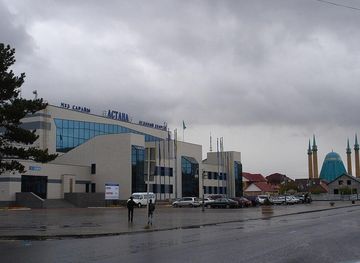
Semey in Photos
Browse through our photo collection highlighting the charm and character of the destination.


Semey: The Cultural Heartbeat of Kazakhstan
Nestled along the banks of the Irtysh River, Semey is a city steeped in history and culture. Known formerly as Semipalatinsk, this city offers a unique blend of ancient and modern attractions. From the remnants of its Soviet past to the booming local arts scene, Semey has something to offer every traveler. One of the city's most prominent landmarks is the Abai Museum, dedicated to the renowned Kazakh poet and philosopher, Abai Kunanbayev. The museum provides an in-depth look at his life and works, making it a must-visit for those interested in Kazakh literature and culture. Another must-see is the Dostoevsky House Museum, where the famous Russian author once lived in exile. Here, you can explore the personal artifacts and manuscripts of Fyodor Dostoevsky, offering a glimpse into his life and times. Nature lovers will be enchanted by the city's parks and the nearby Altai Mountains. The Semey Ormany Nature Reserve is a sanctuary for various species of flora and fauna and offers a perfect escape from the hustle and bustle of city life. For those interested in history, the former Semipalatinsk Test Site, now a poignant reminder of the Cold War era, provides a sobering yet fascinating insight into the city's past. Semey's vibrant markets and diverse cuisine provide a feast for the senses. The Central Market is a bustling hub where you can find everything from fresh produce to traditional Kazakh crafts. Don't miss the opportunity to try local dishes such as beshbarmak and baursaks, which give you a taste of authentic Kazakh cuisine.
Explore More of Eastern Kazakhstan
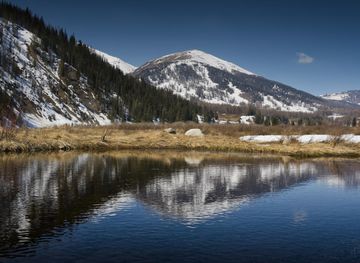
Looking beyond Semey? Discover Eastern Kazakhstan for broader travel guides, local hot-spots, and regional highlights.
Explore Eastern KazakhstanExplore More of Kazakhstan

Looking beyond Semey? Discover Kazakhstan for broader travel guides, local hot-spots, and regional highlights.
Explore Kazakhstan