

Free Rocky Mountain Front Travel Guide & Mobile App
Explore Rocky Mountain Front with free travel guides. Discover regional history, expert tips, proposed trips, and audio guides on web or mobile app.


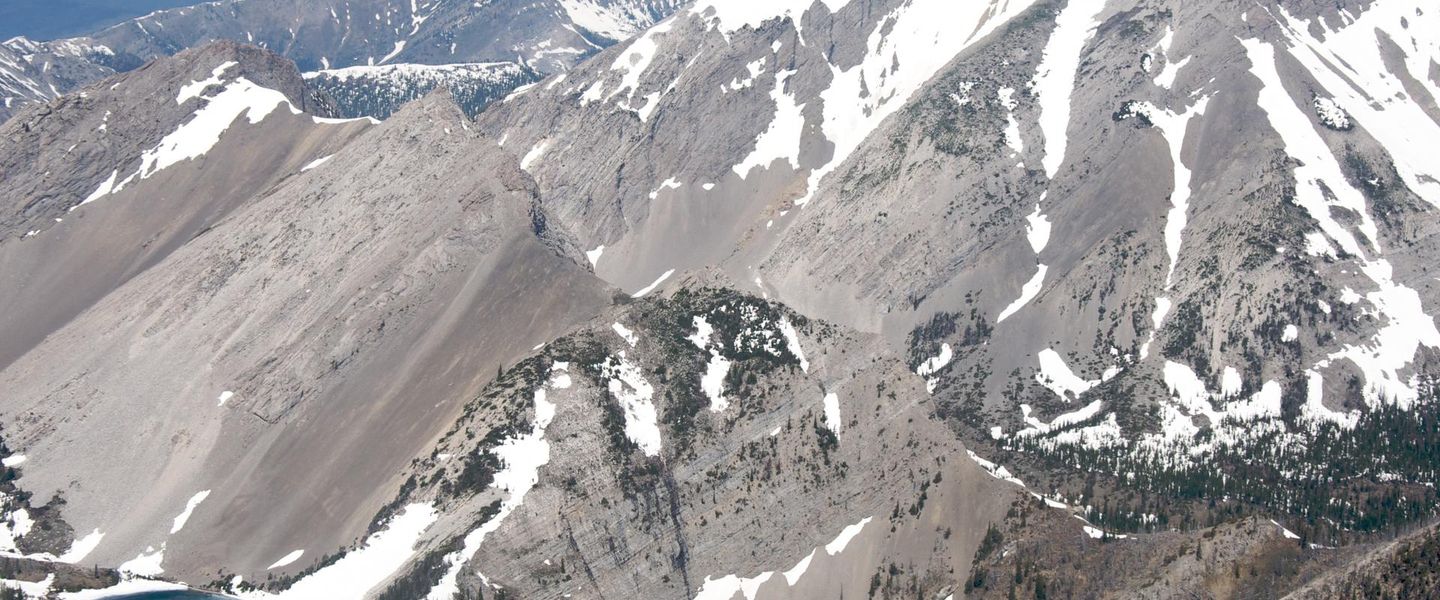


Explore Montana’s Rocky Mountain Front for dramatic foothills, ranch country, Indigenous history, wildlife and access to northern mountain wilderness.
Read more about Rocky Mountain Front
Getting to and around Rocky Mountain Front
How to get there
Transportation
Best attractions in Rocky Mountain Front
Attractions along Montana’s Rocky Mountain Front are defined by landscape and distance rather than a dense concentration of ticketed sights. Choteau’s Old Trail Museum combines local history, Native American interpretation and regional paleontology, offering context for the plains and fossil-bearing formations around it. The town also provides access to scenic drives and foothill routes leading towards the Teton River country. Around Augusta and the central Front, public lands, ranch-country roads and trailheads create opportunities for hiking, wildlife watching, photography and fishing. The Rocky Mountain Front Conservation Area protects important grassland and foothill habitat, while rivers, reservoirs and wetland areas support birdlife and seasonal recreation. The Blackfeet Reservation, east of the northern Front, adds an important cultural dimension, but visitors should use official guidance and respect local access arrangements. More ambitious hikers and horse riders can approach wilderness landscapes west of the Front, including the Bob Marshall Wilderness Complex, although those protected areas are not interchangeable with the Front itself. Services become sparse away from the towns, so outdoor attractions require preparation, land-awareness and flexibility rather than an expectation of developed facilities.
-
State park
Lewis & Clark Caverns State Park
Discover the stunning limestone formations and rich history at Lewis & Clark Caverns State Park, a natural wonderland in Montana.
-
Bridge
Kootenai Falls Suspension Bridge
Explore the Kootenai Falls Suspension Bridge in Libby, Montana, a stunning scenic spot offering breathtaking views and thrilling outdoor adventures.
-
Museum
Old Montana Prison & Auto Museum Complex
Explore the rich history and unique automotive collection at the Old Montana Prison & Auto Museum Complex in Deer Lodge, Montana.
-
Museum
Museum of the Rockies
Discover dinosaurs, Native American culture, and the universe at the Museum of the Rockies, a captivating destination in Bozeman, Montana.
Explore Rocky Mountain Front on the map
Plan your trip on one map. See where the top cities, national parks and sights are, and book hotels and experiences in a few clicks.
Best hotels in Rocky Mountain Front
Best restaurants in Rocky Mountain Front
Dining along the Rocky Mountain Front is shaped by small-town cafés, family-run restaurants, rural bars, bakeries and community gathering places rather than a large restaurant industry. Choteau has the broadest choice, while Augusta, Dupuyer and other settlements offer more limited options that may be closely tied to local trading and ranching communities. Menus commonly draw on wider Montana and American West traditions, including beef, burgers, sandwiches, soups, breakfast plates and locally sourced seasonal ingredients when available. Visitors may also encounter regional baking, Montana-produced beer and practical picnic supplies for long drives. Farmers’ markets and small food producers can provide opportunities to buy seasonal fruit, vegetables, preserves or baked goods, but availability varies by town and season. Dining hours can be limited in rural communities, so it is sensible to check locally and avoid arriving late without a plan. Reservations are most relevant for occasional special events or popular lodging venues rather than everyday meals.
-
Restaurant
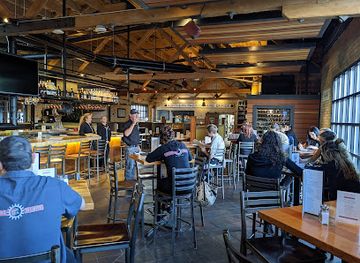
Montana Ale Works
Discover authentic American cuisine paired with craft beer at Montana Ale Works in Bozeman - where flavor meets fun!
-
Pizza
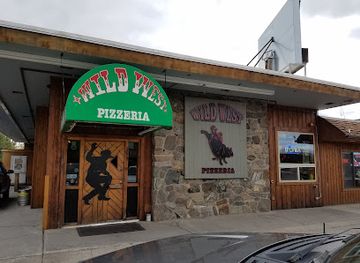
Wild West Pizzeria & Saloon
Experience the vibrant flavors of the Wild West at Wild West Pizzeria & Saloon - where every slice tells a story!
-
Resort hotel
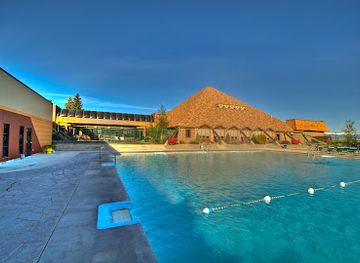
Fairmont Hot Springs Resort
Discover relaxation and luxury at Fairmont Hot Springs Resort – where stunning landscapes meet rejuvenating hot springs.
-
Brunch
Jam!
Discover Jam! in Bozeman: A must-visit brunch spot offering delicious breakfast creations with local flair.

Best bars in Rocky Mountain Front
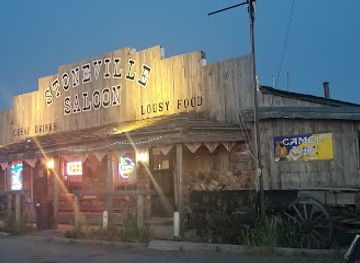
Evening life on the Rocky Mountain Front is modest and community-oriented. Choteau provides the greatest choice of bars, restaurants and informal evening venues, while Augusta, Dupuyer and smaller settlements generally centre social life on traditional bars, cafés, community events and occasional live music rather than nightclubs. Local drinking establishments may serve as meeting places for ranching communities, travellers and outdoor visitors, but the atmosphere and opening arrangements can vary considerably by day and season. There is little of the late-night club culture associated with Montana’s larger cities, and distances make driving after drinking particularly dangerous. Breweries, regional beer and spirits may appear on menus, but alcohol is not necessary to appreciate the region’s evening character. A quiet meal, a dark-sky drive or an early night before a mountain outing is often more realistic than a planned nightlife circuit.
-
Bar
Stoneville Saloon
Experience the unique blend of bar and café culture at Stoneville Saloon in Alzada, Montana - a perfect pit stop for weary travelers.
Best shops in Rocky Mountain Front
Shopping on the Rocky Mountain Front is practical, local and dispersed. Choteau is the main place for galleries, books, outdoor supplies, souvenirs, groceries and independent businesses, while smaller communities have fewer shops and more limited opening patterns. Visitors may find Western clothing, local artwork, photography, handmade goods, books on regional history and products connected with ranching or outdoor life. Seasonal farmers’ markets and roadside sales can offer produce, preserves, baked goods and other Montana products, although these are not daily fixtures and should be treated as seasonal opportunities. Fossil-themed merchandise is common in the Choteau area, but visitors must never remove fossils or archaeological material from public or private land. Travellers seeking Native-made art should buy through reputable, clearly identified sources and avoid objects falsely marketed as Indigenous. The region is not a destination for extensive luxury or chain shopping; its retail character is a useful reflection of small-town Montana and the communities that serve a large, sparsely populated landscape.
-
General store
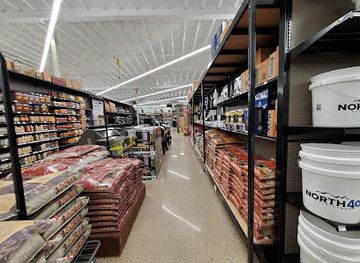
North 40 Outfitters
Explore the ultimate outdoor destination at North 40 Outfitters, your one-stop shop for clothing, gear, and everything in between in Great Falls, Montana.
-
Sporting goods store
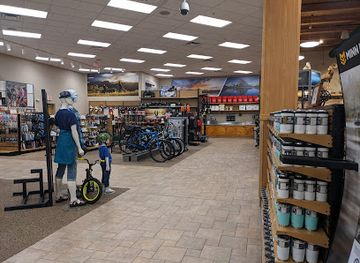
Scheels
Explore Scheels in Great Falls for a vast selection of sporting goods, outdoor apparel, and unique experiences, perfect for every sports enthusiast.
-
Gift shop
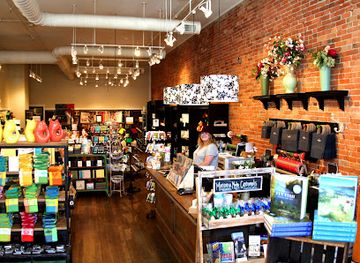
Heyday
Explore Heyday in Bozeman, MT, for unique gifts and local art that embody the spirit of Montana, perfect for every traveler.
-
Outdoor sports store
Rocky Mountain Outfitter
Explore the wilderness of Montana with top-notch gear and expert advice at Rocky Mountain Outfitter, your gateway to outdoor adventures.
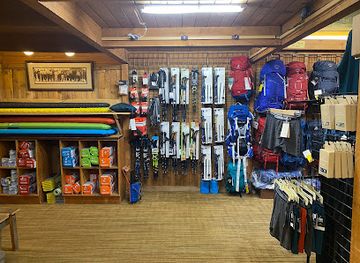
Get your free copy of our complete guide to Rocky Mountain Front, delivered straight to you.
Everything on this page, from attractions and restaurants to essentials and local phrases, in one PDF you can read offline, print or share.
Already have an account? Sign in
Your Rocky Mountain Front guide is ready.
We'll send it to · Not you? Sign out

Getting your guide ready…
We are putting together a fresh copy of the Rocky Mountain Front guide. This can take up to a minute.
This can take a few moments. If your browser asks, choose Allow so the download can start. You'll find the guide in your Downloads folder.
Nothing happened? Download it again
Sorry, the guide is taking longer than usual. Please try again in a minute, or get it by email instead.
Rocky Mountain Front essentials
Currency and Payment
Safety
Emergency Situations
Do's and Don'ts
Local Tips
From Eve
Local phrases worth knowing
You don't need to get them perfect. A few words go a long way, and locals appreciate the effort.
Basics
| English | Local | Say it |
|---|---|---|
| Hello | Howdy | [Hao-dee] |
| Goodbye | See ya | [See ya] |
| Yes | Yup | [Yup] |
| No | Nope | [Nope] |
| Please/You're welcome | Sure thing | [Shur thing] |
| Thank you | Thanks a bunch | [Thangs a bunch] |
| Excuse me/Sorry | Pardon me | [Pardon me] |
| How are you? | How's it going? | [How's it goin'?] |
| Fine. And you? | Good. You? | [Good. You?] |
| Do you speak English? | Can you talk English? | [Can you talk English?] |
| I don't understand | I ain't getting it | [I ain't gettin' it] |
Eating & Drinking
| English | Local | Say it |
|---|---|---|
| I'd like to see the menu, please | Can I see the menu? | [Can I see the menu?] |
| I don't eat meat | I'm a vegetarian | [I'm a veg-e-tair-ian] |
| Cheers! | Cheers! | [Cheers!] |
| I would like to pay, please | Can I get the check? | [Can I get the check?] |
Emergencies
| English | Local | Say it |
|---|---|---|
| Help! | Help! | [Help!] |
| Go away! | Get lost! | [Get lost!] |
| Call the Police! | Call 911! | [Call 911!] |
| Call a doctor! | Get a doc! | [Get a doc!] |
| I'm lost | I’m turned around | [I’m turned around] |
| I'm ill | I’m feeling rough | [I’m feelin' rough] |
Shopping
| English | Local | Say it |
|---|---|---|
| I'd like to buy... | I want to buy... | [I want to buy...] |
| I'm just looking | Just browsing | [Just browsin'] |
| How much is it? | What’s the price? | [What’s the price?] |
| That's too expensive | That’s a bit steep | [That’s a bit steep] |
| Can you lower the price? | Can you knock off a bit? | [Can you knock off a bit?] |
Time & Numbers
| English | Local | Say it |
|---|---|---|
| What time is it? | What time ya got? | [What time ya got?] |
| It's one o'clock | It's one | [It's one] |
| Half past (10) | Half past ten | [Half past ten] |
| Morning | Mornin' | [Mornin'] |
| Afternoon | Afternoon | [Afternoon] |
| Evening | Evenin' | [Evenin'] |
| Yesterday | Yesterday | [Yesterday] |
| Today | Today | [Today] |
| Tomorrow | Tomorrow | [Tomorrow] |
| 1 | One | [One] |
| 2 | Two | [Two] |
| 3 | Three | [Three] |
| 4 | Four | [Four] |
| 5 | Five | [Five] |
| 6 | Six | [Six] |
| 7 | Seven | [Seven] |
| 8 | Eight | [Eight] |
| 9 | Nine | [Nine] |
| 10 | Ten | [Ten] |
Transport & Directions
| English | Local | Say it |
|---|---|---|
| Where's a/the...? | Where's the...? | [Where's the...?] |
| What's the address? | What’s the address? | [What’s the address?] |
| Can you show me (on the map)? | Can you point it out? | [Can you point it out?] |
| When's the next (bus)? | When's the next bus? | [When's the next bus?] |
| A ticket (to ....) | One ticket to... | [One ticket to...] |
History of Rocky Mountain Front
Blackfeet Homelands and Indigenous History
The Rocky Mountain Front forms part of the traditional homeland of the Blackfeet, whose communities have maintained enduring cultural, spiritual and historical connections with the plains, rivers and mountains. Seasonal movement, hunting, trade and knowledge of mountain passes shaped life across the region long before the arrival of the United States. The Blackfeet Reservation lies on the eastern side of the northern Front, and its presence remains central to understanding the landscape. Visitors should distinguish public attractions from culturally sensitive places and follow local guidance.
Lewis and Clark in the Northern Rockies, 1805–1806
The Lewis and Clark Expedition travelled through the wider northern Montana region during its westward and return journeys. Its encounters with Indigenous nations, mountain terrain and unfamiliar rivers formed part of the expedition’s account of the northern continent. The Front was not simply an empty wilderness awaiting exploration: it was already mapped through Indigenous knowledge and movement. Today, the expedition’s legacy is interpreted alongside the much longer Indigenous history of the plains and mountains.
Trade, Expeditions and Early American Expansion
During the nineteenth century, fur traders, surveyors, military parties and missionaries entered the northern plains and mountain corridors. Their activity increased contact and conflict with Indigenous nations while strengthening American claims and commercial networks in the territory. Routes across the Front connected the plains with mountain valleys and eventually helped shape later roads and settlements. This period brought profound disruption, including pressure on Indigenous lands, wildlife and political independence.
Treaties, Reservation Boundaries and Changing Land Use
Treaties and federal policies in the nineteenth century transformed Indigenous territorial control and established reservation boundaries in northern Montana. The resulting geography still influences travel, land ownership and cultural identity along the Rocky Mountain Front. Much of the corridor is a patchwork of federal land, ranches, state holdings and reservation territory. Understanding these boundaries is important because the region’s scenery is inseparable from the political history that determined who could live, work and travel here.
Homesteading and the Rise of Ranching
From the late nineteenth century into the early twentieth century, homesteaders and stock growers settled parts of the plains east of the mountains. Dry conditions, harsh winters and distance from markets made farming difficult, while cattle ranching proved more compatible with the grasslands and open country. Towns such as Choteau, Augusta and Dupuyer developed as service and trading centres. Ranching remains a visible economic and cultural presence, although modern land management also reflects conservation and changing rural economies.
Paleontology and the Dinosaur Record
The foothills and plains east of the Rocky Mountain Front contain fossil-bearing formations associated with Montana’s wider dinosaur country. Discoveries in the region have helped scientists understand Late Cretaceous ecosystems, including the animals and environments that existed before the mass extinction. Choteau’s Old Trail Museum presents local history alongside paleontological interpretation, making it a useful introduction to the area’s geological past. Fossils on public land are protected, and collecting should never be undertaken without the appropriate authority.
Conservation of the Mountain–Prairie Corridor
During the twentieth century, growing recognition of the Front’s wildlife habitat, ecological connectivity and scenic value encouraged stronger conservation measures. Public lands, wildlife refuges and conservation easements now help protect migration routes, river systems, grasslands and mountain foothills. The corridor also provides approaches to larger wilderness landscapes, including the Bob Marshall Wilderness Complex to the west, although much of that wilderness lies beyond the Front itself. Contemporary debates continue to balance ranching, recreation, wildlife and access.
Rocky Mountain Front in Photos
Browse through our photo collection highlighting the charm and character of the destination.
Neighbouring regions of Rocky Mountain Front
The closest regions to Rocky Mountain Front, if you have time for more than one.
-

-

-

-

-


Swipe for more regions
Explore more
Explore more of Montana
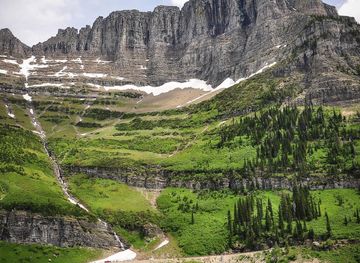
Discover Montana: A Treasure State of majestic landscapes, outdoor adventures, and rich cultural heritage. Explore Glacier and Yellowstone, charming towns, and historic sites.
Explore Montana