

Free Northwestern Montana Travel Guide & Mobile App
Explore Northwestern Montana with free travel guides. Discover regional history, expert tips, proposed trips, and audio guides on web or mobile app.


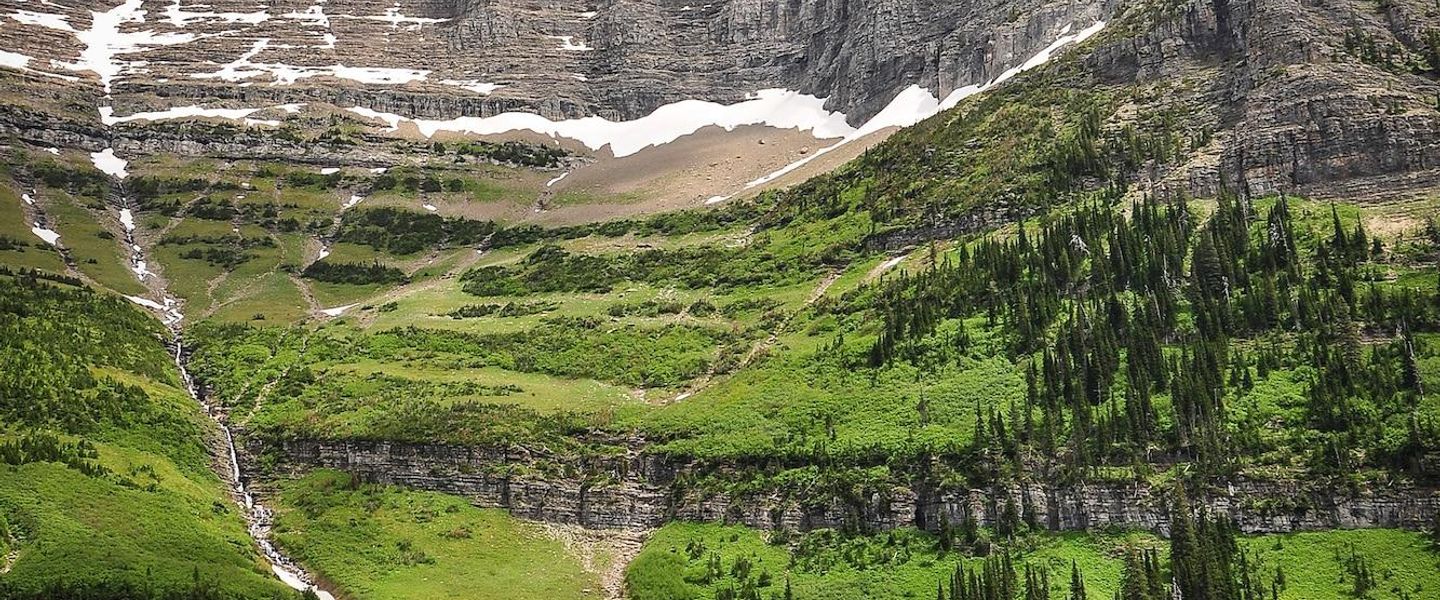


Explore Northwestern Montana for Glacier National Park, Flathead Lake, mountain towns, wildlife, hiking, skiing and wide-open western landscapes.
Read more about Northwestern Montana
When is the best time to visit Northwestern Montana?
Best: June–August · 23–28°C| Month | High (°C) | Rainfall (mm) |
|---|---|---|
| January | 0 | 35 |
| February | 2 | 30 |
| March | 8 | 35 |
| April | 13 | 40 |
| May | 19 | 55 |
| June (best) | 23 | 45 |
| July (best) | 28 | 30 |
| August (best) | 28 | 35 |
| September | 22 | 40 |
| October | 14 | 45 |
| November | 4 | 40 |
| December | 1 | 35 |
Getting to and around Northwestern Montana
How to get there
Transportation
Top city travel guides in Northwestern Montana
The cities of Northwestern Montana, and the easiest places to base yourself.
-

-

-

-

-
-


Swipe for more cities
Destinations in Northwestern Montana
Resorts, valleys and scenic spots worth a trip of their own.
-
-
-


Swipe for more destinations
Best attractions in Northwestern Montana
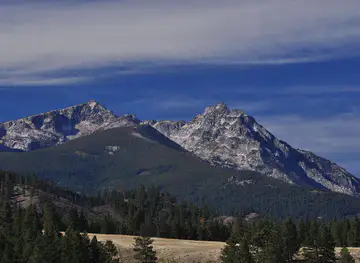
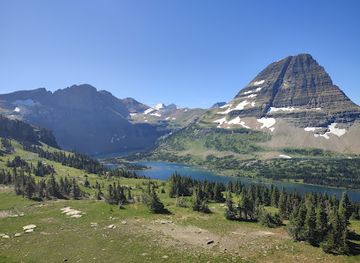
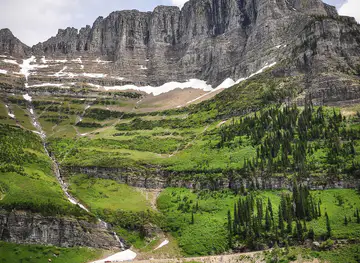
Northwestern Montana's attractions are dominated by public landscapes and the activities they support. Glacier National Park offers scenic drives, alpine hiking, lakeside walks, ranger-led interpretation and wildlife viewing, with the Going-to-the-Sun Road providing the region's best-known mountain crossing when open. Around the Flathead Valley, Flathead Lake brings boating, fishing, swimming in cold water and shoreline exploration, while the towns of Whitefish, Kalispell, Columbia Falls and Bigfork provide museums, galleries, public events and access to local history. Whitefish Mountain Resort operates as a major winter sports centre and also supports summer recreation. The Flathead National Forest and surrounding public lands provide opportunities for camping, paddling, cycling, fishing and quieter hiking away from the busiest park corridors. Farther west, the Clark Fork and Kootenai valleys offer river scenery, forests and small communities shaped by timber and mining. Wildlife is a central attraction, but viewing should be conducted from a safe distance and without feeding animals. Because distances are large and many facilities are seasonal, attractions are best organised by valley or mountain district rather than treated as a single compact circuit.
-
National park
Glacier National Park
Explore Glacier National Park, Montana’s stunning national treasure filled with breathtaking landscapes, diverse wildlife, and unforgettable outdoor adventures.
-
Monument
Little Bighorn Battlefield National Monument
Explore the historic and scenic Little Bighorn Battlefield National Monument, a tribute to a pivotal moment in American history.
-
State park
Lewis & Clark Caverns State Park
Explore the stunning limestone formations and diverse wildlife at Lewis & Clark Caverns State Park, a natural wonder in Montana perfect for adventure seekers.
-
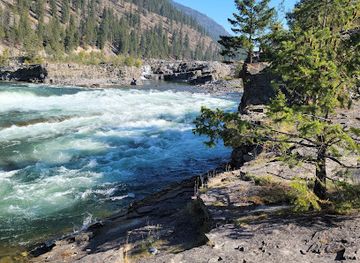
Bridge
Kootenai Falls Suspension Bridge
Discover the breathtaking Kootenai Falls Suspension Bridge, where adventure meets stunning natural beauty in the heart of Montana.
Best landmarks in Northwestern Montana
The most recognisable landmark in northwestern Montana is the Going-to-the-Sun Road in Glacier National Park, whose engineering and route across Logan Pass express the scale of the northern Rocky Mountains. The park's mountain skyline, glacial valleys and high passes form a natural landmark system rather than a single monument, with Lake McDonald on the west side and the distinctive peaks visible from established viewpoints. Flathead Lake is another defining geographic feature, stretching through the centre of the region and shaping settlement, recreation and local identity. Whitefish's historic railway character and station area reflect the importance of the Great Northern Railway in opening the valley to wider travel. The Kootenai River and Clark Fork River corridors provide contrasting landmarks of forested valleys and working landscapes, while historic mining and timber communities such as Libby retain built reminders of resource-based development. Tribal lands and cultural landscapes around the Flathead Reservation and the Blackfeet Reservation are also essential to the region's historical geography, although visitors should distinguish public viewpoints and visitor facilities from places requiring permission or governed by local tribal rules.
-
Museum
Miracle of America Museum
Explore the Miracle of America Museum in Polson for an unforgettable journey through U.S. history and culture, featuring vast exhibits and engaging artifacts.
-
American
MacKenzie River Pizza, Grill & Pub
Experience the best of American cuisine at MacKenzie River Pizza, Grill & Pub in Polson, Montana, where flavor and hospitality meet.
-
Hotel
Red Lion Ridgewater Inn & Suites Polson
Discover the beauty of Polson, Montana, from the comfort of Red Lion Ridgewater Inn & Suites, your home away from home in the Flathead Valley.
-
Sports bar
Sportspage Bowl Grill & Lounge
Discover a blend of sports, dining, and bowling at Sportspage Bowl Grill & Lounge in Polson, MT – a hotspot for fun and flavor.


Explore Northwestern Montana on the map
Plan your trip on one map. See where the top cities, national parks and sights are, and book hotels and experiences in a few clicks.
Best hotels in Northwestern Montana
Best restaurants in Northwestern Montana
Dining in northwestern Montana reflects both contemporary mountain tourism and the region's agricultural and outdoor economy. Kalispell and Whitefish have the broadest choice, including cafés, breweries, bakeries, casual restaurants and more polished dining rooms, while smaller communities tend towards independent cafés, diners, pubs and rural inns. Montana beef, trout, game meats, locally grown produce and huckleberries appear regularly, although menus vary and not every dish is exclusively regional. Flathead cherries are an important local crop around the lake, and seasonal farmers' markets are useful places to find fruit, preserves, baked goods and other small-producer foods. Around Flathead Lake, lakeside dining and picnic supplies suit summer recreation; in mountain towns, hearty breakfasts and informal meals cater to hikers and skiers. Craft beer is widely represented, and some restaurants emphasise Montana-made spirits or wines from elsewhere in the American West. Tipping follows standard US practice, with gratuity generally expected for table service.
-
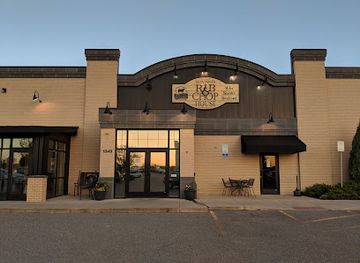
Steak
Montana's Rib & Chop House
Experience the finest steaks and barbecue at Montana's Rib & Chop House in Billings - where every meal is a celebration of flavor.
-
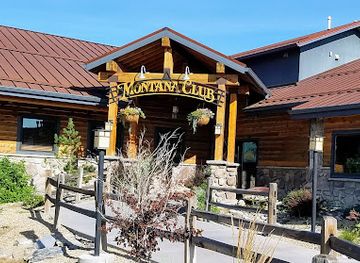
American
The Montana Club Restaurant
Experience the best of American cuisine at The Montana Club Restaurant in Great Falls—your culinary oasis in Montana's heart.
-
Steak
Lolo Creek Steakhouse
Experience mouthwatering steaks at Lolo Creek Steakhouse in Montana – where quality meets rustic charm in every bite.
-
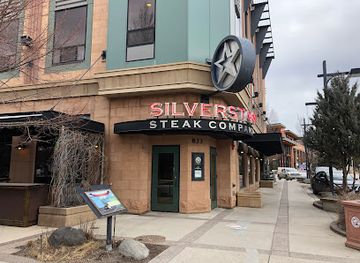
Restaurant
Silver Star Steak Company
Experience fine dining at Silver Star Steak Company in Helena - where quality steaks meet exceptional seafood in a welcoming atmosphere.

Best bars in Northwestern Montana
Evening life in northwestern Montana is concentrated in Whitefish, Kalispell and the larger Flathead Valley communities rather than in a single extensive nightlife district. Whitefish has the most recognisable après-ski and evening scene, with pubs, breweries, cocktail bars, restaurants and venues for live music, while Kalispell offers a broader local dining and bar circuit. Smaller towns such as Bigfork and Columbia Falls tend towards restaurants, traditional bars, breweries and occasional live entertainment rather than late-night clubs. Winter evenings are shaped by the ski season, whereas summer brings more visitors, outdoor seating and community events, though schedules change from year to year. Historic railway and ranching influences remain visible in some pub settings, but the region's evening culture is varied and does not depend solely on drinking. Rural areas can become quiet early, and visitors staying outside the main towns should plan transport rather than rely on late public services.
-
Bar
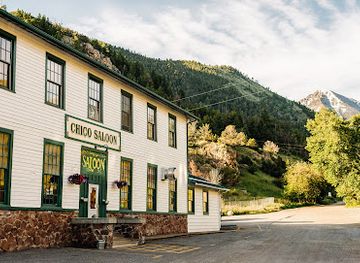
Chico Hot Springs Resort & Day Spa
Discover the serene beauty of Chico Hot Springs Resort & Day Spa, where relaxation meets adventure in Montana's stunning landscapes.
-
Brewpub
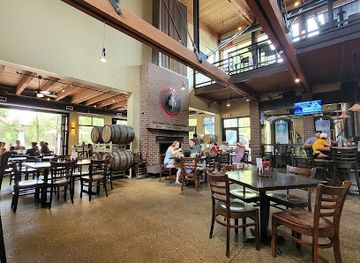
Tamarack Brewing Company
Experience the best of Montana's craft brewing scene and delicious American cuisine at Tamarack Brewing Company in Lakeside.
-
Grill
Windbag Saloon & Grill
Discover the vibrant Windbag Saloon & Grill in Helena, Montana, where hearty meals, refreshing drinks, and lively entertainment meet.
-
Lounge
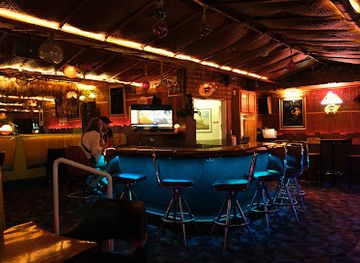
Sip 'n Dip Lounge (1962)
Discover the whimsical Sip 'n Dip Lounge in Great Falls, Montana, where quirky cocktails and live piano music create unforgettable nights.

Best nightclubs in Northwestern Montana
Evening life in northwestern Montana is concentrated in Whitefish, Kalispell and the larger Flathead Valley communities rather than in a single extensive nightlife district. Whitefish has the most recognisable après-ski and evening scene, with pubs, breweries, cocktail bars, restaurants and venues for live music, while Kalispell offers a broader local dining and bar circuit. Smaller towns such as Bigfork and Columbia Falls tend towards restaurants, traditional bars, breweries and occasional live entertainment rather than late-night clubs. Winter evenings are shaped by the ski season, whereas summer brings more visitors, outdoor seating and community events, though schedules change from year to year. Historic railway and ranching influences remain visible in some pub settings, but the region's evening culture is varied and does not depend solely on drinking. Rural areas can become quiet early, and visitors staying outside the main towns should plan transport rather than rely on late public services.
-
Cocktail bar
Red Door Lounge
Experience the lively ambiance of Red Door Lounge, where exquisite cocktails and delicious American cuisine meet unforgettable entertainment in Billings, Montana.
-
Barbecue
East Shore Smoke House
Experience the best barbecue in Polson, Montana at East Shore Smoke House, where flavor meets family-friendly dining.
-
Restaurant
Union Club Bar
Union Club Bar: A lively hub in Missoula for delicious food, refreshing drinks, and vibrant live entertainment.
-
Sports bar
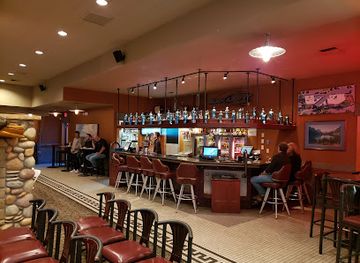
Sportspage Bowl Grill & Lounge
Discover a lively sports bar and bowling alley in Polson, MT, where delicious food meets vibrant entertainment in a friendly atmosphere.


Best shops in Northwestern Montana
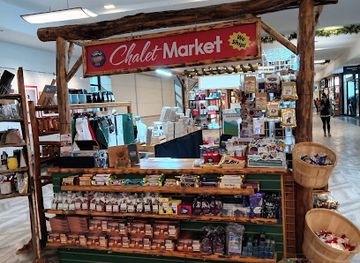
Shopping is centred on the communities of the Flathead Valley, with Whitefish offering a walkable mix of outdoor retailers, galleries, clothing shops, craft businesses, books and locally themed goods. Kalispell has the region's broadest practical retail provision, including larger stores and services useful for preparing for camping, hiking or winter sports. Bigfork combines galleries, studios and independent shops with a smaller village shopping atmosphere, while farmers' markets in the larger communities provide seasonal fruit, vegetables, preserves, baked goods and crafts. Huckleberry sweets and preserves, Montana-made food products, Native-designed art purchased through reputable and authorised sellers, pottery, woodwork and Western-style goods are common regional purchases, but quality and availability vary. Visitors seeking antiques, contemporary art or handmade items should allow time to browse rather than expect a concentrated luxury-shopping district. In rural towns, shops may have limited hours or seasonal schedules, so plan essentials in the main valley centres before travelling into remote mountain country.
-
Shopping mall
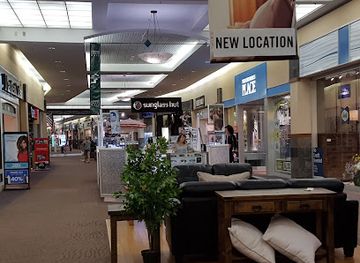
Rimrock Mall
Explore Rimrock Mall in Billings, Montana, where shopping meets entertainment with a diverse array of stores and dining options.
-
Gift shop
Gallatin Valley Mall
Experience the diverse shopping, dining, and entertainment options at Gallatin Valley Mall, the premier retail destination in Bozeman, Montana.
-
Bakery
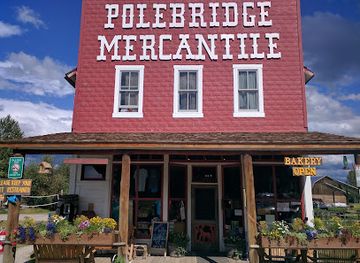
Polebridge Mercantile & Bakery
Experience the enchanting Polebridge Mercantile & Bakery, where local flavors meet breathtaking mountain views in Montana's hidden gem.
-
Department store
Walmart Supercenter
Explore Walmart Supercenter in Polson: Your affordable destination for groceries, clothing, and more during your Montana adventures.

Get your free copy of our complete guide to Northwestern Montana, delivered straight to you.
Everything on this page, from attractions and restaurants to essentials and local phrases, in one PDF you can read offline, print or share.
Already have an account? Sign in
Your Northwestern Montana guide is ready.
We'll send it to · Not you? Sign out

Getting your guide ready…
We are putting together a fresh copy of the Northwestern Montana guide. This can take up to a minute.
This can take a few moments. If your browser asks, choose Allow so the download can start. You'll find the guide in your Downloads folder.
Nothing happened? Download it again
Sorry, the guide is taking longer than usual. Please try again in a minute, or get it by email instead.
Northwestern Montana essentials
Currency and Payment
Safety
Emergency Situations
Do's and Don'ts
Local Tips
From Eve
Local phrases worth knowing
You don't need to get them perfect. A few words go a long way, and locals appreciate the effort.
Basics
| English | Local | Say it |
|---|---|---|
| Hello | Howdy | [haʊdi] |
| Goodbye | See ya | [si jə] |
| Yes | Yep | [jɛp] |
| No | Nah | [nɑ] |
| Please/You're welcome | Sure thing | [ʃʊr θɪŋ] |
| Thank you | Thanks a lot | [θæŋks ə lɑt] |
| Excuse me/Sorry | Pardon me | [ˈpɑrdən mi] |
| How are you? | How's it going? | [haʊz ɪt ˈgoʊɪŋ] |
| Fine. And you? | Good. And you? | [gʊd. ənd ju] |
| Do you speak English? | Do ya speak English? | [du jə spiːk ˈɪŋɡlɪʃ] |
| I don't understand | I ain't got it | [aɪ eɪnt ɡɑt ɪt] |
Eating & Drinking
| English | Local | Say it |
|---|---|---|
| I'd like to see the menu, please | Can I see the menu? | [kæn aɪ si ðə ˈmɛnu] |
| I don't eat meat | I'm a vegetarian | [aɪm ə ˌvɛdʒəˈtɛriən] |
| Cheers! | Cheers! | [tʃɪrz] |
| I would like to pay, please | I’d like to settle up | [aɪd laɪk tə ˈsɛtəl ʌp] |
Emergencies
| English | Local | Say it |
|---|---|---|
| Help! | Help! | [hɛlp] |
| Go away! | Get lost! | [ɡɛt lɔst] |
| Call the Police! | Call the cops! | [kɔl ðə kɑps] |
| Call a doctor! | Get a doctor! | [ɡɛt ə ˈdɑktər] |
| I'm lost | I can't find my way | [aɪ kænt faɪnd maɪ weɪ] |
| I'm ill | I ain't feelin' well | [aɪ eɪnt ˈfiːlɪn wɛl] |
Shopping
| English | Local | Say it |
|---|---|---|
| I'd like to buy... | I wanna buy... | [aɪ ˈwɑnə baɪ] |
| I'm just looking | Just browsing | [dʒʌst ˈbraʊzɪŋ] |
| How much is it? | What’s the price? | [wʌts ðə praɪs] |
| That's too expensive | That costs too much | [ðæt kɔsts tu mʌtʃ] |
| Can you lower the price? | Can ya give me a better deal? | [kæn jə ɡɪv mi ə ˈbɛtər diːl] |
Time & Numbers
| English | Local | Say it |
|---|---|---|
| What time is it? | What’s the time? | [wʌts ðə taɪm] |
| It's one o'clock | It's one | [ɪts wʌn] |
| Half past (10) | Half past ten | [hæf pæst tɛn] |
| Morning | Morning | [ˈmɔrnɪŋ] |
| Afternoon | Afternoon | [ˌæftərˈnun] |
| Evening | Evening | [ˈivnɪŋ] |
| Yesterday | Yesterday | [ˈjɛstərdeɪ] |
| Today | Today | [təˈdeɪ] |
| Tomorrow | Tomorrow | [təˈmɔroʊ] |
| 1 | One | [wʌn] |
| 2 | Two | [tu] |
| 3 | Three | [θri] |
| 4 | Four | [fɔr] |
| 5 | Five | [faɪv] |
| 6 | Six | [sɪks] |
| 7 | Seven | [ˈsɛvən] |
| 8 | Eight | [eɪt] |
| 9 | Nine | [naɪn] |
| 10 | Ten | [tɛn] |
Transport & Directions
| English | Local | Say it |
|---|---|---|
| Where's a/the...? | Where's the...? | [wɛrz ðə] |
| What's the address? | What’s the address? | [wʌts ði ˈædrɛs] |
| Can you show me (on the map)? | Can ya show me on the map? | [kæn jə ʃoʊ mi ɑn ðə mæp] |
| When's the next (bus)? | When's the next bus? | [wɛn z ðə nɛkst bʌs] |
| A ticket (to ....) | A ticket to ... | [ə ˈtɪkɪt tu] |
History of Northwestern Montana
Indigenous Homelands and Cultural Continuity
Northwestern Montana lies within the traditional homelands of the Blackfeet, Kootenai, Salish and Pend d'Oreille peoples. The mountains, rivers, lakes and plains supported travel, hunting, fishing, trade and cultural practices long before the arrival of Euro-American settlement. The Blackfeet Reservation borders the eastern side of Glacier National Park, while the Confederated Salish and Kootenai Tribes are based on the Flathead Reservation south of the Flathead Valley. Treaties, displacement and the creation of reservation systems profoundly changed Indigenous life, but tribal communities, languages, cultural institutions and relationships with the landscape remain part of the region's present.
Fur Trade and Early Euro-American Contact
During the early nineteenth century, fur-trading companies and independent traders entered the northern Rocky Mountain region, following established Indigenous routes through the valleys and mountain passes. The fur trade did not create the region's transport network from nothing; it depended on Indigenous knowledge and existing patterns of movement. Contact brought new commercial relationships as well as disease, competition and political disruption. Later missionary activity and government expansion further altered relations between Indigenous nations and newcomers, setting the context for the area's nineteenth-century settlement.
Missions and the Flathead Valley
The arrival of Catholic missionaries in the 1840s is associated with St. Mary's Mission in the Bitterroot Valley, south of the core northwestern Montana travel area, and with the broader history of the Salish and Pend d'Oreille peoples. In the Flathead Valley, missionisation, treaty-making and American settlement unfolded alongside a growing system of government control. The 1855 Hellgate Treaty is especially important in the history of the Confederated Salish and Kootenai Tribes and the Flathead Reservation. The legacy of these events is visible in regional institutions, landscapes and ongoing Indigenous sovereignty.
Mining, Timber and the Coming of the Railways
From the late nineteenth century, mining, timber and railway construction transformed northwestern Montana. Communities such as Libby and Troy developed in relation to mineral extraction and the wider timber economy, while railways connected the Flathead Valley and mountain settlements to national markets. The Great Northern Railway reached the region in the 1890s, encouraging settlement and helping establish tourism as a commercial force. These industries brought employment and infrastructure but also environmental costs, including forest alteration and contamination associated with some historic mining operations.
The Creation of Glacier National Park
Glacier National Park was established in 1910 after sustained efforts by conservationists, railway interests and federal officials to protect the northern Rocky Mountain landscape and promote tourism. The park's creation preserved a large area of forests, alpine terrain and glacial valleys, while also embedding the landscape within a national story that often overlooked Indigenous presence and prior land use. The Going-to-the-Sun Road, completed in 1932, made a transmountain journey possible and became one of the region's most recognisable pieces of infrastructure.
Tourism, Resorts and Outdoor Recreation
Railway promotion, park facilities and improved roads gradually made northwestern Montana a destination for sightseeing, fishing, hunting and mountaineering. Whitefish developed as a railway and resort town, and the later growth of Whitefish Mountain Resort broadened the region's winter economy. Glacier National Park became internationally known for its scenic roads and trails, while Flathead Lake supported boating and summer recreation. Tourism now sits alongside ranching, forestry, education, retail and service work, creating a regional economy that remains closely tied to seasonal access and the mountain environment.
Conservation and Environmental Legacies
Modern northwestern Montana has been shaped by debates over wilderness, public lands, forestry, wildlife management and the effects of historic extraction. The region includes Glacier National Park, the Flathead National Forest and other protected or managed landscapes, where conservation coexists with recreation, transport and resource use. The decline of glaciers, changing fire regimes and pressure on wildlife habitat have made climate and land management prominent contemporary concerns. Visitors encounter not only dramatic scenery but also a working landscape whose protection and use continue to involve local communities, tribal governments and public agencies.
Northwestern Montana in Photos
Browse through our photo collection highlighting the charm and character of the destination.
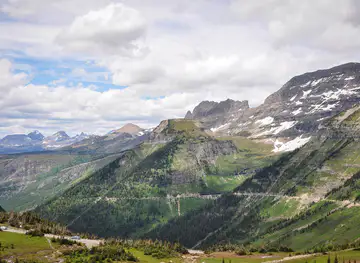
Neighbouring regions of Northwestern Montana
The closest regions to Northwestern Montana, if you have time for more than one.
-

-
-

-
-


Swipe for more regions
Explore more
Explore more of Montana
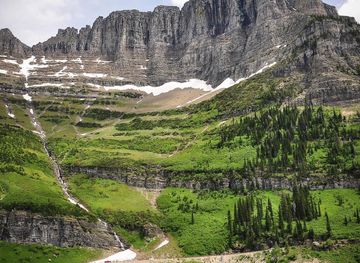
Discover Montana: A Treasure State of majestic landscapes, outdoor adventures, and rich cultural heritage. Explore Glacier and Yellowstone, charming towns, and historic sites.
Explore Montana