

Free The Bob Marshall Wilderness Travel Guide & Mobile App
Explore The Bob Marshall Wilderness with free travel guides. Discover regional history, expert tips, proposed trips, and audio guides on web or mobile app.


The Bob Marshall Wilderness offers Montana backcountry adventure, the Chinese Wall, wild rivers and multi-day trails far from roads and services.
Read more about The Bob Marshall Wilderness
Getting to and around The Bob Marshall Wilderness
How to get there
Transportation
Destinations in The Bob Marshall Wilderness
Resorts, valleys and scenic spots worth a trip of their own.

Swipe for more destinations
Best attractions in The Bob Marshall Wilderness
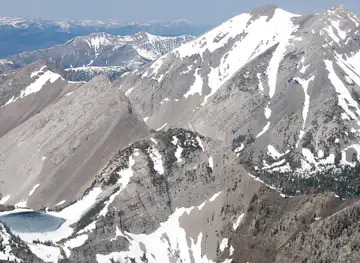
The Bob Marshall Wilderness is itself the principal attraction: a huge, roadless landscape of forest, open meadows, alpine ridges, river valleys and remote passes where visits unfold over days rather than hours. Walking routes range from demanding crossings of the Continental Divide to quieter journeys along the South Fork of the Flathead and other backcountry watersheds. The Chinese Wall is the most celebrated objective, but reaching it requires a serious trek and suitable preparation. Wildlife watching, wildflower-filled meadows, fly-fishing where permitted, pack trips and extended backpacking are central experiences. Historic trails, old travel corridors and evidence of earlier forest use add context without turning the area into an open-air museum. The adjoining Great Bear and Scapegoat wildernesses expand the surrounding protected landscape but are separate designations, so visitors should check maps and regulations carefully. There are no conventional family attractions, visitor centres or roadside viewpoints within the wilderness; its appeal depends on solitude, physical effort and natural processes. Gateway communities and Forest Service access points outside the boundary provide the practical starting points for these journeys.
-
Museum
The Lewis and Clark Interpretive Center
Explore the rich history of Lewis and Clark at the Interpretive Center, where adventure and education come together in the heart of Montana.
-
Horseback riding service
Bob Marshall Wilderness Outfitters
Experience the breathtaking beauty of Montana's Bob Marshall Wilderness on horseback with expert guides offering immersive adventures in nature.
-
National forest
Bob Marshall Wilderness Complex
Explore the breathtaking Bob Marshall Wilderness Complex, a natural paradise in Montana offering stunning landscapes, diverse wildlife, and endless outdoor adventures.
-
Nature preserve
Bob Marshall Wilderness
Explore the untouched beauty of Bob Marshall Wilderness, a haven for nature lovers and adventurers in the heart of Montana.


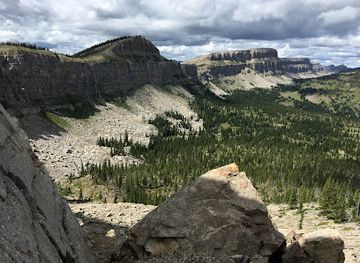

Best landmarks in The Bob Marshall Wilderness
-
State park
West Shore / Flathead Lake State Park
Explore West Shore Flathead Lake State Park, a natural wonder in Montana offering stunning views, diverse wildlife, and endless outdoor adventures.

Explore The Bob Marshall Wilderness on the map
Plan your trip on one map. See where the top cities, national parks and sights are, and book hotels and experiences in a few clicks.
Best hotels in The Bob Marshall Wilderness
Best restaurants in The Bob Marshall Wilderness
There are no restaurants, cafés, food shops or staffed lodges inside the Bob Marshall Wilderness, so dining is part of expedition planning rather than a spontaneous travel choice. Backpackers generally carry lightweight meals, while horse parties may transport more elaborate supplies for multi-day camps. Water must be treated or filtered, and all food, rubbish and scented items need secure storage because this is active bear country. Outside the boundary, gateway communities such as Lincoln, Seeley Lake, Condon and Augusta provide places to eat, buy groceries and organise provisions, with the selection varying considerably by town and season. Montana staples such as beef, trout, burgers, breakfast cooking and baked goods are common in the wider region, alongside practical trail food from general stores and outdoor suppliers. Farmers’ markets and local food producers may be useful where available, but visitors should confirm seasonal schedules rather than depend on them for backcountry supplies. Plan a complete food load before the final drive to the trailhead.
-
Steak
Bar-S Lounge & Supper Club
Discover great steaks and vibrant nightlife at Bar-S Lounge & Supper Club in Great Falls, where every meal becomes a memorable experience.
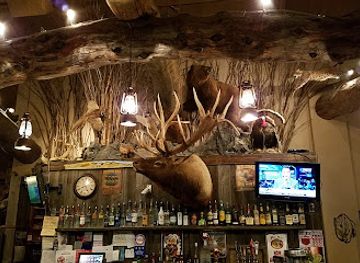
Best bars in The Bob Marshall Wilderness
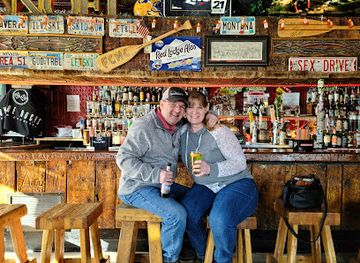
Nightlife does not exist inside the Bob Marshall Wilderness in the conventional sense: evenings are spent around a permitted campfire when conditions allow, beneath dark skies and far from amplified music or artificial light. The gateway communities offer a more practical social scene, usually centred on local bars, restaurants, cafés, taverns and community events rather than nightclubs. Lincoln and Seeley Lake are useful stopping points for provisions and a meal, while smaller settlements around the perimeter have limited services and may close early, particularly outside the main summer season. Alcohol should never be carried or consumed in a way that compromises navigation, fire safety, wildlife precautions or emergency readiness. Visitors joining an outfitted trip may find that camp cooking, conversation and stargazing form the evening culture of the wilderness more naturally than organised entertainment.
-
Bar
The Old Saloon
Experience the charm and flavors of the American West at The Old Saloon, a must-visit bar and restaurant in Emigrant, Montana.
-
Grill
The Jack Saloon
Discover the heart of Montana at The Jack Saloon, where the spirit of adventure meets hearty dining and cozy accommodations.
-
Bar
Timber Bar & Grill
Experience delightful dining and local flavors at Timber Bar & Grill in Big Timber, Montana – a perfect stop for every traveling foodie.
-
Pub
Snow Creek Saloon
Experience the heart of Montana at Snow Creek Saloon, where delicious food and local brews meet vibrant atmosphere.
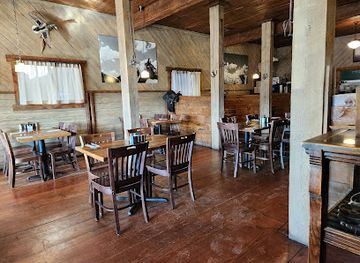
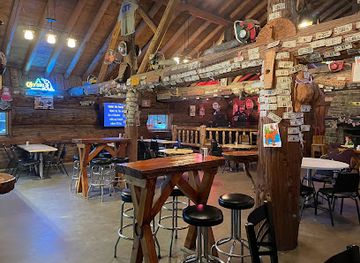

Best nightclubs in The Bob Marshall Wilderness
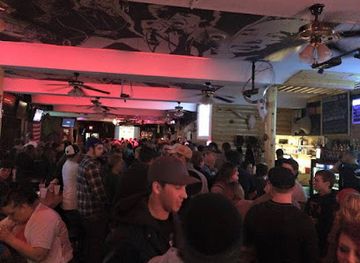
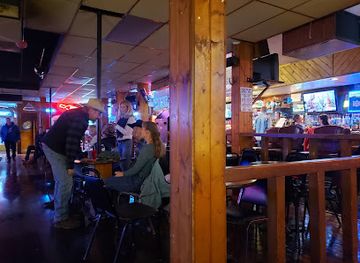
Nightlife does not exist inside the Bob Marshall Wilderness in the conventional sense: evenings are spent around a permitted campfire when conditions allow, beneath dark skies and far from amplified music or artificial light. The gateway communities offer a more practical social scene, usually centred on local bars, restaurants, cafés, taverns and community events rather than nightclubs. Lincoln and Seeley Lake are useful stopping points for provisions and a meal, while smaller settlements around the perimeter have limited services and may close early, particularly outside the main summer season. Alcohol should never be carried or consumed in a way that compromises navigation, fire safety, wildlife precautions or emergency readiness. Visitors joining an outfitted trip may find that camp cooking, conversation and stargazing form the evening culture of the wilderness more naturally than organised entertainment.
-
Dance hall
Daisy Dukes Saloon and Dance Hall
Discover the vibrant nightlife at Daisy Dukes Saloon and Dance Hall in Billings, Montana, where dancing, live music, and great drinks come together for an unforgettable experience.
-
Night club
Blue Moon Nite Club
Discover the lively ambiance of Blue Moon Nite Club, Columbia Falls' go-to destination for dancing, drinks, and unforgettable nightlife experiences.
Best shops in The Bob Marshall Wilderness
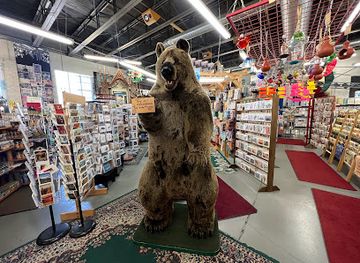
Shopping within the Bob Marshall Wilderness is impossible: there are no shops, markets or permanent commercial facilities beyond the basic practical services sometimes associated with trailheads. Visitors should purchase maps, stove fuel, food, bear-storage equipment, first-aid supplies and replacement outdoor gear in a gateway community before setting off, while checking that fuel types are permitted for the intended journey. Lincoln, Seeley Lake, Condon, Augusta and other surrounding settlements provide varying levels of groceries, outdoor supplies, fuel and locally made goods, but rural stock can be limited and seasonal. Useful souvenirs from the wider region include Montana-made food products, books, maps, photography, crafts and outdoor equipment rather than objects collected from the wilderness. Do not remove rocks, plants, antlers, archaeological material or historic artefacts. The most appropriate memento is often a map or locally purchased guide that supports responsible travel without taking anything from the protected landscape.
-
Gift shop
Rockin Rudy's
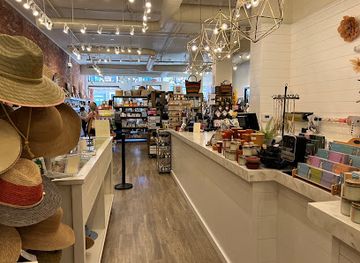
Discover unique gifts, candy, records, and more at Rockin Rudy's in Missoula, the ultimate shopping destination for all ages!
-
Grocery store
Stutzmans Country Market
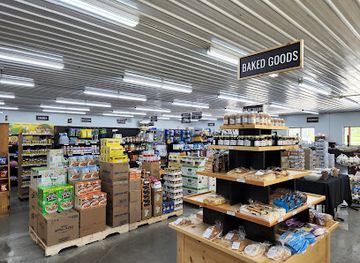
Explore the flavors of Montana at Stutzmans Country Market, where local produce meets delicious baked goods and unique finds.
-
Gift shop
Heyday
Discover unique gifts and local artisan treasures at Heyday, Bozeman's beloved gift shop, perfect for finding that special memento.
-
Gift shop
The Karma Korner
Explore The Karma Korner in Helena, MT, for unique gifts, wellness items, and local art that capture the essence of Montana.
Get your free copy of our complete guide to The Bob Marshall Wilderness, delivered straight to you.
Everything on this page, from attractions and restaurants to essentials and local phrases, in one PDF you can read offline, print or share.
Already have an account? Sign in
Your The Bob Marshall Wilderness guide is ready.
We'll send it to · Not you? Sign out

Getting your guide ready…
We are putting together a fresh copy of the The Bob Marshall Wilderness guide. This can take up to a minute.
This can take a few moments. If your browser asks, choose Allow so the download can start. You'll find the guide in your Downloads folder.
Nothing happened? Download it again
Sorry, the guide is taking longer than usual. Please try again in a minute, or get it by email instead.
The Bob Marshall Wilderness essentials
Currency and Payment
Safety
Emergency Situations
Do's and Don'ts
Local Tips
From Eve
Local phrases worth knowing
You don't need to get them perfect. A few words go a long way, and locals appreciate the effort.
Basics
| English | Local | Say it |
|---|---|---|
| Hello | Howdy | [haʊdi] |
| Goodbye | See ya | [si jə] |
| Yes | Yep | [jɛp] |
| No | Nah | [nɑ] |
| Please/You're welcome | Sure thing | [ʃʊər θɪŋ] |
| Thank you | Thanks | [θæŋks] |
| Excuse me/Sorry | Pardon me | [ˈpɑrdən mi] |
| How are you? | How ya doin'? | [haʊ jə ˈduɪn] |
| Fine. And you? | Good, you? | [ɡʊd, ju] |
| Do you speak English? | You speakin' English? | [ju ˈspikɪn ˈɪŋɡlɪʃ] |
| I don't understand | I ain't followin' | [aɪ eɪnt ˈfɑloʊɪn] |
Eating & Drinking
| English | Local | Say it |
|---|---|---|
| I'd like to see the menu, please | Can I see the menu? | [kæn aɪ si ðə ˈmɛnju] |
| I don't eat meat | I don't do meat | [aɪ doʊnt du miːt] |
| Cheers! | Cheers! | [ʧɪrz] |
| I would like to pay, please | Can I get the bill? | [kæn aɪ ɡɛt ðə bɪl] |
Emergencies
| English | Local | Say it |
|---|---|---|
| Help! | Help! | [hɛlp] |
| Go away! | Get lost! | [ɡɛt lɔst] |
| Call the Police! | Call the cops! | [kɔl ðə kɑps] |
| Call a doctor! | Get a doc! | [ɡɛt ə dɑk] |
| I'm lost | I’m turned around | [aɪm tɜrnd əˈraʊnd] |
| I'm ill | I ain't feelin' good | [aɪ eɪnt ˈfɪlɪn ɡʊd] |
Shopping
| English | Local | Say it |
|---|---|---|
| I'd like to buy... | I wanna buy... | [aɪ ˈwɑnə baɪ] |
| I'm just looking | Just browsing | [dʒʌst ˈbraʊzɪŋ] |
| How much is it? | What’s the price? | [wʌts ðə praɪs] |
| That's too expensive | That’s a bit steep | [ðæts ə bɪt stip] |
| Can you lower the price? | Can you drop the price? | [kæn ju drɑp ðə praɪs] |
Time & Numbers
| English | Local | Say it |
|---|---|---|
| What time is it? | What time ya got? | [wʌt taɪm jə ɡɑt] |
| It's one o'clock | It’s one | [ɪts wʌn] |
| Half past (10) | Half past ten | [hæf pæst tɛn] |
| Morning | Mornin' | [ˈmɔrnɪn] |
| Afternoon | Afternoon | [ˈæftərˌnun] |
| Evening | Evenin' | [ˈivnɪn] |
| Yesterday | Yesterday | [ˈjɛstərdeɪ] |
| Today | Today | [təˈdeɪ] |
| Tomorrow | Tomorrow | [təˈmɔroʊ] |
| 1 | One | [wʌn] |
| 2 | Two | [tu] |
| 3 | Three | [θri] |
| 4 | Four | [fɔr] |
| 5 | Five | [faɪv] |
| 6 | Six | [sɪks] |
| 7 | Seven | [ˈsɛvən] |
| 8 | Eight | [eɪt] |
| 9 | Nine | [naɪn] |
| 10 | Ten | [tɛn] |
Transport & Directions
| English | Local | Say it |
|---|---|---|
| Where's a/the...? | Where’s the...? | [wɛrz ðə] |
| What's the address? | What’s the address? | [wʌts ði əˈdrɛs] |
| Can you show me (on the map)? | Can ya point it out? | [kæn jə pɔɪnt ɪt aʊt] |
| When's the next (bus)? | When's the next bus? | [wɛn ðəz ðə nɛkst bʌs] |
| A ticket (to ....) | A ticket to... | [ə ˈtɪkɪt tu] |
History of The Bob Marshall Wilderness
Indigenous Homelands and Travel Corridors
The mountains and river valleys of the Bob Marshall region lie within the broader homelands and travel landscapes of Indigenous peoples including the Blackfeet, Salish and Kootenai. Long before modern wilderness designation, people travelled through the Northern Rockies for hunting, gathering, trade and cultural purposes. The landscape should therefore not be understood as an untouched place without human history. Present-day wilderness interpretation is set within a much older story of Indigenous presence, displacement, continued cultural connection and sovereign tribal communities in Montana.
Exploration, Hunting and Early Forest Administration
During the nineteenth and early twentieth centuries, Euro-American exploration, commercial hunting, trapping, mining interest and livestock use added new pressures to the region. The United States Forest Service later administered much of the land as part of the national forest system. Although some surrounding valleys and routes were developed, the rugged interior remained difficult to reach and comparatively free from roads. That remoteness helped preserve large ecological systems even as timber, transport and settlement transformed more accessible parts of western Montana.
Bob Marshall and the Case for Roadless Country
Robert Marshall, a forester, geographer and conservation advocate, became an influential early voice for protecting large roadless landscapes. He helped establish the Wilderness Society in 1935 and argued that some public lands should remain free from roads and mechanised development. The wilderness named in his honour reflects that conservation tradition. Its designation was not simply a celebration of scenery; it expressed a developing national argument that ecological processes, solitude and non-mechanised recreation had public value.
The Bob Marshall Wilderness, 1941
The Bob Marshall Wilderness was formally established in 1941 through federal action on lands administered by the United States Forest Service. At the time, it represented an unusually large commitment to retaining a roadless mountain landscape within the national forest system. The designation protected extensive forests, alpine country, river corridors and wildlife habitat from the road building and industrial development that were reshaping many other western landscapes. Later boundary changes and adjacent designations expanded the surrounding protected network.
The Wilderness Act of 1964
The federal Wilderness Act of 1964 created a national legal framework for protecting places where natural conditions, solitude and primitive recreation should be maintained. The Bob Marshall Wilderness became part of this national wilderness system, bringing stronger statutory protection against roads, permanent structures and motorised use. The law also shaped the visitor experience: travel is principally by foot, horseback or other non-mechanised means, while management seeks to preserve ecological processes rather than provide conventional tourist infrastructure.
The Bob Marshall Wilderness Complex
The adjoining Great Bear and Scapegoat wildernesses, designated through later federal legislation, form with the Bob Marshall a vast connected protected landscape commonly called the Bob Marshall Wilderness Complex. The three areas are separate legal wildernesses, but together they provide broad habitat continuity across the Northern Rockies. Recognition of the complex strengthened the regional importance of wildlife movement, watershed protection and low-impact recreation, while also requiring visitors to understand which designation and management rules apply to a particular trail or access route.
The Bob Marshall Wilderness in Photos
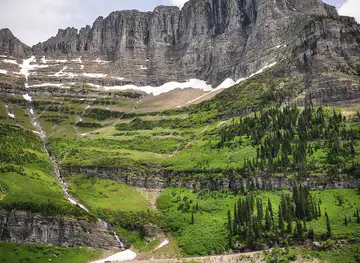
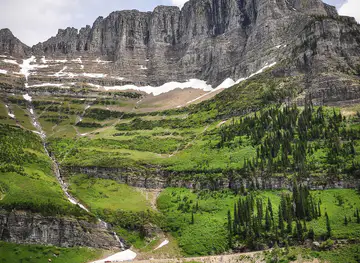
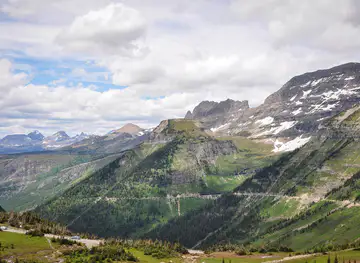
Browse through our photo collection highlighting the charm and character of the destination.
Neighbouring regions of The Bob Marshall Wilderness
The closest regions to The Bob Marshall Wilderness, if you have time for more than one.
-
-
-

-
-


Swipe for more regions
Explore more
Explore more of Montana
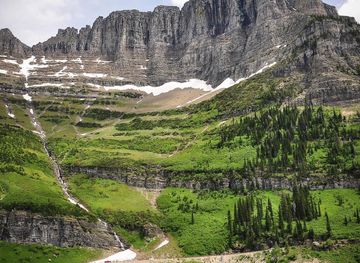
Discover Montana: A Treasure State of majestic landscapes, outdoor adventures, and rich cultural heritage. Explore Glacier and Yellowstone, charming towns, and historic sites.
Explore Montana