
The Mission Mountains, Montana Travel Guide
Explore the Mission Mountains in Montana: a paradise of towering peaks, serene lakes, and rich cultural heritage in the heart of the Rocky Mountains.
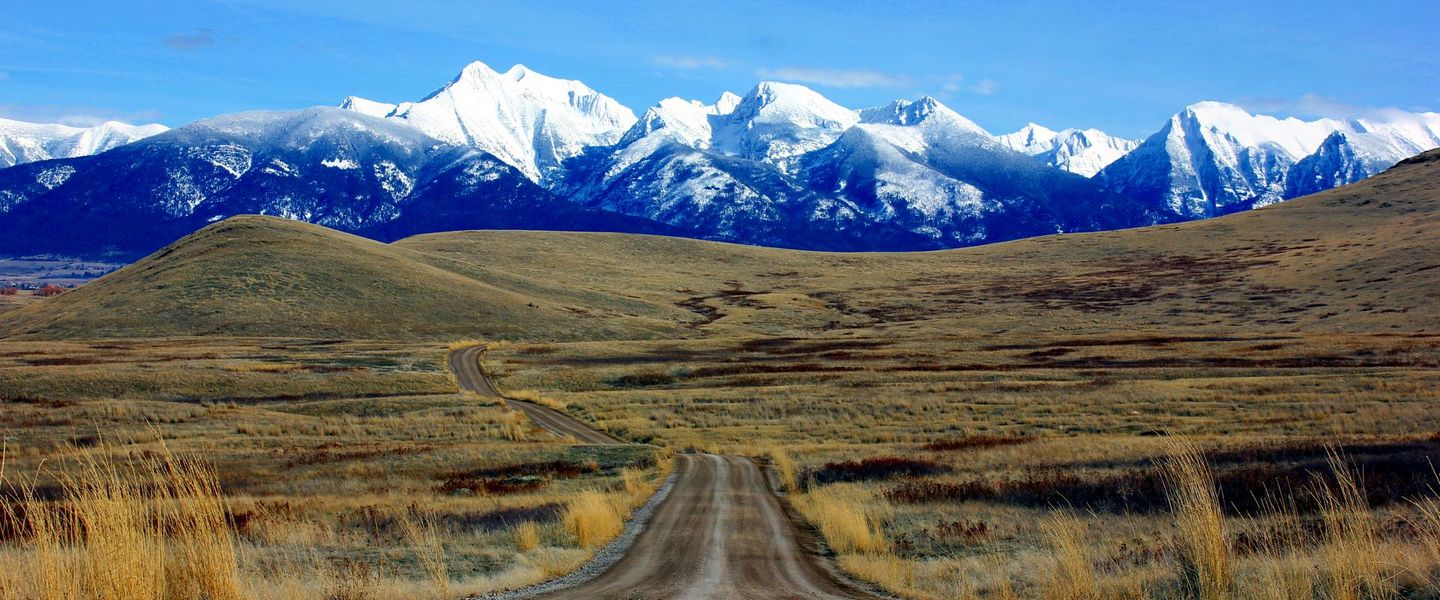
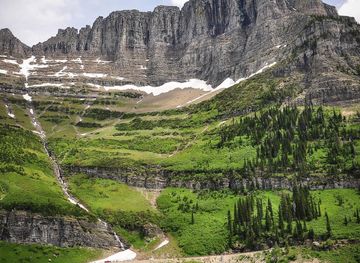
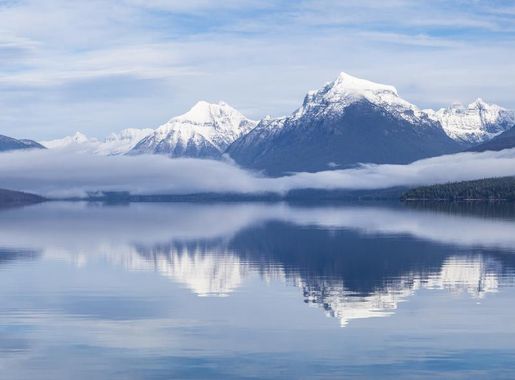
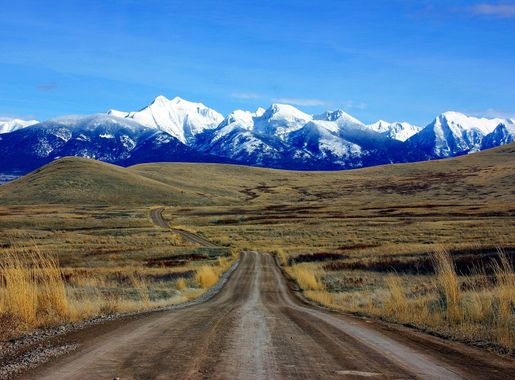
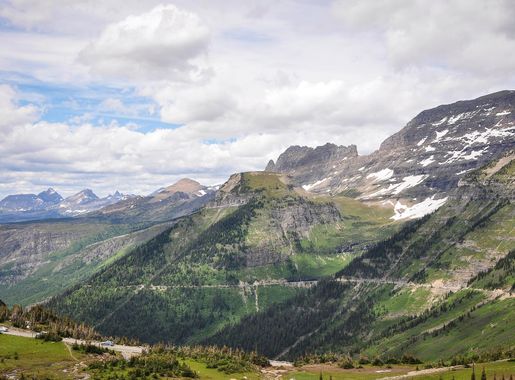
The Mission Mountains in Montana offer a breathtaking escape for nature lovers and adventurers alike. Nestled in the northwestern part of the state, this range is part of the Rocky Mountains and is famous for its dramatic landscapes, pristine lakes, and diverse wildlife. From its towering peaks to its lush valleys, the Mission Mountains provide a stunning backdrop for a variety of outdoor activities. Hiking enthusiasts will find a plethora of trails ranging from easy walks to challenging climbs. The Mission Mountain Wilderness Area, with its rugged terrain and remote beauty, is perfect for those seeking solitude and a chance to connect with nature. One of the highlights is McDonald Peak, which stands at over 9,800 feet and offers panoramic views of the surrounding area. The region is also rich in cultural history, being home to the Confederated Salish and Kootenai Tribes. Visitors can learn about the local heritage and traditions, adding a deeper layer to their exploration of the mountains. Whether you're camping under the stars, fishing in crystal-clear waters, or simply soaking in the serene environment, the Mission Mountains promise an unforgettable experience.

Know before you go
Hi, I'm Eve. Here are a few practical things to know before exploring The Mission Mountains.
- Visit in late spring to early fall for the best hiking conditions and to see wildflowers in bloom.
- Pack bear spray and know how to use it, as the region is home to grizzly bears.
- Consider hiring a local guide to learn more about the indigenous cultures and natural history.
- Check weather conditions before your trip, as mountain weather can change rapidly.
- Respect the natural environment by following Leave No Trace principles.
Explore The Mission Mountains: Things to Do, Places to Eat, Hotels & More
Handpicked recommendations for top attractions, local dining, accommodations, and more

Top Attractions & Sightseeing in The Mission Mountains
Top-rated picks
Best Attractions

Glacier National Park
Explore Glacier National Park, where breathtaking landscapes, diverse wildlife, and outdoor adventures await in Montana's stunning wilderness.

Lewis & Clark Caverns State Park
Explore the breathtaking limestone caverns and stunning landscapes of Lewis & Clark Caverns State Park, a top destination for outdoor adventure in Montana.

Montana Vortex and House of Mystery
Discover the fascinating Montana Vortex and House of Mystery - a mind-bending attraction where reality meets illusion in stunning Montana.

Miracle of America Museum
Discover the rich tapestry of American history at the Miracle of America Museum in Polson, Montana, featuring extensive exhibits and interactive displays.

Best restaurants in The Mission Mountains
Top-rated picks
Best Restaurants

The Montana Club Restaurant
Experience family-friendly dining at The Montana Club Restaurant in Kalispell - where American cuisine meets local charm.

Lolo Creek Steakhouse
Experience mouthwatering steaks in a rustic Montana setting at Lolo Creek Steakhouse - where flavor meets tradition.

Echo Lake Cafe
Discover Echo Lake Cafe: A charming spot in Bigfork serving delightful American breakfast and brunch amidst stunning Montana scenery.

Edgar Bar
Discover the flavors of Montana at Edgar Bar - where succulent steaks meet warm hospitality in the heart of Edgar.

Best bars in The Mission Mountains
Top-rated picks
Best Bars

Tamarack Brewing Company
Experience the best of local craft beers and hearty American cuisine at Tamarack Brewing Company in scenic Lakeside, Montana.

Top Hat
Experience the vibrant flavors and lively atmosphere at Top Hat, Missoula's premier gastropub featuring live music and delicious cuisine.

Thomas Meagher Bar
Experience the warmth of Irish hospitality at Thomas Meagher Bar in Missoula, where delicious food and lively atmosphere await.

The Old Saloon
Discover the charm of The Old Saloon in Emigrant, Montana, where local culture meets delicious American cuisine in a vibrant atmosphere.

Best nightclubs in The Mission Mountains
Top-rated picks
Best Nightclubs

Westside Lanes & Fun Center
Discover endless fun and excitement at Westside Lanes & Fun Center in Missoula, where bowling and entertainment come together for unforgettable experiences.

The Badlander
Discover the lively nightlife and vibrant music scene at The Badlander in Missoula, Montana, where fun meets affordability.

Stonefly Lounge
Discover Stonefly Lounge in Coram, Montana, where great food, live music, and a lively atmosphere create unforgettable experiences.

Stave & Hoop Speakeasy (21& older)
Discover the enchanting Stave & Hoop Speakeasy in Missoula, where creative cocktails and a vibrant atmosphere await adult guests.

Best shops in The Mission Mountains
Top-rated picks
Best Shops

Rockin Rudy's
Discover the ultimate destination for music, candy, and unique gifts at Rockin Rudy's in Missoula, MT, where every visit is a delightful surprise.

CSKT Bison Range Visitor Center: Museum & Gift Shop
Explore the CSKT Bison Range Visitor Center: A gateway to Montana's majestic bison and rich cultural history.

Montana Antique Mall
Explore the Montana Antique Mall in Missoula for a unique shopping experience filled with vintage treasures and historical artifacts.

Heyday
Discover unique gifts and charming cards at Heyday, the heart of Bozeman's local shopping experience.

Explore The Mission Mountains on the Map
A handpicked selection of must-see spots in The Mission Mountains, mapped for you.
The Mission Mountains Essentials
-
The Mission Mountains are located in northwestern Montana, United States. The nearest major airport is Missoula International Airport (MSO), approximately 50 miles away. From Missoula, you can rent a car or take a shuttle service to reach the Mission Mountains. The drive typically takes about an hour and offers scenic views of Montana's rugged landscape. For those coming from further afield, Amtrak's Empire Builder route stops at Whitefish, Montana, which is about a 2-hour drive from the Mission Mountains.
-
Once you are in the area, having a car is the most convenient way to explore the Mission Mountains, as public transportation options are limited. Car rentals are available at Missoula Airport and in nearby towns. For those who prefer not to drive, local tour companies offer guided trips into the mountains. Biking is another popular option, especially for accessing trailheads and exploring nearby areas.
-
The official currency is the United States Dollar (USD). Credit and debit cards are widely accepted in most hotels, restaurants, and shops in the area. However, it is advisable to carry some cash, especially if you plan to visit more remote areas or smaller establishments. ATMs are available in nearby towns like St. Ignatius and Polson, but they can be scarce in the mountains.
-
The Mission Mountains are generally safe for tourists, but it is important to take standard precautions. Avoid hiking alone and always let someone know your plans. Be aware of wildlife, including bears and mountain lions, and know how to react if you encounter them. There are no specific high-crime areas targeting tourists, but it is always wise to stay vigilant, especially when parking your vehicle at trailheads or remote locations.
-
In case of emergency, dial 911 for immediate assistance. The nearest medical facilities are located in the towns of St. Ignatius and Polson. It is highly recommended to carry a first-aid kit and to have travel insurance that covers medical emergencies. For minor health issues, pharmacies are available in the nearby towns. When hiking, always carry a map, compass, and sufficient water.
-
Fashion: Do wear appropriate outdoor clothing, including layers and sturdy hiking boots. Avoid wearing flashy jewelry that could attract wildlife or thieves. Religion: Do respect Native American heritage sites and local customs. Many areas are sacred to the Salish and Kootenai tribes. Public Transport: Do use shuttle services where available, but note that public transport is limited. Don't rely solely on public transport for exploring remote areas. Greetings: Do greet locals with a friendly 'hello' or 'hi.' Don't be overly familiar with strangers. Eating & Drinking: Do try local delicacies and support local businesses. Don't litter; always pack out what you pack in.
-
To experience the Mission Mountains like a local, visit the small towns scattered around the area, such as St. Ignatius, known for its historic Mission Church. Engage with local Native American culture by visiting the People's Center in Pablo. Take advantage of the numerous hiking trails; popular ones include the Mission Falls Trail and McDonald Lake Trail. Fishing and kayaking in the area's pristine lakes are also highly recommended. Always check local guidelines and permits required for activities like fishing or camping.
When is the best time to visit The Mission Mountains?
Useful Local Phrases for The Mission Mountains
You don't need to speak the language perfectly. Even learning a few simple words can make conversations warmer—and locals usually appreciate the effort.
— Eve

Here are the phrases I use most often in The Mission Mountains. Try a few—you'll be surprised how far they go! 😊
❤️
-
- HelloHello
[Heh-lo] - GoodbyeGoodbye
[Guhd-bye] - YesYes
[Yes] - NoNo
[No] - Please/You're welcomePlease
[Pleez] - Thank youThank you
[Thangk yoo] - Excuse me/SorryExcuse me
[Ex-kyoos mee] - How are you?How are you?
[How ar yoo?] - Fine. And you?I'm fine. And you?
[I'm fain. And yoo?] - Do you speak English?Do you speak English?
[Do yoo speek Ing-lish?] - I don't understandI don't understand
[I dont un-der-stand]
- HelloHello
-
- I'd like to see the menu, pleaseI'd like to see the menu, please
[I'd laik to see the men-yoo, pleez] - I don't eat meatI don't eat meat
[I dont eet meet] - Cheers!Cheers!
[Cheers] - I would like to pay, pleaseI'd like to pay, please
[I'd laik to pay, pleez]
- I'd like to see the menu, pleaseI'd like to see the menu, please
-
- Help!Help!
[Help] - Go away!Go away!
[Go a-way] - Call the Police!Call the Police!
[Call the Po-lees] - Call a doctor!Call a doctor!
[Call a dok-tor] - I'm lostI'm lost
[I'm lost] - I'm illI'm ill
[I'm ill]
- Help!Help!
-
- I'd like to buy...I'd like to buy...
[I'd laik to bai...] - I'm just lookingI'm just looking
[I'm just luk-ing] - How much is it?How much is it?
[How much iz it?] - That's too expensiveThat's too expensive
[Thats too ex-pen-siv] - Can you lower the price?Can you lower the price?
[Can yoo lower the prys?]
- I'd like to buy...I'd like to buy...
-
- What time is it?What time is it?
[What taim iz it?] - It's one o'clockIt's one o'clock
[Its wun o-clock] - Half past (10)Half past (10)
[Half past ten] - MorningMorning
[Mor-ning] - AfternoonAfternoon
[Af-ter-noon] - EveningEvening
[Eve-ning] - YesterdayYesterday
[Yes-ter-day] - TodayToday
[To-day] - TomorrowTomorrow
[To-mor-row] - 11
[One] - 22
[Two] - 33
[Three] - 44
[Four] - 55
[Five] - 66
[Six] - 77
[Seven] - 88
[Eight] - 99
[Nine] - 1010
[Ten]
- What time is it?What time is it?
-
- Where's a/the...?Where's a/the...?
[Where's a/the...?] - What's the address?What's the address?
[What's the ad-dress?] - Can you show me (on the map)?Can you show me (on the map)?
[Can yoo sho mee (on the map)?] - When's the next (bus)?When's the next (bus)?
[When's the next (bus)?] - A ticket (to ....)A ticket (to ....)
[A tik-it (to ....)]
- Where's a/the...?Where's a/the...?
History of The Mission Mountains
-
The Mission Mountains have been the traditional homeland of the Salish and Kootenai Tribes for centuries. These Native American tribes have a deep spiritual connection to the land, with the mountains playing a significant role in their cultural and religious practices. The Salish and Kootenai people used the surrounding valleys and rivers for hunting, fishing, and gathering plant resources, and their oral histories are filled with stories that highlight the sacred nature of the Mission Mountains.
-
In 1854, Jesuit missionaries established the St. Ignatius Mission at the foot of the Mission Mountains. This mission became a central point for missionary activities and played a crucial role in the lives of the Salish and Kootenai people. The mission's historic church, built in the 1890s, still stands today and is known for its impressive frescoes painted by Brother Joseph Carignano. The site is a testament to the cultural exchange and sometimes turbulent interactions between Native American tribes and European settlers.
-
The Flathead Indian Reservation was established by the Hellgate Treaty of 1855, which confined the Salish, Kootenai, and Pend d'Oreille tribes to a portion of their traditional lands. The Mission Mountains form the eastern boundary of the reservation. The treaty and subsequent government policies significantly impacted the tribes' way of life, leading to changes in land use, economy, and social structure. Despite these challenges, the tribes have maintained a strong cultural presence in the area.
-
In 1979, the Confederated Salish and Kootenai Tribes designated a portion of the Mission Mountains as the Mission Mountains Tribal Wilderness, the first tribally designated wilderness area in the United States. This act of preservation was aimed at protecting the sacred and ecological values of the region. The wilderness area is managed with a focus on traditional ecological knowledge and practices, ensuring that the cultural and natural heritage of the Mission Mountains is preserved for future generations.
-
During the Great Depression, the Civilian Conservation Corps (CCC) played a significant role in developing infrastructure in the Mission Mountains area. The CCC, a public work relief program, built trails, roads, and other facilities that improved access to the mountains and contributed to the conservation of the natural environment. Many of the trails and structures created by the CCC are still in use today and are a testament to the program's lasting impact on the region.
-
In recent decades, efforts to conserve the Mission Mountains have intensified, with various organizations and government agencies working to protect the area's unique ecosystems and cultural sites. These efforts include habitat restoration projects, wildlife management, and educational programs aimed at promoting sustainable use of the mountains. The Mission Mountains are now recognized as a vital ecological and cultural resource, attracting visitors from around the world who come to experience their natural beauty and historical significance.
Neighbouring Regions of The Mission Mountains
The closest regions to The Mission Mountains, if you have time for more than one.



Your all‑in‑one travel companion app
Explore expert travel guides, compare and book tours, experiences, hotels, and more—all from the palm of your hand. Download now for seamless trip planning wherever your wanderlust takes you.


Explore More of Montana
Looking beyond The Mission Mountains? Discover Montana for broader travel guides, local hot-spots, and regional highlights.
Explore MontanaThe Mission Mountains in Photos
Browse through our photo collection highlighting the charm and character of the destination.




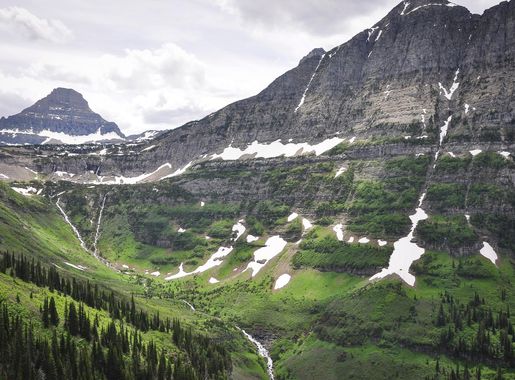
The Majestic Mission Mountains of Montana
The Mission Mountains in Montana offer a breathtaking escape for nature lovers and adventurers alike. Nestled in the northwestern part of the state, this range is part of the Rocky Mountains and is famous for its dramatic landscapes, pristine lakes, and diverse wildlife. From its towering peaks to its lush valleys, the Mission Mountains provide a stunning backdrop for a variety of outdoor activities. Hiking enthusiasts will find a plethora of trails ranging from easy walks to challenging climbs. The Mission Mountain Wilderness Area, with its rugged terrain and remote beauty, is perfect for those seeking solitude and a chance to connect with nature. One of the highlights is McDonald Peak, which stands at over 9,800 feet and offers panoramic views of the surrounding area. The region is also rich in cultural history, being home to the Confederated Salish and Kootenai Tribes. Visitors can learn about the local heritage and traditions, adding a deeper layer to their exploration of the mountains. Whether you're camping under the stars, fishing in crystal-clear waters, or simply soaking in the serene environment, the Mission Mountains promise an unforgettable experience.