

Ville Nouvelle (Fes) Travel Guide - Free
Explore Ville Nouvelle in Fes with Evendo's free guide. Find the best shops, historic streets, restaurants, and gems on web or mobile.


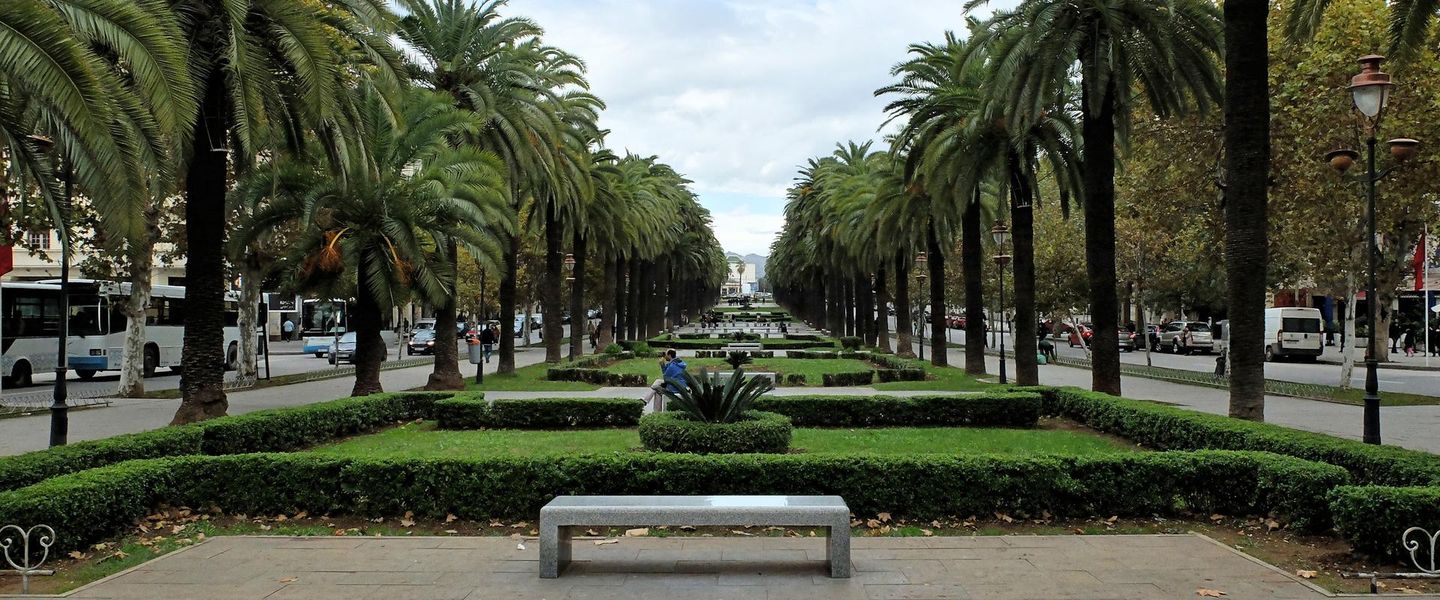


Ville Nouvelle in Fes pairs French-era boulevards, Art Deco façades, cafés, gardens and railway links with the historic medina and modern Moroccan life.
A Planned Modern Quarter
Ville Nouvelle is Fes’s modern counterpart to the historic medina, extending broadly around the long avenues and public spaces laid out during the French Protectorate. Its principal axis, Avenue Hassan II, leads through a city of broad pavements, traffic circles, mature trees, offices, cafés and early twentieth-century façades. The district is not a single sharply bounded quarter, but a commonly understood urban area surrounding landmarks such as Place Florence, Avenue Mohammed V and Fes railway station.Read more about Ville Nouvelle
Architecture and Everyday Life
Between New Fes and Old Fes
Explore Ville Nouvelle on the map
A handpicked selection of must-see spots in Ville Nouvelle, mapped for you.
Best hotels in Ville Nouvelle
Ville Nouvelle essentials
Getting There
Getting Around
Safety
Emergency Situations
Do's and Don'ts
Local Tips

From Eve
Local phrases worth knowing
You don't need to get them perfect. A few words go a long way, and locals appreciate the effort.
Basics
| English | Local | Say it |
|---|---|---|
| Hello | سلام | [salam] |
| Goodbye | وداعا | [wada'an] |
| Yes | نعم | [naam] |
| No | لا | [laa] |
| Please/You're welcome | من فضلك | [min fadlik] |
| Thank you | شكرا | [shukran] |
| Excuse me/Sorry | عذرا | [aadira] |
| How are you? | كيف حالك؟ | [kayfa haluk?] |
| Fine. And you? | بخير. وأنت؟ | [bikhayr. wa ant?] |
| Do you speak English? | هل تتحدث الإنجليزية؟ | [hal tatahadath al'inglizia?] |
| I don't understand | لا أفهم | [laa afham] |
Eating & Drinking
| English | Local | Say it |
|---|---|---|
| I'd like to see the menu, please | أود أن أرى القائمة، من فضلك | [awad 'an ara alqaima, min fadlik] |
| I don't eat meat | أنا لا آكل اللحم | [ana la aakol allahm] |
| Cheers! | في صحتك! | [fi sahtak!] |
| I would like to pay, please | أود أن أدفع، من فضلك | [awad 'an adfa', min fadlik] |
Emergencies
| English | Local | Say it |
|---|---|---|
| Help! | النجدة! | [alnajda!] |
| Go away! | ارحل! | [irhal!] |
| Call the Police! | اتصل بالشرطة! | [itassil bialshurta!] |
| Call a doctor! | اتصل بالطبيب! | [itassil bialtabib!] |
| I'm lost | لقد ضللت الطريق | [laqad dulla altrayq] |
| I'm ill | أنا مريض | [ana mareed] |
Shopping
| English | Local | Say it |
|---|---|---|
| I'd like to buy... | أريد شراء... | [uriid shira...] |
| I'm just looking | أنا فقط أتطلع | [ana faqat atalaa] |
| How much is it? | بكم هذا؟ | [bikam hadha?] |
| That's too expensive | هذا غالي جدا | [hadha ghali jiddan] |
| Can you lower the price? | هل يمكنك خفض السعر؟ | [hal yumkinuk khafd alsaeer?] |
Time & Numbers
| English | Local | Say it |
|---|---|---|
| What time is it? | كم الساعة؟ | [kam alsaa'a?] |
| It's one o'clock | الساعة الواحدة | [alsaa'a alwaahida] |
| Half past (10) | النصف بعد (10) | [alnusf ba'd (10)] |
| Morning | الصباح | [assaabah] |
| Afternoon | العصر | [ala'sr] |
| Evening | المساء | [almasa] |
| Yesterday | أمس | [ams] |
| Today | اليوم | [alyawm] |
| Tomorrow | غدا | [ghadan] |
| 1 | واحد | [waahid] |
| 2 | اثنان | [ithnan] |
| 3 | ثلاثة | [thalatha] |
| 4 | أربعة | [arba'a] |
| 5 | خمسة | [khamsa] |
| 6 | ستة | [sitta] |
| 7 | سبعة | [saba'a] |
| 8 | ثمانية | [thamania] |
| 9 | تسعة | [tasia] |
| 10 | عشرة | [ashara] |
Transport & Directions
| English | Local | Say it |
|---|---|---|
| Where's a/the...? | أين...؟ | [ayna...?] |
| What's the address? | ما هو العنوان؟ | [ma hu al'uanan?] |
| Can you show me (on the map)? | هل يمكنك أن تريني (على الخريطة)؟ | [hal yumkinuk 'an tureeni (ala alkhariata)?] |
| When's the next (bus)? | متى القادم (الحافلة)؟ | [mata alqadim (alhafilah)?] |
| A ticket (to ....) | تذكرة (إلى...) | [tazkirah (ila...)] |
History of Ville Nouvelle
The Protectorate Creates a New City
Ville Nouvelle emerged after the establishment of the French Protectorate in 1912, when Fes began expanding beyond the dense historic medina. The new quarter was planned as an administrative and residential city with wider roads, modern utilities and buildings suited to colonial government, commerce and European settlement. Its creation did not erase the old city, but established a second urban centre with a different street scale and architectural vocabulary. The contrast between the compact medina and the spacious modern avenues remains one of Fes’s defining urban relationships.
Boulevards, Offices and Modern Housing
During the early and mid-twentieth century, the quarter developed around broad avenues including the routes now associated with Avenue Hassan II and Avenue Mohammed V. Apartment buildings, villas, offices, shops and public institutions formed a more legible grid than the old city’s lanes. Architects combined contemporary European planning with details inspired by Moroccan forms, producing the restrained Art Deco and neo-Moorish character still visible in parts of the district. The area became an important setting for administration, commerce and new patterns of urban life.
Railways and Wider Connections
The arrival and consolidation of railway connections strengthened Ville Nouvelle’s role as Fes’s modern gateway. Fes railway station connected the city with Morocco’s national network and helped concentrate hotels, transport services, shops and businesses around the western side of the quarter. Rail access also reinforced the distinction between the station-facing modern city and the older medina, whose historic economy remained rooted in craft production, religious institutions and traditional markets. The station continues to give Ville Nouvelle a practical importance for visitors and residents.
Post-Independence Urban Continuity
After Moroccan independence in 1956, Ville Nouvelle retained its role as a commercial, administrative and residential district, while its buildings and public spaces were absorbed into the life of the modern city. New businesses, services and housing expanded around the earlier planned streets, and the quarter became increasingly Moroccan in its institutions, population and everyday rhythms. Its inherited architecture now forms part of Fes’s broader urban heritage, even as traffic, redevelopment and changing retail patterns continue to alter the appearance of the main avenues.
Ville Nouvelle in Photos
Browse through our photo collection highlighting the charm and character of the destination.
Neighbourhoods near Ville Nouvelle
The closest neighbourhoods to Ville Nouvelle, if you have time for more than one stop.
-

-


Swipe for more neighbourhoods
Explore more

Explore more of Fes
Discover Fes: Morocco's ancient heart, where history, culture, and tradition weave a vibrant tapestry in the labyrinthine streets of its timeless medina.
Explore Fes