

Tofo Beach Travel Guide - Free Web & App
Your ultimate guide to Tofo Beach. Discover top landmarks, proposed trips, and local tips. Free on the web or via the Evendo companion app.


Tofo Beach, Mozambique offers warm Indian Ocean sands, whale-shark encounters, coral reefs, diving, seafood and relaxed coastal village life near Inhambane.
Indian Ocean Landscape
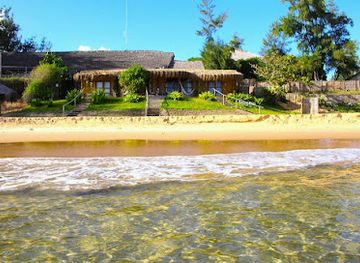
Tofo Beach is a small, relaxed coastal settlement on Mozambique’s southern Indian Ocean shore, approximately 20 kilometres east of Inhambane. Its broad curve of pale sand faces a warm, open-water bay, while the rocky headland of Tofinho lies just south of the main beach. The surrounding coastline combines sandy swimming areas, low dunes, exposed reefs and informal footpaths between guesthouses, cafés and local homes. Tofo is not a large resort, and much of its appeal lies in the easy transition between village life, beach time and the marine environment.Read more about Tofo Beach
A Marine Wildlife Destination
Village Life and Regional Character
When is the best time to visit Tofo Beach?
Best: June–August · 26–27°C| Month | High (°C) | Rainfall (mm) |
|---|---|---|
| January | 32 | 151 |
| February | 32 | 142 |
| March | 32 | 120 |
| April | 31 | 72 |
| May | 29 | 41 |
| June (best) | 27 | 22 |
| July (best) | 26 | 22 |
| August (best) | 27 | 28 |
| September | 28 | 51 |
| October | 30 | 84 |
| November | 31 | 106 |
| December | 32 | 133 |
Getting to and around Tofo Beach
How to get there
Transportation
Best attractions in Tofo Beach
Tofo Beach itself is the destination’s central attraction: a wide sandy shore suited to walking, swimming when conditions allow and watching the changing light over the bay. South of the main village, Tofinho provides a more rugged coastal setting with rocky edges, surf and ocean viewpoints, while the waters off both beaches are the focus of diving, snorkelling and marine-wildlife excursions. Whale sharks are the area’s best-known visitors, and manta rays, turtles, dolphins and seasonal humpback whales may also be encountered. The nearby village of Inhambane, outside Tofo, adds historic streets, markets and a different perspective on the region’s coastal culture. Across the bay and peninsula, Barra offers another beach environment, but it is a separate locality rather than part of Tofo Beach. The combination of accessible shoreline, offshore reefs, small-scale village life and proximity to Inhambane gives the area a varied experience without the scale of a major resort.
-
Diving center
Peri Peri Divers Tofo | Scuba Dive Center
Explore the underwater wonders of Tofo Beach with Peri Peri Divers, a top scuba diving center offering unique marine adventures in Mozambique.
-
Diving center
DIVERSITYScuba
Experience the underwater world at DIVERSITYScuba, Tofo Beach’s premier diving center, where adventure and marine conservation go hand in hand.
-
Tourist attraction
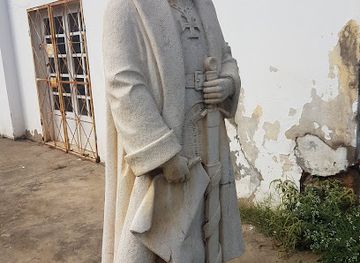
Statue of Vasco da Gama
Explore the rich maritime history of Mozambique at the stunning Statue of Vasco da Gama in Inhambane, a must-see landmark for every traveler.
-
Resort hotel
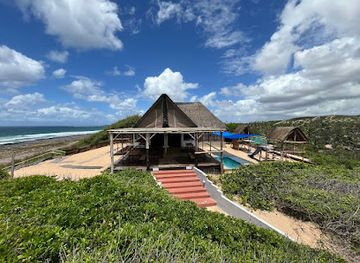
Mango Beach Resort
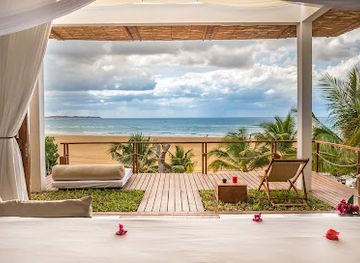
Experience the beauty of Praia Tofo at Mango Beach Resort, where luxury meets adventure in a tropical paradise.

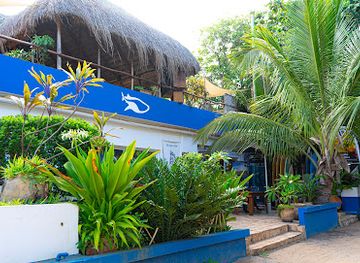
Best landmarks in Tofo Beach
Tofo Beach is the defining natural landmark, a long open sweep of Indian Ocean sand backed by a low, lightly developed coastal settlement. The rocky promontory and shoreline of Tofinho form a contrasting landmark to the south, where exposed rock, surf and views across the water create a more rugged character. Offshore reefs and marine habitats are equally important, even though much of their significance lies beneath the surface: they support the diving and wildlife encounters for which the coast is known. The wider Inhambane Bay landscape provides the geographical setting, linking Tofo with the historic town of Inhambane and the Barra Peninsula across the water. Rather than being marked by grand monuments or monumental architecture, Tofo’s identity rests on the relationship between beach, village and ocean, with fishing traditions and marine tourism shaping how the landscape is experienced.
-
Restaurant
Tofo-Tofo
Discover the authentic tastes of Mozambique at Tofo-Tofo, where every meal is a journey through local flavors and coastal charm.
-
Family-friendly
Casa na Praia Restaurant
Discover the vibrant flavors of Mozambique at Casa na Praia, a family-friendly restaurant with stunning ocean views in Tofo Beach.
-
 Motel
Mozambeat Motel
Experience the charm of Mozambique at Mozambeat Motel, where stunning views, vibrant culture, and coastal adventures await.
-
Bed & breakfast
Baia Sonambula
Experience coastal bliss at Baia Sonambula, a charming bed & breakfast in Tofo Beach, perfect for relaxation and adventure seekers alike.
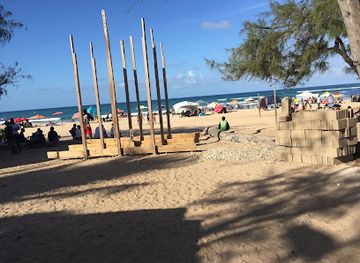
Explore Tofo Beach on the map
Plan your trip on one map. See where the top attractions, landmarks, restaurants and hotels are, and book hotels and experiences in a few clicks.
Best hotels in Tofo Beach
Best restaurants in Tofo Beach
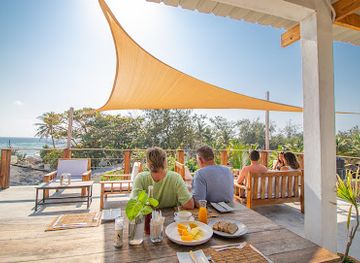
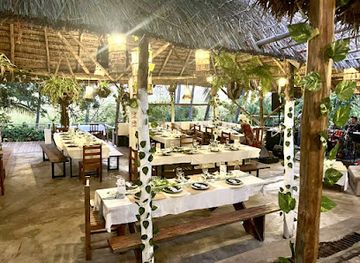
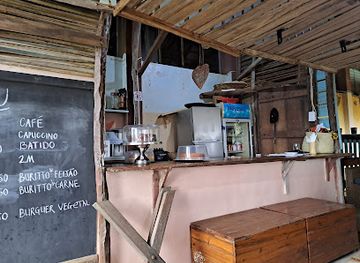
Dining in Tofo is concentrated around the village and its accommodation areas rather than spread across a large commercial centre. Menus commonly draw on Mozambique’s coastal larder, with seafood, prawns, fish, crab where available, rice, coconut, lime and chilli appearing in local and internationally influenced dishes. Simple cafés and restaurants serve breakfast, light meals and relaxed beach fare, while guesthouses and lodges may provide meals for staying guests. Informal food stalls and the local market can offer a more everyday view of regional life, although selection and opening patterns vary. Inhambane has a broader choice of shops and eating places and can be useful for provisions, while visitors staying in Tofo should not assume that every restaurant accepts cards or operates throughout the year. The best dining experiences often reflect the area’s fishing culture and unhurried coastal rhythm rather than formal fine dining.
-
Japanese
Sumi Bar and Kitchen
Experience authentic Japanese cuisine at Sumi Bar and Kitchen in Tofo Beach, where culinary excellence meets breathtaking coastal views.
-
Restaurant
Tofo-Tofo
Experience authentic Mozambican cuisine at Tofo-Tofo Restaurant on beautiful Tofo Beach - where every bite tells a story.
-
Family-friendly
Casa na Praia Restaurant
Discover exquisite local cuisine at Casa na Praia Restaurant on Tofo Beach – where family-friendly dining meets stunning ocean views.
-
Restaurant
Mozambeat Motel
Discover Mozambeat Motel: A vibrant restaurant and bar nestled on Praia de Tofinho, perfect for relaxation and adventure in beautiful Mozambique.
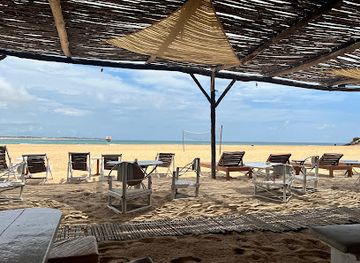
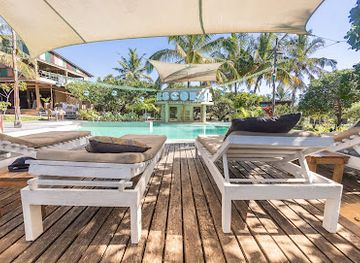
Best bars in Tofo Beach
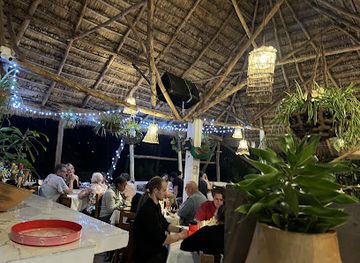
Tofo has a modest evening scene shaped by beach bars, guesthouse social areas and informal restaurants rather than nightclubs or a dedicated entertainment district. Evenings may include conversation over a drink, music in a casual bar, or a short walk along the village’s sandy lanes, though the atmosphere and venue availability can change with the season. Some accommodation providers organise occasional social events or live music, but these should not be assumed to run on a fixed schedule. Inhambane offers a more settled town environment but is not a major nightlife centre, and travelling between the two after dark requires prior transport planning. Tofo’s appeal at night is chiefly its relaxed seaside setting, warm-weather sociability and the chance to hear local music and meet other travellers without the intensity of a large resort.
-
Japanese
Sumi Bar and Kitchen
Experience the best of Japanese cuisine at Sumi Bar and Kitchen in Tofo Beach, where fresh ingredients meet coastal charm.
-
Restaurant
Tofo-Tofo
Experience the flavors of Mozambique at Tofo-Tofo, a beachfront restaurant serving fresh seafood and traditional dishes with stunning ocean views.
-
Restaurant
Branko's
Experience the vibrant flavors of Mozambique at Branko's, a restaurant in Tofo Beach known for its fresh seafood and inviting atmosphere.
-
Restaurant
What U Want RESTAURANT
Discover the flavors of Mozambique at What U Want RESTAURANT, a culinary haven on Tofo Beach offering fresh seafood and local delights.


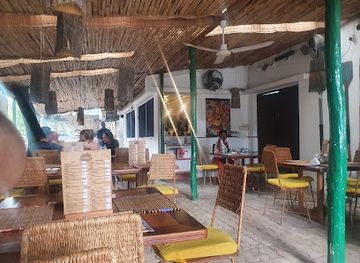
Best nightclubs in Tofo Beach
Tofo has a modest evening scene shaped by beach bars, guesthouse social areas and informal restaurants rather than nightclubs or a dedicated entertainment district. Evenings may include conversation over a drink, music in a casual bar, or a short walk along the village’s sandy lanes, though the atmosphere and venue availability can change with the season. Some accommodation providers organise occasional social events or live music, but these should not be assumed to run on a fixed schedule. Inhambane offers a more settled town environment but is not a major nightlife centre, and travelling between the two after dark requires prior transport planning. Tofo’s appeal at night is chiefly its relaxed seaside setting, warm-weather sociability and the chance to hear local music and meet other travellers without the intensity of a large resort.
-
Japanese
Sumi Bar and Kitchen
Experience the culinary artistry of Japan at Sumi Bar and Kitchen, where fresh flavors meet the serene beauty of Tofo Beach.
-
Restaurant
Tofo-Tofo
Discover the flavors of Mozambique at Tofo-Tofo, a vibrant restaurant on Tofo Beach offering local cuisine and stunning ocean views.
-
Bar
Mozambeat Motel
Discover the vibrant Mozambeat Motel at Praia de Tofinho, where relaxation meets lively entertainment in a stunning coastal setting.
-
Bar
Hotel Tofo Mar
Discover the perfect blend of beachside relaxation, vibrant dining, and exciting adventures at Hotel Tofo Mar, your gateway to Mozambique's beauty.
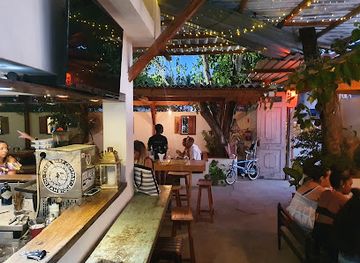
Best shops in Tofo Beach
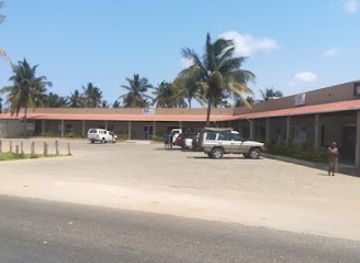
Shopping in Tofo is small-scale and practical, with opportunities concentrated around local stalls, market activity, small provisions shops and craft sellers rather than a formal retail district. Visitors may find handmade souvenirs, woven items, carvings, clothing, beach essentials and locally produced food, although stock and quality vary and bargaining may form part of informal transactions. Fresh produce and everyday supplies are more readily sought through local markets and shops, while Inhambane provides a broader range of services and provisions outside the beach settlement. Artisans and sellers should be approached respectfully, and visitors should avoid buying coral, shells or items that may have been taken from the marine environment. Tofo’s shopping experience reflects its village scale and coastal economy, with crafts, food and practical necessities more prominent than branded retail or luxury goods.
-
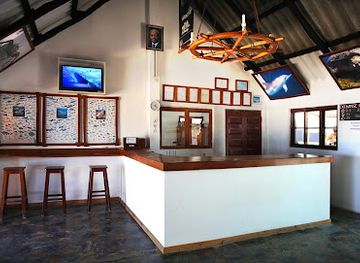
Dive shop
Tofo Scuba
Experience the vibrant marine life of Tofo Beach with unforgettable diving adventures at Tofo Scuba.
-
Hostel
Kitesurf Tofo
Discover thrilling adventures and serene relaxation at Kitesurf Tofo, the ultimate destination for water sports enthusiasts in Inhambane.
-
Coffee shop
Jen's place
Experience the perfect blend of coffee and coastal charm at Jen's Place, your ideal retreat on Tofo Beach.
-
Shopping mall
Babalaza Centro
Experience the vibrant culture and shopping delights at Babalaza Centro, the premier shopping mall in Tofo Beach, Mozambique.
Get your free copy of our complete guide to Tofo Beach, delivered straight to you.
Everything on this page, from attractions and restaurants to essentials and local phrases, in one PDF you can read offline, print or share.
Already have an account? Sign in
Your Tofo Beach guide is ready.
We'll send it to · Not you? Sign out

Getting your guide ready…
We are putting together a fresh copy of the Tofo Beach guide. This can take up to a minute.
This can take a few moments. If your browser asks, choose Allow so the download can start. You'll find the guide in your Downloads folder.
Nothing happened? Download it again
Sorry, the guide is taking longer than usual. Please try again in a minute, or get it by email instead.
Tofo Beach essentials
Currency and Payment
Safety
Emergency Situations
Do's and Don'ts
Local Tips
From Eve
Local phrases worth knowing
You don't need to get them perfect. A few words go a long way, and locals appreciate the effort.
Basics
| English | Local | Say it |
|---|---|---|
| Hello | Olá | [oh-lah] |
| Goodbye | Adeus | [ah-deh-oos] |
| Yes | Sim | [seem] |
| No | Não | [nah-oo] |
| Please/You're welcome | Por favor/De nada | [poh-r fah-vohr/dee nah-dah] |
| Thank you | Obrigado (male)/Obrigada (female) | [oh-bree-gah-doo/oh-bree-gah-dah] |
| Excuse me/Sorry | Com licença/Desculpe | [kohm lee-sehn-sah/dehs-kool-peh] |
| How are you? | Como está? | [koh-moo ehs-tah] |
| Fine. And you? | Bem. E você? | [behn/eh voh-seh] |
| Do you speak English? | Fala inglês? | [fah-lah een-gleh-s] |
| I don't understand | Não entendo | [nah-oo ehn-tehn-doo] |
Eating & Drinking
| English | Local | Say it |
|---|---|---|
| I'd like to see the menu, please | Gostaria de ver o menu, por favor | [goh-stah-ree-ah deh vehr oh meh-noo/pohr fah-vohr] |
| I don't eat meat | Não como carne | [nah-oo koh-moo kahr-neh] |
| Cheers! | Saúde! | [sah-oo-deh] |
| I would like to pay, please | Gostaria de pagar, por favor | [goh-stah-ree-ah deh pah-gahr/pohr fah-vohr] |
Emergencies
| English | Local | Say it |
|---|---|---|
| Help! | Ajuda! | [ah-joo-dah] |
| Go away! | Vai embora! | [vah-ee ehm-boh-rah] |
| Call the Police! | Chame a Polícia! | [shah-meh ah po-lee-see-ah] |
| Call a doctor! | Chame um médico! | [shah-meh oom meh-dee-koo] |
| I'm lost | Estou perdido | [eh-stoh pehr-dee-doo] |
| I'm ill | Estou doente | [eh-stoh doo-ehn-teh] |
Shopping
| English | Local | Say it |
|---|---|---|
| I'd like to buy... | Gostaria de comprar... | [goh-stah-ree-ah deh kohm-prahr] |
| I'm just looking | Estou só a ver | [eh-stoh soh ah vehr] |
| How much is it? | Quanto custa? | [kwahn-too koos-tah] |
| That's too expensive | Isso é muito caro | [ee-soh eh moo-ee-toh kahr-oo] |
| Can you lower the price? | Pode baixar o preço? | [poh-deh bai-shahr oh preh-soh] |
Time & Numbers
| English | Local | Say it |
|---|---|---|
| What time is it? | Que horas são? | [keh oh-rahz sah-ooh] |
| It's one o'clock | É uma hora | [eh ooh-mah oh-rah] |
| Half past (10) | Meia hora (10) | [may-ah oh-rah] |
| Morning | Manhã | [mahn-yah] |
| Afternoon | Tarde | [tahr-deh] |
| Evening | Noite | [noy-teh] |
| Yesterday | Ontem | [ohn-tehm] |
| Today | Hoje | [oh-zheh] |
| Tomorrow | Amanhã | [ah-mahn-yah] |
| 1 | Um | [oom] |
| 2 | Dois | [doysh] |
| 3 | Três | [trehs] |
| 4 | Quatro | [kwah-troh] |
| 5 | Cinco | [seen-koh] |
| 6 | Seis | [saysh] |
| 7 | Sete | [seh-teh] |
| 8 | Oito | [oy-toh] |
| 9 | Nove | [noh-veh] |
| 10 | Dez | [dehz] |
Transport & Directions
| English | Local | Say it |
|---|---|---|
| Where's a/the...? | Onde fica o/a...? | [ohn-deh fee-kah oh/ah] |
| What's the address? | Qual é o endereço? | [kwahl eh oh ehn-deh-reh-soh] |
| Can you show me (on the map)? | Pode mostrar-me (no mapa)? | [poh-deh moh-strahr-meh (noo mah-pah)] |
| When's the next (bus)? | Quando é o próximo (autocarro)? | [kwahn-doo eh oh proh-see-moh (ow-toh-kah-roo)] |
| A ticket (to ....) | Um bilhete (para ...) | [oom bee-lyeh-teh (pah-rah)] |
History of Tofo Beach
Coastal Landscape and Early Communities
The Tofo coast was shaped by long-term Indian Ocean processes that formed sandy beaches, dunes, tidal flats and offshore reefs. Before modern tourism, the wider area was inhabited and used by local communities whose livelihoods were connected with fishing, small-scale agriculture and coastal trade. The region is associated broadly with Tsonga-speaking peoples, although Tofo’s contemporary identity has also been influenced by the multilingual maritime culture of Inhambane Province. Human activity remained relatively dispersed, with village life and access to the sea more significant than large urban settlement.
Inhambane and Portuguese Maritime Influence
Tofo lies within the historical orbit of Inhambane, one of the oldest Portuguese settlements on the coast of Mozambique, established as a trading centre in the sixteenth century. Portuguese maritime connections brought the wider bay into networks linking southern Africa with the Indian Ocean, although local African communities continued to shape the economy, culture and use of the coast. Trade, Christianity and colonial administration affected Inhambane and surrounding districts over the following centuries, while fishing and agriculture remained important to everyday life beyond the town.
Colonial Rule and Changing Coastal Economies
During the colonial period, the Inhambane region developed through a mixture of plantation agriculture, fishing, transport links and commerce centred on the bay and its settlements. Colonial rule altered land administration and labour patterns, but it did not replace the coastal economy’s dependence on local knowledge, small-scale production and maritime activity. Tofo itself remained a modest beach settlement rather than a major colonial town. Its sandy shoreline and access to productive waters later became the foundation for recreational tourism, particularly as road connections and regional travel improved.
Independence and the Rise of Marine Tourism
Mozambique became independent in 1975, and the country’s tourism industry developed unevenly during the decades that followed, including a period affected by civil conflict. As stability and visitor interest increased, Tofo emerged as a destination for diving, surfing, beach holidays and marine wildlife encounters. The regular presence of whale sharks and manta rays helped give the area an international profile, while researchers and conservation organisations expanded knowledge of the Inhambane coastline’s marine life. Today, tourism operates alongside established local communities and fishing activity, making responsible wildlife practices and respect for coastal livelihoods important parts of the destination’s future.
Tofo Beach in Photos
Browse through our photo collection highlighting the charm and character of the destination.
Cities in Tofo Beach
The towns and cities of Tofo Beach, and the easiest places to base yourself.
-

-


Swipe for more cities
Neighbouring destination travel guides
The closest destinations to Tofo Beach, if you have time for more than one.
-

-

-

-

-


Swipe for more destinations
Explore more

Explore more of Inhambane Province
Explore Inhambane Province for historic coastal towns, Tofo’s marine life, Vilanculos beaches and island adventures in Mozambique.
Explore Inhambane Province
Explore more of Mozambique
Discover Mozambique: Pristine beaches, rich cultural heritage, and vibrant wildlife await in this stunning African destination.
Explore Mozambique