

Free Inhambane Province Travel Guide & Mobile App
Explore Inhambane Province with free travel guides. Discover regional history, expert tips, proposed trips, and audio guides on web or mobile app.


Explore Inhambane Province for historic coastal towns, Tofo’s marine life, Vilanculos beaches and island adventures in Mozambique.
Read more about Inhambane Province
When is the best time to visit Inhambane Province?
Best: June–August · 24°C| Month | High (°C) | Rainfall (mm) |
|---|---|---|
| January | 31 | 150 |
| February | 31 | 130 |
| March | 30 | 120 |
| April | 29 | 100 |
| May | 26 | 80 |
| June (best) | 24 | 70 |
| July (best) | 24 | 60 |
| August (best) | 24 | 70 |
| September | 26 | 80 |
| October | 27 | 90 |
| November | 29 | 110 |
| December | 30 | 130 |
Getting to and around Inhambane Province
How to get there
Transportation
Top city travel guides in Inhambane Province
The cities of Inhambane Province, and the easiest places to base yourself.
-

-

-


Swipe for more cities
Destinations in Inhambane Province
Resorts, valleys and scenic spots worth a trip of their own.

Swipe for more destinations
Best attractions in Inhambane Province
Inhambane Province’s attractions range from marine adventures to historic urban landscapes. Tofo is a major base for diving, snorkelling and ocean excursions, with reefs and open-water habitats that support a variety of marine life. Vilanculos and Inhassoro provide access to the Bazaruto Archipelago National Park, where boat trips, sailing, kayaking and beach visits reveal dunes, shallow channels and island environments. The islands are reached by water rather than road, and conditions can shape the day’s itinerary. On the mainland, Inhambane city offers historic streets, churches and colonial-era architecture, while Maxixe provides a lively contrast as a commercial town on the opposite side of the bay. Pomene combines beaches, coastal woodland and an estuarine setting suited to quieter nature-based travel. Rural markets, fishing communities and coconut-growing areas offer insight into everyday life, while protected marine habitats make conservation an important part of the visitor experience. Activities should be arranged with operators that respect wildlife, local access rights and the fragile coastal environment.
-
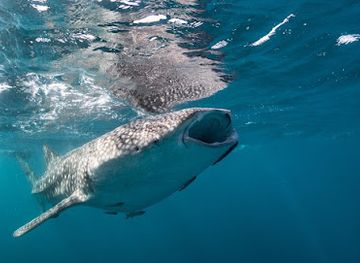
Diving center
Peri Peri Divers Tofo | Scuba Dive Center
Discover the wonders of the underwater world with Peri Peri Divers in Tofo Beach, Mozambique, home to breathtaking marine life and unforgettable diving experiences.
-
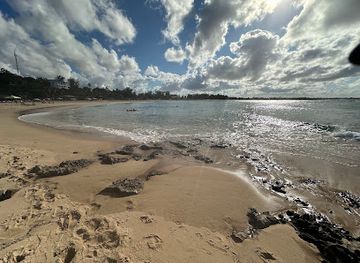
Tourist attraction
Tofo Beach
Discover the beauty and adventure of Tofo Beach, Mozambique's tropical paradise for sun, sea, and unforgettable experiences.
-
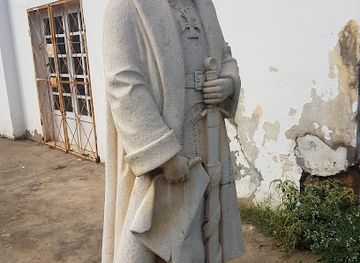
Tourist attraction
Statue of Vasco da Gama
Explore the historical and scenic beauty of the Statue of Vasco da Gama in Inhambane, a tribute to maritime exploration and cultural heritage.
-
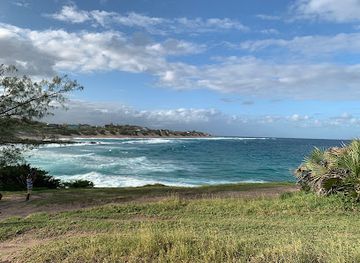
Tourist attraction
Tofinho Beach
Discover the pristine beauty and vibrant culture of Tofinho Beach, Mozambique - a perfect escape for relaxation and adventure.
Best landmarks in Inhambane Province
Inhambane city’s historic core is the province’s most significant concentration of built landmarks. Its old churches, administrative buildings and Portuguese-influenced houses reflect the city’s role in Indian Ocean trade and colonial governance, while weathered façades and narrow streets convey the passage of time. The bay itself is a defining geographical landmark, separating Inhambane from Maxixe and shaping the city’s maritime history. Farther north, the Bazaruto Archipelago is a major natural landmark rather than a single monument: its long sand dunes, island beaches, shallow channels and coral habitats form one of Mozambique’s best-known protected coastal landscapes. The coast around Tofo is marked by dramatic sandy beaches and reef-rich waters, while Pomene is distinguished by the meeting of beach, estuary and coastal vegetation. These places matter not only for their appearance but also for the working, trading and conservation histories that continue to shape the province.
-
 Hotel
HotelHotel Casa Do Capitão
Discover the charm of Inhambane at Hotel Casa Do Capitão, where comfort meets the beauty of Mozambique's coastline.
-
Bed & breakfast
Baia Sonambula
Discover the charm of Baia Sonambula, a cozy bed & breakfast nestled on Tofo Beach, offering comfort, local hospitality, and stunning natural beauty.
-
Motel
Mozambeat Motel
Discover the vibrant essence of Mozambique at Mozambeat Motel, where comfort meets culture on the stunning shores of Praia de Tofinho.
-
Resort hotel
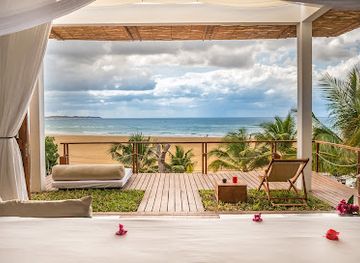
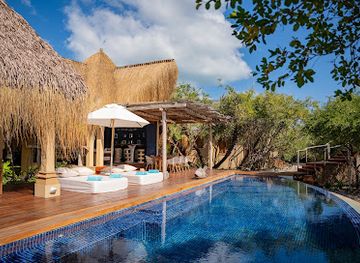
Azura Benguerra Island
Experience the luxury and beauty of Azura Benguerra Island, a tropical paradise in Mozambique's Bazaruto Archipelago, perfect for relaxation and adventure.
Explore Inhambane Province on the map
Plan your trip on one map. See where the top cities, national parks and sights are, and book hotels and experiences in a few clicks.
Best hotels in Inhambane Province
Best restaurants in Inhambane Province
Dining in Inhambane Province is closely tied to the Indian Ocean and to Mozambique’s broader southern culinary traditions. Fish, prawns, crab and other shellfish are widely available in coastal towns, often grilled or served with chilli, garlic, coconut or a spiced sauce. Piri-piri flavours are common, while rice, maize-based staples and seasonal vegetables provide everyday accompaniments. Tofo, Vilanculos and Inhambane city have the broadest choice of restaurants, from informal seafood cafés and beach eateries to contemporary kitchens serving international and Mozambican dishes. In smaller communities, meals may be simpler and availability can depend on the day’s catch. Markets and roadside stalls offer fruit, bread and prepared snacks, although visitors should choose busy outlets with good food turnover and drink treated or sealed water. Local beer and soft drinks are widely available, and some tourism businesses showcase produce from nearby farms and fishing communities.
-
Restaurant
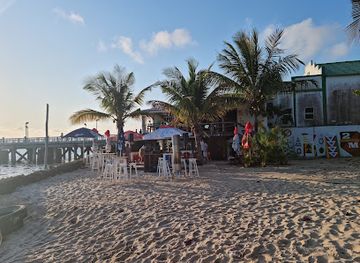
Ponte Cais
Experience authentic Mozambican flavors at Ponte Cais in Inhambane – where culinary delight meets breathtaking views.
-
Family-friendly
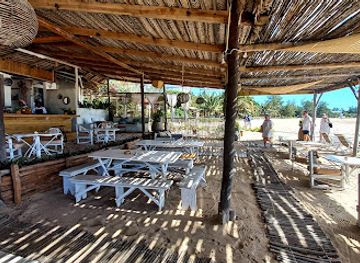
Casa na Praia Restaurant
Discover delicious family-friendly dining at Casa na Praia Restaurant on Tofo Beach - where great food meets stunning ocean views.
-
-
Family-friendly
C-Mew | Restaurant, Bar & Guesthouse Tofinho
Experience Tofinho's charm at C-Mew – where delicious cuisine meets family-friendly hospitality in an idyllic coastal setting.
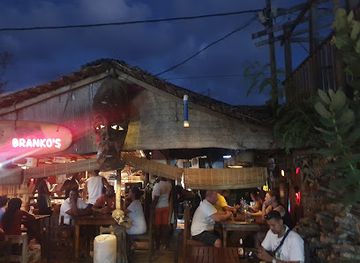
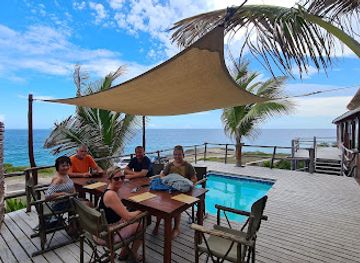
Best bars in Inhambane Province
Evening life in Inhambane Province is generally relaxed and coastal rather than centred on large nightclubs. Tofo and Vilanculos have the widest selection of beach bars, hotel lounges, casual restaurants and occasional live-music evenings, with activity often increasing during holiday periods. Inhambane city has local bars and restaurants where residents and visitors meet, while smaller beach settlements tend to close earlier and offer a quieter atmosphere. Some lodges and resorts arrange music, cultural performances or informal gatherings, but programmes and opening arrangements are changeable. Night travel on foot is best kept to familiar, well-lit routes, and visitors should arrange transport in advance when staying outside town centres. The province’s evening character is better represented by conversation, seafood meals, music and views across the water than by a substantial club circuit.
-
Restaurant
Green Turtle restaurant in Barra
Experience the essence of Mozambican cuisine at Green Turtle Restaurant in Barra, where fresh seafood meets stunning ocean views.
-
Restaurant
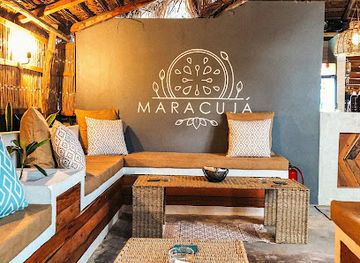
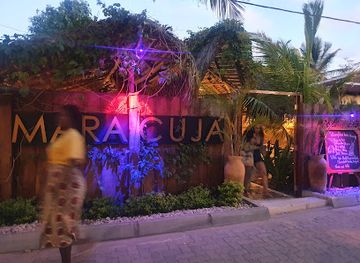
MARACUJÁ
Experience the vibrant flavors of Mozambique at MARACUJÁ, a must-visit restaurant and cocktail bar in Praia da Tofo offering delicious tapas and unique cocktails.
-
Seafood
Dino's Restaurant +Bar
Experience the best of Inhambane's seafood at Dino's Restaurant + Bar, where fresh flavors meet stunning ocean views.
-
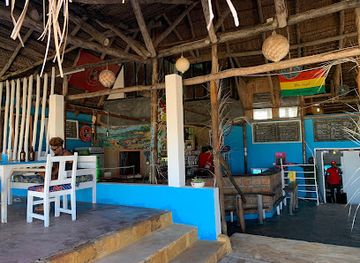
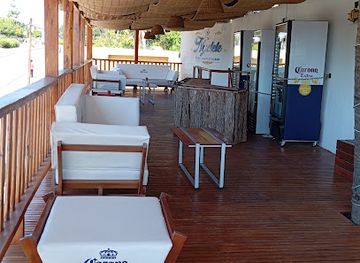
Bar
Bar Nyelete
Experience the vibrant atmosphere and stunning ocean views at Bar Nyelete in Vilankulos, the perfect spot for relaxation and local culture.
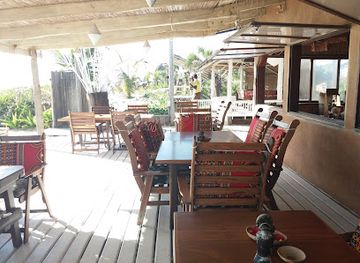
Best nightclubs in Inhambane Province
Evening life in Inhambane Province is generally relaxed and coastal rather than centred on large nightclubs. Tofo and Vilanculos have the widest selection of beach bars, hotel lounges, casual restaurants and occasional live-music evenings, with activity often increasing during holiday periods. Inhambane city has local bars and restaurants where residents and visitors meet, while smaller beach settlements tend to close earlier and offer a quieter atmosphere. Some lodges and resorts arrange music, cultural performances or informal gatherings, but programmes and opening arrangements are changeable. Night travel on foot is best kept to familiar, well-lit routes, and visitors should arrange transport in advance when staying outside town centres. The province’s evening character is better represented by conversation, seafood meals, music and views across the water than by a substantial club circuit.
-
Restaurant
MARACUJÁ
Experience the vibrant flavors of local cuisine at Maracujá, a beloved restaurant and cocktail bar in picturesque Praia da Tofo.
-
Hotel
Barra Beach Club
Discover the beauty of Barra Beach Club in Inhambane, where luxury meets adventure by the stunning Indian Ocean.
-
Bar
Mathenga Bout Bar
Discover Mathenga Bout Bar in Inhambane, a vibrant bar offering a unique blend of local culture, refreshing drinks, and a lively nightlife experience.
-
Bar
Imbondeiro Beach Bar
Discover the vibrant atmosphere and stunning views at Imbondeiro Beach Bar, where relaxation meets local culture in Nangalete.
Best shops in Inhambane Province
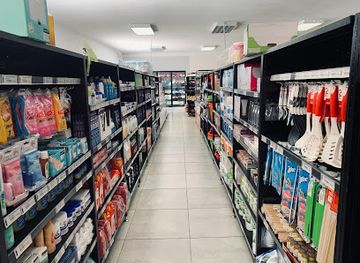
Shopping in Inhambane Province is oriented towards practical local markets, food products and handicrafts rather than large-scale retail. Inhambane city, Maxixe and Vilanculos have the broadest choice of small shops and market stalls, while Tofo’s visitor economy supports stalls and independent sellers offering woven goods, carvings, jewellery, beach clothing and souvenirs. Selection and quality vary, so examine crafts carefully and buy directly from makers or reputable community-based sellers where possible. Markets are useful for fruit, bread, spices and other provisions for road journeys, although bargaining should remain courteous and prices should be agreed before purchasing services or transport. Seafood and agricultural produce are important local products, but fresh items may not travel well without proper storage. Visitors should avoid purchasing coral, shells, ivory or other protected wildlife products, and should confirm where any locally made item has been sourced.
-
Hotel
Sentidos Beach Retreat
Discover serenity and adventure at Sentidos Beach Retreat, the perfect coastal escape in Inhambane, Mozambique.
-
Grocery store
SaveMor Inhambane
Discover authentic local flavors and everyday essentials at SaveMor Inhambane, your go-to discount supermarket in the heart of Inhambane.
-
Store
Zavora Lodge Mozambique
Experience the beauty and adventure of Mozambique at Zavora Lodge, your gateway to diving, fishing, and relaxation by the sea.
-
Resort hotel
Azura Benguerra Island
Experience the unparalleled luxury and natural beauty of Azura Benguerra Island, an exclusive resort hotel on Mozambique's stunning Benguerra Island.
Get your free copy of our complete guide to Inhambane Province, delivered straight to you.
Everything on this page, from attractions and restaurants to essentials and local phrases, in one PDF you can read offline, print or share.
Already have an account? Sign in
Your Inhambane Province guide is ready.
We'll send it to · Not you? Sign out

Getting your guide ready…
We are putting together a fresh copy of the Inhambane Province guide. This can take up to a minute.
This can take a few moments. If your browser asks, choose Allow so the download can start. You'll find the guide in your Downloads folder.
Nothing happened? Download it again
Sorry, the guide is taking longer than usual. Please try again in a minute, or get it by email instead.
Inhambane Province essentials
Currency and Payment
Safety
Emergency Situations
Do's and Don'ts
Local Tips
From Eve
Local phrases worth knowing
You don't need to get them perfect. A few words go a long way, and locals appreciate the effort.
Basics
| English | Local | Say it |
|---|---|---|
| Hello | Olá | [o-LA] |
| Goodbye | Adeus | [a-DAY-oos] |
| Yes | Sim | [seem] |
| No | Não | [now] |
| Please/You're welcome | Por favor/De nada | [por fah-VOR/de NA-da] |
| Thank you | Obrigado | [o-bree-GA-do] |
| Excuse me/Sorry | Desculpe | [des-KOOL-pe] |
| How are you? | Como você está? | [KOH-mo vo-SEH es-TAH] |
| Fine. And you? | Bem. E você? | [BEM. E vo-SEH?] |
| Do you speak English? | Você fala inglês? | [vo-SEH FAH-la een-GLEZ?] |
| I don't understand | Eu não entendo | [AY-o now en-TEN-do] |
Eating & Drinking
| English | Local | Say it |
|---|---|---|
| I'd like to see the menu, please | Gostaria de ver o menu, por favor | [goh-stah-REE-ah jeh VEHR o meh-NOO, por fah-VOR] |
| I don't eat meat | Eu não como carne | [AY-o now KOH-mo KAR-nee] |
| Cheers! | Saúde! | [sah-OO-de] |
| I would like to pay, please | Gostaria de pagar, por favor | [goh-stah-REE-ah jeh pah-GAR, por fah-VOR] |
Emergencies
| English | Local | Say it |
|---|---|---|
| Help! | Ajuda! | [ah-ZHOO-dah] |
| Go away! | Vá embora! | [vah em-BOH-rah] |
| Call the Police! | Chame a polícia! | [SHA-meh ah poh-LEES-ee-ah] |
| Call a doctor! | Chame um médico! | [SHA-meh oom MEH-dee-co] |
| I'm lost | Estou perdido | [es-TOH per-DEE-do] |
| I'm ill | Estou doente | [es-TOH do-EHN-te] |
Shopping
| English | Local | Say it |
|---|---|---|
| I'd like to buy... | Gostaria de comprar... | [goh-stah-REE-ah jeh kom-PRAR...] |
| I'm just looking | Estou apenas a olhar | [es-TOH ah-PEN-as ah oh-YAR] |
| How much is it? | Quanto custa? | [KWAN-toh KOOS-tah?] |
| That's too expensive | Isso é muito caro | [EE-soh eh MOY-toh KAH-ro] |
| Can you lower the price? | Você pode baixar o preço? | [vo-SEH POH-jee bye-SHAR o PREH-so?] |
Time & Numbers
| English | Local | Say it |
|---|---|---|
| What time is it? | Que horas são? | [keh OH-ras sah-OH?] |
| It's one o'clock | É uma hora | [eh OO-mah OH-rah] |
| Half past (10) | Dez e meia | [dez eh MAY-ah] |
| Morning | Manhã | [mahn-YAH] |
| Afternoon | Tarde | [TAR-deh] |
| Evening | Noite | [NOY-teh] |
| Yesterday | Ontem | [ON-tem] |
| Today | Hoje | [OH-zhee] |
| Tomorrow | Amanhã | [ah-mahn-YAH] |
| 1 | Um | [oom] |
| 2 | Dois | [doyz] |
| 3 | Três | [trez] |
| 4 | Quatro | [KWA-tro] |
| 5 | Cinco | [SEEN-ko] |
| 6 | Seis | [says] |
| 7 | Sete | [SEH-te] |
| 8 | Oito | [OY-to] |
| 9 | Nove | [NOH-vee] |
| 10 | Dez | [dez] |
Transport & Directions
| English | Local | Say it |
|---|---|---|
| Where's a/the...? | Onde está um/a...? | [ON-deh es-TAH oom/ah...?] |
| What's the address? | Qual é o endereço? | [kwahl eh oo in-deh-REH-so?] |
| Can you show me (on the map)? | Você pode me mostrar (no mapa)? | [vo-SEH POH-jee meh mohs-TRAR (no MAH-pah)?] |
| When's the next (bus)? | Quando é o próximo (ônibus)? | [KWAN-do eh oo PROH-see-mo (OH-nee-boos)?] |
| A ticket (to ....) | Um bilhete (para....) | [oom bee-LYEH-tay (PAH-rah....)] |
History of Inhambane Province
Early Coastal Communities and Indian Ocean Exchange
Long before Portuguese rule, communities along the Inhambane coast lived through fishing, farming and regional exchange. The coastline’s sheltered bays and channels connected it to wider Indian Ocean trading networks involving African, Swahili, Arab and later Indian merchants. Trade in products such as ivory, gold and later enslaved people linked the coast with ports and inland communities. Archaeological evidence and surviving cultural traditions point to a history far older and more complex than the colonial buildings visible in Inhambane city.
Portuguese Arrival and the Formation of Inhambane
Portuguese navigators reached the Inhambane area during the early sixteenth century, entering an established commercial world rather than an empty coastline. A Portuguese settlement developed at Inhambane, whose sheltered bay made it useful for trade and maritime movement. Over time the town became an important colonial presence in southern Mozambique, although effective Portuguese control over surrounding communities remained uneven. The historic centre’s churches, civic buildings and houses reflect this long period of contact, adaptation and colonial administration.
Trade, Slavery and Coastal Commercial Networks
From the early modern period into the nineteenth century, Inhambane Province was connected to commercial systems extending across southeastern Africa and the western Indian Ocean. Ivory, agricultural products and enslaved people were among the commodities moving through coastal networks. Portuguese authorities, African rulers, merchants and regional intermediaries all influenced the pattern of exchange. This history brought wealth and outside connections to some coastal centres while causing severe disruption and violence for many inland and coastal communities. Its legacy remains part of the province’s wider historical interpretation.
Colonial Expansion and the Changing Role of Inhambane
During the nineteenth and early twentieth centuries, Portugal strengthened its administrative presence in Mozambique, including the Inhambane area. Colonial institutions, Catholic missions, plantation interests and commercial houses reshaped parts of the coast, while forced labour and unequal taxation affected local populations. Coconut production became particularly important in the regional economy, alongside fishing and small-scale agriculture. Roads, shipping connections and administrative buildings tied coastal towns more closely to the colonial state, even though rural life remained largely organised through local communities.
Independence and the Civil War Era
Mozambique became independent from Portugal in 1975 after the armed struggle led by FRELIMO. Inhambane Province, like much of the country, then experienced the upheaval of the civil war between the government and RENAMO, which lasted until the 1992 peace agreement. Conflict disrupted transport, commerce and rural livelihoods, and many communities faced displacement and insecurity. The later restoration of roads and relative peace allowed coastal tourism, conservation projects and private investment to develop more rapidly in places such as Tofo and Vilanculos.
Marine Conservation and the Growth of Coastal Tourism
The late twentieth and early twenty-first centuries brought a new economic emphasis to the province’s beaches, reefs and islands. Tourism expanded around Tofo, Vilanculos and other coastal centres, while the Bazaruto Archipelago received stronger conservation protection as a national park. Marine research and responsible diving initiatives also increased public awareness of the area’s coral reefs, sea turtles, dolphins, dugongs and seasonal whale sightings. Tourism has created employment and infrastructure, but the province continues to balance those benefits with community needs, environmental protection and pressure on coastal resources.
Inhambane Province in Photos
Browse through our photo collection highlighting the charm and character of the destination.
Neighbouring regions of Inhambane Province
The closest regions to Inhambane Province, if you have time for more than one.
-

-

-

-

-


Swipe for more regions
Explore more

Explore more of Mozambique
Discover Mozambique: Pristine beaches, rich cultural heritage, and vibrant wildlife await in this stunning African destination.
Explore Mozambique