

Hsipaw Travel Guide - Free Web & App
Your ultimate guide to Hsipaw. Discover top landmarks, proposed trips, and local tips. Free on the web or via the Evendo companion app.


Hsipaw, Myanmar reveals Shan heritage, river valleys, village landscapes, royal history and access to northern Shan State's celebrated railway country.
Shan Landscape and Local Character
Hsipaw lies in northern Shan State, in a broad valley shaped by the Dokhtawaddy River and surrounded by wooded hills, cultivated slopes and limestone country. The town, also known as Thibaw, has long served as a market and administrative centre for the surrounding Shan communities. Its atmosphere is quieter and more rural than that of Myanmar's major cities, with early-morning produce markets, tea shops, monasteries and small streets where Burmese and Shan cultural influences meet.Read more about Hsipaw
Royal History and Railway Heritage
Walking Country and Practical Realities
When is the best time to visit Hsipaw?
Best: December–February · 29–30°C| Month | High (°C) | Rainfall (mm) |
|---|---|---|
| January (best) | 29 | 24 |
| February (best) | 30 | 22 |
| March | 33 | 24 |
| April | 35 | 30 |
| May | 35 | 178 |
| June | 33 | 376 |
| July | 33 | 582 |
| August | 33 | 539 |
| September | 32 | 375 |
| October | 32 | 186 |
| November | 30 | 53 |
| December (best) | 29 | 21 |
Getting to and around Hsipaw
How to get there
Transportation
Best attractions in Hsipaw
Hsipaw's principal attractions combine living Shan culture with river-valley scenery and railway history. The former Shan haw, or palace, is the town's defining heritage site and is associated with the last ruling sawbwa and his family. Local monasteries, markets and tea shops provide a more everyday encounter with the town, while walks outside the centre traditionally lead through cultivated valleys, bamboo and wooded hills towards Shan villages and viewpoints. The Dokhtawaddy River gives the landscape its broad natural axis, although river activities and access should be confirmed locally rather than assumed. The celebrated Goteik Viaduct lies outside Hsipaw on the Mandalay–Lashio railway and is best understood as a nearby regional attraction, not a town landmark. Access to all these places may be affected by armed conflict, road conditions, local permissions and changing transport services, making current local information essential.
-
Tourist attraction
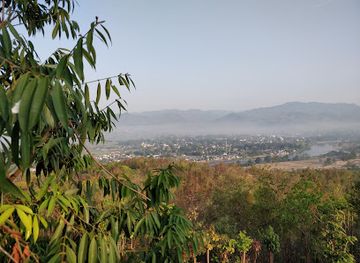
Sunset Hill
Experience stunning views and serene sunsets at Sunset Hill in Hsipaw, Myanmar, a must-visit destination for nature lovers and adventurers.
-
Tourist attraction
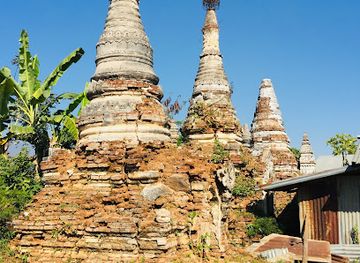
Little Bagan
Explore Little Bagan in Hsipaw, Myanmar - a tranquil sanctuary of Buddhist temples surrounded by stunning natural beauty.
-
Tourist attraction
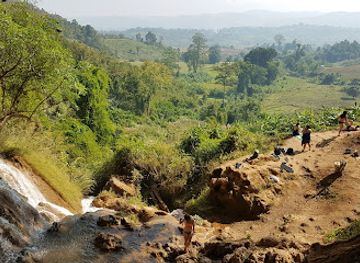
Hsipaw Nant-Ton Waterfall
Experience the breathtaking beauty of Hsipaw Nant-Ton Waterfall, a serene escape in Myanmar's lush nature, perfect for relaxation and exploration.
-
Tourist attraction
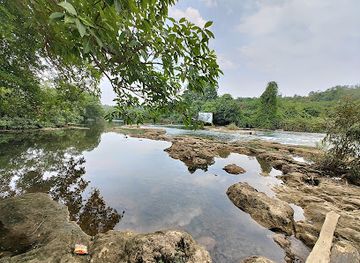
River Junction
Explore River Junction in Hsipaw, where breathtaking landscapes meet vibrant culture, perfect for outdoor adventures and serene escapes.
Best landmarks in Hsipaw
The former Hsipaw haw is the destination's most important historical landmark, a surviving reminder of the Shan sawbwa system and the court that once governed the principality. Its association with Sao Kya Seng and Inge Sargent gives the building particular modern historical significance, although access and photography arrangements must be checked locally. The Dokhtawaddy River is the principal natural feature of the town's setting, running through a valley framed by cultivated land and Shan uplands. Beyond Hsipaw, the Goteik Viaduct is the region's best-known engineering landmark: a high railway crossing over a deep gorge on the historic route towards Lashio. It lies outside the town and may not be reachable when railway or road conditions are disrupted. Monasteries and village religious buildings are also important cultural landmarks, even where their architecture is modest.
-
Buddhist temple
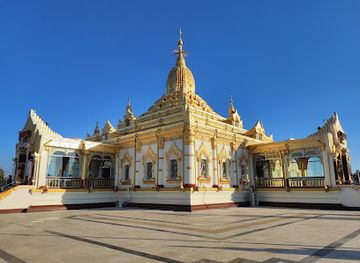
မဟာအံ့ထူးကံသာ မြတ်စွာဘုရား
Explore the tranquil Pyin Oo Lwin Buddhist Temple, a stunning architectural gem surrounded by nature's beauty in Myanmar.
-
Tourist attraction
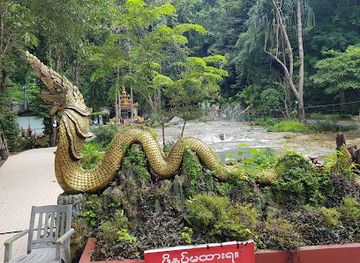
Maha Nandamu Peik Chin Myaung Cave
Explore the natural wonder of Maha Nandamu Peik Chin Myaung Cave in Wekwin, Myanmar, where stunning limestone formations meet rich cultural heritage.
-
 Hotel
HotelMr. Charles Hotel
Discover the perfect blend of comfort and local charm at Mr. Charles Hotel in Hsipaw, Myanmar.
-
Resort hotel
Tai House Resort
Discover the tranquil beauty of Tai House Resort in Hsipaw, Myanmar, where comfort meets nature in a serene escape.
Explore Hsipaw on the map
Plan your trip on one map. See where the top attractions, landmarks, restaurants and hotels are, and book hotels and experiences in a few clicks.
Best hotels in Hsipaw
Best restaurants in Hsipaw
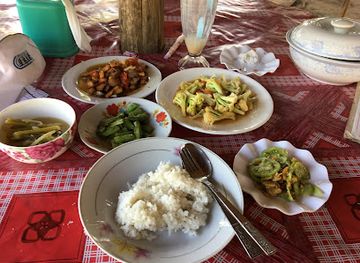
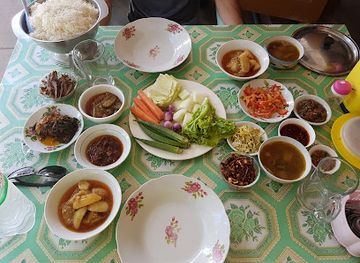
Hsipaw's food culture is rooted in Shan and Burmese home cooking rather than a large restaurant scene. Visitors may find simple tea shops, market stalls and modest local eateries serving rice, noodles, vegetable dishes, soups and regional specialities such as Shan-style rice or noodles, although individual businesses and menus can change. Tea-drinking is an important part of everyday social life, and locally grown produce from the surrounding valley appears in seasonal cooking. In smaller villages, food options are limited and should not be presumed, particularly on countryside walks. Accommodation providers and trusted local contacts are usually the most practical source of current information about open places to eat. Visitors with dietary or medical requirements should carry suitable provisions, as specialist ingredients and reliable refrigeration may be difficult to find outside the town.
-
Restaurant
Mrs. Popcorn's Garden
Experience authentic Burmese cuisine in a serene garden setting at Mrs. Popcorn's Garden in Hsipaw.
-
Restaurant
YuanYuan Restaurant Mr. Shake
Discover the rich flavors of Myanmar at YuanYuan Restaurant Mr. Shake in Hsipaw – where every bite tells a story.
-
Pizza
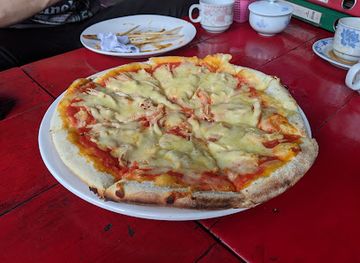
Mr.Pizza(free wifi)
Experience mouthwatering pizzas in Hsipaw's cozy gem with free Wi-Fi and a friendly atmosphere perfect for relaxation.
-
Burmese
A Kaung Kyite
Experience authentic Burmese cuisine at A Kaung Kyite in Hsipaw - where every dish tells a story.
Best bars in Hsipaw
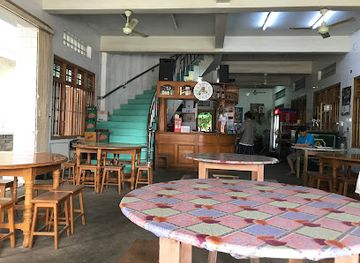
Hsipaw is not a nightlife destination and has no established clubbing district comparable with Myanmar's larger cities. Evening life is generally quiet, centred on tea shops, informal local eateries and the social spaces associated with guesthouses or family-run accommodation when these are operating. In town, visitors may encounter ordinary conversation and Burmese or Shan television rather than organised entertainment, while rural settlements become still after dark. Alcohol may be available in some licensed or informal settings, but opening arrangements and supply should not be assumed. Given the security situation, visitors should avoid unnecessary movement at night, follow local restrictions and respect the quiet of residential and monastic areas. Larger towns elsewhere in Shan State may offer a wider choice of evening venues, but they are separate destinations and access between them cannot be presumed.
-
Restaurant
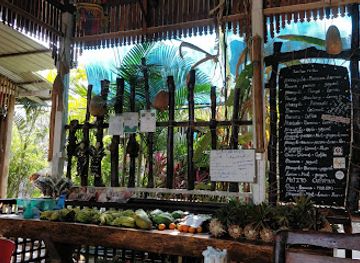
Mrs. Popcorn's Garden
Discover the charming Mrs. Popcorn's Garden in Hsipaw, where unique popcorn flavors meet a serene garden ambiance.
-
Restaurant
YuanYuan Restaurant Mr. Shake
Discover authentic Burmese flavors at YuanYuan Restaurant Mr. Shake, a delightful eatery in Hsipaw known for its diverse menu and warm hospitality.
-
Restaurant
Law Chun / Mr. Food
Savor authentic Burmese cuisine at Law Chun / Mr. Food, a must-visit restaurant in Hsipaw known for its rich flavors and warm atmosphere.
-
Bar
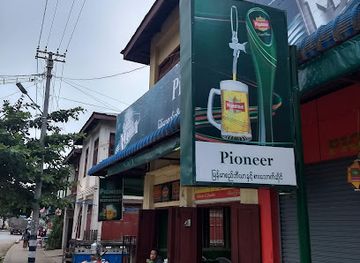
Pioneer Billiard&Snooker
Discover the vibrant atmosphere of Pioneer Billiard & Snooker in Hsipaw, where games, drinks, and socializing come together for an unforgettable experience.
Best nightclubs in Hsipaw
Hsipaw is not a nightlife destination and has no established clubbing district comparable with Myanmar's larger cities. Evening life is generally quiet, centred on tea shops, informal local eateries and the social spaces associated with guesthouses or family-run accommodation when these are operating. In town, visitors may encounter ordinary conversation and Burmese or Shan television rather than organised entertainment, while rural settlements become still after dark. Alcohol may be available in some licensed or informal settings, but opening arrangements and supply should not be assumed. Given the security situation, visitors should avoid unnecessary movement at night, follow local restrictions and respect the quiet of residential and monastic areas. Larger towns elsewhere in Shan State may offer a wider choice of evening venues, but they are separate destinations and access between them cannot be presumed.
-
Resort hotel
Tai House Resort
Discover tranquility at Tai House Resort in Hsipaw, Myanmar—where natural beauty meets warm hospitality in a serene setting.
-
Hotel
Lily the home
Experience the tranquility of Hsipaw at Lily the Home, where comfort meets local charm in the heart of Myanmar.
-
Lodging
Red Dragon Hotel
Experience the warmth of Myanmar hospitality at Red Dragon Hotel, your cozy retreat in the heart of Hsipaw, surrounded by stunning landscapes and rich culture.
-
Bar
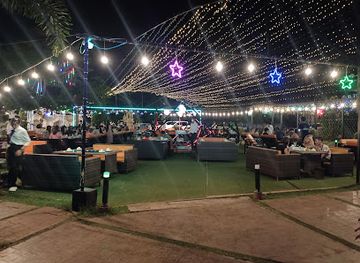
Lashio Bar (腊戍吧)
Discover Lashio Bar, a lively nightlife hotspot in Myanmar, perfect for enjoying cocktails, music, and a vibrant atmosphere with locals and travelers alike.
Best shops in Hsipaw
Shopping in Hsipaw is concentrated around ordinary local commerce rather than a developed tourist retail scene. Markets and small shops may offer seasonal fruit and vegetables, rice, household goods, locally made snacks and practical supplies for journeys into the hills. Shan textiles, woven goods and other regional handicrafts can sometimes be found through local makers or community contacts, but availability should not be assumed and visitors should buy directly and respectfully where possible. The town is also a useful place to purchase basic provisions before travelling beyond the main settlement, since rural villages have fewer shops and a narrower range of goods. Carrying reusable bags and avoiding unnecessary plastic is helpful in areas with limited waste infrastructure. Do not remove religious objects, archaeological material or items from monasteries and historic buildings.
-
Store
Chit chaw lay's home
Discover the heart of Hsipaw at Chit Chaw Lay's Home, where local crafts and culture come together in a vibrant shopping experience.
-
Shoe store
Htet Shan
Discover the finest footwear at Htet Shan, a charming shoe store in Hsipaw, Myanmar, where local culture meets quality craftsmanship.
-
Home goods store
Ko Nyi Mg work Shop
Experience the charm of traditional craftsmanship at Ko Nyi Mg Workshop in Hsipaw, where unique handmade home goods await your discovery.
-
Fashion accessories store
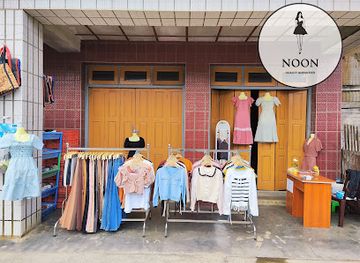
NOON Fashion Shop
Explore the essence of Myanmar's fashion at NOON Fashion Shop, where unique accessories meet local craftsmanship.
Get your free copy of our complete guide to Hsipaw, delivered straight to you.
Everything on this page, from attractions and restaurants to essentials and local phrases, in one PDF you can read offline, print or share.
Already have an account? Sign in
Your Hsipaw guide is ready.
We'll send it to · Not you? Sign out

Getting your guide ready…
We are putting together a fresh copy of the Hsipaw guide. This can take up to a minute.
This can take a few moments. If your browser asks, choose Allow so the download can start. You'll find the guide in your Downloads folder.
Nothing happened? Download it again
Sorry, the guide is taking longer than usual. Please try again in a minute, or get it by email instead.
Hsipaw essentials
Currency and Payment
Safety
Emergency Situations
Do's and Don'ts
Local Tips
From Eve
Local phrases worth knowing
You don't need to get them perfect. A few words go a long way, and locals appreciate the effort.
Basics
| English | Local | Say it |
|---|---|---|
| Hello | မင်္ဂလာပါ | [mingalarpar] |
| Goodbye | သွားပါ | [swabar] |
| Yes | ဟုတ်ပါသည် | [hotebarne] |
| No | မဟုတ်ပါသည် | [mahotebarne] |
| Please/You're welcome | ကျေးဇူးပါတယ် | [chayzupata] |
| Thank you | ကျေးဇူးပါတယ် | [chayzupata] |
| Excuse me/Sorry | စောက်ရှား | [soksha] |
| How are you? | ဘာလဲလား | [bala la] |
| Fine. And you? | ကျွန်တော်လာ | [kyawtaula] |
| Do you speak English? | အဂၤလိပ်လို့လို့ပဲ | [agalaylo lo pye] |
| I don't understand | ကျွန်တော်သိမ်းလုပ်ပါ | [kyawtausaimlupar] |
Eating & Drinking
| English | Local | Say it |
|---|---|---|
| I'd like to see the menu, please | မနက်ခင်းက စာရင်းကြည်ရန်လုပ်ပါ | [manakhangka sairanggyinyalupar] |
| I don't eat meat | ဟုတ်ပါသည် သစ်ကုလာ မဟုတ်ပါသည် | [hotebarne thakyula mahotebarne] |
| Cheers! | လှပနောင့် | [hla neaung] |
| I would like to pay, please | ငွေကျေးဇူးပါတယ် | [nekyizupata] |
Emergencies
| English | Local | Say it |
|---|---|---|
| Help! | ကူးပါ | [kupa] |
| Go away! | သွားရပါ | [swayarpa] |
| Call the Police! | ရုိက်လှည် ဆက္ခသွားပါ | [yohtlay hokhswabar] |
| Call a doctor! | ဆရာဝိုင်း ဆက္ခသွားပါ | [shayawin hokhswabar] |
| I'm lost | ငါ့ရဲ့နောက်မှာ့ | [nerenokhma] |
| I'm ill | ငါ့ရဲ့အဆင့်မှာ့ | [nerenihsamha] |
Shopping
| English | Local | Say it |
|---|---|---|
| I'd like to buy... | ကျေးဇူးပါတယ် ... ဝယ်လို့ပါ | [chayzupata ... yalopye] |
| I'm just looking | ငါက ရှောင်ပါပြီ | [ngar shawngparpi] |
| How much is it? | ဒီအခြားဘက်လဲ | [dikyakahpa le] |
| That's too expensive | ဤလူကြီးလေးပါပဲ | [ilukyi lepye] |
| Can you lower the price? | စျေးခြုံဘက်လဲ | [seykhonhakle] |
Time & Numbers
| English | Local | Say it |
|---|---|---|
| What time is it? | ဘယ်အချိန်ပါလဲ | [bayakhinpa le] |
| It's one o'clock | တစ်ချိန်ပါလဲ | [tachinpa le] |
| Half past (10) | ဆယ် မှာ့ (၁၀) | [say ma (la)] |
| Morning | နန်းနန်းကြီးခိုး | [nanan kyi] |
| Afternoon | ညနေ့ခိုး | [nya ne kyi] |
| Evening | ညနေ့တွင်း | [nya ne twin] |
| Yesterday | မနေ့က | [mane ka] |
| Today | ယနေ့ | [ya ne] |
| Tomorrow | မနက် | [manakha] |
| 1 | တစ် | [ta] |
| 2 | နှစ် | [hna] |
| 3 | သုံး | [son] |
| 4 | လေး | [lei] |
| 5 | ငါး | [nga] |
| 6 | ခြောက် | [khauk] |
| 7 | ခွေး | [hwe] |
| 8 | ရှောက် | [shawk] |
| 9 | ကိုး | [ko] |
| 10 | ဆယ် | [say] |
Transport & Directions
| English | Local | Say it |
|---|---|---|
| Where's a/the...? | ဘာတွင်အဲ့ရဲ့လဲ | [batawingnerenle] |
| What's the address? | ဘာလဲရရပ်လဲ | [baleleparle] |
| Can you show me (on the map)? | စျေးမြန်မာ့ကြည်ရန်လဲ | [seyminma gyinyale] |
| When's the next (bus)? | ဘယ်နောင့်ရဲ့လဲ | [bayaneaungnerenle] |
| A ticket (to ....) | လက်ဆောင်းလဲ (.... သို့) | [lakhaung le (.... so)] |
History of Hsipaw
A Valley Shaped by River and Hills
Hsipaw occupies a long-settled valley in northern Shan State, where the Dokhtawaddy River passes between uplands and agricultural country. The wider Shan plateau has supported farming, trade and village settlement for centuries, although the surviving evidence in and around Hsipaw is more strongly represented by living communities, monasteries and royal associations than by a single monumental archaeological complex. The valley's geography helped make Hsipaw a local centre connecting upland settlements with routes towards Lashio, Kyaukme and the central Burmese plains.
The Shan Sawbwa Tradition
Hsipaw was one of the Shan principalities governed by a sawbwa, a hereditary ruler whose authority combined local political leadership with customary obligations to the wider Burmese state. The sawbwa's court was based at a haw, or palace, and the institution shaped the town's identity well into the colonial and early post-colonial periods. The palace associated with Hsipaw's ruling family remains the clearest physical reminder of this political order, while Shan language, Buddhist practice and local community traditions continue to form an important part of the region's cultural character.
Colonial Railways and the Goteik Crossing
The expansion of British rule brought a railway through northern Shan State, linking the Mandalay area with Lashio and opening a difficult route across the hills. Construction of the line included the Goteik Viaduct, completed in the early twentieth century near the gorge south-west of Hsipaw. The railway served military, administrative and commercial purposes as well as passenger travel, and it changed the relationship between valley towns and the wider colonial economy. Hsipaw became associated with this route because of its position in the northern Shan railway landscape.
The Palace and a Disappearing Court
The Hsipaw haw is generally dated to the early twentieth century and is associated with Sao Kya Seng, the last ruling sawbwa, and his Austrian-born wife, Inge Sargent. Their story brought international attention to the Shan court, particularly after Sao Kya Seng disappeared in 1962 during the period of military rule. The palace consequently represents more than colonial-era architecture: it is connected with the end of hereditary Shan rule, the political upheavals of modern Myanmar and the personal history of a royal family caught between local tradition and a changing state.
Tourism, Conflict and Conservation
In the years before the 2021 military coup, Hsipaw developed a reputation among independent travellers for village walks, river excursions, railway journeys and encounters with northern Shan culture. This visitor economy depended on cooperation with local communities and on access through a region affected by long-running ethnic conflict. Political instability and armed conflict have since made travel conditions uncertain, with routes, transport services and tourism businesses vulnerable to interruption. The preservation of Hsipaw's palace, monasteries, landscape and living cultural traditions therefore remains closely connected to wider questions of security, local authority and responsible visitation.
Hsipaw in Photos
Browse through our photo collection highlighting the charm and character of the destination.
Cities in Hsipaw
The towns and cities of Hsipaw, and the easiest places to base yourself.

Swipe for more cities
Neighbouring destination travel guides
The closest destinations to Hsipaw, if you have time for more than one.
-

-

-

-

-


Swipe for more destinations
Explore more

Explore more of Shan Plateau
Explore Myanmar's Shan Plateau for cool hill towns, Inle Lake, limestone caves, Shan cuisine and culturally rich highland landscapes.
Explore Shan Plateau
Explore more of Myanmar (Burma)
Discover Myanmar: A land of golden pagodas, ancient temples, and breathtaking natural beauty, where warm hospitality and rich culture await every traveler.
Explore Myanmar (Burma)