

Bandarban Hill Tracts Travel Guide - Free Web & App
Your ultimate guide to Bandarban Hill Tracts. Discover top landmarks, proposed trips, and local tips. Free on the web or via the Evendo companion app.


Bandarban Hill Tracts, Bangladesh, offers forested mountains, waterfalls, Indigenous cultures, river journeys and scenic hill viewpoints near Myanmar.
A Mountainous Corner of Bangladesh
Bandarban Hill Tracts occupies the southeastern part of Bangladesh, where forested ridges, steep valleys and winding rivers create a landscape markedly different from the country's broad floodplains. Bandarban district is part of the Chittagong Hill Tracts, a geographically extensive region bordering Myanmar and adjoining Rangamati and Khagrachhari. Bandarban town is the principal gateway, while Ruma, Thanchi and Alikadam provide access to different upland areas, subject to local transport arrangements and restrictions.Read more about Bandarban Hill Tracts
Ridges, Waterways and Remote Valleys
Communities and Cultural Landscapes
When is the best time to visit Bandarban Hill Tracts?
Best: February–March, December · 25–27°C| Month | High (°C) | Rainfall (mm) |
|---|---|---|
| January | 23 | 18 |
| February (best) | 25 | 15 |
| March (best) | 27 | 10 |
| April | 31 | 15 |
| May | 32 | 22 |
| June | 32 | 29 |
| July | 32 | 33 |
| August | 32 | 33 |
| September | 32 | 26 |
| October | 31 | 21 |
| November | 27 | 15 |
| December (best) | 25 | 16 |
Getting to and around Bandarban Hill Tracts
How to get there
Transportation
Best attractions in Bandarban Hill Tracts
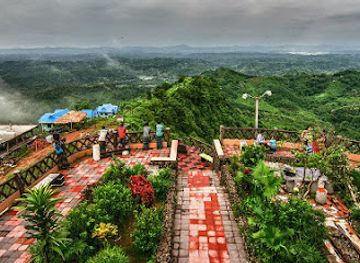
Bandarban's attractions range from accessible hill viewpoints to demanding journeys through remote valleys. Nilachal, close to Bandarban town, looks across successive ridges and is often visited alongside the nearby Meghla tourism area, while Chimbuk provides another well-known highland outlook. Nilgiri, reached on the route towards Thanchi, is associated with broad mountain scenery and organised hill travel. The Sangu River is a defining feature of the district, threading through forested slopes and settlements. Farther into the hills, Boga Lake is a remote highland lake reached through a substantial overland and walking journey, while Nafakhum and Amiakhum are river-and-waterfall destinations requiring local guidance and attention to seasonal conditions. Shoilo Propat offers an easier waterfall excursion near the main town. Balaghata's Golden Temple adds a cultural dimension, with Buddhist architecture and religious significance rather than a natural spectacle. Access to several attractions can be restricted or altered, so current local advice is essential.
-
Tourist attraction
Nilachal Tourist Center
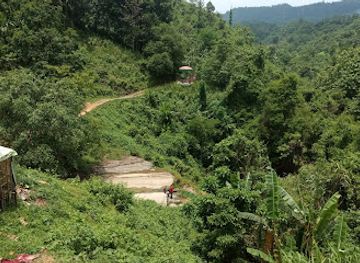
Experience breathtaking panoramic views and touch the clouds at Nilachal Tourist Center in Bandarban, a serene hilltop paradise.
-
Tourist attraction
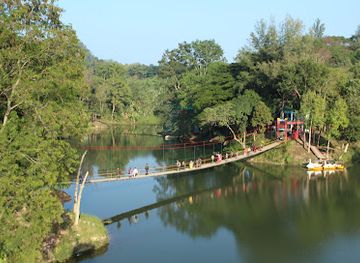
Meghla - মেঘলা পর্যটন কমপ্লেক্স
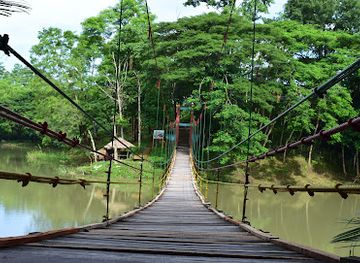
Escape to Meghla Tourist Complex in Bandarban for serene lakes, thrilling hanging bridges, and lush natural beauty. A perfect family getaway.
-
Tourist attraction
Shoilo Propat Waterfall
Discover the serene beauty of Shoilo Propat Waterfall in Bandarban, a refreshing escape offering cultural immersion and natural beauty.
-
Tourist attraction
Bandarban Golden Temple - Buddha Dhatu Jadi
Discover the serene beauty of Bandarban Golden Temple, a shimmering sanctuary amidst lush hills, offering panoramic views and spiritual tranquility.

Best landmarks in Bandarban Hill Tracts
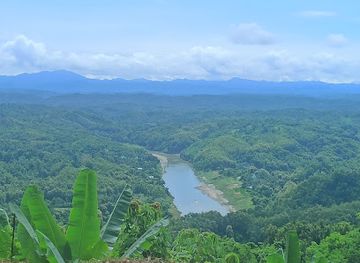
The landmark character of Bandarban is primarily geographical. The Sangu River is the district's major watercourse and a powerful organising feature of its valleys, while the folded ridges seen from Nilachal, Chimbuk and Nilgiri express the terrain that separates the hill tracts from Bangladesh's plains. Boga Lake is a remote upland landmark with strong associations in local travel culture, and the cascades of Nafakhum and Amiakhum reveal how monsoon-fed waterways cut through the hills. Shoilo Propat is a more accessible waterfall near Bandarban town. Among the area's cultural landmarks, the Golden Temple at Balaghata is a prominent Buddhist religious complex and a place where visitors must observe appropriate conduct. Villages, bamboo bridges, cultivated slopes and hill bazaars are also part of the living landscape, rather than scenery detached from the communities who use it.
-
Tourist attraction
Nilachal Tourist Center
Experience breathtaking panoramic views and touch the clouds at Nilachal Tourist Center in Bandarban, a serene hilltop paradise.
-
Park
Meghla Tourism Complex
Discover the serene beauty of Meghla Tourism Complex in Bandarban: a perfect blend of nature, adventure, and cultural experiences awaits in the heart of Bangladesh's hill country.
-
Hotel
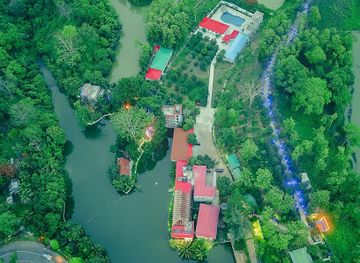
SAIRU Hill Resorts Limited
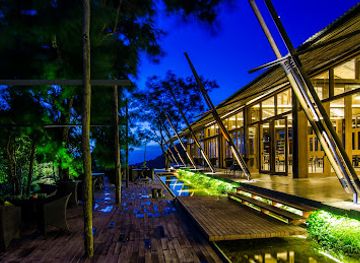
Experience nature and luxury at SAIRU Hill Resorts, offering breathtaking views and a tranquil escape in the hills of Bandarban, Bangladesh.
-
Tourist attraction
Shoilo Propat Waterfall
Experience the pristine beauty of Shoilo Propat Waterfall, a refreshing natural escape just a short trip from Bandarban town in Bangladesh.
Explore Bandarban Hill Tracts on the map
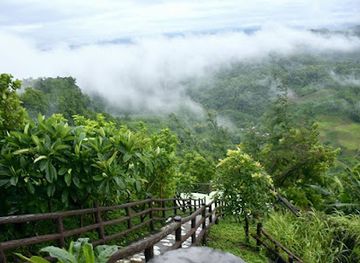
Plan your trip on one map. See where the top attractions, landmarks, restaurants and hotels are, and book hotels and experiences in a few clicks.
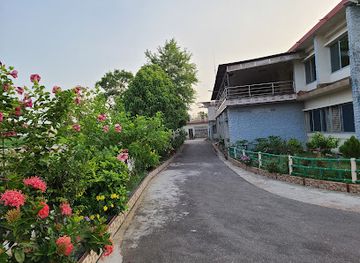
Best hotels in Bandarban Hill Tracts
Best restaurants in Bandarban Hill Tracts
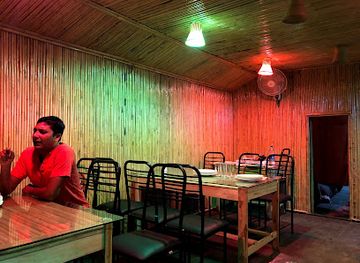
Dining in Bandarban is concentrated in Bandarban town and the larger bazaar settlements rather than around remote waterfalls, lakes or trekking routes. Visitors can find Bangladeshi meals based on rice, fish, vegetables, lentils, chicken and seasonal produce, with simple eateries and tea stalls serving the practical needs of travellers. Marma and other Indigenous food traditions form part of the region's cultural identity, although availability varies between communities and should not be assumed from a menu description alone. Smaller hill bazaars may offer modest local meals rather than extensive choice, while remote journeys often require advance planning for food and drinking water. Ask about ingredients when dietary restrictions matter, use reputable water sources and remember that a homestay or community-based meal should be approached as a cultural exchange, not an invitation to photograph kitchens or hosts without permission.
-
Hotel
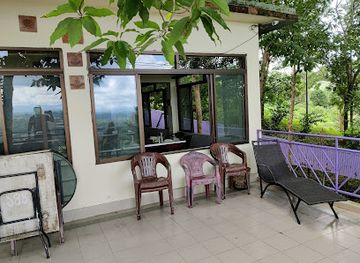
Hotel Hill View
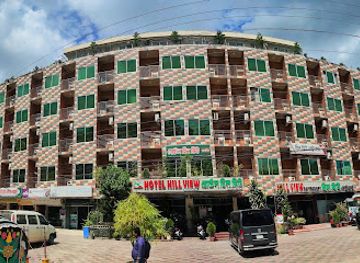
Discover tranquility at Hotel Hill View in Bandarban - your gateway to breathtaking landscapes and exquisite dining experiences.
-
Resort hotel
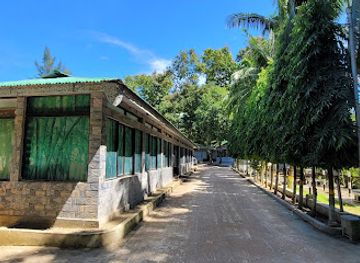
Hillside Resort, Milonchhori
Experience tranquility at Hillside Resort in Milonchhori - your gateway to nature's beauty and rich cultural heritage.
-
Resort hotel
Venus Resort Bandarban
Discover tranquility at Venus Resort Bandarban - your serene retreat surrounded by lush hills and breathtaking landscapes.
-
Resort hotel
Venus Resort and Coffee House, Bandarban
Experience tranquility at Venus Resort and Coffee House in Bandarban - where nature meets comfort amidst stunning hilltop views.
Best bars in Bandarban Hill Tracts
Bandarban Hill Tracts does not have a developed nightclub scene, and evening entertainment is generally quiet, local and centred on the settlements where visitors stay. Bandarban town has tea stalls, simple restaurants and accommodation-based social spaces, while small bazaars may become calm soon after daytime trading ends. Traditional music, community events and religious or cultural occasions may take place, but schedules and access are local rather than a dependable tourism programme. In remote areas around Ruma, Thanchi, Boga Lake or waterfall routes, evenings are mainly spent at a guesthouse, homestay or trekking camp, subject to local arrangements and environmental conditions. Visitors should respect village quiet, avoid alcohol or behaviour that conflicts with local customs and never assume that a community celebration is open for public participation or photography.
-
Hotel
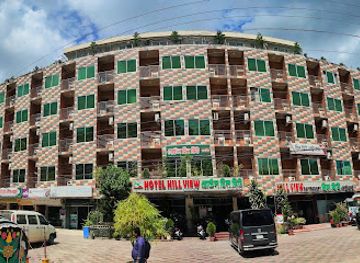
Hotel Hill View
Discover the beauty of Bandarban at Hotel Hill View, where comfort meets nature in a serene setting.
-
Restaurant
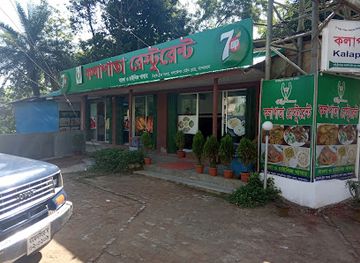
Kalapata Resturant
Experience the rich flavors of Bangladesh at Kalapata Restaurant, a culinary gem in Bandarban serving traditional dishes in a warm and inviting atmosphere.
-
Restaurant
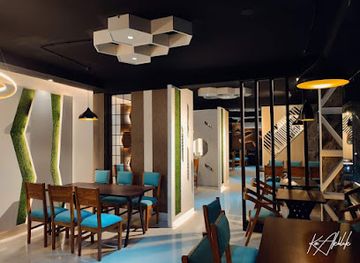
Hill's Dine
Experience the rich flavors of Bandarban at Hill's Dine, where every dish tells a story and every visit is a celebration of local cuisine.
-
Family-friendly
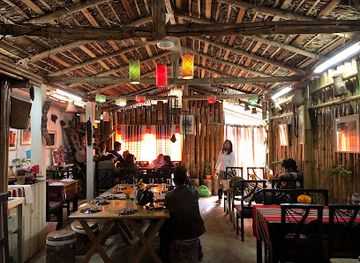
Re Khyaing
Discover the flavors of Bandarban at Re Khyaing, a family-friendly restaurant offering an array of delicious dishes in a scenic setting.
Best nightclubs in Bandarban Hill Tracts
Bandarban Hill Tracts does not have a developed nightclub scene, and evening entertainment is generally quiet, local and centred on the settlements where visitors stay. Bandarban town has tea stalls, simple restaurants and accommodation-based social spaces, while small bazaars may become calm soon after daytime trading ends. Traditional music, community events and religious or cultural occasions may take place, but schedules and access are local rather than a dependable tourism programme. In remote areas around Ruma, Thanchi, Boga Lake or waterfall routes, evenings are mainly spent at a guesthouse, homestay or trekking camp, subject to local arrangements and environmental conditions. Visitors should respect village quiet, avoid alcohol or behaviour that conflicts with local customs and never assume that a community celebration is open for public participation or photography.
-
Hotel
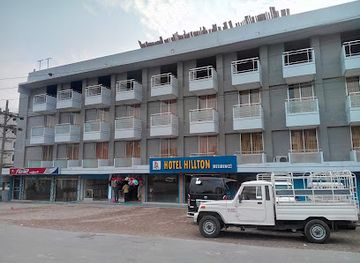
Hotel Hillton (Residence)
Discover the tranquility of Bandarban at Hotel Hillton, your perfect retreat in the heart of Bangladesh's stunning hill country.
-
Restaurant
Kalapata Resturant
Discover the flavors of Bandarban at Kalapata Restaurant, where authentic Bangladeshi cuisine meets warm hospitality in a picturesque setting.
-
Hotel
Hotel Grand Valley
Discover tranquility and adventure at Hotel Grand Valley, your perfect escape in the heart of Bandarban's stunning landscapes.
-
Lodging
Hilltop Rest House, CHTDB,Bandarban.
Experience unparalleled tranquility and breathtaking views at Hilltop Rest House, Bandarban – your gateway to the beauty of the Chittagong Hill Tracts.

Best shops in Bandarban Hill Tracts
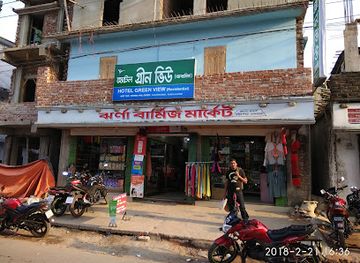
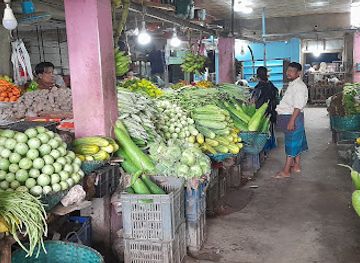
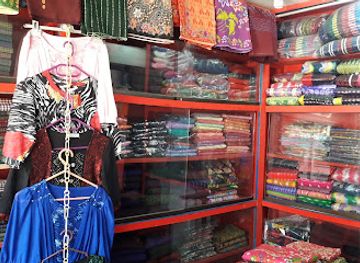
Shopping opportunities are modest and are concentrated in Bandarban town and the district's market settlements. Local bazaars are useful for mundane supplies, snacks, clothing and travel necessities, while selected shops and community-linked outlets may offer handwoven textiles, shawls, baskets, bamboo articles and other craft goods associated with hill communities. Availability, design and attribution vary, so buyers should ask respectfully about the maker and avoid treating sacred or culturally significant objects as souvenirs. Regional foods and seasonal produce may also appear in markets, although carrying fresh goods into remote areas requires practical consideration. There is no extensive retail district across the hill tracts; beyond the main settlements, visitors should not expect dependable shops. Buying directly and fairly from recognised artisans or community enterprises can provide more meaningful support than bargaining aggressively over small household crafts.
-
Shopping mall
হ্লাহ্লা বার্মিজ মার্কেট
Discover the essence of Burmese culture at Hlahla Burmese Market in Bandarban, where vibrant crafts and unique flavors await every traveler.
-
Tea store
Tea store
Explore the flavors of Bandarban at this charming tea store, where local tea culture meets breathtaking natural beauty.
-
Baby store
Minafiabd
Discover Minafiabd in Bandarban: A family-friendly shopping haven for baby clothing, toys, and unique jewelry amidst stunning natural beauty.
-
Clothing store
Usha shoping center
Explore local fashion trends and find unique apparel at Usha Shopping Center in Bandarban, your go-to clothing store for a memorable shopping experience.

Get your free copy of our complete guide to Bandarban Hill Tracts, delivered straight to you.
Everything on this page, from attractions and restaurants to essentials and local phrases, in one PDF you can read offline, print or share.
Already have an account? Sign in
Your Bandarban Hill Tracts guide is ready.
We'll send it to · Not you? Sign out

Getting your guide ready…
We are putting together a fresh copy of the Bandarban Hill Tracts guide. This can take up to a minute.
This can take a few moments. If your browser asks, choose Allow so the download can start. You'll find the guide in your Downloads folder.
Nothing happened? Download it again
Sorry, the guide is taking longer than usual. Please try again in a minute, or get it by email instead.
Bandarban Hill Tracts essentials
Currency and Payment
Safety
Emergency Situations
Do's and Don'ts
Local Tips
From Eve
Local phrases worth knowing
You don't need to get them perfect. A few words go a long way, and locals appreciate the effort.
Basics
| English | Local | Say it |
|---|---|---|
| Hello | হ্যাঁই | [Hyā'i] |
| Goodbye | বিদায় | [Bidāẏ] |
| Yes | হ্যাঁ | [Hyā] |
| No | না | [Nā] |
| Please/You're welcome | অনুগ্রহ করে | [Anugraha kare] |
| Thank you | ধন্যবাদ | [Dhan'yabāda] |
| Excuse me/Sorry | দুঃখিত | [Duḥkhita] |
| How are you? | আপনি কেমন আছেন? | [Āpani kemana āchen?] |
| Fine. And you? | ভালো। আর আপনি? | [Bhālō. Āra āpani?] |
| Do you speak English? | আপনি ইংরেজি বলতে পারেন? | [Āpani iṅreji bōlatē pārēna?] |
| I don't understand | আমি বুঝতে পারি না | [Āmi bujhatē pāri nā] |
Eating & Drinking
| English | Local | Say it |
|---|---|---|
| I'd like to see the menu, please | মেনু দেখতে চাই | [Mēnu dēkhē tē chai] |
| I don't eat meat | আমি মাংস খাই না | [Āmi māṅsa khāi nā] |
| Cheers! | চিয়ার্স! | [Ciẏārs!] |
| I would like to pay, please | টাকা দেতে চাই | [Ṭākā dētē chai] |
Emergencies
| English | Local | Say it |
|---|---|---|
| Help! | সাহায্য! | [Sāhāyya!] |
| Go away! | চলে যাও! | [Calē yā'ō!] |
| Call the Police! | পুলিশ কল করুন! | [Puliśa kala karuna!] |
| Call a doctor! | ডাক্তারকে কল করুন! | [Ḍāktārakē kala karuna!] |
| I'm lost | আমি হারানো | [Āmi hārānō] |
| I'm ill | আমি অসুস্থ | [Āmi asustha] |
Shopping
| English | Local | Say it |
|---|---|---|
| I'd like to buy... | আমি ... কিনতে চাই | [Āmi ... kinatē chai] |
| I'm just looking | আমি শুধুই দেখছি | [Āmi śudhui dēkhachi] |
| How much is it? | এটা কত? | [Ēṭā kata?] |
| That's too expensive | এটা খুব মহাঙ্গা | [Ēṭā khuba mahāṅgā] |
| Can you lower the price? | আপনি দাম কমাতে পারবেন? | [Āpani dāma kamātē pārabēna?] |
Time & Numbers
| English | Local | Say it |
|---|---|---|
| What time is it? | এখন কতটা বাজে? | [Ēkhana kataṭā bājē?] |
| It's one o'clock | একটা বাজে | [Ēkaṭā bājē] |
| Half past (10) | দশের অর্ধেক | [Daśēra ardhēka] |
| Morning | সকাল | [Sakāla] |
| Afternoon | দুপুর | [Dupura] |
| Evening | সন্ধ্যা | [Sandyā] |
| Yesterday | গতকাল | [Gatakāla] |
| Today | আজ | [Āja] |
| Tomorrow | আগামীকাল | [Āgāmīkāla] |
| 1 | এক | [Ēka] |
| 2 | দুই | [Dui] |
| 3 | তিন | [Tina] |
| 4 | চার | [Cāra] |
| 5 | পাঁচ | [Pām̐ca] |
| 6 | ছয় | [Chôẏa] |
| 7 | সাত | [Sāta] |
| 8 | আট | [Āṭa] |
| 9 | নয় | [Nôẏa] |
| 10 | দশ | [Daśa] |
Transport & Directions
| English | Local | Say it |
|---|---|---|
| Where's a/the...? | এখানে ... কোথায়? | [Ēkhānē ... kōthāẏa?] |
| What's the address? | ঠিকানা কি? | [Ṭhikānā ki?] |
| Can you show me (on the map)? | আপনি আমাকে (ম্যাপে) দেখাতে পারবেন? | [Āpani āmākē (mẏāpē) dēkhātē pārabēna?] |
| When's the next (bus)? | পরের (বাস) কখন? | [Parēra (bāsa) kakhana?] |
| A ticket (to ....) | একটি টিকেট (প্রমাণিত) | [Ēkaṭi Ṭikēṭa (pramāṇita)] |
History of Bandarban Hill Tracts
Uplifted Hills and River Valleys
Bandarban's physical setting belongs to the folded hill country of southeastern Bangladesh, part of the larger mountain system extending through the Chittagong Hill Tracts and into Myanmar. Its ridges, narrow valleys and fast-flowing streams contrast with the alluvial plains that dominate much of Bangladesh. Geological formation predates human history by immense periods, while erosion, monsoon rainfall and continuing river action have shaped the slopes and ravines encountered today. This physical geography has always influenced settlement, transport and agriculture, helping to produce a region whose communities are dispersed across valleys and upland routes rather than concentrated on broad plains.
Long-Established Hill Communities
The hill tracts have long been inhabited by Indigenous peoples with distinct languages, social traditions and relationships with forest and cultivated land. In present-day Bandarban, communities including Marma, Bawm, Mro, Tripura, Tanchangya and Khumi maintain varied cultural identities; the names and distribution of communities should not be treated as interchangeable. Shifting cultivation, known locally in different forms and practised under changing conditions, was historically important in the uplands, alongside settled cultivation, forest use and trade between hill settlements and the plains. Buddhist traditions are particularly visible among many Marma communities, while other groups follow Christian, Hindu or local religious practices.
The Chittagong Hill Tracts Under Colonial Rule
During British rule, the Chittagong Hill Tracts were administered as a distinct frontier area through arrangements that recognised the region's different settlement patterns and Indigenous societies. Colonial officials sought to regulate movement, land use and relations between the hills and the plains, while roads, administrative centres and commercial links gradually expanded. Bandarban's modern administrative identity developed within this wider history. The period also introduced stronger external involvement in forestry, taxation and trade, changes that affected customary land relationships and the balance between upland communities and newcomers.
Post-Partition Change and Conflict
After the 1947 Partition of British India, the Chittagong Hill Tracts became part of Pakistan and later Bangladesh. Population movement, state development schemes and disputes over land and political representation intensified tensions between Indigenous communities and the central authorities. The hill tracts experienced an armed conflict from the 1970s until the 1997 Chittagong Hill Tracts Peace Accord. Although the accord created arrangements intended to support regional autonomy and peace, land, governance and security remain sensitive subjects. Visitors should avoid reducing this complex history to folklore and should follow current local guidance when travelling beyond established visitor areas.
Tourism, Conservation and a Changing Landscape
Tourism in Bandarban grew as roads improved and hill viewpoints, waterfalls, temples and remote trekking routes became better known to visitors from Bangladesh and abroad. The expansion has brought income to transport workers, guides, homestays and small businesses, but it also places pressure on water supplies, waste management, trails and culturally sensitive places. Forest loss, landslides and changing land use remain important environmental concerns in a monsoon landscape. Contemporary travel therefore takes place within an ongoing negotiation between economic opportunity, regional security, community rights and the protection of fragile hill environments.
Bandarban Hill Tracts in Photos
Browse through our photo collection highlighting the charm and character of the destination.
Cities in Bandarban Hill Tracts
The towns and cities of Bandarban Hill Tracts, and the easiest places to base yourself.
-

-


Swipe for more cities
Neighbouring destination travel guides
The closest destinations to Bandarban Hill Tracts, if you have time for more than one.
-

-

-

-

-


Swipe for more destinations
Explore more

Explore more of Chittagong Hill Tracts
Explore Bangladesh’s Chittagong Hill Tracts for forested hills, Kaptai Lake, Indigenous cultures, hill roads and carefully planned adventures.
Explore Chittagong Hill Tracts
Explore more of Bangladesh
Discover Bangladesh: A land of rivers, rich culture, and breathtaking landscapes. Explore ancient sites, vibrant cities, and the unique flavors of this South Asian gem.
Explore Bangladesh