

Doi Inthanon National Park Travel Guide - Free Web & App
Your ultimate guide to Doi Inthanon National Park. Discover top landmarks, proposed trips, and local tips. Free on the web or via the Evendo companion app.


Doi Inthanon National Park, Thailand’s highest mountain, offers cloud forests, waterfalls, hill-tribe culture, royal pagodas and cool highland trails.
Mountain Landscapes and Cloud Forests
Doi Inthanon National Park occupies the highest reaches of Thailand’s Thanon Thong Chai Range in Chiang Mai Province. Its summit, at 2,565 metres, is the country’s highest point, but the park is far more than a mountain-top viewpoint. Evergreen cloud forest, moss-covered trunks, montane grassland, pine woodland and cascading streams create a marked contrast with the warmer lowlands around Chiang Mai. At the highest elevations, the Ang Ka Luang Nature Trail offers a short walk through cool, humid forest, while the longer Kew Mae Pan Nature Trail provides open mountain views when conditions and seasonal access permit.Read more about Doi Inthanon National Park
Waterfalls, Pagodas and Sacred Places
Communities and Highland Life
When is the best time to visit Doi Inthanon National Park?
Best: February–March, December · 19–25°C| Month | High (°C) | Rainfall (mm) |
|---|---|---|
| January | 18 | 27 |
| February (best) | 22 | 37 |
| March (best) | 25 | 82 |
| April | 26 | 174 |
| May | 27 | 288 |
| June | 27 | 289 |
| July | 27 | 322 |
| August | 27 | 309 |
| September | 26 | 300 |
| October | 26 | 191 |
| November | 23 | 81 |
| December (best) | 19 | 41 |
Getting to and around Doi Inthanon National Park
How to get there
Transportation
Best attractions in Doi Inthanon National Park
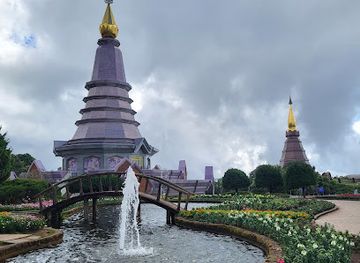
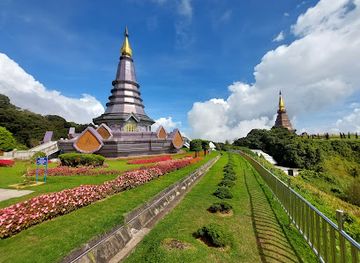
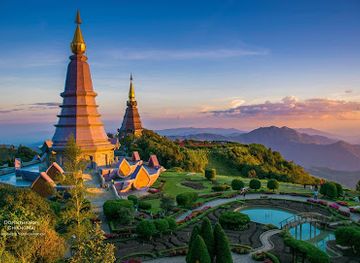
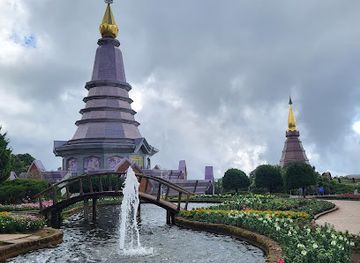
Doi Inthanon’s attractions are spread along the mountain road rather than concentrated in one visitor centre. Near the upper slopes, the summit area and Ang Ka Luang Nature Trail reveal the park’s cool, mossy montane forest, while the Kew Mae Pan Nature Trail is known for open ridges, grassland and broad highland views when seasonal conditions allow access. The King and Queen Pagodas occupy a landscaped viewpoint area below the summit and are among the park’s most recognisable sights. Lower down, Wachirathan Waterfall makes an impressive roadside stop, with Mae Klang and Mae Ya offering different waterfall settings in the wider park landscape. Birdwatching is particularly rewarding in the varied forest zones, although sightings are never guaranteed. Villages, coffee-growing areas and local produce stalls provide a human dimension, especially around the park’s Karen and Hmong communities.
-
Tourist attraction
Inthanon Lady's Slipper Orchid Under Initiative Conservation Project
Explore the breathtaking beauty of the Inthanon Lady's Slipper Orchid, a unique conservation project nestled in Chiang Mai's stunning mountains.
-
Pagoda
Phra Mahathat Naphamethanidon
Explore the tranquil beauty and cultural significance of Phra Mahathat Naphamethanidon in Chiang Mai, Thailand, a must-see pagoda for all travelers.
-
Tourist attraction
View point KM.41
Experience the stunning vistas of View Point KM.41 in Mae Chaem, Chiang Mai, where nature's beauty unfolds in breathtaking landscapes.
-
Tourist attraction
ยอดดอยอินทนนท์
Explore the natural beauty and rich culture of Mae Chaem, a hidden gem in Chiang Mai offering unforgettable experiences and stunning landscapes.
Best landmarks in Doi Inthanon National Park
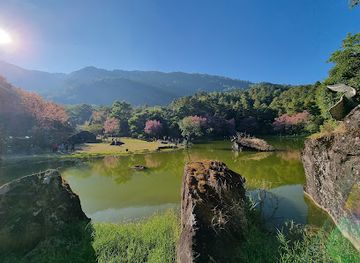
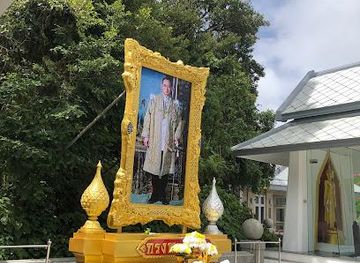
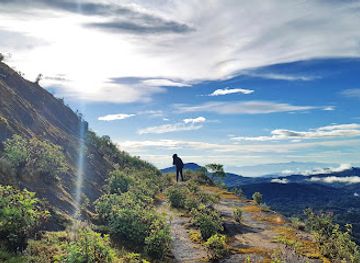
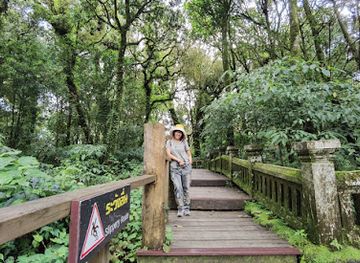
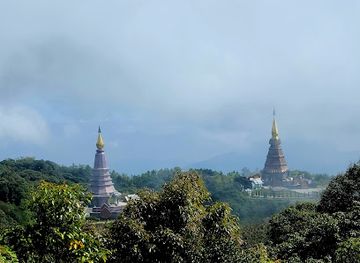
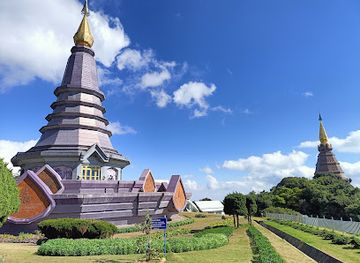
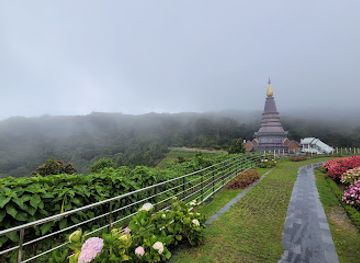
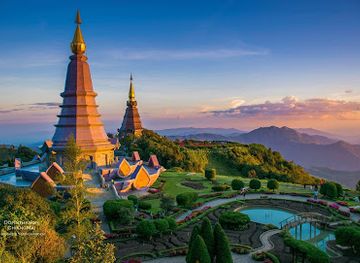
The summit of Doi Inthanon, at 2,565 metres, is Thailand’s highest natural point and the defining geographical landmark of the national park. Its elevation supports cool evergreen and cloud-forest habitats unlike those of the lowlands. The King and Queen Pagodas form a prominent cultural landmark on the upper mountain, with gardens and views that change markedly with mist and cloud. The shrine connected with King Inthawichayanon links the mountain to the history of Lanna’s former ruling house. Below the summit, Wachirathan, Mae Klang and Mae Ya waterfalls express the park’s steep watershed landscape, where streams descend through forested valleys. The mosses, ferns and dense vegetation around Ang Ka are landmarks of climate as much as scenery, while the villages and cultivated slopes of Karen and Hmong communities represent the continuing human geography of the mountain.
-
Hiking area
Kew Mae Pan nature trail
Explore the breathtaking Kew Mae Pan Nature Trail in Chiang Mai, a paradise for hikers with stunning views, rich biodiversity, and serene landscapes.
-
Tourist attraction
Pagoda Noppamethanedon & Pagoda Nopphonphusiri: The Royal Pagodas of Mount Inthanon Summit
Experience the breathtaking beauty and serene ambiance of the Royal Pagodas of Mount Inthanon, a must-visit destination in Chiang Mai, Thailand.
-
National park
Doi Inthanon Summit
Experience the breathtaking heights and diverse ecosystems at Doi Inthanon Summit, the highest point in Thailand, nestled in Doi Inthanon National Park.
-
Mountain peak
Doi Inthanon
Explore Doi Inthanon, Thailand's highest peak, where breathtaking landscapes meet rich culture and diverse wildlife in Chiang Mai's stunning national park.
Explore Doi Inthanon National Park on the map
Plan your trip on one map. See where the top attractions, landmarks, restaurants and hotels are, and book hotels and experiences in a few clicks.
Best hotels in Doi Inthanon National Park
Best restaurants in Doi Inthanon National Park
Doi Inthanon has no extensive independent dining scene within its forested core, so visitors generally eat at roadside stalls, simple local eateries, community food outlets or accommodation areas along the approach roads, with a broader choice in Chom Thong and Chiang Mai. Meals may include northern Thai specialities, steamed or grilled dishes, curries, rice, noodles and seasonal vegetables grown in the cooler uplands. Coffee and fresh produce are important features of the highland economy, and small stalls may sell locally grown fruit, vegetables or drinks, although selection and opening arrangements vary. Travellers making a full-day circuit should plan food and water rather than assuming that a restaurant will be available at every waterfall or trailhead. Chiang Mai remains the best place for a wide choice of northern Thai cuisine and international dining before or after a park visit.
-
Restaurant
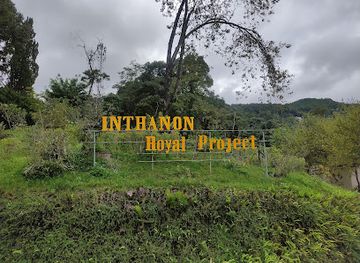
Inthanon Restaurant Chom Thong Chiang Mai ร้านอาหารสวัสดิการโครงการหลวงอินทนนท์
Discover authentic Northern Thai flavors at Inthanon Restaurant in Chiang Mai’s picturesque Chom Thong district.
-
Restaurant
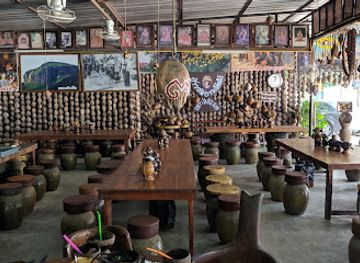
Khao Soi Kalong Coconutland Restaurant
Experience authentic Northern Thai cuisine at Khao Soi Kalong Coconutland Restaurant—home to Chiang Mai's best Khao Soi.
-
Restaurant
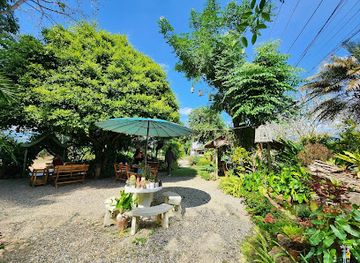
Mae Chaem Gate Restaurant
Experience exquisite Western cuisine in the heart of rural Thailand at Mae Chaem Gate Restaurant, where delicious flavors meet stunning landscapes.
-
Restaurant
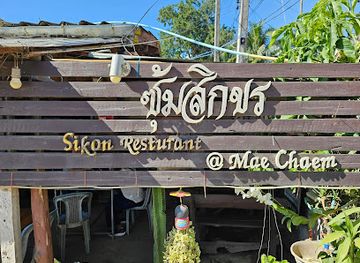
Sikon Restaurant
Discover authentic Thai cuisine at Sikon Restaurant in Mae Chaem District – where every dish tells a story.
Best bars in Doi Inthanon National Park
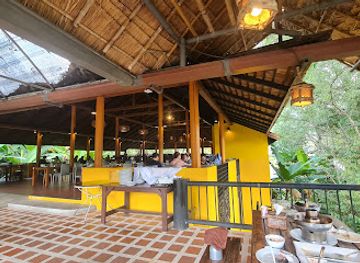
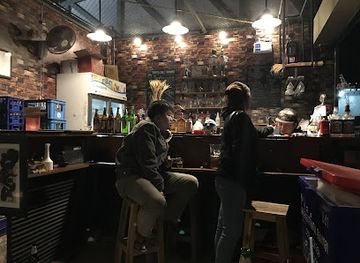
Evening entertainment around Doi Inthanon is quiet and rural rather than nightlife-focused. Visitors staying in Chom Thong, nearby villages or countryside accommodation are more likely to spend the evening at a local restaurant, guesthouse or traditional drinking venue than in a nightclub district. Small local establishments may serve beer, soft drinks and simple food, while the atmosphere generally centres on conversation and early starts rather than late performances. Chiang Mai, outside the destination, provides the region’s broadest choice of bars, live music and evening entertainment. In the park itself, darkness, distance and conservation concerns make the mountain suitable for an early night, with attention to local quiet and residential surroundings.
-
Restaurant
Inthanon Restaurant Chom Thong Chiang Mai ร้านอาหารสวัสดิการโครงการหลวงอินทนนท์
Experience authentic Thai cuisine surrounded by the breathtaking natural beauty of Chiang Mai at Inthanon Restaurant.
-
Bar
สุขใจ cafe&restaurant
Discover tranquility and delicious flavors at Suk Jai Cafe & Restaurant in Chiang Mai's Mae Chaem District, your perfect evening getaway.
-
Bar
ฮักแคมป์ คาเฟ่ ร้านอาหาร กาแฟ แม่แจ่ม วิวดอย ทะเลหมอก
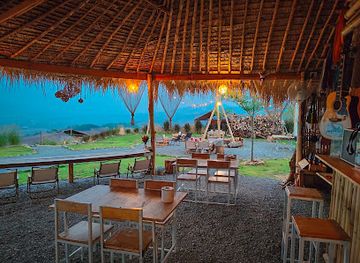
Discover the serenity of Hug Camp Café in Mae Chaem, a perfect blend of delicious food, breathtaking views, and a cozy atmosphere.
-
 Bar
Barฮิมปิง คาเฟ่
Experience the best of local flavors at Him Ping Cafe, a delightful bar, restaurant, and coffee shop in the heart of Chiang Mai's Chom Thong District.
Best nightclubs in Doi Inthanon National Park
Evening entertainment around Doi Inthanon is quiet and rural rather than nightlife-focused. Visitors staying in Chom Thong, nearby villages or countryside accommodation are more likely to spend the evening at a local restaurant, guesthouse or traditional drinking venue than in a nightclub district. Small local establishments may serve beer, soft drinks and simple food, while the atmosphere generally centres on conversation and early starts rather than late performances. Chiang Mai, outside the destination, provides the region’s broadest choice of bars, live music and evening entertainment. In the park itself, darkness, distance and conservation concerns make the mountain suitable for an early night, with attention to local quiet and residential surroundings.
-
Hiking area
Kew Mae Pan nature trail
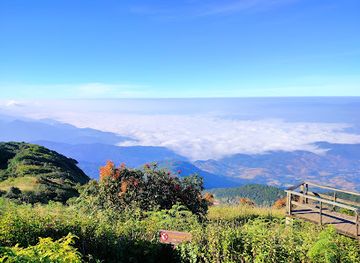
Discover the breathtaking beauty of Kew Mae Pan Nature Trail in Doi Inthanon National Park, where stunning landscapes and diverse wildlife await.
-
National park
Doi Inthanon Summit
Explore the breathtaking heights of Doi Inthanon Summit, Thailand's highest peak, where nature and culture harmoniously converge.
-
National park
Doi Inthanon National Park
Explore Doi Inthanon National Park, Thailand's highest peak, featuring stunning landscapes, diverse wildlife, and breathtaking waterfalls.
-
Mountain peak
Doi Inthanon
Explore the breathtaking beauty and serene landscapes of Doi Inthanon, Thailand's highest peak, and immerse yourself in nature's tranquility.
Best shops in Doi Inthanon National Park
Shopping within Doi Inthanon is modest and centred on practical supplies, local produce and community products rather than a formal retail district. Along the approach roads and near some visitor areas, small stalls may offer coffee, fruit, vegetables, flowers and other crops associated with the cooler highlands. Community enterprises and village outlets can also provide locally made food products or crafts, but stock varies and not every stop operates as a permanent market. Chom Thong has more everyday shops and services, while Chiang Mai offers the widest selection of northern Thai textiles, handicrafts, food products and outdoor equipment. Visitors should buy responsibly, ask about the origin of products, and avoid removing plants, stones or other natural material from the park.
-
National park
Doi Inthanon Summit
Experience the breathtaking beauty of Doi Inthanon Summit, Thailand's highest peak, and discover a world of stunning landscapes and rich biodiversity.
-
National park
Doi Inthanon National Park
Discover the breathtaking beauty and rich biodiversity of Doi Inthanon National Park, Thailand's highest peak and a nature lover's paradise.
-
Tourist attraction
The Royal Agricultural Station Inthanon
Experience the beauty of sustainable agriculture at The Royal Agricultural Station Inthanon, Chiang Mai's serene escape into nature's bounty.
-
Tourist attraction
Ang Ka Nature Trail
Immerse yourself in the breathtaking beauty of Ang Ka Nature Trail, a serene hiking experience in Chiang Mai's lush landscapes.

Get your free copy of our complete guide to Doi Inthanon National Park, delivered straight to you.
Everything on this page, from attractions and restaurants to essentials and local phrases, in one PDF you can read offline, print or share.
Already have an account? Sign in
Your Doi Inthanon National Park guide is ready.
We'll send it to · Not you? Sign out

Getting your guide ready…
We are putting together a fresh copy of the Doi Inthanon National Park guide. This can take up to a minute.
This can take a few moments. If your browser asks, choose Allow so the download can start. You'll find the guide in your Downloads folder.
Nothing happened? Download it again
Sorry, the guide is taking longer than usual. Please try again in a minute, or get it by email instead.
Doi Inthanon National Park essentials
Currency and Payment
Safety
Emergency Situations
Do's and Don'ts
Local Tips
From Eve
Local phrases worth knowing
You don't need to get them perfect. A few words go a long way, and locals appreciate the effort.
Basics
| English | Local | Say it |
|---|---|---|
| Hello | สวัสดี | [sawatdee] |
| Goodbye | ลาก่อน | [laa kon] |
| Yes | ใช่ | [chai] |
| No | ไม่ | [mai] |
| Please/You're welcome | โปรด/ยินดีต้อนรับ | [proht/yin dee dton nup] |
| Thank you | ขอบคุณ | [kop khun] |
| Excuse me/Sorry | ขอโทษ | [kor toht] |
| How are you? | สุขสันต์ดีไหม | [suk san dee mai] |
| Fine. And you? | สบายดี คุณล่ะ | [sabai dee kun la] |
| Do you speak English? | คุณพูดภาษาอังกฤษได้ไหม | [kun poot paa saa anggrit dai mai] |
| I don't understand | ฉันไม่เข้าใจ | [chan mai khao jai] |
Eating & Drinking
| English | Local | Say it |
|---|---|---|
| I'd like to see the menu, please | ขอดูเมนูหน่อยครับ | [kor doo menu noi krub] |
| I don't eat meat | ฉันไม่กินเนื้อ | [chan mai gin neuua] |
| Cheers! | ชนแก้ว | [chon gaeo] |
| I would like to pay, please | ขอจ่ายเงินครับ | [kor jai ngern krub] |
Emergencies
| English | Local | Say it |
|---|---|---|
| Help! | ช่วยด้วย | [chuai duay] |
| Go away! | ไปข้างหน้า | [pai kang naa] |
| Call the Police! | โทรตำรวจ | [tor tamruat] |
| Call a doctor! | โทรหมอ | [tor mor] |
| I'm lost | ฉันหลงทาง | [chan long tang] |
| I'm ill | ฉันไม่สบาย | [chan mai sabai] |
Shopping
| English | Local | Say it |
|---|---|---|
| I'd like to buy... | ฉันอยากซื้อ... | [chan yak seuu...] |
| I'm just looking | ฉันแค่ดู | [chan kae doo] |
| How much is it? | ราคาเท่าไหร่ | [ra kaa thaorai] |
| That's too expensive | แพงเกินไป | [paeng geen pai] |
| Can you lower the price? | ลดราคาได้ไหม | [lot ra kaa dai mai] |
Time & Numbers
| English | Local | Say it |
|---|---|---|
| What time is it? | เวลาเท่าไหร่ | [welaa thaorai] |
| It's one o'clock | เวลาหนึ่งโมง | [welaa neung mong] |
| Half past (10) | สามสิบครึ่ง | [saam sib khrung] |
| Morning | เช้า | [chao] |
| Afternoon | บ่าย | [bai] |
| Evening | เย็น | [yen] |
| Yesterday | เมื่อวาน | [meua waan] |
| Today | วันนี้ | [wan nee] |
| Tomorrow | พรุ่งนี้ | [proong nee] |
| 1 | หนึ่ง | [neung] |
| 2 | สอง | [song] |
| 3 | สาม | [saam] |
| 4 | สี่ | [see] |
| 5 | ห้า | [haa] |
| 6 | หก | [hok] |
| 7 | เจ็ด | [jet] |
| 8 | แปด | [baet] |
| 9 | เก้า | [gao] |
| 10 | สิบ | [sib] |
Transport & Directions
| English | Local | Say it |
|---|---|---|
| Where's a/the...? | ...อยู่ที่ไหน | [...yu tee nai] |
| What's the address? | ที่อยู่คืออะไร | [tee yu keu arai] |
| Can you show me (on the map)? | ช่วยแสดงที่ (บนแผนที่) ให้หน่อยได้ไหม | [chuai sa daeng tee (bon paa ntee) hai noi dai mai] |
| When's the next (bus)? | รถเมล์ถัดไปเวลาเท่าไหร่ | [rot mel taa bpai welaa thaorai] |
| A ticket (to ....) | ตั๋ว (ไป....) | [dtua (bpai...)] |
History of Doi Inthanon National Park
A Mountain Shaped by Uplift and Water
Doi Inthanon forms part of northern Thailand’s Thanon Thong Chai mountain system, a highland environment shaped over geological time by uplift, erosion and the movement of water through steep terrain. The elevation produces cooler conditions than the Chiang Mai basin and supports plant communities associated with montane forest, including dense mosses, ferns and evergreen vegetation near the summit. Streams descending the mountain have carved valleys and supplied the waterfalls that now form some of the park’s best-known natural features. This geological and climatic variation explains why a relatively compact distance contains distinctly different forest zones.
Lanna Rule and the Mountain’s Name
The mountain was named Doi Inthanon after King Inthawichayanon, the seventh and last independent ruler of Chiang Mai, whose reign belonged to the era of Lanna’s changing relationship with Siam. He is remembered for his interest in the protection of northern forests, which were already important for water, timber and local livelihoods. Following his death, his remains were associated with the mountain, and a shrine near the summit preserves that connection. The name therefore links the modern national park with the political and cultural history of the former Lanna kingdom.
Longstanding Highland Communities
Karen communities have lived in the Doi Inthanon highlands for generations, while Hmong communities also became established in parts of the surrounding mountain region. Their histories are connected with forest use, cultivation, trade and adaptation to steep terrain and a cool seasonal climate. Today, villages and agricultural areas remain part of the wider landscape around the park’s roads and visitor sites. Coffee, flowers, fruit, vegetables and other highland crops reflect more recent economic changes, while community-based visits can offer context for understanding how local livelihoods coexist with national-park protection.
National Park Protection and Tourism
Doi Inthanon was declared a national park in 1972, placing its summit forests, watersheds, waterfalls and mountain habitats within a formal conservation framework. Road building and improved access gradually made the highlands more accessible from Chiang Mai and Chom Thong, encouraging domestic tourism as well as visits by international travellers. The King and Queen Pagodas, constructed in the late twentieth century, added prominent modern landmarks near the summit approaches. Contemporary management balances recreation, forest protection, watershed conservation and the presence of long-established communities within the broader park landscape.
Doi Inthanon National Park in Photos
Browse through our photo collection highlighting the charm and character of the destination.
Neighbouring destination travel guides
The closest destinations to Doi Inthanon National Park, if you have time for more than one.
-

-

-
-

-


Swipe for more destinations
Explore more

Explore more of Doi Inthanon
Discover Doi Inthanon, Thailand's highest peak, where nature's beauty meets cultural richness in a cool, misty haven.
Explore Doi Inthanon
Explore more of Thailand
Discover Thailand: A land of diverse landscapes, rich culture, and warm hospitality, where ancient traditions blend seamlessly with modern attractions.
Explore Thailand