

Ngwe Saung Beach Travel Guide - Free Web & App
Your ultimate guide to Ngwe Saung Beach. Discover top landmarks, proposed trips, and local tips. Free on the web or via the Evendo companion app.


Ngwe Saung Beach, Myanmar: long Bay of Bengal sands, warm seas, seafood, village life and relaxed coastal escapes near Pathein for thoughtful travellers.
Coastal Landscape
Ngwe Saung Beach is a long, gently curving stretch of sand on Myanmar’s western seaboard, facing the Bay of Bengal in Ayeyarwady Region. Often described as one of the country’s principal beach resorts, it combines a broad shoreline with coconut palms, low coastal vegetation and a relatively small settlement rather than a dense urban resort. The beach extends for roughly 14 kilometres, creating a sense of space even around the main accommodation area. Sea conditions, beach width and swimming suitability vary with the monsoon, tides and seasonal weather, so visitors should rely on local advice before entering the water.Read more about Ngwe Saung Beach
Village Life and Nearby Gateways
Exploring the Shore
When is the best time to visit Ngwe Saung Beach?
Best: December–February · 33–34°C| Month | High (°C) | Rainfall (mm) |
|---|---|---|
| January (best) | 33 | 0 |
| February (best) | 34 | 0 |
| March | 35 | 0 |
| April | 36 | 0 |
| May | 36 | 0 |
| June | 35 | 0 |
| July | 35 | 0 |
| August | 35 | 0 |
| September | 35 | 0 |
| October | 34 | 0 |
| November | 34 | 0 |
| December (best) | 33 | 0 |
Getting to and around Ngwe Saung Beach
How to get there
Transportation
Best attractions in Ngwe Saung Beach
Ngwe Saung’s principal attraction is its long, open beach, where broad sands and a relatively low-rise coastal setting create opportunities for walking, swimming when conditions are suitable and watching fishing boats work offshore. The shoreline changes in character along its length, from the busier central area near hotels and restaurants to quieter sections where palms, village paths and undeveloped coastal land come closer to the water. Lovers Island, commonly identified as Tha Mee Hla Island, is the best-known offshore excursion associated with the resort, although access depends on tide, weather, boats and local arrangements. The village itself offers a glimpse of everyday coastal life, with small shops, teashops and fishing activity rather than major museums or formal visitor attractions. Pathein, outside Ngwe Saung, is the practical regional town for wider services and cultural sightseeing, while the surrounding delta landscape provides a contrasting rural setting of waterways, fields and settlements.
-
Park
Ngwe saung
Explore Ngwe Saung - a hidden coastal gem in Myanmar with pristine beaches, vibrant marine life, and a peaceful atmosphere for ultimate relaxation.
-
 Hiking area
တောင်ပေါ်တဲ
Explore the breathtaking hiking trails of Ngwesaung, Myanmar – a hidden gem for nature lovers and adventure seekers.
-
Tourist attraction
Pantai Ngwesaung
Experience the serene beauty of Pantai Ngwesaung, Myanmar’s hidden beach paradise with pristine sands and vibrant marine life.
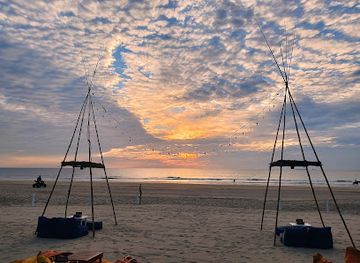
Best landmarks in Ngwe Saung Beach
The defining landmark of Ngwe Saung is its extensive Bay of Bengal beach, a natural coastal feature whose scale and open horizon shape the identity of the resort. The shoreline’s sandy profile, palm-fringed sections and fishing activity are more significant to the destination than monumental architecture. Tha Mee Hla Island, widely known to visitors as Lovers Island, forms a recognisable offshore point and is associated with short boat outings when tides and sea conditions allow. The surrounding fishing village is a cultural landmark in a broader sense, preserving the working coastal context behind the resort. Pathein’s Shwemokhtaw Pagoda and other town landmarks belong to the regional gateway rather than Ngwe Saung itself, and should be visited as an excursion from the beach rather than described as attractions within the resort.
-
Hotel
Emerald Sea Resort, Ngwe Saung Beach
Discover the serene beauty of Emerald Sea Resort at Ngwe Saung Beach, a perfect blend of luxury and nature's wonders.
-
Hotel
Ria Resort
Experience a serene beachfront getaway at Ria Resort in Ngwesaung, Myanmar. Perfect for relaxation, adventure, and uncovering local culture.
-
Park
Ngwe saung
Ngwe Saung: A serene beach escape in Myanmar, where pristine sands meet vibrant culture and stunning sunsets.

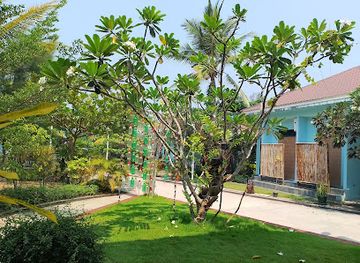
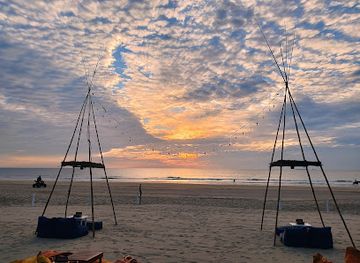
Explore Ngwe Saung Beach on the map
Plan your trip on one map. See where the top attractions, landmarks, restaurants and hotels are, and book hotels and experiences in a few clicks.
Best hotels in Ngwe Saung Beach
Best restaurants in Ngwe Saung Beach
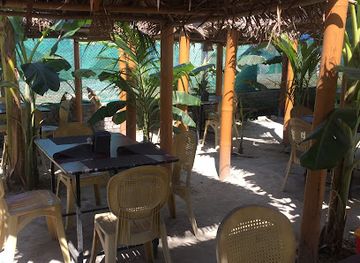
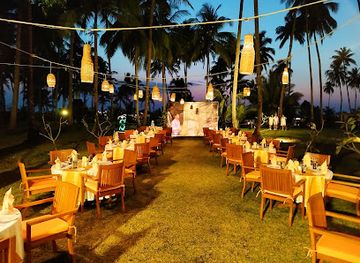
Dining in Ngwe Saung is concentrated around the village, hotels and the main resort area, with seafood naturally prominent in a coastal community. Menus commonly draw on fish, prawns and other locally available produce, alongside rice, noodles, curries and familiar Myanmar dishes such as mohinga and tea-shop snacks, although offerings vary by season and establishment. Small local restaurants and simple cafés provide a more everyday experience, while larger hotels may offer broader Burmese and international menus. Visitors should not expect a dense restaurant district along every part of the beach, and quieter accommodation areas may have limited choices outside meal services. Pathein offers a wider range of markets, teashops and ordinary Burmese dining, making it useful for provisions before the final journey to the coast. Drinking water and food should be obtained from reputable sources, especially during hot weather.
-
Hotel
Emerald Sea Resort, Ngwe Saung Beach
Experience paradise at Emerald Sea Resort on Ngwe Saung Beach - your ultimate retreat for relaxation and adventure amidst stunning ocean views.
-
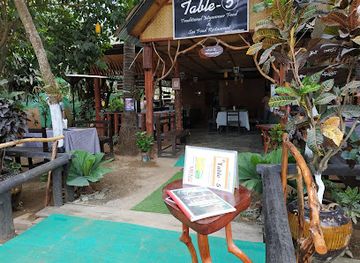
Restaurant
Table 5
Experience the vibrant flavors of Myanmar at Table 5 in Ngwesaung's bustling hotel zone, where every meal is a celebration of culinary artistry.
-
Asian
Casablanca Restaurant - Ngwe Saung
Experience exquisite Asian flavors at Casablanca Restaurant in Ngwe Saung, where culinary diversity meets breathtaking beachside views.
-
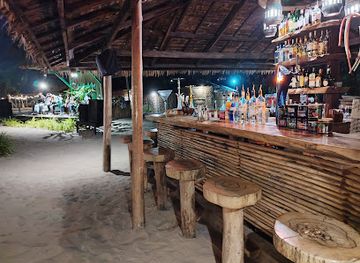
Bar
Brizo Beach Bar
Discover Brizo Beach Bar in Ngwesaung: Enjoy refreshing cocktails and delicious pizza with breathtaking beachfront views.
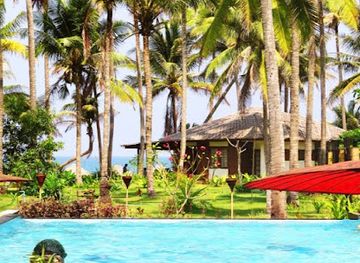
Best bars in Ngwe Saung Beach
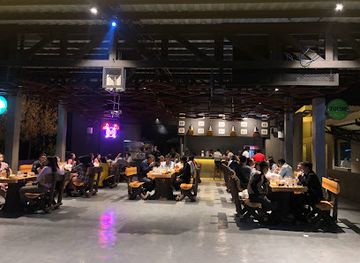
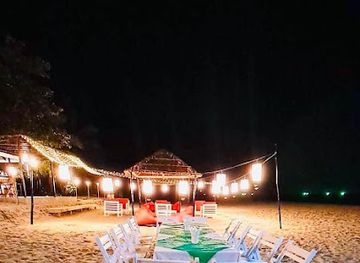
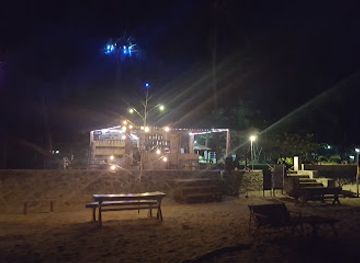
Ngwe Saung has a restrained evening scene rather than a concentrated nightlife district. At larger hotels and along the more developed central beach, visitors may find relaxed bars, informal drinks and occasional seasonal entertainment, but venue choice and operating arrangements can change. Local restaurants, teashops and guesthouse terraces are more characteristic places to spend the evening than nightclubs, with the atmosphere shaped by the tide, weather and the quiet rhythm of a coastal village. Some beach businesses may close early or operate only during the busier travel season. Pathein has a broader urban selection of teashops and modest evening venues, but it is outside Ngwe Saung and is not a practical substitute for a major resort nightlife centre.
-
Bar
Brizo Beach Bar
Experience the vibrant atmosphere of Brizo Beach Bar, a perfect blend of stunning views, refreshing drinks, and a lively ambiance in Ngwesaung.
-
Bar
Boss Bar
Discover the vibrant atmosphere of Boss Bar in Ngwesaung, offering a delightful mix of drinks and local culture in a stunning coastal setting.
-
Bar
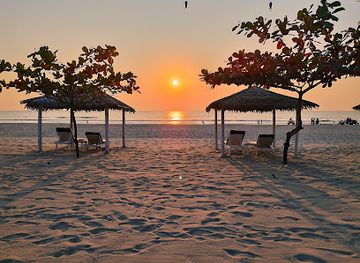
Seahorse Beach Bar, Ngwe Saung Beach
Experience the magic of sunsets at Seahorse Beach Bar, an inviting destination for food, drinks, and coastal bliss in Ngwe Saung.
-
Bar
Pearl Ngwe Saung Beach Bar
Experience the ultimate beachside relaxation at Pearl Ngwe Saung Beach Bar, where cocktails and sunsets create unforgettable memories.
Best nightclubs in Ngwe Saung Beach
Ngwe Saung has a restrained evening scene rather than a concentrated nightlife district. At larger hotels and along the more developed central beach, visitors may find relaxed bars, informal drinks and occasional seasonal entertainment, but venue choice and operating arrangements can change. Local restaurants, teashops and guesthouse terraces are more characteristic places to spend the evening than nightclubs, with the atmosphere shaped by the tide, weather and the quiet rhythm of a coastal village. Some beach businesses may close early or operate only during the busier travel season. Pathein has a broader urban selection of teashops and modest evening venues, but it is outside Ngwe Saung and is not a practical substitute for a major resort nightlife centre.
-
Bar
Brizo Beach Bar
Discover Brizo Beach Bar in Ngwesaung: A vibrant seaside bar with stunning views, delightful cocktails, and unforgettable fire dance performances.
-
Bar
Seahorse Beach Bar, Ngwe Saung Beach
Seahorse Beach Bar at Ngwe Saung Beach: Enjoy delicious food and cocktails in a picturesque beachside setting.
-
Bar
Pearl Ngwe Saung Beach Bar
Discover the ultimate beachside relaxation at Pearl Ngwe Saung Beach Bar, where sunset views and tropical cocktails create the perfect getaway.
-
Bar
Royal Nhwe Saung KTV & BAR
Enjoy unforgettable nights of karaoke and drinks at Royal Nhwe Saung KTV & BAR in Ngwesaung, the ultimate hotspot for nightlife enthusiasts.
Get your free copy of our complete guide to Ngwe Saung Beach, delivered straight to you.
Everything on this page, from attractions and restaurants to essentials and local phrases, in one PDF you can read offline, print or share.
Already have an account? Sign in
Your Ngwe Saung Beach guide is ready.
We'll send it to · Not you? Sign out

Getting your guide ready…
We are putting together a fresh copy of the Ngwe Saung Beach guide. This can take up to a minute.
This can take a few moments. If your browser asks, choose Allow so the download can start. You'll find the guide in your Downloads folder.
Nothing happened? Download it again
Sorry, the guide is taking longer than usual. Please try again in a minute, or get it by email instead.
Ngwe Saung Beach essentials
Currency and Payment
Safety
Emergency Situations
Do's and Don'ts
Local Tips
From Eve
Local phrases worth knowing
You don't need to get them perfect. A few words go a long way, and locals appreciate the effort.
Basics
| English | Local | Say it |
|---|---|---|
| Hello | မဂၤလာပါ | [mahlápà] |
| Goodbye | သွားပါ | [swàpa] |
| Yes | ဟုတ်ကဲ့ | [hutkè] |
| No | မဟုတ်ဘူး | [mahutbù] |
| Please/You're welcome | ကျေးဇူးတင်ပါသည် | [kyèzùtànba thè] |
| Thank you | ကျေးဇူးပါသည် | [kyèzùpànè] |
| Excuse me/Sorry | ဝင်ချမ်းသားပါ | [waingchámsàpa] |
| How are you? | ဘယ်သူ့ကြီးကိုလဲ | [bèthugyi ko le] |
| Fine. And you? | ကျော်ကြီးသားမယ် | [kyaukgyisàmae] |
| Do you speak English? | အင်္ဂလိပ်သည်လား | [ingaleitsàn là] |
| I don't understand | ကျေးဇူးသည်မသိဘူး | [kyèzùnèmahibù] |
Eating & Drinking
| English | Local | Say it |
|---|---|---|
| I'd like to see the menu, please | မီနူးကြော်သွားပါ | [minu kau swàpa] |
| I don't eat meat | သင်စက်ထိုင်သည် | [sinzatunè] |
| Cheers! | စစ်သင်္ကြန် | [satsingkun] |
| I would like to pay, please | ငှက်မွက်ပါသည် | [hkwamwèba] |
Emergencies
| English | Local | Say it |
|---|---|---|
| Help! | အကူအညီ | [akunanyi] |
| Go away! | ဆီမှားပါ | [hìhma pa] |
| Call the Police! | ရုံးလေအိုးစီး | [yomlèoisī] |
| Call a doctor! | အဆက်မပြင်ပါ | [ashakampyà] |
| I'm lost | ခံယူပါသည် | [hankyupànè] |
| I'm ill | ကြွက်သောအစားပါ | [kwèsoasàpa] |
Shopping
| English | Local | Say it |
|---|---|---|
| I'd like to buy... | မီနူးဝယ်ရန်ပါသည် | [minu yarànpa] |
| I'm just looking | ကျေးဇူးသည်အနောက်ပါ | [kyèzùnè anaukpa] |
| How much is it? | အစုံဖြင့်ဘူးလား | [asinprinhbù là] |
| That's too expensive | ဒီအစုံရဲ့အနည်းသည် | [diasinye ainanyè] |
| Can you lower the price? | စစ်အစုံကိုနောက်ပါသလား | [satsin a sinnkau naukpa lamā] |
Time & Numbers
| English | Local | Say it |
|---|---|---|
| What time is it? | ဘယ်အချိန်ပါ | [bèakhainba] |
| It's one o'clock | တစ်နာရီမှား | [tachanarimhà] |
| Half past (10) | တစ်နာရီနှင့်ဆယ် | [tachanarihngāh] |
| Morning | မနက် | [mankà] |
| Afternoon | နေ့မှား | [neimhà] |
| Evening | ည | [nya] |
| Yesterday | မနက်ကြီး | [mankajè] |
| Today | ယနေ | [yanè] |
| Tomorrow | မနက်နေ | [mankanè] |
| 1 | တစ် | [tachan] |
| 2 | နှစ် | [hnè] |
| 3 | သုံး | [sum] |
| 4 | လေး | [lei] |
| 5 | ငါး | [nga] |
| 6 | ခြောက် | [khaok] |
| 7 | ခွေး | [hkwe] |
| 8 | ရှေ့ | [hrè] |
| 9 | ကိုး | [ko] |
| 10 | ဆယ် | [hā] |
Transport & Directions
| English | Local | Say it |
|---|---|---|
| Where's a/the...? | အဘယ်ဆုံးရှေ့မှားရှေ့လဲ | [abèsumhàmhà le] |
| What's the address? | လိပ်စာဘာလဲ | [lipsabhale] |
| Can you show me (on the map)? | မြောက်မှားရှေ့ပါလား | [myaumhàmhàpa lamā] |
| When's the next (bus)? | နောက်မှားရှေ့လဲ | [naumhàmhà le] |
| A ticket (to ....) | လက်ဆောင်းလိုက်ရန် | [lakhsaungloukyanà] |
History of Ngwe Saung Beach
A Bay of Bengal Coastline
Ngwe Saung lies on Myanmar’s western coastal plain beside the Bay of Bengal, a landscape shaped by marine processes, seasonal monsoon weather and sediment carried towards the coast by the Irrawaddy river system. Its broad sandy beach and low-lying surroundings belong to a wider belt of coastal environments rather than an ancient urban centre. The area’s identity developed through its relationship with the sea, including fishing, small-scale coastal trade and the movement of people between villages and the regional town of Pathein.
Fishing Villages and Pathein District
Before resort development, the coast around Ngwe Saung was primarily associated with village life, fishing and rural livelihoods. Pathein, historically known as Bassein, became the principal town of the surrounding delta and coastal district, linking inland waterways and agricultural communities with the sea. The wider region reflects the cultural history of the Ayeyarwady delta, where river transport, rice cultivation, Buddhist religious life and maritime activity shaped settlement patterns. Ngwe Saung retained its village character even as its beach gained wider recognition.
The Growth of a Beach Resort
Ngwe Saung emerged as a recognised domestic and international beach destination during the late twentieth and early twenty-first centuries, when Myanmar’s long coastline began to receive greater tourism investment. Hotels, guesthouses, restaurants and access roads gradually developed along parts of the shore, particularly near the village and central beach areas. This growth transformed the local economy by adding hospitality and seasonal service work to established fishing and rural activities, while leaving much of the coastline relatively lightly built compared with larger Asian resort destinations.
Coastal Tourism and Environmental Pressures
Modern Ngwe Saung sits between two priorities: supporting coastal tourism and retaining the ecological and social character of a sandy Bay of Bengal shoreline. Monsoon erosion, storm conditions, waste management, pressure on water resources and disturbance to coastal habitats are relevant concerns wherever beach construction expands. Visitors encounter a destination whose history is therefore still developing, with local communities, businesses and authorities balancing resort activity with the practical needs of a working coastal environment.
Ngwe Saung Beach in Photos
Browse through our photo collection highlighting the charm and character of the destination.
Neighbouring destination travel guides
The closest destinations to Ngwe Saung Beach, if you have time for more than one.
-

-

-
-

-


Swipe for more destinations
Explore more

Explore more of Ayeyarwady Region
Explore Ayeyarwady Region for Pathein’s river culture, delta wetlands, rice landscapes and the sandy beaches of Chaungtha and Ngwe Saung.
Explore Ayeyarwady Region
Explore more of Myanmar (Burma)
Discover Myanmar: A land of golden pagodas, ancient temples, and breathtaking natural beauty, where warm hospitality and rich culture await every traveler.
Explore Myanmar (Burma)