

Ngapali Beach Travel Guide - Free Web & App
Your ultimate guide to Ngapali Beach. Discover top landmarks, proposed trips, and local tips. Free on the web or via the Evendo companion app.


Ngapali Beach, Myanmar, offers Bay of Bengal sands, fishing villages, coastal scenery, seafood and relaxed beach stays near historic Thandwe.
A Long Shoreline on the Bay of Bengal
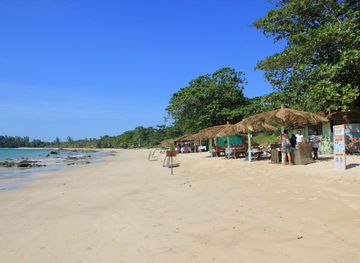
Ngapali Beach stretches along Myanmar’s western coast near Thandwe in Rakhine State, facing the Bay of Bengal. Its appeal lies in the combination of a broad sandy shore, warm tropical water, coconut palms and a working coastal landscape that remains visible beyond the resort areas. Small fishing communities, boats drawn up on the beach and low-density development give parts of the coast a more local character than Myanmar’s larger beach resorts. The beach itself is spread out rather than concentrated around a single town centre, so visitors should think in terms of separate accommodation areas and nearby villages rather than an urban resort district.Read more about Ngapali Beach
Coastal Landscapes and Local Life
Ngapali and Thandwe
When is the best time to visit Ngapali Beach?
Best: December–February · 31°C| Month | High (°C) | Rainfall (mm) |
|---|---|---|
| January (best) | 31 | 3 |
| February (best) | 31 | 3 |
| March | 32 | 2 |
| April | 33 | 9 |
| May | 33 | 296 |
| June | 33 | 698 |
| July | 33 | 849 |
| August | 33 | 734 |
| September | 32 | 579 |
| October | 32 | 303 |
| November | 31 | 64 |
| December (best) | 31 | 10 |
Getting to and around Ngapali Beach
How to get there
Transportation
Best attractions in Ngapali Beach
Ngapali Beach is the central attraction, with a long sandy shoreline suited to walking, quiet observation and, where local conditions permit, swimming or other low-key coastal recreation. The coast is most interesting when explored beyond the hotel frontage: fishing villages, traditional boats, coconut palms and small rural roads reveal the working landscape behind the resort image. Thandwe provides the area’s principal town experience, with local markets, streets and religious sites offering a glimpse of everyday Rakhine life. Boat trips may sometimes reach offshore islands such as Pearl Island, although departures, routes and permissions are weather- and operator-dependent. Inland views towards the Rakhine hills add contrast to the flat shore, while cycling or short local excursions can connect separate beach sections and villages. Visitors should distinguish established tourism areas from private or working land, and confirm current access before travelling because attractions and services in Rakhine State may not operate consistently.
-
Tourist attraction
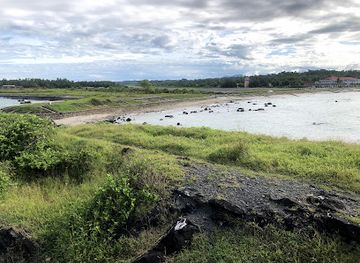
မဇင် (ရေကာတာ)
Uncover the serene beauty and rich traditions of Ma Zin, Myanmar's charming tourist destination perfect for cultural immersion and nature exploration.
-
Tourist attraction
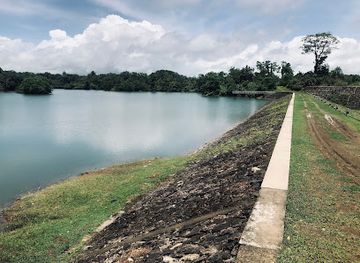
ဇီးဖြူကုန်း ရေလှောင်တမံ
Explore the serene beauty and rich culture of Thandwe, Myanmar's coastal gem with stunning beaches and vibrant local life.
-
Tourist attraction
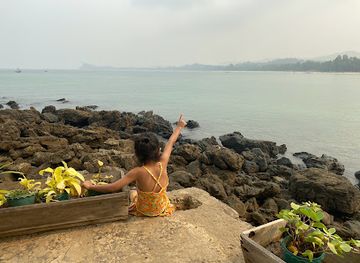
Mazin Village Public Area Beach View ️
Experience the tranquility and stunning views at Mazin Village Public Area Beach View, a must-visit destination on Myanmar's coastline.
-
Tourist attraction
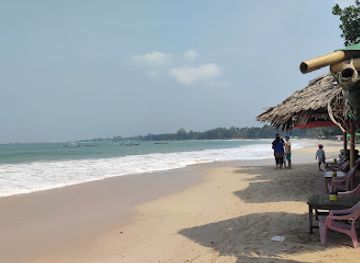
Ngapali beach(beauty beach)
Discover the serene beauty of Ngapali Beach, where golden sands meet azure waters, creating a tropical paradise in Myanmar perfect for relaxation and adventure.

Best landmarks in Ngapali Beach
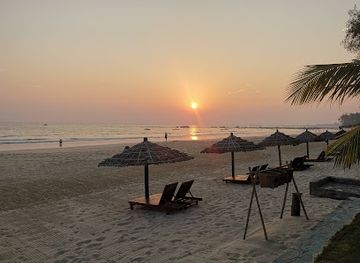
Ngapali’s principal landmark is geographical rather than architectural: the broad Bay of Bengal shoreline, where sand, palms, fishing boats and changing tides define the identity of the coast. The offshore islands visible from parts of the beach, including Pearl Island, form another recognisable element of the seascape, although access by boat depends on conditions and local arrangements. Thandwe’s Buddhist religious buildings and historic urban setting provide the area’s main cultural reference points, with Shwe Nandaw Pagoda among the religious sites associated with the town. The surrounding Rakhine coastal plain, inland hills and tidal waterways help explain why settlements developed around fishing, farming and maritime movement. These landmarks should be understood as part of a living landscape: beaches may be working areas, temples remain active religious places, and access can change according to weather, local custom and current regulations.
-
 Resort hotel
Amazing Ngapali Resort
Discover serenity and luxury at Amazing Ngapali Resort, a premier destination on Myanmar's stunning Ngapali Beach, perfect for relaxation and adventure.
-
Historical landmark
Ngapali Mermaid Statue
Explore the enchanting Ngapali Mermaid Statue in Zi Phyu Kone, a captivating historical landmark steeped in local folklore and coastal beauty.
-
Tourist attraction
Ngapali beach(beauty beach)
Experience the tranquil beauty of Ngapali Beach, Myanmar's stunning coastal paradise, perfect for relaxation, adventure, and cultural exploration.

Explore Ngapali Beach on the map
Plan your trip on one map. See where the top attractions, landmarks, restaurants and hotels are, and book hotels and experiences in a few clicks.
Best hotels in Ngapali Beach
Best restaurants in Ngapali Beach
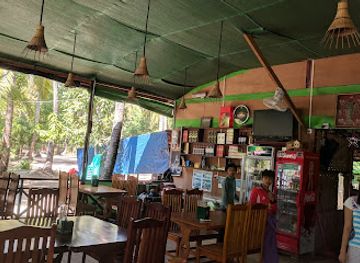
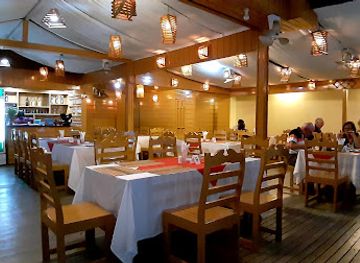
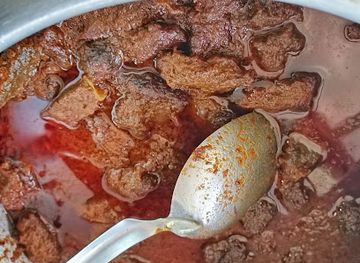
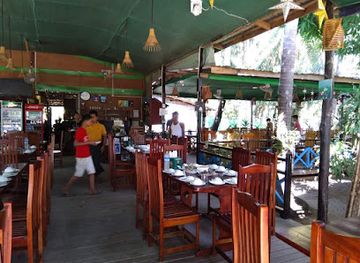
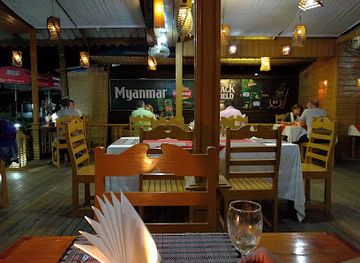
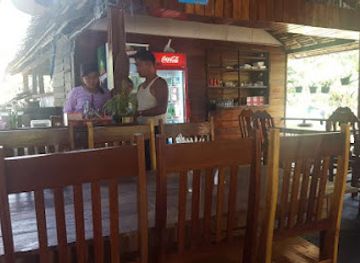
Dining around Ngapali traditionally centres on hotel restaurants, independent beachside eateries and small local businesses along the coastal road, with Thandwe providing a broader everyday food scene. Rakhine cooking is associated with strong, fresh flavours and the abundant seafood of the Bay of Bengal; fish, prawns and other local catches may appear alongside rice, noodles, salads and curries, depending on season and supply. Burmese dishes such as mohinga, tea-leaf salad and various noodle preparations are also found in the region, while menus in visitor accommodation often combine local food with familiar international dishes. Smaller establishments may have limited opening periods or changing menus, and seafood availability can depend on weather and fishing activity. Travellers should verify current operating businesses locally rather than relying on older recommendations, particularly outside the main beach accommodation areas.
-
Restaurant
K2 Restaurant (By K K)
Discover the flavors of Myanmar at K2 Restaurant in Ngapali – where fresh seafood meets breathtaking views.
-
Restaurant
Sea Queen
Discover exquisite seafood dining at Sea Queen in Zi Phyu Kone, where stunning beach views meet authentic Burmese flavors.
-
Restaurant
Ocean Pearl
Discover Ocean Pearl in Zi Phyu Kone: A delightful restaurant offering fresh seafood and authentic Burmese cuisine amidst stunning coastal views.
-
Restaurant
Yin Yin Restaurant
Discover authentic Burmese flavors at Yin Yin Restaurant in Zi Phyu Kone - a culinary delight that showcases Rakhine traditions.
Best bars in Ngapali Beach
Ngapali is known for quiet evenings rather than a substantial nightlife district. Some hotels and beach restaurants may offer a bar, simple cocktails, beer or a sunset setting, but opening arrangements and services can vary with occupancy, local conditions and electricity or connectivity. Traditional teashops and modest local eateries provide more representative evening surroundings than nightclubs, while the beach itself becomes dark and relatively quiet away from accommodation compounds. Thandwe has everyday social venues rather than a developed late-night entertainment scene. Visitors should not expect a reliable programme of live music, clubs or organised events, and should follow local advice about walking after dark, photography and access to beaches or village areas.
-
Restaurant
K2 Restaurant (By K K)
Experience exquisite flavors and breathtaking views at K2 Restaurant, a culinary gem in the heart of Zi Phyu Kone, Ngapali.
-
Restaurant
Sea Queen
Discover the culinary delights at Sea Queen, where traditional flavors meet stunning coastal views in Zi Phyu Kone.
-
Restaurant
Ocean Pearl
Discover the culinary delights of Ocean Pearl, a charming restaurant in Zi Phyu Kone, where local flavors meet stunning coastal views.
-
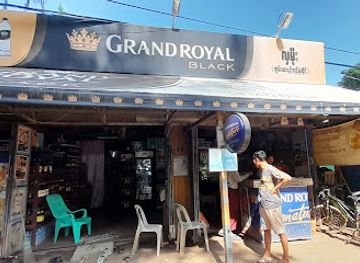
Bar
Ko Hla Moe
Experience the authentic charm of Zi Phyu Kone at Ko Hla Moe, a cozy bar offering local drinks and a welcoming atmosphere.
Best nightclubs in Ngapali Beach
Ngapali is known for quiet evenings rather than a substantial nightlife district. Some hotels and beach restaurants may offer a bar, simple cocktails, beer or a sunset setting, but opening arrangements and services can vary with occupancy, local conditions and electricity or connectivity. Traditional teashops and modest local eateries provide more representative evening surroundings than nightclubs, while the beach itself becomes dark and relatively quiet away from accommodation compounds. Thandwe has everyday social venues rather than a developed late-night entertainment scene. Visitors should not expect a reliable programme of live music, clubs or organised events, and should follow local advice about walking after dark, photography and access to beaches or village areas.
-
Resort hotel
Amazing Ngapali Resort
Experience the essence of luxury at Amazing Ngapali Resort, where stunning beaches and exceptional hospitality meet in perfect harmony.
Best shops in Ngapali Beach
Shopping in Ngapali is modest and concentrated around hotel areas, small roadside shops and local businesses rather than a large commercial district. Visitors may find locally caught or prepared food, basic beach necessities, woven goods, souvenirs, paintings and small handicrafts, although product range and availability vary. Thandwe offers the more substantial everyday market environment, where fresh produce, fish, rice, household goods and regional foods reflect the coastal economy and Rakhine life. Purchases from small producers can support local livelihoods, but travellers should avoid buying wildlife products, archaeological objects or materials taken from the beach and sea. Carrying adequate cash is sensible because card facilities and reliable electronic payment cannot be assumed, particularly away from established accommodation.
-
Toy store
Home Sweet Home (The Pirate)
Explore a whimsical toy store in Thandwe, Myanmar, where creativity and adventure come alive through an enchanting selection of toys.
-
Home goods store
Ko Lay+Nann Home
Explore authentic Myanmar home goods at Ko Lay+Nann Home, where local craftsmanship meets unique souvenirs in beautiful Ngapali.
-
Bakery
U Thant Bakery
Discover the flavors of Myanmar at U Thant Bakery in Ngapali, a charming spot for fresh pastries and local treats.
-
Art center
Ngapali Beach Beauties
Explore the breathtaking shores of Ngapali Beach, where serenity meets the vibrant culture of Myanmar.


Get your free copy of our complete guide to Ngapali Beach, delivered straight to you.
Everything on this page, from attractions and restaurants to essentials and local phrases, in one PDF you can read offline, print or share.
Already have an account? Sign in
Your Ngapali Beach guide is ready.
We'll send it to · Not you? Sign out

Getting your guide ready…
We are putting together a fresh copy of the Ngapali Beach guide. This can take up to a minute.
This can take a few moments. If your browser asks, choose Allow so the download can start. You'll find the guide in your Downloads folder.
Nothing happened? Download it again
Sorry, the guide is taking longer than usual. Please try again in a minute, or get it by email instead.
Ngapali Beach essentials
Currency and Payment
Safety
Emergency Situations
Do's and Don'ts
Local Tips
From Eve
Local phrases worth knowing
You don't need to get them perfect. A few words go a long way, and locals appreciate the effort.
Basics
| English | Local | Say it |
|---|---|---|
| Hello | မင်္ဂလာပါ | [mingalarbar] |
| Goodbye | စဉ်းစားလို့ | [sinsalote] |
| Yes | ဟုတ်လိုက် | [hotehloak] |
| No | မဟုတ်ဘူး | [mahtohbu] |
| Please/You're welcome | ကျေးဇူးပါ | [chayzubar] |
| Thank you | ကျေးဇူးပါ | [chayzubar] |
| Excuse me/Sorry | ကျေးဇူးပါ | [chayzubar] |
| How are you? | ဘယ်လို့ကြီးရပါသလဲ | [byelohkyijapathalae] |
| Fine. And you? | ဘယ်လို့ကြီးရပါသလဲ | [byelohkyijapathalae] |
| Do you speak English? | အဂၤလိပ်မြာစာအက္ခရာပါရှင့် | [egalemyasapakharashin] |
| I don't understand | ငါက မကောင်းပါ | [nga maungbar] |
Eating & Drinking
| English | Local | Say it |
|---|---|---|
| I'd like to see the menu, please | မီနူးကို ကြည့်ရအောင့် | [menuko kyoyaroon] |
| I don't eat meat | အသက် မစက်ရသေးတယ် | [atsak mahtesaitae] |
| Cheers! | စစ်သင့် | [satsin] |
| I would like to pay, please | ငါ ငွေကြည့်ရအောင့် | [ngawe kyoyaroon] |
Emergencies
| English | Local | Say it |
|---|---|---|
| Help! | ကူးနဝတ်ရက် | [kunawattak] |
| Go away! | ကျန်တယ် | [kuntay] |
| Call the Police! | ရုပ်သားရေးခဲ့ပါ | [rupshaykayba] |
| Call a doctor! | ဆရာဝက်ခဲ့ပါ | [shayarwakayba] |
| I'm lost | ငါ မှားပြီ | [nga maupi] |
| I'm ill | ငါ ကျေးဇူးပါ | [nga chayzubar] |
Shopping
| English | Local | Say it |
|---|---|---|
| I'd like to buy... | ငါရယ်သွားလို့ | [ngayarzwalo] |
| I'm just looking | အခြေခဲ့ရမယ် | [akhrekayamae] |
| How much is it? | အစားဘွမှာလဲ | [asabhwamala] |
| That's too expensive | ဤအထက်မှာနဲ့ရယ် | [etakhamahtenya] |
| Can you lower the price? | စျေးဝယ်ခဲ့သလား | [sewewakayamae] |
Time & Numbers
| English | Local | Say it |
|---|---|---|
| What time is it? | ဘွာ့ခန်းမှာလဲ | [bhawankhamala] |
| It's one o'clock | တန်ခါရက်ပုံသိပ်တယ် | [tankakatpumthae] |
| Half past (10) | ဆယ်ချင်းပုံသိပ်တယ် | [saychanyumpumthae] |
| Morning | မနက် | [mankak] |
| Afternoon | နေ့မှန် | [nehaman] |
| Evening | နောက် | [naok] |
| Yesterday | မနေ့က | [nenehka] |
| Today | ယနေ့ | [yaneneh] |
| Tomorrow | မနက်က | [mankakka] |
| 1 | တစ် | [tay] |
| 2 | နှစ် | [hnay] |
| 3 | သုံး | [sone] |
| 4 | လေး | [lay] |
| 5 | ငါး | [nga] |
| 6 | ခြောက် | [khawak] |
| 7 | ချောက် | [chawak] |
| 8 | ရှောက် | [shawk] |
| 9 | ကိုး | [koe] |
| 10 | ဆယ် | [say] |
Transport & Directions
| English | Local | Say it |
|---|---|---|
| Where's a/the...? | အကြောင်းငွေ...မှာလဲ | [akyangngwe...mahmala] |
| What's the address? | လိပ်စာမှာလဲ | [lipsamala] |
| Can you show me (on the map)? | မြို့မှာပြန်ဆုံးရန့်ပါလဲ | [myoma prahtunyarna malarma] |
| When's the next (bus)? | နောက်ထပ် ဘုရားလဲ | [naoktap bhurala] |
| A ticket (to ....) | လက်ဆင်းဖြိုးလို့ | [laksin pyulalo] |
History of Ngapali Beach
A Coast Shaped by the Bay of Bengal
Ngapali’s physical setting is the product of the Bay of Bengal’s coastal processes: waves, tides and sediment have formed sandy beaches, shallow nearshore waters and changing sandbars along the Rakhine coast. The wider region combines low coastal plains with hills and river systems inland. These environments have long supported fishing, small-scale agriculture and movement by sea, while also leaving settlements exposed to monsoon weather and coastal storms. The landscape visitors see today is therefore both a natural shoreline and a working environment shaped by generations of communities using the coast.
Thandwe and the Rakhine Coast
Thandwe, historically known as Sandoway, is one of the established centres of the Rakhine coast. The town and surrounding area developed through the region’s connections with maritime trade, fishing and agriculture, within the cultural sphere of Arakan, the historic kingdom centred farther north and later associated with Mrauk-U. Rakhine identity remains important in the area’s language, food, religious traditions and coastal culture. Ngapali itself is not an ancient urban centre but part of the wider coastal landscape whose history is best understood through Thandwe and the villages that depend on the sea.
Colonial and Modern Transformations
After the British annexation of Arakan in the nineteenth century, the region was incorporated into British Burma and its administration, trade and transport systems. Thandwe continued to serve as a local centre while nearby communities retained livelihoods based on fishing and farming. During the twentieth century, improved air and road connections gradually made the coast more accessible to visitors from elsewhere in Myanmar and overseas. The name Ngapali is often linked to a popular story comparing the beach with Naples, but the explanation is generally treated as local lore rather than firmly documented history.
Tourism and a Changing Coast
Ngapali developed as Myanmar’s best-known beach destination during the expansion of domestic and international tourism, particularly after wider political and economic opening in the 2010s. Hotels and guesthouses appeared along parts of the shoreline, while fishing villages and small local businesses remained integral to the area’s character. Tourism was later affected by the COVID-19 pandemic and by the political and security situation in Myanmar, with Rakhine State facing particular restrictions and uncertainty. Current conditions, transport links and operating businesses can change quickly, so the modern history of visiting Ngapali remains closely tied to national events and local security.
Ngapali Beach in Photos
Browse through our photo collection highlighting the charm and character of the destination.
Neighbouring destination travel guides
The closest destinations to Ngapali Beach, if you have time for more than one.
-

-

-
-

-


Swipe for more destinations
Explore more
Explore more of Rakhine State
Explore Rakhine State's ancient Mrauk-U temples, Bay of Bengal coast and maritime culture only with current security and access advice.
Explore Rakhine State
Explore more of Myanmar (Burma)
Discover Myanmar: A land of golden pagodas, ancient temples, and breathtaking natural beauty, where warm hospitality and rich culture await every traveler.
Explore Myanmar (Burma)