

Saint Martin's Island Travel Guide - Free Web & App
Your ultimate guide to Saint Martin's Island. Discover top landmarks, proposed trips, and local tips. Free on the web or via the Evendo companion app.


Saint Martin's Island, Bangladesh: coral shores, coconut groves, marine life, Chera Dwip and quiet Bay of Bengal escapes shaped by seasonal access.
Island Landscapes and Marine Life
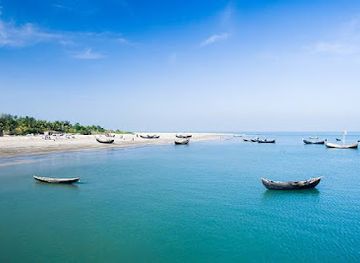
Saint Martin's Island lies in the north-eastern Bay of Bengal, approximately nine kilometres south of Bangladesh's Teknaf peninsula and close to the border with Myanmar. Locally known as Narikel Jinjira, or Coconut Island, it is a low-lying island of coral-derived sand, tidal flats, rocky shoreline and coconut groves. The main settlement occupies the northern part of the island, while quieter coastal stretches and the smaller southern islet of Chera Dwip offer a more exposed landscape shaped by tides, weather and seasonal tourism.Read more about Saint Martin's Island
Village Life and Coastal Character
Responsible Island Travel
When is the best time to visit Saint Martin's Island?
Best: December–February · 29–30°C| Month | High (°C) | Rainfall (mm) |
|---|---|---|
| January (best) | 29 | 9 |
| February (best) | 30 | 7 |
| March | 31 | 6 |
| April | 33 | 5 |
| May | 34 | 12 |
| June | 34 | 18 |
| July | 33 | 21 |
| August | 33 | 20 |
| September | 33 | 16 |
| October | 32 | 10 |
| November | 31 | 7 |
| December (best) | 29 | 8 |
Getting to and around Saint Martin's Island
How to get there
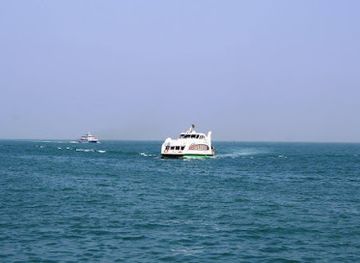
Transportation
Best attractions in Saint Martin's Island
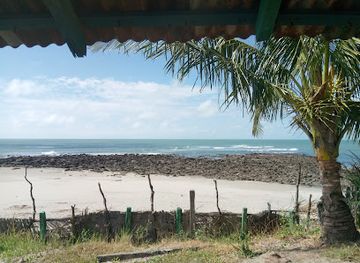
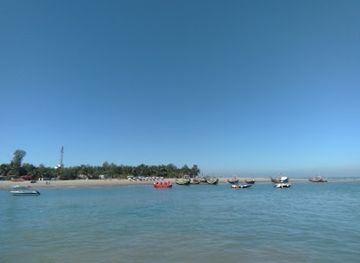
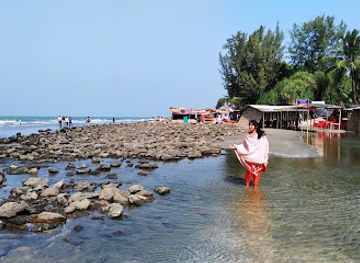
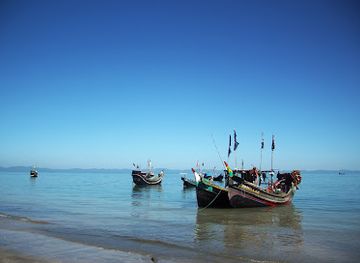
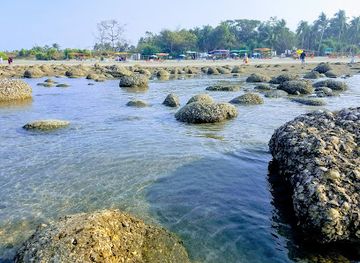
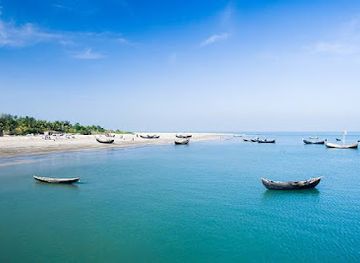
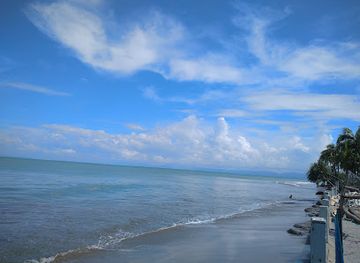
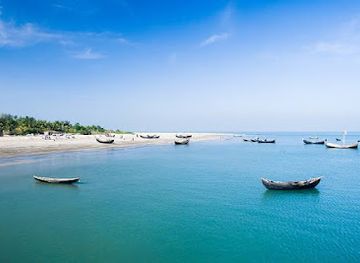
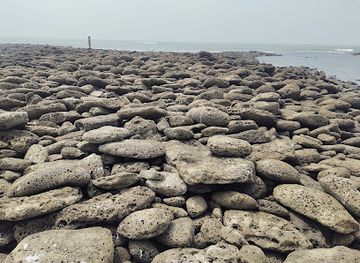
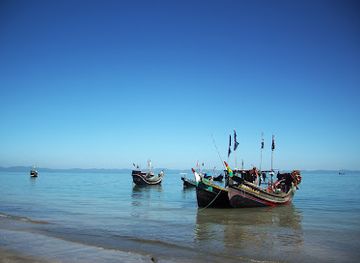
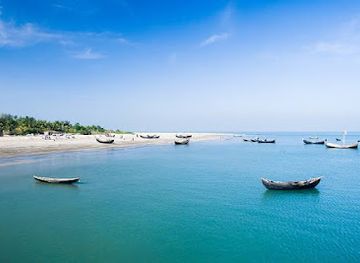
Saint Martin's Island's principal attraction is its changing coastal landscape: sandy beaches, intertidal rock shelves, clear shallows, coconut groves and broad views across the Bay of Bengal. The main village and landing area provide the island's everyday focus, with fishing boats, small shops and simple seafood eateries revealing more about local life than any formal visitor complex. Along the eastern and southern shores, tidal pools and exposed coral fragments create interest for careful observation, although nothing should be collected. Chera Dwip, the smaller southern extension, is reached subject to tides, sea conditions and current local rules; its open shoreline and sparse vegetation give it a more remote character than the settled north. Marine life, seabirds and occasional turtle activity add ecological interest, but sightings vary by season and responsible distance is essential. Saint Martin's compact scale makes walking central to the experience, while boat trips around the coast depend on authorised operators, weather and conservation restrictions.
-
Tourist attraction
Saint Martin's Island North Beach
Discover tranquility on Bangladesh's only coral island. Pristine sands, clear waters, and vibrant marine life await at Saint Martin's Island North Beach.
-
Beach
Saint Martin's Island West Beach, Bangladesh
Discover the tranquil beauty of Saint Martin's Island West Beach: pristine sands, turquoise waters, and vibrant marine life await!
-
Tourist attraction
Saint Martin, Bangladesh
Discover Bangladesh's only coral island: pristine beaches, vibrant coral reefs, and tranquil island life await!
-
Beach
St. Martin's Island
Discover St. Martin's Island: A tranquil escape to Bangladesh's only coral island with pristine beaches and vibrant marine life.
Best landmarks in Saint Martin's Island
Saint Martin's Island's defining landmark is the island itself: a low coral-derived landform set in the Bay of Bengal, with coconut-lined shores, tidal flats and exposed marine rock distinguishing it from Bangladesh's mainland coast. The southern extension known as Chera Dwip is a notable geographical feature, although its shape, access and exposed shoreline are influenced by tides and seasonal conditions. The main landing area and fishing village are cultural landmarks in a lived sense, illustrating the island's dependence on boats, marine resources and coastal trade. A lighthouse on the island serves as a useful navigational feature, but it should not be treated as a conventional monument or assumed to be open for climbing. The surrounding shallow waters and reef-associated habitats are environmentally significant, while beaches used by sea turtles carry greater importance than their modest appearance suggests. These natural and working landscapes, rather than grand architecture, define Saint Martin's heritage.
-
Island
Saint Martins Island
Discover Bangladesh's only coral island: pristine beaches, vibrant coral, and tranquil beauty await at Saint Martin's Island.
-
Tourist attraction
Saint Martin's Island North Beach
Discover the serene beauty of Saint Martin's Island North Beach, Bangladesh's only coral island, offering pristine sands, turquoise waters, and a tranquil escape from the everyday.
-
Beach
Saint Martin's Island West Beach, Bangladesh
Discover the tranquil beauty of Saint Martin's Island West Beach, a serene coral paradise in Bangladesh, perfect for nature lovers and beach enthusiasts.
-
Supermarket
Saint Martin's Island Bazar
Experience the vibrant heart of St. Martin's Island: a bustling marketplace filled with local flavors, crafts, and the essence of island life.
Explore Saint Martin's Island on the map
Plan your trip on one map. See where the top attractions, landmarks, restaurants and hotels are, and book hotels and experiences in a few clicks.
Best hotels in Saint Martin's Island
Best restaurants in Saint Martin's Island
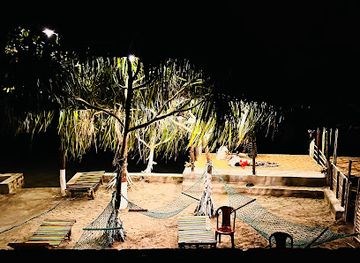
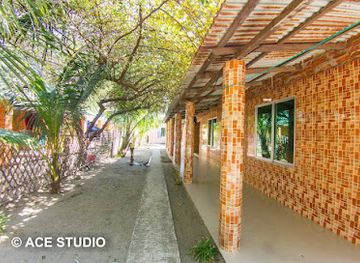
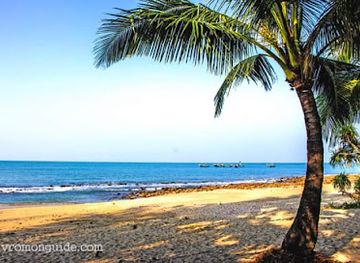
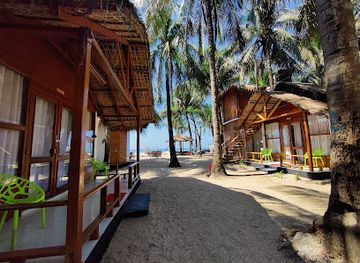
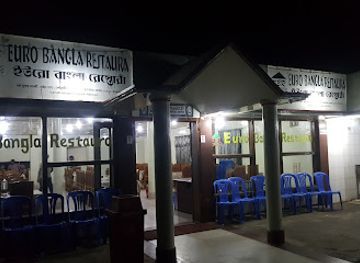
Dining on Saint Martin's Island is concentrated around the main settlement and accommodation areas, with simple restaurants, guesthouse kitchens and informal food stalls rather than a large independent restaurant scene. Seafood is the defining feature, and menus may include locally caught fish, prawns, crab and other marine produce, prepared in Bengali styles with rice, lentils, vegetables, spices and fresh salads. Coconut is an important part of the island's visual and culinary identity, while tea and uncomplicated snacks are widely suited to the slow pace of a small coastal community. Availability can vary with weather, fishing conditions, supply boats and visitor numbers, so menus should not be treated as fixed. Visitors staying outside the main village may need to arrange meals with their accommodation, and those travelling to Chera Dwip should carry water and food rather than expect regular catering there.
-
Restaurant
Blue Lagoon Beach Resort - Saint Martin's Island
Discover tranquility at Blue Lagoon Beach Resort on Saint Martin's Island - where luxury meets nature in a tropical paradise.
-
Restaurant
ড্রিম নাইট রিসোর্ট সেন্টমার্টিন
Discover serenity at Dream Night Resort in Saint Martin, where breathtaking views meet luxurious comfort on Bangladesh's stunning coastline.
-
Bangladeshi
ইউরো বাংলা রেঁস্তোরা
Discover the essence of Bangladeshi cuisine at ইউরো বাংলা রেঁস্তোরা on Saint Martin's Islands - where every dish is a celebration of flavor.
-
Restaurant
Josnaloy Beach Resort জ্যোৎস্নালয় বিচ রিসোর্ট
Experience tranquility at Josnaloy Beach Resort on St. Martin's Island - where relaxation meets adventure in paradise.
Best bars in Saint Martin's Island
Saint Martin's Island is not a nightclub destination, and evening entertainment is generally quiet, informal and closely tied to village and coastal life. Guesthouses and small eateries may provide places to sit over tea, soft drinks or dinner, while visitors often spend the evening walking in settled areas, watching the changing light over the water or listening to the sea. Alcohol availability should not be assumed, and public behaviour should remain respectful of local religious and community customs. There are no established nightlife districts or dependable programme of performances to rely on. After dark, avoid sensitive turtle-nesting beaches, bright lights and loud music, and take care on uneven shorelines where visibility, tides and boat activity can change. Any seasonal cultural event or organised entertainment should be confirmed locally rather than presumed to operate throughout the year.
-
Beach
Saint Martin's Island West Beach, Bangladesh
Experience the pristine beauty and tranquility of Saint Martin's Island West Beach, a hidden gem in Bangladesh's coastal paradise.
-
Restaurant
ড্রিম নাইট রিসোর্ট সেন্টমার্টিন
Experience the tranquil beauty of Dream Night Resort in Saint Martin, where relaxation meets adventure amidst stunning coastal scenery.
-
Bangladeshi
ইউরো বাংলা রেঁস্তোরা
Discover the flavors of Bangladesh at ইউরো বাংলা রেঁস্তোরা in Saint Martin's Islands, an unmissable culinary experience for every traveler.
-
Beach
St. Martin's Island
Discover St. Martin's Island, Bangladesh's hidden gem, where pristine beaches meet vibrant marine life, creating an unforgettable tropical paradise.
Best nightclubs in Saint Martin's Island
Saint Martin's Island is not a nightclub destination, and evening entertainment is generally quiet, informal and closely tied to village and coastal life. Guesthouses and small eateries may provide places to sit over tea, soft drinks or dinner, while visitors often spend the evening walking in settled areas, watching the changing light over the water or listening to the sea. Alcohol availability should not be assumed, and public behaviour should remain respectful of local religious and community customs. There are no established nightlife districts or dependable programme of performances to rely on. After dark, avoid sensitive turtle-nesting beaches, bright lights and loud music, and take care on uneven shorelines where visibility, tides and boat activity can change. Any seasonal cultural event or organised entertainment should be confirmed locally rather than presumed to operate throughout the year.
-
Beach
Saint Martin's Island West Beach, Bangladesh
Discover the tranquil beauty of Saint Martin's Island West Beach in Bangladesh, a paradise for relaxation, adventure, and local culture.
-
Resort hotel
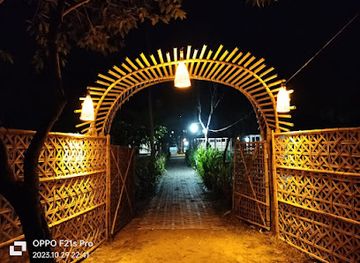
Shayari Eco Resort
Discover the perfect blend of luxury and nature at Shayari Eco Resort on Saint Martin Island, where tranquility meets adventure in a stunning coastal setting.
-
Resort hotel
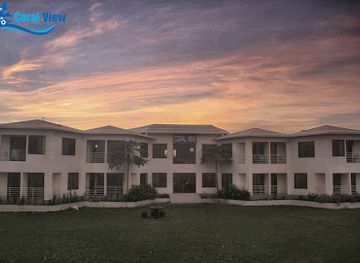
Coral View Resort
Discover the beauty of Saint Martin at Coral View Resort, where relaxation meets adventure in a tropical paradise.
-
Resort hotel
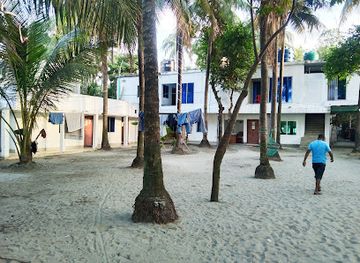
Mermaid Resort, Saint Martin's Island
Experience the ultimate tropical escape at Mermaid Resort, Saint Martin's Island, where luxury meets nature in a breathtaking setting.
Best shops in Saint Martin's Island
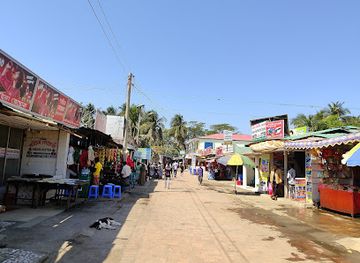
Shopping on Saint Martin's Island is limited and practical, with small village shops and stalls concentrated around the main settlement and landing area. Visitors may find locally caught or dried fish, coconuts, basic snacks, drinks, beach necessities and simple souvenirs, while some accommodation businesses sell small regional items for guests. The island is not known for an extensive craft quarter, permanent market or broad range of specialist retail, and product availability depends heavily on mainland supply and seasonal visitor numbers. Any shell, coral or marine-life product should be avoided, since removing natural material damages the island's coastal environment and may conflict with conservation rules. For medicines, specialist equipment, substantial groceries and dependable travel supplies, shop before departure from Cox's Bazar, Teknaf or another larger mainland centre rather than relying on island retail.
-
Island
Saint Martins Island
Explore the beauty of Saint Martins Island, Bangladesh's only coral island, where pristine beaches meet vibrant marine life and rich culture.
-
Tourist attraction
Saint Martin's Island North Beach
Experience the serene charm of Saint Martin's Island North Beach, a tropical paradise perfect for relaxation, adventure, and breathtaking sunsets.
-
Beach
Saint Martin's Island West Beach, Bangladesh
Experience the serene beauty of Saint Martin's Island West Beach, a tropical paradise in Bangladesh with stunning views and delicious seafood.
-
Supermarket
Saint Martin's Island Bazar
Experience the vibrant culture and unique local offerings at Saint Martin's Island Bazar, a must-visit destination for every traveler.
Get your free copy of our complete guide to Saint Martin's Island, delivered straight to you.
Everything on this page, from attractions and restaurants to essentials and local phrases, in one PDF you can read offline, print or share.
Already have an account? Sign in
Your Saint Martin's Island guide is ready.
We'll send it to · Not you? Sign out

Getting your guide ready…
We are putting together a fresh copy of the Saint Martin's Island guide. This can take up to a minute.
This can take a few moments. If your browser asks, choose Allow so the download can start. You'll find the guide in your Downloads folder.
Nothing happened? Download it again
Sorry, the guide is taking longer than usual. Please try again in a minute, or get it by email instead.
Saint Martin's Island essentials
Currency and Payment
Safety
Emergency Situations
Do's and Don'ts
Local Tips
From Eve
Local phrases worth knowing
You don't need to get them perfect. A few words go a long way, and locals appreciate the effort.
Basics
| English | Local | Say it |
|---|---|---|
| Hello | নমস্কার | [Nomoshkar] |
| Goodbye | বিদায় | [Biday] |
| Yes | হ্যাঁ | [Hyām̐] |
| No | না | [Nā] |
| Please/You're welcome | অনুগ্রহ করে | [Ônugrôh kôre] |
| Thank you | ধন্যবাদ | [Dhônnobād] |
| Excuse me/Sorry | দুঃখিত | [Duhkhit] |
| How are you? | তুমি কেমন আছো? | [Tumi kemon achho?] |
| Fine. And you? | ঠিক আছি। তুমি? | [Thik achhi. Tumi?] |
| Do you speak English? | তুমি ইংরেজি বলতে পারো? | [Tumi ingreji bôlte paro?] |
| I don't understand | আমি বুঝিনি | [Ami bujhinī] |
Eating & Drinking
| English | Local | Say it |
|---|---|---|
| I'd like to see the menu, please | দয়া করে মেনু দেখতে চাই | [Dôyā kôre menū dekhōte chai] |
| I don't eat meat | আমি মাংস খাই না | [Ami māngsh khāi nā] |
| Cheers! | চিয়ারস! | [Chiẏārs!] |
| I would like to pay, please | দয়া করে আমি টাকা দিতে চাই | [Dôyā kôre ami ṭākā dite chai] |
Emergencies
| English | Local | Say it |
|---|---|---|
| Help! | সাহায্য! | [Sāhāyya!] |
| Go away! | চলে যাও! | [Chôle yao!] |
| Call the Police! | পুলিশ কল কর! | [Pulish kôl kôr!] |
| Call a doctor! | ডাক্তার কল কর! | [Ḍāktār kôl kôr!] |
| I'm lost | আমি হারানো গেছি | [Ami harānō gēchhi] |
| I'm ill | আমি অসুস্থ | [Ami ôsusth] |
Shopping
| English | Local | Say it |
|---|---|---|
| I'd like to buy... | আমি ... কিনতে চাই | [Ami ... kinte chai] |
| I'm just looking | আমি শুধু দেখছি | [Ami shudhu dekhchhi] |
| How much is it? | এটা কত? | [Eta kôt?] |
| That's too expensive | এটা খুব ব্যয়বহুল | [Eta khub byayôbôhul] |
| Can you lower the price? | দাম কমানো যায়? | [Dam kômano jai?] |
Time & Numbers
| English | Local | Say it |
|---|---|---|
| What time is it? | এখন কতটা? | [Ekhan kôtṭā?] |
| It's one o'clock | এটা একটা বাজে | [Eta ekṭā bāje] |
| Half past (10) | দশের অর্ধেক | [Dôsher ôrdhek] |
| Morning | সকাল | [Shôkāl] |
| Afternoon | বিকাল | [Bikāl] |
| Evening | সন্ধ্যা | [Shôndhya] |
| Yesterday | গতকাল | [Gôtôkal] |
| Today | আজ | [Aj] |
| Tomorrow | আগামীকাল | [Agāmīkāl] |
| 1 | এক | [Ek] |
| 2 | দুই | [Dui] |
| 3 | তিন | [Tin] |
| 4 | চার | [Char] |
| 5 | পাঁচ | [Pām̐ch] |
| 6 | ছয় | [Chhôy] |
| 7 | সাত | [Sat] |
| 8 | আট | [Āṭa] |
| 9 | নয় | [Nôy] |
| 10 | দশ | [Dôsh] |
Transport & Directions
| English | Local | Say it |
|---|---|---|
| Where's a/the...? | ... কোথায়? | [... Kôthāy?] |
| What's the address? | ঠিকানার ঠিকানা কি? | [Thikānār thikānā ki?] |
| Can you show me (on the map)? | আপনি আমাকে দেখাতে পারবেন (ম্যাপে)? | [Apani āmākē dekhātē pārabēn (myāpē)?] |
| When's the next (bus)? | পরবর্তী (বাস) কখন? | [Pôrbôrtī (bās) kôhôn?] |
| A ticket (to ....) | একটি টিকিট (.... পর্যন্ত) | [Ekṭi ṭikīṭ (.... Pôrjônto)] |
History of Saint Martin's Island
A Coral Island in the Bay
Saint Martin's is a low-lying island built from coral-derived limestone, sand and marine deposits rather than from a volcanic or continental landform. Its beaches, intertidal rock platforms, shallow waters and smaller southern islet have been continually reshaped by tides, currents, storms and sediment movement. The island's natural history is therefore inseparable from the marine environment around it: coral communities, shell-bearing habitats and coastal vegetation have influenced both its appearance and the resources available to human residents.
Names, Sailors and Early Settlement
The island is widely known in Bengali as Narikel Jinjira, meaning Coconut Island, a name reflecting the prominence of coconut palms in its landscape. It has also been associated with the name St Martin's Island, although the precise origin of the English name is not firmly established in popular accounts. Its position near the maritime approaches to the Teknaf coast brought contact with fishing communities and seafarers moving through the Bay of Bengal. Permanent settlement developed around access to marine resources, with livelihoods traditionally linked to fishing, small-scale cultivation and coastal exchange.
A Maritime Community
For much of its modern history, Saint Martin's remained a small island community whose daily life was governed by the sea. Fishing boats, seasonal weather and the difficulty of transporting goods from the mainland shaped local work and household economies. Coconut cultivation became an important visual and practical part of the island's identity, while dried fish and other marine products formed part of the wider coastal economy. The main settlement and landing areas expanded gradually as transport became more dependable and the island gained recognition among Bangladeshi travellers.
Tourism and Environmental Protection
Tourism grew as improved boat connections made the island more accessible from the Teknaf region, bringing guesthouses, restaurants and excursion services alongside long-established fishing activity. Increased visitation also exposed the island's limited freshwater, waste-management and shoreline capacity to greater pressure. Marine habitats, coral communities and sea-turtle nesting beaches have consequently become central to conservation concerns. Bangladesh has introduced restrictions and seasonal controls affecting access, vessels, accommodation and environmentally sensitive activities; these measures are subject to change and form an important part of the island's contemporary history.
Saint Martin's Island in Photos
Browse through our photo collection highlighting the charm and character of the destination.
Neighbouring destination travel guides
The closest destinations to Saint Martin's Island, if you have time for more than one.
-

-

-

-

-


Swipe for more destinations
Explore more

Explore more of Eastern Bengal
Explore the untouched beauty of Eastern Bengal in Bangladesh, where lush tea gardens, unique wildlife, and ancient ruins await discovery.
Explore Eastern Bengal
Explore more of Bangladesh
Discover Bangladesh: A land of rivers, rich culture, and breathtaking landscapes. Explore ancient sites, vibrant cities, and the unique flavors of this South Asian gem.
Explore Bangladesh