

Free Ayeyarwady Region Travel Guide & Mobile App
Explore Ayeyarwady Region with free travel guides. Discover regional history, expert tips, proposed trips, and audio guides on web or mobile app.


Explore Ayeyarwady Region for Pathein’s river culture, delta wetlands, rice landscapes and the sandy beaches of Chaungtha and Ngwe Saung.
Read more about Ayeyarwady Region
When is the best time to visit Ayeyarwady Region?
Best: December–February · 27–30°C| Month | High (°C) | Rainfall (mm) |
|---|---|---|
| January (best) | 27 | 5 |
| February (best) | 30 | 5 |
| March | 35 | 10 |
| April | 38 | 40 |
| May | 36 | 100 |
| June | 32 | 300 |
| July | 31 | 400 |
| August | 31 | 400 |
| September | 31 | 300 |
| October | 31 | 200 |
| November | 30 | 40 |
| December (best) | 27 | 10 |
Getting to and around Ayeyarwady Region
How to get there
Transportation
Top city travel guides in Ayeyarwady Region
The cities of Ayeyarwady Region, and the easiest places to base yourself.
-

-


Swipe for more cities
Destinations in Ayeyarwady Region
Resorts, valleys and scenic spots worth a trip of their own.
-

-


Swipe for more destinations
Best attractions in Ayeyarwady Region
Ayeyarwady Region’s attractions are shaped by water, agriculture and the coast rather than by a dense circuit of monumental sites. In Pathein, visitors can explore the riverfront, markets, traditional parasol workshops and Shwemokhtaw Pagoda, while the surrounding delta offers an insight into rice cultivation, fisheries, monasteries and village life. Boat-based experiences can be rewarding, but they require advance local arrangements and realistic expectations about comfort, safety and changing water conditions. On the coast, Chaungtha is a popular sandy beach reached from the Yangon-Pathein travel corridor, while Ngwe Saung offers a longer shoreline and a more resort-focused setting. Both are best visited with awareness that weather, access and facilities can vary. Meinmahla Kyun Wildlife Sanctuary provides a more specialised attraction: its mangroves, tidal waterways and wetland habitats are important for coastal ecology and wildlife, but access is not comparable to a fully developed national-park circuit. Across the region, the strongest experiences come from combining one urban centre with a coastal stay or carefully organised river and wetland excursion.
-
Tourist attraction
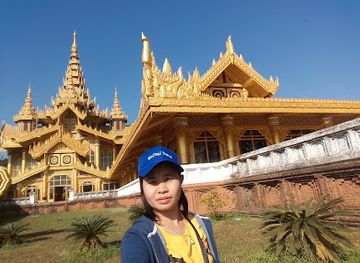
Shwemawdaw Pagoda
Discover the breathtaking beauty and spiritual significance of Shwemawdaw Pagoda, a towering symbol of Bago's rich heritage.
-
Buddhist temple
Kyaik Khauk Pagoda
Discover the serene beauty and spiritual significance of Kyaik Khauk Pagoda, a hidden gem in Myanmar's rich cultural landscape.
-
Beach
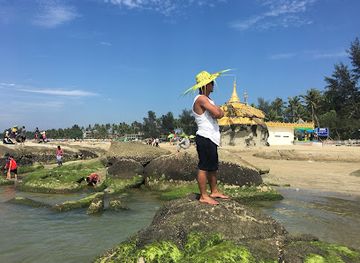
Chaung Thar Beach
Experience the tranquility and beauty of Chaung Thar Beach in Myanmar, a perfect blend of relaxation, adventure, and local culture.
-
Pagoda
Okkalapa Pagoda
Experience the serene beauty and rich cultural heritage of Okkalapa Pagoda, a spiritual haven in the heart of Yangon.
Best landmarks in Ayeyarwady Region
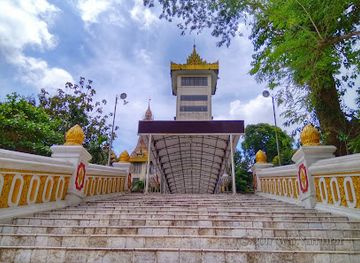
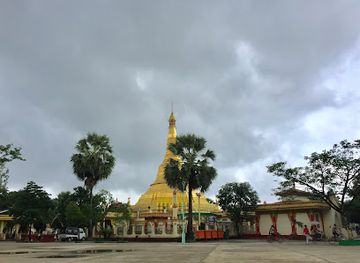
Shwemokhtaw Pagoda is Pathein’s most recognisable landmark, standing on elevated ground above the city and reflecting the central place of Buddhism in the region’s public landscape. Pathein’s riverfront and surviving colonial-era urban fabric are also significant: together they reveal the city’s history as Bassein, a port and administrative centre shaped by British rule and delta commerce. The broad sandy shorelines of Chaungtha and Ngwe Saung function as natural landmarks, marking the transition from cultivated floodplain to the open waters of the Andaman Sea, though their character differs according to development and season. In the delta interior, the tidal channels and mangrove systems around Meinmahla Kyun Wildlife Sanctuary are landmarks of ecological rather than monumental importance. They demonstrate how the region is structured by water and how mangroves help protect low-lying communities and support fisheries. Rice fields, embankments and ferry crossings may appear ordinary, but they are equally important elements of the regional landscape, created through generations of adaptation to a shifting river delta.
-
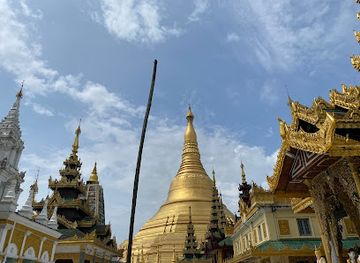
Pagoda
Shwedagon Pagoda
Explore the breathtaking Shwedagon Pagoda, a spiritual landmark in Yangon, adorned with gold and rich in culture and history.
-
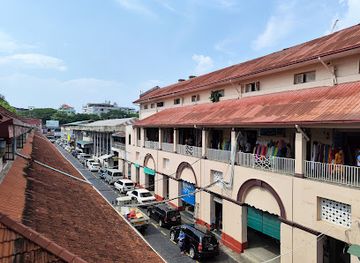
Market
Bogyoke Aung San Market
Explore the vibrant Bogyoke Aung San Market in Pabedan, a cultural treasure trove of handicrafts, textiles, and delicious local flavors.
-
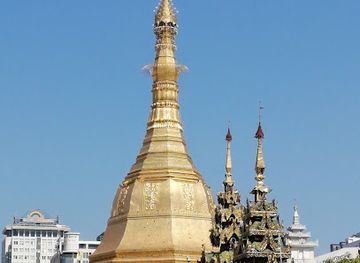
Pagoda
Sule Pagoda
Experience the spiritual heart of Yangon at Sule Pagoda, a stunning Buddhist temple with breathtaking architecture and rich cultural significance.
-
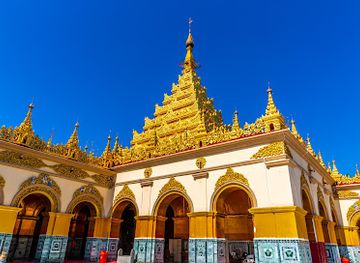
Buddhist temple
Mahamuni Pagoda
Discover the spiritual heart of Mandalay at Mahamuni Pagoda, home to the revered Mahamuni Buddha and vibrant cultural traditions.
Explore Ayeyarwady Region on the map
Plan your trip on one map. See where the top cities, national parks and sights are, and book hotels and experiences in a few clicks.
Best hotels in Ayeyarwady Region
Best restaurants in Ayeyarwady Region
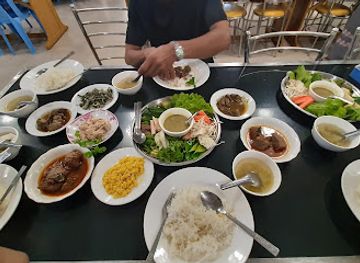
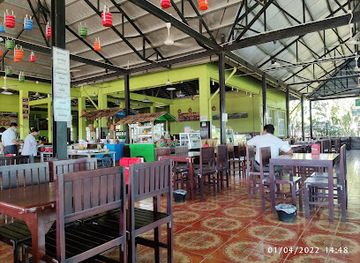
Food in Ayeyarwady Region reflects the delta’s rice fields, rivers and access to the Andaman Sea. Pathein markets and modest local eateries commonly serve rice with fish, prawns, vegetables, soups and curries, while coastal towns add seafood prepared in straightforward grilled, fried or curried styles. Freshwater fish and small river prawns are particularly relevant to the delta economy, although availability depends on season and local supply. Tea shops provide a useful setting for breakfast, snacks and sweet drinks, and visitors will encounter the wider Myanmar repertoire of salads, noodle dishes, fermented flavours and spiced accompaniments. In Pathein, the dining scene is broader than in smaller river settlements, while Chaungtha and Ngwe Saung have restaurants aimed at domestic holiday-makers and resort guests. Food hygiene standards and refrigeration can vary, so choose busy establishments with a good local turnover and take extra care with raw seafood and untreated water. Regional rice, fish and seasonal produce are more characteristic souvenirs of the delta than a single signature dish.
-
Burmese
Kha Kha Gyi Myanmar Cuisine
Discover authentic Burmese flavors at Kha Kha Gyi Myanmar Cuisine in Pathein – a culinary gem offering traditional dishes that delight every palate.
-
 Hotel
HotelHotel Lux
Discover comfort and warmth at Hotel Lux in Ngwesaung - your ideal getaway by the sea with modern amenities and local charm.
-
Restaurant
Khaing Khaing Kyaw
Discover the rich flavors of traditional Burmese cuisine at Khaing Khaing Kyaw in Yangon.
-
Resort hotel
Ocean Blue Beach Hotel
Experience tranquility at Ocean Blue Beach Hotel in Ngwesaung - your serene escape on Myanmar's beautiful coastline.
Best bars in Ayeyarwady Region
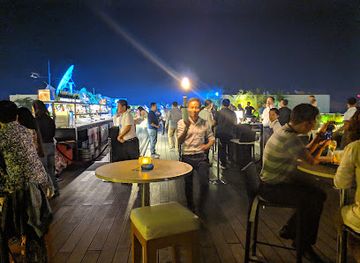
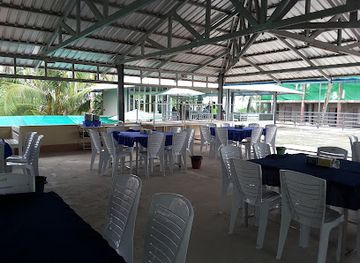
Nightlife in Ayeyarwady Region is modest and varies sharply between Pathein, the beach resorts and rural delta communities. In Pathein, evenings generally centre on tea shops, casual restaurants, beer stations and small local venues rather than a concentrated club district. Chaungtha and Ngwe Saung have more visitor-oriented evening activity, with restaurants, hotel bars and informal beachfront settings, particularly during domestic holiday periods, although opening arrangements and atmosphere can change. Outside these centres, evenings are quiet and shaped by village routines, river traffic and early starts. Live entertainment may appear seasonally at resorts, but it should not be assumed to be available year-round. Visitors should drink responsibly, avoid isolated beaches and waterways after dark, and remember that alcohol is not necessary to participate in the region’s social life. Local dress and behaviour remain important around religious sites and residential communities.
-
Bar
Atlas Rooftop Bar & Lounge
Experience the enchanting Atlas Rooftop Bar & Lounge in Yangon, offering breathtaking views, delightful cuisine, and a perfect ambiance for relaxation.
-
Restaurant
West Point
Experience the flavors of Ngwesaung at West Point Restaurant, where local cuisine meets stunning coastal views for an unforgettable dining experience.
-
Bar
Brizo Beach Bar
Experience vibrant nightlife and stunning ocean views at Brizo Beach Bar in Ngwesaung, Myanmar. A perfect beachside retreat for all travelers.
-
Bar
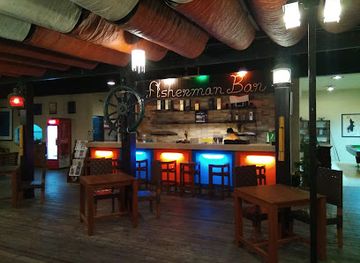
Fisherman Bar
Fisherman Bar in Ngwesaung offers a vibrant nightlife experience with refreshing drinks and a lively atmosphere perfect for all travelers.

Best nightclubs in Ayeyarwady Region
Nightlife in Ayeyarwady Region is modest and varies sharply between Pathein, the beach resorts and rural delta communities. In Pathein, evenings generally centre on tea shops, casual restaurants, beer stations and small local venues rather than a concentrated club district. Chaungtha and Ngwe Saung have more visitor-oriented evening activity, with restaurants, hotel bars and informal beachfront settings, particularly during domestic holiday periods, although opening arrangements and atmosphere can change. Outside these centres, evenings are quiet and shaped by village routines, river traffic and early starts. Live entertainment may appear seasonally at resorts, but it should not be assumed to be available year-round. Visitors should drink responsibly, avoid isolated beaches and waterways after dark, and remember that alcohol is not necessary to participate in the region’s social life. Local dress and behaviour remain important around religious sites and residential communities.
-
Disco club
Pioneer
Experience the electrifying nightlife of Yangon at Pioneer, the city's ultimate disco club featuring vibrant music and an exhilarating atmosphere.
-
Resort hotel
Ngwe Saung Yacht Club & Resort
Experience luxury and tranquility at Ngwe Saung Yacht Club & Resort, a stunning beachfront haven in Myanmar's coastal paradise.
-
Resort hotel
Ocean Blue Beach Hotel
Experience the perfect blend of relaxation and adventure at Ocean Blue Beach Hotel on the stunning Ngwesaung Beach, Myanmar.
-
Disco club
Emperor
Experience the vibrant nightlife of Yangon at Emperor, a premier disco club with live music and an electrifying atmosphere.


Best shops in Ayeyarwady Region
Shopping in Ayeyarwady Region is most rewarding in Pathein’s markets and independent streets, where visitors can find fresh produce, household goods, longyi fabrics, snacks and everyday items used by delta communities. Pathein umbrellas, traditionally made with bamboo frames and paper or cloth coverings, are the region’s best-known craft association and are sold in workshops and local shops; quality, design and current production methods vary, so ask before photographing or handling pieces. Markets near the coast focus more on seafood, beach necessities and local food products, while smaller delta towns offer limited retail beyond daily provisions. Regional purchases may include dried fish, shrimp products, rice-based foods, woven textiles and packaged snacks, but check customs and airline rules before carrying food or natural materials internationally. Do not expect extensive luxury shopping or a large contemporary retail scene: the appeal lies in practical markets, handmade goods and observing how trade connects Pathein with farming and fishing communities across the waterways.
-
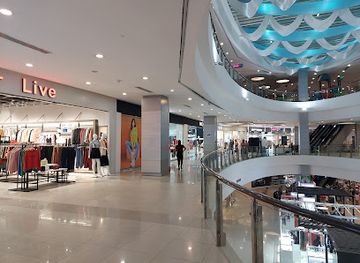
Shopping mall
Myanmar Plaza
Explore Myanmar Plaza, Yangon’s premier shopping mall, offering a unique blend of shopping, dining, and cultural experiences.
-
Shopping mall
City Mall St. John
Discover an exciting blend of shopping, dining, and entertainment at City Mall St. John, Yangon’s premier shopping destination.
-
Shopping mall
Taw Win Centre
Explore the vibrant shopping scene at Taw Win Centre in Yangon, where local culture meets modern retail in a delightful shopping experience.
-
Shopping mall
Sule Square
Discover luxury shopping, local crafts, and diverse dining experiences at Sule Square, Yangon’s premier shopping destination.
Get your free copy of our complete guide to Ayeyarwady Region, delivered straight to you.
Everything on this page, from attractions and restaurants to essentials and local phrases, in one PDF you can read offline, print or share.
Already have an account? Sign in
Your Ayeyarwady Region guide is ready.
We'll send it to · Not you? Sign out

Getting your guide ready…
We are putting together a fresh copy of the Ayeyarwady Region guide. This can take up to a minute.
This can take a few moments. If your browser asks, choose Allow so the download can start. You'll find the guide in your Downloads folder.
Nothing happened? Download it again
Sorry, the guide is taking longer than usual. Please try again in a minute, or get it by email instead.
Ayeyarwady Region essentials
Currency and Payment
Safety
Emergency Situations
Do's and Don'ts
Local Tips
From Eve
Local phrases worth knowing
You don't need to get them perfect. A few words go a long way, and locals appreciate the effort.
Basics
| English | Local | Say it |
|---|---|---|
| Hello | မင်္ဂလာပါ | [Mingalaba] |
| Goodbye | နုတ်ဆက်ပါတယ် | [Nout-sak-par-tai] |
| Yes | ဟုတ်ပါတယ် | [Hote-par-tai] |
| No | မဟုတ်ပါဘူး | [Ma-hote-par-bu] |
| Please/You're welcome | ကျေးဇူးပြုပါ | [Kyeizu-pyu-par] |
| Thank you | ကျေးဇူးတင်ပါတယ် | [Kyeizu-tin-par-tai] |
| Excuse me/Sorry | စိတ်မကောင်းပါ | [Sate-ma-kaung-par] |
| How are you? | နေကြတယ်လား | [Nay-kya-de-lar] |
| Fine. And you? | အဆင်ပြေပါတယ်၊ သင်လည်းလား | [A-sin-pyay-par-tai, Thin-lae-lar] |
| Do you speak English? | အင်္ဂလိပ်စကားပြောလား | [English-saka-pyaw-lar] |
| I don't understand | နားမလည်ပါ | [Naa-ma-lay-par] |
Eating & Drinking
| English | Local | Say it |
|---|---|---|
| I'd like to see the menu, please | မင်္ဂလာပါ၊ မီနူးကိုကြည့်ချင်ပါတယ် | [Mingalaba, menu-ko-kya-chin-par-tai] |
| I don't eat meat | သားကြာမစားပါ | [Thar-kya-ma-sar-par] |
| Cheers! | ကျန်းမာရေးအတွက် | [Kyanma-yay-atwat] |
| I would like to pay, please | ငွေပေးချင်ပါတယ် | [Ngwe-pay-chin-par-tai] |
Emergencies
| English | Local | Say it |
|---|---|---|
| Help! | အကူအညီပေးပါ | [A-ku-a-nyi-pay-par] |
| Go away! | ပျောက်သွားပါ | [Pyauq-thwa-par] |
| Call the Police! | ရဲတပ်ဖွဲ့ကိုခေါ်ပါ | [Yay-dat-pwe-ko-khaw-par] |
| Call a doctor! | ဆရာဝန်ကိုခေါ်ပါ | [Sayar-wun-ko-khaw-par] |
| I'm lost | ကောက်သွားတယ် | [Kauk-thwa-tai] |
| I'm ill | ကျန်းမာရေးမကောင်းပါ | [Kyanma-yay-ma-kaung-par] |
Shopping
| English | Local | Say it |
|---|---|---|
| I'd like to buy... | ဝယ်ချင်ပါတယ်... | [We-chin-par-tai...] |
| I'm just looking | ရှာကြည့်နေတာပါ | [Sha-kya-nay-ta-par] |
| How much is it? | အခကြေးဘယ်လောက်လဲ | [A-kha-kyay-be-lauk-le] |
| That's too expensive | အရမ်းစျေးကြီးပါတယ် | [A-yam-zay-gyi-par-tai] |
| Can you lower the price? | စျေးနည်းနိုင်မလား | [Zay-nae-nai-ma-lar] |
Time & Numbers
| English | Local | Say it |
|---|---|---|
| What time is it? | အချိန်ဘယ်လောက်လဲ | [A-chin-be-lauk-le] |
| It's one o'clock | နာရီတစ်ဝက်ပါ | [Na-yi-tat-wet-par] |
| Half past (10) | နာရီ (10) အထိ | [Na-yi (10) a-htay] |
| Morning | မနက်ခင်း | [Ma-net-khine] |
| Afternoon | မွန်လေး | [Mwan-lay] |
| Evening | ညနေခင်း | [Nya-nay-khine] |
| Yesterday | မနေ့က | [Ma-nay-ka] |
| Today | ယခုနေ့ | [Ya-khu-nay] |
| Tomorrow | မနက်ဖြန် | [Ma-net-pyan] |
| 1 | ၁ | [1] |
| 2 | ၂ | [2] |
| 3 | ၃ | [3] |
| 4 | ၄ | [4] |
| 5 | ၅ | [5] |
| 6 | ၆ | [6] |
| 7 | ၇ | [7] |
| 8 | ၈ | [8] |
| 9 | ၉ | [9] |
| 10 | ၁၀ | [10] |
Transport & Directions
| English | Local | Say it |
|---|---|---|
| Where's a/the...? | ဘယ်မှာ...ရှိလဲ? | [Be-hma...shi-lay?] |
| What's the address? | လိပ်စာဘယ်လိုလဲ? | [Late-sar-be-lone-lay?] |
| Can you show me (on the map)? | မြေပုံမှာပြပါ | [Myae-bone-hma-pyaw-par] |
| When's the next (bus)? | နောက်တစ်ချိန်ဘယ်လား? | [Nauk-tat-khine-be-lar?] |
| A ticket (to ....) | လက်မှတ် (သို့....) | [Let-hmat (tho....)] |
History of Ayeyarwady Region
Early Delta Settlement and Riverine Communities
The Ayeyarwady delta has long been shaped by movement along rivers, creeks and seasonal floodplains. Its low-lying environment encouraged farming, fishing and boat-based trade rather than the monumental urban culture associated with Myanmar’s dry-zone capitals. Communities connected to Bamar, Mon and other peoples developed around waterways, with religious foundations and local markets acting as social centres. Much early delta history is difficult to separate from changing river channels and later settlement, but the region’s enduring patterns of rice cultivation, fisheries and river transport have deep historical roots.
Lower Myanmar under the Konbaung Dynasty
During the later Konbaung period, the lower reaches of the Ayeyarwady became increasingly important to the Burmese kingdom as a source of rice, timber, fish and maritime access. Pathein, known to Europeans as Bassein, occupied a strategic position near the western delta and the sea. Authority in such a water-rich landscape depended on control of channels, ports and agricultural production as much as on roads. The economic and political importance of the delta increased further as international commerce expanded along the coast.
The British Capture of Bassein and Colonial Rule
Britain took control of Bassein during the First Anglo-Burmese War, formalised by the Treaty of Yandabo in 1826, and the town became part of British Lower Burma. The colonial administration developed the port and incorporated the delta into a wider commercial system centred on rice cultivation and export. Roads, waterways, administrative buildings and commercial facilities were reorganised around imperial trade. The period left visible traces in Pathein’s urban fabric and profoundly altered landholding, migration and agricultural production across the delta.
The Rice Frontier and Commercial Agriculture
From the nineteenth century into the early twentieth century, British investment and migration transformed much of the delta into one of the world’s major rice-growing regions. Wetlands and forest were converted into paddy fields, embankments and canals, while labour and commerce connected villages to ports such as Bassein. Rice exports generated considerable wealth for the colonial economy but also created unequal patterns of land ownership and indebtedness. The region’s modern identity as Myanmar’s principal rice delta is closely linked to this period of rapid agricultural expansion.
Wartime Occupation and Independence
The Second World War disrupted the delta’s transport networks, administration and agricultural economy. Japanese forces occupied Burma from 1942, while fighting, displacement and shortages affected communities throughout lower Myanmar. British and Allied forces returned late in the war, and Burma became independent in 1948. Independence brought new national administration, but the delta continued to face the practical challenges of maintaining roads, embankments, waterways and agricultural infrastructure across a difficult floodplain.
Cyclone Nargis and the Delta, 2008
Cyclone Nargis struck the Ayeyarwady delta in May 2008, causing catastrophic loss of life and destroying homes, crops, boats and infrastructure across the region. The disaster exposed the vulnerability of low-lying communities to storm surges and the importance of mangroves, embankments, early warning and emergency access. Reconstruction changed many villages and livelihoods, but the storm remains a defining event in the modern history of the delta. Its legacy is relevant to visitors because weather, waterways and community resilience continue to shape travel here.
Contemporary Delta Livelihoods and Environmental Pressure
Today, Ayeyarwady Region remains strongly associated with rice farming, fisheries, aquaculture, coastal trade and river transport, while Pathein and the beaches support a growing service economy. Mangrove loss, salinity, erosion, changing water levels and extreme weather place pressure on both ecosystems and livelihoods. Protected areas such as Meinmahla Kyun Wildlife Sanctuary reflect efforts to conserve important wetland habitats. The region’s contemporary story is therefore not simply one of rural tradition, but of adaptation to environmental change, infrastructure needs and shifting economic conditions.
Ayeyarwady Region in Photos
Browse through our photo collection highlighting the charm and character of the destination.
Neighbouring regions of Ayeyarwady Region
The closest regions to Ayeyarwady Region, if you have time for more than one.
-

-

-

-

-


Swipe for more regions
Explore more

Explore more of Myanmar (Burma)
Discover Myanmar: A land of golden pagodas, ancient temples, and breathtaking natural beauty, where warm hospitality and rich culture await every traveler.
Explore Myanmar (Burma)