
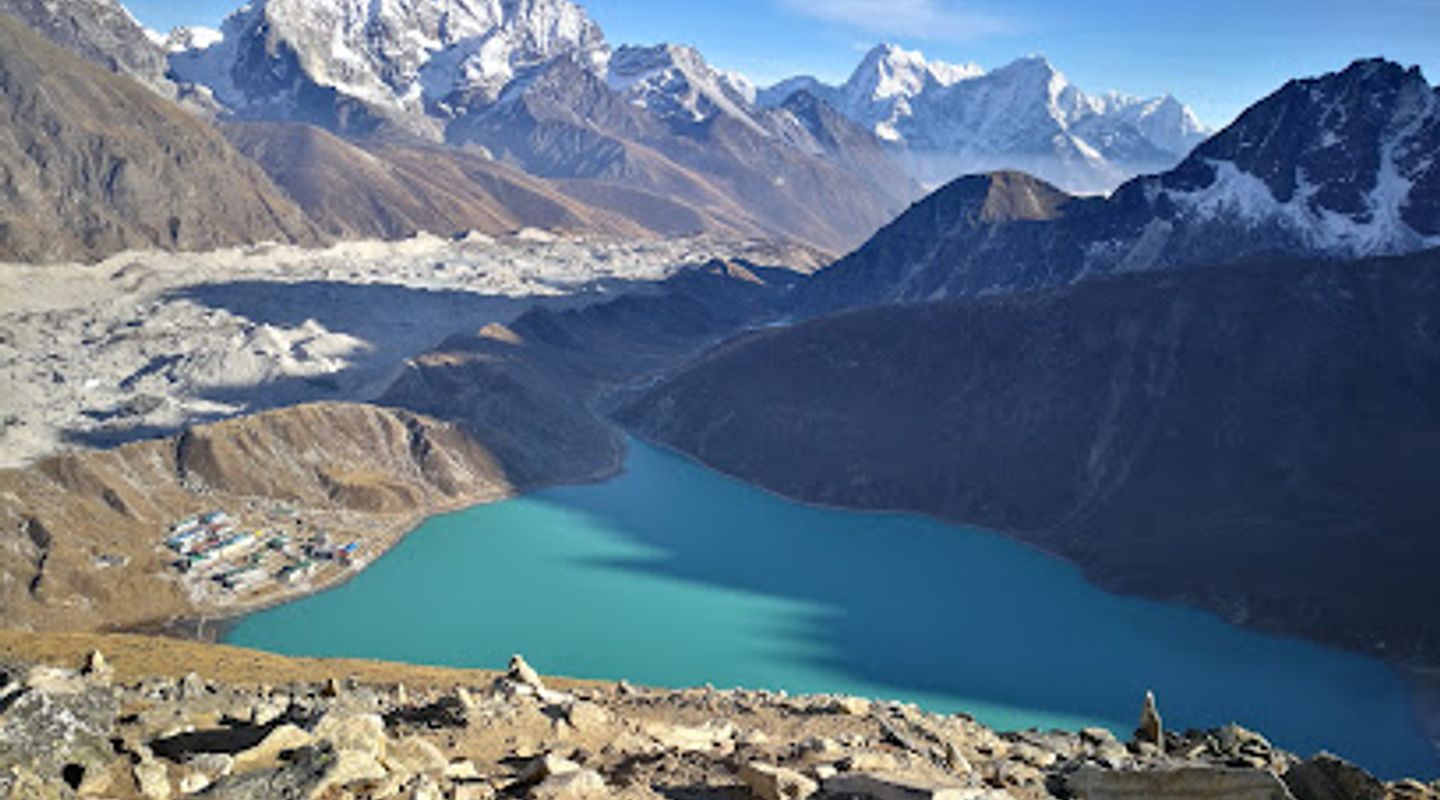
Sagarmatha National Park, Eastern Development Region Travel Guide
Explore the breathtaking landscapes and rich culture of Sagarmatha National Park, home to Mount Everest and a UNESCO World Heritage Site.
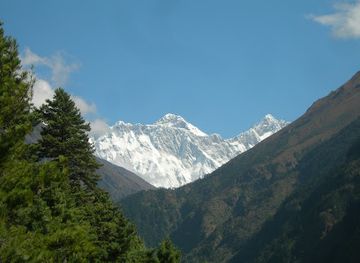
Sagarmatha National Park, a UNESCO World Heritage Site, is a breathtaking expanse of nature where towering peaks and serene landscapes converge. This national park is home to Mount Everest, the highest peak in the world, and offers unparalleled trekking experiences for adventurers and nature lovers alike. Its diverse ecosystem harbors unique flora and fauna, making it a paradise for wildlife enthusiasts. Visitors can explore traditional Sherpa culture in nearby villages, enriching their journey with authentic experiences.
A brief summary to Sagarmatha National Park
- WPJ2+XH6, Khumjung, NP
- Click to display

Know before you go
Hi, I'm Eve. Here are a few practical things to know before exploring Sagarmatha National Park.
- Visit during the spring or autumn for the best weather and stunning views.
- Acclimatize properly to avoid altitude sickness when trekking.
- Respect local customs and traditions when visiting Sherpa villages.
- Consider hiring a local guide for a richer experience and to navigate the trails safely.
- Pack layers, as temperatures can vary dramatically throughout the day.
Do you manage this location?
Take control to get all the benefits, like improved information, better appearance, and stronger visibility across AI-powered discovery. Learn more about listing your business on Evendo
Activate your presenceOther nearby places you may find interesting
The closest places of the same kind, if this one is not quite what you had in mind.
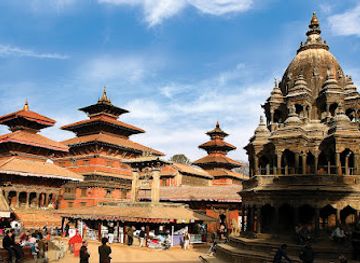
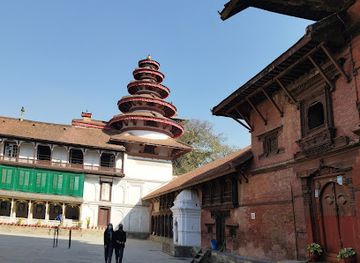
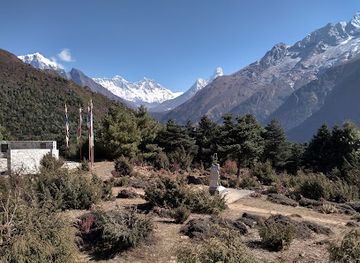
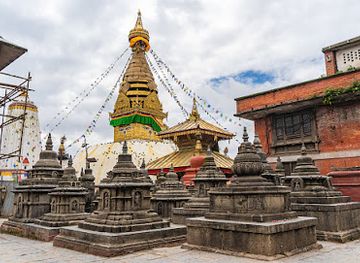
Explore Sagarmatha National Park on the Map
A handpicked selection of must-see spots near Sagarmatha National Park, mapped for you.
Unlock the Best of Sagarmatha National Park
Buy tickets
-
No tickets available
Book tours with entry


Getting There
-
Car
If you're traveling by car, you'll want to head towards the town of Lukla. From any major town in the Eastern Development Region, take the main road heading towards Salleri. Once you reach Salleri, continue on the road towards Phaplu. From Phaplu, you can take the road to Lukla. Ensure your vehicle is suitable for mountainous terrain. In Lukla, you will need to park your car and continue your journey on foot or by hiring a local guide. The trek to Sagarmatha National Park begins from Lukla, which is the gateway to the Everest region.
-
Public Transportation (Bus)
To reach Sagarmatha National Park via public transport, take a bus from your current location in the Eastern Development Region to Salleri. Buses to Salleri are available from major towns such as Biratnagar or Kakarbhitta. The bus journey may take several hours, so prepare for a long ride. Upon reaching Salleri, you will need to take a local jeep or continue onwards to Phaplu to catch another bus to Lukla. Once in Lukla, you can hire a guide for the trek to Sagarmatha National Park. Be sure to check local bus schedules for timings.
-
Trekking
After reaching Lukla, the only way to get to Sagarmatha National Park is by trekking. The trek from Lukla to the park entrance at Monjo takes about 2-3 days, depending on your pace and acclimatization. The trail is well-marked and you will pass through beautiful Sherpa villages and landscapes. It is advisable to hire a local guide for safety and to enhance your experience. A trekking permit is required to enter Sagarmatha National Park, which can be obtained in Lukla or at the entrance.
Discover more about Sagarmatha National Park
More to explore near Sagarmatha National Park













Your all‑in‑one travel companion app
Explore expert travel guides, compare and book tours, experiences, hotels, and more—all from the palm of your hand. Download now for seamless trip planning wherever your wanderlust takes you.


Explore More of Eastern Development Region
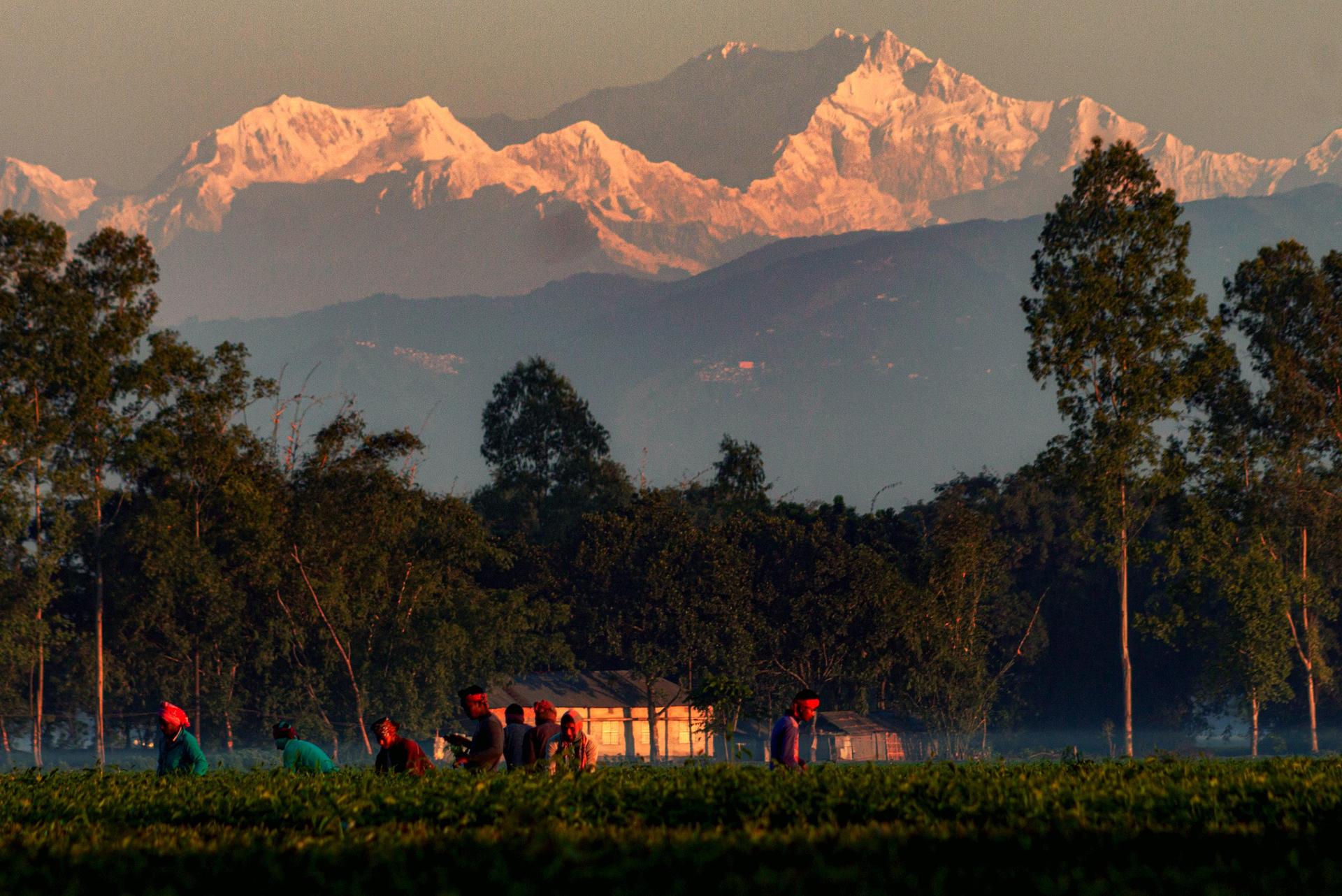
Looking beyond Sagarmatha National Park? Discover Eastern Development Region for broader travel guides, local hot-spots, and regional highlights.
Explore Eastern Development Region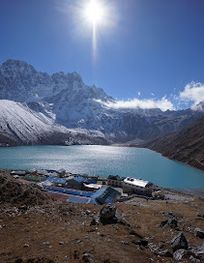
Explore the stunning landscapes, serene lakes, and majestic peaks of the Gokyo Lake Trail, a must-visit trekking destination in Nepal.
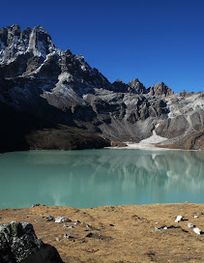
Explore the breathtaking beauty of Gokyo Lake, a pristine glacial lake nestled in the majestic Himalayas, offering serene landscapes and adventure.
