

Gosaikunda, Nepal Travel Guide
Explore the mystical Gosaikunda Lake in the heart of Nepal's Langtang National Park, a serene sanctuary offering breathtaking views, spiritual significance, and rich cultural heritage.
Gosaikunda, nestled in the heart of the Langtang National Park in Nepal, is a breathtaking alpine freshwater lake revered for its stunning natural beauty and spiritual significance. At an altitude of 4,380 meters, it offers panoramic views of the surrounding snow-capped peaks and a tranquil escape from the hustle and bustle of daily life. The lake is surrounded by rugged terrain, lush forests, and a variety of flora and fauna, making it a paradise for nature lovers and adventure seekers alike. This sacred lake is a major pilgrimage site for both Hindus and Buddhists, who flock here during the Janai Purnima festival in August. According to Hindu mythology, Gosaikunda was created by Lord Shiva when he thrust his trident into the mountain to extract water, quenching his thirst after consuming poison to save the world. The area is dotted with several smaller lakes and pristine streams, adding to its mystical allure. The trek to Gosaikunda is a rewarding experience, offering trekkers a chance to traverse through charming Tamang villages, verdant forests, and open grasslands. The trail is well-marked and provides ample opportunities to witness the local culture and hospitality. With its captivating landscapes, spiritual ambiance, and rich cultural heritage, Gosaikunda is a must-visit destination for anyone seeking an unforgettable Himalayan adventure.

Know before you go
Hi, I'm Eve. Here are a few practical things to know before exploring Gosaikunda.
- Best time to visit is from March to May and September to November for clear skies and pleasant weather.
- Carry sufficient warm clothing as temperatures can drop significantly, especially at night.
- Acclimatize properly to avoid altitude sickness; take it slow and stay hydrated.
- Hire a local guide for a richer cultural experience and safety on the trails.
- Respect the local customs and traditions, especially if visiting during the Janai Purnima festival.
Explore Gosaikunda: Things to Do, Places to Eat, Hotels & More
Handpicked recommendations for top attractions, local dining, accommodations, and more

Best attractions in Gosaikunda
Top-rated picks
Best Attractions

ᤛᤣᤘᤠᤖᤥ Gosaikunda
Explore Gosaikunda, a sacred lake in Nepal's stunning Himalayas, where spirituality meets breathtaking natural beauty.

Gosaikunda View Point
Discover Gosaikunda View Point, a stunning Himalayan destination offering breathtaking views of lakes and mountains, perfect for adventure and tranquility.

Jure Dhunga
Explore the breathtaking landscapes and rich culture at Jure Dhunga, a hidden tourist gem in the heart of Ramche, Nepal.

Gosainkunda Trek
Explore the majestic Gosainkunda Trek, a sacred Himalayan adventure featuring stunning lakes, breathtaking views, and rich local culture.

Best landmarks in Gosaikunda
Top-rated picks
Best Landmarks

Gosainkunda
Discover the serene beauty and spiritual significance of Gosainkunda, a breathtaking lake nestled in the Himalayas of Nepal.

ᤛᤣᤘᤠᤖᤥ Gosaikunda
Explore the spiritual and natural wonders of Gosaikunda, a sacred lake in the Himalayas offering breathtaking views and profound experiences.
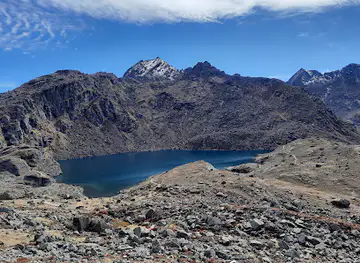
Gosaikunda View Point
Discover the breathtaking vistas of Gosaikunda View Point, a serene Himalayan retreat nestled amidst stunning mountain landscapes.

Gosaikunda Lakeside View
Experience the stunning beauty of Gosaikunda Lakeside View, a tranquil destination in Nepal that offers breathtaking landscapes and serene camping adventures.


Explore Gosaikunda on the Map
A handpicked selection of must-see spots in Gosaikunda, mapped for you.
Gosaikunda Essentials
-
Gosaikunda is located in the Langtang National Park of Nepal. The nearest international airport is Tribhuvan International Airport in Kathmandu. From Kathmandu, you can take a bus or hire a jeep to Dhunche, which is the starting point of the trek to Gosaikunda. The bus journey typically takes around 6 to 7 hours. From Dhunche, it is a multi-day trek to Gosaikunda, passing through several villages and stunning landscapes.
-
Transportation options to Gosaikunda primarily involve trekking. There are no direct roads to the lake itself. Local buses and jeeps from Kathmandu to Dhunche are the most common means of reaching the starting point of the trek. During the trek, be prepared for steep and rugged trails. Porters and guides are available for hire in Dhunche and other starting points, which can be particularly helpful for first-time trekkers.
-
The official currency in Nepal is the Nepalese Rupee (NPR). It is advisable to carry cash, as credit cards are rarely accepted in the villages along the trek route. ATMs are available in Kathmandu and some larger towns like Dhunche, but it is best to withdraw sufficient cash before starting the trek. Small denominations are particularly useful for paying for meals, accommodation, and other services along the route.
-
Gosaikunda is generally a safe area for trekkers, but standard precautions should be taken. Avoid trekking alone and always stay on marked trails. Be aware of weather conditions, as they can change rapidly in the mountains. There are no specific high-crime areas targeting tourists, but always keep an eye on your belongings. Petty theft can occur in crowded areas like bus stations.
-
In case of emergency, contact the local police or the nearest medical facility. The emergency number in Nepal is 100 for police and 102 for ambulance services. It is highly recommended to have travel insurance that covers medical emergencies and evacuation. For minor health issues, carry a basic first-aid kit and any necessary medications. There are some health posts along the trekking route, but facilities are basic.
-
Fashion: Do wear appropriate trekking gear. Dress in layers and be prepared for cold weather at higher altitudes. Avoid wearing revealing clothing. Religion: Do respect local customs and traditions. Always ask for permission before taking photos of locals or religious sites. Public Transport: Do be respectful and patient, as public transport can be crowded and slow. Greetings: Do greet locals with a 'Namaste' and a slight bow. Eating & Drinking: Do try local foods, but ensure they are cooked thoroughly to avoid illness. Don't drink tap water; always drink bottled or purified water.
-
To experience Gosaikunda like a local, engage with the local villagers and learn about their way of life. Participate in local festivals if your visit coincides with them, such as the Janai Purnima festival in August. Stay in teahouses along the trekking route to get a taste of local hospitality. Don't miss the sunrise views over the Langtang and Ganesh Himal ranges from the higher points of the trek.
When is the best time to visit Gosaikunda?
Useful Local Phrases for Gosaikunda
You don't need to speak the language perfectly. Even learning a few simple words can make conversations warmer—and locals usually appreciate the effort.
— Eve

Here are the phrases I use most often in Gosaikunda. Try a few—you'll be surprised how far they go! 😊
❤️
-
- Helloनमस्ते
[Namaste] - Goodbyeफेरी भेटौं
[Feri bhetaun] - Yesहो
[Ho] - Noहोईन
[Hoin] - Please/You're welcomeकृपया
[Kripaya] - Thank youधन्यवाद
[Dhanyabad] - Excuse me/Sorryमाफ गर्नुहोस्
[Maaf garnuhos] - How are you?तपाईंलाई कस्तो छ?
[Tapailai kasto chha?] - Fine. And you?राम्रो छ। तिमी कस्तो छौ?
[Ramro chha. Timi kasto chhau?] - Do you speak English?तिमी अंग्रेजी बोल्छौ?
[Timi angreji bolchhau?] - I don't understandमैले सम्झिन
[Maile samjhin]
- Helloनमस्ते
-
- I'd like to see the menu, pleaseकृपया मेनु हेर्न चाहन्छु
[Kripaya menu hern chahanchhu] - I don't eat meatम मासु काम्छैन
[Ma masu kamchain] - Cheers!चियर्स!
[Cheers!] - I would like to pay, pleaseकृपया भुक्तानी गर्न चाहन्छु
[Kripaya bhuktani garan chahanchhu]
- I'd like to see the menu, pleaseकृपया मेनु हेर्न चाहन्छु
-
- Help!मदत!
[Madat!] - Go away!दूर हुनुहोस्!
[Dur hunuhos!] - Call the Police!पोलिसलाई बुलाउनुहोस्!
[Polis lai bulaunuhos!] - Call a doctor!डाक्टरलाई बुलाउनुहोस्!
[Doctor lai bulaunuhos!] - I'm lostम हराएको छु
[Ma haraeko chu] - I'm illम अस्वस्थ छु
[Ma asvasth chu]
- Help!मदत!
-
- I'd like to buy...म किन्न चाहन्छु...
[Ma kinn chahanchhu...] - I'm just lookingम सिर्जना गरिरहेको छु
[Ma sirjana gari raheko chu] - How much is it?यो कति हो?
[Yo kati ho?] - That's too expensiveयो धेरै महँगो छ
[Yo dherai mahango chha] - Can you lower the price?के तपाईं मूल्य माथि गर्न सक्नुहुन्छ?
[Ke tapai mulya mathi garn saknuhunchha?]
- I'd like to buy...म किन्न चाहन्छु...
-
- What time is it?कति बजेको छ?
[Kati bajeko chha?] - It's one o'clockएक बजे छ
[Ek baje chha] - Half past (10)दसबजे अर्धा
[Dasbaje ardha] - Morningबिहान
[Bihaan] - Afternoonदिउँसो
[Diunso] - Eveningसांझ
[Saanjh] - Yesterdayहिजो
[Hijo] - Todayआज
[Aaj] - Tomorrowभोलि
[Bholi] - 1एक
[Ek] - 2दुई
[Dui] - 3तीन
[Tin] - 4चार
[Char] - 5पाँच
[Paanch] - 6छ
[Chh] - 7सात
[Saath] - 8आठ
[Aath] - 9नौ
[Nau] - 10दस
[Das]
- What time is it?कति बजेको छ?
-
- Where's a/the...?कहाँ छ...?
[Kaha chha...?] - What's the address?ठेगाना के हो?
[Thegana ke ho?] - Can you show me (on the map)?के तपाईं मलाई देखाउन सक्नुहुन्छ (नक्सा मा)?
[Ke tapai malai dekhaun saknuhunchha (Naksha ma)?] - When's the next (bus)?अर्को (बस) कहिले जान्छ?
[Arko (Bas) kahile janchh?] - A ticket (to ....)टिकट (मा ....)
[Ticket (ma ....)]
- Where's a/the...?कहाँ छ...?
History of Gosaikunda
-
Gosaikunda, a sacred alpine lake situated in the Langtang National Park, holds remarkable mythological importance in Hinduism. According to Hindu mythology, Gosaikunda was created by Lord Shiva. In a desperate attempt to quench his burning throat after consuming poison to save the world, Shiva struck his trident into the mountain, creating three springs that formed the lake. This mythological connection makes Gosaikunda a revered pilgrimage site, especially during the Janai Purnima festival when thousands of devotees trek to the lake to offer their prayers.
-
Historical records indicate that Gosaikunda has been a site of pilgrimage for centuries. During the medieval period, pilgrims from various parts of Nepal and neighboring regions would undertake arduous journeys through treacherous terrains to reach the sacred lake. The pilgrimage routes, some of which are still used today, are dotted with ancient rest houses and shrines, reflecting the enduring spiritual significance of Gosaikunda.
-
Established in 1976, Langtang National Park encompasses the Gosaikunda area and plays a crucial role in its preservation. The park, Nepal's first Himalayan national park, was created to protect the unique flora and fauna of the region, as well as its cultural heritage. The inclusion of Gosaikunda within the park's boundaries ensures that the lake and its surroundings are safeguarded from environmental degradation, allowing both nature and culture to thrive.
-
Gosaikunda is the focal point of several cultural festivals, the most prominent being the Janai Purnima festival. Celebrated during the full moon of the month of Shrawan (July-August), this festival sees thousands of Hindu and Buddhist pilgrims converge at the lake to take a ritual bath in its icy waters. The festival is marked by various religious ceremonies, the tying of sacred threads (janai), and the chanting of hymns, creating a vibrant and spiritually charged atmosphere that reflects the deep cultural roots of the region.
-
In recent decades, Gosaikunda has gained prominence as a trekking destination, attracting not only pilgrims but also adventure enthusiasts and nature lovers. The challenging trek to the lake, which often includes the Lauribina La pass at an altitude of 4,610 meters, offers breathtaking views of the Himalayan landscape. The influx of tourists has brought economic benefits to the local communities, leading to the development of lodges and other amenities while also highlighting the need for sustainable tourism practices to preserve the area's natural and cultural heritage.
Neighbouring destination travel guides
Browse our curated selection of top destinations, scenic points, and must-visit spots in the area.

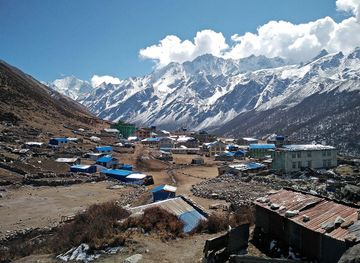


Your all‑in‑one travel companion app
Explore expert travel guides, compare and book tours, experiences, hotels, and more—all from the palm of your hand. Download now for seamless trip planning wherever your wanderlust takes you.


Explore More of Bagmati Zone
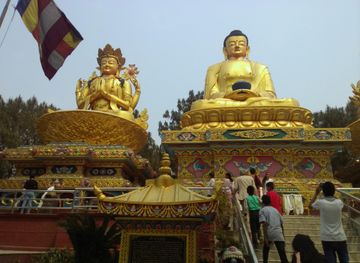
Looking beyond Gosaikunda? Discover Bagmati Zone for broader travel guides, local hot-spots, and regional highlights.
Explore Bagmati ZoneExplore More of Nepal

Looking beyond Gosaikunda? Discover Nepal for broader travel guides, local hot-spots, and regional highlights.
Explore NepalGosaikunda in Photos
Browse through our photo collection highlighting the charm and character of the destination.
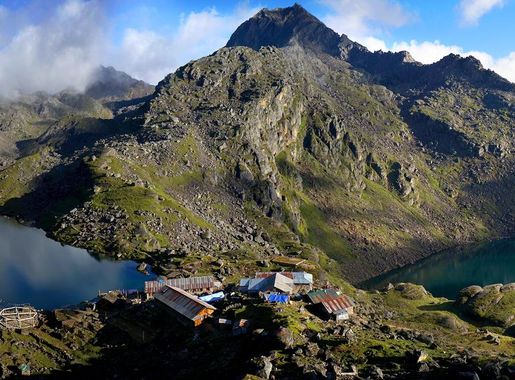


Gosaikunda: A Serene Himalayan Sanctuary
Gosaikunda, nestled in the heart of the Langtang National Park in Nepal, is a breathtaking alpine freshwater lake revered for its stunning natural beauty and spiritual significance. At an altitude of 4,380 meters, it offers panoramic views of the surrounding snow-capped peaks and a tranquil escape from the hustle and bustle of daily life. The lake is surrounded by rugged terrain, lush forests, and a variety of flora and fauna, making it a paradise for nature lovers and adventure seekers alike. This sacred lake is a major pilgrimage site for both Hindus and Buddhists, who flock here during the Janai Purnima festival in August. According to Hindu mythology, Gosaikunda was created by Lord Shiva when he thrust his trident into the mountain to extract water, quenching his thirst after consuming poison to save the world. The area is dotted with several smaller lakes and pristine streams, adding to its mystical allure. The trek to Gosaikunda is a rewarding experience, offering trekkers a chance to traverse through charming Tamang villages, verdant forests, and open grasslands. The trail is well-marked and provides ample opportunities to witness the local culture and hospitality. With its captivating landscapes, spiritual ambiance, and rich cultural heritage, Gosaikunda is a must-visit destination for anyone seeking an unforgettable Himalayan adventure.