

Free Bagmati Zone Travel Guide & Mobile App
Explore Bagmati Zone with free travel guides. Discover regional history, expert tips, proposed trips, and audio guides on web or mobile app.


Explore Bagmati Zone in Nepal for Kathmandu Valley heritage, Newar culture, forested hills, rural towns and access to Langtang’s mountain landscapes.
Read more about Bagmati Zone
When is the best time to visit Bagmati Zone?
Best: February–March, November · 20–25°C| Month | High (°C) | Rainfall (mm) |
|---|---|---|
| January | 18 | 20 |
| February (best) | 20 | 25 |
| March (best) | 25 | 40 |
| April | 28 | 50 |
| May | 30 | 80 |
| June | 30 | 130 |
| July | 30 | 230 |
| August | 30 | 200 |
| September | 29 | 140 |
| October | 27 | 70 |
| November (best) | 22 | 30 |
| December | 18 | 15 |
Getting to and around Bagmati Zone
How to get there
Transportation
Top city travel guides in Bagmati Zone
The cities of Bagmati Zone, and the easiest places to base yourself.
-

-

-

-

-

-


Swipe for more cities
Destinations in Bagmati Zone
Resorts, valleys and scenic spots worth a trip of their own.
-

-

-

-

-


Swipe for more destinations
Best attractions in Bagmati Zone
Bagmati Zone’s attractions range from the concentrated heritage of Kathmandu Valley to substantial mountain and rural landscapes. Kathmandu, Lalitpur and Bhaktapur contain palace squares, temples, Buddhist courtyards, monasteries and living neighbourhoods where religious festivals and craft traditions remain part of daily life. The valley’s principal sacred sites include Swayambhunath, Boudhanath, Pashupatinath and Changu Narayan, while museums and restored palace complexes provide historical context. North of the capital, Shivapuri Nagarjun National Park offers forest walks, birdwatching and ridge viewpoints close to the city. Rasuwa brings a very different scale of experience in Langtang National Park, with trekking routes, high valleys, glaciers and mountain settlements. Nuwakot is associated with hilltop heritage and old routes, while Makwanpur offers Chitlang’s historic rural setting, Daman viewpoints and wooded ridges. Kavrepalanchok, Ramechhap and Dolakha are better suited to visitors seeking village landscapes, pilgrimage sites and less urbanised walking routes. Travel times, accommodation and seasonal access vary greatly across this large former zone.
-
National park
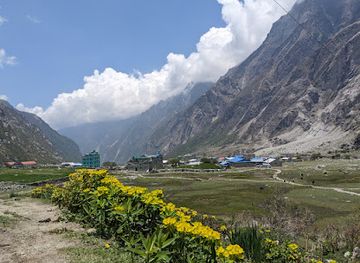
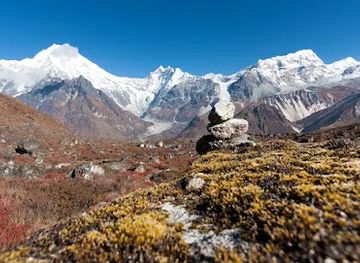
Langtang National Park
Explore the breathtaking landscapes and rich biodiversity of Langtang National Park, a premier destination for adventure and cultural immersion in Nepal.
-
Park
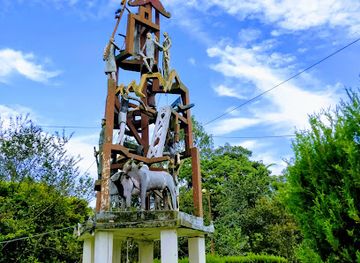
Bhrikuti Mandap Park
Explore Bhrikuti Mandap Park, a tranquil escape in Kathmandu filled with lush greenery, local culture, and stunning views.
-
Water park
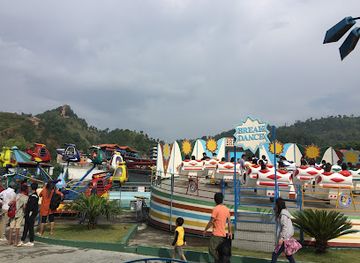
Kathmandu Fun Valley
Experience a day of water-filled fun at Kathmandu Fun Valley, Nepal's premier water park, perfect for families and thrill-seekers alike.
-
Tourist attraction
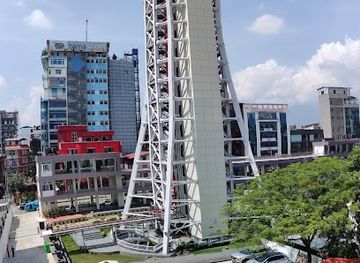
Skywalk Tower Kathmandu
Experience breathtaking views and cultural insights at Skywalk Tower, Kathmandu's premier tourist attraction, where adventure meets stunning scenery.
Best landmarks in Bagmati Zone
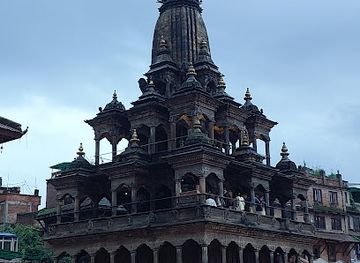
The most recognisable landmarks of the former Bagmati Zone are concentrated in the Kathmandu Valley. Kathmandu Durbar Square preserves palace courtyards, pagoda temples and the ceremonial heart of the former capital, while Patan Durbar Square is distinguished by its finely detailed stone and metalwork and the surrounding Newar urban fabric. Bhaktapur Durbar Square, with its brick lanes, palace architecture and monumental temples, presents a different expression of the valley’s Malla-era cities. Swayambhunath’s hilltop stupa is both a geographical marker and a major Buddhist centre; Boudhanath’s vast white dome and prayer-flag-lined precinct serve Tibetan Buddhist communities; and Pashupatinath’s riverside temple complex is one of the Hindu world’s important pilgrimage sites. Changu Narayan stands on a hill above the eastern valley and is associated with an ancient Vishnu temple tradition. Beyond the urban basin, the forested ridges of Shivapuri and the high peaks and valleys of Langtang provide natural landmarks rather than monumental architecture. The old palace at Nuwakot and hill settlements around Makwanpur reflect the strategic routes that once guarded access to Kathmandu.
-
Historical landmark
Patan Darbar Square
Explore the captivating Patan Darbar Square, a UNESCO World Heritage site filled with stunning architecture, rich culture, and vibrant local life in Lalitpur, Nepal.
-
Tourist attraction
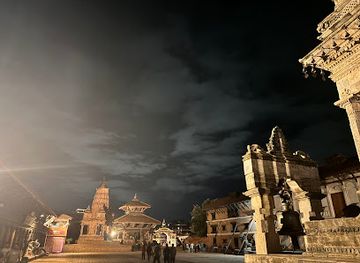
Bhaktapur Durbar Square
Explore the rich history and vibrant culture of Bhaktapur Durbar Square, a UNESCO World Heritage Site showcasing stunning architecture and local traditions.
-
National park
Langtang National Park
Discover the breathtaking beauty and cultural richness of Langtang National Park, a Himalayan gem perfect for trekking and wildlife enthusiasts.
-
Historical landmark
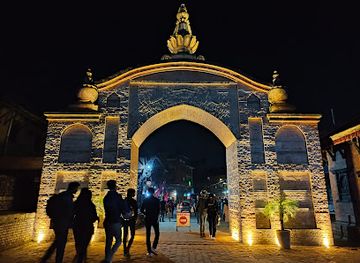
55 Window Palace
Discover the stunning architecture and rich history of the 55 Window Palace, a jewel of Bhaktapur's heritage.
Explore Bagmati Zone on the map
Plan your trip on one map. See where the top cities, national parks and sights are, and book hotels and experiences in a few clicks.
Best hotels in Bagmati Zone
Best restaurants in Bagmati Zone
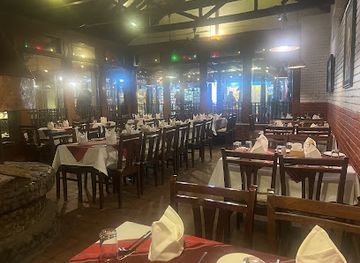
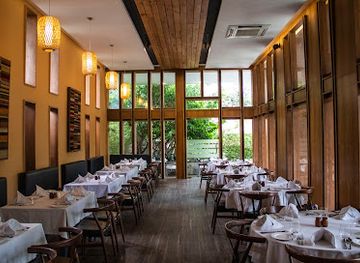
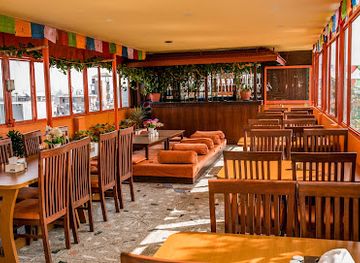
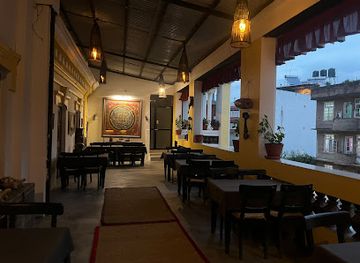
Dining in Bagmati Zone is centred on the Kathmandu Valley’s sophisticated Newar food culture, everyday Nepalese meals and the international restaurants that serve the capital’s large visitor and expatriate communities. In Kathmandu, Lalitpur and Bhaktapur, look for Newari dishes such as bara, yomari, chatamari, choila and samay baji, alongside dal bhat, thukpa, momos and Tibetan-influenced breads. Traditional eateries and community feasts provide a stronger sense of local cuisine than standard tourist menus, although unfamiliar ingredients and spice levels should be checked. Valley markets and food streets offer seasonal vegetables, pickles, sweets and dairy products, while hill districts provide simple meals based on grains, pulses and locally grown produce. Rural inns around Nuwakot, Chitlang, Daman and trekking routes generally serve filling set meals rather than extensive menus. Restaurants in larger towns range from cafés and bakeries to contemporary Nepalese and international dining, but choice becomes narrower as roads climb towards mountain settlements.
-
Grill
Kathmandu Grill Restaurant
Discover the rich culinary heritage of Nepal at Kathmandu Grill Restaurant, where every meal tells a story through flavor.
-
Fine Dining
Le Sherpa Restaurant
Experience exquisite fine dining at Le Sherpa Restaurant in Kathmandu, where local flavors meet international cuisine amid stunning Himalayan views.
-
Nepalese
Nepalaya Rooftop Restaurant
Discover authentic Nepalese flavors at Nepalaya Rooftop Restaurant while enjoying breathtaking views over Kathmandu's vibrant landscape.
-
Nepalese
Nepali Chulo Authentic Restaurant
Experience authentic Nepalese cuisine at Nepali Chulo Authentic Restaurant in Kathmandu's vibrant cultural hub.
Best bars in Bagmati Zone
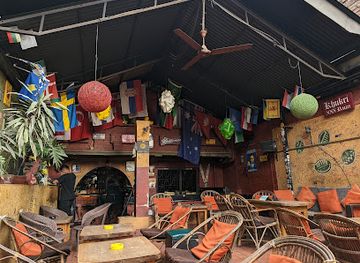
Nightlife is concentrated in Kathmandu, Lalitpur and, to a lesser extent, Bhaktapur rather than spread evenly across the former Bagmati Zone. Kathmandu has the broadest choice of pubs, live-music venues, cocktail bars, restaurants and late-evening entertainment, while Lalitpur is known for a more compact scene around its historic and commercial neighbourhoods. Bhaktapur’s evenings are generally quieter, with traditional restaurants, cafés and occasional cultural performances rather than a major club circuit. Breweries, wine bars and music venues are more common in the valley than in the surrounding hills. In Nuwakot, Makwanpur, Rasuwa, Ramechhap and Dolakha, evenings usually centre on locally run restaurants, teahouses, guesthouses or traditional inns, with limited late-night transport. Visitors should leave enough time to return to their accommodation, particularly outside the valley, and should not assume that mountain lodges or rural towns operate late.
-
Bar
Purple Haze Rock Bar
Discover the heart of Kathmandu's nightlife at Purple Haze Rock Bar, where great drinks and live music create unforgettable experiences.
-
Bar
Sam's Bar
Discover the lively atmosphere of Sam's Bar in Thamel, Kathmandu, where cocktails meet local charm for an unforgettable nightlife experience.
-
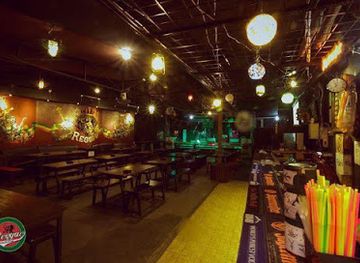
Bar
Reggae Bar (रेग्गे बार)
Discover the vibrant Reggae Bar in Thamel, Kathmandu – a lively hub for music, drinks, and a unique cultural experience.
-
Bar
Ibyza Lounge & Disco
Experience the vibrant nightlife at Ibyza Lounge & Disco in Thamel, where live music, delicious food, and dancing come together for an unforgettable evening.

Best nightclubs in Bagmati Zone
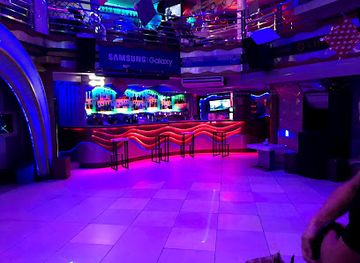
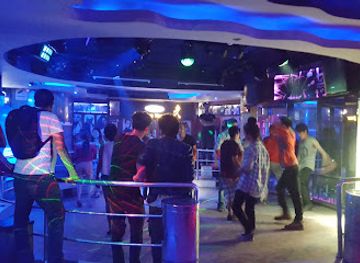
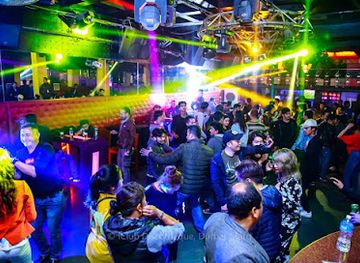
Nightlife is concentrated in Kathmandu, Lalitpur and, to a lesser extent, Bhaktapur rather than spread evenly across the former Bagmati Zone. Kathmandu has the broadest choice of pubs, live-music venues, cocktail bars, restaurants and late-evening entertainment, while Lalitpur is known for a more compact scene around its historic and commercial neighbourhoods. Bhaktapur’s evenings are generally quieter, with traditional restaurants, cafés and occasional cultural performances rather than a major club circuit. Breweries, wine bars and music venues are more common in the valley than in the surrounding hills. In Nuwakot, Makwanpur, Rasuwa, Ramechhap and Dolakha, evenings usually centre on locally run restaurants, teahouses, guesthouses or traditional inns, with limited late-night transport. Visitors should leave enough time to return to their accommodation, particularly outside the valley, and should not assume that mountain lodges or rural towns operate late.
-
Night club
LOD - Lord of the Drinks
Discover the electrifying nightlife at Lord of the Drinks in Bhagwatisthan, a premier destination for unforgettable parties and vibrant entertainment.
-
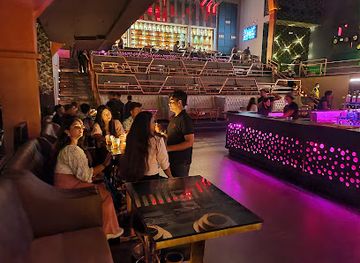
Disco club
Ibyza Lounge & Disco
Discover Kathmandu's nightlife at Ibyza Lounge & Disco, where live music and authentic Nepalese cuisine create an unforgettable experience.
-
Disco club
Fire Club Disco Theque & Lounge Bar
Dance the night away at Fire Club Disco Theque & Lounge Bar, Kathmandu's premier destination for vibrant nightlife and unforgettable experiences.
-
Adult entertainment club
Iclub
Experience the vibrant nightlife of Kathmandu at Iclub, where electrifying performances and a lively atmosphere create unforgettable memories.
Best shops in Bagmati Zone
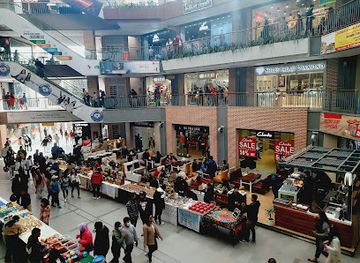
Shopping in Bagmati Zone is strongest in Kathmandu Valley, where traditional craft, contemporary design and everyday markets overlap. Lalitpur is particularly associated with metalwork, statues, ritual objects and workshops producing paubha paintings, while Bhaktapur is known for pottery, wood carving, handmade paper goods and local sweets. Kathmandu offers the widest range of trekking equipment, textiles, carpets, jewellery, books, handicrafts and Nepalese food products, though quality and provenance vary, so buyers should compare items and ask about materials. Market areas also sell spices, tea, incense, woollens and packaged regional produce. Outside the valley, Nuwakot, Chitlang, Daman and other hill towns have smaller selections focused on household goods, local food, woven items and practical supplies rather than extensive souvenir retail. Farmers’ markets and village shops are useful for seasonal fruit, pickles, honey and dairy products, but availability changes with the season. Bargain politely where bargaining is customary, and remember that antique religious objects and archaeological artefacts should not be purchased or exported.
-
Shopping mall
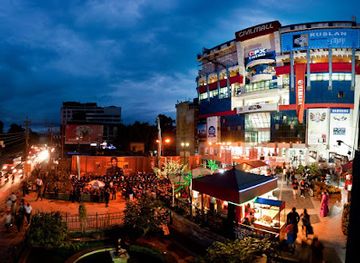
Civil Mall
Discover the vibrant shopping scene at Civil Mall, Kathmandu's premier destination for retail therapy, dining, and entertainment.
-
Shopping mall
Labim Mall
Discover the ultimate shopping experience at Labim Mall in Lalitpur, where modern retail meets vibrant local culture.
-
Supermarket
Bhat-Bhateni Super Store - Koteshwor
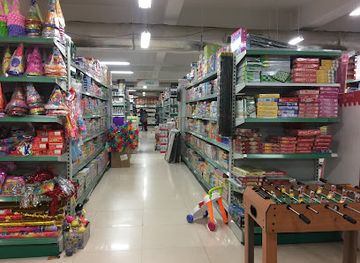
Experience the vibrant shopping culture at Bhat-Bhateni Super Store - Koteshwor, your go-to supermarket in Kathmandu for quality products and local treasures.
-
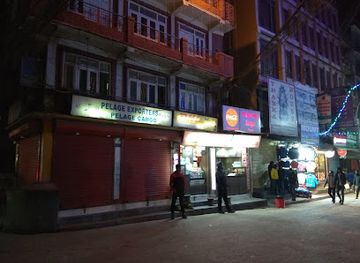
Clothing store
S.K. Handicrafts Export .FAIR TRADE Cashmere Company
Experience the luxury of authentic Nepalese cashmere and handmade knitwear at S.K. Handicrafts Export in Thamel, Kathmandu.

Get your free copy of our complete guide to Bagmati Zone, delivered straight to you.
Everything on this page, from attractions and restaurants to essentials and local phrases, in one PDF you can read offline, print or share.
Already have an account? Sign in
Your Bagmati Zone guide is ready.
We'll send it to · Not you? Sign out

Getting your guide ready…
We are putting together a fresh copy of the Bagmati Zone guide. This can take up to a minute.
This can take a few moments. If your browser asks, choose Allow so the download can start. You'll find the guide in your Downloads folder.
Nothing happened? Download it again
Sorry, the guide is taking longer than usual. Please try again in a minute, or get it by email instead.
Bagmati Zone essentials
Currency and Payment
Safety
Emergency Situations
Do's and Don'ts
Local Tips
From Eve
Local phrases worth knowing
You don't need to get them perfect. A few words go a long way, and locals appreciate the effort.
Basics
| English | Local | Say it |
|---|---|---|
| Hello | नमस्ते | [Namaste] |
| Goodbye | बिदाई | [Bidaai] |
| Yes | हो | [Ho] |
| No | होइन | [Hoin] |
| Please/You're welcome | कृपया | [Kripaya] |
| Thank you | धन्यवाद | [Dhanyabad] |
| Excuse me/Sorry | माफ गर्नुहोस् | [Maaf garnuhos] |
| How are you? | तपाईंलाई कस्तो छ? | [Tapainlai kasto cha?] |
| Fine. And you? | ठिक छ। र तपाईलाई? | [Thik cha. Ra tapailai?] |
| Do you speak English? | के तपाईंले अंग्रेजी बोल्न सक्नुहुन्छ? | [Ke tapainle angreji bolna saknuhunchha?] |
| I don't understand | म बुझ्दिनँ | [Ma bujhdina] |
Eating & Drinking
| English | Local | Say it |
|---|---|---|
| I'd like to see the menu, please | कृपया म्यानु देखाउनुस् | [Kripaya menu dekhaunus] |
| I don't eat meat | म मासु खाँदैन | [Ma maasu khandaina] |
| Cheers! | स salud! | [Sa salud!] |
| I would like to pay, please | कृपया म तिर्न चाहन्छु | [Kripaya ma tirna chahanchhu] |
Emergencies
| English | Local | Say it |
|---|---|---|
| Help! | मदद गर्नुहोस्! | [Madad garnuhos!] |
| Go away! | टाढा जानुहोस्! | [Tadha jaanuhos!] |
| Call the Police! | पुलिसलाई फोन गर्नुहोस्! | [Pulislai phone garnuhos!] |
| Call a doctor! | डाक्टरलाई फोन गर्नुहोस्! | [Daktar lai phone garnuhos!] |
| I'm lost | म हराएको छु | [Ma haraeko chu] |
| I'm ill | म बिरामी छु | [Ma birami chu] |
Shopping
| English | Local | Say it |
|---|---|---|
| I'd like to buy... | म किन्न चाहन्छु... | [Ma kinn chahanchhu...] |
| I'm just looking | म केवल हेरिरहेको छु | [Ma keval heriraheko chu] |
| How much is it? | यो कति हो? | [Yo kati ho?] |
| That's too expensive | यो धेरै महँगो छ | [Yo dherai mahango cha] |
| Can you lower the price? | तपाईं मूल्य घटाउन सक्नुहुन्छ? | [Tapai mulya ghatna saknuhunchha?] |
Time & Numbers
| English | Local | Say it |
|---|---|---|
| What time is it? | कति बजेको छ? | [Kati bajeko cha?] |
| It's one o'clock | यो एक बजेको छ | [Yo ek bajeko cha] |
| Half past (10) | साढे (10) | [Saadhe (10)] |
| Morning | बिहान | [Bihan] |
| Afternoon | बेलुकाको | [Belukako] |
| Evening | साँझ | [Sajh] |
| Yesterday | हिजो | [Hijo] |
| Today | आज | [Aaja] |
| Tomorrow | भोलि | [Bholi] |
| 1 | १ | [1] |
| 2 | २ | [2] |
| 3 | ३ | [3] |
| 4 | ४ | [4] |
| 5 | ५ | [5] |
| 6 | ६ | [6] |
| 7 | ७ | [7] |
| 8 | ८ | [8] |
| 9 | ९ | [9] |
| 10 | १० | [10] |
Transport & Directions
| English | Local | Say it |
|---|---|---|
| Where's a/the...? | कतै छ...? | [Katāi cha...?] |
| What's the address? | ठेगाना के हो? | [Thegana ke ho?] |
| Can you show me (on the map)? | तपाईं मलाई देखाउन सक्नुहुन्छ (नक्सामा)? | [Tapai malai dekhauna saknuhunchha (naksama)?] |
| When's the next (bus)? | अर्को (बस) कहिले छ? | [Arko (bus) kahile cha?] |
| A ticket (to ....) | एक टिकट (.... तर्फ) | [Ek tikat (.... tarfa)] |
History of Bagmati Zone
Early Valley Civilisations and Kirata Traditions
The Kathmandu Valley has been occupied since prehistoric times, while later traditions associate its early political history with Kirata rulers before the Licchavi period. Archaeological evidence and religious legends point to a long-settled basin shaped by farming, water management and trade across the Himalayan passes. The surrounding hills and river corridors of the former Bagmati Zone connected the valley with the middle hills and the southern plains. Although many early accounts combine history with mythology, this formative period established the sacred geography and settlement networks that later rulers developed.
Licchavi Kathmandu Valley, c. 400–750
The Licchavi era is one of the foundational periods in Nepalese history. Inscriptions, sculpture and temple remains show the growth of organised states, Hindu and Buddhist patronage, irrigation and long-distance commerce in the Kathmandu Valley. The period is especially visible through stone inscriptions and early religious monuments around Kathmandu, Lalitpur and Changu Narayan. Links with northern India and Tibet helped make the valley both a political centre and a cultural crossroads, establishing artistic conventions that continued through later dynasties.
The Malla Cities and Newar Urban Culture
From the medieval period until the eighteenth century, Malla rulers shaped the three principal valley kingdoms of Kathmandu, Patan and Bhaktapur. Competition between the courts encouraged exceptional temple building, metalwork, wood carving, festivals and urban design. Durbar Squares, palace courtyards, bahals and traditional neighbourhoods preserve this legacy. Newar communities developed sophisticated religious and craft traditions in which Hindu and Buddhist practices often occupied the same urban landscape. The valley’s artistic richness remains one of the defining historical characteristics of the former Bagmati Zone.
Unification under the Shah Kingdom, 1768–1769
Prithvi Narayan Shah of Gorkha captured Kathmandu, Patan and Bhaktapur in the late 1760s, bringing the valley into the expanding Shah state and making Kathmandu its political capital. The conquest altered power networks across the central hills and redirected administration, trade and military activity towards the capital. The valley’s Newar institutions and cultural traditions continued, but within a larger kingdom that eventually became modern Nepal. Hill forts, old routes and palace sites across the former zone reflect the strategic importance of controlling approaches to Kathmandu.
The Rana Era and the Centralisation of Kathmandu
From 1846 to 1951, hereditary Rana prime ministers governed Nepal while the Shah monarch remained formally in place. Kathmandu became the centre of a highly centralised court state, and Rana families built imposing European-influenced palaces, gardens and civic structures alongside older temples and courtyards. Access to the country was tightly controlled, but trade and administration continued through the valley and its surrounding routes. The end of Rana rule opened Nepal more widely to political change, education and international contact, transforming the capital’s relationship with the rest of the country.
Modern Nepal, Tourism and the 2015 Earthquake
After political changes in the twentieth and early twenty-first centuries, Kathmandu and the neighbouring valley cities became Nepal’s principal administrative, educational and tourism centres. Trekking, pilgrimage and cultural tourism expanded through the hills towards Langtang and other mountain regions. The 2015 Gorkha earthquake severely damaged historic buildings, homes and infrastructure across the Kathmandu Valley and surrounding districts, including important monuments. Reconstruction has been gradual, and the continuing restoration of temples, squares and traditional neighbourhoods is now part of the region’s contemporary story.
Bagmati Zone in Photos
Browse through our photo collection highlighting the charm and character of the destination.
Neighbouring regions of Bagmati Zone
The closest regions to Bagmati Zone, if you have time for more than one.
-

-

-

-

-


Swipe for more regions
Explore more

Explore more of Nepal
Discover Nepal: A land of towering peaks, spiritual harmony, and vibrant culture, offering endless adventures and serene escapes for every traveler.
Explore Nepal