

Egmond aan Zee Travel Guide - Free Web & App
Your ultimate guide to Egmond aan Zee. Discover top landmarks, proposed trips, and local tips. Free on the web or via the Evendo companion app.


Egmond aan Zee, Netherlands, combines a broad North Sea beach, historic lighthouse, cycling routes and dune walks near Alkmaar and Bergen.
Beach and Dune Landscape
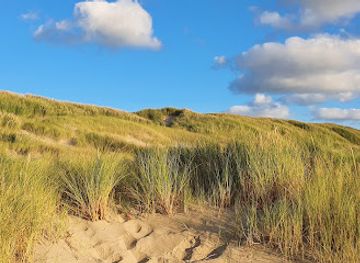
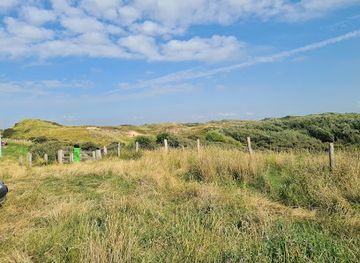
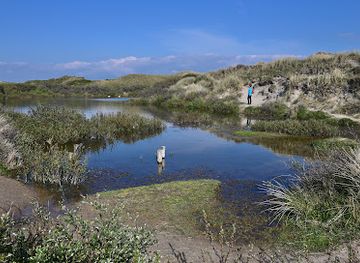
Egmond aan Zee is a compact seaside village on the North Holland coast, where a broad sandy beach meets the rolling North Holland Dune Reserve. The village lies within the municipality of Bergen, north-west of Alkmaar, and has a distinctly open relationship with the North Sea: sea views, shifting weather and the sound of surf shape its atmosphere throughout the year. Behind the beach, marked paths lead into a protected dune landscape of marram grass, scrub, wooded sections and open sandy ridges. The dunes are important for coastal protection as well as recreation, and access should follow signed routes to limit disturbance to wildlife and vegetation.Read more about Egmond aan Zee
A Former Fishing Village
Exploring the Coast
When is the best time to visit Egmond aan Zee?
Best: June–August · 19–21°C| Month | High (°C) | Rainfall (mm) |
|---|---|---|
| January | 6 | 55 |
| February | 6 | 47 |
| March | 8 | 40 |
| April | 12 | 30 |
| May | 16 | 23 |
| June (best) | 19 | 21 |
| July (best) | 21 | 21 |
| August (best) | 21 | 22 |
| September | 18 | 26 |
| October | 15 | 34 |
| November | 12 | 40 |
| December | 9 | 51 |
Getting to and around Egmond aan Zee
How to get there
Transportation
Best attractions in Egmond aan Zee
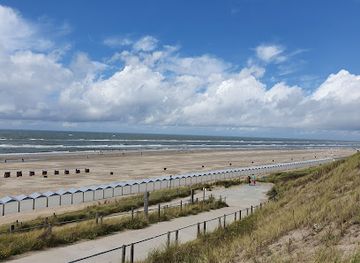
The broad sandy beach is Egmond aan Zee's principal attraction, offering space for walking, sea viewing and seasonal beach facilities rather than a sheltered swimming environment. At its southern edge and inland side, the North Holland Dune Reserve provides marked walking and cycling routes through open dunes, grassland and wooded sections, with landscapes that change noticeably between exposed ridges and sheltered valleys. The J.C.J. van Speijk lighthouse gives the seafront a distinctive focal point, while the village centre provides cafés, shops and places to pause near the beach. Inland excursions lead to Egmond aan den Hoef, where the remains of Egmond Castle recall the area's medieval noble history, and to Egmond-Binnen, associated with the former Abbey of Egmond. Nearby Bergen adds woodland, village streets and cultural attractions, while Alkmaar offers historic canals, museums and urban services beyond the immediate coastal destination.
-
Tourist attraction
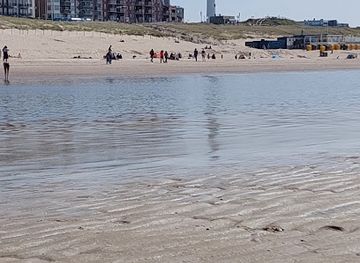
Strand Egmond aan Zee
Experience the beauty of Strand Egmond aan Zee, a stunning beach destination perfect for relaxation, family activities, and breathtaking sunsets.
-
Hiking area
Ingang Noordhollands Duinreservaat aan de Churchilllaan (1931) Egmond aan Zee
Discover the breathtaking landscapes and diverse wildlife of Noordhollands Duinreservaat, a premier hiking destination near Egmond aan Zee, Netherlands.
-
Tourist attraction
View Point
Experience stunning coastal views at Egmond aan Zee's View Point, a serene escape perfect for nature lovers and photography enthusiasts.
-
National reserve
Starrevlak
Explore the breathtaking landscapes and diverse wildlife at Starrevlak National Reserve, a coastal haven in Egmond aan Zee, perfect for nature lovers and adventurers alike.
Best landmarks in Egmond aan Zee
The J.C.J. van Speijk lighthouse is Egmond aan Zee's most recognisable built landmark. Completed in 1834 and named after the Dutch naval officer Jan Carel Josephus van Speijk, it represents the village's long relationship with navigation and the North Sea. The beach and the dune belt form the destination's defining natural landmarks: together they illustrate the exposed coastal setting and the dunes' importance in protecting the low-lying hinterland. Inland, the ruins of Egmond Castle at Egmond aan den Hoef introduce the medieval history of the Egmond family, while the former Abbey of Egmond at Egmond-Binnen connects the area with the religious and political history of medieval Holland. These inland landmarks are nearby rather than within the seafront village, but they explain why the wider Egmond region has a significance extending beyond its modern resort identity.
-
Holiday park
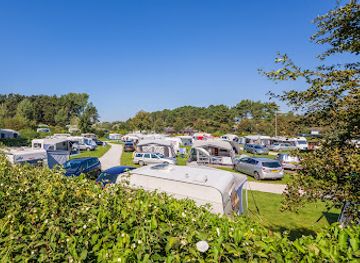
Roompot Kustpark Egmond aan Zee
Experience the serene beauty of Roompot Kustpark Egmond aan Zee, a family-friendly holiday park on the breathtaking North Holland coast.
-
Beach pavillion
Evi Beach Egmond aan Zee
Discover the perfect seaside escape at Evi Beach Egmond aan Zee, where delicious dining meets stunning ocean views in a vibrant beach pavilion.
-
Tourist attraction
J C J van Speijk Lighthouse
Discover the J C J van Speijk Lighthouse, a historical gem in Egmond aan Zee, offering stunning ocean views and a glimpse into maritime heritage.
-
Tourist attraction
Strand Egmond aan Zee
Explore the stunning beaches and vibrant culture of Strand Egmond aan Zee, a perfect getaway for relaxation and adventure in the Netherlands.


Explore Egmond aan Zee on the map
Plan your trip on one map. See where the top attractions, landmarks, restaurants and hotels are, and book hotels and experiences in a few clicks.
Best hotels in Egmond aan Zee
Best restaurants in Egmond aan Zee
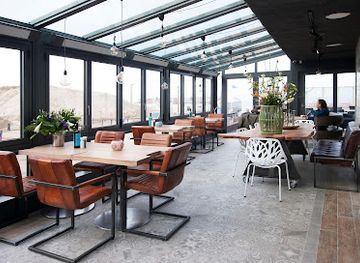
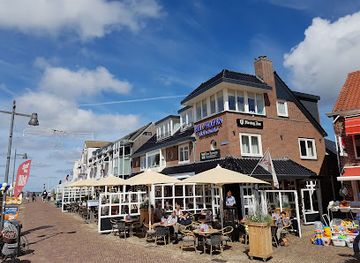
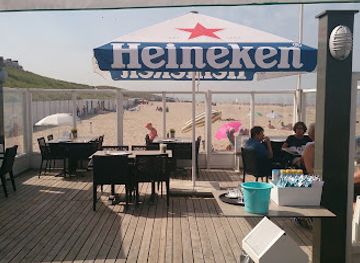
Dining in Egmond aan Zee is concentrated around the village centre, seafront and seasonal beach pavilions rather than spread through a large restaurant district. Menus commonly reflect the Dutch coast and wider North Holland, with seafood, fried fish, sandwiches, soups, salads and familiar café dishes appearing alongside international options. Beach pavilions provide a strongly seasonal way to eat beside the sea, while village cafés and restaurants are more useful outside the main beach season. Visitors seeking a wider choice can travel to Alkmaar, Bergen or the other Egmond settlements, where restaurants, cafés and traditional pubs serve both everyday Dutch food and contemporary dishes. Local farm shops and food retailers in the surrounding countryside may also offer regional produce, but opening arrangements and seasonal availability vary.
-
Beach pavillion
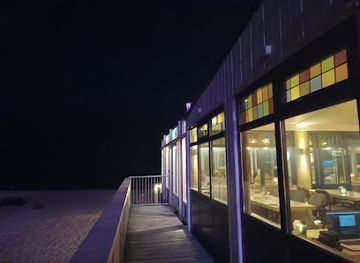
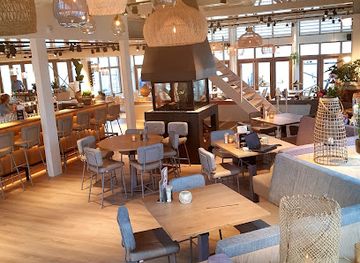
Beach pavillion The Lookout
Discover Beach Pavilion The Lookout - where stunning sea views meet delectable dining in Egmond aan Zee.
-
Restaurant
Nautilus aan Zee
Experience fresh seafood delights at Nautilus aan Zee in Egmond aan Zee—where ocean views meet exquisite flavors.
-
Restaurant
Restaurant Van Speijk
Experience exquisite dining with stunning sea views at Restaurant Van Speijk in Egmond aan Zee—where fresh ingredients meet culinary artistry.
-
Restaurant
Grand Café Restaurant Het Wapen van Egmond
Experience exquisite dining at Grand Café Restaurant Het Wapen van Egmond - where local flavors meet coastal charm.
Best bars in Egmond aan Zee
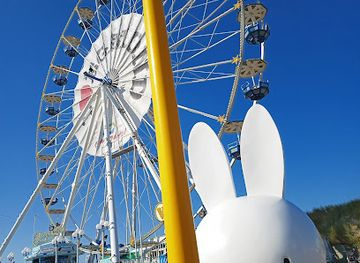
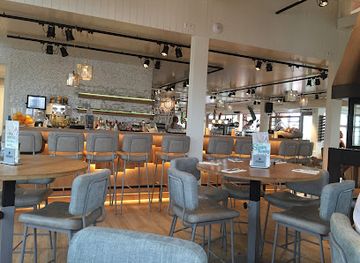
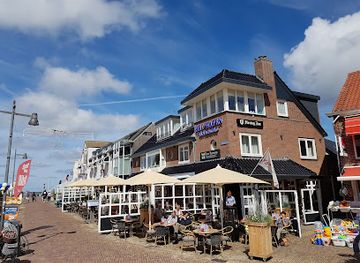
Egmond aan Zee has a relaxed evening scene shaped by cafés, traditional pubs, hotel bars and beach pavilions rather than nightclubs or a concentrated nightlife district. In summer, the seafront can remain sociable after the day's beach activity, while the village centre provides quieter places for a drink or informal evening meal. Entertainment is generally suited to conversation, live sporting broadcasts and occasional seasonal events rather than late-night dancing. Alkmaar, reached from the coast by local transport or car, offers a broader choice of bars, music venues and cultural performances, although it lies outside Egmond aan Zee itself. Visitors should expect some seasonal variation, with the coast becoming markedly quieter outside holiday periods.
-
Restaurant
Beach pavillion The Lookout
Discover Beach Pavilion The Lookout: Your ultimate seaside destination for tasty meals and stunning ocean views in Egmond aan Zee.
-
Restaurant
Nautilus aan Zee
Experience the best of local seafood and stunning ocean views at Nautilus aan Zee in Egmond aan Zee.
-
Restaurant
Restaurant Van Speijk
Savor the finest Dutch and international cuisine at Restaurant Van Speijk in Egmond aan Zee, where every meal is a delightful experience.
-
Restaurant
Grand Café Restaurant Het Wapen van Egmond
Experience the best of Dutch cuisine at Grand Café Restaurant Het Wapen van Egmond, where every meal is a taste of coastal charm.

Best nightclubs in Egmond aan Zee
Egmond aan Zee has a relaxed evening scene shaped by cafés, traditional pubs, hotel bars and beach pavilions rather than nightclubs or a concentrated nightlife district. In summer, the seafront can remain sociable after the day's beach activity, while the village centre provides quieter places for a drink or informal evening meal. Entertainment is generally suited to conversation, live sporting broadcasts and occasional seasonal events rather than late-night dancing. Alkmaar, reached from the coast by local transport or car, offers a broader choice of bars, music venues and cultural performances, although it lies outside Egmond aan Zee itself. Visitors should expect some seasonal variation, with the coast becoming markedly quieter outside holiday periods.
-
Beach pavillion
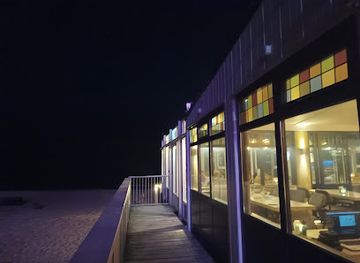
Beach pavillion The Lookout
Discover the charm of Beach Pavilion The Lookout in Egmond aan Zee, where delicious cuisine meets breathtaking ocean views.
-
Beach pavillion
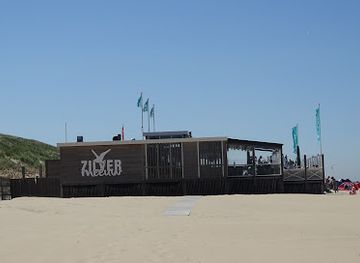
De Zilvermeeuw
Experience the perfect beach getaway at De Zilvermeeuw, a premier pavilion in Egmond aan Zee serving fresh seafood and stunning sea views.
-
Restaurant
Strandpaviljoen Nautilus aan Zee
Experience the flavors of the sea at Strandpaviljoen Nautilus aan Zee, a charming beachfront restaurant in Egmond aan Zee.
-
Restaurant
Restaurant Natuurlijk
Experience the flavors of Egmond aan Zee at Restaurant Natuurlijk, where local ingredients meet culinary creativity in a cozy seaside setting.
Best shops in Egmond aan Zee
Shopping in Egmond aan Zee is modest and visitor-oriented, with everyday village services, small independent retailers, beach-related goods, cafés and shops serving the needs of people staying by the coast. It is not a destination for extensive retail districts or designer shopping. Visitors looking for regional food, gifts or practical supplies may find more choice in Alkmaar, Bergen and the other Egmond villages, where independent shops, food retailers and seasonal local businesses are more numerous. Dutch coastal souvenirs, cycling necessities and simple beach equipment are natural purchases in the resort, while the surrounding North Holland countryside is associated with agriculture and local produce. Markets and specialist shops in nearby towns can vary by day and season, so visitors should check current local information rather than assume a permanent market operates in the village.
-
Gift shop
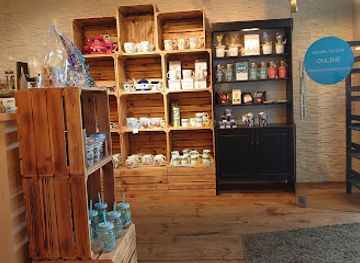
Tasty & Gifts
Explore Tasty & Gifts in Egmond aan Zee - a unique gift shop offering candles, chinaware, coffee, pottery, and tea, perfect for souvenirs and local treasures.
-
Women's clothing store
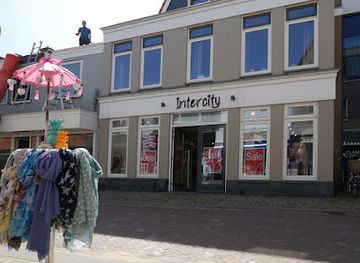
Intercity Boutique Egmond aan Zee
Discover stylish women's fashion at Intercity Boutique in Egmond aan Zee, where quality meets comfort in a charming seaside setting.
-
Clothing store
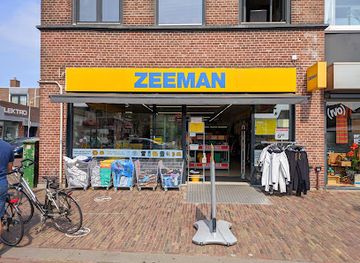
Zeeman Egmond aan Zee
Explore affordable fashion at Zeeman Egmond aan Zee, where stylish clothing meets budget-friendly prices in a charming coastal setting.
-
Clothing store
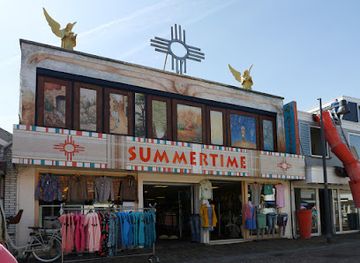
Summer Time
Discover the latest fashion trends at Summer Time, the premier clothing store in Egmond aan Zee, offering styles for every occasion.
Get your free copy of our complete guide to Egmond aan Zee, delivered straight to you.
Everything on this page, from attractions and restaurants to essentials and local phrases, in one PDF you can read offline, print or share.
Already have an account? Sign in
Your Egmond aan Zee guide is ready.
We'll send it to · Not you? Sign out

Getting your guide ready…
We are putting together a fresh copy of the Egmond aan Zee guide. This can take up to a minute.
This can take a few moments. If your browser asks, choose Allow so the download can start. You'll find the guide in your Downloads folder.
Nothing happened? Download it again
Sorry, the guide is taking longer than usual. Please try again in a minute, or get it by email instead.
Egmond aan Zee essentials
Currency and Payment
Safety
Emergency Situations
Do's and Don'ts
Local Tips
From Eve
Local phrases worth knowing
You don't need to get them perfect. A few words go a long way, and locals appreciate the effort.
Basics
| English | Local | Say it |
|---|---|---|
| Hello | Hallo | [hah-loh] |
| Goodbye | Tot ziens | [toht zeens] |
| Yes | Ja | [yah] |
| No | Nee | [nay] |
| Please/You're welcome | Alstublieft | [ahl-stuu-bleeft] |
| Thank you | Dank je | [dahnk yeh] |
| Excuse me/Sorry | Sorry | [sohr-ee] |
| How are you? | Hoe gaat het? | [hoo gaaht het] |
| Fine. And you? | Goed. En met jou? | [khoot. en met yow] |
| Do you speak English? | Spreek je Engels? | [spreyk yuh eng-uhs] |
| I don't understand | Ik begrijp het niet | [ihk buh-grayp het neet] |
Eating & Drinking
| English | Local | Say it |
|---|---|---|
| I'd like to see the menu, please | Ik wil graag de menukaart zien, alstublieft | [ihk wil khrahkh duh muh-noo-kahrt zeen ahl-stuu-bleeft] |
| I don't eat meat | Ik eet geen vlees | [ihk ayt khayn vlays] |
| Cheers! | Proost! | [prohst] |
| I would like to pay, please | Ik wil graag betalen, alstublieft | [ihk wil khrahkh buh-tah-luhn ahl-stuu-bleeft] |
Emergencies
| English | Local | Say it |
|---|---|---|
| Help! | Help! | [help] |
| Go away! | Ga weg! | [gah vekh] |
| Call the Police! | Bel de politie! | [bel duh poh-lee-see] |
| Call a doctor! | Bel een dokter! | [bel ayn dohk-tuhr] |
| I'm lost | Ik ben verdwaald | [ihk ben vuhr-dwahl-d] |
| I'm ill | Ik ben ziek | [ihk ben zeehk] |
Shopping
| English | Local | Say it |
|---|---|---|
| I'd like to buy... | Ik wil graag kopen... | [ihk wil khrahkh koh-puhn] |
| I'm just looking | Ik kijk alleen maar | [ihk khayk ahl-ayn mahr] |
| How much is it? | Hoeveel kost het? | [hoo-vale kost het] |
| That's too expensive | Dat is te duur | [daht is tuh dohr] |
| Can you lower the price? | Kunt u de prijs verlagen? | [kunt uu duh priys vuh-rah-ghuhn] |
Time & Numbers
| English | Local | Say it |
|---|---|---|
| What time is it? | Hoe laat is het? | [hoo laht is het] |
| It's one o'clock | Het is een uur | [het is ayn oor] |
| Half past (10) | Half elf | [hahlf elf] |
| Morning | Ochtend | [ohk-tuhnt] |
| Afternoon | Middag | [mi-dahkh] |
| Evening | Avond | [ah-vohnt] |
| Yesterday | Gisteren | [khis-tuh-ruhn] |
| Today | Vandaag | [vahn-dahkh] |
| Tomorrow | Morgen | [mohr-khuhn] |
| 1 | Een | [ayn] |
| 2 | Twee | [tweh] |
| 3 | Drie | [dree] |
| 4 | Vier | [veer] |
| 5 | Vijf | [vayf] |
| 6 | Zes | [zehs] |
| 7 | Zeven | [zeh-vuhn] |
| 8 | Acht | [ahkh-t] |
| 9 | Negen | [nay-khuhn] |
| 10 | Tien | [teen] |
Transport & Directions
| English | Local | Say it |
|---|---|---|
| Where's a/the...? | Waar is een/de...? | [vahr is ayn/de...] |
| What's the address? | Wat is het adres? | [vaht is het ah-drehs] |
| Can you show me (on the map)? | Kunt u mij laten zien (op de kaart)? | [kunt uu may lah-tuhn zeen (op duh kahrt)] |
| When's the next (bus)? | Wanneer is de volgende (bus)? | [vahn-ehr is duh vohl-huhn-duh (bus)] |
| A ticket (to ....) | Een kaartje (naar ....) | [ayn kahrt-yuh (nar)] |
History of Egmond aan Zee
Coastal Formation and Settlement
Egmond aan Zee occupies a coastal environment shaped by North Sea currents, wind-blown sand and the formation of dune barriers. The dunes developed as a natural defence between the sea and the low-lying land of North Holland, while freshwater availability, maritime access and the protective landscape influenced settlement. The village's history differs from that of the inland Egmond communities: it grew directly beside the sea and developed a practical relationship with fishing, coastal travel and the hazards of an exposed shore.
The Egmond Counts and Inland Heritage
The wider Egmond area became associated with the powerful Counts of Egmond, a noble family whose influence extended across medieval Holland. Their principal stronghold was at Egmond aan den Hoef, inland from the coast, where the remains of Egmond Castle evoke the region's medieval political importance. Egmond-Binnen was also home to the Abbey of Egmond, one of the most important medieval religious institutions in Holland. Although these sites are outside Egmond aan Zee itself, they provide essential context for understanding the historic region that surrounds the modern seaside village.
Fishing and a Maritime Community
For centuries, Egmond aan Zee was shaped by small-scale fishing and the demands of life beside an often dangerous sea. Fishing families used the North Sea as a source of income, while the settlement's exposed position required continual attention to coastal erosion and storm conditions. The village's traditional identity was therefore maritime rather than agricultural. The sea remains central to its character, even though contemporary visitors encounter a recreational beach resort rather than a working fishing port.
The Lighthouse and Coastal Tourism
The J.C.J. van Speijk lighthouse was built in 1834 and named after the Dutch naval officer Jan Carel Josephus van Speijk. It became a navigational landmark and a visual symbol of Egmond aan Zee. During the nineteenth and twentieth centuries, improved transport and changing leisure habits encouraged the growth of seaside tourism along the Dutch coast. Accommodation, cafés and beach facilities expanded, but the village retained a relatively compact form. Today, the lighthouse, beach and dunes express the three strands of its identity: maritime history, coastal recreation and a landscape managed for both protection and nature.
Egmond aan Zee in Photos
Browse through our photo collection highlighting the charm and character of the destination.
Neighbouring destination travel guides
The closest destinations to Egmond aan Zee, if you have time for more than one.
-

-

-

-

-


Swipe for more destinations
Explore more

Explore more of North Holland
Discover North Holland, Netherlands: A captivating blend of historic towns, scenic canals, vibrant tulip fields, and rich cultural heritage.
Explore North Holland
Explore more of Netherlands
Discover the Netherlands: A blend of historic charm, artistic treasures, and scenic landscapes, perfect for an enriching travel experience.
Explore Netherlands