

Zaanse Schans Travel Guide - Free Web & App
Your ultimate guide to Zaanse Schans. Discover top landmarks, proposed trips, and local tips. Free on the web or via the Evendo companion app.


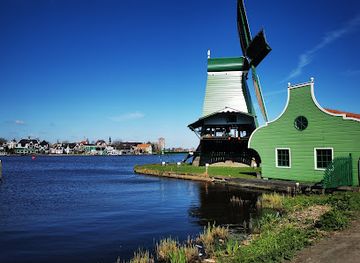
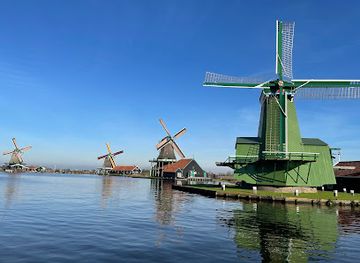
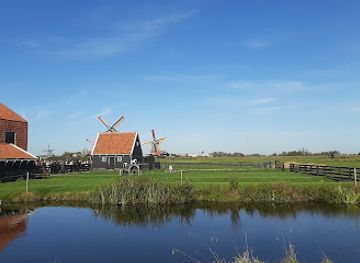
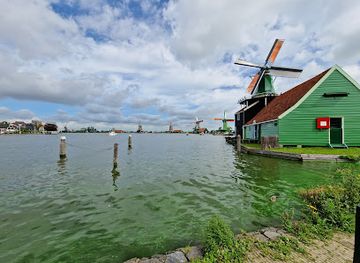
Explore Zaanse Schans, a charming Dutch village where history comes alive with windmills, traditional crafts, and picturesque landscapes just north of Amsterdam.
Read more about Zaanse Schans
When is the best time to visit Zaanse Schans?
Best: June–August · 20–22°C| Month | High (°C) | Rainfall (mm) |
|---|---|---|
| January | 6 | 59 |
| February | 6 | 45 |
| March | 10 | 42 |
| April | 14 | 37 |
| May | 18 | 40 |
| June (best) | 20 | 57 |
| July (best) | 22 | 67 |
| August (best) | 22 | 67 |
| September | 19 | 55 |
| October | 15 | 57 |
| November | 11 | 72 |
| December | 7 | 77 |
Getting to and around Zaanse Schans
How to get there
Transportation
Best attractions in Zaanse Schans
Zaanse Schans offers visitors a unique opportunity to step back in time and experience the charm of a traditional Dutch village. With its iconic windmills, historic wooden houses, and working artisan shops, visitors can immerse themselves in the rich heritage of the Netherlands. Explore the clog-making demonstrations, cheese farms, and picturesque landscapes along the Zaan River. Don't forget to sample some delicious Dutch treats like stroopwafels and poffertjes while taking in the beauty of this open-air museum. Zaanse Schans is a must-visit destination for anyone looking to experience the quintessential Dutch culture and history.
-
History museum
Weaver's House
Explore the enchanting Weaver's House in Zaandam, where the rich textile heritage of the Netherlands comes alive through traditional weaving craftsmanship.
-
Tourist attraction
De Haal
Explore De Haal in Zaanse Schans, where traditional windmills, crafts, and stunning landscapes come together to showcase Dutch heritage and culture.
-
Tourist attraction
Statue
Explore the captivating Statue at Zaanse Schans, a cultural gem in Zaandam, showcasing the rich heritage of Dutch craftsmanship and artistry.
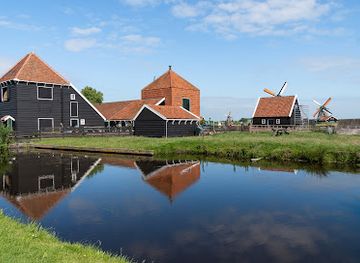
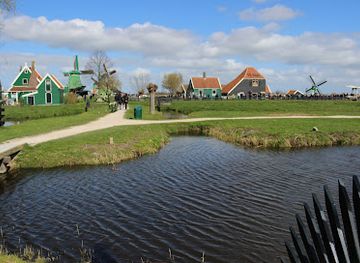
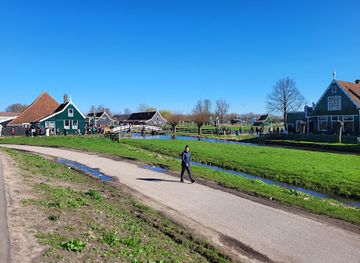
Best landmarks in Zaanse Schans
Zaanse Schans offers visitors a unique opportunity to step back in time and experience the traditional Dutch way of life. From historic windmills to quaint wooden houses, the area is a picturesque display of Dutch heritage. Visitors can explore the working windmills, watch clog-making demonstrations, and visit the cheese and chocolate factories. The museums provide insights into the area's rich history, while the scenic surroundings make for a perfect backdrop for a leisurely stroll or bike ride. Zaanse Schans truly offers a cultural immersion like no other, making it a must-visit destination for anyone looking to experience the charm of the Netherlands.
-
Museum
De Zaanse Schans
Explore the captivating Zaanse Schans, a beautiful open-air museum showcasing Dutch heritage, iconic windmills, and traditional crafts.
-
Heritage museum
Zaans Museum
Experience the rich heritage of the Netherlands at Zaans Museum, where tradition meets culture in a stunning setting.
-
Museum
Zaandam Time Museum
Explore the Zaandam Time Museum, a unique destination showcasing the art and history of timekeeping in a beautifully curated setting.
-
Historical landmark
Paintmill De Kat
Explore the historical Paintmill De Kat in Zaanse Schans, a captivating blend of culture, tradition, and breathtaking scenery.

Explore Zaanse Schans on the map
Plan your trip on one map. See where the top attractions, landmarks, restaurants and hotels are, and book hotels and experiences in a few clicks.
Best hotels in Zaanse Schans
Best restaurants in Zaanse Schans
The dining scene in Zaanse Schans offers a delightful mix of traditional Dutch cuisine and modern culinary experiences, set against the picturesque backdrop of historic windmills and charming wooden houses. Visitors can enjoy freshly baked stroopwafels, artisanal cheeses, and hearty pea soup at cozy cafes, or savor a fine dining experience with innovative dishes showcasing local ingredients. With options ranging from casual eateries to upscale restaurants, there is something to suit every palate in this unique and enchanting destination.
-
Restaurant
De Hoop op d'Swarte Walvis
Experience exquisite French dining at De Hoop op d'Swarte Walvis, nestled in the picturesque Zaanse Schans—an unforgettable culinary journey awaits!
-
Pancake
Restaurant De Kraai
Experience authentic Dutch pancakes at Restaurant De Kraai in Zaanse Schans - where tradition meets taste.
-
Lunch
MuseumCafé - Zaans Museum
Experience authentic Dutch flavors at MuseumCafé within Zaanse Schans—where culture meets culinary delight amidst scenic landscapes.
Best bars in Zaanse Schans
While Zaanse Schans may be known for its picturesque windmills and historic charm during the day, the nightlife scene offers a completely different experience for visitors. From cozy pubs serving local brews to trendy cocktail bars with a modern twist, there is something for every taste. Live music venues showcase talented local artists, while lively nightclubs keep the party going into the early hours. Whether you prefer a laid-back evening sipping on Dutch jenever or dancing the night away, Zaanse Schans has a vibrant nightlife that is sure to impress.
-
Restaurant
De Hoop op d'Swarte Walvis
Experience exquisite French dining at De Hoop op d'Swarte Walvis amidst the scenic beauty of Zaanse Schans, perfect for food lovers and travelers alike.
-
Pancake
Restaurant De Kraai
Experience the best of Dutch cuisine at Restaurant De Kraai, offering delicious pancakes and crepes in the scenic Zaanse Schans.
-
Cafe
Two-headed Phoenix
Discover the charm of Two-Headed Phoenix, a cozy cafe in Zaandam, where local flavors and inviting ambiance come together for an unforgettable experience.
-
Lunch
MuseumCafé - Zaans Museum
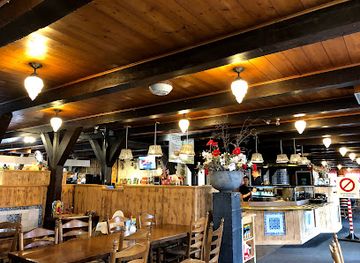
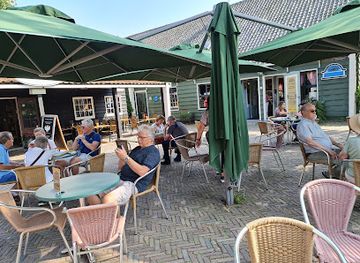
Experience the flavors of Dutch cuisine at MuseumCafé, perfectly situated in the scenic Zaanse Schans with stunning views.


Best nightclubs in Zaanse Schans
While Zaanse Schans may be known for its picturesque windmills and historic charm during the day, the nightlife scene offers a completely different experience for visitors. From cozy pubs serving local brews to trendy cocktail bars with a modern twist, there is something for every taste. Live music venues showcase talented local artists, while lively nightclubs keep the party going into the early hours. Whether you prefer a laid-back evening sipping on Dutch jenever or dancing the night away, Zaanse Schans has a vibrant nightlife that is sure to impress.
-
Restaurant
De Hoop op d'Swarte Walvis
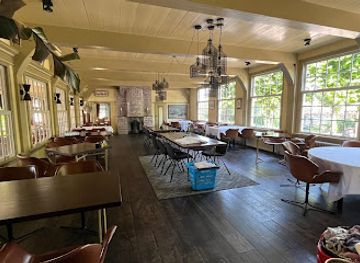
Experience exquisite French cuisine at De Hoop op d'Swarte Walvis in Zaanse Schans, where every meal is a culinary journey.
Best shops in Zaanse Schans
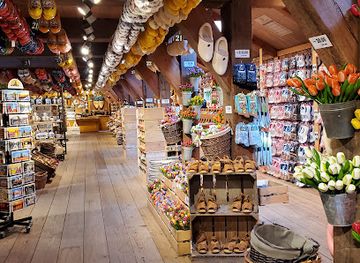
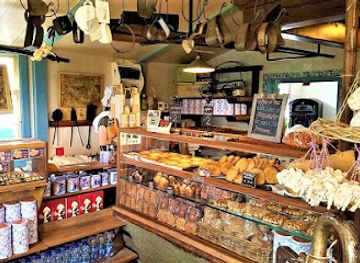
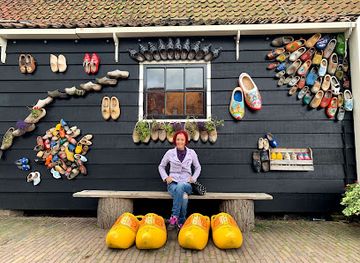
The shopping scene of Zaanse Schans offers visitors a unique and charming experience, with a variety of traditional Dutch crafts and souvenirs available for purchase. Visitors can explore quaint shops selling wooden clogs, Delft pottery, and delicious cheeses, all handcrafted by local artisans. The picturesque windmills and historic buildings provide a picturesque backdrop for shopping, creating a truly immersive and memorable shopping experience unlike any other. Don't miss the chance to take home a piece of Dutch culture with you from Zaanse Schans.
-
Tourist attraction
Wooden Shoe Workshop of Zaanse Schans
Explore the Wooden Shoe Workshop in Zaanse Schans, a unique tourist attraction unveiling the rich history and craftsmanship of Dutch clogs.
-
Archive
Museumwinkel Albert Heijn
Explore the cultural legacy of Albert Heijn at Museumwinkel, a unique museum experience in the heart of Zaanse Schans, showcasing Dutch heritage.
-
Store
Zaans Done CacaoLab
Experience the sweet delight of chocolate-making and indulge in delectable treats at Zaans Done CacaoLab in the heart of Zaanse Schans.
-
Mill
Windmill De Zoeker
Explore Windmill De Zoeker, a historic gem in Zaanse Schans, showcasing Dutch culture, tradition, and breathtaking landscapes.
Get your free copy of our complete guide to Zaanse Schans, delivered straight to you.
Everything on this page, from attractions and restaurants to essentials and local phrases, in one PDF you can read offline, print or share.
Already have an account? Sign in
Your Zaanse Schans guide is ready.
We'll send it to · Not you? Sign out

Getting your guide ready…
We are putting together a fresh copy of the Zaanse Schans guide. This can take up to a minute.
This can take a few moments. If your browser asks, choose Allow so the download can start. You'll find the guide in your Downloads folder.
Nothing happened? Download it again
Sorry, the guide is taking longer than usual. Please try again in a minute, or get it by email instead.
Zaanse Schans essentials
Currency and Payment
Safety
Emergency Situations
Do's and Don'ts
Local Tips
From Eve
Local phrases worth knowing
You don't need to get them perfect. A few words go a long way, and locals appreciate the effort.
Basics
| English | Local | Say it |
|---|---|---|
| Hello | Hallo | [ha-lo] |
| Goodbye | Tot ziens | [tawt zeens] |
| Yes | Ja | [yah] |
| No | Nee | [nay] |
| Please/You're welcome | Alsjeblieft | [als-ye-bleaf-t] |
| Thank you | Dank je wel | [dahnk yeh vell] |
| Excuse me/Sorry | Sorry | [soh-ree] |
| How are you? | Hoe gaat het met jou? | [hoo gaat het met yow] |
| Fine. And you? | Goed. En met jou? | [khoot. en met yow] |
| Do you speak English? | Spreek je Engels? | [sprake yeh eng-els] |
| I don't understand | Ik begrijp het niet | [ick beh-grayp het neet] |
Eating & Drinking
| English | Local | Say it |
|---|---|---|
| I'd like to see the menu, please | Ik wil graag de menukaart zien, alsjeblieft | [ick vil khrahg duh menu-kart seen, als-ye-bleaf-t] |
| I don't eat meat | Ik eet geen vlees | [ick ate khane flays] |
| Cheers! | Proost! | [prohst] |
| I would like to pay, please | Ik wil graag betalen, alsjeblieft | [ick vil khrahg buh-tal-en, als-ye-bleaf-t] |
Emergencies
| English | Local | Say it |
|---|---|---|
| Help! | Help! | [help] |
| Go away! | Ga weg! | [ha vekh] |
| Call the Police! | Bel de politie! | [bel duh poh-lee-see] |
| Call a doctor! | Bel een dokter! | [bel ane dok-tur] |
| I'm lost | Ik ben verdwaald | [ick ben fur-dwahld] |
| I'm ill | Ik ben ziek | [ick ben zik] |
Shopping
| English | Local | Say it |
|---|---|---|
| I'd like to buy... | Ik wil graag kopen... | [ick vil khrahg koh-pen] |
| I'm just looking | Ik kijk alleen maar | [ick kayk a-lane mar] |
| How much is it? | Hoeveel kost het? | [hoo-veyl kost het] |
| That's too expensive | Dat is te duur | [dat is tuh duhr] |
| Can you lower the price? | Kun je de prijs verlagen? | [kun yeh duh prees vur-lah-ghen] |
Time & Numbers
| English | Local | Say it |
|---|---|---|
| What time is it? | Hoe laat is het? | [hoo laht is het] |
| It's one o'clock | Het is een uur | [het is ane oor] |
| Half past (10) | Half elf | [hahlf elf] |
| Morning | Ochtend | [okhtend] |
| Afternoon | Middag | [mid-dahkh] |
| Evening | Avond | [ah-vont] |
| Yesterday | Gisteren | [khist-eren] |
| Today | Vandaag | [fahn-dahkh] |
| Tomorrow | Morgen | [mor-khen] |
| 1 | Een | [ane] |
| 2 | Twee | [twee] |
| 3 | Drie | [dree] |
| 4 | Vier | [feer] |
| 5 | Vijf | [vayf] |
| 6 | Zes | [zehs] |
| 7 | Zeven | [zay-ven] |
| 8 | Acht | [ahkht] |
| 9 | Negen | [nay-khen] |
| 10 | Tien | [teen] |
Transport & Directions
| English | Local | Say it |
|---|---|---|
| Where's a/the...? | Waar is de...? | [vahr is duh] |
| What's the address? | Wat is het adres? | [vaht is het a-dres] |
| Can you show me (on the map)? | Kun je me dat laten zien (op de kaart)? | [kun yeh muh dat lah-ten seen (op duh kart)] |
| When's the next (bus)? | Wanneer is de volgende (bus)? | [ven-nar is duh vol-hende bus] |
| A ticket (to ....) | Een kaartje (naar ....) | [ane kart-ye (nar)] |
History of Zaanse Schans
Origins of Zaanse Schans
Zaanse Schans, located in the province of North Holland, traces its origins back to the 17th and 18th centuries during the Dutch Golden Age. It was developed as an industrial area, capitalizing on the proximity to the Zaan River for transportation and the presence of strong winds for powering mills. The region became a hub for a variety of industries including wood milling, oil production, and paper manufacturing.
The Rise of Windmills
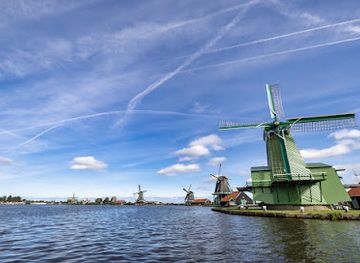
One of the most iconic features of Zaanse Schans is its collection of historic windmills. In the 17th century, the area boasted over a thousand working windmills, making it one of the world's earliest industrialized regions. These windmills were used for various purposes such as sawing wood, grinding spices, and producing oil. Notable windmills like De Kat, a paint mill, and De Zoeker, an oil mill, still stand today as functional monuments to this industrious past.
Industrial Innovation
Zaanse Schans was a breeding ground for industrial innovation. For example, in 1597, Cornelis Corneliszoon invented the sawmill, which revolutionized the timber industry by significantly increasing production efficiency. This invention was crucial for the shipbuilding industry, a key factor in the Dutch Golden Age's maritime success. The introduction of wind-powered industrial machinery in Zaanse Schans laid the groundwork for modern manufacturing techniques.
Economic Decline and Preservation
By the late 19th century, the industrial focus shifted from wind power to steam power, leading to a decline in the use of windmills. Many mills were dismantled or fell into disrepair. However, in the mid-20th century, efforts were initiated to preserve this unique heritage. The Zaanse Schans Open-Air Museum was established in the 1960s to protect and restore historic windmills, houses, and workshops. Today, it serves as a vibrant cultural and historical site, attracting visitors from around the globe.
Cultural Heritage and Crafts
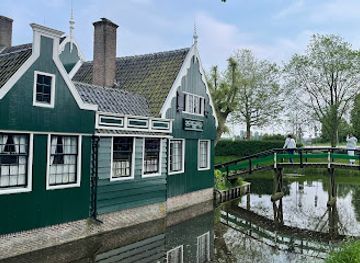
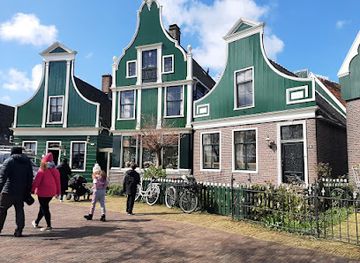
Zaanse Schans is not only known for its windmills but also for its rich cultural heritage. The area features traditional Dutch houses, most of which have been relocated from other parts of the region. These houses showcase the architectural style of the 18th and 19th centuries. Additionally, Zaanse Schans is home to various demonstrations of traditional crafts, such as clog-making, cheese production, and pewter casting, providing visitors with a hands-on experience of Dutch culture.
The Zaans Museum
Opened in 1994, the Zaans Museum offers a comprehensive view of the region's history and its influence on Dutch industrial development. The museum houses extensive collections, including paintings, artifacts, and interactive exhibits that narrate the story of Zaanse Schans and its industrial prowess. One of the highlights is the Verkade Experience, an interactive section dedicated to the famous Verkade biscuit and chocolate factory, which originated in the area.
Zaanse Schans in Photos
Browse through our photo collection highlighting the charm and character of the destination.
Neighbouring destination travel guides
The closest destinations to Zaanse Schans, if you have time for more than one.
-

-

-

-

-


Swipe for more destinations
Explore more

Explore more of Zaanstreek
Discover Zaanstreek: A picturesque region in the Netherlands offering a perfect blend of iconic windmills, traditional crafts, scenic waterways, and vibrant culture.
Explore Zaanstreek
Explore more of Netherlands
Discover the Netherlands: A blend of historic charm, artistic treasures, and scenic landscapes, perfect for an enriching travel experience.
Explore Netherlands