

Free North Holland Travel Guide & Mobile App
Explore North Holland with free travel guides. Discover regional history, expert tips, proposed trips, and audio guides on web or mobile app.


Explore North Holland for Amsterdam’s art and canals, historic towns, windmills, dune coast, cycling routes and the island landscapes of Texel.
Read more about North Holland
When is the best time to visit North Holland?
Best: June–August · 21–22°C| Month | High (°C) | Rainfall (mm) |
|---|---|---|
| January | 6 | 64 |
| February | 6 | 48 |
| March | 9 | 70 |
| April | 13 | 42 |
| May | 18 | 56 |
| June (best) | 21 | 70 |
| July (best) | 22 | 77 |
| August (best) | 22 | 77 |
| September | 19 | 82 |
| October | 15 | 86 |
| November | 10 | 84 |
| December | 7 | 80 |
Getting to and around North Holland
How to get there
Transportation
Top city travel guides in North Holland
The cities of North Holland, and the easiest places to base yourself.
-

-

-

-

-


Swipe for more cities
Destinations in North Holland
Resorts, valleys and scenic spots worth a trip of their own.
-

-

-

-

-


Swipe for more destinations
Best attractions in North Holland
North Holland offers an unusually varied concentration of attractions within a low-lying landscape shaped by water management. Amsterdam provides major collections of Dutch and international art, canal-side museums, historic houses and architectural walks, while Haarlem adds compact galleries, courtyards and civic buildings around its old centre. The Zaanse Schans, near Zaandam, introduces visitors to the region's windmill-powered industrial past through mills, workshops and traditional timber architecture. Further north, Alkmaar, Hoorn and Enkhuizen combine historic streets with museums explaining cheese trading, seafaring and life beside the former Zuiderzee. The province's outdoor attractions are equally important: Zuid-Kennemerland National Park and the Noordhollands Duinreservaat offer walking and cycling through dunes, woodland and open heath, while beaches run along much of the North Sea coast. Waterland, the Beemster and other polders reveal a landscape of canals, pasture and engineered horizons. Texel adds bird-rich wetlands, broad beaches and island nature, with opportunities for cycling, walking and wildlife observation. Activities and access vary by season, weather and conservation rules, so the region rewards visitors who combine major cultural institutions with time outdoors rather than attempting to see every attraction in one hurried itinerary.
-
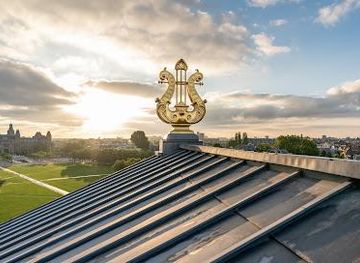
Concert hall
The Concertgebouw
Discover the enchanting world of music at The Concertgebouw, Amsterdam's iconic concert hall known for its stunning architecture and exceptional acoustics.
-
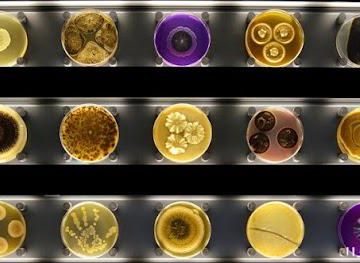
Science museum
Micropia
Discover the invisible world of microbes at Micropia, Amsterdam's unique science museum dedicated to the wonders of the microscopic universe.
-
 Cannabis store
Abraxas
Experience the unique blend of coffee and cannabis culture at Abraxas in the heart of Amsterdam, where relaxation meets local charm.
-
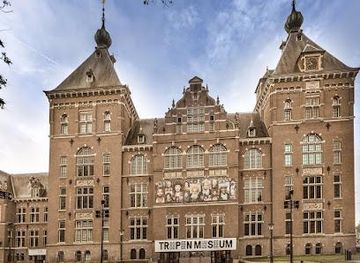
Museum
Wereldmuseum Amsterdam
Explore the diverse cultures of the world at Wereldmuseum Amsterdam, where history and art come together in a captivating experience.
Best landmarks in North Holland
The Amsterdam Canal Ring is North Holland's most recognisable urban landmark landscape, its seventeenth-century waterways and narrow merchant houses expressing the commercial wealth and planning of the Dutch Republic. In Haarlem, the Grote or St-Bavokerk dominates the Grote Markt, while the nearby medieval street pattern and almshouse courtyards convey the city's long civic history. Alkmaar's Waag, on the market square, symbolises the town's historic cheese trade, whereas Hoorn and Enkhuizen retain prominent harbour-front buildings from their former maritime prominence. The Beemster polder is a landmark of Dutch hydraulic engineering and Renaissance-style spatial planning, with straight roads, canals and agricultural plots created after the lake was drained. Around Zaandam, the surviving windmills and timber buildings of the Zaanse Schans represent the industrial landscape of the Zaan district, even though the site is arranged as a heritage setting rather than an unchanged historic village. Along the west, the North Sea dunes form a natural defensive landmark system, separating settlements and polders from the sea. Texel's lighthouse at the island's northern tip is another powerful visual marker, standing above the dunes and coastal flats near De Cocksdorp.
-
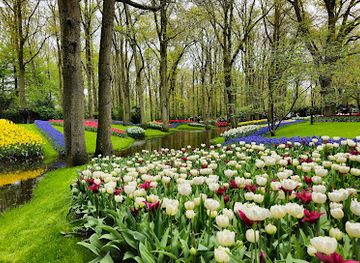
Botanical garden
Keukenhof
Experience the breathtaking beauty of millions of tulips and flowers at Keukenhof, the world-renowned botanical garden in Lisse, Netherlands.
-
Castle
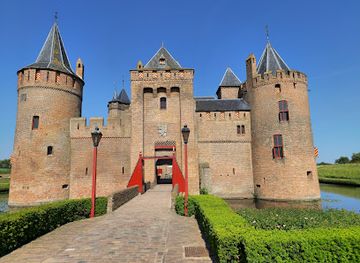
Muiderslot
Explore the majestic Muiderslot Castle, a stunning medieval fortress in the Netherlands, rich in history and surrounded by beautiful gardens.
-
Museum
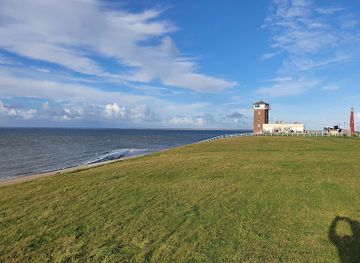
Fort Kijkduin
Explore the captivating Fort Kijkduin, where history meets marine life in a stunning coastal setting.
-
Tourist attraction
Rembrandt Monument
Explore the Rembrandt Monument in Amsterdam's vibrant Rembrandtplein, a stunning tribute to the legendary Dutch painter and a cultural hotspot.

Explore North Holland on the map
Plan your trip on one map. See where the top cities, national parks and sights are, and book hotels and experiences in a few clicks.
Best hotels in North Holland
Best restaurants in North Holland
North Holland's dining reflects both sea and polder. Amsterdam has the province's broadest range, from international restaurants and Indonesian-influenced cooking to traditional cafés, bakeries and modern Dutch menus. Along the coast and in former Zuiderzee towns, fish remains an important presence, including herring, smoked fish and North Sea catches, though menus change with season and supply. Alkmaar and surrounding dairy country are associated with Dutch cheese culture, while the Beemster is known for fertile agricultural land and its distinctive polder identity. Farm shops, markets and specialist food stores offer cheese, bread, seasonal vegetables and other regional produce. Haarlem and the historic harbour towns have many cafés and informal lunch spots, while rural areas are more likely to centre on pubs, inns and restaurants attached to farms or visitor sites. Texel has its own island-based produce, including lamb, dairy products and beer, alongside seafood and contemporary dining. Tipping is not obligatory in the Netherlands, but rounding up or leaving a modest amount for good service is customary.
-
Dutch
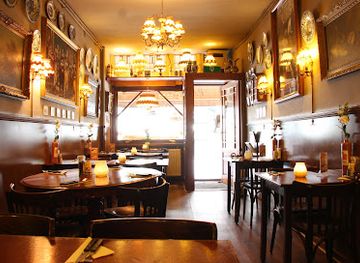
The Pantry
Experience authentic Dutch cuisine at The Pantry in Amsterdam – perfect for families and food lovers alike.
-
Dutch
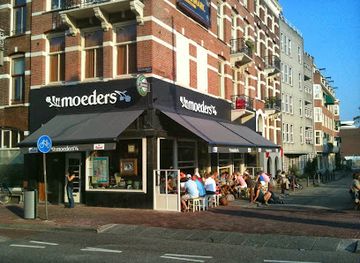
Moeders
Discover the essence of Dutch cuisine at Moeders, where traditional flavors meet a warm and inviting atmosphere.
-
Cookies
van Wonderen Stroopwafels
Amsterdam's stroopwafel sensation on Kalverstraat: Fresh, customizable waffles with 1907 family legacy, caramel bliss, and viral toppings amid bustling Centrum vibes.
-
Fine Dining
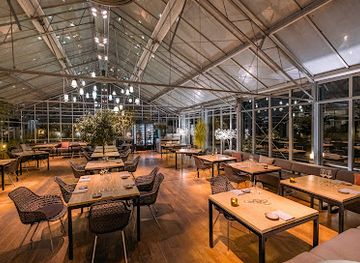
De Kas
Discover De Kas: A fine dining gem in Amsterdam's greenhouse offering seasonal dishes made from garden-fresh ingredients.

Best bars in North Holland
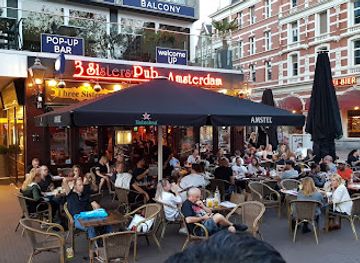
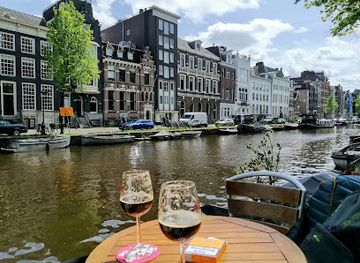
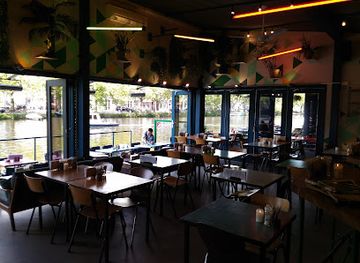
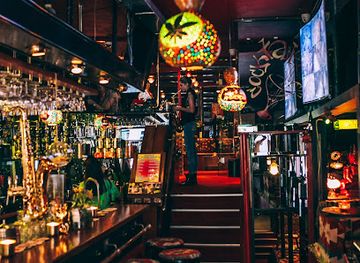
Evening life in North Holland ranges from Amsterdam's extensive bar, music and theatre scene to the quieter pub culture of smaller towns and villages. In the capital, nightlife is spread across central streets and neighbourhoods rather than confined to one single district, with brown cafés, cocktail bars, live music venues and late-night clubs subject to changing licensing and programme arrangements. Haarlem offers a more compact selection of cafés, beer bars, restaurants and music venues, while Alkmaar, Hoorn and Zaandam provide local evening scenes centred on historic squares and town-centre streets. Coastal resorts become busier in summer, particularly at weekends, but outside the holiday season evenings are generally calmer. On Texel and in rural North Holland, traditional pubs, restaurants, hotel bars and occasional live performances are more characteristic than large-scale clubbing. Check current entry policies and transport connections before staying out late, especially when travelling beyond the main cities.
-
Bar
Xtracold Icebar Amsterdam
Discover the unique Xtracold Icebar Amsterdam, a chilling bar experience where drinks are served in ice glasses amidst stunning ice sculptures.
-
Bar
Proeflokaal Arendsnest
Experience the heart of Dutch beer culture at Proeflokaal Arendsnest, a cozy bar offering a selection of local craft brews in a charming Amsterdam setting.
-
Bar
Waterkant
Experience the vibrant ambiance of Waterkant, a charming waterfront bar in Amsterdam, perfect for relaxation and local drinks.
-
Cocktail bar
Lost in Amsterdam Lounge Cafe & Cocktail Bar
Experience the vibrant atmosphere of Lost in Amsterdam, where exquisite cocktails meet live music in the heart of the city.
Best nightclubs in North Holland
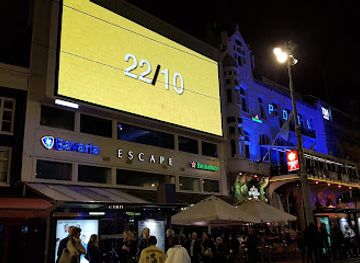
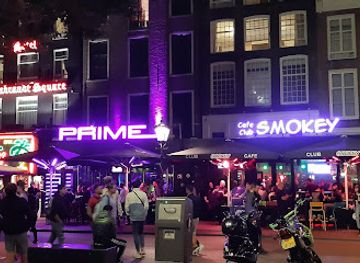
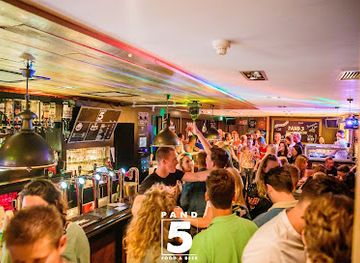
Evening life in North Holland ranges from Amsterdam's extensive bar, music and theatre scene to the quieter pub culture of smaller towns and villages. In the capital, nightlife is spread across central streets and neighbourhoods rather than confined to one single district, with brown cafés, cocktail bars, live music venues and late-night clubs subject to changing licensing and programme arrangements. Haarlem offers a more compact selection of cafés, beer bars, restaurants and music venues, while Alkmaar, Hoorn and Zaandam provide local evening scenes centred on historic squares and town-centre streets. Coastal resorts become busier in summer, particularly at weekends, but outside the holiday season evenings are generally calmer. On Texel and in rural North Holland, traditional pubs, restaurants, hotel bars and occasional live performances are more characteristic than large-scale clubbing. Check current entry policies and transport connections before staying out late, especially when travelling beyond the main cities.
-
Night club
Escape
Immerse yourself in the vibrant nightlife of Amsterdam at Escape, a premier night club with cocktails and electrifying music in the heart of the city.
-
Night club
Club Prime
Club Prime: Amsterdam's Ultimate Night Club for Unforgettable Nights of Dancing and Cocktails
-
Cafe
Club Noir Amsterdam
Dive into the vibrant nightlife of Amsterdam at Club Noir, where eclectic events and a lively atmosphere await every visitor.
-
Pub
Club Café De Gevel
Discover the vibrant nightlife of Schagen at Club Café De Gevel, where lively atmosphere meets great drinks and unforgettable experiences.

Best shops in North Holland
Shopping in North Holland ranges from Amsterdam's large department stores, independent boutiques and specialist streets to the smaller-scale retail of historic provincial towns. Amsterdam's canal districts and neighbourhoods offer fashion, design, books, antiques and galleries, while markets provide flowers, food and everyday goods; individual stalls and locations change, so check current arrangements locally. Haarlem is well suited to browsing independent shops in historic streets, with fashion, interiors, books and cafés close to the central market square. Alkmaar, Hoorn and Enkhuizen combine practical high streets with specialist food shops, antiques and regional souvenirs. Visitors looking for local products can seek out North Holland cheeses, bakery goods, mustard, fish products and items made from wool or other island produce on Texel. The Zaanstreek has craft and heritage shops associated with its windmill traditions, but purchases should be distinguished between genuinely local products and broadly Dutch souvenirs. Markets and small retailers may have different opening patterns from major city shops, and card acceptance is common but not universal at temporary stalls.
-
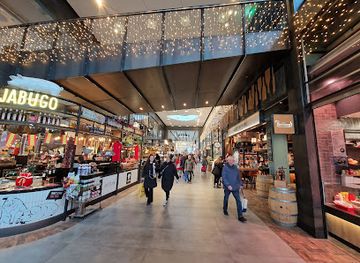
Shopping mall
Westfield Mall of the Netherlands
Experience unparalleled shopping, diverse dining, and vibrant entertainment at Westfield Mall of the Netherlands.
-
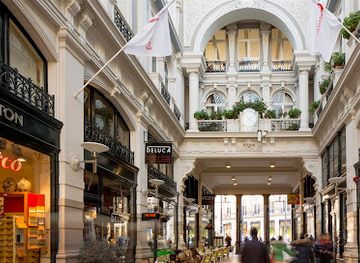
Shopping mall
The Passage
Explore The Passage in The Hague – a historical shopping arcade blending stunning architecture with a vibrant retail experience.
-
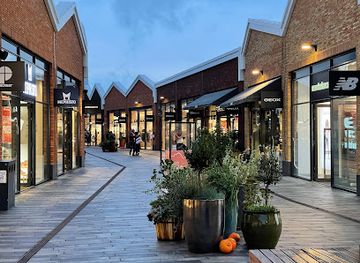
Outlet mall
Amsterdam The Style Outlets
Amsterdam The Style Outlets: Your ultimate shopping destination for discounted designer brands and unique finds in a vibrant setting.
-
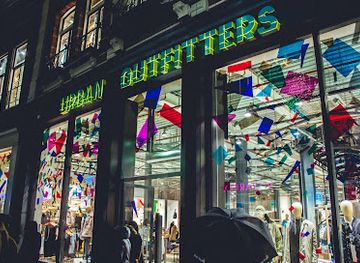
Clothing store
Urban Outfitters
Discover the eclectic styles of Urban Outfitters in Amsterdam, where fashion meets creativity and unique gifts await.
Get your free copy of our complete guide to North Holland, delivered straight to you.
Everything on this page, from attractions and restaurants to essentials and local phrases, in one PDF you can read offline, print or share.
Already have an account? Sign in
Your North Holland guide is ready.
We'll send it to · Not you? Sign out

Getting your guide ready…
We are putting together a fresh copy of the North Holland guide. This can take up to a minute.
This can take a few moments. If your browser asks, choose Allow so the download can start. You'll find the guide in your Downloads folder.
Nothing happened? Download it again
Sorry, the guide is taking longer than usual. Please try again in a minute, or get it by email instead.
North Holland essentials
Currency and Payment
Safety
Emergency Situations
Do's and Don'ts
Local Tips
From Eve
Local phrases worth knowing
You don't need to get them perfect. A few words go a long way, and locals appreciate the effort.
Basics
| English | Local | Say it |
|---|---|---|
| Hello | Hallo | [HAH-loh] |
| Goodbye | Tot ziens | [Tot zeens] |
| Yes | Ja | [Yah] |
| No | Nee | [Nay] |
| Please/You're welcome | Alstublieft | [Ahl-stoo-BLEEFt] |
| Thank you | Dank u | [Dahnk oo] |
| Excuse me/Sorry | Sorry | [SOR-ee] |
| How are you? | Hoe gaat het? | [Hoo ghaht het?] |
| Fine. And you? | Goed. En jij? | [Goot. En yay?] |
| Do you speak English? | Spreekt u Engels? | [Spreekt oo ENG-els?] |
| I don't understand | Ik begrijp het niet | [Ik buh-GRIPE het neet] |
Eating & Drinking
| English | Local | Say it |
|---|---|---|
| I'd like to see the menu, please | Ik zou graag de menukaart willen zien, alstublieft | [Ik zouw ghrakh de meh-NU-kart wil-len zeen, AHL-stoo-BLEEFt] |
| I don't eat meat | Ik eet geen vlees | [Ik eet ghen vlay-s] |
| Cheers! | Proost! | [Prohst!] |
| I would like to pay, please | Ik zou graag betalen, alstublieft | [Ik zouw ghrakh beh-TAH-len, AHL-stoo-BLEEFt] |
Emergencies
| English | Local | Say it |
|---|---|---|
| Help! | Help! | [Help!] |
| Go away! | Ga weg! | [Gah vehg!] |
| Call the Police! | Bel de politie! | [Bel de po-LEE-tsee!] |
| Call a doctor! | Bel een dokter! | [Bel uhn DOK-ter!] |
| I'm lost | Ik ben verdwaald | [Ik ben ver-DWAHLD] |
| I'm ill | Ik ben ziek | [Ik ben zeek] |
Shopping
| English | Local | Say it |
|---|---|---|
| I'd like to buy... | Ik zou graag ... kopen | [Ik zouw ghrakh ... KOH-pen] |
| I'm just looking | Ik kijk alleen maar | [Ik kike ah-LAY-en mahr] |
| How much is it? | Hoeveel kost het? | [Hoo-veel kost het?] |
| That's too expensive | Dat is te duur | [Daht is te door] |
| Can you lower the price? | Kunt u de prijs verlagen? | [Kunt oo de prays ver-LAH-ghen?] |
Time & Numbers
| English | Local | Say it |
|---|---|---|
| What time is it? | Hoe laat is het? | [Hoo laht is het?] |
| It's one o'clock | Het is één uur | [Het is ayn oor] |
| Half past (10) | Half elf | [Half elf] |
| Morning | Ochtend | [OKH-tent] |
| Afternoon | Middag | [MID-dahg] |
| Evening | Avond | [AH-vond] |
| Yesterday | Gisteren | [GHEES-ter-en] |
| Today | Vandaag | [VAN-dahg] |
| Tomorrow | Morgen | [MOR-ghen] |
| 1 | 1 | [EEN] |
| 2 | 2 | [TWEI] |
| 3 | 3 | [DRIE] |
| 4 | 4 | [VIER] |
| 5 | 5 | [VIJF] |
| 6 | 6 | [ZES] |
| 7 | 7 | [ZEVEN] |
| 8 | 8 | [ACHT] |
| 9 | 9 | [NEGEN] |
| 10 | 10 | [TIEN] |
Transport & Directions
| English | Local | Say it |
|---|---|---|
| Where's a/the...? | Waar is een ...? | [Vahr is uhn ...?] |
| What's the address? | Wat is het adres? | [Vahd is het ah-DRES?] |
| Can you show me (on the map)? | Kunt u me (op de kaart) laten zien? | [Kunt oo meh (op de kart) LAH-ten zeen?] |
| When's the next (bus)? | Wanneer komt de volgende (bus)? | [Vahn-neer komt de VOL-gende (bus)?] |
| A ticket (to ....) | Een ticket (naar ...) | [Uhn TICK-et (nahr ...)] |
History of North Holland
Early settlement and Roman Frisia
North Holland's coast, river margins and elevated geest soils attracted settlement long before the modern province existed. In the Roman period, the region lay on the northern edge of the empire, with the Rhine forming an important frontier farther south and communities in the coastal and marshy landscapes maintaining their own traditions. After Roman administration receded, Frisian-speaking populations became influential across the northern Netherlands. Archaeology, terp settlements and traces of changing shorelines show how communities adapted to flooding, saltwater intrusion and shifting channels. The province's later identity was shaped by this long relationship between settlement, agriculture and water.
Medieval water management and the rise of towns
From the eleventh century onwards, growing populations organised drainage, dike building and the management of lakes and tidal waters. Religious houses and local lords helped develop reclaimed land, while fishing, shipping and regional trade supported settlements such as Haarlem, Alkmaar, Hoorn and Enkhuizen. Town privileges encouraged markets and crafts, and Haarlem became an important centre for brewing, textiles and administration. Water management was never a finished project: drainage protected farmland but could also cause subsidence, creating the permanent need for coordinated boards, dikes, sluices and pumping.
The County of Holland and maritime expansion
North Holland formed the northern part of the medieval County of Holland, whose rulers strengthened castles, towns and administrative control between the coast and the inland waterways. The location of ports on the former Zuiderzee connected the region to the Baltic, the North Sea and wider European trade. Hoorn and Enkhuizen became particularly important maritime centres, while Amsterdam grew from a smaller settlement around a dam in the Amstel into a powerful commercial town. These developments established the urban and trading networks that would later support the Dutch Republic.
The Dutch Golden Age, seventeenth century
During the seventeenth century, Holland was the economic core of the Dutch Republic, and North Holland benefited from shipping, finance, fishing, shipbuilding and overseas trade. Amsterdam's canal ring, laid out during a period of rapid expansion, reflects the wealth and planning ambitions of the era. Haarlem prospered through commerce, brewing, textile production and painting, while ports on the Zuiderzee connected inland markets with international routes. The period also brought inequality, colonial exploitation and global conflict; the region's museums and architecture preserve only part of a much wider and contested history.
Polders, reclamation and industrialisation
Large-scale reclamation transformed the province's geography. The Beemster, drained in the early seventeenth century, became a carefully planned polder of straight roads, canals and agricultural plots. Later drainage projects created further farmland, while the Zaan district developed an exceptional concentration of wind-powered industrial mills processing timber, oilseeds, grain and other materials. From the nineteenth century, steam power, railways and modern factories changed the relationship between the towns and the countryside. The resulting landscapes combine engineered water systems with industrial traces that remain visible in the Zaanstreek and reclaimed polders.
The Zuiderzee Works and modern North Holland
The twentieth century brought major changes to the province's eastern edge. The Afsluitdijk, completed in 1932 outside North Holland but transformative for the wider former Zuiderzee, converted the open inlet into the IJsselmeer and reduced tidal flooding. In North Holland, new polders and waterways altered traditional fishing economies, while Amsterdam expanded as a national transport, cultural and financial centre. Post-war housing, horticulture, tourism and infrastructure reshaped the province, yet historic towns, working harbours, dunes and carefully managed water landscapes continue to express older regional patterns.
North Holland in Photos
Browse through our photo collection highlighting the charm and character of the destination.
Neighbouring regions of North Holland
The closest regions to North Holland, if you have time for more than one.
-

-

-

-

-


Swipe for more regions
Explore more

Explore more of Netherlands
Discover the Netherlands: A blend of historic charm, artistic treasures, and scenic landscapes, perfect for an enriching travel experience.
Explore Netherlands