

Death Valley National Park, Death Valley Travel Guide
Experience the extreme beauty and diverse landscapes of Death Valley National Park, a must-see destination for every adventure-loving traveler.
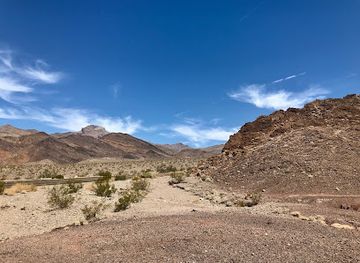
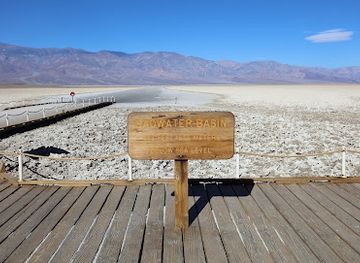
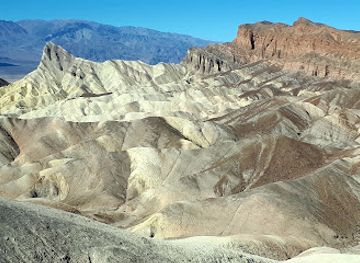
Death Valley National Park, a mesmerizing expanse of rugged terrain and stunning landscapes, invites tourists to experience its unique beauty. From its iconic sand dunes to the rugged mountains and vibrant salt flats, this national park is a treasure trove of natural wonders. Visitors can hike through trails that lead to breathtaking viewpoints, explore the rich biodiversity, and witness the dramatic color shifts at sunrise and sunset. Whether you're an adventure seeker or a nature lover, Death Valley offers an unforgettable journey into one of the hottest places on Earth, where every corner reveals a new marvel.
A brief summary to Death Valley National Park

Know before you go
Hi, I'm Eve. Here are a few practical things to know before exploring Death Valley National Park.
- Visit during the cooler months, from October to April, for the best experience.
- Bring plenty of water, sun protection, and snacks, as amenities can be limited.
- Don't miss sunrise or sunset for spectacular lighting and fewer crowds.
- Explore lesser-known trails for a more secluded experience.
- Be prepared for extreme temperature changes; layers are recommended.
Do you manage this location?
Take control to get all the benefits, like improved information, better appearance, and stronger visibility across AI-powered discovery. Learn more about listing your business on Evendo
Activate your presenceOther nearby places you may find interesting
The closest places of the same kind, if this one is not quite what you had in mind.


Explore Death Valley National Park on the Map
A handpicked selection of must-see spots near Death Valley National Park, mapped for you.
Unlock the Best of Death Valley National Park
Buy tickets
-
No tickets available
Book tours with entry


Getting There
-
Car
To explore Death Valley National Park by car, start by entering the park through the Furnace Creek Visitor Center, which is located at 36.5054° N, 117.0794° W. From the main highway (CA-190), turn into the Visitor Center where you can get maps and current conditions. If you're coming from Las Vegas (about 2 hours away), take I-15 S, then exit onto CA-373 S, and finally merge onto CA-190 E to reach the park entrance. Ensure to check for any park entrance fees, which are $30 per vehicle for a 7-day pass.
-
Public Transportation
If you are using public transit, your best option is to take a Greyhound bus to Las Vegas. From there, you may need to rent a car or join a tour that goes to Death Valley, as public transportation directly into the park is limited. Ensure to book your rental car in advance and check the costs, as they can vary depending on demand.
-
Biking
For the adventurous, biking into Death Valley can be a thrilling experience. However, be aware that this requires preparation. You can bike from Furnace Creek or the surrounding areas, but ensure that you carry sufficient water and check the weather conditions, as temperatures can be extreme.
Discover more about Death Valley National Park
More to explore near Death Valley National Park













Your all‑in‑one travel companion app
Explore expert travel guides, compare and book tours, experiences, hotels, and more—all from the palm of your hand. Download now for seamless trip planning wherever your wanderlust takes you.


Explore More of Death Valley
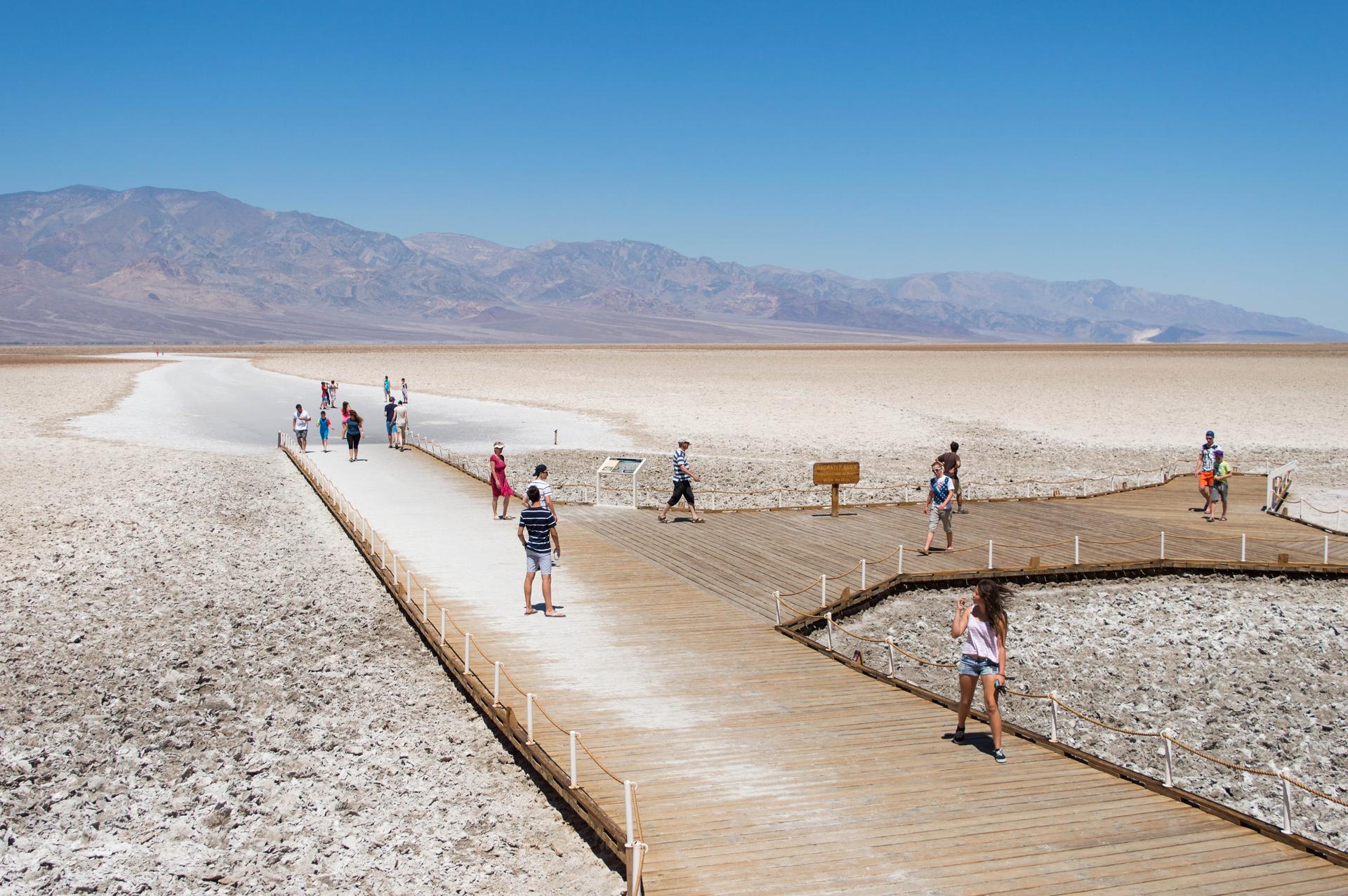
Looking beyond Death Valley National Park? Discover Death Valley for broader travel guides, local hot-spots, and regional highlights.
Explore Death Valley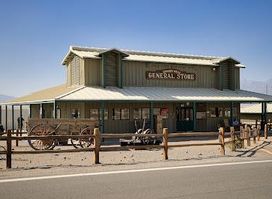
Experience the breathtaking beauty and rich history of Stovepipe Wells in Death Valley National Park, a must-visit oasis for every traveler.
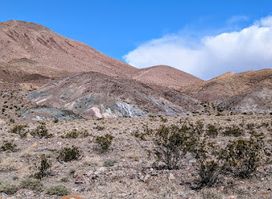
Discover the stunning landscapes and unique ecosystems of Death Valley Wilderness, a natural gem in California's Death Valley National Park.
