
Death Valley, Nevada Travel Guide
Explore Death Valley: A breathtaking desert landscape in Nevada, known for its extreme temperatures, stunning vistas, and unique geological formations.
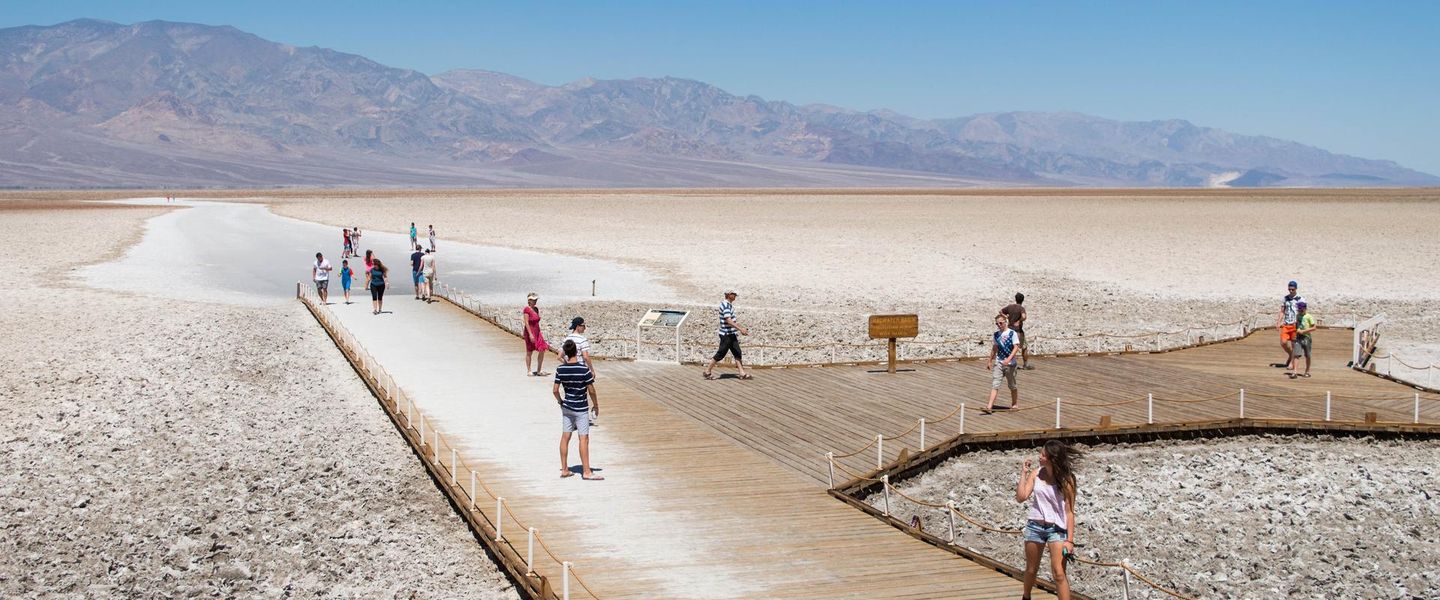
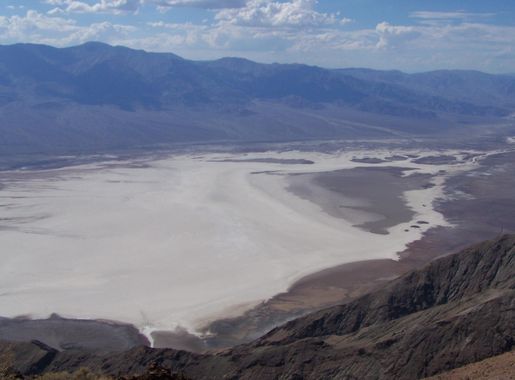
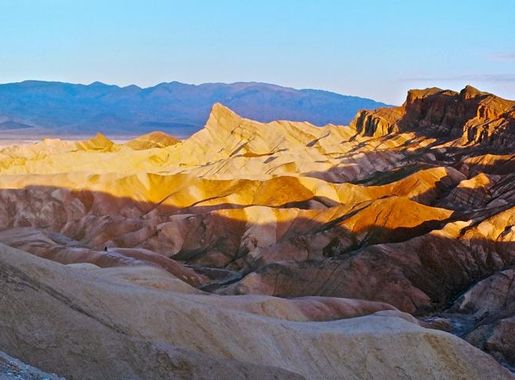
Death Valley, located in Nevada, United States, is one of the most unique and captivating places on Earth. Known for its extreme temperatures and dramatic landscapes, this desert valley is a must-visit for adventurers and nature lovers alike. From the salt flats of Badwater Basin, the lowest point in North America, to the towering sand dunes of Mesquite Flat, the valley offers a range of breathtaking sights that are unlike anywhere else in the world. Visitors can explore scenic drives like Artists Drive, a one-way road that winds through colorful hills, or take a hike to the stunning Zabriskie Point for panoramic views of the golden badlands. The historic Scotty's Castle, a Spanish-style mansion, adds a touch of human history to the valley's natural wonders. Stargazing in Death Valley is another unforgettable experience, as it is one of the darkest places in the United States, offering clear views of the Milky Way. Despite its harsh environment, Death Valley is home to diverse wildlife and plant species that have adapted to the extreme conditions. Springtime brings a surprising burst of color with wildflowers blooming across the desert floor. For those seeking adventure, there are numerous trails for hiking, biking, and even off-roading. Whether you're looking to marvel at geological formations, enjoy a quiet moment of solitude, or challenge yourself with outdoor activities, Death Valley has something to offer every traveler.

Know before you go
Hi, I'm Eve. Here are a few practical things to know before exploring Death Valley.
- Visit during the cooler months (November to March) to avoid extreme heat.
- Bring plenty of water, as dehydration is a common risk in the desert.
- Check for road closures and weather conditions before you go.
- Wear sun protection, including a hat and sunscreen, to avoid sunburn.
- Plan your stargazing around the new moon for the darkest skies.
Destinations in Death Valley
Resorts, valleys and scenic spots worth a trip of their own.

Explore Death Valley: Things to Do, Places to Eat, Hotels & More
Handpicked recommendations for top attractions, local dining, accommodations, and more

Top Attractions & Sightseeing in Death Valley
Top-rated picks
Best Attractions

Death Valley National Park
Experience the extreme beauty and diverse landscapes of Death Valley National Park, a must-see destination for every adventure-loving traveler.

Badwater Basin
Explore Badwater Basin, the lowest point in North America, where stunning salt flats meet dramatic mountain backdrops in Death Valley National Park.

Furnace Creek Visitor Center
Experience the heart of Death Valley at the Furnace Creek Visitor Center, where adventure meets desert beauty and rich history.

Dante’s View
Explore the breathtaking views from Dante's View in Death Valley National Park, where desert beauty meets stunning vistas.

Best restaurants in Death Valley
Top-rated picks
Best Restaurants

The Inn at Death Valley
Discover unparalleled comfort and breathtaking landscapes at The Inn at Death Valley – your perfect desert escape.

The Ranch at Death Valley
Experience unparalleled comfort and breathtaking views at The Ranch at Death Valley, your perfect getaway in California's stunning desert landscape.

Stovepipe Wells Village Hotel
Experience comfort and adventure at Stovepipe Wells Village Hotel in Death Valley National Park – your gateway to stunning desert landscapes.

Last Kind Words Saloon
Experience rustic charm and mouthwatering steak dishes at Last Kind Words Saloon in Death Valley National Park.

Best bars in Death Valley
Top-rated picks
Best Bars

The Inn at Death Valley
Discover the charm and adventure of The Inn at Death Valley, a luxurious oasis nestled in the heart of one of America's most breathtaking national parks.

The Ranch at Death Valley
Experience the beauty of the desert at The Ranch at Death Valley, a luxurious resort hotel nestled in the heart of California's stunning national park.

Mountain Springs Saloon
Discover the vibrant nightlife at Mountain Springs Saloon, a lively bar in the Nevada desert offering great drinks, live music, and a welcoming atmosphere.

Stovepipe Wells Village Hotel
Discover the desert magic at Stovepipe Wells Village Hotel, your gateway to adventure in Death Valley National Park.

Best shops in Death Valley
Top-rated picks
Best Shops

Furnace Creek Visitor Center
Explore the Furnace Creek Visitor Center in Death Valley National Park – your gateway to stunning landscapes and rich history.

Area 51 Alien Center
Explore the unique blend of alien lore and local culture at the Area 51 Alien Center, a must-visit stop for tourists in Nevada's desert.

The Grove Cannabis Dispensary Pahrump
Experience the best in cannabis and alternative medicine at The Grove Cannabis Dispensary, a must-visit in Pahrump, Nevada.

The Inn at Death Valley
Discover unparalleled luxury and natural beauty at The Inn at Death Valley, your perfect retreat in the heart of the desert.

Explore Death Valley on the Map
A handpicked selection of must-see spots in Death Valley, mapped for you.
Death Valley Essentials
-
Death Valley is located in eastern California, near the Nevada border. The closest major airports are McCarran International Airport (LAS) in Las Vegas, Nevada, and Los Angeles International Airport (LAX) in California. From Las Vegas, Death Valley is approximately a 2-hour drive via US-95 N and NV-373 S. If you're coming from Los Angeles, it’s about a 4 to 5-hour drive via I-15 N and CA-127 N. Car rentals are available at both airports for the journey.
-
Due to Death Valley's vast and remote nature, having a vehicle is essential for getting around. There is no public transportation within the park itself. Car rentals are available in nearby cities like Las Vegas or Los Angeles. Make sure your vehicle is in good condition, as cell service can be spotty and roadside assistance may take a while to reach you. Some visitors also opt for guided tours which provide transportation.
-
The official currency is the United States Dollar (USD). Credit cards are widely accepted at visitor centers, gas stations, and hotels within Death Valley. However, it's advisable to carry some cash, especially if you plan to visit more remote areas where card readers might not be available. ATMs are scarce within the park, so withdraw cash in nearby towns before entering.
-
Death Valley is generally safe for tourists, but it’s essential to take precautions due to its harsh environment. Always carry plenty of water, sunscreen, and a hat to protect against the sun. Avoid hiking during peak heat hours (10 AM to 4 PM) and never venture off marked trails. Be aware of your surroundings and avoid isolated areas late at night. While crime rates targeting tourists are low, always secure your belongings and lock your vehicle.
-
In case of an emergency, dial 911. The nearest medical facilities are located in Pahrump, Nevada, and Lone Pine, California. For minor injuries, first aid is available at Furnace Creek Visitor Center. Always carry a map and let someone know your itinerary. It is advisable to have travel insurance that covers medical emergencies and evacuation.
-
Fashion: Do wear lightweight, light-colored clothing to reflect sunlight. Don’t wear heavy or dark clothing that can absorb heat. Religion: There are no specific religious customs to observe in Death Valley. Public Transport: There is no public transport within Death Valley, so plan accordingly. Greetings: Do greet fellow hikers and travelers with a friendly nod or wave. Eating & Drinking: Do carry sufficient snacks and water; don't rely on finding food and water within the park. Don't leave trash behind; always pack out what you pack in.
-
To experience Death Valley like a local, start your day early to catch the sunrise at Zabriskie Point. Visit during the off-peak months (November to March) to avoid extreme heat and larger crowds. Stargazing is phenomenal due to minimal light pollution, so bring a telescope or binoculars. Engage with park rangers during interpretive programs to learn more about the park's history and geology. Visit lesser-known spots like Dante's View for breathtaking panoramic views.
When is the best time to visit Death Valley?
Useful Local Phrases for Death Valley
You don't need to speak the language perfectly. Even learning a few simple words can make conversations warmer—and locals usually appreciate the effort.
— Eve

Here are the phrases I use most often in Death Valley. Try a few—you'll be surprised how far they go! 😊
❤️
-
- HelloHowdy
[haʊdi] - GoodbyeSee ya
[si jə] - YesYup
[jʌp] - NoNah
[nɑ] - Please/You're welcomeSure thing
[ʃʊr θɪŋ] - Thank youThanks
[θæŋks] - Excuse me/SorryPardon me
[ˈpɑrdən mi] - How are you?How's it going?
[haʊz ɪt ˈgoʊɪŋ] - Fine. And you?Good. You?
[ɡʊd. ju?] - Do you speak English?Do ya speak English?
[du jə spiːk ˈɪŋɡlɪʃ] - I don't understandI ain't got it
[aɪ eɪnt ɡɑt ɪt]
- HelloHowdy
-
- I'd like to see the menu, pleaseCan I check out the menu?
[kæn aɪ tʃɛk aʊt ðə ˈmɛnju] - I don't eat meatI'm a vegetarian
[aɪm ə ˌvɛdʒəˈtɛriən] - Cheers!Cheers!
[ʧɪrz] - I would like to pay, pleaseI wanna settle up
[aɪ ˈwɑnə ˈsɛtəl ʌp]
- I'd like to see the menu, pleaseCan I check out the menu?
-
- Help!Help!
[hɛlp] - Go away!Beat it!
[biːt ɪt] - Call the Police!Call the cops!
[kɔl ðə kɑps] - Call a doctor!Get a doctor!
[ɡɛt ə ˈdɑktər] - I'm lostI'm turned around
[aɪm tɜrnd əˈraʊnd] - I'm illI'm not feeling well
[aɪm nɑt ˈfiːlɪŋ wɛl]
- Help!Help!
-
- I'd like to buy...I wanna buy...
[aɪ ˈwɑnə baɪ] - I'm just lookingJust browsing
[dʒʌst ˈbraʊzɪŋ] - How much is it?What's the price?
[wʌts ðə praɪs] - That's too expensiveThat's way too pricey
[ðæts weɪ tu ˈpraɪsi] - Can you lower the price?Can you cut me a deal?
[kæn jə kʌt mi ə dil]
- I'd like to buy...I wanna buy...
-
- What time is it?What's the time?
[wʌts ðə taɪm] - It's one o'clockIt's one
[ɪts wʌn] - Half past (10)Half past ten
[hæf pæst tɛn] - MorningMorning
[ˈmɔrnɪŋ] - AfternoonAfternoon
[ˌɑftərˈnun] - EveningEvening
[ˈivnɪŋ] - YesterdayYesterday
[ˈjɛstərdeɪ] - TodayToday
[təˈdeɪ] - TomorrowTomorrow
[təˈmɑroʊ] - 1One
[wʌn] - 2Two
[tu] - 3Three
[θri] - 4Four
[fɔr] - 5Five
[faɪv] - 6Six
[sɪks] - 7Seven
[ˈsɛvən] - 8Eight
[eɪt] - 9Nine
[naɪn] - 10Ten
[tɛn]
- What time is it?What's the time?
-
- Where's a/the...?Where's the...?
[wɛrz ðə...?] - What's the address?What's the address?
[wʌts ði əˈdrɛs] - Can you show me (on the map)?Can you point it out?
[kæn jə pɔɪnt ɪt aʊt] - When's the next (bus)?When's the next ride?
[wɛn'z ðə nɛkst raɪd] - A ticket (to ....)A ticket (to ....)
[ə ˈtɪkɪt (tu ....)]
- Where's a/the...?Where's the...?
History of Death Valley
-
The original inhabitants of Death Valley, the Timbisha Shoshone Tribe, have lived in the region for over a thousand years. Their culture and way of life were closely tied to the harsh desert environment. They utilized the area's natural resources, including mesquite beans, pinyon nuts, and game, to sustain themselves. The Timbisha Shoshone have a deep spiritual connection to the land, which they consider sacred.
-
During the California Gold Rush of the mid-19th century, a group of pioneers known as the '49ers' notoriously took a shortcut through Death Valley. This ill-fated journey in 1849 nearly ended in disaster as they faced extreme heat, limited water, and difficult terrain. Despite the hardships, some of these pioneers survived and continued on to California, leaving behind tales of their harrowing journey.
-
In the late 19th century, the discovery of borax in Death Valley led to a mining boom. Borax, also known as 'white gold,' was a valuable mineral used in various household products. The famed 20-mule team wagons were employed to transport borax from the mines to the nearest railroad, a journey that took 10 days. This era significantly impacted the region's economy and left a lasting legacy, immortalized by the 20-Mule Team Borax brand.
-
Scotty's Castle, a lavish Spanish-style mansion, was built in the 1920s by Albert Johnson, a wealthy insurance executive. The mansion is named after Walter Scott, also known as 'Death Valley Scotty,' a local conman and entertainer who claimed to have financed the castle through his gold mine fortune. In reality, Johnson funded the construction as a vacation retreat. The castle remains a popular tourist attraction, offering a glimpse into the opulent lifestyle of the era.
-
In 1933, President Herbert Hoover designated Death Valley as a National Monument to protect its unique geological features and diverse ecosystems. This designation marked the beginning of federal efforts to preserve the area's natural beauty and cultural heritage. The National Monument status helped to boost tourism and brought increased attention to the region's historical significance.
-
In 1994, Death Valley was elevated from a National Monument to a National Park, significantly expanding its protected area. This change was part of the California Desert Protection Act, which aimed to safeguard the state's vast desert landscapes. As a National Park, Death Valley now encompasses over 3 million acres, including salt flats, sand dunes, badlands, valleys, canyons, and mountains, making it one of the largest national parks in the United States.
-
The Furnace Creek Inn, built in 1927, stands as a testament to Death Valley's early tourism industry. This historic hotel, now known as The Oasis at Death Valley, offered luxurious accommodations in the heart of the desert. Designed to attract wealthy tourists, the inn featured lush gardens, spring-fed pools, and stunning views. It played a crucial role in promoting Death Valley as a premier travel destination during the early 20th century.
Neighbouring Regions of Death Valley
The closest regions to Death Valley, if you have time for more than one.



Your all‑in‑one travel companion app
Explore expert travel guides, compare and book tours, experiences, hotels, and more—all from the palm of your hand. Download now for seamless trip planning wherever your wanderlust takes you.


Explore More of Nevada

Looking beyond Death Valley? Discover Nevada for broader travel guides, local hot-spots, and regional highlights.
Explore NevadaDeath Valley in Photos
Browse through our photo collection highlighting the charm and character of the destination.



The Mystique of Death Valley: Nature's Extreme Playground
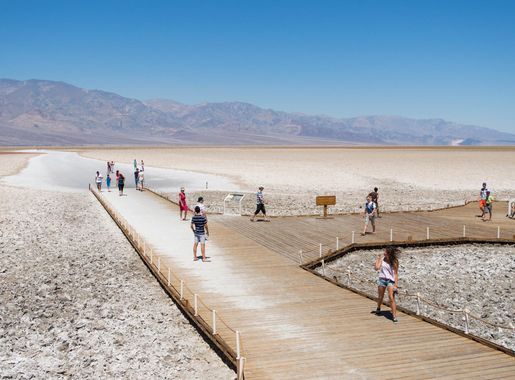
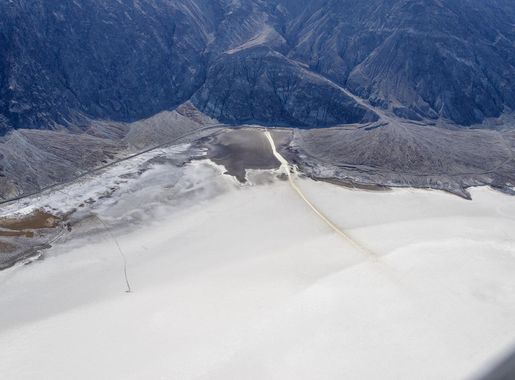
Death Valley, located in Nevada, United States, is one of the most unique and captivating places on Earth. Known for its extreme temperatures and dramatic landscapes, this desert valley is a must-visit for adventurers and nature lovers alike. From the salt flats of Badwater Basin, the lowest point in North America, to the towering sand dunes of Mesquite Flat, the valley offers a range of breathtaking sights that are unlike anywhere else in the world. Visitors can explore scenic drives like Artists Drive, a one-way road that winds through colorful hills, or take a hike to the stunning Zabriskie Point for panoramic views of the golden badlands. The historic Scotty's Castle, a Spanish-style mansion, adds a touch of human history to the valley's natural wonders. Stargazing in Death Valley is another unforgettable experience, as it is one of the darkest places in the United States, offering clear views of the Milky Way. Despite its harsh environment, Death Valley is home to diverse wildlife and plant species that have adapted to the extreme conditions. Springtime brings a surprising burst of color with wildflowers blooming across the desert floor. For those seeking adventure, there are numerous trails for hiking, biking, and even off-roading. Whether you're looking to marvel at geological formations, enjoy a quiet moment of solitude, or challenge yourself with outdoor activities, Death Valley has something to offer every traveler.