

Free Kouaoua Travel Guide & Mobile App
Explore Kouaoua with free travel guides. Discover regional history, expert tips, proposed trips, and audio guides on web or mobile app.


Kouaoua reveals New Caledonia’s tropical east coast through Kanak culture, nickel heritage, forested valleys and a distinctive mining landscape.
Read more about Kouaoua
When is the best time to visit Kouaoua?
Best: June, August–September · 23–24°C| Month | High (°C) | Rainfall (mm) |
|---|---|---|
| January | 30 | 220 |
| February | 30 | 230 |
| March | 30 | 210 |
| April | 28 | 190 |
| May | 25 | 170 |
| June (best) | 23 | 150 |
| July | 22 | 140 |
| August (best) | 23 | 130 |
| September (best) | 24 | 140 |
| October | 26 | 160 |
| November | 28 | 180 |
| December | 29 | 200 |
Getting to and around Kouaoua
How to get there
Transportation
Best attractions in Kouaoua
Kouaoua’s attractions are shaped by its setting rather than by a large concentration of formal visitor facilities. The principal point of interest is the distinctive serpentine ore conveyor, or téléphérique, associated with the commune’s nickel mines. It provides a visual introduction to the engineering and transport systems that have supported extraction in the surrounding mountains, although visitors must respect restricted areas and active industrial operations. The wider mining landscape, with its red earth and forested slopes, is best observed from safe public viewpoints and roads rather than approached independently. The Kouaoua valley and nearby east-coast scenery offer opportunities for photography, birdwatching, scenic driving and quiet outdoor exploration. Rivers, wooded hills and humid vegetation create a marked contrast with the drier western side of Grande Terre. The commune can also serve as a base or stopping point for discovering the character of the North Province, particularly its rural settlements and coastal roads. Outdoor plans should be made with local advice because access, weather and water conditions vary, while customary land is not automatically public land. Kouaoua is therefore most rewarding for travellers interested in landscape, industrial heritage and cultural context rather than a conventional schedule of ticketed attractions.
-
Tourist attraction
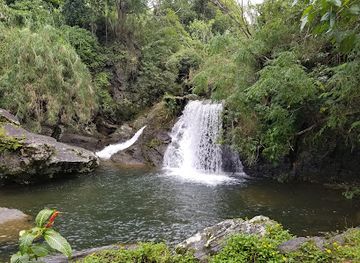
Cascade de Ny
Explore the serene waters of Cascade de Ny, a breathtaking waterfall in Bourail, New Caledonia, perfect for nature lovers and adventurers alike.
Best landmarks in Kouaoua
The Kouaoua téléphérique is the commune’s most recognisable constructed landmark. Its long, winding alignment across the mining terrain records the practical challenge of moving nickel ore from elevated extraction areas towards the coast and gives Kouaoua an industrial profile unlike many other rural communities in New Caledonia. The surrounding red-earth mine slopes are also significant landscape markers, revealing the geology that made the region important to the nickel economy; they should be viewed from authorised public areas rather than entered. Beyond industry, the Kouaoua valley and its river corridors are important natural reference points, framed by the steep, humid ranges of Grande Terre’s eastern side. They express the contrast between the island’s mineral uplands, tropical vegetation and Pacific-facing settlements. Local churches, civic buildings and community spaces may have importance for residents, but they should be approached as working places rather than treated automatically as tourist monuments. The most meaningful landmarks here are therefore connected: the conveyor, the mine country, the valley and the living communities that have shaped the area’s identity.
-
Aquarium
Lagoon Aquarium
Explore the vibrant marine life of New Caledonia at Lagoon Aquarium, a captivating tourist attraction in Nouméa.
-
City park
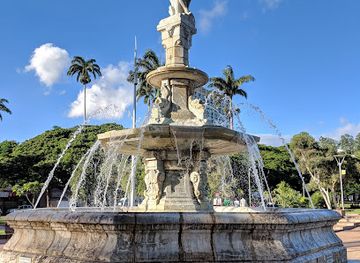
Place des Cocotiers
Discover the enchanting beauty of Place des Cocotiers, a lush city park in Nouméa that combines leisure, culture, and natural splendor.
-
Cultural center
Tjibaou Cultural Centre
Discover the Tjibaou Cultural Centre, a stunning architectural gem showcasing the vibrant art and traditions of New Caledonia's Kanak heritage.
-
Tourist attraction
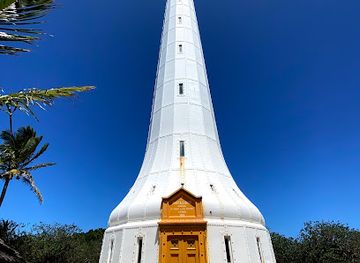
Amédée Lighthouse
Experience the breathtaking views and rich history of Amédée Lighthouse, a stunning landmark in New Caledonia's picturesque landscape.
Explore Kouaoua on the map
Plan your trip on one map. See where the top cities, national parks and sights are, and book hotels and experiences in a few clicks.
Best hotels in Kouaoua
Best restaurants in Kouaoua
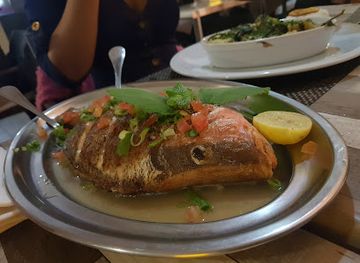
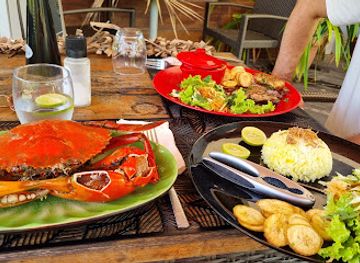
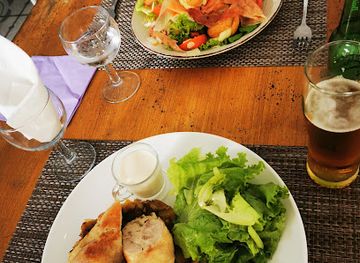
Dining in Kouaoua is modest and locally oriented, with fewer formal restaurants and cafés than in Nouméa or the larger towns of Grande Terre. Visitors should expect simple meals, takeaway options or accommodation-based food rather than a broad restaurant scene, and it is sensible to carry provisions when travelling through the east-coast interior. New Caledonian cooking reflects French, Melanesian and wider Pacific influences, with rice, seasonal vegetables, seafood and grilled meats commonly appearing in everyday meals. In rural communities, locally sourced produce and shared dishes may be more significant than elaborate presentation. Bougna, a Kanak dish traditionally made with ingredients such as root vegetables, coconut milk and meat or fish, is associated with customary cuisine across New Caledonia, but it should not be treated as an everyday restaurant special or ordered without checking availability. Markets and roadside purchasing opportunities vary, so travellers should buy fresh food respectfully and avoid assuming that a small community operates as a permanent food outlet.
-
Restaurant
Marmite et Tire-Bouchon
Experience the best of New Caledonian cuisine at Marmite et Tire-Bouchon – where local flavors meet French elegance.
-
Restaurant
Le Roof
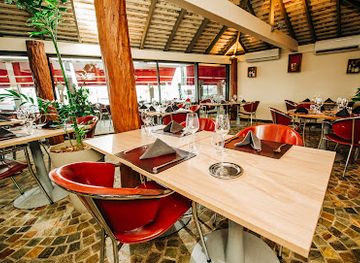
Experience exquisite dining at Le Roof in Nouméa, where fresh seafood meets stunning lagoon views for an unforgettable meal.
-
Restaurant
Le Faré du Palm Beach
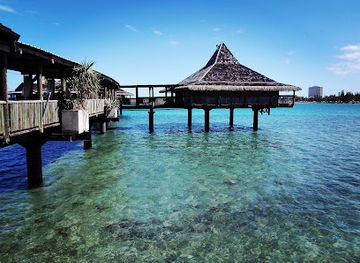
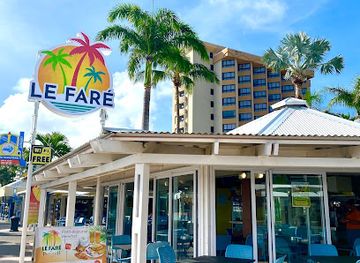
Experience exquisite dining with breathtaking ocean views at Le Faré du Palm Beach in Nouméa – where flavors meet paradise.
-
Restaurant
La Table des Gourmets
Experience gourmet dining at La Table des Gourmets in Nouméa, where local flavors meet culinary excellence in an enchanting setting.
Best bars in Kouaoua
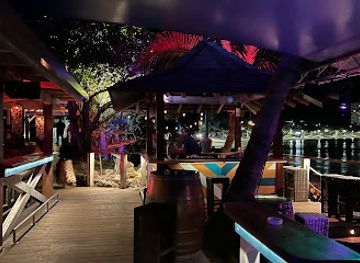
Kouaoua does not have a major nightclub district or a late-night entertainment economy. Evening life is more likely to centre on homes, community occasions, simple local establishments and places connected with accommodation, while larger nightlife choices are found in Nouméa and other principal towns outside the commune. Visitors should not expect a continuous bar scene, extensive live-music programme or late opening hours, particularly in rural areas. The best approach is to arrange evening meals and transport in advance, especially when staying outside the main settlement. Social events may be culturally specific or organised through local communities rather than advertised to passing visitors, so introductions and invitations should be handled respectfully. Alcohol is available within New Caledonia’s wider French and Pacific social context, but it is not necessary to experience Kouaoua’s character; the night landscape is more about quiet roads, tropical darkness and community life than entertainment venues.
-
Bar
MV Lounge
Experience the vibrant nightlife of Nouméa at MV Lounge, where cocktails, music, and a stunning ambiance await you.
-
Family-friendly
Le Jardin De Poé
Experience the vibrant flavors and family-friendly charm of Le Jardin De Poé in the heart of New Caledonia, where every meal is a celebration.
-
Restaurant
Ô soleil de la Foa
Experience the vibrant flavors of New Caledonia at Ô Soleil de la Foa, a must-visit restaurant in La Foa offering delightful local cuisine.
-
Restaurant
L’Osmoz
Discover L’Osmoz in La Foa for an authentic New Caledonian dining experience filled with local flavors and warm hospitality.
Best shops in Kouaoua
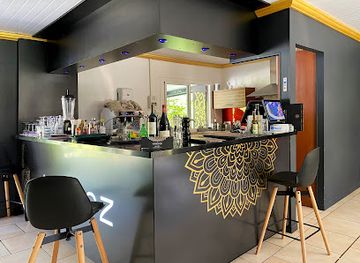
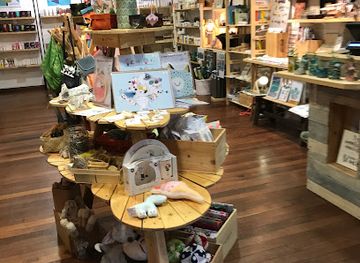
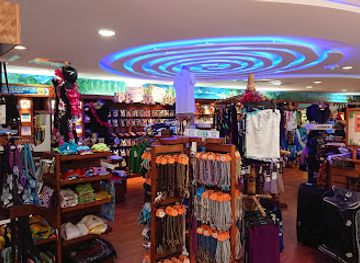
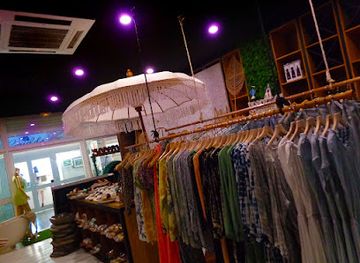
Shopping in Kouaoua is limited and practical rather than retail-focused. The settlement may provide basic everyday supplies, but visitors should not expect a large high street, department stores or a permanent craft market. Stock up on fuel, food, water and other essentials in larger towns before travelling into the east-coast interior, while remembering that local opening arrangements can vary. Where community stalls, small produce sales or locally made items are available, purchases should be made courteously and without bargaining aggressively over modest prices. Regional products across New Caledonia can include tropical fruit, root vegetables, coconut-based foods, honey, preserves, handicrafts and artworks connected with Kanak traditions, although availability in Kouaoua is not guaranteed. Visitors wishing to buy distinctive crafts should use established cultural or artisan outlets elsewhere on Grande Terre rather than expecting mine-themed souvenirs in the commune. The most meaningful mementoes of Kouaoua are often locally produced food items or responsibly purchased crafts, not objects taken from the landscape or mining areas.
-
Organic shop
La Boutique Partagée
Discover the essence of organic living at La Boutique Partagée, Nouméa's premier destination for fresh, local produce and artisanal delights.
-
Clothing store
X-plora Boutique Souvenirs
Explore X-plora Boutique Souvenirs in La Tontouta for unique clothing and gifts that reflect the vibrant culture of New Caledonia.
-
Grocery store
Chez Charlot
Discover the vibrant flavors of New Caledonia at Chez Charlot, your local grocery store in Canala with fresh produce and unique culinary treasures.
-
Store
Bükìt the concept store
Explore Bükìt, Nouméa's unique concept store, offering a curated selection of fashion, art, and lifestyle products that reflect New Caledonia's vibrant culture.

Get your free copy of our complete guide to Kouaoua, delivered straight to you.
Everything on this page, from attractions and restaurants to essentials and local phrases, in one PDF you can read offline, print or share.
Already have an account? Sign in
Your Kouaoua guide is ready.
We'll send it to · Not you? Sign out

Getting your guide ready…
We are putting together a fresh copy of the Kouaoua guide. This can take up to a minute.
This can take a few moments. If your browser asks, choose Allow so the download can start. You'll find the guide in your Downloads folder.
Nothing happened? Download it again
Sorry, the guide is taking longer than usual. Please try again in a minute, or get it by email instead.
Kouaoua essentials
Currency and Payment
Safety
Emergency Situations
Do's and Don'ts
Local Tips
From Eve
Local phrases worth knowing
You don't need to get them perfect. A few words go a long way, and locals appreciate the effort.
Basics
| English | Local | Say it |
|---|---|---|
| Hello | Nia | [nee-ah] |
| Goodbye | Nia na | [nee-ah nah] |
| Yes | E | [ay] |
| No | Ayo | [ah-yo] |
| Please/You're welcome | Tandaw | [tahn-dahw] |
| Thank you | Nokou | [noh-koh] |
| Excuse me/Sorry | Kawé | [kah-weh] |
| How are you? | Iinga | [een-gah] |
| Fine. And you? | Okei. Iinga? | [oh-kay. een-gah?] |
| Do you speak English? | Iinga ka niia anglé? | [een-gah kah nee-ah ahn-glay?] |
| I don't understand | Mané na iinga | [mah-nay nah een-gah] |
Eating & Drinking
| English | Local | Say it |
|---|---|---|
| I'd like to see the menu, please | Mwané iinga ka menu, tandaw | [mwan-ay een-gah kah meh-noo, tahn-dahw] |
| I don't eat meat | Mané na mî | [mah-nay nah mee] |
| Cheers! | Vina | [vee-nah] |
| I would like to pay, please | Mwané iinga ka peya, tandaw | [mwan-ay een-gah kah pay-ah, tahn-dahw] |
Emergencies
| English | Local | Say it |
|---|---|---|
| Help! | Aide! | [aid] |
| Go away! | Va na! | [vah nah] |
| Call the Police! | Kawé la Police! | [kah-weh lah poh-lees] |
| Call a doctor! | Kawé un docteur! | [kah-weh un doh-teur] |
| I'm lost | Mané na iinga na | [mah-nay nah een-gah nah] |
| I'm ill | Mané na maladi | [mah-nay nah mah-lah-dee] |
Shopping
| English | Local | Say it |
|---|---|---|
| I'd like to buy... | Mwané iinga ka atâ... | [mwan-ay een-gah kah ah-tah] |
| I'm just looking | Mané iinga ka nawa | [mah-nay een-gah kah nah-wah] |
| How much is it? | Iinga ka nâ? | [een-gah kah nah?] |
| That's too expensive | Iinga ka ni à pû | [een-gah kah nee ah poo] |
| Can you lower the price? | Iinga ka nî a pû? | [een-gah kah nee ah poo?] |
Time & Numbers
| English | Local | Say it |
|---|---|---|
| What time is it? | Iinga ka tî? | [een-gah kah tee?] |
| It's one o'clock | Iinga ka un tî | [een-gah kah un tee] |
| Half past (10) | Mina à (10) | [mee-nah ah (10)] |
| Morning | Diri | [dee-ree] |
| Afternoon | Sâ | [sah] |
| Evening | Sérin | [seh-reen] |
| Yesterday | Nâ | [nah] |
| Today | Hâ | [hah] |
| Tomorrow | Mâ | [mah] |
| 1 | Un | [un] |
| 2 | Dô | [doh] |
| 3 | Tâ | [tah] |
| 4 | Nâ | [nah] |
| 5 | Nê | [nay] |
| 6 | Sô | [soh] |
| 7 | Sét | [set] |
| 8 | Huit | [weet] |
| 9 | Nèf | [nef] |
| 10 | Diz | [deez] |
Transport & Directions
| English | Local | Say it |
|---|---|---|
| Where's a/the...? | Où ka...? | [oo kah...?] |
| What's the address? | Iinga ka l'adresse? | [een-gah kah lah-dress?] |
| Can you show me (on the map)? | Iinga ka nî ka fai (sur la carte)? | [een-gah kah nee kah fai (sur lah kart)?] |
| When's the next (bus)? | Iinga ka nî ka prochâ (bus)? | [een-gah kah nee kah proh-chah (bus)?] |
| A ticket (to ....) | Un ticket (à ....) | [un tee-kay (ah ....)] |
History of Kouaoua
Lapita settlement and Kanak heritage
The wider New Caledonian archipelago was settled by Austronesian seafarers associated with the Lapita cultural tradition more than two millennia ago. Over time, communities developed distinctive languages, social structures, gardening practices and customary relationships with land and sea. Kouaoua forms part of this enduring Kanak cultural landscape. Its valleys and coast are not simply scenic settings but places connected to clan histories, customary authority and living traditions that continue alongside the modern commune.
European contact after 1774
James Cook sighted and named New Caledonia in 1774, opening a period of European maritime contact that gradually intensified through exploration, trade and missionary activity. These encounters brought new goods, diseases and religious influences, while also exposing Kanak communities to outside political and economic pressures. The eastern side of Grande Terre, including the region around present-day Kouaoua, remained geographically difficult to access because of its mountains, rivers and heavy vegetation.
French annexation and colonial transformation
France annexed New Caledonia in 1853, after which colonial administration, missionary work, settler activity and the penal system reshaped the territory. Kanak communities experienced land dispossession and restrictions that altered established relationships with customary territories. In the Kouaoua area, as elsewhere on Grande Terre, the later development of roads, administrative settlements and extractive industries brought the region more firmly into the colonial economy while leaving customary institutions and cultural identity under pressure.
The rise of nickel mining
Nickel was identified in New Caledonia during the 1860s and soon became central to the territory’s economic history. Kouaoua developed as one of the mining areas on the east coast, where ore was extracted from the surrounding ultramafic ranges. Mining created employment and transport infrastructure but also transformed slopes, waterways and settlement patterns. The red earth visible around mine workings is a characteristic geological feature of Grande Terre and a reminder of the continuing relationship between the commune and the nickel industry.
The Kouaoua ore conveyor
The serpentine ore conveyor built for Kouaoua’s mining industry became one of the commune’s most recognisable industrial features. Its winding route was designed to carry nickel ore across difficult terrain towards the coast, reducing the need for more arduous road transport through the mountains. Known locally as the téléphérique, it represents the technical and logistical side of New Caledonia’s mining economy. It also illustrates how industrial infrastructure has become part of the visual identity and historical memory of the east coast.
Political change and contemporary Kanak identity
The tensions of the 1980s led to major political change in New Caledonia, including the Matignon Agreements of 1988 and the Nouméa Accord of 1998. These agreements established arrangements for greater self-government, recognition of Kanak identity and a gradual process concerning the territory’s political future. Kouaoua’s contemporary character is shaped by this wider history: mining, customary land, provincial administration and questions of cultural recognition remain closely connected in everyday life.
Kouaoua in Photos
Browse through our photo collection highlighting the charm and character of the destination.
Neighbouring regions of Kouaoua
The closest regions to Kouaoua, if you have time for more than one.
-

-

-

-

-


Swipe for more regions
Explore more
Explore more of New Caledonia
Discover New Caledonia, a captivating blend of French elegance and Pacific beauty, offering pristine beaches, vibrant culture, and unparalleled natural wonders.
Explore New Caledonia