

Free Houaïlou Travel Guide & Mobile App
Explore Houaïlou with free travel guides. Discover regional history, expert tips, proposed trips, and audio guides on web or mobile app.


Houaïlou reveals New Caledonia’s east coast through Kanak culture, forested valleys, river landscapes, Pacific bays and a long nickel-mining history.
Read more about Houaïlou
When is the best time to visit Houaïlou?
Best: June–August · 25–26°C| Month | High (°C) | Rainfall (mm) |
|---|---|---|
| January | 31 | 250 |
| February | 31 | 230 |
| March | 30 | 220 |
| April | 29 | 200 |
| May | 28 | 170 |
| June (best) | 26 | 150 |
| July (best) | 25 | 140 |
| August (best) | 26 | 130 |
| September | 27 | 140 |
| October | 29 | 160 |
| November | 30 | 190 |
| December | 30 | 210 |
Getting to and around Houaïlou
How to get there
Transportation
Top city travel guides in Houaïlou
The cities of Houaïlou, and the easiest places to base yourself.

Swipe for more cities
Best attractions in Houaïlou
Houaïlou’s attractions are primarily landscape-based and community-centred rather than built around a large collection of formal museums or ticketed monuments. The Houaïlou River and its tributary valleys provide settings for scenic stops, freshwater views and locally guided outdoor activities, while the east-coast road reveals steep forested slopes, coastal vegetation and broad Pacific horizons. Walking, birdwatching, photography and quiet exploration are best undertaken with local advice, particularly where customary land or unmarked tracks are involved. The commune’s nickel-mining heritage is visible in the altered uplands, roads and industrial landscapes, although mines and work sites are not casual tourist attractions and may be dangerous or restricted. Coastal bays and river mouths can be appealing for swimming or fishing when conditions and local guidance permit, but visitors should exercise caution after rain and in exposed surf. Cultural visits, when arranged respectfully through local hosts, offer insight into Ajië-Aro traditions, contemporary Kanak life and the relationship between communities and their land. Houaïlou also works well as a slower east-coast base for visitors travelling between neighbouring communes, provided attractions outside its boundaries are identified as separate excursions.
-
Historical landmark
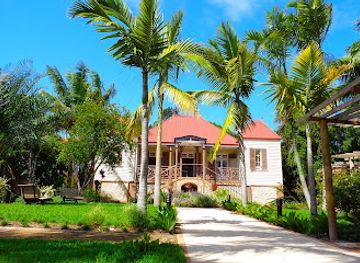
Maison Célières
Explore the historical elegance of Maison Célières in Nouméa, a cultural gem showcasing New Caledonia's rich heritage and beautiful landscapes.
-
Scenic spot
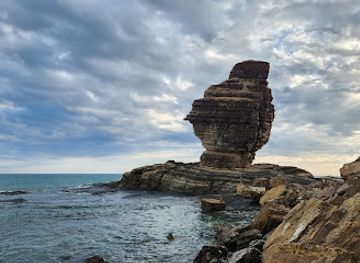
Baie des Tortues Lookout Point
Discover the stunning beauty of Baie des Tortues Lookout Point, offering panoramic views and a serene atmosphere in New Caledonia's tropical paradise.
-
Tourist attraction
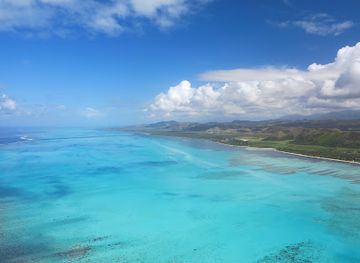
Vertical Lagon Poé
Experience the ultimate adventure at Vertical Lagon Poé, where breathtaking beaches meet thrilling water activities in New Caledonia.
-
Tourist attraction
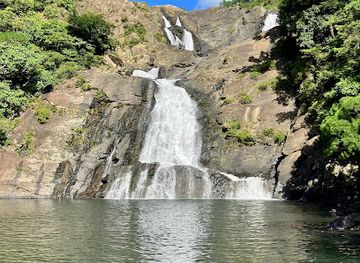
Cascade de Ba
Discover the beauty of Cascade de Ba, a breathtaking waterfall in Ba, New Caledonia, perfect for nature lovers and adventure seekers alike.
Best landmarks in Houaïlou
Houaïlou’s most significant landmarks are geographic and cultural rather than monumental. The Houaïlou River is the commune’s defining natural feature, linking interior valleys with the Pacific and giving the settlement its physical setting. The surrounding forested mountain slopes are equally important, marking the transition from coastal villages and cultivated ground to mineral-rich uplands and remote customary territories. The east-coast road, Route Territoriale 3, is a practical landmark in its own right: it threads through a dramatic corridor of ridges, valleys and settlements and places Houaïlou within Grande Terre’s historic network of movement. Mining roads, altered hillsides and other nickel-related features record the industry that has shaped the commune since the nineteenth century, although active or abandoned workings should only be viewed from authorised locations. Kanak tribal areas, community spaces and churches may carry deep local significance, but they are not conventional monuments and should be approached through permission and local guidance. Together, river, range, road and customary landscape express Houaïlou’s identity more accurately than a list of isolated buildings.
-
Aquarium
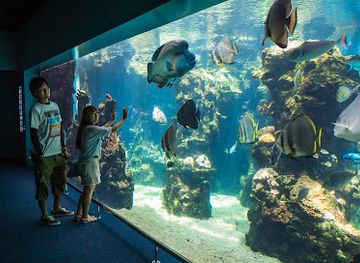
Lagoon Aquarium
Discover the vibrant underwater world at the Lagoon Aquarium, a top destination for marine enthusiasts in Nouméa, New Caledonia.
-
City park
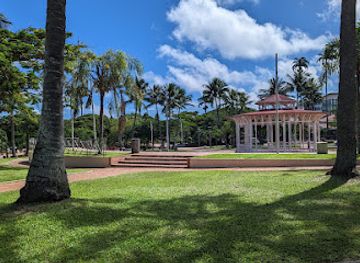
Place des Cocotiers
Explore the serene beauty of Place des Cocotiers, a lush city park in Nouméa, perfect for relaxation and cultural experiences.
-
Cultural center
Tjibaou Cultural Centre
Discover the vibrant Kanak culture at the Tjibaou Cultural Centre, a stunning architectural marvel in New Caledonia, blending tradition and modern art.
-
Tourist attraction
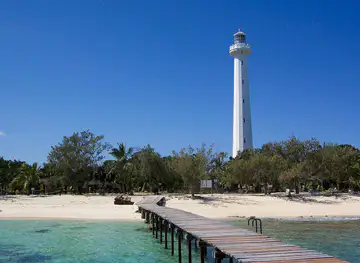
Amédée Lighthouse
Discover the breathtaking Amédée Lighthouse in New Caledonia, a historic landmark offering stunning views and rich marine life experiences.


Explore Houaïlou on the map
Plan your trip on one map. See where the top cities, national parks and sights are, and book hotels and experiences in a few clicks.
Best hotels in Houaïlou
Best restaurants in Houaïlou
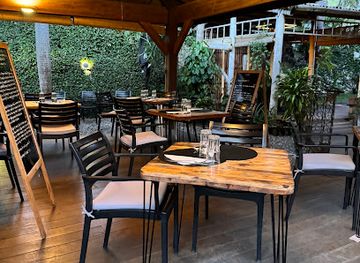
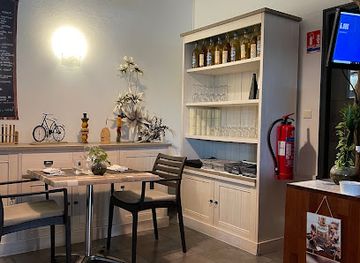
Dining in Houaïlou is centred on practical local outlets, small cafés, accommodation kitchens and community food occasions rather than a dense restaurant scene. Visitors may encounter New Caledonian staples such as rice served with fish, chicken or locally available meat, along with tropical fruit, root vegetables, coconut and seasonal produce. The east coast’s proximity to the Pacific gives seafood an important place in local eating, although availability depends on weather, supply and fishing conditions. Bougna, a traditional Kanak dish of food cooked slowly with coconut milk in an earth oven, belongs to the wider Kanak culinary heritage and is generally experienced through a community or pre-arranged setting rather than assumed to be available every day in a café. New Caledonia’s French influence is also evident in bread, pastries and café habits. Travellers should shop and refuel in larger centres before reaching remote areas, carry provisions for road days, and ask locally about current food services rather than relying on online listings.
-
Restaurant
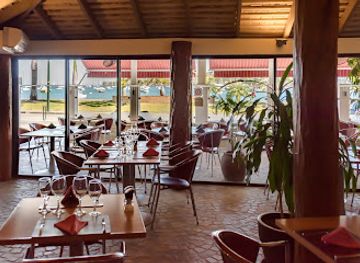
Marmite et Tire-Bouchon
Discover exquisite local flavors at Marmite et Tire-Bouchon, Nouméa's premier destination for unforgettable culinary experiences.
-
Restaurant
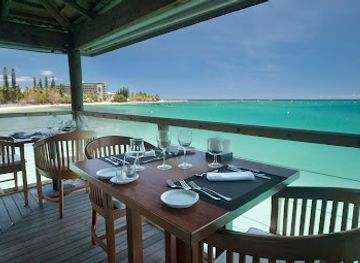
Le Roof
Discover exquisite seafood and stunning ocean views at Le Roof in Nouméa – a must-visit culinary destination in New Caledonia.
-
Restaurant
L'Ed'Zen
Experience the vibrant flavors of New Caledonia at L'Ed'Zen, where every dish is crafted with passion and creativity.
-
Restaurant
La Table des Gourmets
Discover the exquisite flavors of New Caledonia at La Table des Gourmets - where culinary artistry meets local traditions.
Best bars in Houaïlou
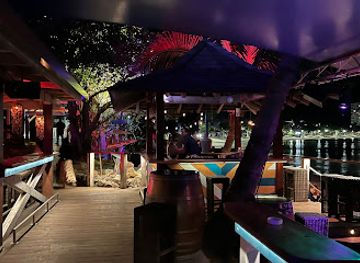
Houaïlou does not have a major nightclub district or a concentrated late-night entertainment scene. Evening life is more likely to centre on family gatherings, community occasions, accommodation-based meals and modest local cafés or bars where available. The character is rural and social rather than oriented towards a formal nightlife circuit, and venues may operate according to local demand rather than fixed visitor schedules. Visitors should not expect the range of cocktail bars, clubs and live-music venues found in Nouméa. A respectful way to experience the region after dark is to attend an organised cultural or community event by invitation, or to enjoy a quiet meal while taking account of limited transport and patchy mobile coverage. Avoid walking unfamiliar roads at night, and arrange a sober driver or accommodation transport in advance if drinking. Larger nightlife options are found outside Houaïlou in the main urban centres of New Caledonia, not within the commune itself.
-
Bar
MV Lounge
Experience the vibrant nightlife of Nouméa at MV Lounge, a stylish bar offering delightful cocktails and stunning bay views.
-
Restaurant
L’Osmoz
Experience the exquisite culinary delights of L’Osmoz in La Foa, New Caledonia - a must-visit restaurant for food lovers.
-
Restaurant
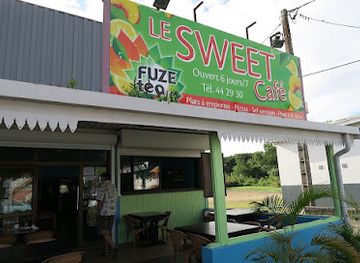
Sweet Café
Experience the flavors of New Caledonia at Sweet Café, a charming restaurant in Bourail offering delicious local dishes and drinks.
-
Restaurant
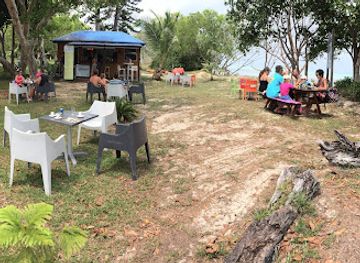
L'Alizee Snack and Bar
Experience the best of New Caledonian cuisine at L'Alizee Snack and Bar, your perfect beachside dining destination.

Best nightclubs in Houaïlou
Houaïlou does not have a major nightclub district or a concentrated late-night entertainment scene. Evening life is more likely to centre on family gatherings, community occasions, accommodation-based meals and modest local cafés or bars where available. The character is rural and social rather than oriented towards a formal nightlife circuit, and venues may operate according to local demand rather than fixed visitor schedules. Visitors should not expect the range of cocktail bars, clubs and live-music venues found in Nouméa. A respectful way to experience the region after dark is to attend an organised cultural or community event by invitation, or to enjoy a quiet meal while taking account of limited transport and patchy mobile coverage. Avoid walking unfamiliar roads at night, and arrange a sober driver or accommodation transport in advance if drinking. Larger nightlife options are found outside Houaïlou in the main urban centres of New Caledonia, not within the commune itself.
-
Bar
MV Lounge
Discover the vibrant MV Lounge in Nouméa, where delightful cocktails and a lively atmosphere create unforgettable nightlife experiences.
-
Bar
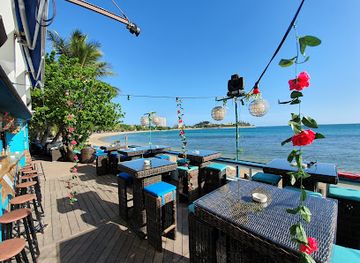
L'Etrave
Experience the vibrant atmosphere of L'Etrave, a beachside bar in Nouméa offering stunning views and refreshing drinks.
-
Lounge
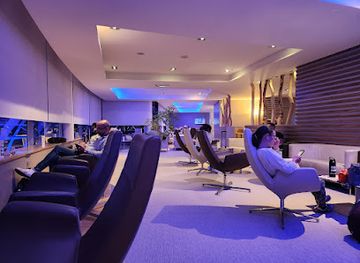
Hibiscus Lounge Aircalin
Discover tranquility before your flight at Hibiscus Lounge Aircalin, the perfect airport retreat in New Caledonia.
-
Bar
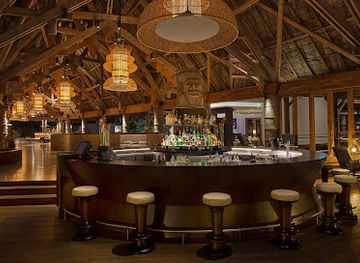
Creek Bar
Experience the vibrant atmosphere of Creek Bar – a perfect blend of relaxation, stunning views, and refreshing drinks in New Caledonia.

Best shops in Houaïlou
Shopping in Houaïlou is limited and locally focused, with small general stores and roadside or community outlets supplying everyday goods rather than a substantial retail district. Travellers should buy specialist provisions, medication, fuel and extensive picnic supplies before leaving larger towns, then look locally for seasonal fruit, vegetables or prepared food when available. Community markets and cultural events may offer handmade items, woven work, carvings or locally produced food, but arrangements can be occasional and should not be assumed to operate on a fixed tourist timetable. If buying Kanak crafts, ask about the maker and cultural context, pay a fair price and avoid objects made from protected wildlife, plants or archaeological material. New Caledonian products such as coffee, honey, vanilla, tropical preserves and handicrafts may be found more reliably in larger regional centres than in Houaïlou itself. The best purchases here are modest, locally sourced and acquired respectfully rather than mass-produced souvenirs.
-
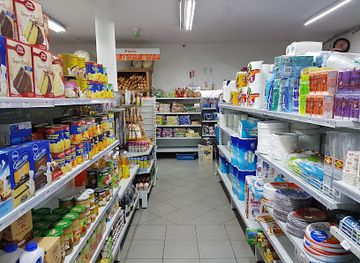
Food store
Le Passage
Discover the flavors of New Caledonia at Le Passage, Bourail's premier food store for local delicacies and fresh produce.
-
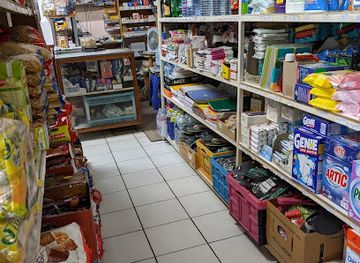
Shopping mall
Alimentation Le Djebel
Experience the vibrant culture and shopping variety at Alimentation Le Djebel in Nessadiou, New Caledonia, where locals and tourists unite.
-
Store
Farino Carrefour - Magasin d'Alimentation Générale
Experience the essence of Farino at Carrefour, a charming general store offering local products and a taste of New Caledonian hospitality.
-
Gift shop
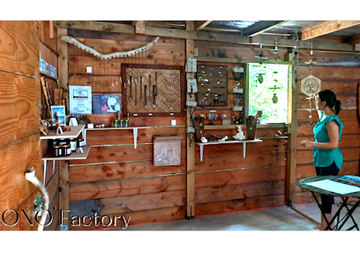
ONO Factory
Explore handcrafted treasures and taste the sweetness of local honey at ONO Factory in Lifou, New Caledonia.

Get your free copy of our complete guide to Houaïlou, delivered straight to you.
Everything on this page, from attractions and restaurants to essentials and local phrases, in one PDF you can read offline, print or share.
Already have an account? Sign in
Your Houaïlou guide is ready.
We'll send it to · Not you? Sign out

Getting your guide ready…
We are putting together a fresh copy of the Houaïlou guide. This can take up to a minute.
This can take a few moments. If your browser asks, choose Allow so the download can start. You'll find the guide in your Downloads folder.
Nothing happened? Download it again
Sorry, the guide is taking longer than usual. Please try again in a minute, or get it by email instead.
Houaïlou essentials
Currency and Payment
Safety
Emergency Situations
Do's and Don'ts
Local Tips
From Eve
Local phrases worth knowing
You don't need to get them perfect. A few words go a long way, and locals appreciate the effort.
Basics
| English | Local | Say it |
|---|---|---|
| Hello | Nââ | [Nah] |
| Goodbye | Nââ tîrê | [Nah teeray] |
| Yes | Oui | [Wee] |
| No | Nâ | [Nah] |
| Please/You're welcome | S'il vous plaît | [Seel voo pleh] |
| Thank you | Mérci | [Mairsee] |
| Excuse me/Sorry | Excusez-moi | [Ex-kew-zay mwah] |
| How are you? | Comment ça va? | [Koh-mohn sah vah] |
| Fine. And you? | Bien. Et vous? | [Byen. Ay voo?] |
| Do you speak English? | Parlez-vous anglais? | [Par-lay voo ahn-glay?] |
| I don't understand | Je ne comprends pas | [Zhuh nuh kom-prahn pah] |
Eating & Drinking
| English | Local | Say it |
|---|---|---|
| I'd like to see the menu, please | Je voudrais voir le menu, s'il vous plaît | [Zhuh voo-dray vwar leh meh-nu, seel voo pleh] |
| I don't eat meat | Je ne mange pas de viande | [Zhuh nuh mahnj pah duh vyahnd] |
| Cheers! | Santé! | [Sahn-tay] |
| I would like to pay, please | Je voudrais payer, s'il vous plaît | [Zhuh voo-dray pay-ay, seel voo pleh] |
Emergencies
| English | Local | Say it |
|---|---|---|
| Help! | Au secours! | [Oh suh-koor!] |
| Go away! | Allez-vous-en! | [Ah-lay voo-zahn!] |
| Call the Police! | Appelez la police! | [Ah-peh-lay lah poh-lees!] |
| Call a doctor! | Appelez un médecin! | [Ah-peh-lay uhn may-deh-seen!] |
| I'm lost | Je suis perdu | [Zhuh swee pair-doo] |
| I'm ill | Je suis malade | [Zhuh swee mah-lahd] |
Shopping
| English | Local | Say it |
|---|---|---|
| I'd like to buy... | Je voudrais acheter... | [Zhuh voo-dray ah-shu-tay...] |
| I'm just looking | Je regarde juste | [Zhuh re-gard zhuhst] |
| How much is it? | C'est combien? | [Say kohm-byen?] |
| That's too expensive | C'est trop cher | [Say troh shair] |
| Can you lower the price? | Pouvez-vous baisser le prix? | [Poo-vay voo beh-say leh pree?] |
Time & Numbers
| English | Local | Say it |
|---|---|---|
| What time is it? | Quelle heure est-il? | [Kell uhr eh-teel?] |
| It's one o'clock | Il est une heure | [Eel eh oon uhr] |
| Half past (10) | Dix heures et demie | [Dee uhr eh duh-mee] |
| Morning | Matin | [Mah-tahn] |
| Afternoon | Après-midi | [Ah-pray mee-dee] |
| Evening | Soir | [Swahr] |
| Yesterday | Hier | [Ee-air] |
| Today | Aujourd'hui | [Oh-zhoor-dwee] |
| Tomorrow | Demain | [Duh-mehn] |
| 1 | Un | [Uhn] |
| 2 | Deux | [Duh] |
| 3 | Trois | [Trwah] |
| 4 | Quatre | [Kah-truh] |
| 5 | Cinq | [Sank] |
| 6 | Six | [Seez] |
| 7 | Sept | [Set] |
| 8 | Huit | [Wheet] |
| 9 | Neuf | [Nurf] |
| 10 | Dix | [Dee] |
Transport & Directions
| English | Local | Say it |
|---|---|---|
| Where's a/the...? | Où est le/la...? | [Oo eh leh/lah...?] |
| What's the address? | Quelle est l'adresse? | [Kell eh lah-dress?] |
| Can you show me (on the map)? | Pouvez-vous me montrer (sur la carte)? | [Poo-vay voo muh mohn-tray (soor lah kart)?] |
| When's the next (bus)? | Quand est le prochain (bus)? | [Kahn eh leh pro-shen (boos)?] |
| A ticket (to ....) | Un billet (pour....) | [Uhn bee-yay (poor....)] |
History of Houaïlou
Kanak settlement and customary traditions
Long before European annexation, Houaïlou’s valleys, coast and uplands were occupied and managed by Kanak communities. Gardens, fishing grounds, forest resources and pathways were embedded in customary relationships, with oral traditions preserving links between clans, places and ancestral events. The region belongs to the Ajië-Aro customary area, one of New Caledonia’s recognised cultural regions. Although colonial administration and the mining economy changed patterns of settlement and land use, customary authority and Kanak identity remain important to contemporary life in Houaïlou.
European contact and the colonial era
European ships began charting and visiting New Caledonia during the late eighteenth and nineteenth centuries, bringing new goods, diseases, religious influences and commercial ambitions. France annexed the archipelago in 1853, after which colonial administration expanded across Grande Terre. Mission activity, introduced labour systems, land appropriation and administrative controls profoundly affected Kanak communities. In Houaïlou, these changes unfolded across a difficult landscape of coastal settlements and interior valleys, where customary life continued while new institutions and economic interests took hold.
The rise of nickel mining
Nickel transformed New Caledonia from the late nineteenth century, after the discovery and commercial exploitation of nickel-bearing laterite and garnierite. Houaïlou became one of the east-coast areas shaped by this industry, with mining tracks, work camps, transport links and changing employment patterns reaching into the interior. The industry brought outside investment and infrastructure but also intensified pressure on land and waterways. Today, mining remains part of the region’s economic history and visual character, while environmental management and the future of the nickel sector remain significant issues for New Caledonia.
The Kanak uprisings of 1878 and 1917
Resistance to colonial land seizures, administrative control and the disruption of customary life contributed to major Kanak uprisings in New Caledonia in 1878 and 1917. The disturbances affected parts of Grande Terre, including areas of the east coast and central mountain region, though their course varied from place to place. These conflicts brought military repression, deaths, displacement and further restrictions on Kanak communities. Their memory forms part of the wider historical context in which Houaïlou’s customary institutions, land questions and political identity must be understood.
From colonial subjecthood to political change
During the twentieth century, Kanak communities gradually gained greater access to education, political representation and civic rights, while the nickel economy continued to influence New Caledonia’s towns and rural districts. The post-war period saw the dismantling of the indigénat system and growing demands for cultural recognition, land rights and political self-determination. Houaïlou participated in the wider transformations affecting the east coast, where customary identity and economic development have often been discussed together rather than as separate subjects.
The Matignon and Nouméa frameworks
The political agreements of Matignon in 1988 and Nouméa in 1998 established a new framework for power-sharing, provincial government, economic rebalancing and recognition of the Kanak people as New Caledonia’s first people. Their effects are visible in the stronger role of customary institutions and in the development of services and infrastructure outside Nouméa. Houaïlou remains part of this evolving New Caledonian landscape, where local communities balance customary responsibilities, environmental concerns, public services and the opportunities and uncertainties associated with the nickel industry.
Houaïlou in Photos
Browse through our photo collection highlighting the charm and character of the destination.
Neighbouring regions of Houaïlou
The closest regions to Houaïlou, if you have time for more than one.
-
-

-

-

-


Swipe for more regions
Explore more
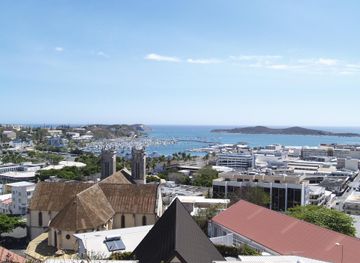
Explore more of New Caledonia
Discover New Caledonia, a captivating blend of French elegance and Pacific beauty, offering pristine beaches, vibrant culture, and unparalleled natural wonders.
Explore New Caledonia