

Free Sarraméa Travel Guide & Mobile App
Explore Sarraméa with free travel guides. Discover regional history, expert tips, proposed trips, and audio guides on web or mobile app.


Sarraméa offers New Caledonia’s inland forests, thermal springs, mountain walks and peaceful rural valleys within easy reach of the west coast.
Read more about Sarraméa
When is the best time to visit Sarraméa?
Best: May–June, August · 24–25°C| Month | High (°C) | Rainfall (mm) |
|---|---|---|
| January | 28 | 150 |
| February | 28 | 130 |
| March | 28 | 110 |
| April | 27 | 90 |
| May (best) | 25 | 70 |
| June (best) | 24 | 60 |
| July | 23 | 60 |
| August (best) | 24 | 70 |
| September | 25 | 90 |
| October | 26 | 100 |
| November | 27 | 120 |
| December | 28 | 140 |
Getting to and around Sarraméa
How to get there
Transportation
Top city travel guides in Sarraméa
The cities of Sarraméa, and the easiest places to base yourself.

Swipe for more cities
Best attractions in Sarraméa
Sarraméa’s attractions centre on its natural setting rather than a dense collection of monuments. The commune’s thermal springs are its best-known visitor experience, offering a place to relax amid the vegetation of the inland valley; access arrangements and facilities should be checked locally before arrival. Walking and short nature excursions lead through forested slopes, river country and open rural landscapes, with the Col d’Amieu providing a memorable mountain-road perspective. The area is suitable for visitors interested in botanical richness, birdlife, photography and quiet outdoor activity, although tracks can be weather-dependent and are not uniformly developed. Rural accommodation and locally organised experiences provide a closer connection to the landscape than a conventional resort itinerary. Sarraméa can also be combined with neighbouring Farino, outside the commune, whose Parc des Grandes Fougères offers a separate forest attraction. The distinction matters: Sarraméa is principally a valley and thermal-spring destination, while the wider central region contains a broader range of marked forest recreation and community-based activities.
-
Island
île aux Canards
Discover the serene beauty of Île aux Canards, a tropical paradise in New Caledonia, perfect for snorkelling, sunbathing, and peaceful retreats.
-
Hiking area
Ouen Toro Hill
Experience the breathtaking views and natural beauty of Ouen Toro Hill, a must-visit hiking destination in Nouméa, New Caledonia.
-
Animal park
Michel Corbasson Bird Park and Botanical Garden
Explore the enchanting Michel Corbasson Bird Park and Botanical Garden, home to exotic birds and vibrant flora in the heart of Nouméa, New Caledonia.


Best landmarks in Sarraméa
The most recognisable landmark in Sarraméa is the landscape itself: a green inland valley framed by the central mountain ranges and approached along winding roads that reveal the commune’s separation from the west-coast plains. The thermal springs are the area’s principal humanly developed landmark, valued for their warm mineral waters and their association with rural wellness in the valley. The Col d’Amieu is another significant geographical reference, marking the mountainous character of the interior and providing a route between contrasting parts of Grande Terre. Forested slopes, streams and open pasture complete a landscape in which natural features are more prominent than monumental architecture. Sarraméa should not be confused with nearby Farino, outside the commune, whose Parc des Grandes Fougères is a separate regional landmark and attraction. Together, these places illustrate the central highlands’ combination of humid forest, community settlement and difficult mountain terrain.
-
Aquarium
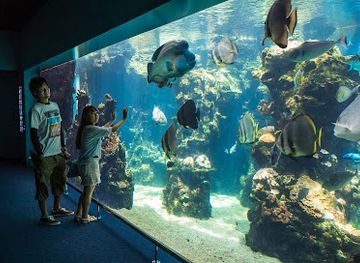
Lagoon Aquarium
Explore the vibrant aquatic life of the South Pacific at Lagoon Aquarium, a premier marine attraction in Nouméa, New Caledonia.
-
City park
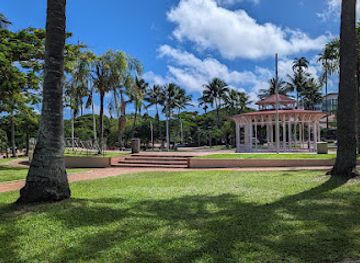
Place des Cocotiers
Discover the tranquil beauty of Place des Cocotiers, a lush city park in Nouméa, perfect for relaxation, picnics, and experiencing local culture.
-
Cultural center
Tjibaou Cultural Centre
Explore the Tjibaou Cultural Centre in Nouméa, where Kanak culture meets modern architecture amidst stunning natural beauty.
-
Tourist attraction
Amédée Lighthouse
Explore the breathtaking Amédée Lighthouse in New Caledonia, a historical gem surrounded by stunning ocean views and vibrant marine life.


Explore Sarraméa on the map
Plan your trip on one map. See where the top cities, national parks and sights are, and book hotels and experiences in a few clicks.
Best hotels in Sarraméa
Best restaurants in Sarraméa
Dining in Sarraméa is predominantly rural and small-scale, with meals often linked to accommodation, guest tables and locally organised hospitality rather than a large restaurant sector. Expect straightforward cooking based on seasonal produce, fruit, vegetables, rice, chicken, beef and locally available fish, reflecting both New Caledonia’s French influence and Pacific foodways. The territory’s customary food traditions are diverse, and visitors may encounter dishes such as bougna in settings where it is prepared for a community, cultural or pre-arranged occasion; it should not be treated as an everyday restaurant speciality everywhere. Pack provisions for walks and confirm meal arrangements in advance, particularly outside peak visitor periods. Nearby west-coast towns provide a wider choice of cafés, bakeries and supermarkets, while Sarraméa’s appeal lies in unhurried meals in a valley setting and the opportunity to support small local operators.
-
Restaurant
Marmite et Tire-Bouchon
Experience gourmet dining at Marmite et Tire-Bouchon in Nouméa – where local flavors meet culinary artistry in a charming atmosphere.
-
Restaurant
Stone Grill
Discover the culinary delights at Stone Grill in Nouméa - where exquisite flavors meet breathtaking ocean views.
-
Restaurant
Le Roof
Experience gourmet dining with stunning ocean views at Le Roof in Nouméa – where every meal becomes an unforgettable memory.
-
Restaurant
Le Faré du Palm Beach
Discover culinary delights at Le Faré du Palm Beach, where stunning ocean views meet exquisite local cuisine in Nouméa.


Best bars in Sarraméa
Sarraméa does not have a conventional nightclub scene or a concentrated evening entertainment district. Nightlife is generally limited to the social atmosphere of accommodation, pre-arranged dinners and the occasional local gathering, with evenings shaped by the rural setting and early starts for walking. Visitors should not expect late-opening bars, regular live-music programming or extensive taxi availability. A drink with dinner can be part of a relaxed stay, but the area is better suited to conversation, stargazing and listening to the forest than to organised nightlife. For a broader choice of bars and evening venues, visitors normally need to travel towards larger west-coast settlements or Nouméa, outside Sarraméa, and should plan a safe return rather than driving after drinking.
-
Bar
La Barca
Experience vibrant nightlife at La Barca, a premier bar in Nouméa's Baie des Citrons, known for cocktails, scenic views, and lively ambiance.
-
Bar
MV Lounge
Experience the vibrant nightlife at MV Lounge, a must-visit bar in Nouméa's stunning Baie des Citrons with great drinks and a lively atmosphere.
-
Wine bar
Chai de l'Hippodrome
Discover the enchanting Chai de l'Hippodrome, where exceptional wines and exquisite cuisine meet the vibrant spirit of Nouméa.
-
Restaurant
Le 12 Glasser Bar Tapas Nouméa
Experience exquisite tapas and vibrant cocktails at Le 12 Glasser Bar Tapas, a must-visit dining destination in Nouméa.


Best nightclubs in Sarraméa
Sarraméa does not have a conventional nightclub scene or a concentrated evening entertainment district. Nightlife is generally limited to the social atmosphere of accommodation, pre-arranged dinners and the occasional local gathering, with evenings shaped by the rural setting and early starts for walking. Visitors should not expect late-opening bars, regular live-music programming or extensive taxi availability. A drink with dinner can be part of a relaxed stay, but the area is better suited to conversation, stargazing and listening to the forest than to organised nightlife. For a broader choice of bars and evening venues, visitors normally need to travel towards larger west-coast settlements or Nouméa, outside Sarraméa, and should plan a safe return rather than driving after drinking.
-
Bar
La Barca
Discover La Barca, a vibrant waterfront bar in Nouméa, offering stunning views, delicious drinks, and a lively atmosphere perfect for socializing.
-
Bar
MV Lounge
Experience the vibrant nightlife of Nouméa at MV Lounge, a lively bar perfect for cocktails, friends, and unforgettable memories.
-
Cocktail bar
L’Endroit Rooftop
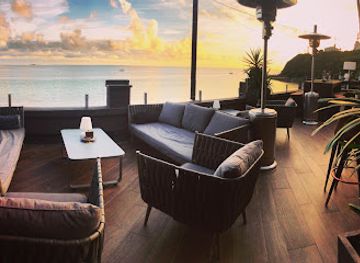
Experience breathtaking views and exquisite cocktails at L’Endroit Rooftop in Nouméa, the heart of New Caledonia's nightlife.
-
Lounge
Hibiscus Lounge Aircalin
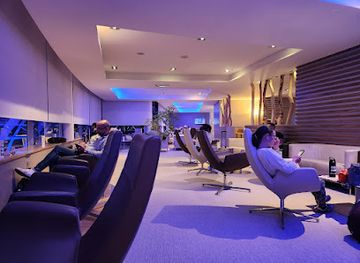
Experience tranquility and comfort at Hibiscus Lounge Aircalin, your serene escape in La Tontouta International Airport.


Best shops in Sarraméa
Shopping in Sarraméa is limited and practical rather than retail-focused. Visitors may find locally produced food, fruit, preserves or small craft items through accommodation providers and community-based outlets, but availability varies and should not be assumed. The best purchases are generally products connected with the inland landscape and New Caledonian food culture, bought directly when a local producer or host offers them. Bring basic provisions from a larger town before travelling into the valley, particularly for self-catering stays and outdoor excursions. Farino and other nearby settlements may offer additional local products, while Nouméa has the territory’s broadest selection of galleries, crafts, fashion and packaged souvenirs; both lie outside Sarraméa. Respect local pricing, ask before photographing handmade goods and avoid removing plants or natural materials as souvenirs.
-
Gift shop
La Bodega del Mar
Discover unique local crafts and souvenirs at La Bodega del Mar, a charming gift shop capturing the essence of New Caledonian culture.
-
Organic shop
La Boutique Partagée
Explore fresh organic delights at La Boutique Partagée in Nouméa, where health meets local flavors.
-
Shopping mall
Alimentation Le Djebel
Discover a blend of local culture and shopping at Alimentation Le Djebel in New Caledonia, where fashion meets flavor.
-
Store
Farino Carrefour - Magasin d'Alimentation Générale
Discover the flavors of New Caledonia at Farino Carrefour, your go-to grocery store for local and international delights.


Get your free copy of our complete guide to Sarraméa, delivered straight to you.
Everything on this page, from attractions and restaurants to essentials and local phrases, in one PDF you can read offline, print or share.
Already have an account? Sign in
Your Sarraméa guide is ready.
We'll send it to · Not you? Sign out

Getting your guide ready…
We are putting together a fresh copy of the Sarraméa guide. This can take up to a minute.
This can take a few moments. If your browser asks, choose Allow so the download can start. You'll find the guide in your Downloads folder.
Nothing happened? Download it again
Sorry, the guide is taking longer than usual. Please try again in a minute, or get it by email instead.
Sarraméa essentials
Currency and Payment
Safety
Emergency Situations
Do's and Don'ts
Local Tips
From Eve
Local phrases worth knowing
You don't need to get them perfect. A few words go a long way, and locals appreciate the effort.
Basics
| English | Local | Say it |
|---|---|---|
| Hello | Bula | [boo-lah] |
| Goodbye | Naka | [nah-kah] |
| Yes | E | [eh] |
| No | Ayo | [ah-yoh] |
| Please/You're welcome | Tena | [teh-nah] |
| Thank you | Malo | [mah-loh] |
| Excuse me/Sorry | Pardon | [pahr-dohn] |
| How are you? | O ko a? | [oh koh ah?] |
| Fine. And you? | O te a? O ko te? | [oh teh ah? oh koh teh?] |
| Do you speak English? | O paré Anglais? | [oh pah-ray ahn-glay?] |
| I don't understand | Né pa kompran | [neh pah kom-prahn] |
Eating & Drinking
| English | Local | Say it |
|---|---|---|
| I'd like to see the menu, please | Voulé wè menu, tena | [voo-lay weh meh-noo, teh-nah] |
| I don't eat meat | Né pa mangé viand | [neh pah mahn-zhey vyahnd] |
| Cheers! | Bula! | [boo-lah!] |
| I would like to pay, please | Voulé payé, tena | [voo-lay pah-yay, teh-nah] |
Emergencies
| English | Local | Say it |
|---|---|---|
| Help! | Aide! | [ehd!] |
| Go away! | Alé loin! | [ah-lay l-wah!] |
| Call the Police! | Appelé la Police! | [ah-peh-lay lah poh-lees!] |
| Call a doctor! | Appelé un docteur! | [ah-peh-lay uhn doh-kteur!] |
| I'm lost | Né pa trouvé | [neh pah troo-vay] |
| I'm ill | Né maladi | [neh mah-lah-dee] |
Shopping
| English | Local | Say it |
|---|---|---|
| I'd like to buy... | Voulé achété... | [voo-lay ah-sheh-tay...] |
| I'm just looking | Né just wè | [neh joost weh] |
| How much is it? | Kombien ça coûte? | [kohm-byen sah koot?] |
| That's too expensive | Cé trop cher | [seh troh shair] |
| Can you lower the price? | O pé baissé prix? | [oh pay beh-say pree?] |
Time & Numbers
| English | Local | Say it |
|---|---|---|
| What time is it? | Ké heure c'est? | [keh uhr seh?] |
| It's one o'clock | C'est une heure | [seh uhn uhr] |
| Half past (10) | Demi (10) | [duh-mee (10)] |
| Morning | Matin | [mah-tahn] |
| Afternoon | Après-midi | [ah-pray mee-dee] |
| Evening | Soir | [swahr] |
| Yesterday | Hier | [ee-air] |
| Today | Aujourd'hui | [oh-zhoor-dwee] |
| Tomorrow | Demain | [duh-mehn] |
| 1 | Un | [uhn] |
| 2 | Deux | [duh] |
| 3 | Trois | [trwah] |
| 4 | Quatre | [katr] |
| 5 | Cinq | [sank] |
| 6 | Six | [sees] |
| 7 | Sept | [set] |
| 8 | Huit | [weet] |
| 9 | Neuf | [nuf] |
| 10 | Dix | [dees] |
Transport & Directions
| English | Local | Say it |
|---|---|---|
| Where's a/the...? | Kó où un/une...? | [koh oo uhn/eun...?] |
| What's the address? | Ké l'adresse? | [keh lah-dress?] |
| Can you show me (on the map)? | O pé montré moi (sur la carte)? | [oh pay mohn-tray mwah (sir lah kart)?] |
| When's the next (bus)? | Ké quand le prochain (bus)? | [keh kahn luh proh-shen (boos)?] |
| A ticket (to ....) | Un billet (pour ....) | [uhn bee-yay (poor ....)] |
History of Sarraméa
Kanak settlement and the Ajië-Arhö cultural landscape
Long before European colonisation, the valleys and uplands of central Grande Terre were inhabited and managed by Kanak communities. Sarraméa belongs to the Ajië-Arhö customary area, whose social, linguistic and land relationships form an important part of the commune’s identity. Gardening, movement between settlements and knowledge of forest and river environments shaped life in the interior. Much of this history is carried through customary transmission and living community practice rather than monumental archaeological sites, so visitors should understand the landscape as culturally inhabited rather than empty wilderness.
European contact and nineteenth-century colonisation
European contact intensified during the nineteenth century after France took possession of New Caledonia in 1853. Colonial administration, missionary activity, settler agriculture and new roads gradually altered the central valleys, while Kanak communities experienced land loss, imposed labour systems and pressure from colonial expansion. Sarraméa remained a rural interior area rather than a major port, but its development was connected to the wider transformation of Grande Terre and the creation of French administrative structures.
Agriculture and inland settlement
The valleys around Sarraméa developed through small-scale agriculture and pastoral activity suited to the interior climate. Fruit growing, gardens and livestock remain more representative of the area than large industrial townscapes. Roads linking the central ranges with the west coast helped connect scattered communities and enabled produce and supplies to circulate. The settlement pattern visible today, with homes and farms dispersed through a green mountain environment, reflects this gradual rural development rather than a single planned colonial centre.
New Caledonia’s mining-era transformation
Nickel extraction became a defining force in New Caledonia from the late nineteenth century, reshaping its economy, population movements and transport networks. Sarraméa is not one of the territory’s principal mining centres, yet the commune has been influenced by the economic and political changes generated by mining elsewhere on Grande Terre. The contrast between industrial areas, dry western landscapes and forested interior communes helps explain the variety of New Caledonia’s modern geography.
The post-war road network and rural services
During the twentieth century, improved roads, schooling, public administration and communications made the central interior more closely connected with coastal towns and Nouméa. These changes did not turn Sarraméa into a large settlement; instead, they supported a dispersed community and made its forests, valleys and thermal waters more accessible to visitors. The road remains central to the visitor experience, and its winding course expresses the continuing relationship between rural settlement and difficult mountain terrain.
Customary recognition and contemporary regional identity
Late twentieth-century political developments, including the Matignon Accords of 1988 and the Nouméa Accord of 1998, strengthened the recognition of Kanak identity and customary institutions within New Caledonia’s evolving political framework. Sarraméa’s present-day character should be understood within this broader history of negotiation, decolonisation and shared governance. Tourism in the commune is consequently most respectful when it supports local initiatives, recognises customary authority and treats the natural environment as part of a living cultural landscape.
Sarraméa in Photos
Browse through our photo collection highlighting the charm and character of the destination.
Neighbouring regions of Sarraméa
The closest regions to Sarraméa, if you have time for more than one.
-

-

-

-

-


Swipe for more regions
Explore more
Explore more of New Caledonia
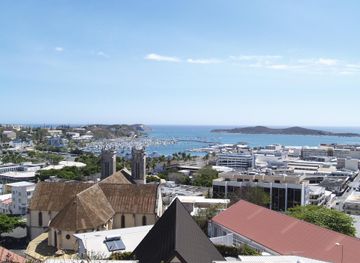
Discover New Caledonia, a captivating blend of French elegance and Pacific beauty, offering pristine beaches, vibrant culture, and unparalleled natural wonders.
Explore New Caledonia