

Free Hoboken Travel Guide & Mobile App
Plan your Hoboken trip with Evendo. Get free guides to top attractions, restaurants, hotels, and bars. Web access or download the mobile app.


Hoboken, New Jersey blends waterfront views, Sinatra history, brownstone streets, lively cafés and easy Manhattan access for culture-rich city breaks.
Waterfront Setting
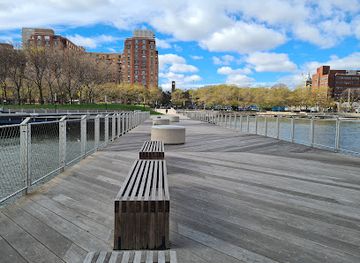
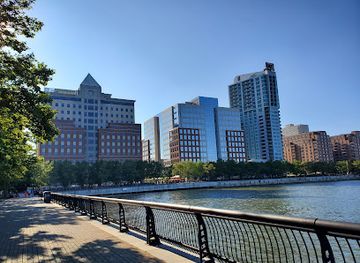
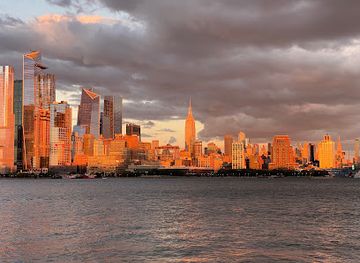
Hoboken occupies a compact stretch of the Hudson River waterfront in northeastern New Jersey, directly across from Manhattan. Its long riverfront promenade offers changing views of the New York skyline, while piers, parks and ferry landings create a more open landscape than the tightly packed streets behind them. The city is easy to explore on foot, with a regular grid of brownstone-lined blocks, small parks and a lively central commercial spine along Washington Street.Read more about Hoboken
History in the Streets
Neighbourhood Character
When is the best time to visit Hoboken?
Best: May–June, September · 23–29°C| Month | High (°C) | Rainfall (mm) |
|---|---|---|
| January | 4 | 79 |
| February | 5 | 75 |
| March | 10 | 86 |
| April | 17 | 94 |
| May (best) | 23 | 99 |
| June (best) | 29 | 99 |
| July | 31 | 106 |
| August | 30 | 103 |
| September (best) | 26 | 95 |
| October | 20 | 88 |
| November | 13 | 83 |
| December | 6 | 83 |
Getting to and around Hoboken
How to get there
Transportation
Best attractions in Hoboken
Hoboken’s principal attractions fit comfortably into a walkable urban itinerary. Hoboken Terminal is both a functioning transport hub and an impressive historic building whose waiting room, concourse and waterfront setting reflect the city’s railway age. Along the Hudson, the waterfront walkway leads to Pier A Park, with open lawns and expansive views towards Manhattan, while Pier C Park extends over the river and adds a distinctive public-space setting. The Hoboken Historical Museum presents changing exhibitions and local stories in a former shipyard building, offering context for the city’s immigrant, industrial and cultural history. Stevens Institute of Technology occupies the former Stevens family estate on the hill above the river, with notable campus architecture and viewpoints, although access to some areas may be limited. The grid of brownstone streets, Church Square Park and Washington Street’s shops and cafés supply a slower, everyday form of sightseeing.
-
Park
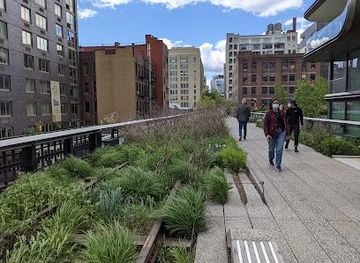
The High Line
Explore The High Line, New York City's stunning elevated park featuring lush gardens, public art, and breathtaking views of the city skyline.
6 min drive · 2.0 km from city centre
-
Park
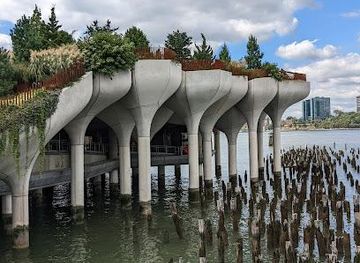
Little Island
Explore Little Island, a floating park in New York City, where nature meets art on the Hudson River with stunning views and vibrant events.
5 min drive · 1.5 km from city centre
-
Modern art museum
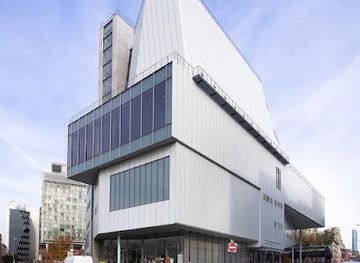
Whitney Museum of American Art
Discover the Whitney Museum of American Art, a premier destination showcasing the brilliance of modern American artists in the heart of New York City.
5 min drive · 1.7 km from city centre
-
 Art museum
ARTECHOUSE NYC
Discover the future of art at ARTECHOUSE NYC, where immersive digital experiences redefine creativity and inspire wonder in every visitor.
6 min drive · 1.8 km from city centre
Best landmarks in Hoboken
Hoboken Terminal is the city’s defining civic and transport landmark, with a 1907 station complex known for its monumental Beaux-Arts design, broad waiting room and historic relationship with rail and ferry travel. The Stevens Institute of Technology campus occupies the former Stevens family estate above the Hudson, and its buildings and elevated position preserve the association between Hoboken and American engineering. The waterfront’s Pier A Park and Pier C Park are modern public landmarks, marking the transformation of former working-edge land into accessible riverfront space. Church Square Park forms a historic green centre within the street grid, surrounded by older residential architecture and civic buildings. Throughout Hoboken, nineteenth- and early twentieth-century brownstones, row houses, churches and commercial façades express the city’s growth as an immigrant and industrial community, while sites connected with Frank Sinatra recall its twentieth-century cultural history.
-
Park
Sinatra Park
Discover the beauty of Sinatra Park in Hoboken, NJ, where lush landscapes meet stunning views of the Manhattan skyline for a perfect day out.
5 min walk · 0.4 km from city centre
-
Park
Pier C Park
Discover the scenic beauty and vibrant atmosphere of Pier C Park, a must-visit waterfront oasis in Hoboken, New Jersey.
7 min walk · 0.6 km from city centre
-
Scenic spot
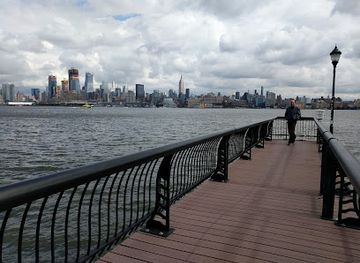
Hudson River Waterfront Walkway
Discover the beauty of the Hudson River Waterfront Walkway, a scenic pathway offering picturesque views and vibrant parks in Hoboken, New Jersey.
9 min walk · 0.7 km from city centre
-
Beer Garden
Pier 13 Hoboken
Discover the charm of Pier 13 Hoboken, a vibrant waterfront destination featuring a beer garden, food court, and stunning views of the Manhattan skyline.
11 min walk · 0.9 km from city centre
Explore Hoboken on the map
Plan your Hoboken trip on one map. See where the top attractions, landmarks, restaurants, bars and hotels are, find what's near where you're staying, and book hotels and experiences in a few clicks.
Best hotels in Hoboken
Best restaurants in Hoboken
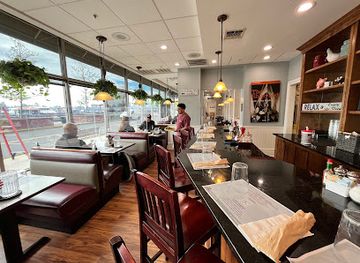
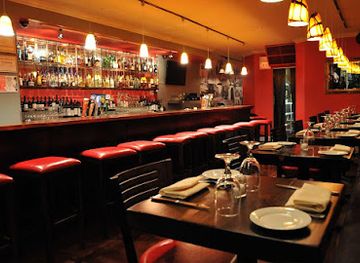
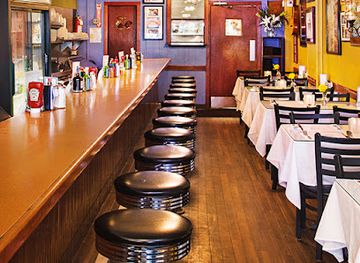
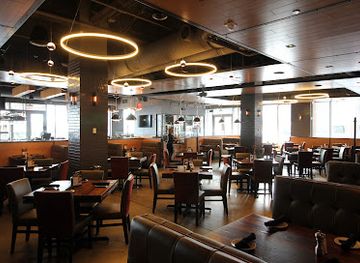
Hoboken’s dining culture reflects its long history as a densely settled Hudson waterfront city, with Italian-American traditions remaining especially visible in bakeries, delis, pizzerias and family-run eateries. Washington Street and the surrounding downtown blocks contain a broad mixture of casual restaurants, cafés, bars and newer kitchens, while the waterfront adds venues oriented towards river views and social dining. Visitors can find familiar New Jersey and New York standards alongside contemporary American cooking, international cuisines and brunch-focused cafés. Italian pastries, sandwiches, pizza and coffee provide links to older neighbourhood life, while bakeries and speciality food shops make useful stops during a walking tour. The city’s compact layout means that dining areas are closely interwoven with homes and local businesses rather than separated into a single restaurant quarter, and menus, opening patterns and payment practices vary between establishments.
-
Brunch
Turning Point of Hoboken
Experience delightful brunching at Turning Point of Hoboken with stunning waterfront views and an innovative menu perfect for any taste.
12 min walk · 1.0 km from city centre
-
Cuban
The Cuban
Experience authentic Cuban cuisine and vibrant Latin American culture at The Cuban in Hoboken, New Jersey.
6 min walk · 0.5 km from city centre
-
Cuban
La Isla Downtown
Discover the vibrant essence of Cuban cuisine at La Isla Downtown, where every dish tells a story.
11 min walk · 0.9 km from city centre
-
Steak
Del Frisco's Grille
Experience fine dining at Del Frisco's Grille in Hoboken - where exquisite steaks meet stunning waterfront views.
10 min walk · 0.8 km from city centre
Best bars in Hoboken
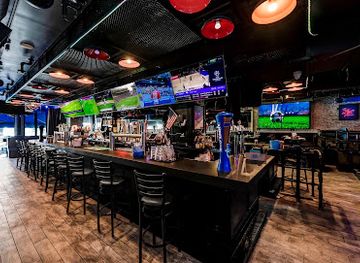
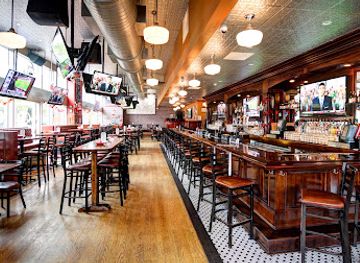
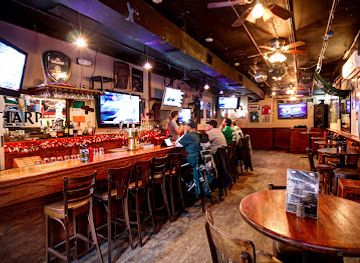
Hoboken’s evening scene is concentrated around Washington Street and the adjacent downtown blocks, where traditional pubs, sports bars, cocktail-focused venues, cafés and restaurants occupy the same walkable grid. The atmosphere ranges from relaxed drinks and conversation to lively late-evening crowds, particularly near the central commercial streets and around the transit hub. The waterfront offers a more open setting for an evening walk, although riverfront venues and outdoor areas can be seasonal or subject to local rules. Large-scale clubbing is less central to Hoboken’s identity than neighbourhood bars and social venues, while live music and community events appear at selected establishments and performance spaces. Visitors should remember that the city is also a residential community: noise, queues, public drinking and behaviour around homes and transport stations are subject to local regulations and ordinary urban etiquette.
-
Sports bar
Madd Hatter Hoboken
Experience the vibrant nightlife and delicious American cuisine at Madd Hatter Hoboken, a top sports bar and event venue perfect for all occasions.
8 min walk · 0.7 km from city centre
-
Bar
Wicked Wolf Tavern
Discover the lively atmosphere of Wicked Wolf Tavern, a top Hoboken spot for American cuisine and craft beers by the waterfront.
10 min walk · 0.8 km from city centre
-
Grill
The Madison Bar & Grill
Experience the vibrant flavors of American cuisine at The Madison Bar & Grill, a beloved Hoboken dining spot with a lively bar and grill atmosphere.
11 min walk · 0.9 km from city centre
-
Pub
Mulligan's Pub
Experience the heart of Irish culture at Mulligan's Pub in Hoboken, where every visit feels like a celebration of good food and great company.
11 min walk · 0.9 km from city centre
Best nightclubs in Hoboken
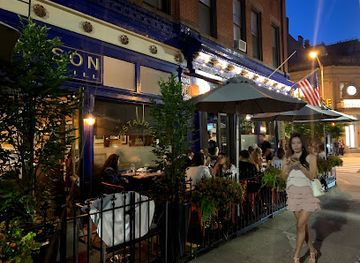
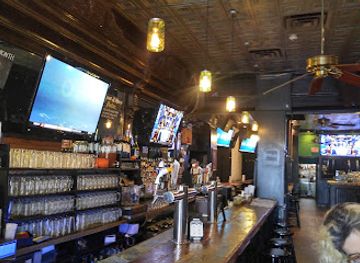
Hoboken’s evening scene is concentrated around Washington Street and the adjacent downtown blocks, where traditional pubs, sports bars, cocktail-focused venues, cafés and restaurants occupy the same walkable grid. The atmosphere ranges from relaxed drinks and conversation to lively late-evening crowds, particularly near the central commercial streets and around the transit hub. The waterfront offers a more open setting for an evening walk, although riverfront venues and outdoor areas can be seasonal or subject to local rules. Large-scale clubbing is less central to Hoboken’s identity than neighbourhood bars and social venues, while live music and community events appear at selected establishments and performance spaces. Visitors should remember that the city is also a residential community: noise, queues, public drinking and behaviour around homes and transport stations are subject to local regulations and ordinary urban etiquette.
-
Night club
Madd Hatter Hoboken
Immerse yourself in the vibrant nightlife of Hoboken at Madd Hatter, where American cuisine meets lively entertainment in a welcoming atmosphere.
8 min walk · 0.7 km from city centre
-
Grill
The Madison Bar & Grill
Discover the vibrant atmosphere and delicious American cuisine at The Madison Bar & Grill, a must-visit spot for tourists in Hoboken.
11 min walk · 0.9 km from city centre
-
Sports bar
The Shannon
Discover the essence of nightlife at The Shannon, Hoboken’s favorite sports bar and Irish pub, where great food meets an energetic atmosphere.
11 min walk · 0.9 km from city centre
-
Grill
Green Rock Tap & Grill
Discover the lively ambiance of Green Rock Tap & Grill in Hoboken, where delicious food meets refreshing drinks and vibrant nightlife.
13 min walk · 1.0 km from city centre


Best shops in Hoboken
Shopping in Hoboken is centred on Washington Street and the surrounding downtown blocks, where independent boutiques, gift shops, cafés, bakeries, salons and everyday retailers occupy a continuous urban high street. Rather than a traditional covered bazaar, the city offers a neighbourhood shopping experience woven into its brownstone streets and residential districts. Italian-American food traditions are reflected in bakeries, delis and shops selling prepared foods, pastries and pantry goods, while contemporary retailers provide clothing, homeware, beauty products and locally oriented gifts. The area around the terminal and waterfront contains additional small businesses, though the retail character changes from block to block. Visitors seeking souvenirs may find Sinatra-related items and locally themed products, but Hoboken’s strongest shopping appeal lies in independent businesses and food culture rather than a specialised handicraft tradition or a large luxury retail district.
-
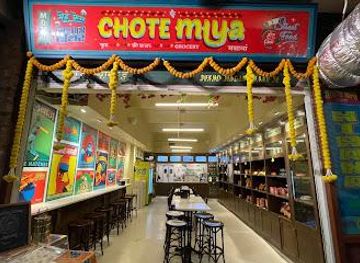
Market
Chelsea Market
Discover the vibrant culinary experience at Chelsea Market, a must-visit food hall in New York City, filled with diverse flavors and unique shops.
6 min drive · 1.9 km from city centre
-
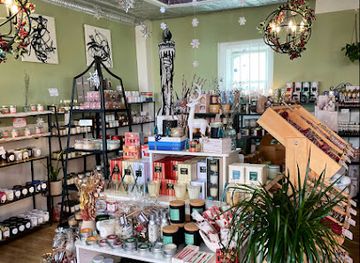
Candle store
Wicked Scents Hoboken
Discover the enchanting world of handcrafted candles at Wicked Scents in Hoboken, where each scent tells a story and sparks joy.
10 min walk · 0.8 km from city centre
-
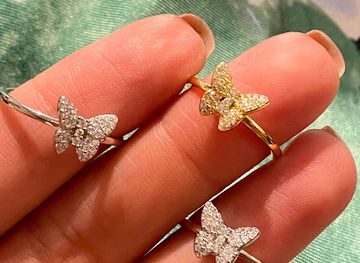
Gift shop
Noellery
Explore Noellery in Hoboken, NJ for unique gifts, fashion accessories, and exquisite jewelry that capture the essence of local artistry and creativity.
10 min walk · 0.8 km from city centre
-
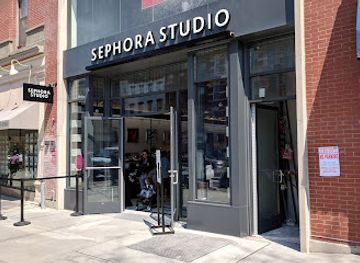
Cosmetics store
SEPHORA
Explore the ultimate beauty destination at Sephora in Hoboken, where luxury cosmetics and expert advice meet for an unforgettable shopping experience.
7 min walk · 0.5 km from city centre
Get your free copy of our complete guide to Hoboken, delivered straight to you.
Everything on this page, from attractions and restaurants to essentials and local phrases, in one PDF you can read offline, print or share.
Already have an account? Sign in
Your Hoboken guide is ready.
We'll send it to · Not you? Sign out

Getting your guide ready…
We are putting together a fresh copy of the Hoboken guide. This can take up to a minute.
This can take a few moments. If your browser asks, choose Allow so the download can start. You'll find the guide in your Downloads folder.
Nothing happened? Download it again
Sorry, the guide is taking longer than usual. Please try again in a minute, or get it by email instead.
Hoboken essentials
Currency and Payment
Safety
Emergency Situations
Do's and Don'ts
Local Tips
From Eve
Local phrases worth knowing
You don't need to get them perfect. A few words go a long way, and locals appreciate the effort.
Basics
| English | Local | Say it |
|---|---|---|
| Hello | Hey | [Hey] |
| Goodbye | Later | [Lay-ter] |
| Yes | Yeah | [Yea] |
| No | Nah | [Nah] |
| Please/You're welcome | Please/No problem | [Pleez/No prob-lem] |
| Thank you | Thanks | [Thanks] |
| Excuse me/Sorry | Sorry | [Sor-ee] |
| How are you? | How you doin'? | [How you doin'] |
| Fine. And you? | Good. You? | [Good. You?] |
| Do you speak English? | You speak English? | [You speak Ing-lish?] |
| I don't understand | I don't get it | [I don't get it] |
Eating & Drinking
| English | Local | Say it |
|---|---|---|
| I'd like to see the menu, please | Let me see the menu | [Let me see the menu] |
| I don't eat meat | I don't eat meat | [I don't eat meat] |
| Cheers! | Cheers! | [Cheers!] |
| I would like to pay, please | I'll pay now | [I'll pay now] |
Emergencies
| English | Local | Say it |
|---|---|---|
| Help! | Help! | [Help!] |
| Go away! | Get outta here! | [Get out-ta here!] |
| Call the Police! | Call the cops! | [Call the cops!] |
| Call a doctor! | Get a doc! | [Get a doc!] |
| I'm lost | I'm lost | [I'm lost] |
| I'm ill | I'm sick | [I'm sick] |
Shopping
| English | Local | Say it |
|---|---|---|
| I'd like to buy... | I wanna buy... | [I wanna buy...] |
| I'm just looking | Just browsing | [Just brows-ing] |
| How much is it? | How much? | [How much?] |
| That's too expensive | Too pricey | [Too pry-see] |
| Can you lower the price? | Can you do better? | [Can you do bet-ter?] |
Time & Numbers
| English | Local | Say it |
|---|---|---|
| What time is it? | What time is it? | [What time is it?] |
| It's one o'clock | It's one | [It's one] |
| Half past (10) | Half past ten | [Half past ten] |
| Morning | Morning | [Morning] |
| Afternoon | Afternoon | [Afternoon] |
| Evening | Evening | [Evening] |
| Yesterday | Yesterday | [Yesterday] |
| Today | Today | [Today] |
| Tomorrow | Tomorrow | [Tomorrow] |
| 1 | One | [One] |
| 2 | Two | [Two] |
| 3 | Three | [Three] |
| 4 | Four | [Four] |
| 5 | Five | [Five] |
| 6 | Six | [Six] |
| 7 | Seven | [Seven] |
| 8 | Eight | [Eight] |
| 9 | Nine | [Nine] |
| 10 | Ten | [Ten] |
Transport & Directions
| English | Local | Say it |
|---|---|---|
| Where's a/the...? | Where's the...? | [Where's the...?] |
| What's the address? | Where's it at? | [Where's it at?] |
| Can you show me (on the map)? | Can you show me (on the map)? | [Can you show me (on the map)?] |
| When's the next (bus)? | When's the next (bus)? | [When's the next (bus)?] |
| A ticket (to ....) | A ticket to ... | [A ticket to ...] |
History of Hoboken
Lenape Lands and Early Settlement
Before European settlement, the Hudson River shore around present-day Hoboken formed part of the homeland of the Lenape, whose communities used the river, marshes and surrounding woodlands for travel, fishing and seasonal resources. European land claims developed during the seventeenth century as Dutch and later English colonial influence expanded across the region. Hoboken’s river position made it valuable not only for settlement but also for transport between the New Jersey shore and Manhattan. The area remained relatively rural for much of the colonial period, with estates, farms and undeveloped land occupying what would later become a densely built city.
The Stevens Estate and Steam Ferries
In 1784, Colonel John Stevens acquired the Hoboken property and developed an estate on the Hudson waterfront. The Stevens family played an important role in introducing new transport and engineering ideas to the region. In 1811, John Stevens established a steam-powered ferry service between Hoboken and Manhattan, helping demonstrate the commercial potential of steam navigation in the United States. This connection encouraged Hoboken’s growth as a place of residence, industry and transit. The Stevens family’s association with engineering continued into the twentieth century through the institution that became Stevens Institute of Technology.
Urban Growth and Incorporation
Hoboken’s population expanded rapidly during the nineteenth century as New York’s regional economy drew workers, manufacturers and merchants to the New Jersey waterfront. The town was incorporated as a township in 1849 and became a city in 1855. Streets were laid out in a regular grid, while factories, warehouses, housing and commercial premises filled the area around ferry landings and transport routes. German, Irish, Italian and other immigrant communities contributed to the city’s social and religious life, leaving traces in churches, schools, businesses and domestic architecture that remain visible in the older neighbourhoods.
Railways, Industry and Immigration
Hoboken became a major regional transport interchange during the late nineteenth and early twentieth centuries. Rail companies connected the city with destinations across New Jersey, while ferries carried passengers to Manhattan and the waterfront supported manufacturing, shipping and warehousing. The Delaware, Lackawanna and Western Railroad’s Hoboken Terminal opened in 1907, bringing together rail, ferry and urban transit functions in a grand Beaux-Arts complex. Industrial employment and dense housing attracted successive waves of immigrants, creating the working-city character associated with Hoboken before the decline of heavy industry and riverfront shipping.
Sinatra, Renewal and the Modern Waterfront
Hoboken entered popular culture through the career of Francis Albert Sinatra, who was born in the city in 1915 and grew up in its Italian-American community. The later twentieth century brought deindustrialisation and the redevelopment of former industrial waterfront land for housing, parks and public access. Hoboken’s historic grid and older buildings survived alongside new residential development, while the riverfront was reshaped as a continuous public promenade. Today, the city retains its transport and neighbourhood identity, combining preserved architectural traces of its industrial past with a dense contemporary community and close links to Manhattan.
Hoboken in Photos
Browse through our photo collection highlighting the charm and character of the destination.
Cities near Hoboken
The closest cities to Hoboken, if you have time for more than one stop.
-

-

-

-

-


Swipe for more cities
Explore more
Explore more of New Jersey
Discover New Jersey: From vibrant cities and historic towns to scenic beaches and lush parks, the Garden State offers a rich blend of culture, nature, and adventure.
Explore New Jersey