

Free Paterson Travel Guide & Mobile App
Plan your Paterson trip with Evendo. Get free guides to top attractions, restaurants, hotels, and bars. Web access or download the mobile app.


Paterson, New Jersey, pairs the Great Falls with Silk City history, historic mills, immigrant foodways, museums and culture near New York City.
The Great Falls and the Silk City
Paterson rises along the Passaic River in northern New Jersey, where the river plunges over a basalt escarpment in the centre of the city. The Great Falls supplied the power for Alexander Hamilton’s planned industrial settlement, founded in 1791 by the Society for Establishing Useful Manufactures, and later drove mills producing silk, locomotives, firearms and other goods. That industrial inheritance remains visible in the broad brick complexes and watercourses of the Great Falls Historic District, while the national historical park beside the waterfall explains how engineering and enterprise shaped the city.Read more about Paterson
Neighbourhoods and Cultural Life
A City Best Read Through Its Landscape
When is the best time to visit Paterson?
Best: May–June, September · 22–27°C| Month | High (°C) | Rainfall (mm) |
|---|---|---|
| January | 5 | 79 |
| February | 5 | 71 |
| March | 11 | 96 |
| April | 16 | 97 |
| May (best) | 22 | 98 |
| June (best) | 27 | 97 |
| July | 29 | 99 |
| August | 29 | 102 |
| September (best) | 24 | 92 |
| October | 18 | 91 |
| November | 12 | 95 |
| December | 7 | 91 |
Getting to and around Paterson
How to get there
Transportation
Best attractions in Paterson
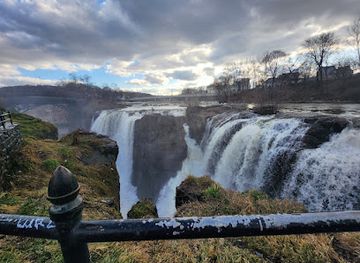
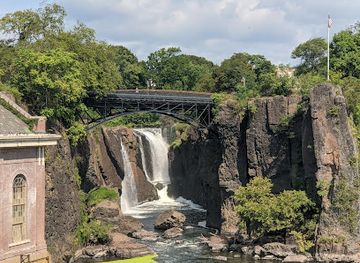
Paterson’s central attraction is Paterson Great Falls National Historical Park, where the Passaic River drops over a broad basalt ledge beside the remains of the city’s industrial water system. The surrounding Great Falls Historic District rewards a slower exploration of brick mills, raceways and former factory buildings. At the Paterson Museum, housed in the old Rogers Locomotive Works, machinery, locomotives and local industrial artefacts explain how manufacturing shaped the city. Hinchliffe Stadium adds a different dimension, linking the landscape to Negro league baseball and African-American sporting history. Downtown streets provide a living cultural attraction, with international groceries, bakeries, restaurants and independent businesses reflecting Paterson’s successive migrant communities. The city is less about a long sequence of conventional galleries than about reading technology, labour, architecture and community together across a compact historic core.
-
Tourist attraction
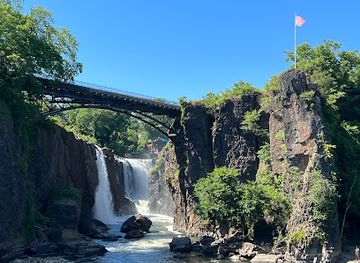
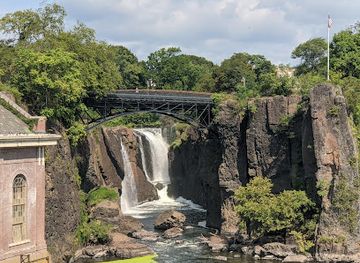
Paterson Great Falls National Historical Park
Explore the natural beauty and rich history of Paterson Great Falls National Historical Park, a stunning waterfall and historical landmark in New Jersey.
8 min walk · 0.7 km from city centre
-
Tourist attraction
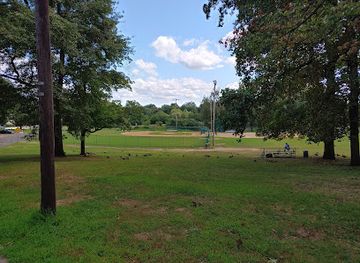
Eastside Park
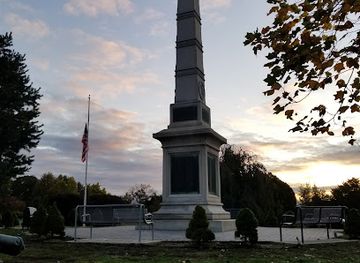
Explore the lush landscapes and historical charm of Eastside Park, a serene oasis in the heart of Paterson, New Jersey.
9 min drive · 3.0 km from city centre
-
Tourist attraction
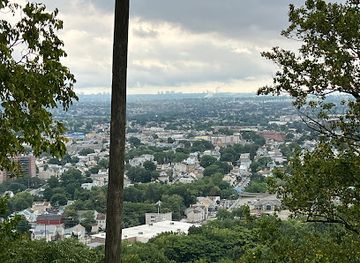
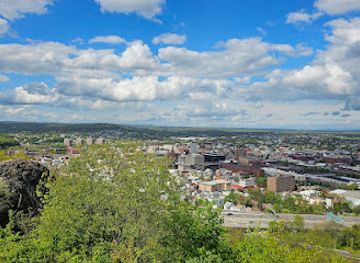
Overlook Park
Experience the tranquil beauty and historical significance of Overlook Park in Paterson, New Jersey, a perfect getaway for nature lovers and history enthusiasts.
10 min walk · 0.8 km from city centre
-
Park
Lambert Tower-Garret Mountain Reservation
Explore Lambert Tower in Garret Mountain Reservation for breathtaking views, rich history, and unforgettable nature experiences in New Jersey.
6 min drive · 1.9 km from city centre
Best landmarks in Paterson
The Great Falls is Paterson’s defining natural and industrial landmark, its waterpower explaining why the city was planned here in the early republic. Around it, the Great Falls Historic District preserves mill façades, raceways and other structures associated with nineteenth- and twentieth-century manufacturing. The Paterson Museum occupies the former Rogers Locomotive Works, giving the building itself architectural and historical significance in addition to its collections. Hinchliffe Stadium is an important civic landmark because of its association with Negro league baseball and the history of segregated sport. Downtown’s Passaic County Courthouse and other civic buildings reflect the city’s development as a regional administrative centre, while churches, mosques and other religious buildings illustrate the communities that have shaped Paterson since industrial expansion. Together, these places connect landscape, technology, government, sport and migration.
-
National park
Paterson Great Falls National Historical Park
Explore the breathtaking Paterson Great Falls National Historical Park, where nature meets history in a stunning display of waterfalls and industrial heritage.
8 min walk · 0.7 km from city centre
-
Park
Garret Mountain Reservation
Discover the breathtaking landscapes and rich wildlife at Garret Mountain Reservation, a must-visit park in Woodland Park, NJ, perfect for outdoor enthusiasts.
6 min drive · 1.9 km from city centre
-
Park
Eastside Park
Explore the natural beauty and rich heritage of Eastside Park, a tranquil oasis in Paterson, NJ, perfect for relaxation and outdoor activities.
9 min drive · 3.0 km from city centre
-
Park
Overlook Park
Discover the serene beauty of Overlook Park in Paterson, NJ, a perfect destination for nature lovers and families seeking outdoor fun.
10 min walk · 0.8 km from city centre
Explore Paterson on the map
Plan your Paterson trip on one map. See where the top attractions, landmarks, restaurants, bars and hotels are, find what's near where you're staying, and book hotels and experiences in a few clicks.
Best hotels in Paterson
Best restaurants in Paterson
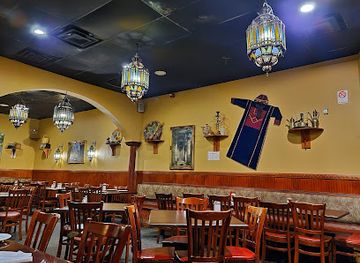
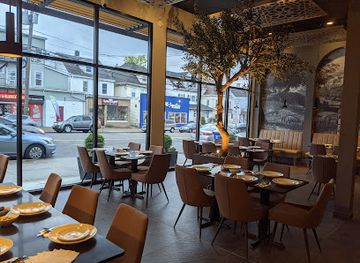
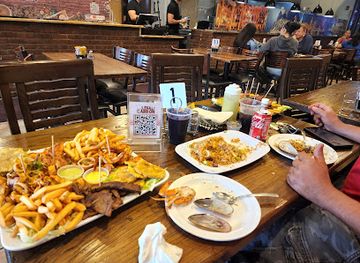
Paterson’s dining scene reflects its role as a gateway city, with Latin American, Caribbean, Middle Eastern, South Asian and other culinary traditions represented in restaurants, bakeries, groceries and casual counters. Dominican, Puerto Rican and other Latin American dishes are especially visible around the commercial streets, while Turkish, Arab and South Asian businesses contribute grilled meats, flatbreads, sweets, spices and prepared foods. The area around downtown and Market Street is useful for informal eating and food shopping, with small establishments often serving neighbourhood regulars rather than a visitor market. Restaurants vary from quick, inexpensive meals to family-run dining rooms, and menus may change with the community they serve. Paterson is best approached as a city of distinct foodways, where migration, faith, trade and family enterprise are expressed through everyday cooking rather than a single signature cuisine.
-
Middle Eastern
Al-Basha Quick Serve
Discover authentic Middle Eastern cuisine at Al-Basha Quick Serve in Paterson—where flavor meets hospitality in every dish.
9 min drive · 3.1 km from city centre
-
Latin American
La Chiflada NJ
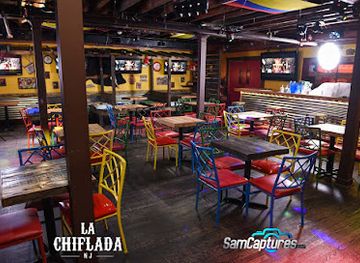
Experience the vibrant tastes and lively atmosphere at La Chiflada NJ - your go-to destination for Latin American cuisine and nightlife.
17 min walk · 1.3 km from city centre
-
Middle Eastern
Al-Basha Restaurant Dine-In Only
Discover the vibrant flavors of Middle Eastern cuisine at Al-Basha Restaurant in Paterson - where every dish tells a story.
11 min drive · 3.7 km from city centre
-
Peruvian
Leña y Carbón Restaurant & Lounge
Experience authentic Peruvian cuisine at Leña y Carbón Restaurant & Lounge in Paterson, NJ – where every bite tells a story.
2 min walk · 0.2 km from city centre
Best bars in Paterson
Paterson’s evening scene is modest and locally oriented rather than built around a concentrated nightclub district. Downtown and the main commercial corridors have neighbourhood bars, lounges, cafés and restaurants where residents meet after work, while live music and cultural events appear periodically in community venues and performance spaces. Evening activity is often connected to dining, family gatherings and religious or cultural organisations rather than to large-scale clubbing. Nightlife conditions vary by street and by day, so visitors should plan their route, use reputable transport and avoid wandering unfamiliar areas late at night. For a broader choice of concert halls, theatres and late-night venues, nearby Newark and New York City offer more extensive programmes, but those are separate destinations rather than part of Paterson’s own nightlife landscape.
-
Bar
Bonfire Mofongo House and Lounge
Experience the vibrant flavors and lively atmosphere at Bonfire Mofongo House and Lounge, a Caribbean culinary gem in Paterson, NJ.
9 min drive · 3.1 km from city centre
-
Grill
Duffy's Tavern
Discover Duffy's Tavern in Paterson, an Irish pub with hearty grill fare and vibrant atmosphere, perfect for tourists seeking local flavor.
10 min drive · 3.3 km from city centre
-
Restaurant
Hornitos Paterson Restaurant & Lounge
Experience vibrant Colombian cuisine and cocktails at Hornitos Paterson, a family-friendly restaurant and lounge in the heart of New Jersey.
6 min drive · 2.0 km from city centre
-
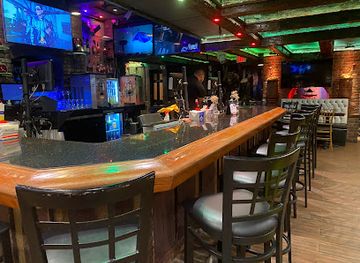
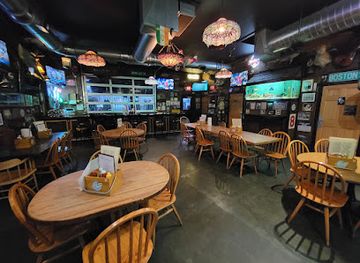
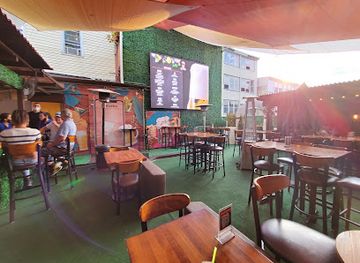
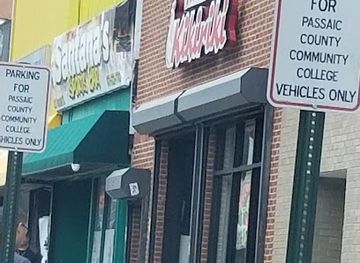
Sports bar
Santana's Sports Bar
Join the excitement at Santana's Sports Bar in Paterson, NJ – where game day meets great food and a lively atmosphere.
3 min walk · 0.2 km from city centre
Best nightclubs in Paterson
Paterson’s evening scene is modest and locally oriented rather than built around a concentrated nightclub district. Downtown and the main commercial corridors have neighbourhood bars, lounges, cafés and restaurants where residents meet after work, while live music and cultural events appear periodically in community venues and performance spaces. Evening activity is often connected to dining, family gatherings and religious or cultural organisations rather than to large-scale clubbing. Nightlife conditions vary by street and by day, so visitors should plan their route, use reputable transport and avoid wandering unfamiliar areas late at night. For a broader choice of concert halls, theatres and late-night venues, nearby Newark and New York City offer more extensive programmes, but those are separate destinations rather than part of Paterson’s own nightlife landscape.
-
Lounge
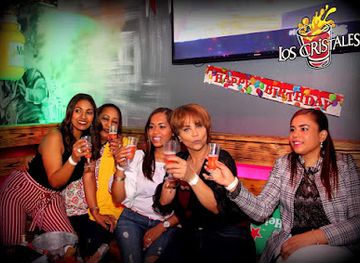
LOS CRISTALES SHOTS BAR
Discover the vibrant spirit of Latin nightlife at Los Cristales Shots Bar in Paterson, NJ, where lively music and delicious cuisine await.
5 min drive · 1.7 km from city centre
-
Bar
Quest Lounge
Discover the energetic nightlife at Quest Lounge in Paterson, NJ, where great drinks and vibrant music create unforgettable evenings.
16 min walk · 1.3 km from city centre
-
Night club
Doctor's Cave Gentlemen's Club
Discover the nightlife at Doctor's Cave Gentlemen's Club in Paterson, NJ, where vibrant entertainment and a lively atmosphere await every night.
11 min walk · 0.8 km from city centre
-
Bar
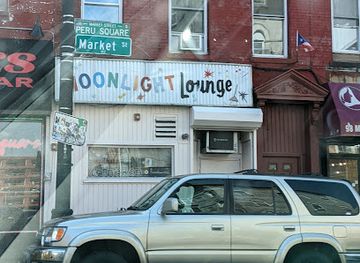
Moonlight Lounge
Discover the vibrant nightlife at Moonlight Lounge in Paterson, NJ, where exceptional drinks and a lively atmosphere await every visitor.
2 min walk · 0.2 km from city centre
Best shops in Paterson
Shopping in Paterson is closely tied to its international population and working commercial streets rather than to a single luxury retail quarter. Downtown and the Market Street area contain independent shops, Latin American groceries, Middle Eastern food stores, South Asian retailers, bakeries, jewellery businesses and small clothing outlets. Visitors can look for spices, sweets, coffee, textiles, religious goods and imported ingredients that reflect the city’s many diasporas, although stock and opening patterns vary between businesses. The experience is more urban and practical than curated, with shopping streets serving local residents as well as visitors. Former mill districts also provide a reminder that Paterson once manufactured silk, locomotives and other goods on a large scale; today, the most distinctive purchases are generally foods and culturally specific everyday products rather than factory-made souvenirs.
-
Shopping mall
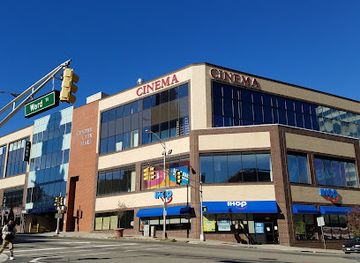
Center City Mall
Discover a vibrant shopping experience at Center City Mall in Paterson, where fashion, food, and fun come together for an unforgettable day.
2 min walk · 0.2 km from city centre
-
Department store
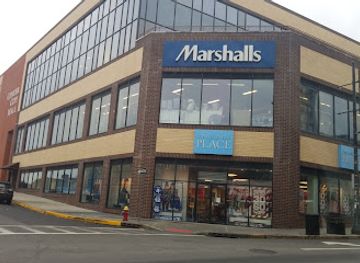
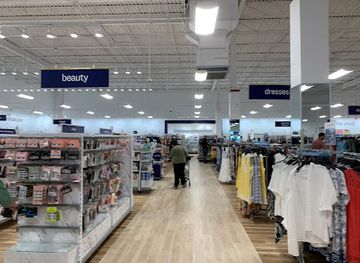
Marshalls
Discover unbeatable deals on top brands at Marshalls in Paterson, NJ – your ultimate shopping destination for clothes, luggage, and more!
3 min walk · 0.2 km from city centre
-
Convenience store
Street Corner
Discover the heart of Paterson at Street Corner – your go-to convenience store for local treats and everyday essentials.
2 min walk · 0.2 km from city centre
-
Thrift store
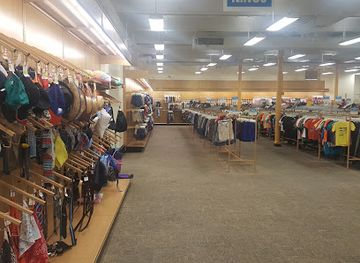
MyUnique Thrift
Explore the charm of sustainable shopping at MyUnique Thrift, where vintage treasures await in the heart of Paterson, New Jersey.
2 min walk · 0.2 km from city centre
Get your free copy of our complete guide to Paterson, delivered straight to you.
Everything on this page, from attractions and restaurants to essentials and local phrases, in one PDF you can read offline, print or share.
Already have an account? Sign in
Your Paterson guide is ready.
We'll send it to · Not you? Sign out

Getting your guide ready…
We are putting together a fresh copy of the Paterson guide. This can take up to a minute.
This can take a few moments. If your browser asks, choose Allow so the download can start. You'll find the guide in your Downloads folder.
Nothing happened? Download it again
Sorry, the guide is taking longer than usual. Please try again in a minute, or get it by email instead.
Paterson essentials
Currency and Payment
Safety
Emergency Situations
Do's and Don'ts
Local Tips
From Eve
Local phrases worth knowing
You don't need to get them perfect. A few words go a long way, and locals appreciate the effort.
Basics
| English | Local | Say it |
|---|---|---|
| Hello | Yo | [yo] |
| Goodbye | Later | [lay-ter] |
| Yes | Yeah | [yeh] |
| No | Nah | [nah] |
| Please/You're welcome | Please/No problem | [pleez/no prob-lem] |
| Thank you | Thanks | [thanks] |
| Excuse me/Sorry | Scuse me/Sorry | [skews me/saw-ree] |
| How are you? | How you doin'? | [how yoo doin'] |
| Fine. And you? | Good. You? | [good. yoo?] |
| Do you speak English? | You speak English? | [yoo speak ing-lish?] |
| I don't understand | I don't get it | [i don't get it] |
Eating & Drinking
| English | Local | Say it |
|---|---|---|
| I'd like to see the menu, please | Let me see the menu, please | [let me see the menu, please] |
| I don't eat meat | I don't eat meat | [i don't eat meat] |
| Cheers! | Cheers! | [cheers] |
| I would like to pay, please | Let me pay, please | [let me pay, please] |
Emergencies
| English | Local | Say it |
|---|---|---|
| Help! | Help! | [help!] |
| Go away! | Get outta here! | [get out-ta here!] |
| Call the Police! | Call the cops! | [call the cops!] |
| Call a doctor! | Get a doctor! | [get a doctor!] |
| I'm lost | I'm lost | [i'm lost] |
| I'm ill | I'm sick | [i'm sick] |
Shopping
| English | Local | Say it |
|---|---|---|
| I'd like to buy... | I wanna buy... | [i wanna buy] |
| I'm just looking | I'm just looking | [i'm just looking] |
| How much is it? | How much? | [how much?] |
| That's too expensive | Too much | [too much] |
| Can you lower the price? | Can you do better? | [can you do bet-ter?] |
Time & Numbers
| English | Local | Say it |
|---|---|---|
| What time is it? | What time is it? | [what time is it?] |
| It's one o'clock | It's one | [it's one] |
| Half past (10) | Ten-thirty | [ten-thur-tee] |
| Morning | Morning | [mor-ning] |
| Afternoon | Afternoon | [af-ter-noon] |
| Evening | Evening | [ee-ven-ing] |
| Yesterday | Yesterday | [yes-ter-day] |
| Today | Today | [to-day] |
| Tomorrow | Tomorrow | [to-mor-row] |
| 1 | One | [wun] |
| 2 | Two | [too] |
| 3 | Three | [three] |
| 4 | Four | [four] |
| 5 | Five | [five] |
| 6 | Six | [six] |
| 7 | Seven | [sev-en] |
| 8 | Eight | [ate] |
| 9 | Nine | [nine] |
| 10 | Ten | [ten] |
Transport & Directions
| English | Local | Say it |
|---|---|---|
| Where's a/the...? | Where's the...? | [where's the...?] |
| What's the address? | What's the address? | [what's the address?] |
| Can you show me (on the map)? | Show me (on the map) | [show me (on the map)] |
| When's the next (bus)? | When's the next (bus)? | [when's the next (bus)?] |
| A ticket (to ....) | One ticket (to ....) | [wun ticket (to ....)] |
History of Paterson
Lenape Homeland and River Valley
Before European settlement, the Passaic River valley was inhabited by Lenape peoples, whose seasonal patterns of movement, fishing, hunting and cultivation were connected to the river and surrounding woodland. Dutch and later English colonial expansion brought land transactions, farms and increasing pressure on Indigenous communities. The falls already represented a significant natural feature long before industrial planners viewed them as a source of mechanical power. Paterson’s later development therefore took place within an older cultural landscape shaped by the Passaic River, its tributaries and the routes linking the interior of northern New Jersey with coastal settlements.
Hamilton’s Industrial Experiment
In 1791, Alexander Hamilton helped establish the Society for Establishing Useful Manufactures, an ambitious organisation intended to promote domestic industry in the new United States. The society selected the Great Falls for their dependable waterpower and laid out the settlement that became Paterson, named for New Jersey governor William Paterson. Although the original plans were only partly realised, the falls soon attracted mills and workshops. Their significance was not simply scenic: the change in elevation allowed water to power machinery, making the site one of the earliest planned industrial communities in the United States.
Mills, Machinery and Expansion
During the nineteenth century, Paterson developed into a manufacturing centre whose industries included cotton, iron, locomotive building and firearms. Factories expanded along the Passaic and its raceways, while canals and later rail connections strengthened links with regional markets. The city was incorporated in 1837 and grew as workers arrived from rural areas and overseas. The Rodgers Locomotive Works became especially important, producing engines for railways in the United States and abroad. The surviving mill architecture and water infrastructure around the Great Falls preserve the physical outline of this industrial expansion.
The Silk City
By the late nineteenth and early twentieth centuries, silk had become central to Paterson’s economy and identity, earning the city the nickname ‘Silk City’. Italian immigrants formed a particularly important part of the workforce, alongside other migrant communities employed in spinning, weaving and finishing. Working conditions could be demanding, and labour organisation became a major force in urban life. The Paterson silk strike of 1913, part of a wider period of labour unrest, brought together workers from different linguistic and political backgrounds and drew national attention to questions of wages, hours and industrial control.
Community, Sport and Social Change
Paterson’s twentieth-century history was shaped by changing patterns of migration, industrial decline and neighbourhood formation. African-American residents built institutions and communities in the city, while Hinchliffe Stadium became a notable venue for Negro league baseball, hosting prominent Black players during the era of segregated professional sport. Later arrivals from Latin America, the Caribbean, the Middle East and Asia further transformed the city’s commercial and cultural life. These overlapping histories can be read in religious institutions, shops, restaurants, civic buildings and the varied languages heard across downtown streets.
Preservation and Renewal
As manufacturing contracted after the Second World War, Paterson faced job losses, changing land use and the deterioration of former industrial buildings. Preservation efforts increasingly recognised the national importance of the Great Falls, the mill district and the city’s labour and technological heritage. Paterson Great Falls National Historical Park was established in 2011, giving federal recognition to the industrial landscape around the waterfall. Contemporary Paterson continues to negotiate economic challenges while maintaining a strong civic identity grounded in manufacturing, immigration, historic preservation and cultural diversity.
Paterson in Photos
Browse through our photo collection highlighting the charm and character of the destination.
Cities near Paterson
The closest cities to Paterson, if you have time for more than one stop.
-

-

-

-

-


Swipe for more cities
Explore more
Explore more of New Jersey
Discover New Jersey: From vibrant cities and historic towns to scenic beaches and lush parks, the Garden State offers a rich blend of culture, nature, and adventure.
Explore New Jersey