

Free Red Bank Travel Guide & Mobile App
Plan your Red Bank trip with Evendo. Get free guides to top attractions, restaurants, hotels, and bars. Web access or download the mobile app.


Red Bank, New Jersey, pairs Navesink River views with live music, theatre, historic streets, independent shops and distinctive dining on the Jersey Shore.
A Riverside Downtown
Red Bank occupies a compact stretch of New Jersey's Navesink River, where a walkable commercial centre meets wooded banks, marinas and broad water views. Broad Street forms the town's main spine, lined with independent shops, cafés, restaurants, galleries and restored buildings that give the borough a distinctly local character. Riverside Gardens Park provides a graceful place to pause beside the water, while Marine Park extends the waterfront experience with lawns, paths and seasonal community events.Read more about Red Bank
Music and Theatre
Stories in the Streets
When is the best time to visit Red Bank?
Best: May–June, September · 22–26°C| Month | High (°C) | Rainfall (mm) |
|---|---|---|
| January | 5 | 85 |
| February | 6 | 77 |
| March | 11 | 92 |
| April | 17 | 96 |
| May (best) | 22 | 100 |
| June (best) | 26 | 100 |
| July | 29 | 105 |
| August | 29 | 101 |
| September (best) | 24 | 92 |
| October | 19 | 85 |
| November | 13 | 91 |
| December | 8 | 92 |
Getting to and around Red Bank
How to get there
Transportation
Best attractions in Red Bank
Red Bank's principal attractions are close enough to combine in an unhurried day. The Count Basie Center for the Arts occupies the former Carlton Theatre and presents a substantial programme of music, comedy and other performances, while Two River Theater offers professionally produced plays and musicals in a purpose-built setting. The T. Thomas Fortune Cultural Center introduces the life and ideas of the influential African American journalist who lived in the borough. Along the Navesink, Riverside Gardens Park provides lawns, paths and open river views, and Marine Park offers another pleasant waterfront setting near the downtown. Broad Street and adjoining streets add independent shops, galleries, cafés and restaurants to the sightseeing mix. The Red Bank Public Library and the town's historic residential streets contribute quieter glimpses of local civic life, making the borough best understood through a combination of cultural venues, river walks and compact urban exploration.
-
Tourist attraction
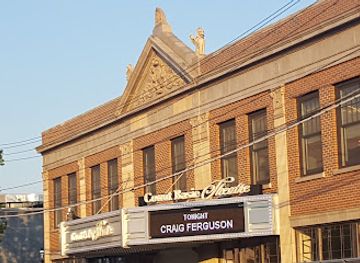
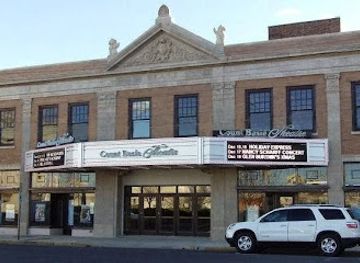
Count Basie Center for the Arts
Discover the rich culture and vibrant performances at the Count Basie Center for the Arts in Red Bank, NJ, a must-visit for art enthusiasts.
3 min walk · 0.3 km from city centre
-
Comic book store
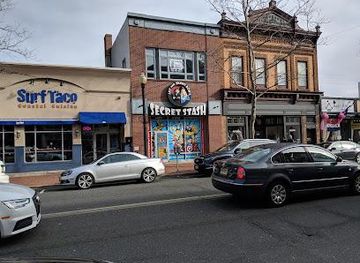
Jay & Silent Bob's Secret Stash
Explore Jay & Silent Bob's Secret Stash in Red Bank, NJ – a comic book haven packed with collectibles and pop culture magic.
3 min walk · 0.3 km from city centre
-
Comic book store
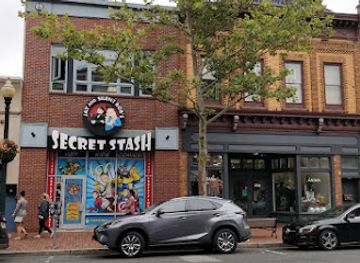
Jay & Silent Bob's Secret Stash
Dive into the world of comics at Jay & Silent Bob's Secret Stash, a treasure trove for fans of pop culture and comic book lovers in Red Bank, NJ.
3 min walk · 0.3 km from city centre
-
Video arcade
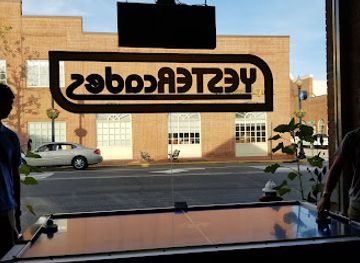
YESTERcades of Red Bank
Experience the ultimate retro gaming adventure at YESTERcades of Red Bank, where nostalgia meets modern fun in a vibrant arcade atmosphere.
3 min walk · 0.2 km from city centre
Best landmarks in Red Bank
The Count Basie Center for the Arts is one of Red Bank's defining civic landmarks: its theatre building, originally known as the Carlton Theatre, connects the borough's entertainment history with the international legacy of pianist William 'Count' Basie, who was born locally. The T. Thomas Fortune Cultural Center occupies the former home of the prominent journalist and civil-rights thinker, giving a domestic building wider national significance. The Molly Pitcher Inn, overlooking the Navesink, represents Red Bank's early twentieth-century tradition of riverside hospitality and remains a notable architectural presence. Red Bank's NJ TRANSIT station reflects the railway expansion that integrated the community with the New York metropolitan region and the shore. Riverside Gardens Park and Marine Park are civic landscapes rather than monumental structures, but their riverfront spaces express the geography that has shaped the borough's identity.
-
Performing arts theater
Count Basie Center for the Arts
Discover the vibrant performing arts scene at Count Basie Center for the Arts, a historic theater in Red Bank, NJ offering diverse performances year-round.
3 min walk · 0.3 km from city centre
-
Performing arts theater
Two River Theater
Discover the artistic heart of Red Bank at Two River Theater, where captivating performances and community engagement come together in a vibrant atmosphere.
8 min walk · 0.7 km from city centre
-
Music store
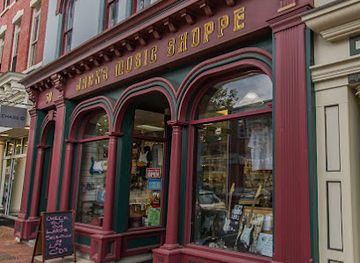
Jack's Music Shoppe
Explore Jack's Music Shoppe in Red Bank, NJ – your go-to destination for musical instruments, accessories, and community events that inspire creativity.
4 min walk · 0.4 km from city centre
-
Concert hall
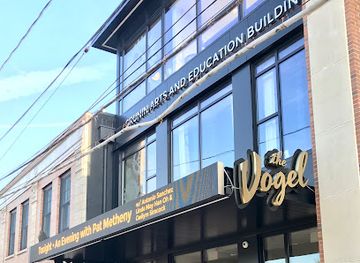
The Vogel
Discover The Vogel, Red Bank's premier concert hall, offering an intimate setting for diverse musical performances and cultural experiences.
4 min walk · 0.3 km from city centre
Explore Red Bank on the map
Plan your Red Bank trip on one map. See where the top attractions, landmarks, restaurants, bars and hotels are, find what's near where you're staying, and book hotels and experiences in a few clicks.
Best hotels in Red Bank
Best restaurants in Red Bank
Red Bank's dining scene is shaped by its walkable downtown and its position in Monmouth County rather than by one single signature dish. Broad Street and nearby side streets offer varied restaurants, cafés, bakeries, bars and casual eateries, with menus that reflect the multicultural character of contemporary New Jersey. Visitors can find familiar American cooking alongside Italian, Mexican, Asian and other international influences, as well as seafood choices associated with the wider Jersey Shore. Coffee shops and independent food businesses suit daytime browsing, while restaurants around the centre support pre-theatre and post-performance meals. The Navesink setting adds a riverside dimension to dining, although views, outdoor seating and opening patterns vary by establishment. For a more local experience, explore the commercial blocks on foot rather than relying only on venues clustered beside the main theatre district.
-
Italian
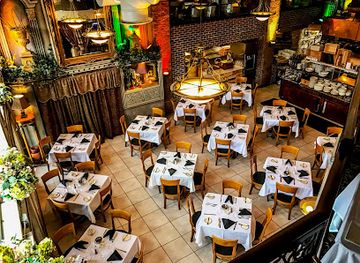
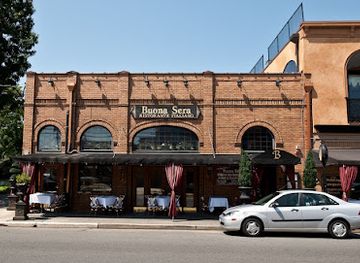
Buona Sera
Experience authentic Italian cuisine at Buona Sera in Red Bank - where flavor meets elegance in every dish.
3 min walk · 0.2 km from city centre
-
Irish
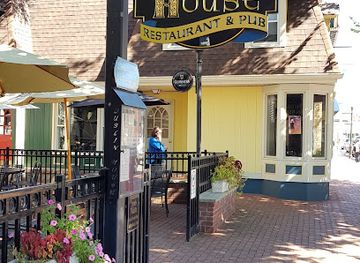
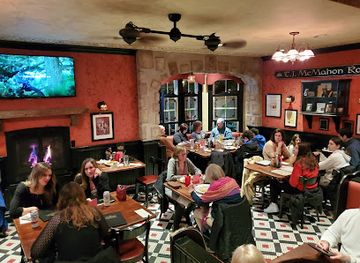
Dublin House
Discover Dublin House: Your gateway to an authentic Irish pub experience in Red Bank with hearty meals and lively entertainment.
2 min walk · 0.2 km from city centre
-
American
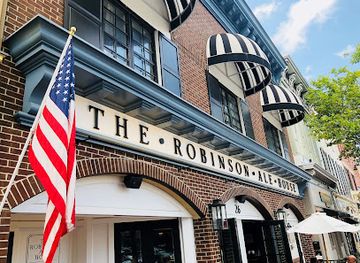
The Robinson Ale House
Experience American cuisine at its finest in Red Bank's beloved Robinson Ale House with great food, drinks, and lively atmosphere.
5 min walk · 0.4 km from city centre
-
Indian
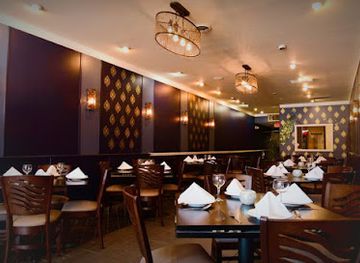
Bombay River, Indian Restaurant
Savor authentic Indian cuisine at Bombay River – where tradition meets culinary artistry in every dish.
2 min walk · 0.2 km from city centre
Best bars in Red Bank
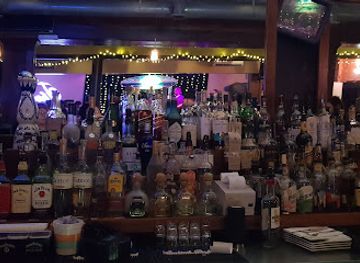
Red Bank's evening life is led more by live performance, dining and sociable bars than by a concentrated nightclub scene. The Count Basie Center for the Arts brings touring musicians, comedians and other performers into the centre, while Two River Theater creates a strong audience culture around plays and musicals. Broad Street and adjoining blocks contain bars, pubs and restaurants where people gather before or after shows, with options ranging from relaxed drinks to livelier late-evening socialising. The borough's scale means nightlife is generally walkable but comparatively modest, and the atmosphere can change markedly according to the performance calendar. Riverside settings provide an attractive early-evening backdrop, though waterfront areas are not substitutes for licensed entertainment venues. Visitors should follow venue age requirements and local rules concerning alcohol and public spaces.
-
Italian
Buona Sera
Experience the essence of Italy at Buona Sera, where exquisite Italian cuisine meets an elegant atmosphere in Red Bank.
3 min walk · 0.2 km from city centre
-
Bar
Dublin House
Experience the heart of Ireland at Dublin House, a vibrant Irish pub in Red Bank offering authentic cuisine and a lively atmosphere.
2 min walk · 0.2 km from city centre
-
American
The Robinson Ale House
Experience the best of American cuisine at The Robinson Ale House in Red Bank, where delicious food meets a lively atmosphere.
5 min walk · 0.4 km from city centre
-
Restaurant
TEAK Restaurant & Bar
TEAK Restaurant & Bar: A Culinary and Nightlife Experience in Red Bank, NJ Offering Fusion Flavors and Lively Ambiance.
2 min walk · 0.2 km from city centre


Best nightclubs in Red Bank
Red Bank's evening life is led more by live performance, dining and sociable bars than by a concentrated nightclub scene. The Count Basie Center for the Arts brings touring musicians, comedians and other performers into the centre, while Two River Theater creates a strong audience culture around plays and musicals. Broad Street and adjoining blocks contain bars, pubs and restaurants where people gather before or after shows, with options ranging from relaxed drinks to livelier late-evening socialising. The borough's scale means nightlife is generally walkable but comparatively modest, and the atmosphere can change markedly according to the performance calendar. Riverside settings provide an attractive early-evening backdrop, though waterfront areas are not substitutes for licensed entertainment venues. Visitors should follow venue age requirements and local rules concerning alcohol and public spaces.
-
Bar
Dublin House
Experience the warmth of Irish culture at Dublin House, a vibrant bar and restaurant in Red Bank, NJ, offering authentic cuisine and a lively atmosphere.
2 min walk · 0.2 km from city centre
-
Night club
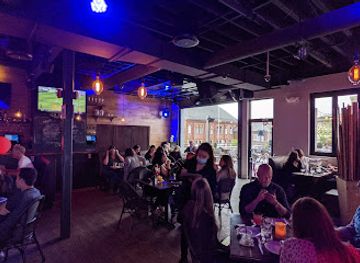
TEAK Restaurant & Bar
Discover the perfect blend of fine dining and nightlife at TEAK Restaurant & Bar in Red Bank, NJ, where culinary creativity meets vibrant ambiance.
2 min walk · 0.2 km from city centre
-
Bar
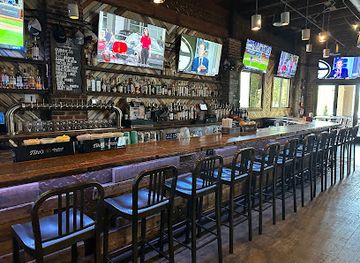
Red Rock Tap + Grill
Discover the lively ambiance and delicious flavors at Red Rock Tap + Grill, your go-to destination for food and fun in Red Bank, NJ.
7 min walk · 0.6 km from city centre
-
Grill
Jamian's Food and Drink
Experience the delightful ambiance and mouthwatering grill cuisine at Jamian's Food and Drink in Red Bank, New Jersey.
2 min walk · 0.2 km from city centre
Best shops in Red Bank
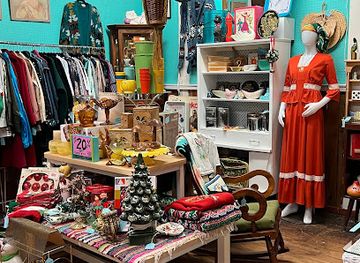
Shopping in Red Bank centres on Broad Street and the adjoining downtown blocks, where independent boutiques, gift shops, galleries, antique dealers, specialist retailers and cafés occupy a compact, walkable area. The retail character is more individual and locally oriented than that of a large enclosed shopping centre, making browsing part of the town's streetscape. Visitors may find clothing, homewares, jewellery, books, art, vintage objects and gifts, alongside food products and small businesses that reflect the wider Monmouth County community. Seasonal events and performances can increase foot traffic around the centre, while the nearby riverfront provides a change of pace between shops. Red Bank is not principally a traditional craft market or outlet destination, so its appeal lies in independent retail, browsing and the connection between commercial streets, restaurants, cultural venues and older buildings.
-
Gift shop
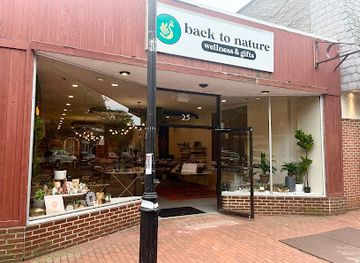
Back to Nature
Explore Back to Nature in Red Bank, NJ – a unique gift shop offering an array of candles, jewelry, home goods, and much more for every occasion.
2 min walk · 0.2 km from city centre
-
Bridal shop
Zatsarina Fashion
Discover Zatsarina Fashion, your ultimate bridal destination in Red Bank, NJ, offering exquisite dresses, alterations, and rentals for your dream wedding.
7 min walk · 0.6 km from city centre
-
Antique store
Red Bank Antiques
Explore Red Bank Antiques: A Unique Antique Store in New Jersey with Treasures from the Past.
9 min walk · 0.7 km from city centre
-
Clothing store
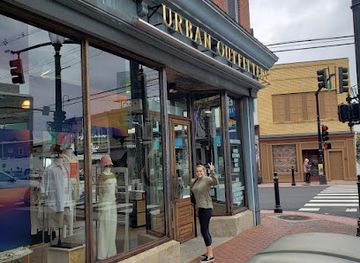
Urban Outfitters
Explore Urban Outfitters in Red Bank for a unique shopping experience featuring trendy clothing, stylish accessories, and eclectic home goods.
6 min walk · 0.5 km from city centre
Get your free copy of our complete guide to Red Bank, delivered straight to you.
Everything on this page, from attractions and restaurants to essentials and local phrases, in one PDF you can read offline, print or share.
Already have an account? Sign in
Your Red Bank guide is ready.
We'll send it to · Not you? Sign out

Getting your guide ready…
We are putting together a fresh copy of the Red Bank guide. This can take up to a minute.
This can take a few moments. If your browser asks, choose Allow so the download can start. You'll find the guide in your Downloads folder.
Nothing happened? Download it again
Sorry, the guide is taking longer than usual. Please try again in a minute, or get it by email instead.
Red Bank essentials
Currency and Payment
Safety
Emergency Situations
Do's and Don'ts
Local Tips
From Eve
Local phrases worth knowing
You don't need to get them perfect. A few words go a long way, and locals appreciate the effort.
Basics
| English | Local | Say it |
|---|---|---|
| Hello | Hey | [Hey] |
| Goodbye | Later | [Lay-ter] |
| Yes | Yeah | [Yeah] |
| No | Nah | [Nah] |
| Please/You're welcome | Please/No problem | [Please/No pro-blem] |
| Thank you | Thanks | [Thanks] |
| Excuse me/Sorry | Sorry | [Sorry] |
| How are you? | How you doin'? | [How you doin'?] |
| Fine. And you? | Good. You? | [Good. You?] |
| Do you speak English? | You speak English? | [You speak English?] |
| I don't understand | I don't get it | [I don't get it] |
Eating & Drinking
| English | Local | Say it |
|---|---|---|
| I'd like to see the menu, please | Can I check the menu? | [Can I check the menu?] |
| I don't eat meat | I don't do meat | [I don't do meat] |
| Cheers! | Cheers! | [Cheers!] |
| I would like to pay, please | I wanna pay | [I wanna pay] |
Emergencies
| English | Local | Say it |
|---|---|---|
| Help! | Help! | [Help!] |
| Go away! | Go away! | [Go away!] |
| Call the Police! | Call the cops! | [Call the cops!] |
| Call a doctor! | Call a doc! | [Call a doc!] |
| I'm lost | I'm lost | [I'm lost] |
| I'm ill | I'm sick | [I'm sick] |
Shopping
| English | Local | Say it |
|---|---|---|
| I'd like to buy... | I wanna buy... | [I wanna buy...] |
| I'm just looking | I'm just looking | [I'm just looking] |
| How much is it? | How much? | [How much?] |
| That's too expensive | Too much | [Too much] |
| Can you lower the price? | Can you do less? | [Can you do less?] |
Time & Numbers
| English | Local | Say it |
|---|---|---|
| What time is it? | What time? | [What time?] |
| It's one o'clock | It's one | [It's one] |
| Half past (10) | Half ten | [Half ten] |
| Morning | Morning | [Morning] |
| Afternoon | Afternoon | [Afternoon] |
| Evening | Evening | [Evening] |
| Yesterday | Yesterday | [Yesterday] |
| Today | Today | [Today] |
| Tomorrow | Tomorrow | [Tomorrow] |
| 1 | One | [One] |
| 2 | Two | [Two] |
| 3 | Three | [Three] |
| 4 | Four | [Four] |
| 5 | Five | [Five] |
| 6 | Six | [Six] |
| 7 | Seven | [Seven] |
| 8 | Eight | [Eight] |
| 9 | Nine | [Nine] |
| 10 | Ten | [Ten] |
Transport & Directions
| English | Local | Say it |
|---|---|---|
| Where's a/the...? | Where's the...? | [Where's the...?] |
| What's the address? | What's the address? | [What's the address?] |
| Can you show me (on the map)? | Can you show me (on the map)? | [Can you show me (on the map)?] |
| When's the next (bus)? | When's the next (bus)? | [When's the next (bus)?] |
| A ticket (to ....) | A ticket (to ....) | [A ticket (to ....)] |
History of Red Bank
Lenape Country and the Navesink
The Red Bank area lies within the ancestral homeland of the Lenape, whose communities used the Navesink River and surrounding coastal plain for fishing, hunting, gathering and trade. The river was not merely a scenic boundary but part of a wider network of waterways connecting inland and coastal places. European settlement later altered land ownership and patterns of movement, yet the geography that shaped Lenape life continued to determine the town's development. The name Red Bank is generally associated with the reddish soil along parts of the riverbank, a practical description that endured as the settlement grew.
Settlement within Shrewsbury
European settlement expanded in the region during the late seventeenth and eighteenth centuries, when the area formed part of the broader Shrewsbury settlement in Monmouth County. Farms, mills, roads and river landings developed around the Navesink, linking local production with coastal commerce. Red Bank was not initially an independent municipality; it evolved as a community within Shrewsbury Township. The river supported transport and trade, while roads connected the settlement with other Monmouth County communities. This combination of water access and overland movement established the commercial role that would later distinguish the borough.
A River Port and Trading Centre
During the eighteenth and nineteenth centuries, Red Bank grew around river commerce, agriculture and small-scale industry. The Navesink offered access for boats, while stores and workshops served residents from surrounding farms and villages. The community's location also made it a natural point of exchange between inland Monmouth County and the coast. As commercial activity increased, a more recognisable village centre formed near the river and principal roads. Many later civic and commercial buildings replaced earlier structures, but the compact arrangement of downtown streets still reflects Red Bank's origins as a trading community rather than a planned resort.
Railways Bring New Connections
Railway development in the 1870s strengthened Red Bank's connections with Newark, New York and other parts of the New Jersey coast. The arrival of regular rail service reduced the community's dependence on river transport and encouraged commuting, trade and seasonal visitation. Residential growth followed, and houses, churches, shops and public institutions expanded around the established centre. Rail access also helped Red Bank become part of the developing network of shore communities whose fortunes were increasingly linked to metropolitan New York. The station remains a visible reminder of the transport changes that reshaped the borough.
The Borough Takes Shape
Red Bank was incorporated as a borough in 1908, separating its local government from the surrounding township structure. The early twentieth century brought continued civic and commercial development, including theatres, schools, churches and substantial homes. The town's identity was shaped by both its river setting and its role as a service centre for neighbouring communities. The historic Molly Pitcher Inn belongs to this period of growth, reflecting the era when riverside hospitality and improved transport made Monmouth County increasingly accessible to visitors from the New York region.
Music, Civil Rights and Cultural Renewal
Red Bank's modern cultural identity draws on several distinct histories. Jazz pianist and bandleader William 'Count' Basie was born in Red Bank in 1904, and the former Carlton Theatre was later renamed the Count Basie Center for the Arts in his honour. Journalist and civil-rights thinker T. Thomas Fortune lived in the borough, where his former home is now interpreted through the T. Thomas Fortune Cultural Center. In recent decades, theatre, music, independent retail and restaurants have reinforced the downtown's role as a regional cultural destination while preserving its small-town scale.
Red Bank in Photos
Browse through our photo collection highlighting the charm and character of the destination.
Cities near Red Bank
The closest cities to Red Bank, if you have time for more than one stop.
-

-

-

-

-


Swipe for more cities
Explore more
Explore more of New Jersey
Discover New Jersey: From vibrant cities and historic towns to scenic beaches and lush parks, the Garden State offers a rich blend of culture, nature, and adventure.
Explore New Jersey