

Free Lambertville Travel Guide & Mobile App
Plan your Lambertville trip with Evendo. Get free guides to top attractions, restaurants, hotels, and bars. Web access or download the mobile app.


Lambertville, New Jersey, pairs Delaware River views with canal paths, Victorian streets, galleries, antiques, historic landmarks and relaxed small-town culture.
River Town and Historic Streets
Lambertville occupies a narrow stretch of the Delaware River in western New Jersey, directly opposite New Hope, Pennsylvania. Its compact centre is characterised by nineteenth-century brick and stone buildings, leafy residential streets and a waterfront shaped by trade, transport and industry. Former mills, warehouses and commercial premises now accommodate galleries, antique shops, independent retailers and cafés, giving the old town a distinctly walkable character.Read more about Lambertville
Canals, Bridges and Local Culture
A Small City with Industrial Roots
When is the best time to visit Lambertville?
Best: May–June, September · 22–26°C| Month | High (°C) | Rainfall (mm) |
|---|---|---|
| January | 3 | 80 |
| February | 5 | 70 |
| March | 10 | 90 |
| April | 16 | 95 |
| May (best) | 22 | 101 |
| June (best) | 26 | 100 |
| July | 29 | 111 |
| August | 28 | 110 |
| September (best) | 24 | 101 |
| October | 18 | 90 |
| November | 11 | 80 |
| December | 5 | 90 |
Getting to and around Lambertville
How to get there
Transportation
Best attractions in Lambertville
Lambertville’s attractions are concentrated within a walkable historic centre and along its river and canal edges. The Delaware and Raritan Canal State Park offers a peaceful towpath for walking and cycling, with water, embankments and remnants of nineteenth-century transport infrastructure shaping the route. The Lambertville Historical Society and Museum explores local domestic, commercial and civic history, while the Holcombe-Jimison Farmstead presents agricultural life and historic buildings on the city’s southern edge. Downtown galleries, antique shops and converted industrial premises provide a distinctly local form of sightseeing, rewarding slow exploration rather than a checklist of large institutions. The Lambertville–New Hope Bridge creates a memorable crossing over the Delaware River and broad views towards Pennsylvania, although New Hope itself is a separate destination. Riverside streets, small parks and views of the wooded Delaware Valley add outdoor interest to the architectural and cultural attractions.
-
Tourist attraction
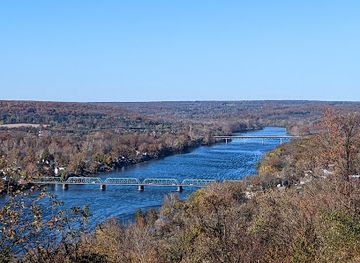
Goat Hill Overlook
Discover the scenic beauty of Goat Hill Overlook, where breathtaking views and serene hiking trails await in Lambertville, New Jersey.
17 min walk · 1.4 km from city centre
-
Bridge
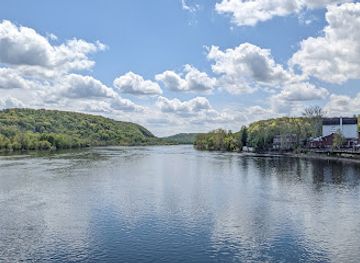
New Hope-Lambertville Bridge
Explore the New Hope-Lambertville Bridge, a scenic connection filled with art, culture, and stunning river views between Pennsylvania and New Jersey.
7 min walk · 0.6 km from city centre
-
Tourist attraction
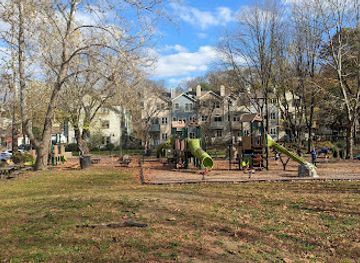
Cavallo Park
Explore Cavallo Park in Lambertville, NJ – a beautiful park perfect for family fun, outdoor activities, and enjoying nature's beauty.
7 min walk · 0.5 km from city centre
-
Tourist attraction
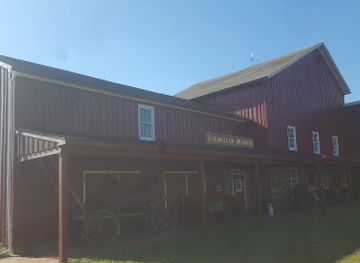
Holcombe Jimison Farmstead Museum
Explore the rich agricultural heritage of New Jersey at Holcombe Jimison Farmstead Museum, a charming glimpse into 19th-century farming life.
5 min drive · 1.6 km from city centre
Best landmarks in Lambertville
Lambertville’s landmarks express its development as a Delaware River crossing, canal town and nineteenth-century industrial centre. The Lambertville–New Hope Bridge, a steel river crossing linking New Jersey with Pennsylvania, is one of the city’s most recognisable structures and gives the waterfront a strong visual focus. Lambertville City Hall occupies the former Union Hotel, reflecting the civic reuse of an older commercial building. Lambertville House, an early nineteenth-century hotel and historic property, recalls the period when river crossings and improved roads brought travellers and trade through the settlement. The Delaware and Raritan Canal corridor, including its towpath and surviving engineering landscape, represents the transport system that underpinned regional commerce. The Holcombe-Jimison Farmstead adds a rural and agricultural dimension, while central churches, brick storefronts and former industrial buildings preserve the layered townscape created during Lambertville’s nineteenth-century expansion.
-
Hotel
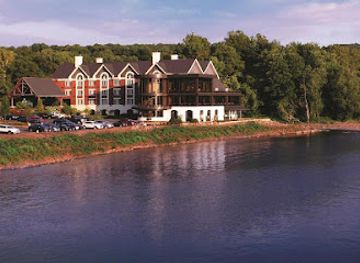
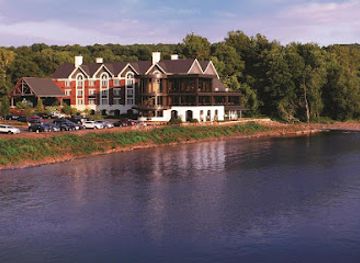
Lambertville Station Restaurant and Inn
Experience the perfect blend of fine dining and cozy lodging at Lambertville Station, a charming riverside retreat in New Jersey.
5 min walk · 0.4 km from city centre
-
Ice Cream
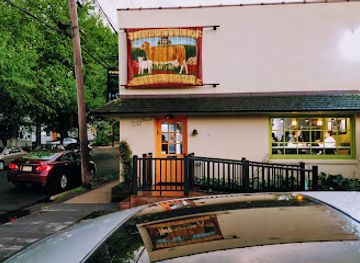
Owowcow Creamery
Discover the delicious world of artisanal ice cream at Owowcow Creamery in Lambertville, NJ, where unique flavors and quality ingredients blend perfectly.
13 min walk · 1.1 km from city centre
-
Restaurant
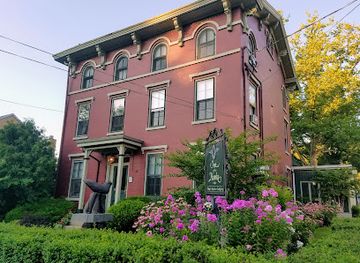
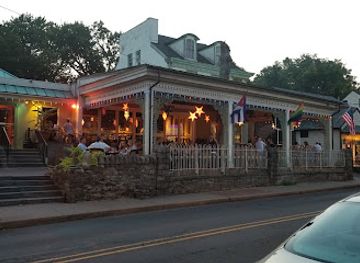
The Hawke
Discover the vibrant flavors of New American cuisine at The Hawke, a top-rated restaurant in Lambertville, NJ, perfect for food lovers and casual diners.
6 min walk · 0.4 km from city centre
-
Restaurant
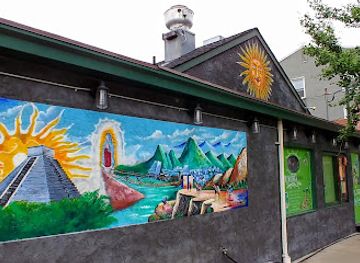
El Tule
Experience the vibrant flavors of authentic Mexican cuisine at El Tule in Lambertville, a culinary destination that delights every palate.
2 min walk · 0.2 km from city centre
Explore Lambertville on the map
Plan your Lambertville trip on one map. See where the top attractions, landmarks, restaurants, bars and hotels are, find what's near where you're staying, and book hotels and experiences in a few clicks.
Best hotels in Lambertville
Best restaurants in Lambertville
Lambertville’s dining scene reflects its river-town setting and its long connection with the Delaware Valley rather than a single defining cuisine. Restaurants and cafés in the compact centre range from relaxed brunch and coffee venues to more formal dining, while independent bakeries, delis and casual eateries suit visitors exploring the galleries and antique shops. Regional American cooking commonly draws on seasonal produce, breads, dairy, meat and fruit from the surrounding farms of New Jersey and Pennsylvania. The city’s historic commercial buildings give many dining rooms an intimate, converted-shop or former-industrial character. Food shopping and farmers’ markets in the wider area can add local produce to a self-catering stay, though market schedules vary. Across the river, New Hope offers a separate Pennsylvania dining scene, so visitors should not treat the two towns as one municipality.
-
Restaurant
Lambertville Station Restaurant and Inn
Discover exquisite dining and charming accommodations at Lambertville Station Restaurant and Inn along the beautiful Delaware River.
5 min walk · 0.4 km from city centre
-
Grill
Havana
Experience the vibrant flavors of Havana in New Hope - where delicious grilled dishes meet lively gastropub charm.
12 min walk · 0.9 km from city centre
-
Irish pub
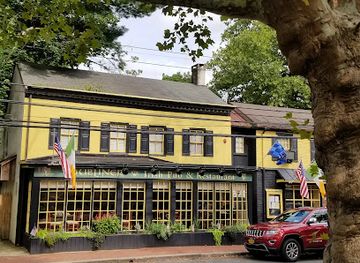
The Dubliner on the Delaware
Discover The Dubliner on the Delaware: A charming Irish pub in New Hope offering delicious cuisine, local brews, and vibrant entertainment.
10 min walk · 0.8 km from city centre
-
Restaurant
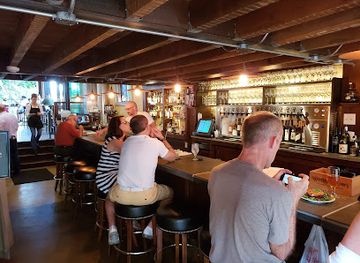
Nektar Wine Bar
Discover exquisite wines and delightful tapas at Nektar Wine Bar in New Hope – where culinary passion meets an inviting atmosphere.
11 min walk · 0.9 km from city centre
Best bars in Lambertville
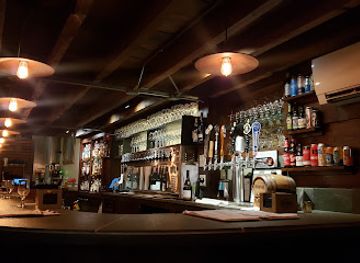
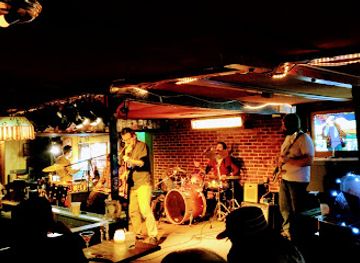
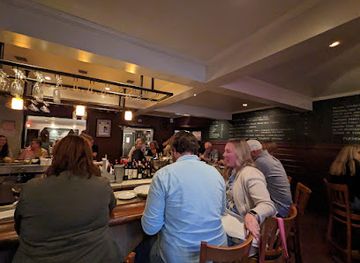
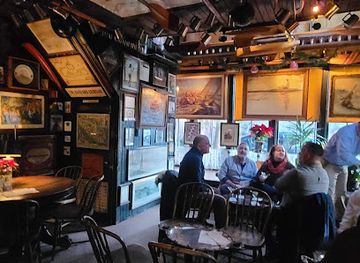
Lambertville’s evening scene is modest, sociable and concentrated around restaurants, neighbourhood bars, cafés and occasional live performances rather than large nightclubs. Historic commercial streets provide settings for a drink after gallery visits, while some dining venues offer cocktails, regional beer or wine in intimate interiors. Evening entertainment may include music, theatre and cultural programming in Lambertville and across the river in New Hope, where the Bucks County Playhouse is a prominent performing-arts venue. The city is quieter than a major urban centre, and activity generally thins outside the central streets. Visitors should plan transport if staying beyond walking distance, particularly when crossing between New Jersey and Pennsylvania, and confirm current programmes and opening arrangements directly with venues.
-
Restaurant
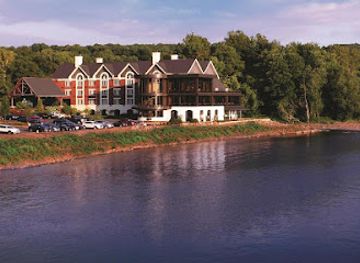
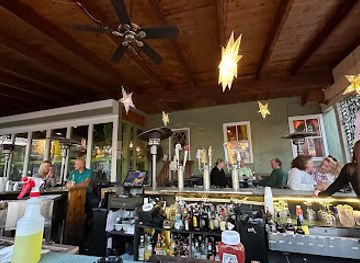
Lambertville Station Restaurant and Inn
Discover the perfect blend of fine dining and cozy accommodations at Lambertville Station Restaurant and Inn, a gem along the Delaware River.
5 min walk · 0.4 km from city centre
-
Grill
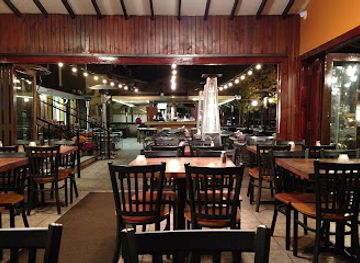
Havana
Discover Havana, a vibrant gastropub in New Hope, PA, where delicious grill cuisine meets a lively atmosphere for an unforgettable dining experience.
12 min walk · 0.9 km from city centre
-
Irish pub
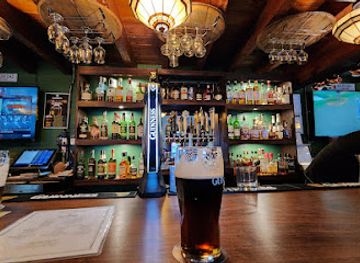
The Dubliner on the Delaware
Discover the heart of Ireland at The Dubliner on the Delaware, a charming Irish pub offering authentic cuisine and a vibrant atmosphere in New Hope.
10 min walk · 0.8 km from city centre
-
Grill
Fran's Pub
Experience the vibrant atmosphere and savory American dishes at Fran's Pub, a local favorite in New Hope, Pennsylvania.
11 min walk · 0.9 km from city centre
Best nightclubs in Lambertville
Lambertville’s evening scene is modest, sociable and concentrated around restaurants, neighbourhood bars, cafés and occasional live performances rather than large nightclubs. Historic commercial streets provide settings for a drink after gallery visits, while some dining venues offer cocktails, regional beer or wine in intimate interiors. Evening entertainment may include music, theatre and cultural programming in Lambertville and across the river in New Hope, where the Bucks County Playhouse is a prominent performing-arts venue. The city is quieter than a major urban centre, and activity generally thins outside the central streets. Visitors should plan transport if staying beyond walking distance, particularly when crossing between New Jersey and Pennsylvania, and confirm current programmes and opening arrangements directly with venues.
-
Bar
Nektar Wine Bar
Discover Nektar Wine Bar in New Hope, PA - where exquisite wines meet delightful tapas for an unforgettable dining experience.
11 min walk · 0.9 km from city centre
-
Live music bar
John & Peter's Place
Discover the lively ambiance of John & Peter's Place, a popular live music bar in New Hope, featuring local talent and a vibrant nightlife experience.
11 min walk · 0.9 km from city centre
-
Italian
Bell's Tavern
Experience Bell's Tavern in Lambertville: where Italian flavors meet a welcoming pub atmosphere for an unforgettable dining experience.
10 min walk · 0.8 km from city centre
-
Bar
The Boat House
Discover The Boat House in Lambertville, NJ - a charming bar offering a warm atmosphere, craft cocktails, and scenic water views for the perfect evening out.
4 min walk · 0.3 km from city centre
Best shops in Lambertville
Shopping is one of Lambertville’s defining visitor activities, particularly around Bridge Street, Union Square and North Union Street. Independent antique dealers, vintage specialists, furniture showrooms, design shops, galleries and small boutiques occupy many of the city’s historic commercial buildings, giving browsing an architectural as well as retail dimension. The selection changes over time, but the emphasis is generally on objects with character, including decorative arts, books, jewellery, paintings, ceramics and furnishings. Local galleries showcase work by regional and contemporary artists, while food shops and nearby farm stands may offer New Jersey and Delaware Valley produce. Lambertville is more associated with independent retail than with large shopping centres or department stores. New Hope across the river has its own Pennsylvania shops and galleries, but visitors should remember that it is a separate town.
-
Coffee shop
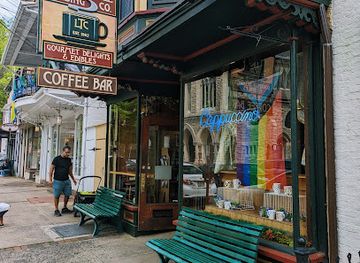
Lambertville Trading Company
Explore the Lambertville Trading Company, a charming coffee shop offering artisanal brews, decadent chocolates, and delightful desserts in a picturesque setting.
2 min walk · 0.2 km from city centre
-
Antique store
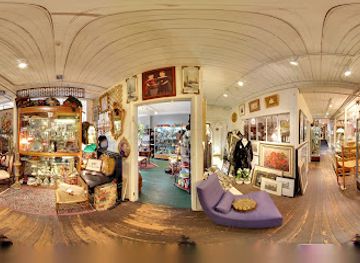
Antiques Center at the People's Store
Explore a treasure trove of antiques and unique collectibles at the Antiques Center at the People's Store in Lambertville, NJ.
3 min walk · 0.2 km from city centre
-
Natural goods store
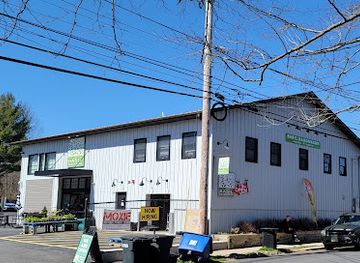
Basil Bandwagon Natural Market - Lambertville
Explore a natural paradise at Basil Bandwagon Natural Market in Lambertville, where organic foods meet a vibrant community atmosphere.
14 min walk · 1.1 km from city centre
-
Chocolate shop
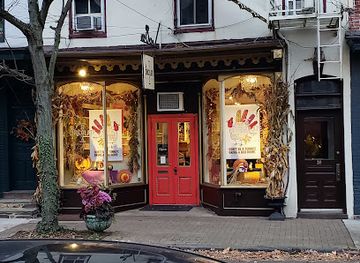
La Chocolate Box
Explore La Chocolate Box in Lambertville, NJ, for a delicious selection of artisanal chocolates, candies, and unique gifts that delight every sweet tooth.
3 min walk · 0.2 km from city centre
Get your free copy of our complete guide to Lambertville, delivered straight to you.
Everything on this page, from attractions and restaurants to essentials and local phrases, in one PDF you can read offline, print or share.
Already have an account? Sign in
Your Lambertville guide is ready.
We'll send it to · Not you? Sign out

Getting your guide ready…
We are putting together a fresh copy of the Lambertville guide. This can take up to a minute.
This can take a few moments. If your browser asks, choose Allow so the download can start. You'll find the guide in your Downloads folder.
Nothing happened? Download it again
Sorry, the guide is taking longer than usual. Please try again in a minute, or get it by email instead.
Lambertville essentials
Currency and Payment
Safety
Emergency Situations
Do's and Don'ts
Local Tips
From Eve
Local phrases worth knowing
You don't need to get them perfect. A few words go a long way, and locals appreciate the effort.
Basics
| English | Local | Say it |
|---|---|---|
| Hello | Hey | [hey] |
| Goodbye | See ya | [see ya] |
| Yes | Yup | [yup] |
| No | Nope | [nope] |
| Please/You're welcome | Please/No worries | [please/no worries] |
| Thank you | Thanks | [thanks] |
| Excuse me/Sorry | Sorry | [sorry] |
| How are you? | How you doin'? | [how you doin'] |
| Fine. And you? | Good. You? | [good. you?] |
| Do you speak English? | You speak English? | [you speak english?] |
| I don't understand | I don't get it | [i don't get it] |
Eating & Drinking
| English | Local | Say it |
|---|---|---|
| I'd like to see the menu, please | Can I see the menu? | [can i see the menu?] |
| I don't eat meat | I'm vegetarian | [i'm vegetarian] |
| Cheers! | Cheers! | [cheers!] |
| I would like to pay, please | Can I pay now? | [can i pay now?] |
Emergencies
| English | Local | Say it |
|---|---|---|
| Help! | Help! | [help!] |
| Go away! | Go away! | [go away!] |
| Call the Police! | Call the cops! | [call the cops!] |
| Call a doctor! | Get a doctor! | [get a doctor!] |
| I'm lost | I'm lost | [i'm lost] |
| I'm ill | I'm sick | [i'm sick] |
Shopping
| English | Local | Say it |
|---|---|---|
| I'd like to buy... | I wanna buy... | [i wanna buy...] |
| I'm just looking | Just browsing | [just browsing] |
| How much is it? | How much? | [how much?] |
| That's too expensive | Too pricey | [too pricey] |
| Can you lower the price? | Can you give me a deal? | [can you give me a deal?] |
Time & Numbers
| English | Local | Say it |
|---|---|---|
| What time is it? | What time is it? | [what time is it?] |
| It's one o'clock | It's one | [it's one] |
| Half past (10) | Half past ten | [half past ten] |
| Morning | Morning | [morning] |
| Afternoon | Afternoon | [afternoon] |
| Evening | Evening | [evening] |
| Yesterday | Yesterday | [yesterday] |
| Today | Today | [today] |
| Tomorrow | Tomorrow | [tomorrow] |
| 1 | One | [one] |
| 2 | Two | [two] |
| 3 | Three | [three] |
| 4 | Four | [four] |
| 5 | Five | [five] |
| 6 | Six | [six] |
| 7 | Seven | [seven] |
| 8 | Eight | [eight] |
| 9 | Nine | [nine] |
| 10 | Ten | [ten] |
Transport & Directions
| English | Local | Say it |
|---|---|---|
| Where's a/the...? | Where's the...? | [where's the...?] |
| What's the address? | What's the address? | [what's the address?] |
| Can you show me (on the map)? | Can you show me (on the map)? | [can you show me (on the map)?] |
| When's the next (bus)? | When's the next (bus)? | [when's the next (bus)?] |
| A ticket (to ....) | One ticket (to ....) | [one ticket (to ....)] |
History of Lambertville
Lenape Land and River Crossings
Before European settlement, the Delaware Valley was inhabited by Lenape communities whose lives were closely connected with the river, its tributaries and surrounding woodland. European settlement developed around crossings and farms during the eighteenth century, taking advantage of the Delaware as a route for people and goods. The site later became associated with Coryell’s Ferry, an important crossing between New Jersey and Pennsylvania. Its position connected local agricultural communities with markets on both sides of the river and established the transport-oriented character that would shape Lambertville’s subsequent growth.
John Lambert and the Growing Settlement
The settlement was first known as Coryell’s Ferry before taking the name Lambertville in honour of John Lambert, a New Jersey politician and United States senator who owned property in the area. During the Revolutionary era, the Delaware crossing formed part of a strategically important regional route, although the community remained principally a small river settlement. Roads, ferries and agricultural trade encouraged gradual growth, while workshops and mills began to make use of waterpower and the river’s commercial advantages.
Canal Building Transforms Trade
The early nineteenth century brought a major change with the construction of the Delaware Canal on the Pennsylvania side and the Delaware and Raritan Canal on the New Jersey side. The Delaware and Raritan Canal opened in 1834, carrying coal and other goods between the Delaware River and the Raritan River. Lambertville benefited from this canal network, which improved links with Trenton, New Brunswick and the wider region. Remnants of the canal landscape, including the towpath now incorporated into a state park, preserve the infrastructure that helped turn the river settlement into a busier commercial town.
Railways and Industrial Expansion
Rail connections arrived in the mid-nineteenth century, adding speed and capacity to routes that had previously depended on canals, roads and river transport. Lambertville developed as a manufacturing and trading centre, with mills, foundries and other industries contributing to employment and urban expansion. The town was incorporated as a borough in 1849 and became a city in 1872. Buildings associated with commerce, civic administration, worship and industry from this period still give the central streets much of their architectural character.
From Industry to Arts and Heritage
As canals and older industries declined in importance during the twentieth century, Lambertville’s economy and public identity changed. Historic buildings survived in the compact centre, while former industrial and commercial spaces gained new life through galleries, antiques, design businesses and small-scale hospitality. Preservation efforts helped retain the city’s nineteenth-century streetscape, and organisations such as the Lambertville Historical Society document its past. Today, canal towpaths, river crossings and industrial-era buildings connect a contemporary arts and visitor economy with the transportation history that created the city.
Lambertville in Photos
Browse through our photo collection highlighting the charm and character of the destination.
Cities near Lambertville
The closest cities to Lambertville, if you have time for more than one stop.
-

-

-

-

-


Swipe for more cities
Explore more
Explore more of New Jersey
Discover New Jersey: From vibrant cities and historic towns to scenic beaches and lush parks, the Garden State offers a rich blend of culture, nature, and adventure.
Explore New Jersey