

Free Pecos Wilderness Travel Guide & Mobile App
Explore Pecos Wilderness with free travel guides. Discover regional history, expert tips, proposed trips, and audio guides on web or mobile app.


Pecos Wilderness in northern New Mexico offers alpine lakes, high peaks, forest trails, wildlife and demanding backcountry adventures near Santa Fe.
Read more about Pecos Wilderness
Getting to and around Pecos Wilderness
How to get there
Transportation
Best attractions in Pecos Wilderness
The Pecos Wilderness is an attraction in the fullest backcountry sense: its principal experiences are trails, mountain basins, wildlife habitat and the changing scale of the Sangre de Cristo landscape rather than built visitor facilities. Routes from the Santa Fe Ski Basin area lead towards alpine country and the Winsor Trail, while eastern approaches near Cowles and Pecos reach the headwaters of the Pecos River, forested valleys and high lakes. Experienced hikers may aim for Lake Katherine, Pecos Baldy or the Truchas Peaks, though these objectives require careful navigation, conditioning and weather awareness. Lower trails through spruce, fir, pine and aspen offer quieter walking and seasonal colour, while fishing and horse travel are permitted in appropriate areas under forest regulations. Nearby Pecos National Historical Park, outside the wilderness, adds archaeological and colonial context through the remains of Pecos Pueblo and its mission church. The surrounding valleys also provide scenic drives, birdwatching and access to other national-forest recreation areas, but visitors should distinguish developed attractions outside the boundary from the roadless wilderness itself.
-
Opera company
The Santa Fe Opera
Experience world-class opera in a breathtaking setting at The Santa Fe Opera, a cultural gem in the heart of New Mexico.
-
 Tourist attraction
Hyde Memorial State Park
Experience the breathtaking beauty and outdoor adventures at Hyde Memorial State Park, a serene escape in the Sangre de Cristo Mountains.
-
Visitor center
Pecos National Historical Park Visitor Center
Discover the rich history of Pecos at the Visitor Center, where Native American heritage and stunning landscapes converge in New Mexico.
-
Nature preserve
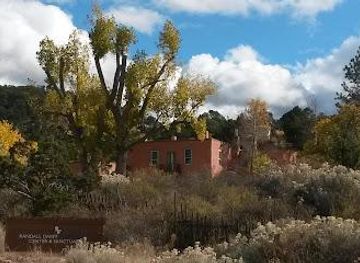
Randall Davey Audubon Center & Sanctuary
Explore the Randall Davey Audubon Center & Sanctuary: A tranquil nature preserve in Santa Fe, blending art, education, and wildlife in a breathtaking setting.


Best landmarks in Pecos Wilderness
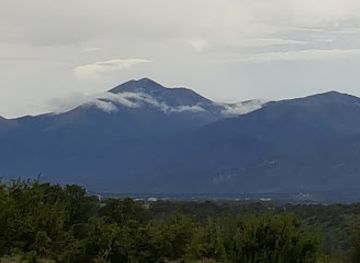
The Truchas Peaks are the defining natural landmark of the Pecos Wilderness, forming a serrated high ridge whose North Truchas summit rises to 13,102 feet. Pecos Baldy and East Pecos Baldy are other prominent summits, visible from several high routes and associated with demanding mountain objectives. Lake Katherine, one of the wilderness's best-known alpine lakes, lies in a glacial basin surrounded by steep terrain and high country. The headwaters and upper valleys of the Pecos River provide the landscape's geographical spine, linking forests, meadows and mountain passes. Outside the wilderness boundary, the remains of Pecos Pueblo and the Spanish mission at Pecos National Historical Park are important nearby landmarks for understanding the region's Indigenous and colonial history. The Santa Fe Ski Basin is another useful western gateway and mountain reference point, but it is a developed area outside the wilderness rather than a wilderness landmark.
-
Historical landmark
Fort Stanton Historic Site
Explore the captivating history of the American frontier at Fort Stanton Historic Site, a must-visit historical landmark in New Mexico.
-
Visitor center
Pecos National Historical Park Visitor Center
Discover the ancient traditions and stunning landscapes at the Pecos National Historical Park Visitor Center, where history comes alive in New Mexico.

Explore Pecos Wilderness on the map
Plan your trip on one map. See where the top cities, national parks and sights are, and book hotels and experiences in a few clicks.
Best hotels in Pecos Wilderness
Best restaurants in Pecos Wilderness
There are no restaurants within the Pecos Wilderness, so meals are based on camp cooking, packed lunches and carefully planned provisions. Santa Fe provides the broadest choice before or after an expedition, while Pecos and other nearby mountain communities offer more limited cafés, restaurants, general stores and traditional New Mexican cooking. Regional dishes commonly feature red or green chile, beans, tortillas, enchiladas, posole and breakfast plates, reflecting the wider culinary traditions of northern New Mexico rather than a cuisine exclusive to the wilderness. Local produce, baked goods and provisions can be useful for trail preparation, although rural opening arrangements vary. In mountain communities, food may also include burgers, sandwiches, American comfort food and dishes shaped by ranching traditions. Carry all food into the backcountry, protect it from bears and other animals, and pack out packaging and leftovers.
-
Italian
El Nido
Experience the exquisite blend of Italian and American cuisine at El Nido in Santa Fe, where every meal is a celebration of flavor.
-
Fast Food
Dairy Queen Grill & Chill
Experience classic fast food favorites and iconic ice cream treats at Dairy Queen Grill & Chill in Pecos, New Mexico.
-
American
Terra
Discover Terra: A premier dining destination blending American and Mexican flavors amidst stunning Santa Fe landscapes.


Best bars in Pecos Wilderness
Evening life around the Pecos Wilderness is quiet and community-oriented rather than centred on nightclubs. Santa Fe has the region's most extensive selection of bars, live music venues, wine bars and late-evening restaurants, while Pecos and smaller settlements tend towards traditional pubs, taverns and casual restaurants serving local residents and travellers. In the mountain communities, businesses may be separated by distance and may close earlier than urban visitors expect. The most characteristic evening activity is often sitting outdoors at a lodge or campsite, observing the changing light on the peaks, although fires are subject to current regulations. Alcohol should never be carried into situations where it could compromise navigation, river-crossing decisions or emergency preparedness.
-
Bar
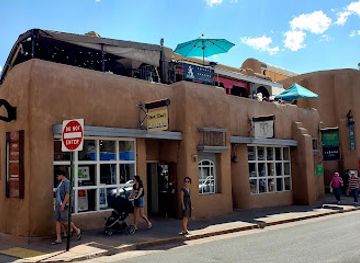
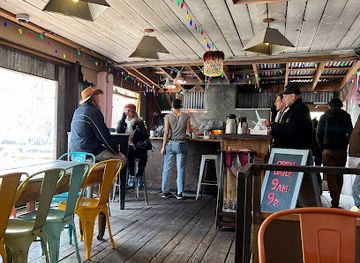
Coyote Cafe & Rooftop Cantina
Experience the vibrant flavors of Southwestern cuisine at Coyote Cafe & Rooftop Cantina, a culinary gem in the heart of Santa Fe.
-
Southwestern American
Rancho de Chimayó
Experience the authentic flavors of Southwestern cuisine at Rancho de Chimayó, a must-visit culinary destination in New Mexico.
-
Bar
Tesuque Village Market
Discover the vibrant flavors and welcoming atmosphere of Tesuque Village Market, a top destination for food lovers in Santa Fe, NM.
-
Bar
El Farol
Experience authentic Spanish tapas and live music at El Farol, a culinary treasure in the heart of Santa Fe that captures the spirit of New Mexico.


Best shops in Pecos Wilderness
Shopping within the Pecos Wilderness is impossible, as the area has no shops or permanent commercial buildings. Visitors usually buy fuel, food, outdoor equipment and replacement supplies in Santa Fe or in smaller communities such as Pecos before setting out. Santa Fe has the widest choice of galleries, craft studios, bookshops, outdoor retailers and markets, with regional products including woven textiles, pottery, jewellery, chile, honey and other New Mexican foods. Pecos and nearby mountain settlements provide a more limited local selection, often focused on groceries, practical supplies and small-scale arts or farm products. Choose durable provisions and avoid buying anything that could encourage the removal of archaeological material, plants or rocks from public land. Souvenirs connected with the wider Pecos Valley are best purchased through established museums, galleries and local businesses outside the protected area.
-
Fast Food
Dairy Queen Grill & Chill
Indulge in classic fast food and sweet treats at Dairy Queen Grill & Chill in Pecos, New Mexico - a must-visit for travelers!
-
Gift shop
Doodlet's
Explore Doodlet's, a unique gift shop in Santa Fe offering handcrafted treasures that reflect the rich culture and artistry of New Mexico.
-
Gift shop
Casa Grande Trading Post
Explore unique gifts and local history at Casa Grande Trading Post, a must-see stop in Los Cerrillos, New Mexico.
-
Gift shop
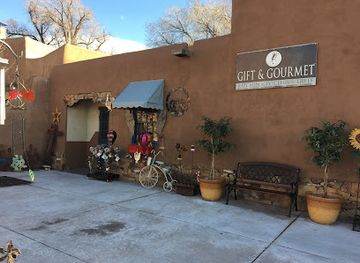
Gift & Gourmet
Explore unique gifts and gourmet treats at Gift & Gourmet in Santa Fe, a charming shop celebrating local artistry and culinary delights.


Get your free copy of our complete guide to Pecos Wilderness, delivered straight to you.
Everything on this page, from attractions and restaurants to essentials and local phrases, in one PDF you can read offline, print or share.
Already have an account? Sign in
Your Pecos Wilderness guide is ready.
We'll send it to · Not you? Sign out

Getting your guide ready…
We are putting together a fresh copy of the Pecos Wilderness guide. This can take up to a minute.
This can take a few moments. If your browser asks, choose Allow so the download can start. You'll find the guide in your Downloads folder.
Nothing happened? Download it again
Sorry, the guide is taking longer than usual. Please try again in a minute, or get it by email instead.
Pecos Wilderness essentials
Currency and Payment
Safety
Emergency Situations
Do's and Don'ts
Local Tips
From Eve
Local phrases worth knowing
You don't need to get them perfect. A few words go a long way, and locals appreciate the effort.
Basics
| English | Local | Say it |
|---|---|---|
| Hello | Hola | [OH-lah] |
| Goodbye | Adiós | [ah-DEE-ohs] |
| Yes | Sí | [SEE] |
| No | No | [NO] |
| Please/You're welcome | Por favor/De nada | [por fah-VOR/deh NAH-dah] |
| Thank you | Gracias | [GRAH-syahs] |
| Excuse me/Sorry | Perdón | [pehr-DON] |
| How are you? | ¿Cómo estás? | [KOH-moh es-TAS] |
| Fine. And you? | Bien. ¿Y tú? | [BYEN. ee TOO] |
| Do you speak English? | ¿Hablas inglés? | [AH-blas een-GLES] |
| I don't understand | No entiendo | [NO en-TYEN-doh] |
Eating & Drinking
| English | Local | Say it |
|---|---|---|
| I'd like to see the menu, please | Me gustaría ver el menú, por favor | [meh goos-tah-REE-ah vehr el meh-NOO, por fah-VOR] |
| I don't eat meat | No como carne | [NO KOH-moh KAR-neh] |
| Cheers! | ¡Salud! | [sah-LOOD] |
| I would like to pay, please | Me gustaría pagar, por favor | [meh goos-tah-REE-ah pah-GAR, por fah-VOR] |
Emergencies
| English | Local | Say it |
|---|---|---|
| Help! | ¡Ayuda! | [ah-YOO-dah] |
| Go away! | ¡Vete! | [BEH-teh] |
| Call the Police! | ¡Llama a la policía! | [YAH-mah ah lah poh-lee-SEE-ah] |
| Call a doctor! | ¡Llama a un doctor! | [YAH-mah ah oon dok-TOR] |
| I'm lost | Estoy perdido | [es-TOY pehr-DEE-doh] |
| I'm ill | Estoy enfermo | [es-TOY en-FER-mo] |
Shopping
| English | Local | Say it |
|---|---|---|
| I'd like to buy... | Me gustaría comprar... | [meh goos-tah-REE-ah kom-PRAR] |
| I'm just looking | Solo estoy mirando | [SO-lo es-TOY mee-RAN-doh] |
| How much is it? | ¿Cuánto cuesta? | [KWAN-toh KWES-tah] |
| That's too expensive | Es demasiado caro | [es deh-mah-SYAH-doh KAH-roh] |
| Can you lower the price? | ¿Puedes bajar el precio? | [PWEH-des bah-HAR el PREH-syo] |
Time & Numbers
| English | Local | Say it |
|---|---|---|
| What time is it? | ¿Qué hora es? | [KEH OH-rah es] |
| It's one o'clock | Es la una | [es lah OO-nah] |
| Half past (10) | Y diez y media | [ee DYAS ee MEH-diah] |
| Morning | Mañana | [mah-NYAH-nah] |
| Afternoon | Tarde | [TAR-deh] |
| Evening | Noche | [NO-cheh] |
| Yesterday | Ayer | [ah-YER] |
| Today | Hoy | [OY] |
| Tomorrow | Mañana | [mah-NYAH-nah] |
| 1 | Uno | [OO-no] |
| 2 | Dos | [DOS] |
| 3 | Tres | [TRES] |
| 4 | Cuatro | [KWAT-roh] |
| 5 | Cinco | [SEEN-koh] |
| 6 | Seis | [SAYS] |
| 7 | Siete | [SYEH-teh] |
| 8 | Ocho | [OH-choh] |
| 9 | Nueve | [NWEH-beh] |
| 10 | Diez | [DYAS] |
Transport & Directions
| English | Local | Say it |
|---|---|---|
| Where's a/the...? | ¿Dónde está un/ la ...? | [DON-deh es-TAH oon/lah ...?] |
| What's the address? | ¿Cuál es la dirección? | [KWAL es lah dee-rek-SYON] |
| Can you show me (on the map)? | ¿Puedes mostrarme (en el mapa)? | [PWEH-des mos-TRAR-meh (en el MAH-pah)?] |
| When's the next (bus)? | ¿Cuándo es el próximo (autobús)? | [KWAN-doh es el PROK-see-mo (ow-toh-BOOS)?] |
| A ticket (to ....) | Un boleto (a ....) | [oon boh-LEH-to (ah ....)] |
History of Pecos Wilderness
Indigenous Use and the Pecos Regional Exchange Network
The mountains and valleys surrounding the Pecos Wilderness have been used by Indigenous peoples for hunting, gathering, seasonal travel and trade for centuries. Nearby Pecos Pueblo, outside the wilderness, became a major settlement and trading centre linking communities of the Great Plains and Rio Grande region. The high country supplied water, timber, plants and game, while passes through the Sangre de Cristo Mountains connected valleys on either side of the range. This long period of Indigenous stewardship remains an essential part of the region's history and identity.
Pecos Pueblo and Spanish Colonial Expansion
Spanish colonisation reached the Pecos Valley in the sixteenth century, bringing new political, religious and agricultural systems. Missionaries established churches at Pecos Pueblo, and Spanish settlers introduced livestock, farming practices and European forms of land administration. The pueblo continued to participate in regional trade and maintained its own cultural importance despite colonial pressure. The remains of the pueblo and mission, now interpreted at Pecos National Historical Park south of the wilderness, provide the clearest nearby evidence of this layered colonial history.
The Pueblo Revolt and Changing Colonial Rule
In 1680, Pueblo communities across New Mexico rose against Spanish colonial rule in the Pueblo Revolt, forcing the Spanish out for more than a decade. Pecos was part of this wider upheaval, which was driven by religious suppression, forced labour and colonial control. Spanish rule was re-established in 1692, but the revolt permanently altered the political relationship between Pueblo communities and colonial authorities. The history of the Pecos area therefore reflects both Spanish expansion and enduring Indigenous resistance and adaptation.
Land Grants, Ranching and Mountain Resources
Under Spanish and later Mexican and United States rule, land grants and changing property systems reshaped the valleys around the wilderness. Hispanic communities developed agriculture and sheep and cattle ranching, using mountain meadows and forests seasonally. Timber cutting and small-scale mining also affected the wider Sangre de Cristo region, although the steepest high country remained difficult to reach. Trails that now serve hikers often follow older routes used for livestock movement, hunting, hauling and communication between mountain settlements.
The Santa Fe National Forest and Early Conservation
Federal forest administration developed in the early twentieth century as the United States sought to regulate timber, grazing and watershed protection on public lands. Much of the Pecos landscape became part of the Santa Fe National Forest, while the Carson National Forest manages areas farther north and east. Conservation gradually placed greater emphasis on protecting scenery, water sources, wildlife habitat and opportunities for quiet recreation. This transition laid the groundwork for the later designation of the Pecos Wilderness.
Wilderness Designation in 1964 and Later Protection
The Pecos Wilderness was created through the Wilderness Act of 1964, which established a national system for protecting areas where natural conditions and solitude would be preserved. Later additions enlarged the protected area to more than 220,000 acres. Wilderness designation prohibits roads, motor vehicles, mechanised equipment and permanent commercial development within its boundaries, while allowing carefully regulated traditional uses such as hiking, horse travel, fishing and grazing in some areas. Its present character is therefore the result of both long human use and modern conservation policy.
Pecos Wilderness in Photos
Browse through our photo collection highlighting the charm and character of the destination.
Neighbouring regions of Pecos Wilderness
The closest regions to Pecos Wilderness, if you have time for more than one.
-

-

-

-

-


Swipe for more regions
Explore more

Explore more of New Mexico
Discover the enchanting blend of rich history, diverse cultures, and stunning landscapes in New Mexico, the Land of Enchantment, where adventure and relaxation await.
Explore New Mexico