
Turquoise Trail, New Mexico Travel Guide
Discover the Turquoise Trail: A scenic byway in New Mexico filled with historic towns, stunning landscapes, and rich cultural heritage.
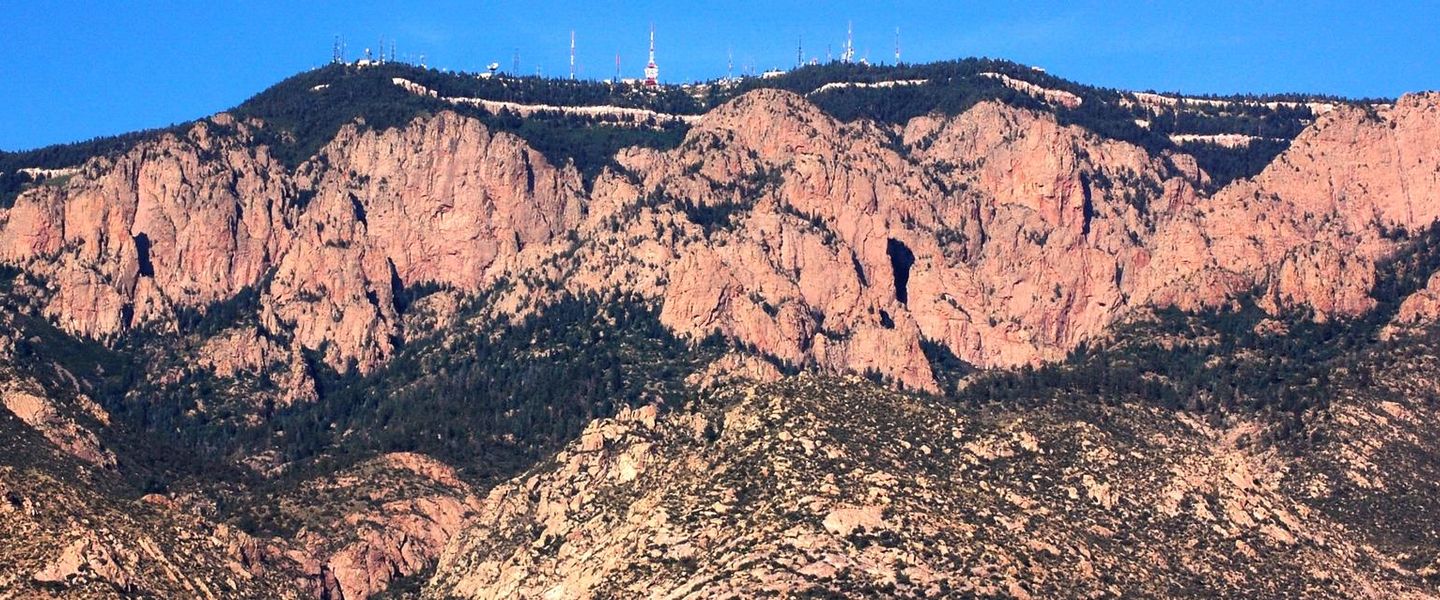
The Turquoise Trail is a scenic byway in New Mexico that stretches for 50 miles between Albuquerque and Santa Fe. Named after the rich turquoise deposits found in the area, this trail offers visitors a unique blend of natural beauty, historic sites, and vibrant arts communities. The journey along the Turquoise Trail is a dive into the heart of New Mexico's cultural and geological heritage. As you travel through the Turquoise Trail, you'll encounter charming small towns like Madrid and Cerrillos. Madrid, once a ghost town, is now a thriving community with art galleries, boutiques, and cafes. Cerrillos, on the other hand, offers a glimpse into the past with its old mining relics and historic buildings. Both towns provide a distinct experience, making them must-visit stops along the way. The landscape along the Turquoise Trail is as diverse as it is stunning. From the rolling hills of the Sandia Mountains to the expansive plains, the scenery is ever-changing. Don't miss the opportunity to explore the hiking trails and take in the panoramic views from Sandia Crest. The area is also home to unique geological formations and an array of wildlife, making it a great destination for nature lovers and photographers alike.

Know before you go
Hi, I'm Eve. Here are a few practical things to know before exploring Turquoise Trail.
- Visit Madrid on a weekend to enjoy local art shows and live music.
- Pack plenty of water and snacks for the journey, as amenities can be sparse between towns.
- Wear comfortable shoes for walking, especially if you plan to explore hiking trails.
- Check the weather forecast before heading out, as conditions can change quickly in the mountains.
- Stop by the Cerrillos Hills State Park for a chance to see old mining sites and enjoy some bird-watching.
Top City Travel Guides in Turquoise Trail
The cities of Turquoise Trail, and the easiest places to base yourself.


Destinations in Turquoise Trail
Resorts, valleys and scenic spots worth a trip of their own.



Explore Turquoise Trail: Things to Do, Places to Eat, Hotels & More
Handpicked recommendations for top attractions, local dining, accommodations, and more

Top Attractions & Sightseeing in Turquoise Trail
Top-rated picks
Best Attractions

Meow Wolf Santa Fe's House of Eternal Return
Explore the vibrant universe of Meow Wolf Santa Fe, where art, interactivity, and storytelling merge into an unforgettable experience for all ages.

Santa Fe Plaza
Experience the vibrant culture and rich history of Santa Fe Plaza, the heart of New Mexico's capital, with art, shops, and local cuisine all in one place.

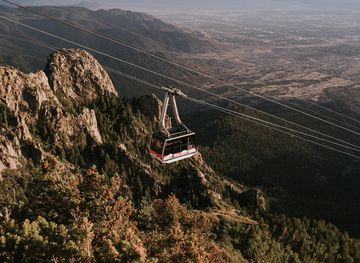
Sandia Peak Tramway
Discover breathtaking views and exhilarating rides at Sandia Peak Tramway, a top tourist attraction in Albuquerque, New Mexico.

Loretto Chapel Museum
Explore the architectural gem of Loretto Chapel in Santa Fe, where history, beauty, and a miracle staircase await every visitor.

Best landmarks in Turquoise Trail
Top-rated picks
Best Landmarks

Santa Fe Plaza
Explore the historic Santa Fe Plaza, a vibrant center of culture, art, and history in New Mexico, perfect for tourists seeking authentic experiences.

Loretto Chapel
Discover the enchanting Loretto Chapel in Santa Fe, New Mexico, home to the miraculous spiral staircase and stunning Gothic architecture.

Bandelier National Monument
Explore Bandelier National Monument, a captivating blend of natural beauty and rich history, showcasing the legacy of the Ancestral Puebloans in New Mexico.

Kasha-Katuwe Tent Rocks National Monument
Explore Kasha-Katuwe Tent Rocks National Monument, a stunning natural wonder in New Mexico featuring unique volcanic formations and scenic hiking trails.

Best restaurants in Turquoise Trail
Top-rated picks
Best Restaurants

Sandia Resort & Casino
Discover luxury accommodations, thrilling gaming experiences, and exceptional dining at Sandia Resort & Casino nestled in Albuquerque's scenic Sandia Mountains.

El Pinto Restaurant
Discover the vibrant flavors of Southwestern American cuisine at El Pinto Restaurant in Albuquerque - where tradition meets taste.

Fogo de Chão Brazilian Steakhouse
Experience authentic Brazilian cuisine at Fogo de Chão, where every meal is a celebration of flavor in a vibrant atmosphere.

The Pantry
Discover authentic American and Latin American cuisine at The Pantry in Santa Fe – where every meal tells a story.

Best bars in Turquoise Trail
Top-rated picks
Best Bars

Coyote Cafe & Rooftop Cantina
Experience the vibrant flavors of Southwestern cuisine at Coyote Cafe & Rooftop Cantina in Santa Fe, where every meal is a celebration of local culture.

The Mine Shaft Tavern & Cantina
Discover the flavors of Madrid, New Mexico at The Mine Shaft Tavern & Cantina, where good food meets a vibrant atmosphere.

BOXCAR
Discover Boxcar: A dynamic sports bar and gastropub in Santa Fe serving delicious American cuisine, craft cocktails, and live music.

Thunderbird Bar & Grill
Savor local flavors and unique cocktails at Thunderbird Bar & Grill, a vibrant dining destination in the heart of Santa Fe.

Best nightclubs in Turquoise Trail
Top-rated picks
Best Nightclubs

Coyote Cafe & Rooftop Cantina
Experience the vibrant flavors of Southwestern American cuisine at Coyote Cafe & Rooftop Cantina, where culinary artistry meets stunning views.

The Library Bar & Grill
Experience the vibrant nightlife and culinary delights at The Library Bar & Grill in Albuquerque, a perfect blend of fun and flavor.

Leo's
Dive into the vibrant nightlife of Albuquerque at Leo's, where karaoke and live music create unforgettable moments in a lively bar atmosphere.

The Matador
Experience the vibrant nightlife of Santa Fe at The Matador, a lively bar with an eclectic atmosphere and exceptional drinks.

Best shops in Turquoise Trail
Top-rated picks
Best Shops

Ark Books
Discover a unique blend of books, metaphysical supplies, and natural treasures at Ark Books in Santa Fe, a true gem for curious travelers.

Sena Plaza
Discover the charm of Sena Plaza in Santa Fe, a delightful shopping center with unique shops, local cuisine, and vibrant art galleries.

Tin-Nee-Ann Trading Co
Explore Tin-Nee-Ann Trading Co for authentic Native American art, unique souvenirs, and a warm shopping experience in Santa Fe's vibrant cultural scene.

Doodlet's
Explore Doodlet's in Santa Fe for unique gifts and handcrafted treasures that embody the spirit of New Mexico.

Explore Turquoise Trail on the Map
A handpicked selection of must-see spots in Turquoise Trail, mapped for you.
Turquoise Trail Essentials
-
The Turquoise Trail is located between Santa Fe and Albuquerque in New Mexico. The nearest major airports are Albuquerque International Sunport (ABQ) and Santa Fe Regional Airport (SAF). From Albuquerque, you can drive north on I-25 and then take Exit 175 to NM-14 North (Turquoise Trail National Scenic Byway). From Santa Fe, head south on NM-14. The drive from either city typically takes around 45 minutes to an hour.
-
The best way to explore the Turquoise Trail is by car. Renting a car from either Albuquerque or Santa Fe offers the most flexibility to explore the various attractions along the route at your own pace. There are no public transportation options that cover the entire trail. Bicycling is also an option for those looking to enjoy the scenic views and outdoor experience, but it requires good physical fitness due to the hilly terrain.
-
The official currency is the US Dollar (USD). Credit cards are widely accepted along the Turquoise Trail, including in restaurants, shops, and gas stations. However, it is advisable to carry some cash, especially when visiting smaller establishments or roadside vendors. ATMs are available in larger towns like Madrid and Los Cerrillos.
-
The Turquoise Trail is generally safe for tourists. However, standard travel precautions should be taken. Avoid leaving valuables in your car, especially in visible locations. There are no specific high-crime areas, but always be vigilant and aware of your surroundings. Be cautious when driving, as the road can be narrow and winding in places.
-
In case of emergency, dial 911 for immediate assistance. Medical facilities are available in Albuquerque and Santa Fe, but smaller towns along the Turquoise Trail may have limited healthcare services. It is advisable to have travel insurance that covers medical emergencies. For minor health issues, there are pharmacies in larger towns like Madrid.
-
Fashion: Do dress comfortably and in layers, as weather can change quickly. Wear sturdy shoes for walking tours. Religion: Do respect local customs and traditions, especially when visiting historic churches or sacred sites. Public Transport: As there is no public transport covering the entire trail, plan your trip with a vehicle. Greetings: Do greet locals with a friendly 'hello' or 'hi'. Eating & Drinking: Do try local cuisine and support local businesses. Don't forget to tip your servers, typically 15-20%.
-
To experience the Turquoise Trail like a local, visit the art galleries and shops in Madrid, a former ghost town turned artist community. Engage with local artists and craftspeople to learn about their work. Enjoy a meal at the Mine Shaft Tavern in Madrid, known for its live music and local vibe. Don't miss the Tinkertown Museum near Sandia Park, a quirky collection of hand-carved miniature scenes.
When is the best time to visit Turquoise Trail?
Useful Local Phrases for Turquoise Trail
You don't need to speak the language perfectly. Even learning a few simple words can make conversations warmer—and locals usually appreciate the effort.
— Eve

Here are the phrases I use most often in Turquoise Trail. Try a few—you'll be surprised how far they go! 😊
❤️
-
- HelloHola
[OH-lah] - GoodbyeAdiós
[ah-DYOS] - YesSí
[SEE] - NoNo
[NO] - Please/You're welcomePor favor
[por fah-VOR] - Thank youGracias
[GRAH-see-as] - Excuse me/SorryPerdón
[per-DON] - How are you?¿Cómo estás?
[KOH-moh es-TAS] - Fine. And you?Bien. ¿Y tú?
[BYEN. ee TOO] - Do you speak English?¿Hablas inglés?
[AH-blas een-GLES] - I don't understandNo entiendo
[NO en-TYEN-do]
- HelloHola
-
- I'd like to see the menu, pleaseMe gustaría ver el menú, por favor
[may goos-tah-REE-ah vehr el meh-NOO, por fah-VOR] - I don't eat meatNo como carne
[NO KOH-mo KAR-neh] - Cheers!¡Salud!
[sah-LOOD] - I would like to pay, pleaseQuisiera pagar, por favor
[kee-SYE-rah pah-GAR, por fah-VOR]
- I'd like to see the menu, pleaseMe gustaría ver el menú, por favor
-
- Help!¡Ayuda!
[ah-YOO-dah] - Go away!¡Vete!
[VEH-teh] - Call the Police!¡Llama a la policía!
[YAH-mah ah lah poh-lee-SEE-ah] - Call a doctor!¡Llama a un doctor!
[YAH-mah ah oon dok-TOR] - I'm lostEstoy perdido
[es-TOY per-DEE-do] - I'm illEstoy enfermo
[es-TOY en-FER-mo]
- Help!¡Ayuda!
-
- I'd like to buy...Quisiera comprar...
[kee-SYE-rah kom-PRAR] - I'm just lookingSolo estoy mirando
[SO-lo es-TOY mee-RAN-do] - How much is it?¿Cuánto cuesta?
[KWAN-to KWES-ta] - That's too expensiveEso es muy caro
[EH-so es MOO-ee CAR-o] - Can you lower the price?¿Puedes bajar el precio?
[PWEH-des bah-HAR el PREH-syo]
- I'd like to buy...Quisiera comprar...
-
- What time is it?¿Qué hora es?
[KEH OH-rah es] - It's one o'clockEs la una
[es lah OO-nah] - Half past (10)Diez y media
[DYEZ ee MEH-dee-ah] - MorningMañana
[ma-NYAH-nah] - AfternoonTarde
[TAR-deh] - EveningNoche
[NOH-cheh] - YesterdayAyer
[ah-YER] - TodayHoy
[OY] - TomorrowMañana
[ma-NYAH-nah] - 1Uno
[OO-no] - 2Dos
[DOS] - 3Tres
[TRES] - 4Cuatro
[KWAT-ro] - 5Cinco
[SEEN-ko] - 6Seis
[SAYS] - 7Siete
[SYE-teh] - 8Ocho
[OH-cho] - 9Nueve
[NWEH-veh] - 10Diez
[DYEZ]
- What time is it?¿Qué hora es?
-
- Where's a/the...?¿Dónde está un/a...?
[DON-deh es-TAH oon/ah] - What's the address?¿Cuál es la dirección?
[KWAL es lah dee-rek-SYON] - Can you show me (on the map)?¿Puedes mostrarme (en el mapa)?
[PWEH-des mos-TRAR-meh (en el MAH-pah)] - When's the next (bus)?¿Cuándo es el próximo (autobús)?
[KWAN-do es el PROK-see-mo (ow-toh-BOOS)] - A ticket (to ....)Un boleto (a ....)
[OON bo-LEH-to (ah ....)]
- Where's a/the...?¿Dónde está un/a...?
History of Turquoise Trail
-
Long before European settlers arrived, the area now known as the Turquoise Trail was inhabited by Native American tribes, particularly the Pueblo people. These ancient inhabitants built sophisticated adobe structures, engaged in agriculture, and were skilled artisans. The Pueblo people were known for their turquoise jewelry, which they mined locally and traded extensively.
-
In the late 16th century, Spanish explorers traveled through the area in search of riches and new territories to claim. The expedition led by Francisco Vásquez de Coronado in 1540 marked the first European contact. The Spanish colonized the region, establishing missions and settlements, and introduced European agricultural practices and livestock.
-
The discovery of precious minerals like gold, silver, and turquoise in the 19th century led to a mining boom along the Turquoise Trail. Towns such as Madrid and Cerrillos flourished as mining hubs, attracting prospectors and entrepreneurs. The Cerrillos Hills were particularly famous for their turquoise, which was highly prized by Native Americans and later by the Spanish.
-
The construction of Route 66 in the early 20th century brought a new wave of travelers to the Turquoise Trail. This iconic highway, known as the 'Main Street of America,' passed nearby and contributed to the growth of local businesses catering to tourists. The scenic road offered visitors a glimpse into the rugged beauty and rich history of New Mexico.
-
The latter half of the 20th century saw a revival of interest in the arts and culture along the Turquoise Trail. Madrid transformed from a ghost town into a vibrant artistic community, attracting artists, musicians, and creative individuals. The area became known for its galleries, studios, and cultural festivals, celebrating both its historical heritage and contemporary creativity.
Neighbouring Regions of Turquoise Trail
The closest regions to Turquoise Trail, if you have time for more than one.


Your all‑in‑one travel companion app
Explore expert travel guides, compare and book tours, experiences, hotels, and more—all from the palm of your hand. Download now for seamless trip planning wherever your wanderlust takes you.


Explore More of New Mexico

Looking beyond Turquoise Trail? Discover New Mexico for broader travel guides, local hot-spots, and regional highlights.
Explore New MexicoTurquoise Trail in Photos
Browse through our photo collection highlighting the charm and character of the destination.


Exploring the Enchanting Turquoise Trail
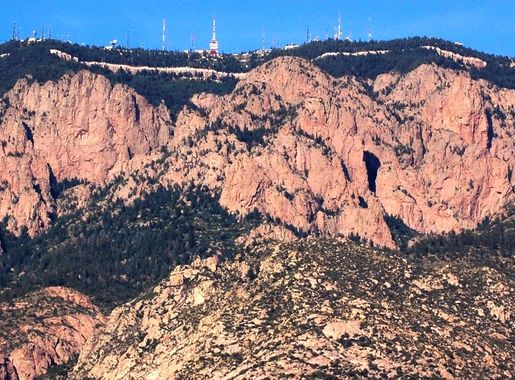
The Turquoise Trail is a scenic byway in New Mexico that stretches for 50 miles between Albuquerque and Santa Fe. Named after the rich turquoise deposits found in the area, this trail offers visitors a unique blend of natural beauty, historic sites, and vibrant arts communities. The journey along the Turquoise Trail is a dive into the heart of New Mexico's cultural and geological heritage. As you travel through the Turquoise Trail, you'll encounter charming small towns like Madrid and Cerrillos. Madrid, once a ghost town, is now a thriving community with art galleries, boutiques, and cafes. Cerrillos, on the other hand, offers a glimpse into the past with its old mining relics and historic buildings. Both towns provide a distinct experience, making them must-visit stops along the way. The landscape along the Turquoise Trail is as diverse as it is stunning. From the rolling hills of the Sandia Mountains to the expansive plains, the scenery is ever-changing. Don't miss the opportunity to explore the hiking trails and take in the panoramic views from Sandia Crest. The area is also home to unique geological formations and an array of wildlife, making it a great destination for nature lovers and photographers alike.