

Free North Central New Mexico Travel Guide & Mobile App
Explore North Central New Mexico with free travel guides. Discover regional history, expert tips, proposed trips, and audio guides on web or mobile app.


Explore North Central New Mexico for adobe towns, living Pueblo cultures, high mountain trails, dramatic gorges and Santa Fe’s celebrated arts scene.
Read more about North Central New Mexico
When is the best time to visit North Central New Mexico?
Best: May–June, September · 24–29°C| Month | High (°C) | Rainfall (mm) |
|---|---|---|
| January | 9 | 15 |
| February | 11 | 14 |
| March | 14 | 18 |
| April | 19 | 13 |
| May (best) | 24 | 14 |
| June (best) | 29 | 23 |
| July | 33 | 42 |
| August | 31 | 48 |
| September (best) | 26 | 36 |
| October | 20 | 25 |
| November | 13 | 16 |
| December | 9 | 14 |
Getting to and around North Central New Mexico
How to get there
Transportation
Top city travel guides in North Central New Mexico
The cities of North Central New Mexico, and the easiest places to base yourself.
-
-
-

-

-

-


Swipe for more cities
Destinations in North Central New Mexico
Resorts, valleys and scenic spots worth a trip of their own.
-

-

-
-

-

-


Swipe for more destinations
Best attractions in North Central New Mexico
North Central New Mexico’s attractions range from major museums and historic districts to archaeological sites, mountain forests and dramatic river landscapes. Santa Fe brings together the Palace of the Governors, the Museum of Indian Arts & Culture, the New Mexico History Museum, Canyon Road galleries and the Georgia O’Keeffe Museum, while the city’s adobe streets and churches form an attraction in their own right. Bandelier National Monument near Los Alamos protects cliff dwellings, mesa-top pueblos and canyon trails, and nearby Valles Caldera offers volcanic scenery and open high-country recreation. North towards Taos, visitors can combine the living community of Taos Pueblo, the Rio Grande Gorge and the Rio Grande del Norte National Monument with hiking, rafting and winter sports in the surrounding mountains. Smaller destinations such as Chimayó, Truchas and other High Road villages add weaving, religious heritage and Hispano architecture. Access rules vary at pueblos, archaeological sites and protected landscapes, so facilities and permitted activities should be checked before travelling.
-
National park
Carlsbad Caverns National Park
Discover the awe-inspiring beauty of Carlsbad Caverns National Park, a geological wonderland filled with stunning caves and diverse wildlife.
-
National park
White Sands National Park
Explore the surreal beauty of White Sands National Park, where stunning white gypsum dunes create a mesmerizing desert landscape in New Mexico.
-
Historical landmark
Santa Fe Plaza
Experience the vibrant cultural heart of Santa Fe at Santa Fe Plaza, a historical landmark filled with art, dining, and local traditions.
-
Tourist attraction
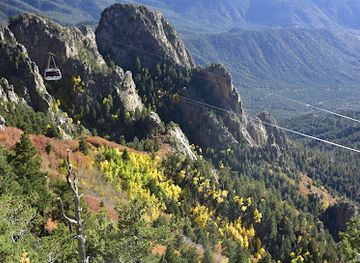
Sandia Peak Tramway
Experience breathtaking views and thrilling rides at the Sandia Peak Tramway, one of Albuquerque's top tourist attractions in New Mexico.

Best landmarks in North Central New Mexico
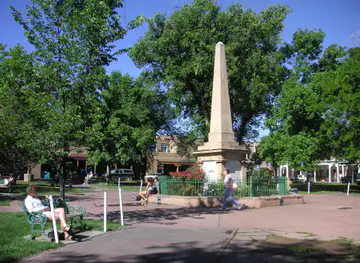
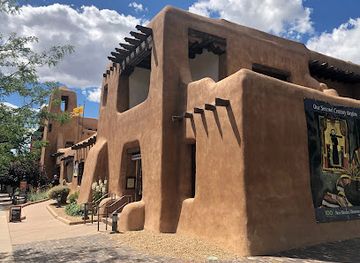
Santa Fe Plaza and the Palace of the Governors anchor one of the region’s most recognisable historic urban landscapes, while the Cathedral Basilica of Saint Francis of Assisi and the adobe churches of surrounding villages illustrate successive layers of colonial and local religious architecture. At Bandelier National Monument, ladders and canyon walls lead to ancestral dwellings carved into volcanic tuff, giving physical form to a much older history. Taos Pueblo, a UNESCO World Heritage Site and living community, is distinguished by its multi-storey adobe buildings and continuing cultural significance; access and photography are governed by Pueblo regulations. The Rio Grande Gorge Bridge near Taos spans a profound volcanic chasm and is one of the region’s defining views. In the high country, Wheeler Peak provides a natural landmark above Taos Ski Valley, while the Sangre de Cristo Mountains shape the skyline and seasonal life of Santa Fe, Taos and the villages between them.
-
Historical landmark
Santa Fe Plaza
Explore the vibrant Santa Fe Plaza, a historical landmark and cultural hub filled with art, cuisine, and rich history in the heart of Santa Fe, New Mexico.
-
Plaza
Old Town Plaza
Experience the vibrant culture and rich history of Albuquerque at Old Town Plaza, a must-visit destination for every traveler.
-
Historical landmark
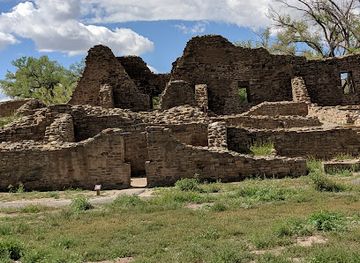
Aztec Ruins National Monument
Discover Aztec Ruins National Monument, a remarkable historical landmark showcasing the ancient architecture of the Ancestral Puebloans in New Mexico.
-
Museum
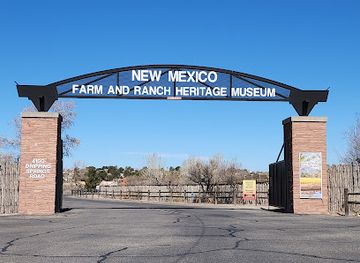
New Mexico Farm & Ranch Heritage Museum
Explore New Mexico's agricultural history at the Farm & Ranch Heritage Museum, a unique attraction showcasing the rich heritage of farming and ranching.
Explore North Central New Mexico on the map
Plan your trip on one map. See where the top cities, national parks and sights are, and book hotels and experiences in a few clicks.
Best hotels in North Central New Mexico
Best restaurants in North Central New Mexico
Food in North Central New Mexico is defined by the meeting of Pueblo, Hispano and wider American traditions. New Mexican chile is central, appearing in sauces, stews, enchiladas, burritos and breakfast dishes; ordering red, green or ‘Christmas’ chile is a practical part of the local vocabulary. Santa Fe has the region’s broadest dining range, from long-established New Mexican cooking to contemporary restaurants, bakeries and international cuisines. In the Española Valley and mountain villages, look for family-run cafés, traditional kitchens and seasonal roadside foods rather than a concentrated restaurant scene. Blue corn, beans, squash, posole, tamales, sopaipillas and locally produced tortillas are widely associated with the state’s food culture, while piñon nuts, regional honey and northern New Mexico wines appear in shops and menus. Farmers’ markets and food stalls provide useful opportunities to sample produce and prepared dishes, but opening days and seasonal availability vary.
-
Southwestern American
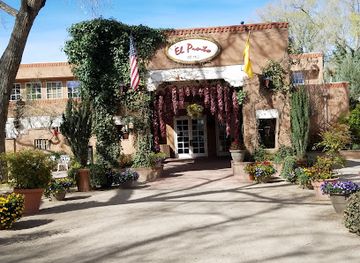
El Pinto Restaurant
Experience authentic Southwestern cuisine at El Pinto Restaurant in Albuquerque – where tradition meets flavor in every bite.
-
Mexican
La Posta De Mesilla
Experience authentic Mexican cuisine at La Posta De Mesilla, where vibrant flavors meet rich cultural heritage in every dish.
-
Brazilian
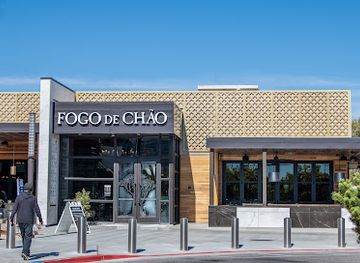
Fogo de Chão Brazilian Steakhouse
Experience authentic Brazilian cuisine at Fogo de Chão Brazilian Steakhouse—an unforgettable journey through flavors and traditions.
-
Breakfast
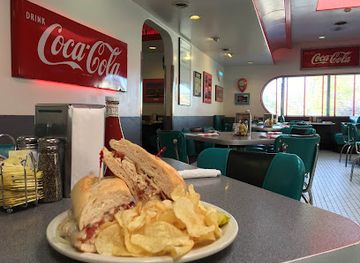
66 Diner
Experience classic American comfort food at 66 Diner in Albuquerque – where nostalgia meets deliciousness!

Best bars in North Central New Mexico
Evening life is concentrated in Santa Fe and Taos, with a quieter, more dispersed scene elsewhere. Santa Fe offers historic hotel bars, cocktail rooms, wine bars, restaurants with late-evening service and venues for live music, theatre and dance; the city’s arts calendar often shapes nightlife more than large clubs do. Taos has traditional pubs, bars, restaurants and music venues serving visitors, residents and the local creative community. In Española, Los Alamos and the villages, evenings generally centre on restaurants, breweries, community events and neighbourhood bars rather than a major club district. Mountain resorts may have seasonal après-ski activity, while rural areas become quiet early. New Mexico craft beer, spirits and wine are widely represented, but responsible drinking is particularly important when driving long distances on dark or winding roads.
-
Grill
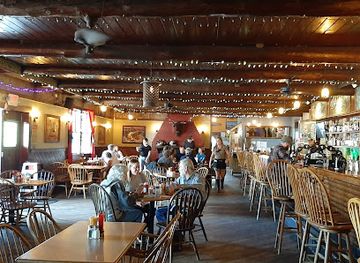
The Mine Shaft Tavern & Cantina
Discover the flavorful tastes and vibrant atmosphere at The Mine Shaft Tavern & Cantina, a must-visit grill in Madrid, New Mexico.
-
Bar
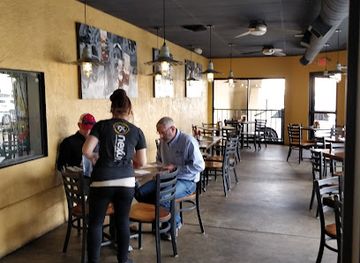
Nexus Brewery & Restaurant
Discover the flavors of Albuquerque at Nexus Brewery & Restaurant, where soul food meets craft beer in a vibrant setting.
-
Grill
RAD Retrocade
Discover the perfect blend of delicious grilled food and retro gaming at RAD Retrocade, a unique Las Cruces destination for all ages.
-
Brewery
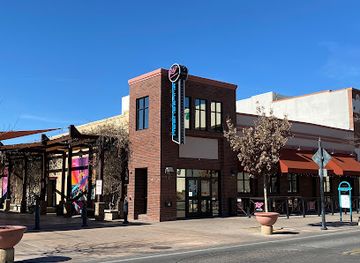
Marble Brewery
Discover the vibrant craft beer scene at Marble Brewery - where innovation meets tradition in every refreshing sip.
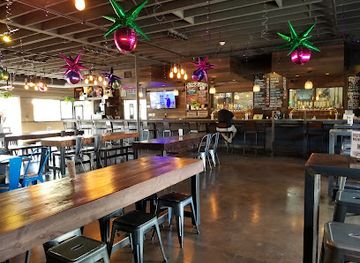
Best nightclubs in North Central New Mexico
Evening life is concentrated in Santa Fe and Taos, with a quieter, more dispersed scene elsewhere. Santa Fe offers historic hotel bars, cocktail rooms, wine bars, restaurants with late-evening service and venues for live music, theatre and dance; the city’s arts calendar often shapes nightlife more than large clubs do. Taos has traditional pubs, bars, restaurants and music venues serving visitors, residents and the local creative community. In Española, Los Alamos and the villages, evenings generally centre on restaurants, breweries, community events and neighbourhood bars rather than a major club district. Mountain resorts may have seasonal après-ski activity, while rural areas become quiet early. New Mexico craft beer, spirits and wine are widely represented, but responsible drinking is particularly important when driving long distances on dark or winding roads.
-
Night club
Cake Nightclub
Discover the electrifying nightlife at Cake Nightclub in Albuquerque, where the music is pumping and the atmosphere is electric!
-
Night club
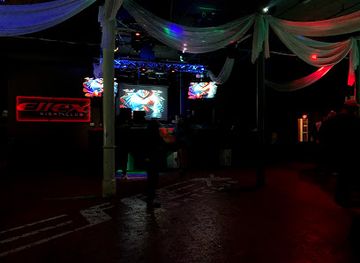
Effex NightClub
Discover Albuquerque's nightlife at Effex NightClub, where live music, dancing, and cocktails create an unforgettable evening.
-
Night club
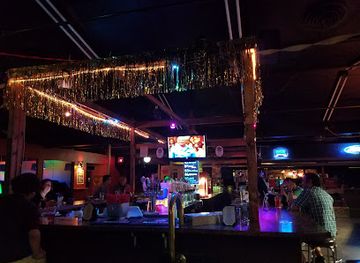
Sidewinders Ranch
Experience Albuquerque's vibrant nightlife at Sidewinders Ranch, a welcoming club with great drinks, lively entertainment, and an inclusive atmosphere.
-
Night club
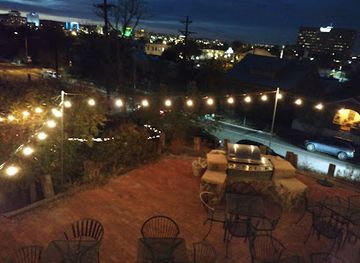
Albuquerque Press Club
Discover the vibrant nightlife at Albuquerque Press Club, a local gem offering live music, unique drinks, and an unforgettable atmosphere.

Best shops in North Central New Mexico
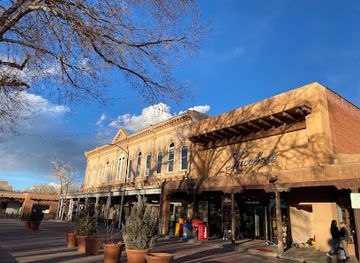
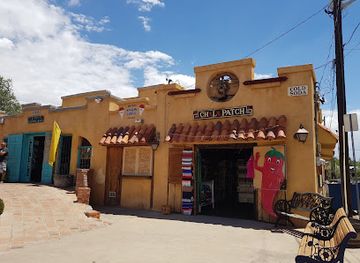
Santa Fe has the region’s largest and most varied shopping scene, from the historic Plaza and Palace Avenue to Canyon Road galleries, contemporary design shops, Native American art dealers, independent bookstores and jewellers. Buyers should ask about provenance and purchase directly from recognised artists or established dealers when considering Indigenous artwork. Taos combines galleries, craft shops, clothing stores and local food retailers, while smaller communities along the High Road are associated with weaving, woodwork, religious art and traditional village crafts. Santa Fe and Taos farmers’ markets can be good places to find chile products, honey, baked goods, cheese and seasonal produce, though schedules change through the year. Regional souvenirs include woven textiles, pottery, tinwork, carved santos and piñon products, but genuine handmade work varies considerably in price and availability. Rural shopping is limited and often spread along highways, so plan purchases around market days and town stops rather than expecting continuous retail streets.
-
Shopping mall
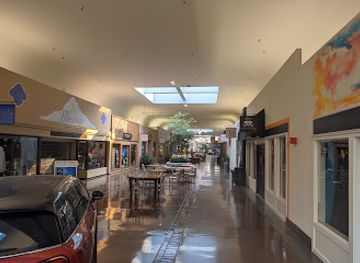
DeVargas Center
Explore the DeVargas Center in Santa Fe for a unique shopping experience, featuring diverse shops and delightful dining options in a vibrant atmosphere.
-
Gift shop
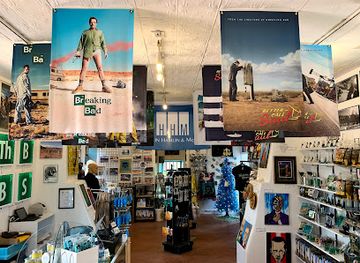
The Breaking Bad Store ABQ
Discover a treasure trove of Breaking Bad merchandise and memorabilia at The Breaking Bad Store in Albuquerque, NM, the ultimate fan destination.
-
Gift shop
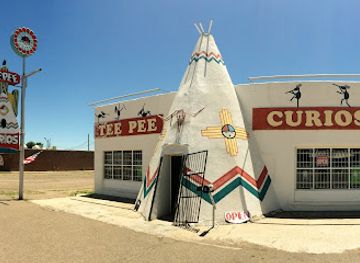
TeePee Curios
Explore TeePee Curios in Tucumcari, NM for unique gifts, local treasures, and a taste of Southwestern culture.
-
Gift shop
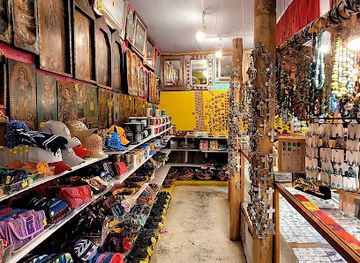
Camino 66
Discover the essence of Southwestern culture at Camino 66, your ultimate gift shop for unique home goods and folk art in Albuquerque.
Get your free copy of our complete guide to North Central New Mexico, delivered straight to you.
Everything on this page, from attractions and restaurants to essentials and local phrases, in one PDF you can read offline, print or share.
Already have an account? Sign in
Your North Central New Mexico guide is ready.
We'll send it to · Not you? Sign out

Getting your guide ready…
We are putting together a fresh copy of the North Central New Mexico guide. This can take up to a minute.
This can take a few moments. If your browser asks, choose Allow so the download can start. You'll find the guide in your Downloads folder.
Nothing happened? Download it again
Sorry, the guide is taking longer than usual. Please try again in a minute, or get it by email instead.
North Central New Mexico essentials
Currency and Payment
Safety
Emergency Situations
Do's and Don'ts
Local Tips
From Eve
Local phrases worth knowing
You don't need to get them perfect. A few words go a long way, and locals appreciate the effort.
Basics
| English | Local | Say it |
|---|---|---|
| Hello | Hola | [O-la] |
| Goodbye | Adiós | [A-dee-os] |
| Yes | Sí | [See] |
| No | No | [No] |
| Please/You're welcome | Por favor | [Por fa-vor] |
| Thank you | Gracias | [Gra-see-as] |
| Excuse me/Sorry | Perdón | [Per-don] |
| How are you? | ¿Cómo estás? | [Ko-mo es-tas] |
| Fine. And you? | Bien. ¿Y tú? | [Byen. Ee tu] |
| Do you speak English? | ¿Hablas inglés? | [A-blas in-gles] |
| I don't understand | No entiendo | [No en-tyen-do] |
Eating & Drinking
| English | Local | Say it |
|---|---|---|
| I'd like to see the menu, please | Me gustaría ver el menú, por favor | [Me gus-ta-ri-a ver el me-nu, por fa-vor] |
| I don't eat meat | No como carne | [No ko-mo car-ne] |
| Cheers! | ¡Salud! | [Sa-lud] |
| I would like to pay, please | Me gustaría pagar, por favor | [Me gus-ta-ri-a pa-gar, por fa-vor] |
Emergencies
| English | Local | Say it |
|---|---|---|
| Help! | ¡Ayuda! | [A-yu-da] |
| Go away! | ¡Vete! | [Ve-te] |
| Call the Police! | ¡Llama a la policía! | [Ya-ma a la po-li-cia] |
| Call a doctor! | ¡Llama a un doctor! | [Ya-ma a un doc-tor] |
| I'm lost | Estoy perdido | [Es-toy per-di-do] |
| I'm ill | Estoy enfermo/a | [Es-toy en-fer-mo/a] |
Shopping
| English | Local | Say it |
|---|---|---|
| I'd like to buy... | Quisiera comprar... | [Kee-si-e-ra com-prar] |
| I'm just looking | Solo estoy mirando | [So-lo es-toy mi-ran-do] |
| How much is it? | ¿Cuánto cuesta? | [Kwan-to kwes-ta] |
| That's too expensive | Es demasiado caro | [Es de-ma-si-a-do ca-ro] |
| Can you lower the price? | ¿Puedes bajar el precio? | [Pwe-des ba-har el pre-syo] |
Time & Numbers
| English | Local | Say it |
|---|---|---|
| What time is it? | ¿Qué hora es? | [Ke o-ra es] |
| It's one o'clock | Es la una | [Es la u-na] |
| Half past (10) | Y media (10) | [Ee me-dia (10)] |
| Morning | Mañana | [Ma-nya-na] |
| Afternoon | Tarde | [Tar-de] |
| Evening | Noche | [No-che] |
| Yesterday | Ayer | [A-yer] |
| Today | Hoy | [Oi] |
| Tomorrow | Mañana | [Ma-nya-na] |
| 1 | Uno | [Oo-no] |
| 2 | Dos | [Dos] |
| 3 | Tres | [Tres] |
| 4 | Cuatro | [Kwa-tro] |
| 5 | Cinco | [Sin-co] |
| 6 | Seis | [Says] |
| 7 | Siete | [See-e-te] |
| 8 | Ocho | [O-cho] |
| 9 | Nueve | [Nwe-ve] |
| 10 | Diez | [Dyez] |
Transport & Directions
| English | Local | Say it |
|---|---|---|
| Where's a/the...? | ¿Dónde está un/una...? | [Don-de es-ta un/una] |
| What's the address? | ¿Cuál es la dirección? | [Kwal es la di-rec-cion] |
| Can you show me (on the map)? | ¿Puedes mostrarme (en el mapa)? | [Pwe-des mos-trar-me (en el ma-pa)] |
| When's the next (bus)? | ¿Cuándo es el próximo (autobús)? | [Kwan-do es el pro-xi-mo (au-to-bus)] |
| A ticket (to ....) | Un boleto (a ....) | [Un bo-le-to (a ....)] |
History of North Central New Mexico
Ancestral Puebloan Settlement
People have lived in the valleys, mesas and mountains of North Central New Mexico for thousands of years. Ancestral Puebloan communities farmed with maize, beans and squash, developed sophisticated water-management practices and built settlements in villages, cliff sites and mesa-top locations. Bandelier National Monument preserves masonry pueblos and dwellings associated with these earlier communities, while the wider region remains connected to living Pueblo societies. Archaeological evidence is not simply a relic of the past: contemporary pueblos maintain languages, ceremonies, agricultural traditions and relationships to ancestral landscapes.
Spanish Colonisation and Santa Fe
Spanish colonisation reached the upper Rio Grande under Juan de Oñate in 1598, establishing a colonial presence in New Mexico. Santa Fe was founded as a permanent capital in 1610, making it one of the oldest continuously inhabited European-founded capital cities in the United States. Spanish settlement introduced Catholic institutions, new crops, livestock and land systems, while Indigenous communities preserved their own political and cultural structures. The region’s adobe churches, plazas, acequias and village layouts reflect centuries of interaction, conflict and adaptation.
The Pueblo Revolt of 1680
In 1680, Pueblo communities organised a successful revolt against Spanish colonial rule, led by the Tewa religious leader Popé of Ohkay Owingeh, then known to the Spanish as San Juan Pueblo. Colonial authorities were driven from New Mexico for more than a decade. The revolt remains a central event in regional and Indigenous history because it demonstrated coordinated Pueblo resistance to forced labour, religious suppression and colonial control. Spanish rule was re-established in 1692–93, but the experience reshaped relations between Pueblo communities and the colonial government.
Mexican Rule and the Santa Fe Trail
Mexican independence from Spain in 1821 brought New Mexico into the Mexican republic and opened the Santa Fe Trail to expanded trade with the United States. Santa Fe became an important commercial meeting point linking the Missouri frontier with northern Mexico. Traders carried manufactured goods west and returned with regional products, helping to connect the upper Rio Grande to wider economic networks. The trail’s legacy can be seen in historic routes and buildings, although trade also brought unequal political and economic pressures to established communities.
United States Territorial Expansion
The United States occupied New Mexico during the Mexican-American War, and the 1848 Treaty of Guadalupe Hidalgo transferred the territory to American control. New Mexico later became a US territory, with Santa Fe as its political centre, before statehood in 1912. This period brought new legal systems, military installations, rail connections and increased migration, while Indigenous and Hispanic land rights were often contested. The enduring mix of Pueblo, Hispanic and Anglo institutions in North Central New Mexico is partly a product of these overlapping political transitions.
Railways, Tourism and the Santa Fe Style
Railway connections in the late nineteenth century altered the movement of people and goods and helped make New Mexico accessible to visitors, artists and archaeologists. During the twentieth century, Santa Fe promoted an architectural image based on adobe forms, flat roofs and regional decorative details, influencing what became known as the Santa Fe Style. The aesthetic helped drive tourism and preserve many historic streetscapes, but it also simplified a complex living architecture. Today the region’s museums, galleries and historic districts combine genuine heritage with a substantial contemporary arts economy.
Los Alamos and the Atomic Age
During the Second World War, the United States established a secret scientific laboratory at Los Alamos as part of the Manhattan Project. Scientists and engineers worked there on the development of the first atomic weapons, fundamentally changing the plateau community and world history. The laboratory later became Los Alamos National Laboratory, a major centre for scientific research. Historic sites and museums in the area explain this past, including its effects on secrecy, local communities, Indigenous lands and the international nuclear age.
North Central New Mexico in Photos
Browse through our photo collection highlighting the charm and character of the destination.
Neighbouring regions of North Central New Mexico
The closest regions to North Central New Mexico, if you have time for more than one.
-

-

-

-

-


Swipe for more regions
Explore more

Explore more of New Mexico
Discover the enchanting blend of rich history, diverse cultures, and stunning landscapes in New Mexico, the Land of Enchantment, where adventure and relaxation await.
Explore New Mexico