

Allentown (Buffalo) Travel Guide - Free
Explore Allentown in Buffalo with Evendo's free guide. Find the best shops, historic streets, restaurants, and gems on web or mobile.


Allentown, Buffalo pairs Victorian architecture, galleries, live music, independent restaurants and Allen Street nightlife with a walkable historic district character.
Historic Streets and Architecture
Allentown occupies the ground between downtown Buffalo and the city’s northern residential districts, a compact area where broad avenues give way to older side streets lined with Italianate, Queen Anne and other late nineteenth-century houses. Its name comes from Lewis F. Allen, whose rural estate was subdivided as Buffalo expanded northwards. Today, much of the neighbourhood is recognised through the Allentown Historic District, where painted wooden houses, brick commercial buildings, mature trees and ornate porches create a streetscape best explored on foot.Read more about Allentown
Art, Music and Everyday Life
Exploring Allentown
Best attractions in Allentown
Allentown’s principal attraction is the neighbourhood itself: a walkable historic district where Allen Street’s low-rise businesses meet blocks of ornate nineteenth-century houses, mature trees and converted carriage buildings. The Theodore Roosevelt Inaugural National Historic Site on Delaware Avenue preserves the Ansley Wilcox House, where Theodore Roosevelt took the presidential oath in 1901, and provides the area’s most substantial formal historical visit. St. Louis Church adds an important architectural and religious landmark, while Day’s Park offers a small green pause within the urban grid. Independent galleries, studios and the neighbourhood’s changing shopfronts reward unhurried wandering, particularly around Allen Street and nearby side roads. The annual Allentown Art Festival, when scheduled, brings artists and visitors to streets near the district and reflects the area’s long association with visual culture, although its exact footprint and programme vary.
-
Museum
Oldest Tree In Buffalo
Explore Buffalo's natural heritage at the Oldest Tree, a living landmark that embodies the city's history and the beauty of nature.
4 min walk · 0.3 km from neighbourhood centre
-
Park
Arlington Park
Explore the serene beauty of Arlington Park in Buffalo, NY, where vibrant flowers and lush greenery create the perfect urban escape.
10 min walk · 0.8 km from neighbourhood centre
-
Art center
Keep Buffalo A Secret Mural
Explore the vibrant Keep Buffalo A Secret Mural in Allentown, a stunning representation of urban artistry and community pride in Buffalo, NY.
6 min walk · 0.4 km from neighbourhood centre
-
Tourist attraction
Michigan Street African American
Explore the profound history and cultural significance of the Michigan Street African American Heritage Corridor, a must-visit for heritage enthusiasts in Buffalo.
14 min walk · 1.1 km from neighbourhood centre


Best landmarks in Allentown
Allentown’s landmarks are closely tied to its historic streetscape and the civic history of Delaware Avenue. The Theodore Roosevelt Inaugural National Historic Site, housed in the former Ansley Wilcox residence, preserves the setting of Roosevelt’s 1901 inauguration after President William McKinley’s death. St. Louis Church is another prominent local landmark, its substantial historic building marking the neighbourhood’s long religious and institutional presence. Allen Street itself functions as a symbolic landmark: its older commercial façades, closely spaced houses and cultural venues express the district’s evolution from nineteenth-century residential suburb to creative urban quarter. The Allentown Historic District designation recognises the collective value of these buildings rather than a single monument, while porches, carriage houses, brick shopfronts and decorative rooflines provide the architectural detail that rewards exploration.
-
Historical place
Theodore Roosevelt Inaugural National Historic Site
Explore history at the Theodore Roosevelt Inaugural National Historic Site, where the legacy of America's 26th President comes alive in Buffalo, NY.
10 min walk · 0.8 km from neighbourhood centre
-
Hotel
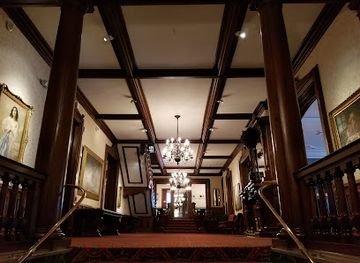
The Mansion on Delaware Avenue
Experience the charm of The Mansion on Delaware Avenue, a boutique hotel blending historic elegance with modern luxury in Buffalo, NY.
2 min walk · 0.1 km from neighbourhood centre
-
City park
Lafayette Square
Discover the charm of Lafayette Square, a serene city park in Buffalo that blends lush landscapes with vibrant urban culture and historical architecture.
13 min walk · 1.0 km from neighbourhood centre
-
Event venue
Allentown Art Festival
Explore the vibrant Allentown Art Festival in Buffalo, NY, featuring over 500 artists, live performances, and delicious local food, perfect for art lovers and families.
3 min walk · 0.2 km from neighbourhood centre


Explore Allentown on the map
A handpicked selection of must-see spots in Allentown, mapped for you.
Best hotels in Allentown
Best restaurants in Allentown
Allentown has one of Buffalo’s most concentrated independent dining scenes, particularly along Allen Street and the blocks leading towards Elmwood Avenue. Restaurants and cafés occupy historic houses, narrow commercial premises and adapted corner buildings, creating a mix of casual meals, brunch, bakery stops, coffee and evening dining rather than a single dominant cuisine. Buffalo specialities such as chicken wings and beef on weck can be found within the wider local food scene, alongside vegetarian cooking, sandwiches, burgers and internationally influenced menus. Established neighbourhood names include Gabriel’s Gate, known for its setting in an older house, and Allen Burger Venture, while Allen Street Hardware Café reflects the area’s fondness for repurposed spaces and all-day eating. Independent businesses change over time, so visitors should check current opening information and menus before making a specific plan.
-
 American
Gabriel's Gate
Experience innovative New American cuisine at Gabriel's Gate in Buffalo’s charming Allentown district—where flavor meets hospitality.
7 min walk · 0.5 km from neighbourhood centre
-
Hamburger
Allen Burger Venture
Discover delicious burgers and refreshing drinks at Allen Burger Venture in Buffalo's vibrant Allentown neighborhood.
7 min walk · 0.5 km from neighbourhood centre
-
Mexican
Casa Azul
Experience authentic Mexican cuisine and innovative cocktails at Casa Azul in Buffalo's vibrant Allentown neighborhood.
7 min walk · 0.6 km from neighbourhood centre
-
Restaurant
Cafe 59
Discover the charm of Cafe 59 in Buffalo's Allentown - where delightful cuisine meets warm hospitality in an inviting setting.
7 min walk · 0.6 km from neighbourhood centre


Best bars in Allentown
After dark, Allentown’s social life centres on Allen Street, where small bars, pubs, music rooms and late-running restaurants create a concentrated evening circuit. The neighbourhood is associated with live music and informal performance culture rather than large-scale clubbing, with venues such as Nietzsche’s contributing to Buffalo’s long-running local music economy. Other bars occupy converted houses and shopfronts, giving the strip a varied character that ranges from relaxed drinking places to livelier rooms on weekends. The streets immediately around Allen are quieter and largely residential, so the contrast is important: nightlife is concentrated rather than spread uniformly across the district. Events, door policies and opening arrangements change, and visitors should check directly with venues while keeping noise and pedestrian behaviour considerate outside them.
-
Pub
Founding Fathers Pub
Discover the heart of Buffalo at Founding Fathers Pub, where good food, great drinks, and a welcoming atmosphere await every visitor.
3 min walk · 0.2 km from neighbourhood centre
-
Bar
Nietzsche's
Discover the vibrant nightlife and live music scene at Nietzsche's, a beloved bar and nightclub in Buffalo's Allentown district.
7 min walk · 0.6 km from neighbourhood centre
-
Bar
The Old Pink
Discover The Old Pink, a vibrant bar in Buffalo’s Allentown district, offering a lively atmosphere, craft drinks, and a social experience like no other.
7 min walk · 0.6 km from neighbourhood centre
-
New American
Billy Club
Discover the innovative culinary delights and exquisite cocktails at Billy Club, a must-visit New American restaurant in Buffalo's Allentown.
7 min walk · 0.6 km from neighbourhood centre


Best nightclubs in Allentown
After dark, Allentown’s social life centres on Allen Street, where small bars, pubs, music rooms and late-running restaurants create a concentrated evening circuit. The neighbourhood is associated with live music and informal performance culture rather than large-scale clubbing, with venues such as Nietzsche’s contributing to Buffalo’s long-running local music economy. Other bars occupy converted houses and shopfronts, giving the strip a varied character that ranges from relaxed drinking places to livelier rooms on weekends. The streets immediately around Allen are quieter and largely residential, so the contrast is important: nightlife is concentrated rather than spread uniformly across the district. Events, door policies and opening arrangements change, and visitors should check directly with venues while keeping noise and pedestrian behaviour considerate outside them.
-
Night club
Nietzsche's
Discover the essence of Buffalo's nightlife at Nietzsche's, a beloved night club and bar known for live music and a welcoming atmosphere.
7 min walk · 0.6 km from neighbourhood centre
-
New American
Billy Club
Discover Billy Club in Buffalo's Allentown: A vibrant New American restaurant and cocktail bar serving up unique small plates and creative drinks.
7 min walk · 0.6 km from neighbourhood centre
-
Club
The Buffalo Club
Discover the elegance and vibrancy of The Buffalo Club, where fine dining meets lively entertainment in the heart of Buffalo.
1 min walk · 0.1 km from neighbourhood centre
-
Night club
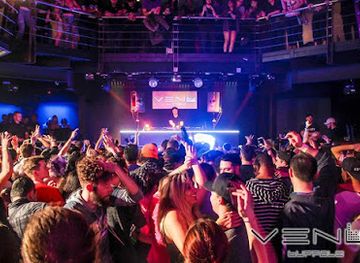
VENU
Experience the vibrant nightlife at VENU, Buffalo's premier night club and event venue, where dance and music collide in an unforgettable atmosphere.
5 min walk · 0.4 km from neighbourhood centre


Best shops in Allentown
Shopping in Allentown is small-scale and independent rather than dominated by department stores or a single enclosed centre. Allen Street and its side streets contain galleries, vintage and clothing outlets, specialist businesses, gift shops, tattoo studios and creative workspaces, with the exact mix changing as leases and independent enterprises change. The neighbourhood’s strongest retail experience comes from browsing individual shopfronts and combining purchases with cafés, restaurants or galleries housed in the same historic streetscape. The Allentown Art Festival adds a temporary concentration of makers, artists and design goods when it takes place, but it should be treated as an event rather than a permanent market. For larger selections of mainstream retail, visitors will find more options in downtown Buffalo or at established shopping areas elsewhere in the city.
-
Gift shop
Timeless Babez
Explore Timeless Babez in Buffalo, a unique gift shop and vintage clothing store celebrating rock music culture with eclectic finds and live events.
7 min walk · 0.6 km from neighbourhood centre
-
Thrift store
The Serendipity Shoppe of Buffalo
Explore the charming Serendipity Shoppe in Buffalo for unique vintage treasures and memorable finds in a cozy thrift store setting.
11 min walk · 0.8 km from neighbourhood centre
-
Boutique
Ms Eye Candy Boutique
Discover unique fashion and accessories at Ms Eye Candy Boutique in Buffalo's vibrant Allentown, where style meets individuality.
7 min walk · 0.6 km from neighbourhood centre
-
Clothing store
METAGAMA
Explore Metagama in Buffalo for vintage clothing treasures that express your unique style and personality.
8 min walk · 0.6 km from neighbourhood centre


Allentown essentials
Getting There
Getting Around
Safety
Emergency Situations
Do's and Don'ts
Local Tips

From Eve
Local phrases worth knowing
You don't need to get them perfect. A few words go a long way, and locals appreciate the effort.
Basics
| English | Local | Say it |
|---|---|---|
| Hello | Hey there | [hey thair] |
| Goodbye | See ya | [see yah] |
| Yes | Yeah | [yeh] |
| No | Nah | [nah] |
| Please/You're welcome | Sure thing | [shoor thing] |
| Thank you | Thanks | [thanks] |
| Excuse me/Sorry | Pardon me | [pahr-dn mee] |
| How are you? | How you doin'? | [how yoo doin] |
| Fine. And you? | Good. You? | [good yoo] |
| Do you speak English? | You speak English? | [yoo speak ing-glish] |
| I don't understand | I don't get it | [ai dont get it] |
Eating & Drinking
| English | Local | Say it |
|---|---|---|
| I'd like to see the menu, please | Can I check out the menu? | [kan ai chek out the menu] |
| I don't eat meat | No meat for me | [no meet for mee] |
| Cheers! | Cheers! | [cheers] |
| I would like to pay, please | Check, please | [chek please] |
Emergencies
| English | Local | Say it |
|---|---|---|
| Help! | Help! | [help] |
| Go away! | Get lost! | [get lost] |
| Call the Police! | Call the cops! | [call the cops] |
| Call a doctor! | Get a doctor! | [get a doctor] |
| I'm lost | I'm lost | [aim lost] |
| I'm ill | I'm sick | [aim sik] |
Shopping
| English | Local | Say it |
|---|---|---|
| I'd like to buy... | I wanna buy... | [ai wanna buy] |
| I'm just looking | Just browsing | [just brows-ing] |
| How much is it? | How much does it cost? | [how much duz it cost] |
| That's too expensive | That's pricey | [thats pry-see] |
| Can you lower the price? | Can you go lower? | [kan yoo go low-er] |
Time & Numbers
| English | Local | Say it |
|---|---|---|
| What time is it? | What's the time? | [whats the time] |
| It's one o'clock | It's one | [its one] |
| Half past (10) | Ten thirty | [ten thur-tee] |
| Morning | Morning | [morning] |
| Afternoon | Afternoon | [afternoon] |
| Evening | Evening | [evening] |
| Yesterday | Yesterday | [yester-day] |
| Today | Today | [to-day] |
| Tomorrow | Tomorrow | [to-mor-row] |
| 1 | One | [wun] |
| 2 | Two | [too] |
| 3 | Three | [three] |
| 4 | Four | [four] |
| 5 | Five | [five] |
| 6 | Six | [six] |
| 7 | Seven | [seven] |
| 8 | Eight | [ate] |
| 9 | Nine | [nine] |
| 10 | Ten | [ten] |
Transport & Directions
| English | Local | Say it |
|---|---|---|
| Where's a/the...? | Where's the...? | [wheres the] |
| What's the address? | What's the address? | [whats the address] |
| Can you show me (on the map)? | Show me (on the map) | [show mee on the map] |
| When's the next (bus)? | When's the next (bus)? | [whens the next bus] |
| A ticket (to ....) | A ticket (to ....) | [a ticket to] |
History of Allentown
From Rural Estate to Subdivision
Allentown takes its name from Lewis F. Allen, a prominent nineteenth-century Buffalonian whose country property lay north of the developing centre. Allen’s land and the surrounding rural parcels were gradually absorbed as Buffalo expanded during the nineteenth century. The area’s early transformation was residential rather than industrial: streets were laid out for houses, and the neighbourhood became part of the northward movement of the city’s middle- and upper-middle-class development. Its position close to the central business district made it particularly suitable for residents who wanted a suburban setting without leaving the urban area.
Nineteenth-Century Urban Growth
The neighbourhood acquired much of its present architectural character during the second half of the nineteenth century and the years around 1900. Buffalo’s prosperity, fuelled by the Erie Canal, railways, commerce and manufacturing, supported the construction of substantial houses along streets such as Delaware Avenue and Richmond Avenue, together with more closely spaced residences and shops near Allen Street. Street railway connections encouraged movement between the expanding northern districts and downtown. Italianate, Queen Anne, Romanesque-influenced and vernacular buildings appeared beside one another, producing the varied streetscape that remains central to Allentown’s identity.
Churches, Civic Life and Cultural Institutions
As Allentown matured, churches, schools, cultural organisations and local businesses strengthened its role as a settled urban neighbourhood. St. Louis Church became an important architectural and religious presence, while Delaware Avenue acquired civic and institutional significance. In 1901, the assassination of President William McKinley at the Pan-American Exposition led to Theodore Roosevelt’s inauguration at the Ansley Wilcox House on Delaware Avenue, now preserved as the Theodore Roosevelt Inaugural National Historic Site. The event was national in scale, but its local setting remains one of Allentown’s most consequential historical associations.
Preservation and Creative Reinvention
The twentieth century brought changes in household patterns, building use and retail life, as it did across older Buffalo neighbourhoods. From the later twentieth century onwards, preservationists, artists, independent businesses and residents helped sustain Allentown’s historic buildings and cultural activity. The Allentown Historic District, listed on the National Register of Historic Places in 1980, reflects this preservation effort, although designation does not freeze the neighbourhood in time. Houses, former commercial premises and institutional buildings continue to accommodate changing uses, while galleries, restaurants, bars and music venues have made Allen Street a recognised cultural corridor.
Allentown in Photos
Browse through our photo collection highlighting the charm and character of the destination.
Neighbourhoods near Allentown
The closest neighbourhoods to Allentown, if you have time for more than one stop.
-

-

-

-

-


Swipe for more neighbourhoods
Explore more

Explore more of Buffalo
Buffalo, New York pairs Lake Erie waterfronts, Frank Lloyd Wright homes, Olmsted parks, acclaimed museums and a distinctive food culture with deep history.
Explore Buffalo